
Radovan Vojtko - CEO of Quantpedia.com

729 posts

Radovan Vojtko - CEO of Quantpedia.com banner
Radovan Vojtko - CEO of Quantpedia.com

Radovan Vojtko - CEO of Quantpedia.com

@quantpedia

Quantpedia - The Encyclopedia of Quantitative&Algo Trading Strategies - we process academic research into trading ideas ... Risk Disclosure: https://t.co/8FW3jOfZUc

Katılım Nisan 2018
416 Takip Edilen5.3K Takipçiler
Radovan Vojtko - CEO of Quantpedia.com
Timing Value vs. Growth: Evidence from 100 Years of Small Value–Large Growth Spread The goal of our article is to examine the long-term relationship between small value and large growth stocks using more than 100 years of data and test whether the spread between small value and large growth portfolios shows trends that could help investors switch between the two styles. Using the Fama and French 2×3 and 5×5 size and book-to-market portfolios, we construct the small value minus large growth (SV–LG) spread and apply simple trend-following signals based on moving averages and momentum with horizons ranging from 3 to 12 months. Our results show that trend-following strategies are able to capture part of the value outperformance on the long side. Timing periods when growth stocks dominate is much more difficult. quantpedia.com/timing-value-v… #techstocks #magnificent7 #ValueStocks #GrowthStocks
Radovan Vojtko - CEO of Quantpedia.com tweet media
English
0
3
13
736
Radovan Vojtko - CEO of Quantpedia.com
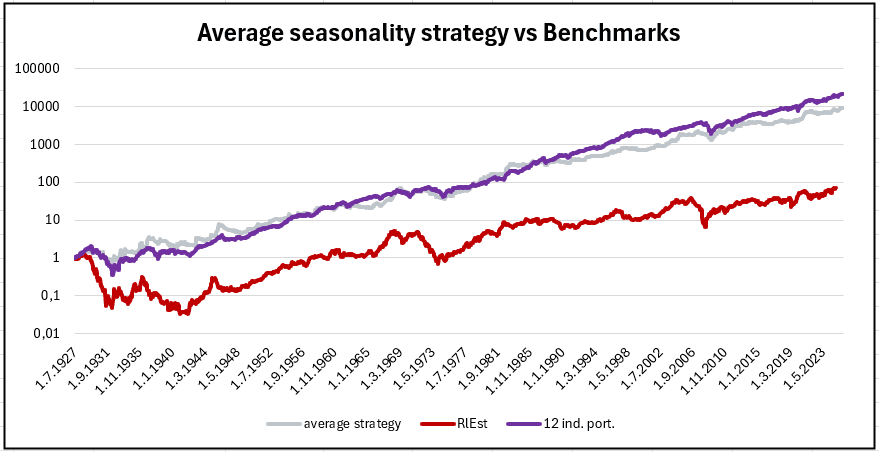
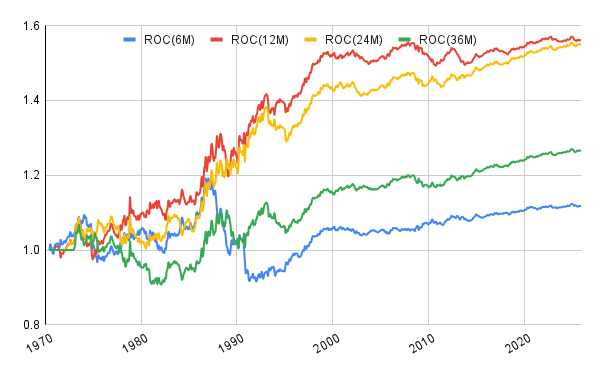
Anomaly-Based Trading Strategies in the Real Estate Sector. Can the Market Be Beaten? This study examines the effectiveness of several anomaly-based trading strategies applied to the real estate sector represented by the RlEst index from the Fama–French 48 industry portfolios. Using monthly data from July 1, 1926, to December 1, 2025, we analyze whether selected strategies are capable of generating superior risk-adjusted returns compared to both the standalone RlEst index and the broader market represented by the Fama–French 12-industry portfolios. The tested approaches include trend-following strategies based on moving averages, momentum strategies based on the rate of change of the index, and seasonality-based strategies utilizing different look-back periods. quantpedia.com/anomaly-based-…
Radovan Vojtko - CEO of Quantpedia.com tweet media
English
0
3
37
3.5K
Radovan Vojtko - CEO of Quantpedia.com
Quantpedia in February 2026 Hello all, What have we accomplished in the last month? – Revisited and significantly expanded the Trend/Reversal Analysis Report – 8th episode of our YouTube video series QuantBeats, this time with Jiri Mrkva – Invitation to Future Alpha conference – Quantpedia Awards 2026 reminder – 11 new Quantpedia Premium strategies – 5 new related research papers – 7 new backtests written in QuantConnect code – and finally, 5 new blog posts on our Quantpedia blog quantpedia.com/quantpedia-in-… #quant #trading #strategies
Radovan Vojtko - CEO of Quantpedia.com tweet media
English
0
2
16
1.3K
Radovan Vojtko - CEO of Quantpedia.com
QuantBeats Episode 08 with Jiři Mrkva is Live -> Building Crypto Quant Systems Crypto markets never sleep, but your trading system can do the work for you. Jiři Mrkva breaks down how he builds systematic crypto strategies, why automation beats emotional decision-making, and how robust quant systems can run in the background so investors spend less time watching charts and more time living their lives. youtube.com/watch?v=QogVEF… #quant #trading #crypto #strategy #algotrading #podcast
YouTube video
YouTube
Radovan Vojtko - CEO of Quantpedia.com tweet media
English
0
0
1
386
Radovan Vojtko - CEO of Quantpedia.com
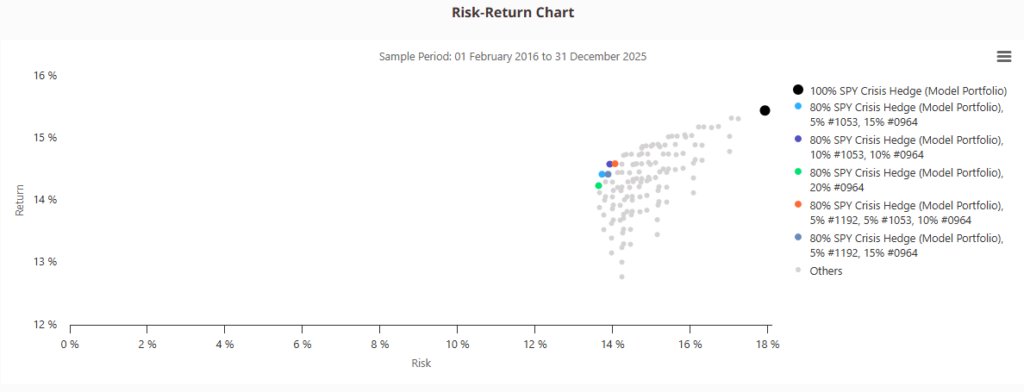
Finding and Integrating Crisis Hedge Strategies: Improving Equity Portfolio Resilience Most systematic trading strategies are pro cyclical by nature. They perform best when markets trend higher and volatility remains contained. During broad market expansions, equity risk premia, momentum and trend following approaches tend to generate stable positive returns. However, during market crises or extended bear markets, many of these strategies become synchronized. Correlations increase, volatility spikes and traditional diversification weakens. In such environments, portfolios built primarily from pro cyclical strategies may experience simultaneous drawdowns. This creates a structural need for strategies that behave differently during stress periods. Crisis hedge strategies represent such a subset. They are designed to deliver diversification benefits specifically when equity markets decline. Because of their specialized behavior, they represent only a small fraction of the overall strategy universe. This analysis demonstrates how crisis hedge strategies can be identified, evaluated and integrated into a model portfolio using the Quantpedia Pro framework. quantpedia.com/finding-and-in… #crisis #hedge #trading #strategies #portfolio
Radovan Vojtko - CEO of Quantpedia.com tweet media
English
0
0
0
486
Radovan Vojtko - CEO of Quantpedia.com
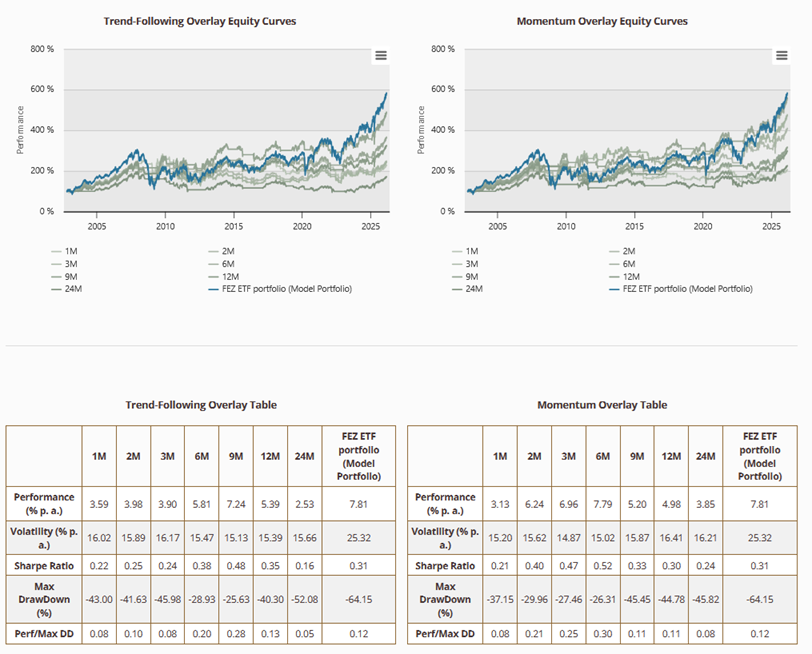
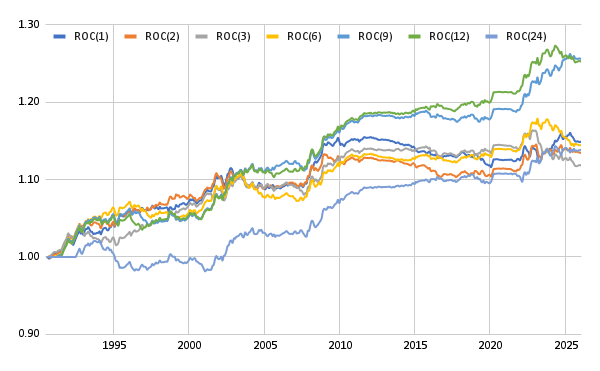
2-Year Notes Momentum: Extracting Term Structure Anomalies from FOMC Cycles For many investors, short-term interest rates are often treated as something the market “discovers.” In reality, the Federal Reserve has enormous control over how the front end of the yield curve evolves. While textbooks often portray the Fed’s policy rate as a flexible tool that reacts quickly to economic data, the actual behavior of the Federal Open Market Committee (FOMC) looks very different. In practice, monetary policy tends to move in long, persistent cycles. The Fed spends years hiking rates, or years cutting them, and only rarely reverses direction quickly. For anyone trading rates, bonds, or rate-sensitive assets, this persistence matters. It means that the path of short-term interest rates over the next one to two years is often largely shaped by the Fed’s policy trajectory rather than by constantly shifting market expectations. This observation has an important implication: the short end of the Treasury curve often behaves less like a forecasting market and more like a gradual reflection of the Fed’s policy cycle. When the Fed enters a tightening or easing phase, that trend tends to propagate through Treasury yields from one month out to roughly two years. In this article, we show that these policy-driven trends can be measured and used. By identifying whether the Fed is in a tightening, easing, or neutral phase, investors can improve their expectations about the near-term evolution of the yield curve. For fixed-income portfolio managers and macro traders, recognizing these policy regimes can help sharpen rate forecasts, improve duration positioning, and better manage risks tied to interest-rate movements. quantpedia.com/2-year-notes-m… #Fed #monetary #policy #momentum #trading #strategy #trendfollowing #FuturesTrading
Radovan Vojtko - CEO of Quantpedia.com tweet media
English
1
1
12
918
Radovan Vojtko - CEO of Quantpedia.com
Systematic Allocation in International Equity Regimes This research examines the critical quantitative investment problem of systematic tactical allocation to international equity mandates—specifically Emerging Markets (EM) and Europe, Australasia, and the Far East (EAFE)—amidst conjectured macroeconomic regime transitions. The investigation is precipitated by observable deteriorations in USD hegemony, elevated geopolitical risk premiums, and protracted macroeconomic uncertainty. These factors collectively challenge the post-Global Financial Crisis paradigm of consistent US equity outperformance, suggesting a potential inflection point in relative returns and currency-adjusted Sharpe ratios. The central research question is whether a statistically robust, signals-based framework can be engineered to systematically time exposure to EAFE equities, thereby capitalizing on these postulated regime shifts. We move beyond traditional, static mean-variance optimization by developing a dynamic model that integrates momentum variables to generate actionable, out-of-sample allocation signals. quantpedia.com/systematic-all…
Radovan Vojtko - CEO of Quantpedia.com tweet media
English
0
1
19
1.4K
Radovan Vojtko - CEO of Quantpedia.com
Evaluating Reversal Potential in Niche Alternative ETFs Alternative ETFs sit at an unusual intersection of public-market accessibility and hedge-fund-style investment techniques. They package managed futures, merger arbitrage, and option-based income strategies into exchange-traded products, yet they remain thinly traded and relatively niche compared to mainstream equity or bond ETFs. This combination makes them intriguing: they offer exposure to alternative risk premia, and their limited liquidity raises possibilities to build short-term reversal strategies. When an ETF is liquid but its underlying assets are difficult to price in real time, temporary dislocations between market price and intrinsic value can arise, particularly during periods of elevated volatility. Sharp market sell-offs or rapid rallies may push the ETF price away from a reasonable estimate of its net asset value, not because fundamentals have changed, but because liquidity demand, hedging pressure, or order-flow imbalances dominate short-term pricing. These deviations create tactical opportunities for arbitrage-minded traders, who can buy temporarily oversold ETFs or short those that become overextended, expecting mean reversion once pricing efficiency is restored. quantpedia.com/evaluating-rev… #arbitrage #reversal #trading #strategy #ETFs #DBMF #MNA #PBP #WTMF
Radovan Vojtko - CEO of Quantpedia.com tweet media
English
0
0
9
730
Radovan Vojtko - CEO of Quantpedia.com
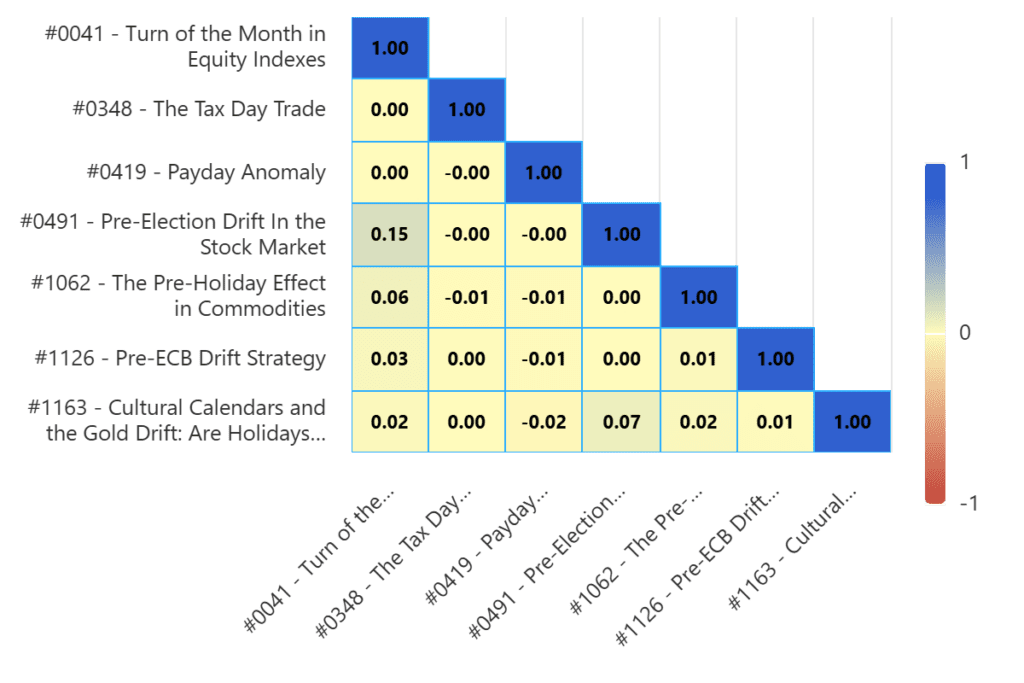
Combining Calendar Strategies into the Trading Portfolio Calendar strategies are often viewed as weak when assessed individually. Their annualized returns tend to be low, market exposure is limited, and trading activity is sparse. Compared to trend following or swing strategies, which can remain invested for extended periods, calendar strategies may appear inefficient at first glance. This impression, however, largely stems from evaluating these strategies outside of their intended context. Calendar strategies are not designed to operate as standalone trading systems. Their primary role is within a portfolio, where their structural properties become relevant rather than their individual performance metrics. quantpedia.com/combining-cale… #diversification #trading #strategies #calendar #correlation #quant #algo
Radovan Vojtko - CEO of Quantpedia.com tweet media
English
0
1
34
2.3K
Radovan Vojtko - CEO of Quantpedia.com
Agentic AI for Trading QuantInsti just launched Agentic AI for Trading — a course designed for quants who want AI that can plan, use tools, and collaborate like a team. From hypothesis generation to backtesting, automate the repetitive parts of strategy development and focus on what matters: alpha. 🎯 Special Offer for Quantpedia readers: Use code QUANTPEDIA to get 7% off. If you're serious about systematic trading and AI-driven research workflows, this is worth a look. quantra.quantinsti.com/course/agentic…
Radovan Vojtko - CEO of Quantpedia.com tweet media
English
2
3
10
1.1K
Radovan Vojtko - CEO of Quantpedia.com
Quantpedia in January 2026 Hello all, What have we accomplished in the last month? – A three new volatility-based regime filters for the Trading Edge Analysis Report – 7th episode of our YouTube video series QuantBeats, this time with David Kaiser from Methodical Investments – And the Quantpedia Awards 2026 competition is back! – 11 new Quantpedia Premium strategies – 8 new related research papers – 9 new backtests written in QuantConnect code – and finally, 5 new blog posts on our Quantpedia blog quantpedia.com/quantpedia-in-… #quant #trading #competition #quantpedia #Awards2026
Radovan Vojtko - CEO of Quantpedia.com tweet media
English
0
0
2
450
Radovan Vojtko - CEO of Quantpedia.com
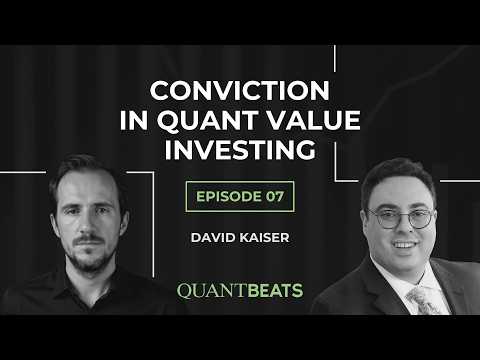
QuantBeats Episode 07 (David Kaiser: Conviction in Quant Value Investing) is Live! Building conviction without emotion is harder than it sounds. David Kaiser walks through his evolution from fundamental analyst to quant value investor, explaining how rules-based portfolios, fundamental data, and patience help investors survive long periods when value is out of favor. youtube.com/watch?v=VAeUv8… #quant #value #investing
YouTube video
YouTube
Radovan Vojtko - CEO of Quantpedia.com tweet media
English
0
0
1
463
Radovan Vojtko - CEO of Quantpedia.com
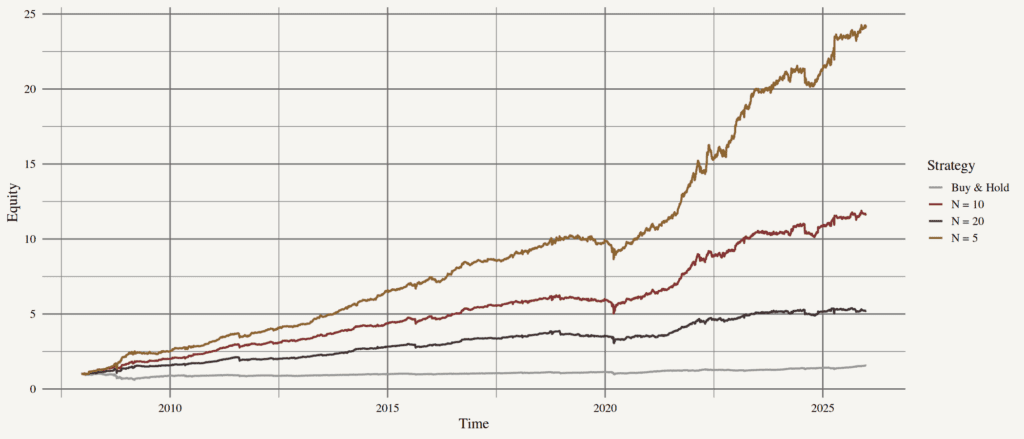
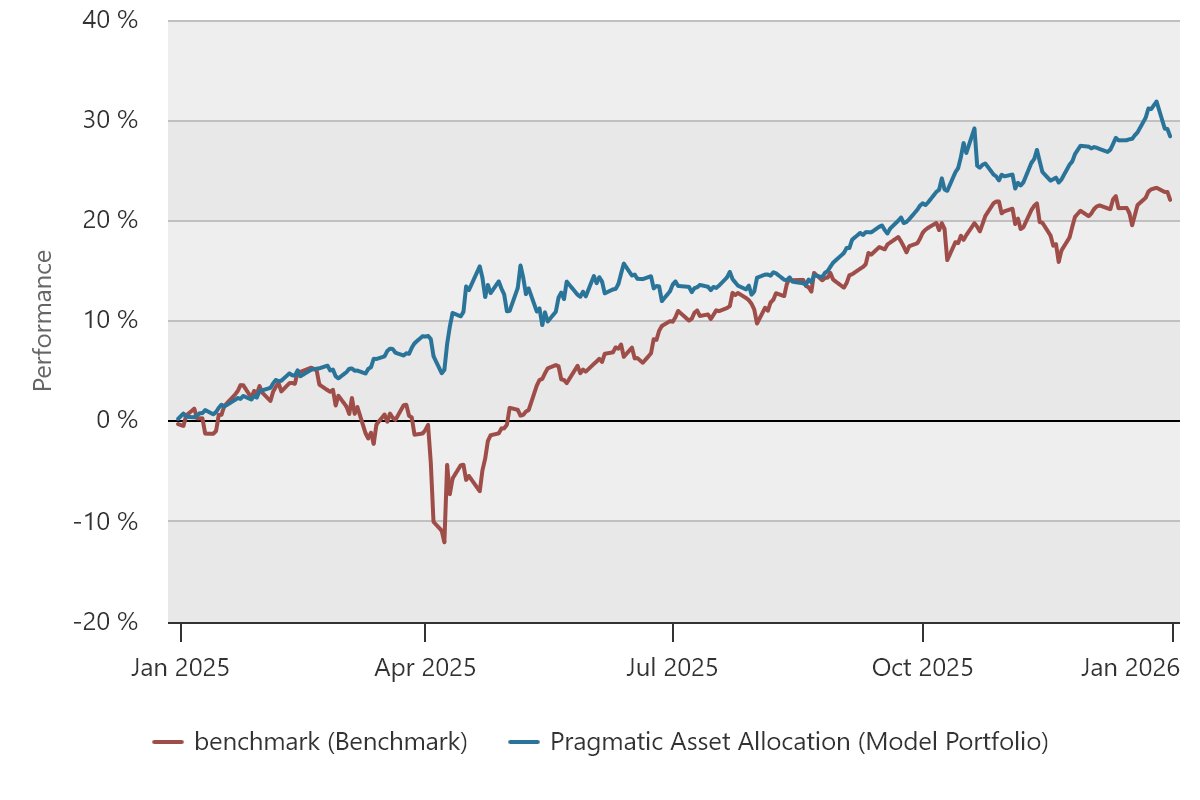
Pragmatic Asset Allocation Across Market Cycles Pragmatic Asset Allocation (PAA) is a systematic, multi-asset investment strategy designed to adapt dynamically to evolving market conditions. Rather than maintaining a static equity exposure, the model actively allocates capital across a diversified set of asset classes—including equities, bonds, commodities, gold, and cash-like instruments—using momentum-based signals and disciplined periodic rebalancing. The strategy’s primary objective is to deliver attractive long-term returns while materially reducing drawdowns during adverse market environments. It has now been two highly volatile years since we first published our paper on PAA, making this an opportune moment to review the strategy’s performance over the past year. quantpedia.com/pragmatic-asse… #assetallocation #TAA #gold #stocks #treasuries #quant
Radovan Vojtko - CEO of Quantpedia.com tweet media
English
0
3
33
1.9K
Radovan Vojtko - CEO of Quantpedia.com
Do S&P500 0DTEs Options Increase Market Volatility? Recent market action has once again underscored how rapidly volatility can surface across asset classes, as evidenced by pronounced price swings in gold, silver, and cryptocurrency markets. Such episodes routinely revive debate within the quantitative community about structural drivers of intraday instability, with particular attention paid to the growing prominence of S&P 500 zero-days-to-expiration (0DTE) options. The rapid proliferation of these ultra-short-dated contracts has fueled concerns among practitioners, regulators, and exchange operators that concentrated option activity may transmit destabilizing hedging flows into the cash equity market. At the same time, the paper under review challenges this prevailing spillover hypothesis, suggesting that the availability of 0DTE options systematically alters market-makers’ hedging exposures in a way that may dampen, rather than amplify, realized index volatility. So, do 0DTE options truly increase market volatility? quantpedia.com/do-sp500-0dtes… #0DTE #options #gold #silver #SP500 #volatility
Radovan Vojtko - CEO of Quantpedia.com tweet media
English
0
0
2
682
Radovan Vojtko - CEO of Quantpedia.com
Who Is the Counterparty to the Pro-Cyclical Investors An interesting transaction-level study we take a closer look at today asks who takes the other side of trades when the most pro-cyclical players in markets — primarily asset managers — buy in booms and sell in busts. The paper uses comprehensive transaction data across major European equity and interest-rate cash and derivatives markets to classify counterparties by sector and to measure, at horizons from 15 minutes to one month, which sectors absorb net flows from pro-cyclical investors. Dealer banks emerge as the dominant liquidity providers across asset classes. At intraday and daily horizons, dealer banks absorb the vast majority of the net flow coming from asset managers. Other active liquidity sources, such as principal trading firms and hedge funds, play only minor roles. quantpedia.com/who-is-the-cou… #counterparty #trading #dealers
Radovan Vojtko - CEO of Quantpedia.com tweet media
English
0
0
2
512
Radovan Vojtko - CEO of Quantpedia.com
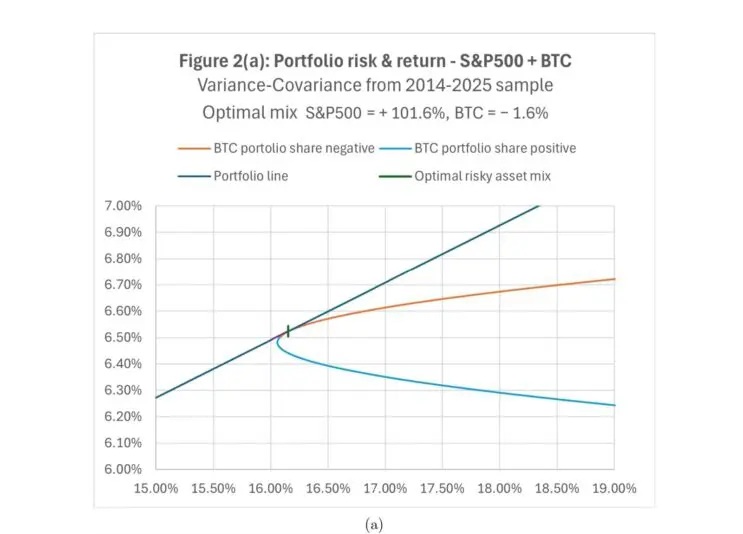
Is The Optimal Long-term Portfolio Share of Bitcoin Negative? The crypto-enthusiast’s mantra—“just add Bitcoin and watch the efficient frontier fly”—runs into a hard empirical wall when you extend the sample, tighten the econometrics, and force the asset to compete on identical risk-adjusted footing with equities. Alistair Milne’s new SSRN paper applies a textbook Markowitz mean–variance framework to a two-asset universe (S&P 500 vs. Bitcoin) and finds that the ex-ante optimal long-term weight on BTC is not merely small; it is outright negative. In other words, a rational, variance-averse allocator who believes expected returns equal historical equity premia plus a fair compensation for BTC’s non-diversifiable volatility should be short, not long, the flagship digital token. quantpedia.com/is-the-optimal… #Bitcoin #markowitz #TradingStrategy
Radovan Vojtko - CEO of Quantpedia.com tweet media
English
0
0
1
498
Radovan Vojtko - CEO of Quantpedia.com
The Fallacy of Concentration Risk Market concentration has become one of the most discussed structural risks in today’s equity markets. A small group of mega-cap stocks—often the largest five to ten names—now accounts for an unusually large share of major market indices. This has led to widespread concerns that such concentration makes markets more fragile and that elevated index weights at the top may foreshadow weaker future returns. Many investors worry that history is repeating itself and that extreme concentration today implies disappointment tomorrow. quantpedia.com/the-fallacy-of…
Radovan Vojtko - CEO of Quantpedia.com tweet media
English
0
0
0
493
Radovan Vojtko - CEO of Quantpedia.com
Quantpedia in December 2025 Hello all, One year is again behind us (in this case, it was 2025), and we are all a little older (and hopefully richer and/or wiser). 2025 was again a year full of political and macroeconomic surprises that affected financial markets, and 2026 looks set to be shaped in the same way. We at Quantpedia promise to do our best to help you navigate the treacherous waters of the future. So, we wish you all the best in 2026, and before we fully turn the page on the new year, let's quickly review December's updates ... What have we accomplished in the last month? – A new Fee Impact & Net Performance Analysis module – 10% discount code for those who help us and fill out our survey – an invitation to Uncorrelated Miami conference (with a 10% discount code) – 10 new Quantpedia Premium strategies – 6 new related research papers – 7 new backtests written in QuantConnect code – and finally, 5 new blog posts quantpedia.com/quantpedia-in-… #quant #AlgoTrading #investing #tradingstrategy
Radovan Vojtko - CEO of Quantpedia.com tweet media
English
0
0
3
394
Radovan Vojtko - CEO of Quantpedia.com
Cross-Asset Price-Based Regimes for Gold This article develops a price-based macro–financial model of gold that formally links its medium-horizon return dynamics to cross-asset risk-premium configurations. Although gold has traditionally been conceptualized as a non-yielding inflation hedge or safe-haven asset, contemporary empirical evidence reveals a substantially more intricate structure: gold’s forward returns are systematically conditioned by the joint momentum of (i) gold itself and (ii) long-duration U.S. Treasury total-return indices. The alignment of these two signals appears to encode macroeconomic information—specifically the direction of real interest rates, the stance and expected trajectory of Federal Reserve policy, and the prevailing global risk-appetite regime. quantpedia.com/cross-asset-pr… #GOLD #TradingStrategy #investing #QuantTrading
Radovan Vojtko - CEO of Quantpedia.com tweet media
English
0
1
5
476