Colossus@colossusmag
The third best-selling computer platform in history, after Windows PCs and the Mac, began as a recruiting tool for Cambridge University's computer science department.
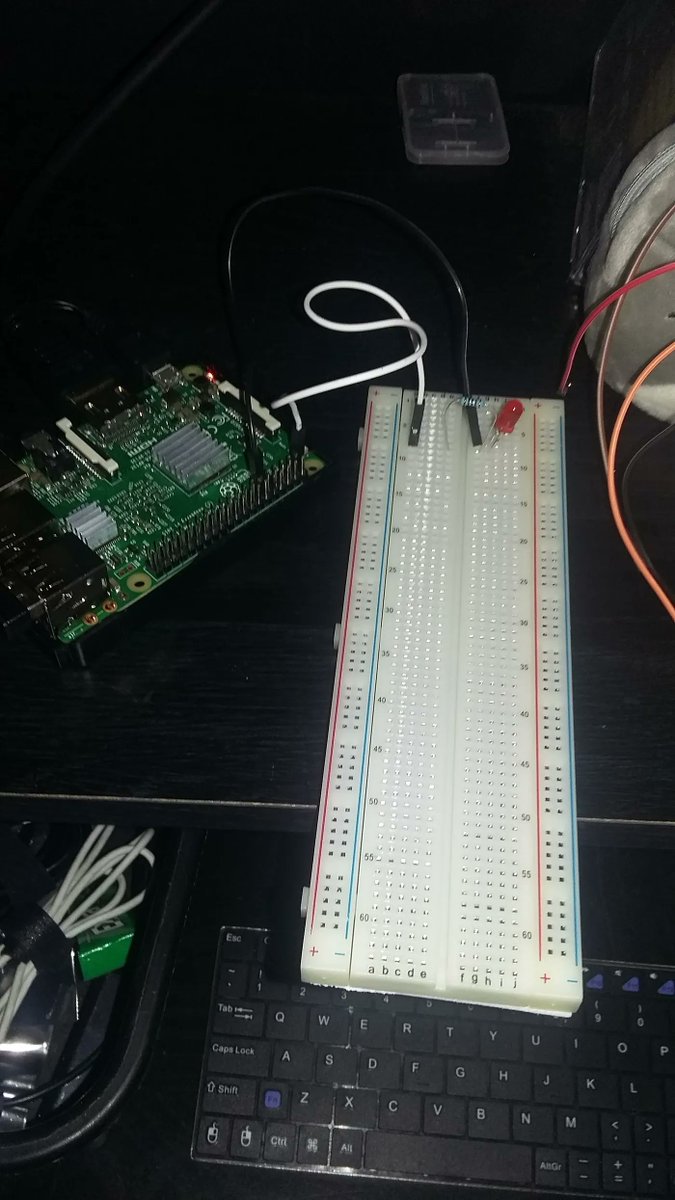
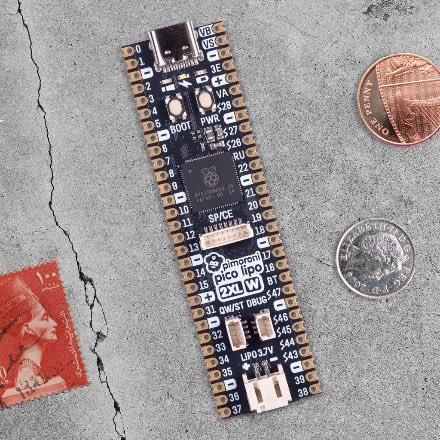
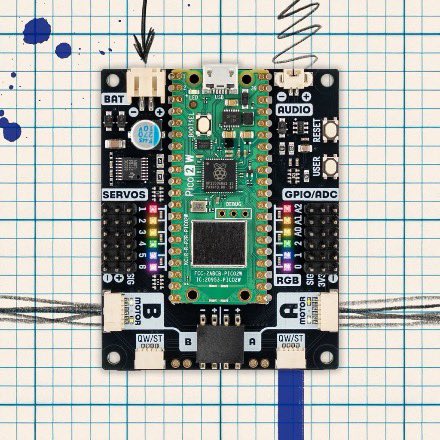
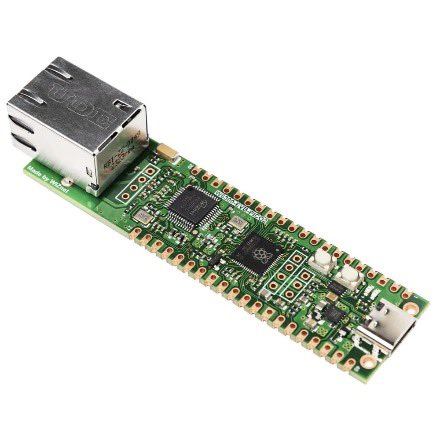
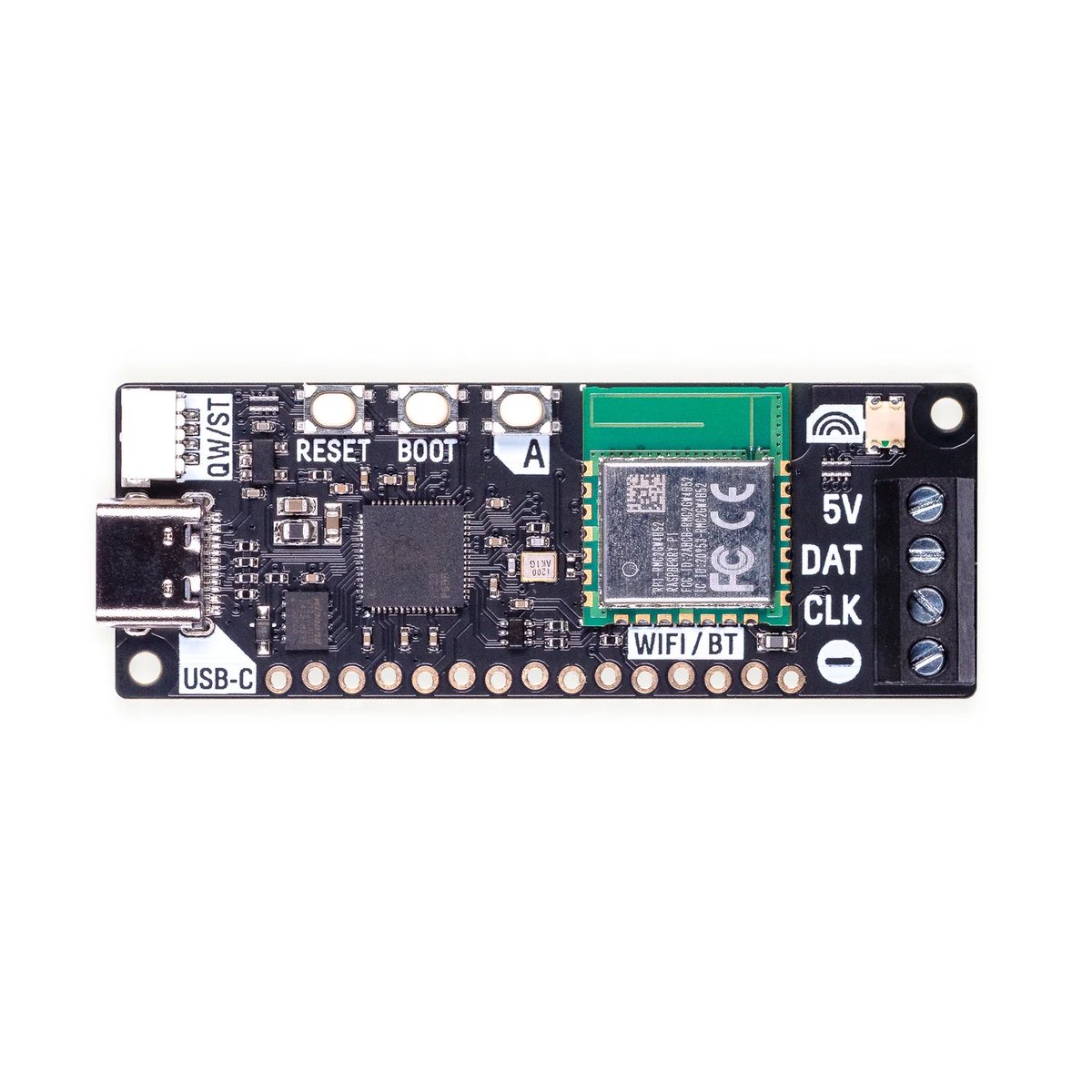
It's the size of a credit card, has no case, and costs less than a pair of shoes.
Eben Upton built Raspberry Pi in 2012 to get more applicants into Cambridge's computer science course, then the easiest to get into. He thought kids needed the real thing: a general purpose programmable computer (like his childhood BBC Micro) to fall in love with the unbounded creativity of coding. He was more right than he could have imagined.
On launch day in 2012, he sold 100,000 computers. A million shipped before Raspberry Pi hired an employee. Computer science is now the hardest course to get into at Cambridge, and Raspberry Pi is a $1.5 billion public company that has sold over 73 million units. 80% of its revenue comes from industry.
Every digital display at Heathrow runs on a Pi. Schindler uses them in its elevators. The International Space Station has carried one in orbit since 2015.
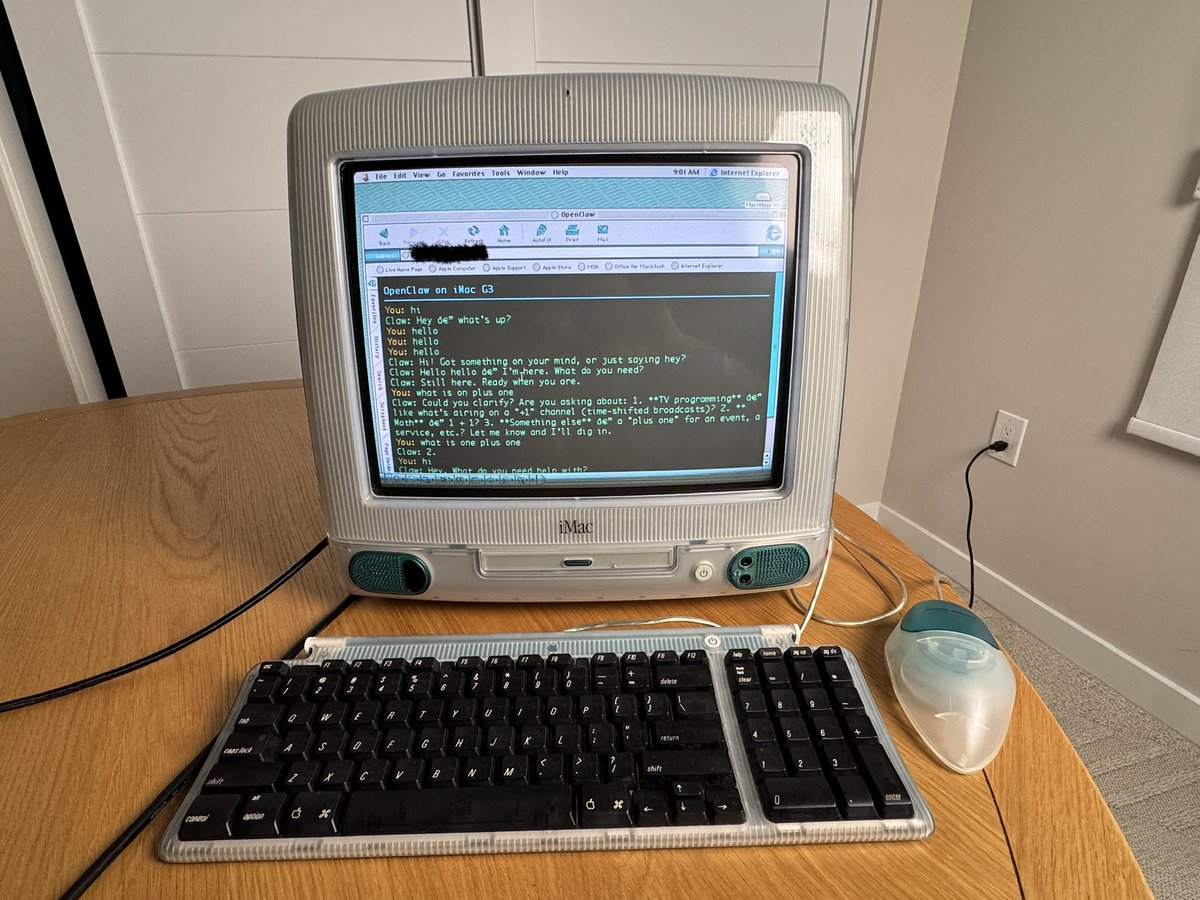
You'll also find the tiny computers wherever the next thing is. Bitcoin mining farms ran on them. So did the first wave of hobbyist drones. Pis now run LLMs. In five years, Upton thinks Claude Sonnet-class intelligence will fit in your pocket.
Most tech conversation is about the frontier: the newest chips, the biggest models, trillion-dollar training runs. Raspberry Pi is a case study in the opposite. It shows what cheap, general-purpose, and performant-enough can achieve. It's also a rare British hardware success story, designed in Cambridge, manufactured with Sony in Wales, and reshored from China a decade before the rest of the industry caught on.
Read @TerranMott's interview with Upton below. It comes with extraordinary photos of Pis baking in the Welsh factory, and covers the journey of automation, teaching children to program in the era of agents, and putting foundation models in your pocket.