
RubyBlaze retweetledi

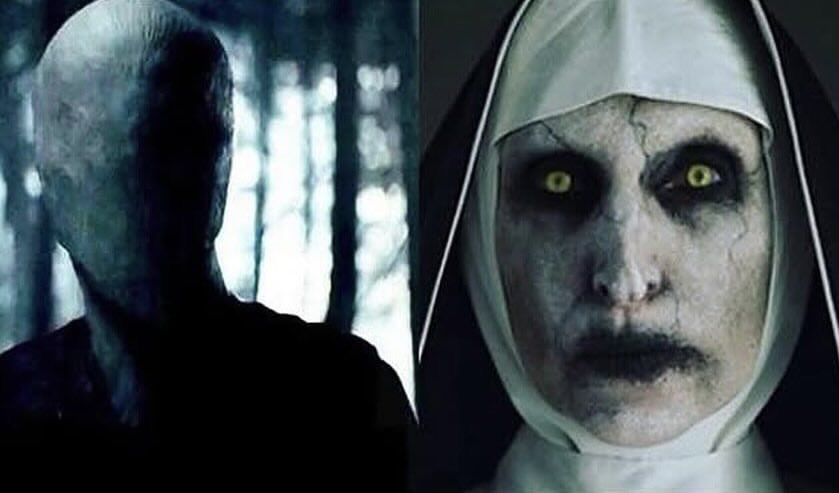
Your brain has a “wandering mode” that kicks in when you’re not focused on anything. In depressed people, this mode gets stuck on repeat, looping the same negative thoughts over and over. A 2025 brain scan study found that horror movies temporarily break that loop.
Researchers scanned the brains of 84 people with depression before and after showing them horror clips. The part of the brain responsible for replaying bad thoughts disconnected from the part that decides what to pay attention to. The bigger the disconnect, the more the person actually enjoyed the movie. Your brain can’t replay your worst memories when something on screen is trying to eat someone.
But scarier isn’t always better. The same team tested 216 people and found a sweet spot. Fear and enjoyment rise together, but only to a point, then enjoyment drops off. People with moderate depression needed a harder scare to hit that sweet spot. People with severe depression barely felt anything at all.
A 2021 study surveyed 310 people during the first COVID lockdown. Horror fans reported less depression, less anxiety, and better sleep than non-fans, even after the researchers accounted for personality differences. People who watched zombie and apocalyptic movies specifically said they felt more prepared for the pandemic.
Margee Kerr, a sociologist at the University of Pittsburgh, put brain sensors on 100 people before and after sending them through an extreme haunted house. About half came out in a better mood. Their brains had calmed down the same way a runner’s brain calms down after a long run. When you get scared, your body dumps dopamine (the “reward” chemical), endorphins (natural painkillers), and adrenaline all at once. When the scare ends, the comedown feels good.
Mathias Clasen, who runs the Recreational Fear Lab in Denmark (yes, that’s a real lab), splits horror fans into three types: people who watch for the adrenaline rush, “white knucklers” who push through fear to prove something to themselves, and “dark copers” who straight up treat horror movies like medicine for their anxiety or depression.
The catch: you have to choose to watch. That’s the whole thing. Being forced into a scary situation doesn’t help, it makes things worse. People with severe anxiety can become more jumpy, not less. A University of Wisconsin study found kids under 14 who watched horror had a higher chance of developing anxiety as adults. 93% of 1,600 Danish kids enjoy at least one scary activity according to a 2025 study, but the line between helpful fear and harmful fear comes down to one thing: whether you’re the one holding the remote.
Creepy.org@creepydotorg
Recent studies suggest that horror movies help with depression and anxiety, as well as decrease negative thoughts.
English