
Ruth Gardner retweetledi
Ruth Gardner
4.1K posts


Ruth Gardner
@RuthOTDem
retired occupational therapist. special interest in dementia and carer support.all views my own. cat lover. musicals and all things theatre. trustee
Katılım Mart 2014
2.8K Takip Edilen882 Takipçiler

Ruth Gardner retweetledi

The clocks go forward by one hour at 1 am on 29 March.
Planning ahead and using simple strategies – like keeping familiar routines, getting outside in daylight, or using reminders – can help make the transition smoother.

English
Ruth Gardner retweetledi

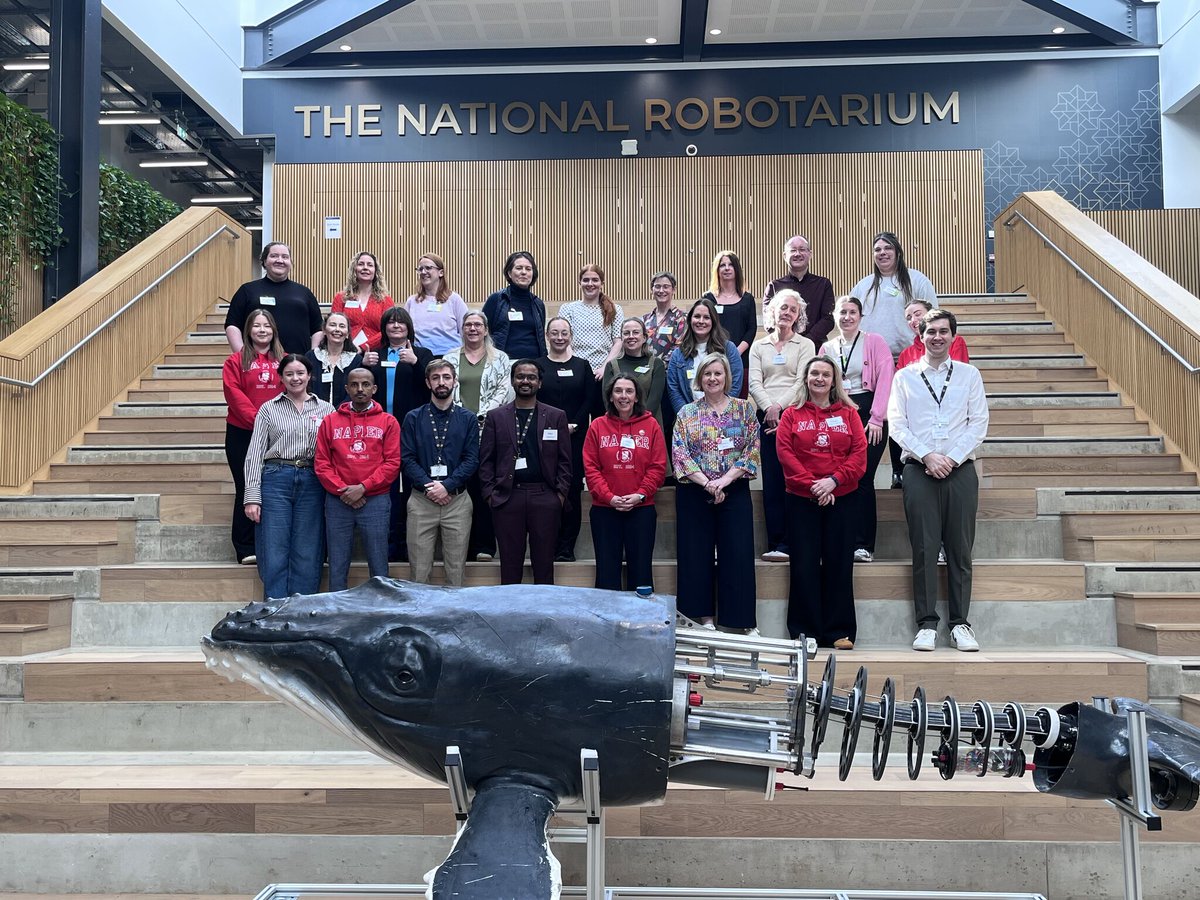
🤖 | Research Developments!
A brilliant two days for @macleanfiona09 as she moved into the next stage of her collaborative research project, exploring robotics in occupational therapy-led rehabilitation.
More updates and outcomes to come✨
📸: @elaineahpmh
English
Ruth Gardner retweetledi

Changes in behaviour can be one of the toughest parts of supporting someone with dementia. Join us to discover what may be causing these changes and what you can do to help. Email Donna to register 👉 donnamulder@centralcarers.co.uk
#DementiaSupport #DementiaCare

English
Ruth Gardner retweetledi
Dining
A balanced healthy diet is important to keeping mentally and physically well. In this topic we think about the importance of establishing mealtime routines and ways of making dining into a meaningful activity.
cpcs.online/home/dining
English
Ruth Gardner retweetledi
Carers: The clocks move forward this weekend, meaning the evenings are getting lighter so it may be an opportunity to enjoy an evening stroll or time out in the garden. This can stimulate conversation and provide opportunities to #reminisce. @NDCAN_Scotland @CarersTrustScotland

English
Ruth Gardner retweetledi

Clinical tip on #delirium: with agitation, de-escalate with a calm manner & express empathy, e.g. by saying, "You look worried - how can I help?"

English
Ruth Gardner retweetledi
Communication is always a shared responsibility. It’s not just about what each person says but how we listen, adapt, and respond. If you're talking with someone with dementia-slow down, consider your tone & expression, watch/listen/ follow. #WithSLTuCan
English
Ruth Gardner retweetledi
A good night's sleep is important for physical and emotional wellbeing. Over a lifetime our sleep patterns and the amount of sleep we need changes These activities invite you to think about sleep and offer some suggestions of how to get a good night's rest cpcs.online/home/sleep1
English
Ruth Gardner retweetledi
Physiotherapy optimises brain health, improves health and wellbeing, and promotes independence in people with dementia through physical interventions and activities. You can find out more about the role of physiotherapy in their postcard: alzscot.org/wp-content/upl…

English
Ruth Gardner retweetledi
It’s getting to that time of year again when the clocks go forward. Get prepared ahead of time for the change on Sunday 29 March. 💡 Maybe start to think about some back out curtains for the lighter nights and early light mornings.? What other tips and ideas do you have?
English
Ruth Gardner retweetledi

Most organisations are investing significantly in workshop and change facilitation and have very little idea whether it's working.
That’s the uncomfortable truth at the heart of the recently published “State of Facilitation 2026” report from @SessionLab. At a time when every hour spent away from operational demands must earn its place, we have to pay serious attention to the impact of facilitated change sessions.
Here is the core tension: facilitation is widely described as powerful and transformative, yet the practices needed to prove that (upfront goal-setting, structured follow-up, rigorous evaluation etc) are not routine. Only 1 in 3 facilitators agree measurable performance indicators with the people who commission their change sessions upfront. Without outcomes defined at this stage, impact assessment becomes retrospective and unreliable.
The report distinguishes three types of "impact" that are routinely conflated: (1) facilitator performance and in-room engagement; (2) participant experience and perceived value; and (3) actual organisational outcomes (sustained behaviour change and measurable results). Facilitation practitioners often “focus mainly on satisfaction,” even though “there is no correlation between satisfaction and application" (Alliger & Janak, 1989). As leaders, we often accept (1) & (2) as evidence of success. We need to invest significantly in (3).
43.5% of respondents identify lack of follow-up as the main barrier to impact. Sessions are evaluated on what happens in the room, but impact depends on what happens afterwards. As one contributor notes: "After the session, participants go back to a work environment and systems which weren't designed to support the changes explored." Leaders across every sector can recognise that pattern.
51.4% of facilitators rely primarily on word of mouth to communicate their impact, and only 4.5% contribute to research or published writing on outcomes. The impact is often real, but it doesn't travel. Where evidence shapes strategy and investment, this invisibility has consequences.
Three things leaders can do differently:
1) Treat facilitation as a strategic capability, not a tactical event: Bring facilitators in early, define the outcomes you care about, and make impact expectations explicit at the outset.
2) Invest in the before and after: Commit to proper scoping, co-design, and systematic follow-up — not just satisfaction surveys at the end of the session.
3) Make the invisible visible: Ask for impact stories, behavioural indicators and links to organisational outcomes. Sponsor the translation of facilitation results into the language of strategy, risk and value.
Facilitation as a one-off event changes little. Facilitation as a sustained, evidence-informed capability transforms performance.
The “State of Facilitation 2026” report: #toc" target="_blank" rel="nofollow noopener">sessionlab.com/state-of-facil….

English
Ruth Gardner retweetledi
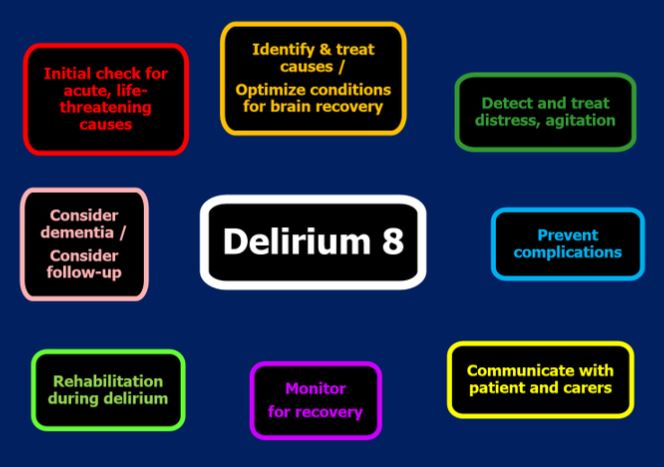
🙁 "Nobody told me or my family about delirium during my whole time in the hospital. Not the doctors, nurses, support workers - no one mentioned it."
-- Delirium survivor
⭐ Communication with patients & families about the diagnosis of delirium is ESSENTIAL for good care.
#delirium
English
Ruth Gardner retweetledi

Congratulations Stuart James for winning volunteer of the year award from Glasgow Health Care and Social Partnership
You’ve done an amazing job growing the Glasgow group with regular events and peer support
bit.ly/4rERxCd

English
Ruth Gardner retweetledi
Carers: Are you aware of the #HerbertProtocol? This a form you complete that can help the police locate your loved one with #dementia if they unfortunately go missing. See this link for more details scotland.police.uk/what-s-happeni… @NDCAN_Scotland @alzscot @CarersTrustScotland
English
Ruth Gardner retweetledi
BLOG Importance of physiotherapy after a dementia diagnosis ‘people living with dementia can gain enormous benefit from remaining active, engaged and visible in their communities’ a worthy read by Jackie #Enjoy letstalkaboutdementia.wordpress.com/2026/03/12/imp… @alzscot
English
Ruth Gardner retweetledi
Small changes at home can make a difference 💡Tap into technology. Technology can help with everyday tasks, like remembering things and going out and about. You could also use the online platform About Digital And Me (ADAM) to help. alzscot.org/community-supp…
English
Ruth Gardner retweetledi
Physical Activity
There is a close relationship between physical health and emotional and brain health. Building physical activity into our everyday routines can support wellbeing, offering a source of exercise and a positive way to channel energy.
cpcs.online/home/physical-…
English
Ruth Gardner retweetledi
Carers: Sleep is just as important for you as for your loved one with #dementia. As the mornings get lighter consider black out blinds/curtains especially if the person you share a room with is getting up earlier than their norm. @alzscot @NDCAN_Scotland @CarersTrustScotland

English
Ruth Gardner retweetledi

Since my diagnosis, small routines have become anchors that keep me grounded. Sharing one honest moment and the coping step that followed — it changed how I face each day. Read more and find support: wix.to/hWZAR6o #DementiaSupport

English