
Sayema Khatun

414 posts

Sayema Khatun banner
Sayema Khatun

Sayema Khatun

@sayema

US-based Independent Anthropologist| Feminist| Border and Identities in the South Asia | Stateless, Refugee and Genocide| Bangladeshi Women Solidarity Network|

Milwaukee, WI Katılım Mayıs 2008
5K Takip Edilen465 Takipçiler
Sabitlenmiş Tweet
Sayema Khatun
Sayema Khatun@sayema·
I am honored to be featured as a global scholar in the Yale University Human Research Area File Repository, USA this year for my research on Policy Response to the Influx of Rohingya in Bangladesh. hraf.yale.edu/featured-hraf-…
English

1
1
4
0
Sayema Khatun retweetledi
Transforming Anthro
Transforming Anthro@TransformAnthro·
Our spring issue is out now! With articles on Black geographies and ecological care, educational reform, institutional exclusion, and residential segregation, this issue moves across sites of US Empire while insisting on conjuring geographies of our own.
Transforming Anthro tweet media
English
1
5
16
1.2K
Sayema Khatun
Sayema Khatun@sayema·
Revisiting this recent history, I wonder what constitutes first or second independence when it comes to women. What constitutes independence for women? newagebd.net/post/new-age-s…
English
0
0
0
89
Sayema Khatun retweetledi
Society for Cultural Anthropology
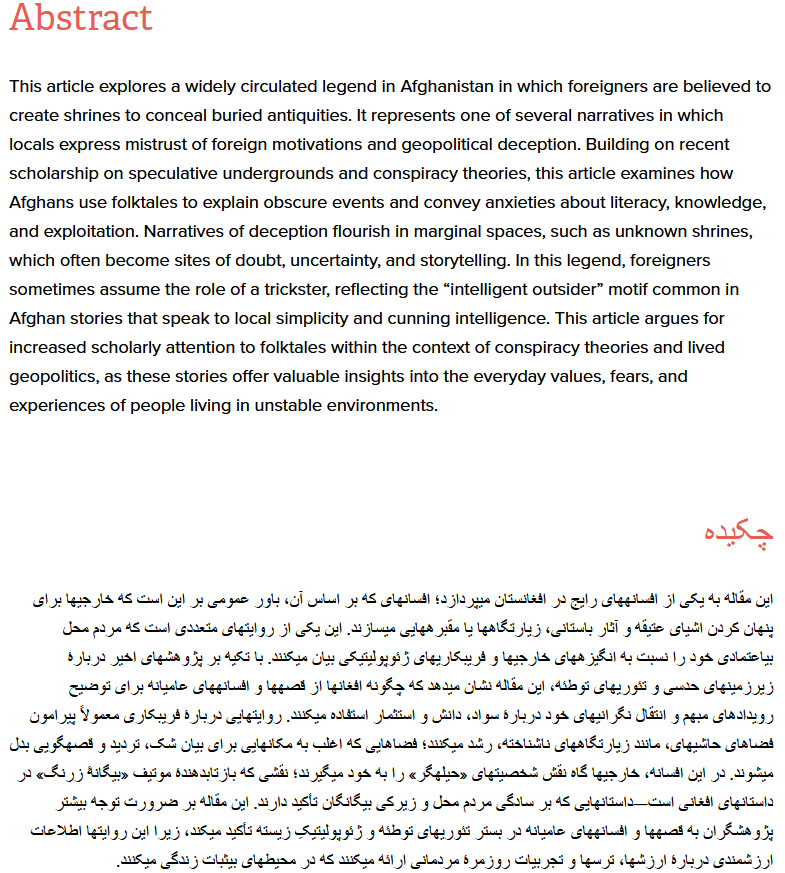
How do geopolitics and distrust of foreign intervention get taken up in vernacular narratives? Our latest issue features this article from Shamim Homayun on Afghan folk tales and beliefs about shrines and antiquities:
Society for Cultural Anthropology tweet mediaSociety for Cultural Anthropology tweet media
English
0
1
15
827
Sayema Khatun retweetledi
Society for Cultural Anthropology
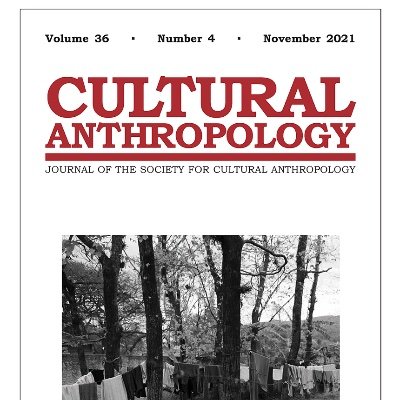
Out now! 📢 The newest issue of Cultural Anthropology is now available open access - please check out the seven articles at the link below:
Society for Cultural Anthropology tweet media
English
1
15
46
2.2K
Sayema Khatun retweetledi
David Bergman
David Bergman@TheDavidBergman·
What the EU Got Wrong About the Bangladesh Election The headline emerging from the European Union's preliminary report into the Bangladesh election was that it was "credible and competently managed, marking a pivotal step towards restoring democratic governance and rule of law." A significant finding, and whilst one can quibble at the edges this is not a finding most independent observers would disagree with. Indeed, the credibility of the elections appears widely accepted in Bangladesh. What was problematic, however, was the response given by the chair of the EU Observation Mission to the question that (almost) dominated the press conference in which it set out its findings, at least in terms of numbers of questions: What is the EU’s view on the exclusion of the Awami League from the election? The answer given by the chairman of the EU observer mission was this: "We are here to observe the elections. What we are interested in is the process of elections. Transitional justice is an extremely painful and sensitive issue in many countries including many European countries. But of course the elections are a way to move forward and what we have observed in these elections is that they have been hugely competitive and the choice presented to the voters with these 2000 candidates have been considerable. This is really a way forward for Bangladesh democracy to go." Is it really possible for an election observation mission to sidestep the exclusion of a political party that has, for most of Bangladesh’s history, been either the largest or second-largest party in the country? Whatever one’s view on the justification for that exclusion, it is self-evident that the election was not fully inclusive. A substantial minority of voters were unable to cast their ballots for the party they traditionally support. The EU appears reluctant even to acknowledge this obvious point. The difficulty, perhaps, lies in the question the EU does not wish to confront directly: Was the exclusion of the Awami League justified? Only by taking a position on that issue can an observer mission coherently assess the quality of an election conducted in its absence. Instead, the EU seems to have placed the issue of exclusion under the heading of “transitional justice” rather than “electoral fairness.” That distinction is unconvincing. The exclusion of a major political party is not merely a transitional justice matter; it goes to the heart of electoral inclusiveness and representativeness. The inconsistency becomes clearer when considering the mission’s remarks on participation and turnout. The chair emphasised at the press conference that a key concern was whether “all relevant groups in society” were participating – including “all political groups and all social groups.” Yet Awami League supporters constitute one of the country’s most significant political constituencies. Their effective exclusion from meaningful participation raises precisely the participation issue the mission claims to prioritise. And whilst it is true that the contest between the BNP and Jamaat alliances was competitive -- competitiveness between two blocs does not necessarily equate to breadth of political choice. The assertion that the presence of 2,000 candidates ensured “considerable” choice misunderstands the nature of party-based electoral politics in Bangladesh. The election offered voters a contest largely between a centre-right and a religious-right formation. The socially liberal centre-left space traditionally occupied by the Awami League was absent. An election can be competitive without being fully representative. To use a comparative example, an election in the United Kingdom confined to a choice between the Conservative Party and Reform UK might well be highly competitive -- but it would hardly be described as offering the electorate comprehensive political choice. By declining to address the implications of exclusion directly, the EU risks appearing selective in its view of the Bangladesh election. A more intellectually honest approach would have been to acknowledge the lack of inclusiveness, explain its view on whether that exclusion was justified, and then assess the procedural quality of the election within that framework. counterpointbd.com/What-the-EU-Go…
English
9
2
25
5.9K
Sayema Khatun retweetledi
Naomi Hossain
Naomi Hossain@nomhossain·
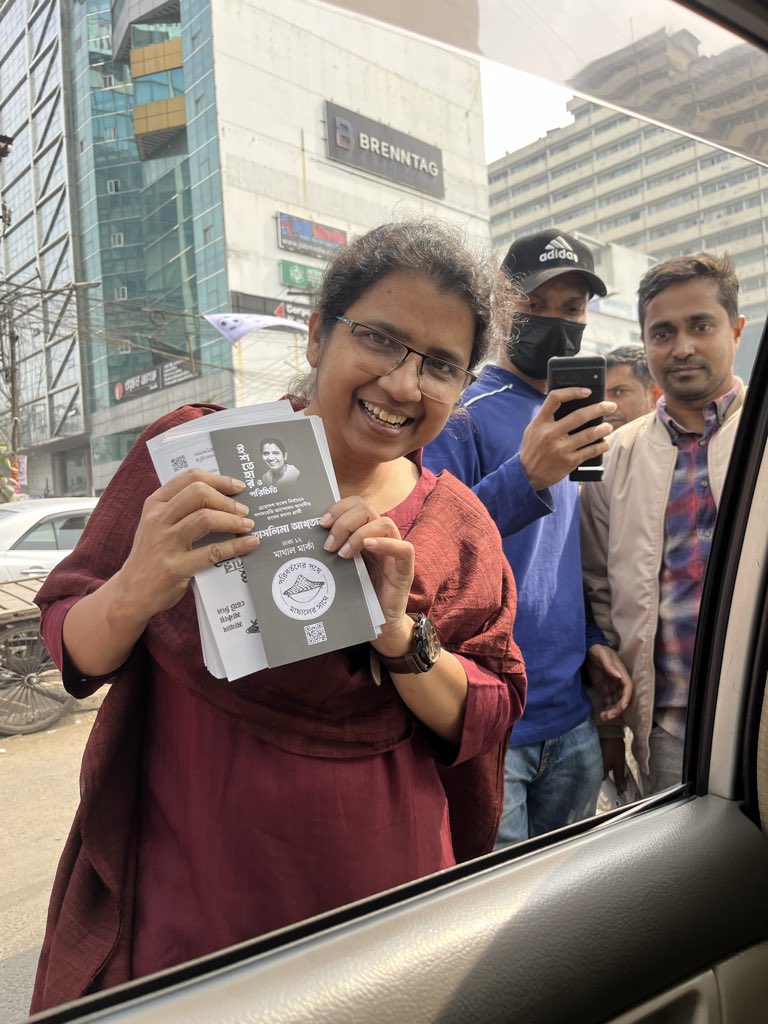
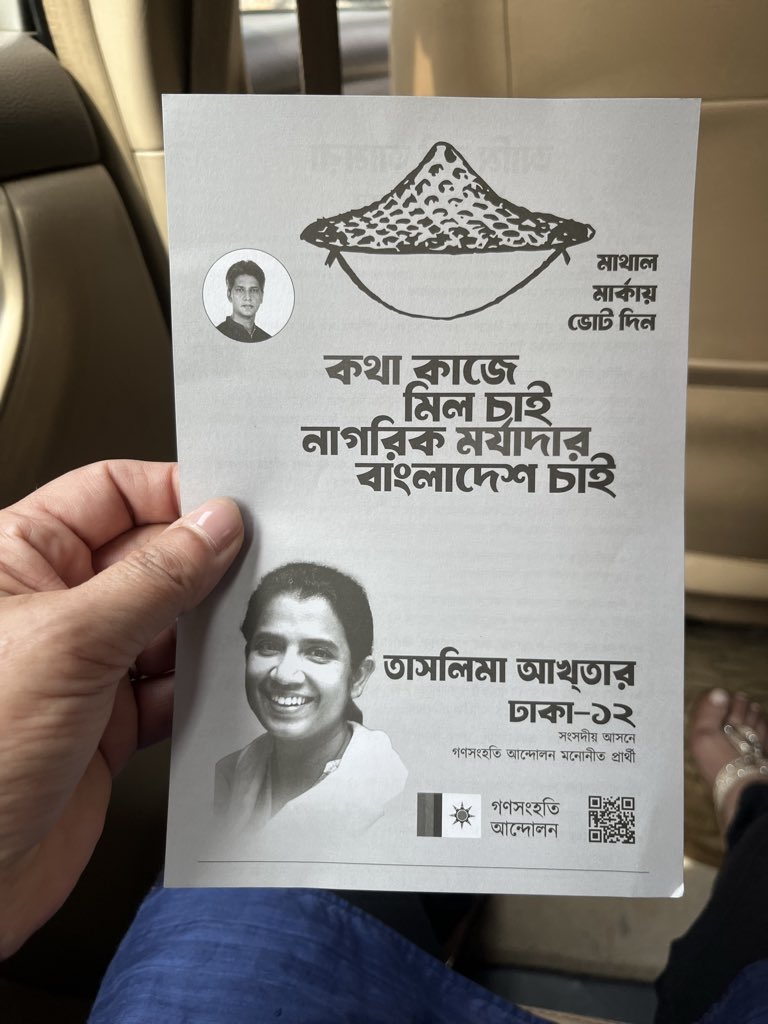
Who I ran into campaigning in Karwan Bazaar!
Naomi Hossain tweet mediaNaomi Hossain tweet media
English
4
4
69
2.5K
Sayema Khatun retweetledi
Prashant Bhushan
Prashant Bhushan@pbhushan1·
Ramachandra Guha: In praise of Dr Umar Khalid, from one historian to another. “The young scholar’s work, though not without its flaws, is one of the most accomplished doctoral dissertations by an Indian that I have read.” scroll.in/article/108980…
English
144
349
1.2K
29K
Sayema Khatun
Sayema Khatun@sayema·
NCP betrayed themselves! Sabotaged the spirit of youth revolution. They had a chance to deliver politics into a novel direction.Tragically, despite having the historical opportunity, they failed to recognize their own potential and apparently failed those who entrusted them.
English
0
0
0
50
Sayema Khatun retweetledi
Apsana Begum MP
Apsana Begum MP@ApsanaBegumMP·
Bangladesh is at a critical juncture. Sharif Osman Hadi was a young aspiring Parliamentarian who rose to prominence in the student-led mass uprising of 2024. His killers must be found and held to account. True democracy, accountability and press freedom must also prevail in Bangladesh to end these cycles of violence. independent.co.uk/asia/south-asi…
English
992
110
799
105.9K
Sayema Khatun retweetledi
Apsana Begum MP
Apsana Begum MP@ApsanaBegumMP·
I’m proud of the campaign I ran despite the situation I faced, but where has it been reported in the media? It’s not like the safety of MPs hasn’t been of public interest or newsworthy. Yet with me, there evokes a deadly silence & women’s experiences are treated so differently.
English
459
251
865
269.3K
Sayema Khatun
Sayema Khatun@sayema·
@bdusalliance As I observe through the evolving situation, Hadi emerged as a charismatic youth leader with promise of a politics based on pragmatic reasons aligned with the aspiration of July revolution.
English
1
0
2
132
Sayema Khatun retweetledi
Bangladesh America Alliance 🇧🇩🇺🇸
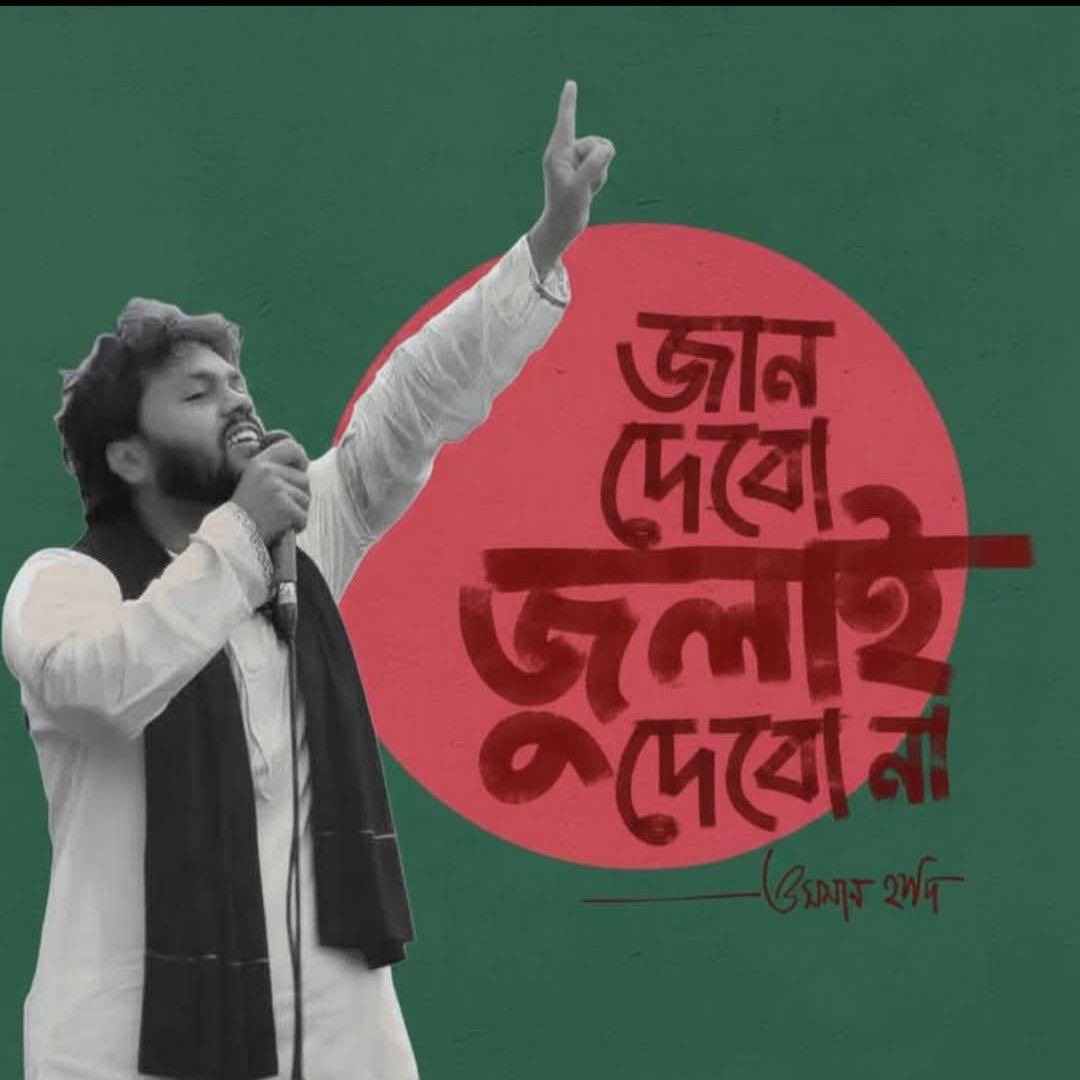
Bangladesh America Alliance (BAA) strongly condemns the heinous attack on Osman Hadi, a prominent son of the July revolution. As Hadi fights for his life, we continue to fight for a new Bangladesh free from reign of terror and dictatorship. People’s power will prevail. Our thoughts and prayers for Hadi and his family. Stay strong Bangladesh!
Bangladesh America Alliance 🇧🇩🇺🇸 tweet mediaBangladesh America Alliance 🇧🇩🇺🇸 tweet media
English
21
26
258
9K
Sayema Khatun retweetledi