Scalefocus

1.8K posts

Scalefocus banner
Scalefocus

Scalefocus

@Scalefocus

We are a software development and digital services company which helps businesses grow by leveraging cutting-edge technology and by employing top talent.

Europe and Washington, D.C. Katılım Şubat 2013
356 Takip Edilen523 Takipçiler
Scalefocus
Scalefocus@Scalefocus·
Already in London for @FintechTalents FTT FinTech Festival! Scalefocus’ Yulian Atanasov and Ivan Rusev are on site, connecting with leaders from banks, FinTechs, and tech innovators to talk open finance, payments, embedded finance, AI, and digital identity. If you’re there, let’s meet!

Scalefocus tweet media
English
0
0
0
75
Scalefocus
Scalefocus@Scalefocus·
At this year’s OpenInfra Summit in Paris, one theme echoed louder than AI – digital sovereignty. Across Europe, organizations are realizing that control over data, infrastructure, and IP is no longer optional. It’s essential. Here’s what’s driving the shift: ➡️ Sovereign clouds built on open-source foundations are rising across the EU ➡️ Governments are replacing foreign-managed systems with local, transparent infrastructure ➡️Open source is emerging as the backbone of resilience, ensuring freedom from vendor lock-in while preserving collaboration and innovation Cloud sovereignty means keeping your data, code, and decisions within your control – and Europe’s turning that principle into policy. At Scalefocus, Codeflow brings this vision to life. It’s a sovereign AI framework that embeds open-source technologies directly into the Software Development Life Cycle (SDLC), enabling teams to build on EU-sovereign or on-prem clouds with full control over data, models, and IP. By combining security, flexibility, and automation, Codeflow helps enterprises accelerate delivery while ensuring compliance and digital independence. Explore how Codeflow supports the next generation of sovereign, AI-driven software engineering: 👉 scalefocus.com/services/data-… #CloudSovereignty #OpenSource #DigitalResilience #EuropeanCloud #Codeflow #Scalefocus
Scalefocus tweet media
English
0
0
0
48
Scalefocus
Scalefocus@Scalefocus·
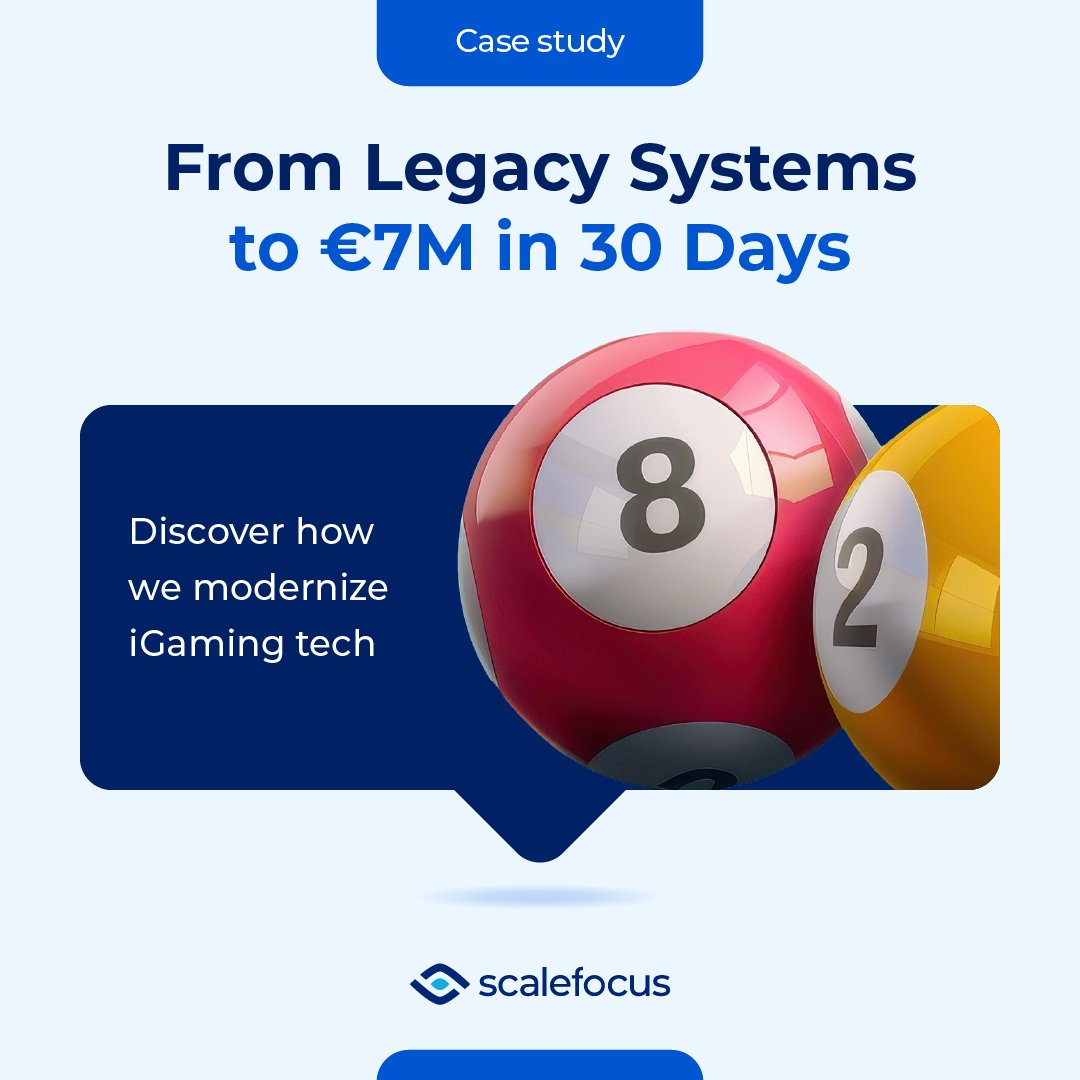
Legacy tech slows your growth. In a recent project, we helped a major EU lottery operator launch a modern, cloud-powered platform that delivered: ➡️ €7M in revenue and 2.7M ticket scans within a month ➡️ 4.5-star Google Play and 4.9 App Store rating (up from 3.7) ➡️ 600K+ active users Check our blog post for the full success story 🔗scalefocus.com/case-studies/c…
Scalefocus tweet media
English
0
0
0
24
Scalefocus
Scalefocus@Scalefocus·
One of the hardest lessons I’ve learned as a leader is that clarity doesn’t come from having all the answers — it comes from having a clear direction and knowing how that shapes priorities and tactics. Years ago, I got certified as a PMP. I’ve never been a Project Manager, but that experience changed how I think. It taught me to have a rooted understanding of how to manage my work and that of others I am responsible for, better organizing my thoughts, understanding what’s moving where, and recognizing that every project is a network of beginnings, endings, and decisions. That mental structure helps you stay focused when the going gets tough. Because eventually, it always does. Letting people go, for example, is one of the most challenging aspects of leadership. No matter how many times you do it, it never gets easy. But preparation helps, explaining clearly why it’s happening, keeping emotions in check, and focusing on understanding rather than blame. I’ve learned to avoid side conversations, too. When someone comes to me with an issue about a colleague, I bring everyone together to discuss it. It’s uncomfortable, but it’s also honest. Honesty prevents minor frustrations from turning into major issues. Setting such examples also gives your team the culture nudge that talking behind someone’s back is not tolerated. The same principle applies to how we handle frustration as leaders. Complaining might feel like a relief, but it’s a trap; it spreads quickly and erodes trust. When you join in, even silently, you normalize it. Before you know it, venting becomes the team’s default way to cope. Problems don’t get solved; they just get postponed and vented upon. Authentic leadership is choosing to stay clear when emotions run high — to see the whole picture, to act with balance, and to protect the culture you’ve built and the people that you are responsible for. Going through tough times as a team and setting examples in good leadership is one of the most powerful bonding experiences you can have. Because when everyone looks to you, it’s not answers they need most. It’s steadiness. #CTOpicks
Scalefocus tweet media
English
0
0
0
35
Scalefocus
Scalefocus@Scalefocus·
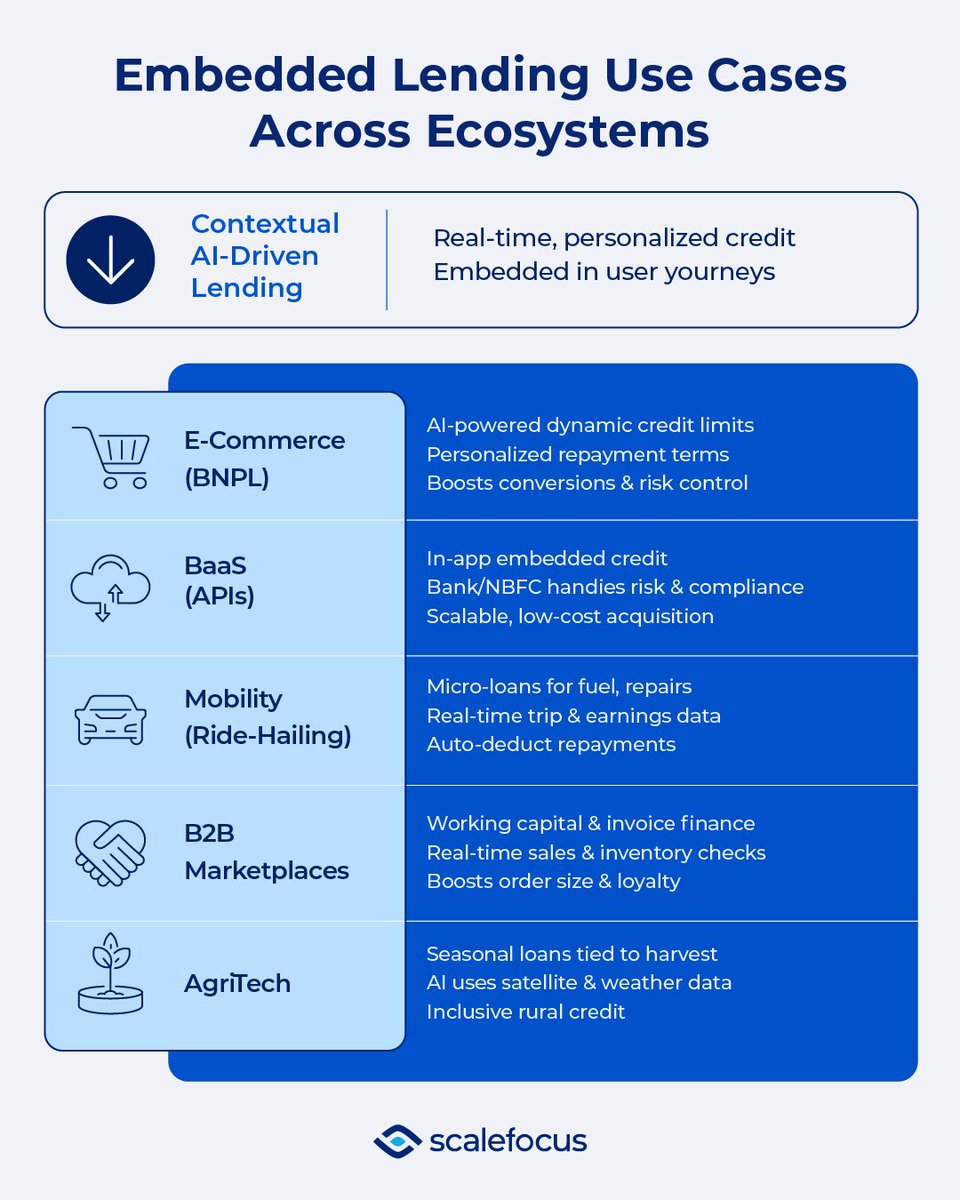
Credit is no longer limited to banks — it’s built into the digital tools we use daily. Embedded lending makes access to funds faster and simpler for businesses and consumers alike. Learn how it’s reshaping finance: bit.ly/47lPWKD
Scalefocus tweet media
English
0
2
0
43
Scalefocus
Scalefocus@Scalefocus·
Even in an age of automation, cross-border payments remain slow, costly, and opaque. AI is changing that — automating compliance, optimizing routes, and improving currency exchange to make global transactions faster, cheaper, and more reliable: scalefocus.com/blog/how-ai-in…
Scalefocus tweet media
English
0
0
0
18
Scalefocus
Scalefocus@Scalefocus·
As companies face challenges across the software development lifecycle, AI could make a massive difference if most didn’t struggle to apply it strategically across every phase. With Scalefocus Codeflow, we help development teams leverage AI’s full potential with impressive results: •25% higher productivity •30% better code quality •30% lower operational costs Curious how Codeflow streamlines delivery, reduces bottlenecks, and accelerates time-to-market without compromising security or control? You can check the platform here: scalefocus.com/services/data-…
Scalefocus tweet media
English
0
0
0
30
Scalefocus
Scalefocus@Scalefocus·
As a leader, every “yes” you give means implicitly saying “no” to multiple other things. It took me a while to understand that my time isn’t infinite and that trying to do everything myself doesn’t make me effective, it makes me scattered. You can’t be everywhere, and you shouldn’t try. You will achieve mediocrity on multiple fronts at best and fail multiple initiatives at the worst. The shift happens when you start valuing time spent on what truly moves the team forward: building culture, addressing challenges, and taking responsibility when things get messy. That’s the real work of leadership — not chasing another task just because you know how to do it faster. Delegate tasks that you see as valuable, but there is no added value of doing them yourself.Delegating tasks shows trust, lets potential laders and team members develop. After all – a true leader creates leaders, not followers. It also helps you develop and grow yourself. There’s also this illusion that if you are a leader, you’re somehow supposed to be better at everything than the people you manage. That couldn’t be further from the truth. In fact, the more your team grows, the more absurd that idea becomes. Your job isn’t to outcode, outdesign, or outdeliver anyone. It’s to create clarity — to define what success looks like and why it matters. You must show people the purpose of their work. When you start telling people how to do their work, it rarely ends well. It either signals that you don’t trust them or doubt their ability — and both quietly erode team culture and confidence in your leadership. It took me longer than I’d like to admit to get there. I still catch myself thinking, “By the time I explain it, I could’ve done it myself.” But that mindset simply doesn’t scale. At some point, you realize that not delegating isn’t about efficiency, it’s about control, and that control comes at the cost of growth. If you want your team to develop, you have to give them room to do so. Knowledge can be taught, but skill is built only through doing. When I used to conduct interviews, I often invited junior colleagues to join me. Over time, they began leading parts of the conversation, and eventually the interviews themselves. That’s when I understood: delegation isn’t about throwing people in the deep end, it’s about creating a safe space for them to learn to swim. And when you finally master that, trusting others, focusing your time where it counts, and letting go of the rest — that’s when you stop managing and start leading. #CTOpicks
Scalefocus tweet media
English
0
0
0
15
Scalefocus
Scalefocus@Scalefocus·
When you become a leader and take responsibility for others, not just your own results, everything shifts. It’s no longer about how efficiently you manage your time or how well you deliver your work. It becomes about how you guide others to do their best, how you help them grow, plan, and stay motivated. The transition from individual contributor to someone others look to for direction is both rewarding and challenging. Suddenly, your success is measured not by what you achieve, but by what your team accomplishes together. And that requires a different mindset. You start thinking less about your next milestone and more about how to clear the path for others. Mentorship becomes a core part of the job — listening, encouraging, and sometimes just being there when things get hard. This shift doesn’t happen overnight, but once it clicks, leadership starts to feel less like a title and more like a shared journey. Trust plays a central role in that journey. I often come back to it because it’s the foundation on which everything else is built. You can earn a certain level of trust through consistency and predictability, but the deepest trust is formed in moments of difficulty. When you face challenges together and people see how you react under pressure, that’s when genuine credibility and connection take root. Those moments can create more lasting confidence in you than years of smooth collaboration ever could. And it’s not just true for your team, it applies to clients as well. In many ways, you are part of the same team, and difficult situations often become opportunities to strengthen those relationships. At the heart of all this lies a philosophy I deeply believe in — servant leadership. As a leader, your role is to serve your team by removing obstacles, creating the right conditions, building a great culture and helping people reach their potential. It’s easy for the ego to interfere and make you believe leadership is about authority. But true leadership is about enabling others to succeed. Real leaders don’t need to announce they’re in charge. The moment you say, “Do it because I’m the boss,” you’ve already stopped leading. Servant leadership is built on empathy, active listening, and genuine support. It’s about prioritizing your people’s needs, fostering autonomy, sharing responsibility, and creating a culture of trust where everyone can grow and succeed. #CTOpicks
Scalefocus tweet media
English
0
0
0
14
Scalefocus
Scalefocus@Scalefocus·
Scalefocus is heading to @OpenBankingExpo 2025 (Oct 21–22)! 🚀 Proud to support Horizon Zero’s award-finalist GlowTrack & showcase our Finance AI Assistant — innovation that makes finance smarter, more human & more impactful. See you there! 💡
Scalefocus tweet media
English
0
0
0
26
Scalefocus
Scalefocus@Scalefocus·
Scalefocus empowers businesses to turn raw data into insights. Check the full case study and learn how we helped a U.S. tech leader build an AI-driven consumer intelligence engine and achieve the following results⬇️ ✅ Scalable & efficient MLOps ✅ Sharper campaigns ✅ Faster pivots ✅ Smarter decisions scalefocus.com/case-studies/a…
Scalefocus tweet media
English
0
0
0
14
Scalefocus
Scalefocus@Scalefocus·
Modern life demands more from money: instant access, security, and flexibility. Wallets and bank accounts each play a role—discover how: scalefocus.com/blog/digital-w…
GIF
English
0
1
1
50
Scalefocus
Scalefocus@Scalefocus·
Costly drop-offs from slow onboarding? Our Success Blueprint removes friction—faster ID checks, fewer forms, happier customers. Start growing: scalefocus.com/digital-onboar…
Scalefocus tweet media
English
0
0
0
17
Scalefocus
Scalefocus@Scalefocus·
Edge AI agents are redefining autonomy. Here’s how: ➡️ Adapt to local environments in real time ➡️ Make decisions without cloud dependency ➡️ Keep sensitive data on-device for speed and compliance Is your tech stack ready to run smarter at the edge? #AIagents #EdgeAI #EdgeComputing #Scalefocus
Scalefocus tweet media
English
0
0
0
20
Scalefocus
Scalefocus@Scalefocus·
AI agents are evolving, and in the case of goal-based agents, are already starting to pursue outcomes rather than merely automate tasks. Unlike reactive agents that respond to inputs without context, or utility-based agents that pursue the highest payoff, goal-based agents operate with a clear objective and a plan to reach it. Their ability to evaluate options and anticipate obstacles makes them perfect for environments where goals are fixed, but conditions change frequently. Curious to learn more about goal-based agents, how they compare to other intelligent agents, and where they are making the biggest impact? It’s all in our latest blog entry. #AIAgents #GoalBasedAI #AutonomousSystems #Scalefocus
Scalefocus tweet media
English
0
0
0
15
Scalefocus
Scalefocus@Scalefocus·
To help banks meet rising customer expectations, our AI framework accelerates the development of personalized finance assistants. Offer spending insights + conversational support. Book a demo today.
English
0
1
1
15
Scalefocus
Scalefocus@Scalefocus·
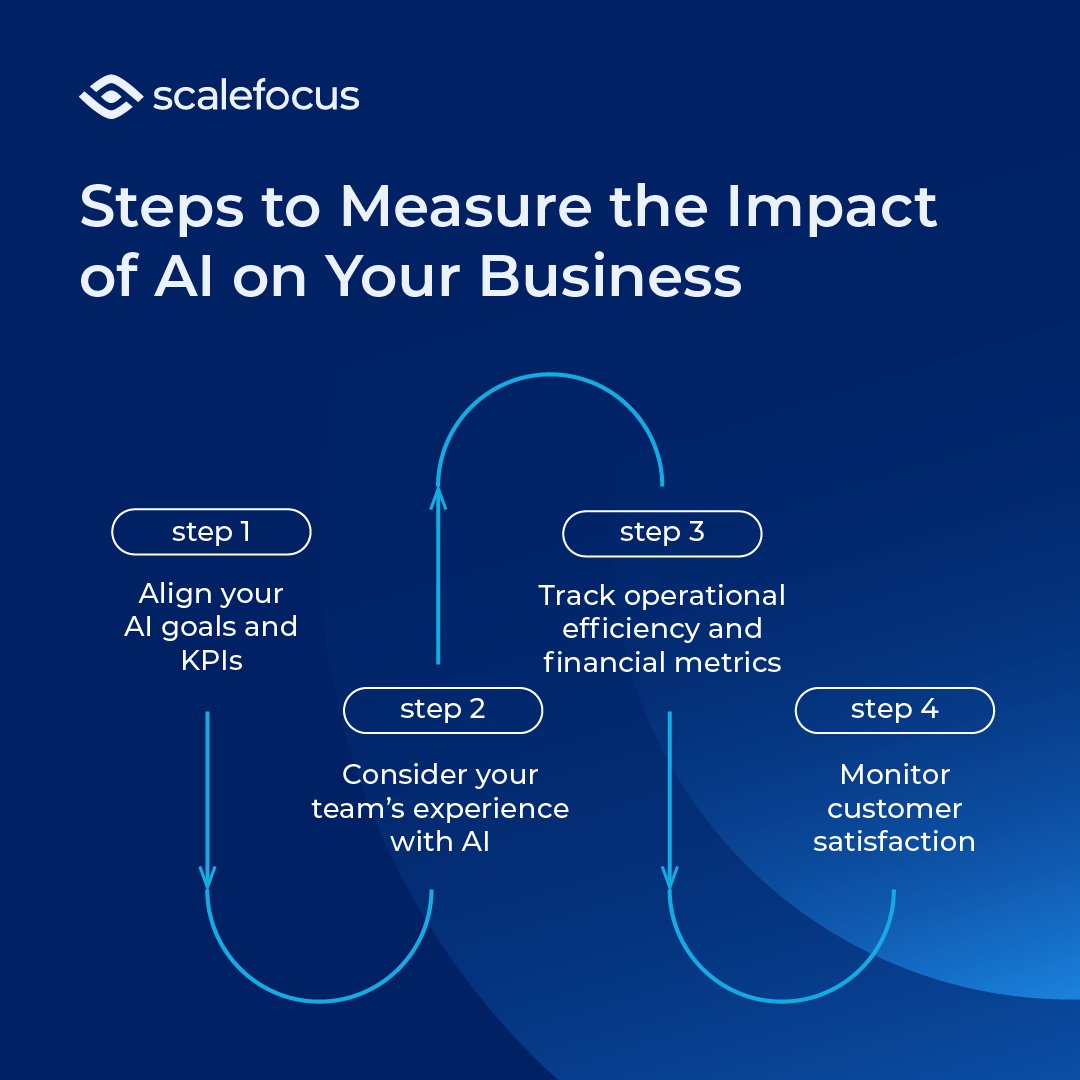
AI can transform businesses, but only where it adds real value. Success depends on clear goals and strong data strategies. In our article How Do Businesses Use Artificial Intelligence, we share the essentials and steps. Full guide 👉 bit.ly/4gRwzMO
Scalefocus tweet media
English
0
0
0
17
Scalefocus
Scalefocus@Scalefocus·
🔍 For years, banks saw AI as the ultimate upgrade to KYC. Faster data checks, sharper anomaly detection, and patterns uncovered that humans could never see. And yes, it works. But here’s the uncomfortable truth: not all AI models are created equal. ⚖️ Some deliver accurate, consistent results. Others act like black boxes-producing decisions without any clear logic. Regulators have noticed. Both the FTC and the European Commission now require companies to show how their AI models actually reach conclusions. This is where KYAI or “Know Your AI” enters the picture. Just as financial institutions must know their customers, they now need to understand the models they deploy: what data they use, how outputs are generated, and whether decisions can be explained and audited. 🤝 The shift from KYC to KYAI is about more than compliance. It’s about trust and competitiveness. Transparent AI builds stronger customer relationships, reduces risk, and creates accountability at every step. Those who continue to rely on opaque algorithms will be slowed by regulatory friction and customer doubt. Those who embrace KYAI will set new standards for speed, clarity, and reliability. 🛠️ For banks, adopting KYAI isn’t just a mindset shift - it’s a technical one. Transitioning means putting in place systems that can explain AI outputs in plain language, maintain clear audit trails, and document the data sources models rely on. It requires building governance frameworks alongside the algorithms so that every decision can be traced, tested, and justified, not only to regulators, but to customers who demand transparency.
Scalefocus tweet media
English
0
0
0
16