Handre@Handre
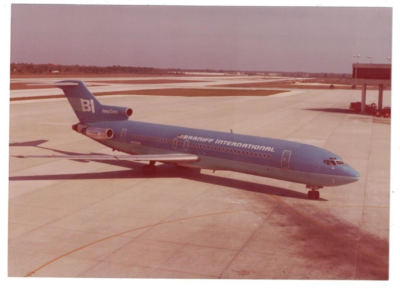
The Airline Deregulation Act of 1978 stands as one of the most spectacular vindications of free market principles in modern American history. Before deregulation, the Civil Aeronautics Board controlled every aspect of commercial aviation: routes, schedules, and most critically, prices. Flying remained a luxury reserved for the wealthy elite, with fares artificially inflated by regulatory capture and government-sanctioned cartels.
Within a decade of deregulation, average airfares plummeted by 50% in real terms. The number of passengers more than doubled from 250 million in 1978 to over 500 million by 1990. New airlines like Southwest and JetBlue emerged with innovative business models that prioritized efficiency over bureaucratic compliance. Routes previously deemed "unprofitable" by government planners suddenly thrived under competitive pressure.
The regulatory regime had created exactly what free-market theory predicts: artificial scarcity, price distortions, and a complete disconnection from consumer preferences. Airlines competed on amenities instead of price because the CAB fixed fares at monopoly levels. They served cocktails and full meals while ordinary Americans couldn't afford tickets. The moment government stepped aside, entrepreneurs discovered countless ways to serve previously ignored market segments.
Critics warned that deregulation would compromise safety and create chaos. Instead, aviation safety improved dramatically as airlines faced real liability for accidents and insurance companies imposed rigorous standards. Competition forced operational excellence in ways bureaucratic oversight never could. Hub-and-spoke networks emerged organically, maximizing efficiency without central planning.
The contrast couldn't be starker: decades of stagnation under regulatory control versus explosive innovation and democratization under market freedom.
Yet the same politicians who celebrate affordable air travel continue strangling other industries with identical regulatory schemes.