
Sabitlenmiş Tweet
Trelarat
2.5K posts
Trelarat
@Trelarat
ㅤㅤㅤㅤㅤㅤㅤㅤㅤㅤㅤㅤㅤㅤㅤㅤㅤㅤㅤㅤㅤㅤㅤㅤㅤㅤㅤㅤㅤㅤㅤㅤㅤㅤㅤㅤㅤㅤㅤㅤㅤㅤㅤㅤㅤㅤㅤㅤㅤㅤㅤㅤㅤㅤㅤㅤㅤㅤㅤㅤㅤㅤㅤㅤㅤㅤㅤㅤㅤㅤㅤㅤㅤㅤㅤㅤㅤㅤㅤㅤㅤㅤㅤㅤㅤㅤㅤㅤㅤㅤㅤㅤㅤㅤㅤㅤㅤㅤㅤㅤㅤㅤㅤㅤㅤㅤㅤㅤㅤㅤㅤㅤㅤㅤㅤㅤㅤㅤㅤㅤㅤㅤㅤㅤㅤㅤㅤㅤ
ㅤ Katılım Temmuz 2025
88 Takip Edilen130 Takipçiler

BREAKING 🚨: This is ABSOLUTE CINEMA 🔥
Trump: I met 92 yrs old Mr. Toyoda in Japan🇯🇵. I said, What do you have to do with Toyota? He said, “I own it.” He then agreed to invest $10 billion in the U.S.
Fact: Real owner already died in 2023 and the current CEO is just 65 year old.
This Guy is SERIAL LIER 😭
English

@Trelarat @FabrizioRomano Nier rozumiem kozojebco 😂
Polski

@San_Girolamo @FabrizioRomano Who is crying here kucka? its you acting like a 🤡
English
@San_Girolamo @FabrizioRomano This is football, not a game for nationalist clowns.
You won...congratulations,
but I doubt you even watched the game.
English


@EpiriEtAlbaniae Yes, Arvanites fought for Greece, for their land, and their people, but without the French, English, and Otto, Greece today might have been like Belgium...linguistically divided, yet politically "united".
English

Arvanites (Orthodox Albanians) were crucial to the 1821 Revolution, constituting a significant portion of the fighting forces and many of its key heroes. Originating from Albanian settlers in Morea, Rumelia, and the islands, they led key maritime and land battles,
ThePatrioticDog@Courage69861986
After 400 years of brutal oppression and genocide, Greece was the first nation to defeat the tyrannical, Islamic Ottoman Empire and gain Independence. It wasn’t until the early 1900’s that the modern mainland Greece took shape. Before the fall of Byzantium, the Greek people passed the Hellenic torch to the rest of Europe. They sacrificed themselves in order for the light of Western Civilization to continue on. Greece missed the Renaissance but the Greek spirit lived on. They endured, they survived, and the Greek nation continues to be a pillar of Western Civilization to this day. Ζήτω η 25η Μαρτίου! Ζήτω ο Ελληνισμός! #25ηΜαρτίου #25η_Μαρτίου_1821
English


@EvgeniosTzav Racism and revisionism walk into a bar… the bartender says, "Sorry, we don’t serve stupidity".
English
Οι οιστρογονατοι στραποναρισμενοι ανωμαλιστες & οι απατριδες σακατεμενες φεμινιστριες με βαθια daddy issues μπορουν ανετα να ποσταρουν κουραδοχρωμους, αλλαχουακμπαρηδες & αμποριτζιναλ νανους να κρατανε την σημαια μας σε παρελασεις.
Εμεις θα ποσταρουμε υπερΚουκλαρες Ελληνιδες.
💙

Ελληνικά
@ko_cid @yxngshqipe @KToptions @Vlashk1sDad @DimitarBechev Kokloqe… 😁 why are you copying my saying?
English

English

Albanian is an isolate but it contains an old layer of Latin vocab. My favourite example: mbret (king) which is actually derived from imperator.
Langfocus Paul 🪬@langfocus
Albanian's place in the Indo-European language family. Why is it all by itself? It's a language isolate within the IE family, meaning that it forms its own branch of Indo-European, with no other languages.
English
Trelarat retweetledi

VËMENDJE 🇦🇱
"Këngët, vallet, ritualet dhe traditat tona jetojnë sepse dikush i ka ruajtur, i ka kënduar dhe i ka përcjellë brez pas brezi.
Sot është radha jonë.
Ftojmë të gjitha grupet artistike, folklorike dhe ansamblet nga çdo krahinë e Shqipërisë të bëhen pjesë e një nisme kombëtare për të dokumentuar trashëgiminë tonë jomateriale që ajo të mos humbasë kurrë, por të jetojë për brezat që do vijnë.
Ne mbulojmë çdo shpenzim. Ju sillni shpirtin, artin dhe traditën tuaj."
Kontaktoni
☎️ +355692041631
📧 info@albaniannight.com
Albanian Night
Shpërndaje ☀️
Eesti
@ko_cid @KToptions @Vlashk1sDad @DimitarBechev We didn’t bow to anyone because of religion. If I followed your logic, who did the Greeks bow to Romans or to one Illyrian Constantine? after betraying Zeus? Personally, that whole bowing discussion is bullshit.
Anyway, feel free to discuss further.
English
@Trelarat @KToptions @Vlashk1sDad @DimitarBechev I am not disputing the fact Alb Muslims and Christians respect each other. This is not the point we discussing with the other guy above
English
@ko_cid @KToptions @Vlashk1sDad @DimitarBechev Yes, true...but we respect each other, you know that. We leave people in their value...x religion doesn’t make someone better or more of a scumbag.
English
@Trelarat @KToptions @Vlashk1sDad @DimitarBechev That's not true. Those who left, were Turks living in the Ottoman empire areas. And they went back to Turkey. Currently the Greek Muslims is a tiny number, living in Thrace area, the Pomaks. In albanian and Kosovo especially, Islam till very recently were predominantly Muslims.
English
@ko_cid @KToptions @Vlashk1sDad @DimitarBechev Nothing to do with obeying, put a dog among cats from early age and he will start thinking he is a cat and act like one.
You guys had enough Greek muslims which you used to call Turkish and some you killed, some you exchanged with Turkish orthodox, religion defined identity.
English
@Trelarat @KToptions @Vlashk1sDad @DimitarBechev I really don't care either. This came as a response to little Shqipo above saying that Albanians had the most uprising and resistance against Ottomans, forgetting that Albanians bowed their head, obeyed to Ottomans and converted to Islam. This is the reality.
English
Remember what Bithguri told the Greeks?
“Touch the Arvanites, and you will all pass under my sword… harming them is harming us.”
He also bound himself in blood-brother pacts with Muslim Albanian groups like Ali Farmaki’s Lalliots...loyalty over religion, always.
TheBlackWolf@thewolvenhour
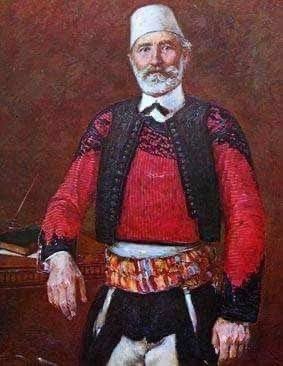
The Old Man of Peloponnese: One man against an Empire. Good odds for any Greek against eastern hordes. Born in Ramovouni, Messenia (Peloponnese), into a powerful klepht (mountain guerrilla/bandit) family with a long tradition of resisting Ottoman rule. His father and uncles were killed by the Ottomans when he was 10 years old, an event that shaped his lifelong hatred of Turkish rule. Hate for the turk burnt in his soul. He grew up in the rugged mountains of Arcadia and Mani, learning the art of irregular warfare from a young age.Before the revolution, Kolokotronis lived as a klepht, armatolos (legalized Christian militia leader), and later served in the British Greek Light Infantry on Zakynthos (under philhellene Richard Church) during the Napoleonic Wars. This experience gave him valuable training in modern military organization and tactics, which he combined with traditional Greek guerrilla methods. Kolokotronis returned to the Peloponnese just before the uprising and quickly organized klepht bands into a more effective fighting force. He was one of the first major leaders to take the field and played a central role in the early successes that kept the revolution alive in the south. Key achievements and battles:Battle of Valtetsi (May 1821): One of the first major Greek victories. Kolokotronis helped defend the village against Ottoman forces, boosting morale and paving the way for further advances. Siege and Fall of Tripolitsa (September 1821): As overall commander, he led the prolonged siege of the Ottoman administrative capital of the Peloponnese. Its capture was a huge symbolic and material victory — the Greeks gained weapons, supplies, and control of much of the region. They purified the turkish stench from the Peloponnese once and for all. Battle of Dervenakia (August 1822): His masterpiece. When the large Ottoman army of Mahmud Dramali Pasha invaded the Peloponnese, Kolokotronis used scorched-earth tactics, blocked supply lines, and ambushed the retreating Turks in the narrow Dervenakia passes. The result was the near-total destruction of Dramali’s force (estimated 20,000–30,000 men). This victory is often cited as one of the most decisive of the war and forced the Sultan to call in Egyptian help under Ibrahim Pasha. His force was less than 2000 Greeks. His famous quote was: “Greeks, God has signed for our Liberty and will not go back on His promise.”
English
@ko_cid @KToptions @Vlashk1sDad @DimitarBechev There is nothing wrong with mosques or churches, what’s disgusting is idiots using them as weapons to divide, to spew hate, and to craft an identity that makes them feel superior. That’s not faith, that’s being a cowardly asshole with a superiority complex. 😉
English
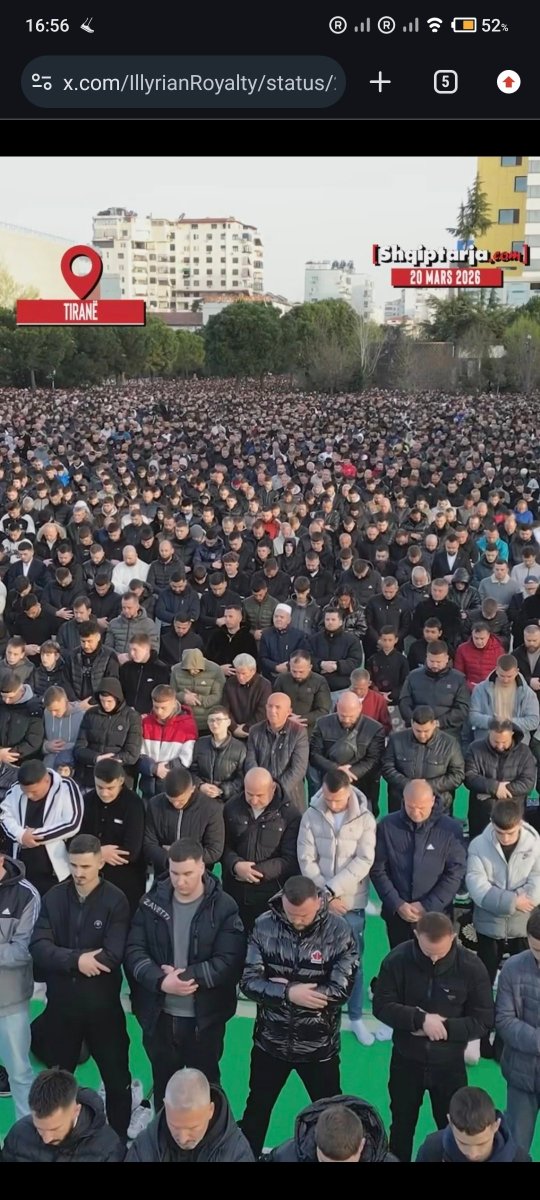
@KToptions @Vlashk1sDad @Trelarat @DimitarBechev Gezuar Bajrami o shoku. Leave Grok aside my little Shqipo and see the reality, see how many mosques there are in Albania and Kosovo.
English
@KiselinaSrb @BowesChay "You are Alb but that does not stop me from swallowing my ego… to pray for your salvation" = I am doing something noble despite your identity, because you need me to. and thats superiority, rather true humility.
Sad how people throw words around without knowing what they mean.
English

@Trelarat @BowesChay Who is presuming's kindness for weakness now.
Never seed i was superior. That was your conclusion.
I just told you who to be mindful of.
Who's judgment is final and the only one that matters.
English
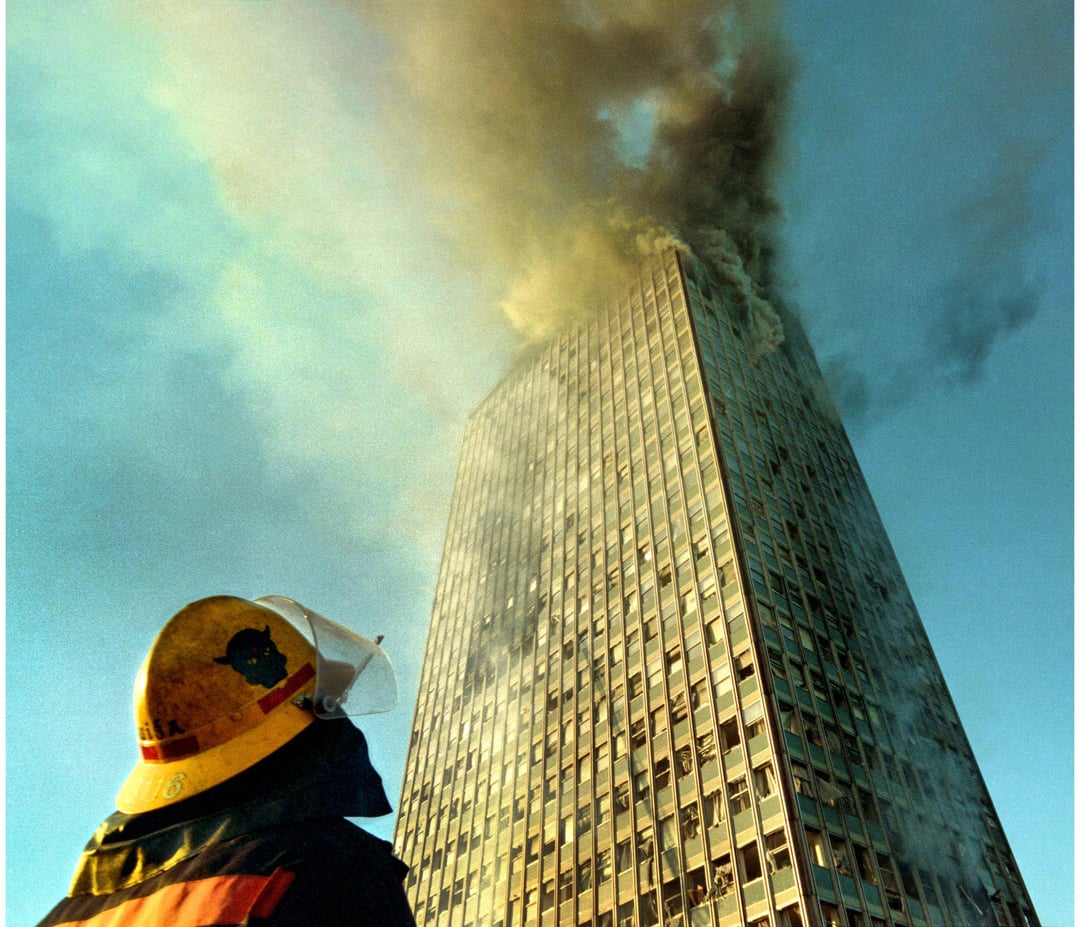
When NATO illegally attacked Serbia, it killed thousands of innocent people, targeted Civilian infrastructure and devastated the Economy.
It had No mandate from the UN and no NATO member was attacked by Serbia.
It was all completely illegal, The "Defensive Alliance" indeed.
English
Trelarat retweetledi
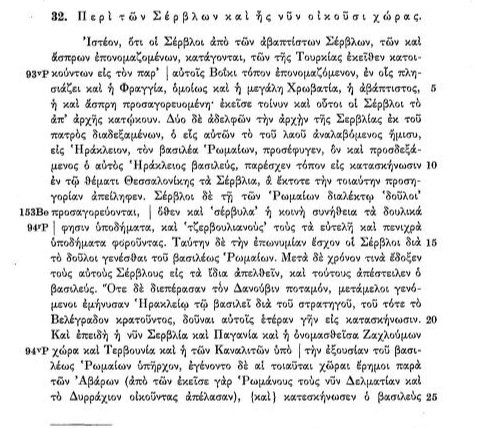
🇷🇸 Where do the Serbs come from and what does their name mean? According to Constantine VII Porphyrogenitus.
Nga vijnë serbët dhe çfarë do të thotë emri i tyre? Sipas Konstandin VII Porfirogjenit.
De Administrando Imperio, Chapter 32 – the emperor’s own words:
1. Concerning the Serbs and the land they now inhabit.
Be it known that the Serbs are descended from the unbaptized Serbs, also called the White Serbs, who live beyond Turkey [i.e., the land of the Hungarians/Magyars], in the place called by them Boiki [Bohemia / present-day Czech Republic and surrounding areas], where Francia is nearby, as also is Great Croatia, the unbaptized, also called White. There then these Serbs also dwelt from the beginning.
When two brothers inherited the rule of Serbia from their father, one of them took half the people and sought refuge with the Emperor of the Romans, Heraclius [reigned 610–641 AD]. And the same Emperor Heraclius, after receiving him, granted him a place for settlement in the theme of Thessalonica [Byzantine administrative region around Thessaloniki], the place called Sërblia, which from that time acquired this name.
The Serbs in the language of the Romans are called douloi (slaves), whence also common usage calls the menial shoes serbula, and tzerboulianoi those who wear cheap and humble footgear. This appellation the Serbs acquired because they became slaves of the Emperor of the Romans.
After some time, the emperor decided to let the same Serbs return to their own lands and sent them off. But when they crossed the Danube river, they regretted [their decision] and informed the Emperor Heraclius through the general who at that time held Belgrade, to give them another land for settlement.
And since present-day Serbia, Pagania [region around the Neretva river], the land called Zahumlje [Herzegovina and Dalmatian hinterland], Travunia [around Trebinje], and that of the Kanalites [region around Konavle] were under the authority of the Emperor of the Romans, and these lands had been made desolate by the Avars (for they had driven out from there the Romans who now inhabit Dalmatia and Dyrrachium [Durrës]), the emperor settled [the Serbs] there…
____🇦🇱___
1. Për Serbët dhe vendin që banojnë tani.
Duhet ditur se Serbët rrjedhin nga Serbët e papagëzuar, të quajtur edhe të Bardhë, të cilët banojnë atje përtej Turqisë [dmth toka e hungarezëve / magjarëve], në vendin e quajtur prej tyre Boiki [Bohemia / Çekia e sotme dhe zonat përreth], ku afër është Franqia, ashtu edhe Kroacia e Madhe, e papagëzuar, e quajtur edhe e Bardhë. Atje pra edhe këta Serbë banonin që nga fillimi.
Kur dy vëllezër trashëguan sundimin e Serbisë nga i ati, njëri prej tyre mori gjysmën e popullit dhe iu drejtua për strehim Perandorit të Romakëve, Herakliut [mbretëroi 610–641 pas Kr.]. Dhe po ky Perandor Herakliu, pasi e priti, i dha vend për t’u vendosur në temën e Selanikut [krahina administrative bizantine rreth Selanikut], në vendin e quajtur Sërblia, i cili që nga ajo kohë mori këtë emër.
Serbët në gjuhën e romakëve quhen douloi (skllevër), prandaj edhe zakoni i përbashkët i quan këpucët e shërbëtorëve serbula, dhe tzerboulianë ata që mbajnë këpucë të thjeshta e të vogla. Këtë emërtim e morën Serbët sepse u bënë skllevër të perandorit të Romakëve.
Pas ca kohe, perandori vendosi t’i lërë të njëjtët Serbë të ktheheshin në vendet e tyre dhe i dërgoi. Por kur kaluan lumin Danub, u penduan dhe i njoftuan perandorit Herakliut nëpërmjet strategut që në atë kohë mbante Beogradin, t’u jepte një tokë tjetër për t’u vendosur.
Dhe duke qenë se Serbia e tanishme, Pagania [zona rreth lumit Neretva], vendi i quajtur Zahumlja [Hercegovina dhe prapatokina e Dubrovnikut], Travunia [rreth Trebinjes] dhe ai i Kanalitëve [rreth Konavles] ishin nën pushtetin e perandorit të Romakëve, dhe këto vende ishin bërë të shkretuara nga Avarët (sepse kishin dëbuar prej andej romakët që banojnë tani në Dalmaci dhe Durrës), perandori i vendosi [serbët] atje…
Eesti
@KiselinaSrb @BowesChay That’s not swallowing ego or pride...that’s like gargling it, like tasting fine wine and then spitting it back. You didn’t humble yourself, you just tried to hide your superiority complex using Jesus and calling it prayer. Don’t worry, I forgive you 😉
English
@Trelarat @BowesChay What i think or know about your character is irrelevant.
You should not strive for my opinion or any one else's.
Strive that you do right by God Jesus Christ only his judgment matters.
You are Alb but that does not stop me from svalowing my ego or pride to pray for your salvation
English