Dr. James Tyner, PhD

31.6K posts

Dr. James Tyner, PhD banner
Dr. James Tyner, PhD

Dr. James Tyner, PhD

@Tynergeography

Kent State Geography Professor and AAG Fellow; Interests in Political Geography, Genocide, Popular Culture, Cambodia, Philippines. USC PhD ‘95

Katılım Kasım 2015
2.5K Takip Edilen2.4K Takipçiler
Dr. James Tyner, PhD retweetledi
Al Jazeera English
Al Jazeera English@AJEnglish·
The US is expanding its strategic presence in Asia as part of efforts to counter China. Now, Washington is planning a new military base with the Philippines in Balabac, near the disputed South China Sea.
English
25
92
229
29.8K
Dr. James Tyner, PhD retweetledi
Freeways of Los Angeles
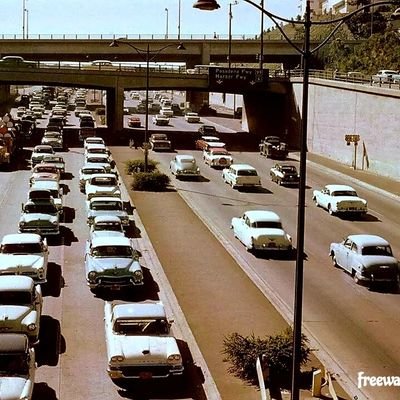
Hollywood Fwy (US-101) - Then and now pictures. Photos courtesy of Dennis Kustin.
Freeways of Los Angeles tweet media
English
3
20
199
10K
Dr. James Tyner, PhD retweetledi
Freeways of Los Angeles
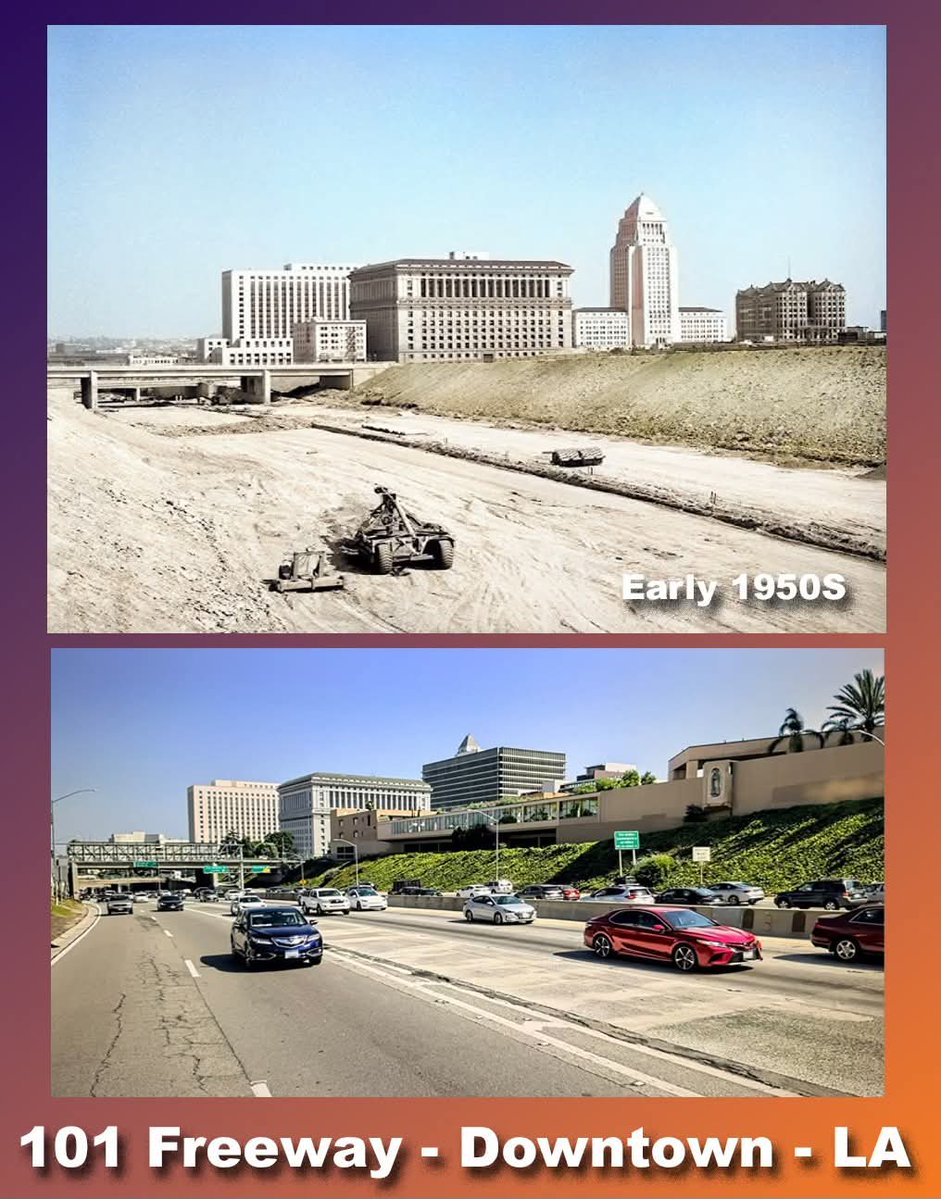
1948 & 2024 - Aliso St & Santa Ana Fwy (US-101) near downtown LA Union Station. Photos courtesy of Classic Los Angeles.
Freeways of Los Angeles tweet media
English
18
118
1.4K
71.1K
Dr. James Tyner, PhD retweetledi
Hedgie
Hedgie@HedgieMarkets·
🦔A researcher invented a fake eye condition called bixonimania, uploaded two obviously fraudulent papers about it to an academic server, and watched major AI systems present it as real medicine within weeks. The fake papers thanked Starfleet Academy, cited funding from the Professor Sideshow Bob Foundation and the University of Fellowship of the Ring, and stated mid-paper that the entire thing was made up. Google's Gemini told users it was caused by blue light. Perplexity cited its prevalence at one in 90,000 people. ChatGPT advised users whether their symptoms matched. The fake research was then cited in a peer-reviewed journal that only retracted it after Nature contacted the publisher. My Take The researcher made the papers as obviously fake as possible on purpose. The AI systems didn't catch it. Neither did the human researchers who cited it in real journals, which means people are feeding AI-generated references into their work without reading what they're actually citing. I've covered the FDA using AI for drug review, the NYC hospital CEO ready to replace radiologists, and ChatGPT Health launching this year. All of that is happening in the same environment where a condition funded by a Simpsons character and endorsed by the crew of the Enterprise was being presented as emerging medical consensus. The people making these deployment decisions seem to believe the pipeline from research to AI to patient is more supervised than it actually is. This experiment suggests it isn't supervised much at all. Hedgie🤗 nature.com/articles/d4158…
English
787
12.5K
27.4K
1.2M
Dr. James Tyner, PhD retweetledi
Los Angeles Dodgers
Los Angeles Dodgers@Dodgers·
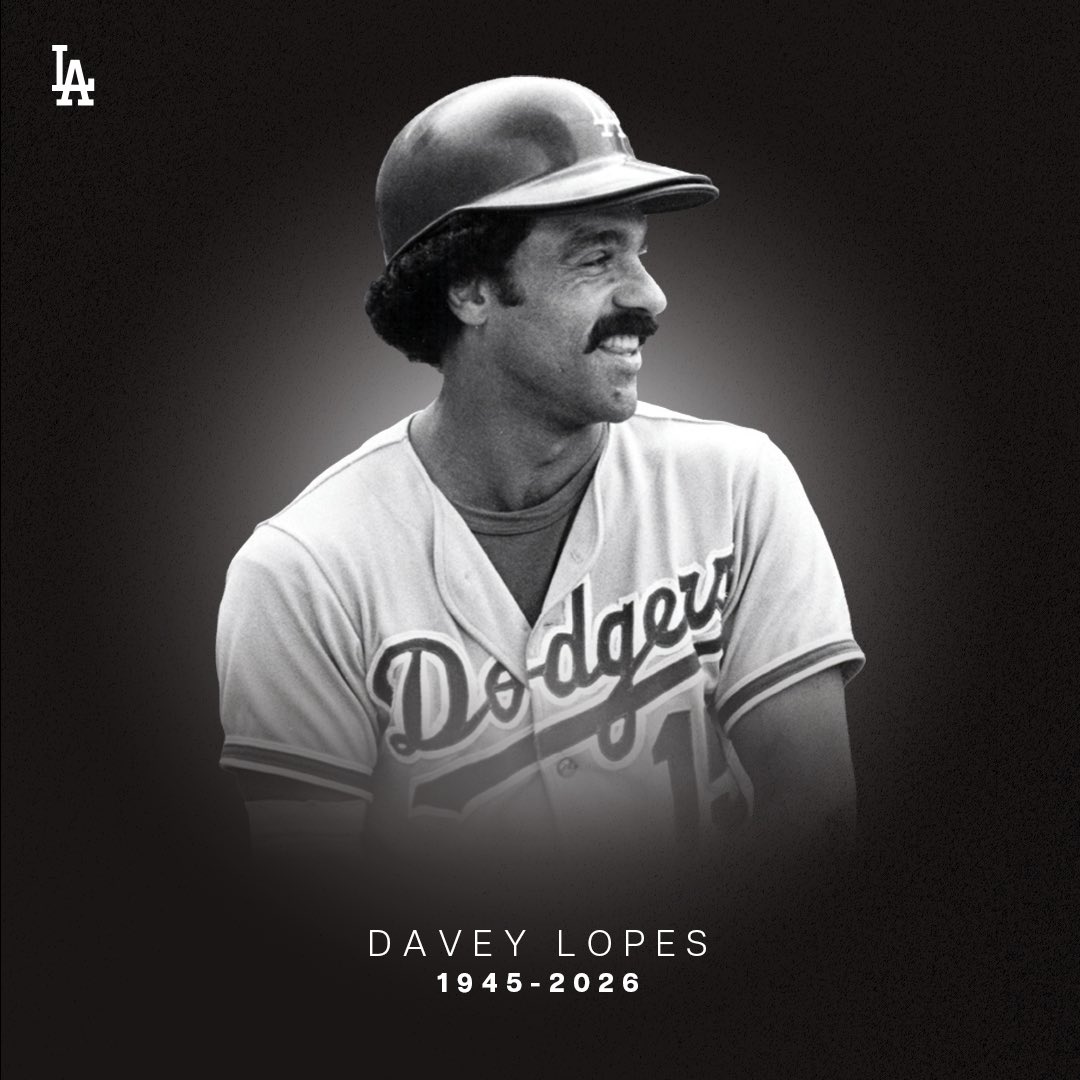
The Dodgers mourn the loss of Davey Lopes, who passed away today at age 80. Lopes was a member of the team’s record-setting infield of the 1970s and 1980s and one of the finest basestealers in MLB history. Our condolences go out to his family and friends.
Los Angeles Dodgers tweet media
English
805
2.8K
17.5K
920.2K
Dr. James Tyner, PhD retweetledi
Heart Mountain Wyoming Foundation
Heart Mountain Wyoming Foundation@HeartMountainWY·
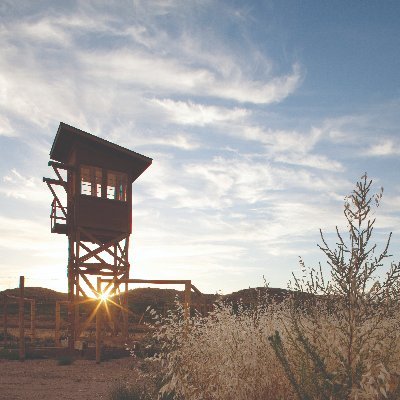
The administration's proposed elimination of funding for the Japanese American Confinement Sites program will hurt places like Heart Mountain, Topaz, Minidoka, Manzanar and other organizations trying to tell this history. We're working to reverse it. powelltribune.com/stories/fundin…
English
0
7
12
191
Dr. James Tyner, PhD retweetledi
Tim Unwin
Tim Unwin@TimUnwin·
Exciting morning: "Digital Inclusion in an Unequal World: An Emancipatory Manifesto" is officially published today. Find out more at ict4d.org.uk/diuw - and for a short period get 20% off the recommended price! Thanks to everyone who made this possible
Tim Unwin tweet mediaTim Unwin tweet media
English
0
1
5
310
Dr. James Tyner, PhD retweetledi
All day Astronomy
All day Astronomy@forallcurious·
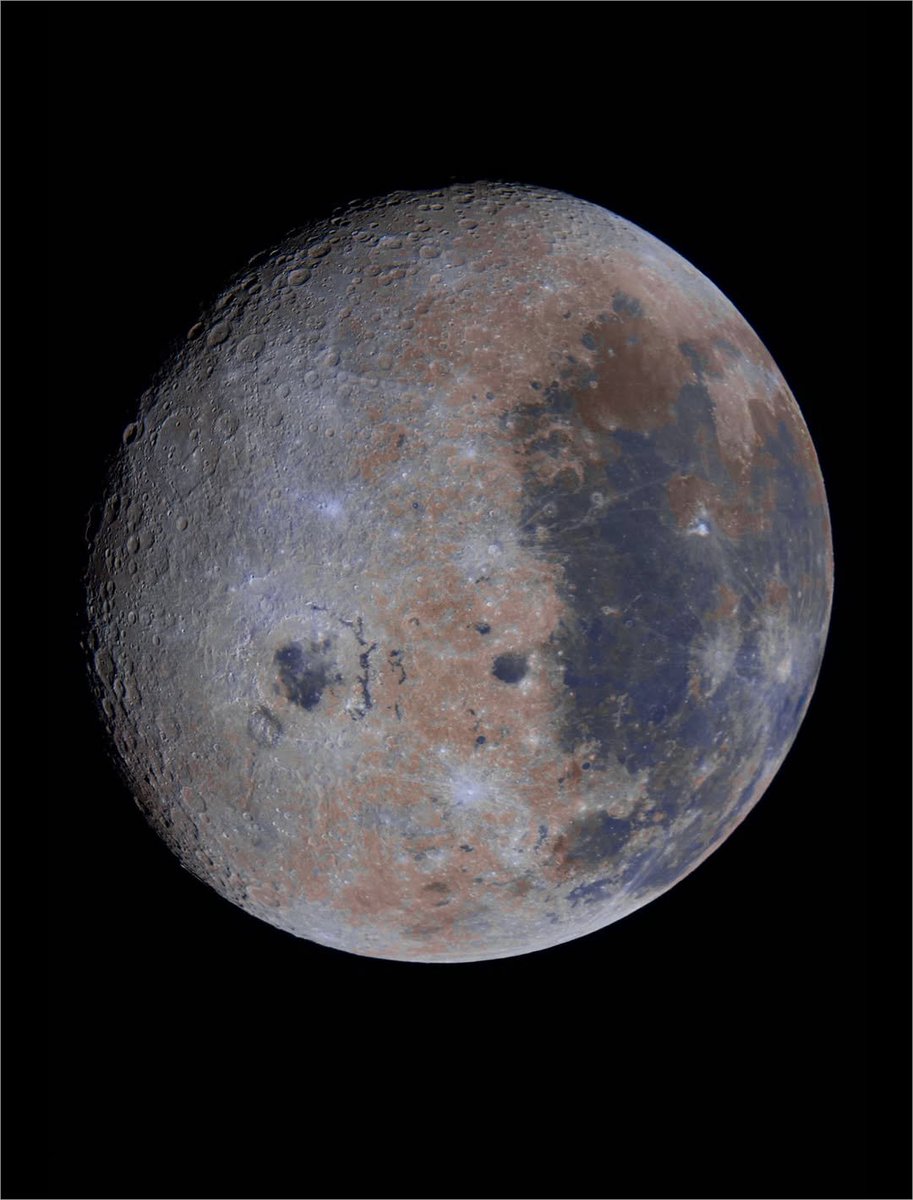
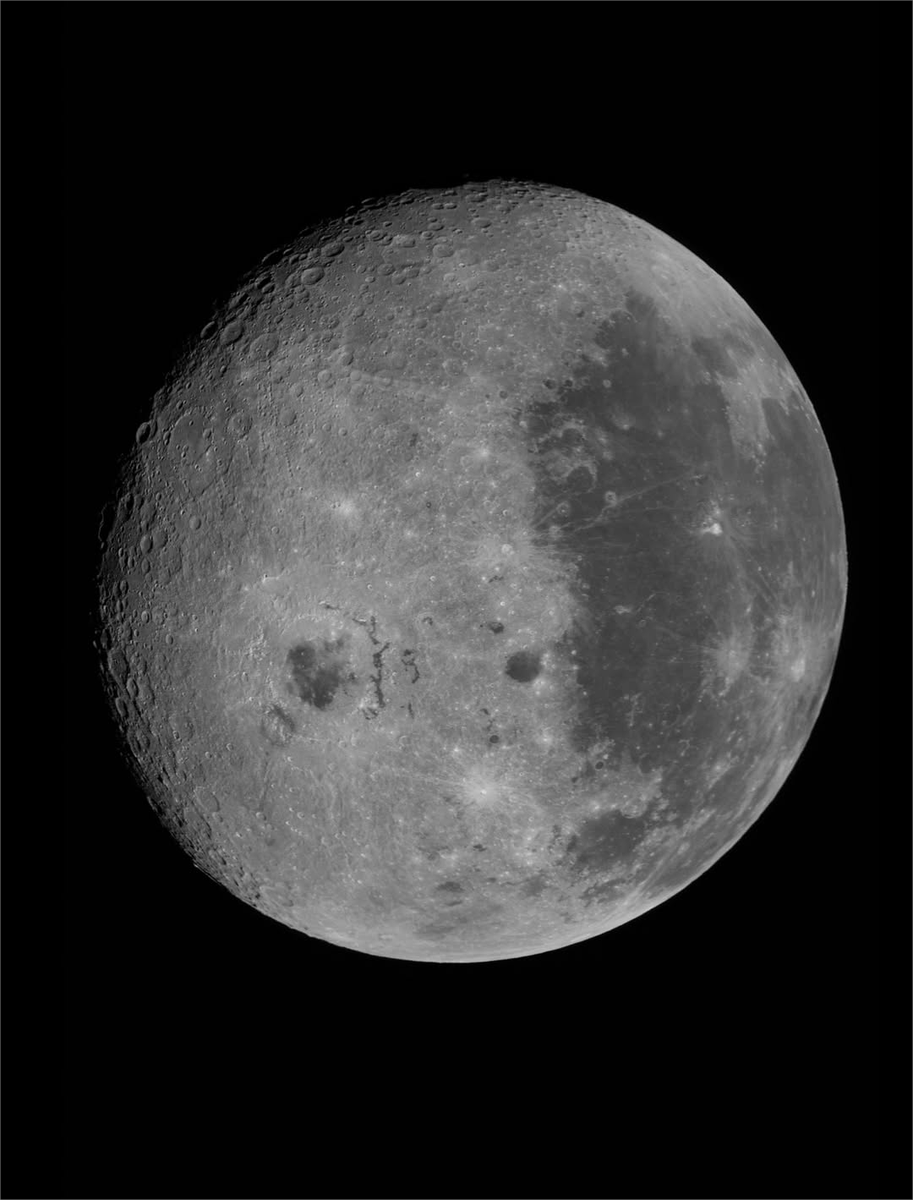
BREATHTAKING🚨: WOW! NASA just dropped this view of the moon’s far side!
All day Astronomy tweet mediaAll day Astronomy tweet media
English
713
11.2K
77.4K
6.8M
Dr. James Tyner, PhD retweetledi
Javier de la Cuadra
Javier de la Cuadra@JavierDlacuadra·
Ahora sí hablemos en serio de la foto. Este es un trino para interesados en fotografía, astrofotografía y el que quiera ¿Por qué esta foto es increíble? Algún conspiranóico, dándoselas de suspicaz, preguntó que por qué esta foto tomada por el comandante del Artemis II se veía más opaca que la foto tomada por la tripulación del Apolo 17 en 1972. Bueno. Acá viene lo emocionante. Esta fotografía hubiera sido imposible tomarla con una cámara análoga; y no cualquier cámara digital puede tomarla. El archivo original de esta foto está disponible para su descarga en la página de la NASA. En las propiedades del archivo se puede ver con qué cámara fue tomada y los ajustes de exposición que se usaron. Hasta el serial de la cámara. Esto, primero que todo, garantiza que la foto que estamos viendo no fue creada digitalmente, ni con IA, sino capturada por una cámara real por un humano. Sé que no es suficiente argumento para los conspiranóicos, pero ni modos. Esa que está ahí es la Tierra. Ahora sí lo interesante. ¿Por qué se ve como más opaca que la del 72? porque resulta que en la cara de la tierra que vemos en esa foto, está de noche; si hacen zoom pueden ver el brillo de la iluminación nocturna. Pero ¿cómo, si es de noche, puede verse como si fuera de día? Porque la foto se hizo con un altísimo ISO de 51200! El ISO es la sensibilidad del sensor a la luz. Con la mayoría de cámaras digitales, con ISOs de más de 6400, el ruido es tanto que la foto se ve prácticamente ilegible. Pero la cámara que tiene el comandante Reid Wiseman es una NIKON D5, que no es una cámara muy nueva; tiene 10 años de haber sido lanzada. Pero su sensor es reconocido por garantizar una calidad decente de imagen con ISOs altos. Y eso, para los que siempre preguntan cómo se hace una buena foto del cielo, es fundamental ¿Por qué? Pues para poder tomar fotos de los astros sin tener que bajar mucho la velocidad de exposición. Porque si bajas mucho la exposición apra que entre más luz, queda capturado el movimiento de los astros y de la rotación de la Tierra, cuando estás en la Tierra. Así que un iSO tan alto hizo posible que Wiserman pudiera disparar a una velocidad de 1/4 de segundo. Que es baja, pero no tanto. Es digamos, el límite para la astrofotografía. Por eso esta foto tiene ruido, porque de todas formas es un ISO altísimo. Pero lo que más me emociona a mí, es que la tomó con un lente 14 -24mm F2.8. Es decir, en terminos coloquiales, que esta foto no tiene zoom. Para que lo dimensionen: cuando uno quiere tomar una foto de la Luna desde la Tierra que salga así de "cerca" tiene que usar un lente de unos 400mm de distancia focal. Wiserman usó un ¡gran angular de 22mm! Es decir que él estaba viendo la Tierra asi de grande frente a sus ojos. Porque la foto no fue recortada en edición y eso lo sabemos porque en las propiedades del archivo siempre aparece cuando una foto fue editada. El archivo está limpio, tiene la resolución original de la cámara. La tierra era inmensa frente a su mirada. Hermoso. Pero para mí lo más mágico de esta foto, incluso más que las auroras boreales, es que se ve como la luz de sol, que está del otro lado de la tierra, ilumina nuestra atmosfera. Y eso es magia pura, porque esa atmosfera tiene una composición milimétricamente perfecta para permitir que la vida, tal y como la conocemos, sea posible. Esta foto, es un regalo precioso para la humanidad. Les dejo al link para que descarguen la foto en alta resolución y el pantallazo de las propuedades del archivo.
Javier de la Cuadra tweet media
Español
723
8K
31.3K
1.7M
Dr. James Tyner, PhD retweetledi
Duncan Bell
Duncan Bell@DrDuncanBell·
Coming soon! Duncan Bell & Sarah Cole (eds.), The Oxford Handbook of H. G. Wells The Table of Contents can be seen here: global.oup.com/academic/produ…
English
2
12
56
5.8K
Dr. James Tyner, PhD retweetledi
Lurdes
Lurdes@sedrul08·
🎧"Take Five" is a landmark 1959 jazz piece by The Dave Brubeck Quartet, famous for its distinctive 5/4 time signature and catchy saxophone melody written by Paul Desmond.
English
32
376
1.3K
38.2K