Van Gogh Museum

18.8K posts

Van Gogh Museum banner
Van Gogh Museum

Van Gogh Museum

@vangoghmuseum

Van Gogh Museum Amsterdam houses the world’s largest Vincent van Gogh collection: paintings, drawings, letters and more.

Amsterdam Katılım Mart 2009
1.3K Takip Edilen1.5M Takipçiler
Van Gogh Museum
Van Gogh Museum@vangoghmuseum·
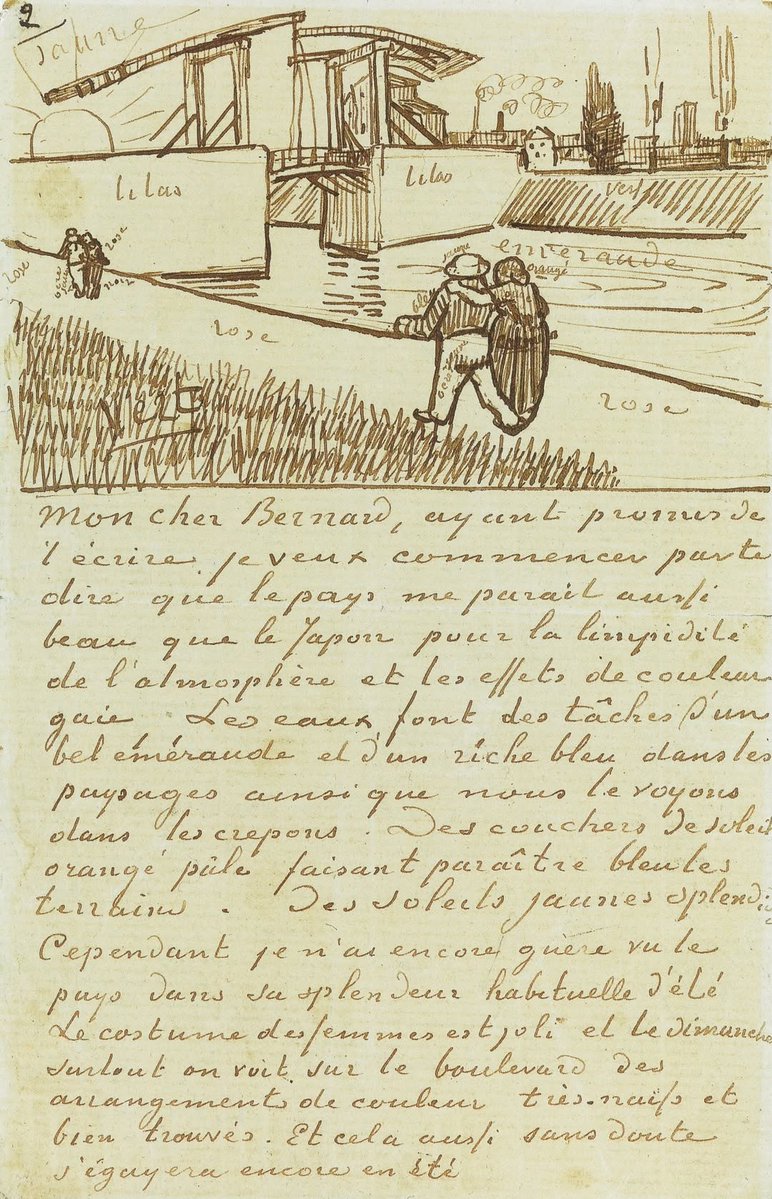
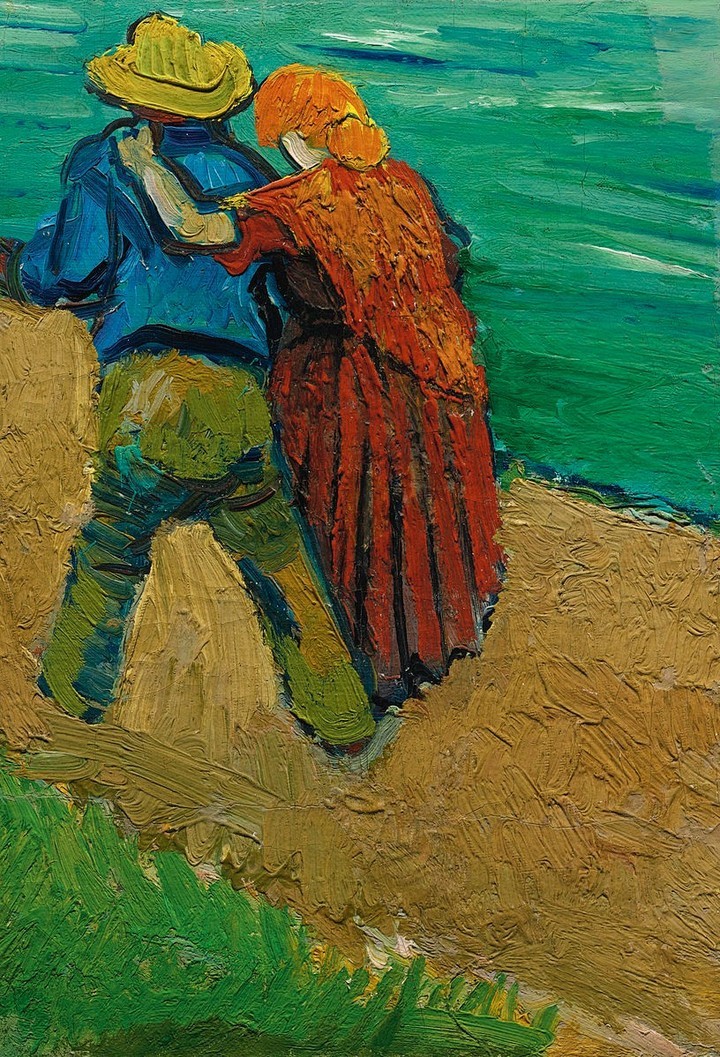
A part of a bigger picture 💑 ‘A Pair of Lovers’ is just under 13 inches high, which is about a sixth of the original canvas. Vincent wrote to his brother Theo: ‘As the bad weather prevented me from working on the spot, I completely worked this study to death trying to finish it at home.’ Vincent didn’t like the painting he had made, and decided to only keep the fragment of the couple. He threw the rest of the painting away. In a letter to his friend Emile Bernard, Vincent sketched the original painting: a landscape view of the drawbridge over the canal that runs between Arles and the Mediterranean, with a large sun sinking on the horizon. (2) (1) ‘A Pair of Lovers’, 1888 © Private collection (2) Letter to Emile Bernard, 18 March 1888
Van Gogh Museum tweet mediaVan Gogh Museum tweet media
English
5
35
236
7.5K
Van Gogh Museum
Van Gogh Museum@vangoghmuseum·
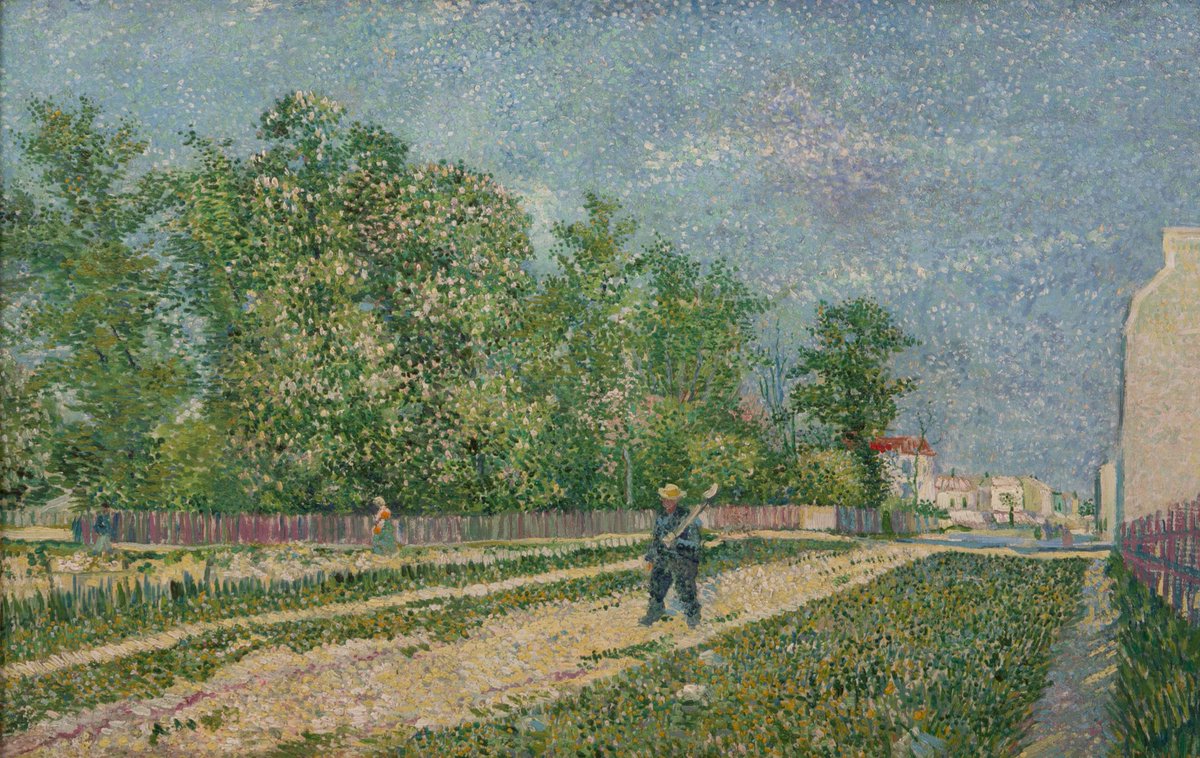
1887: Van Gogh wanted less grey, more colour. He was inspired by Neo-Impressionists like Georges Seurat and Paul Signac, who created their paintings with tiny dots of pure colour. Van Gogh experimented with this technique in ‘Outskirts of Paris: Road with Peasant Shouldering a Spade’. Dotted sky, blossoming trees, bright field: colour becomes atmosphere. 🖼️ © Private collection
Van Gogh Museum tweet mediaVan Gogh Museum tweet media
English
4
70
442
10.7K
Van Gogh Museum
Van Gogh Museum@vangoghmuseum·
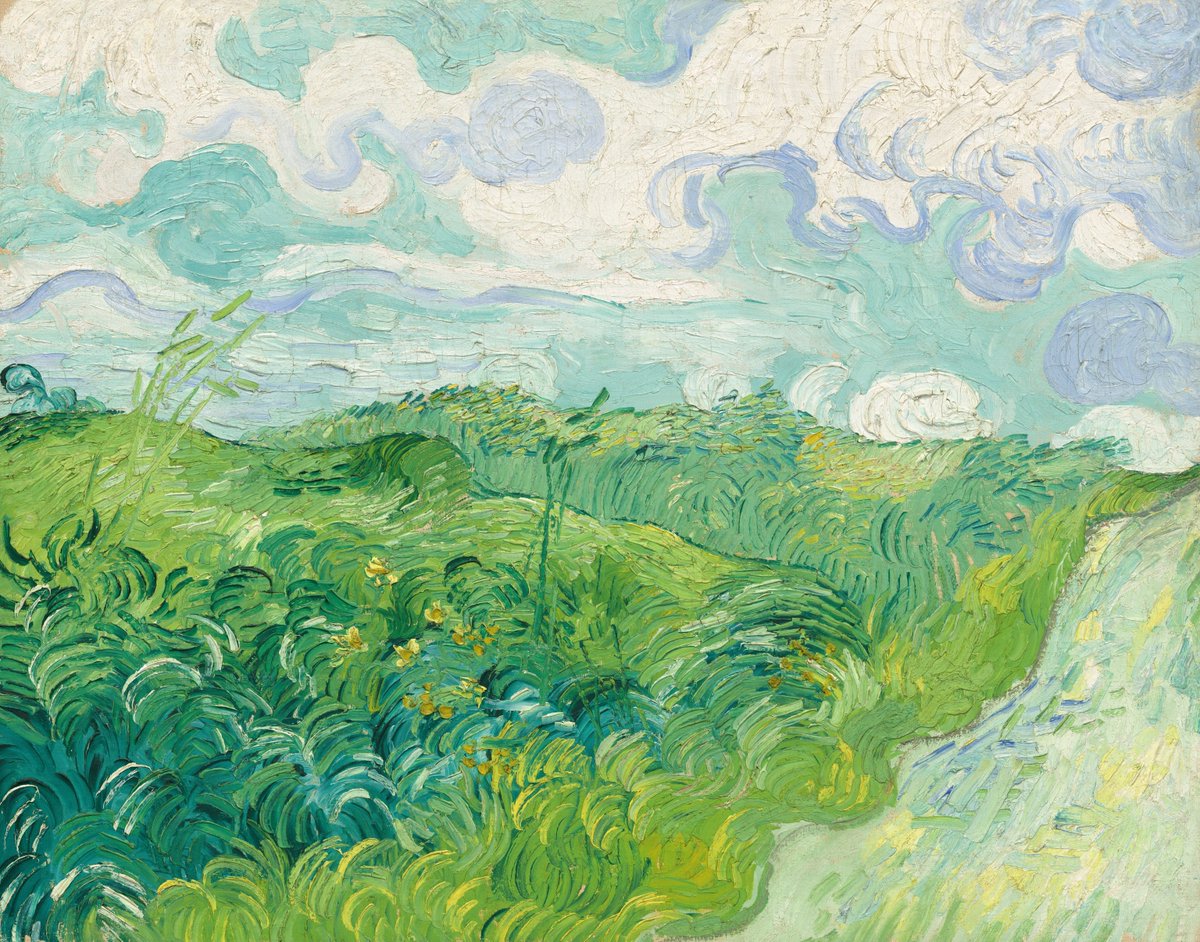
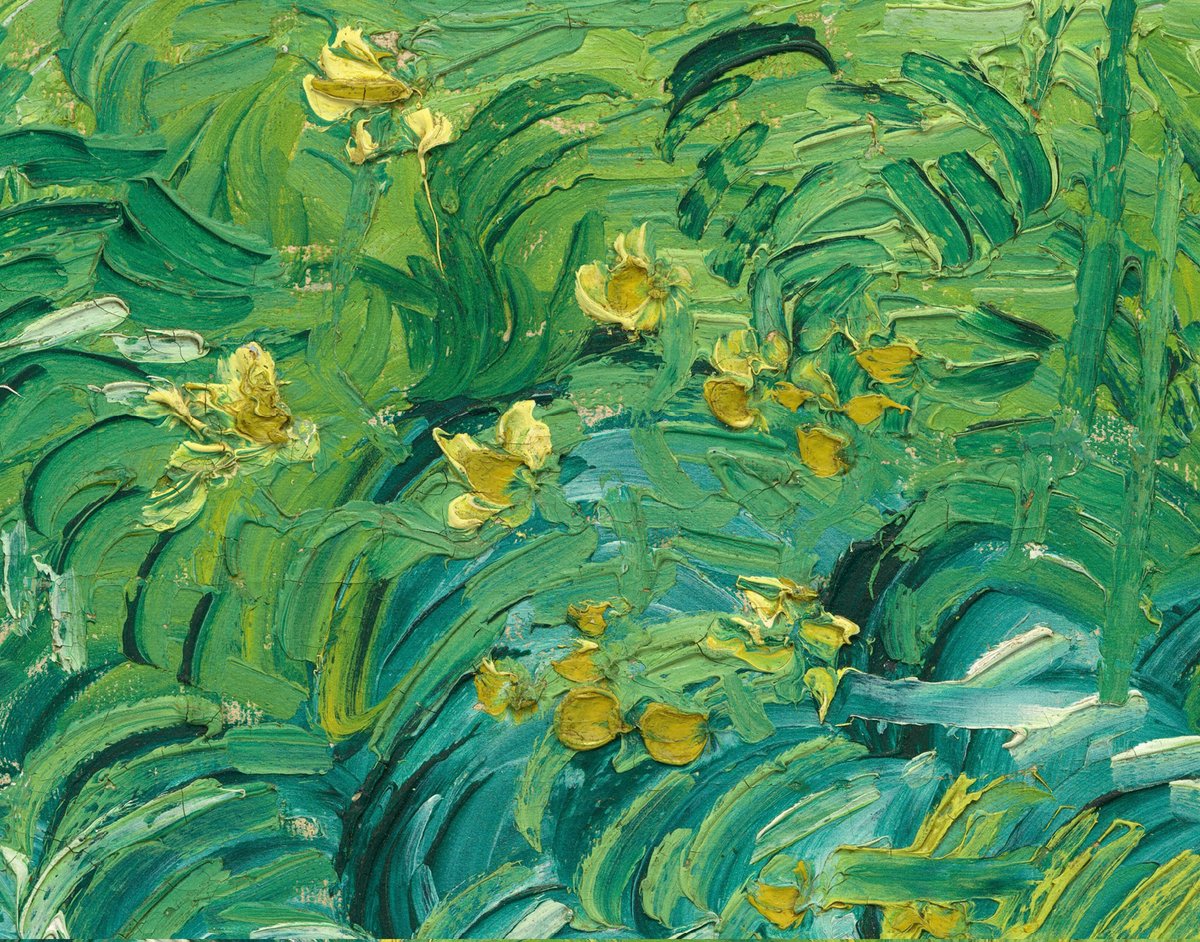
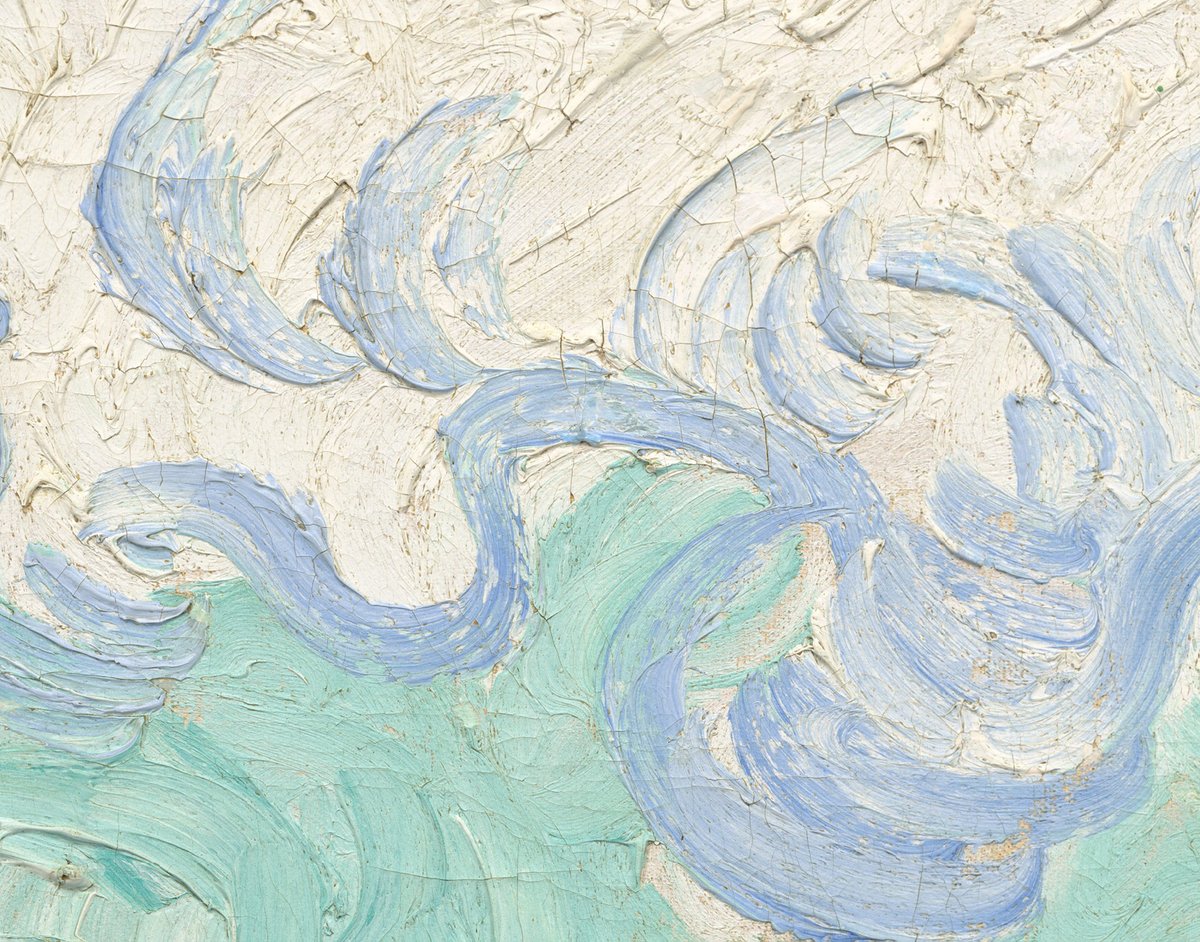
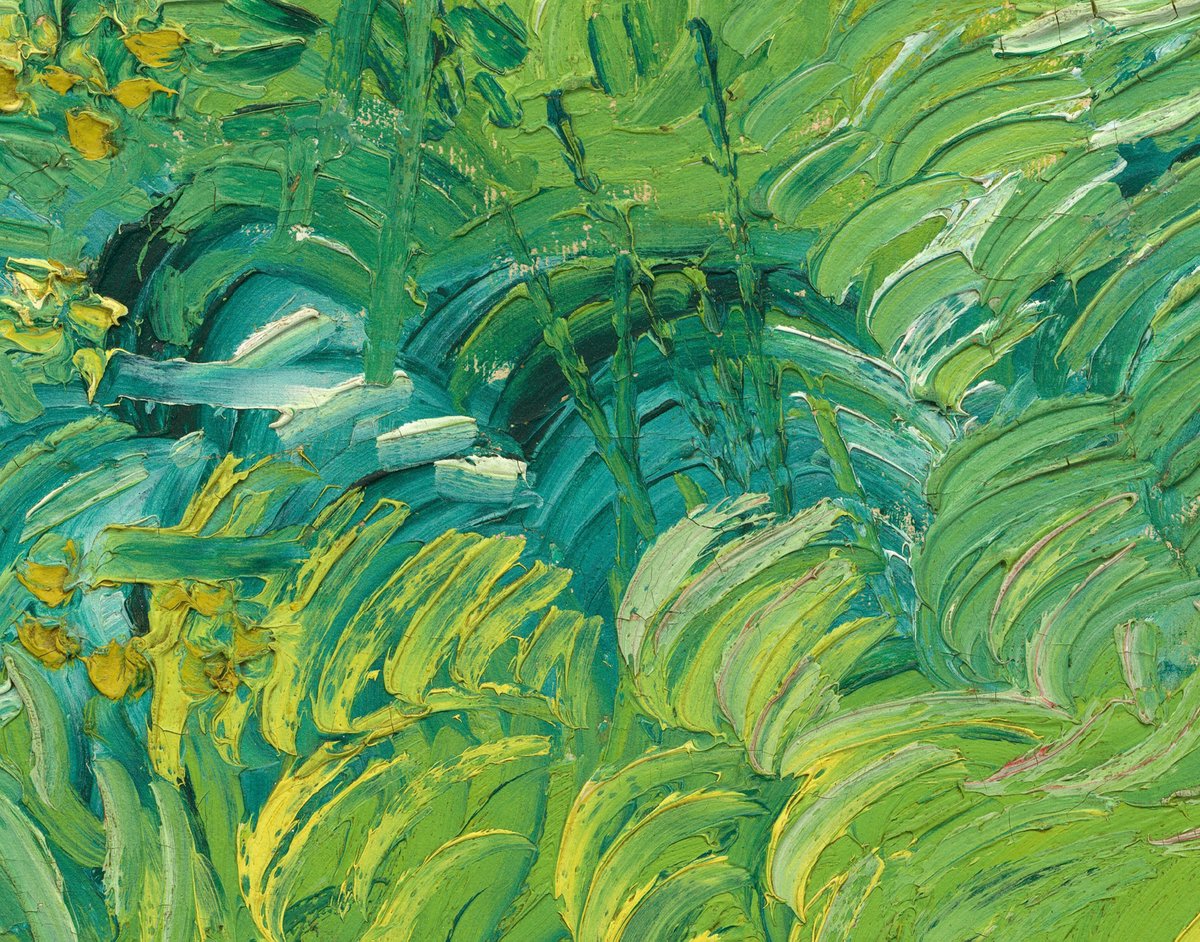
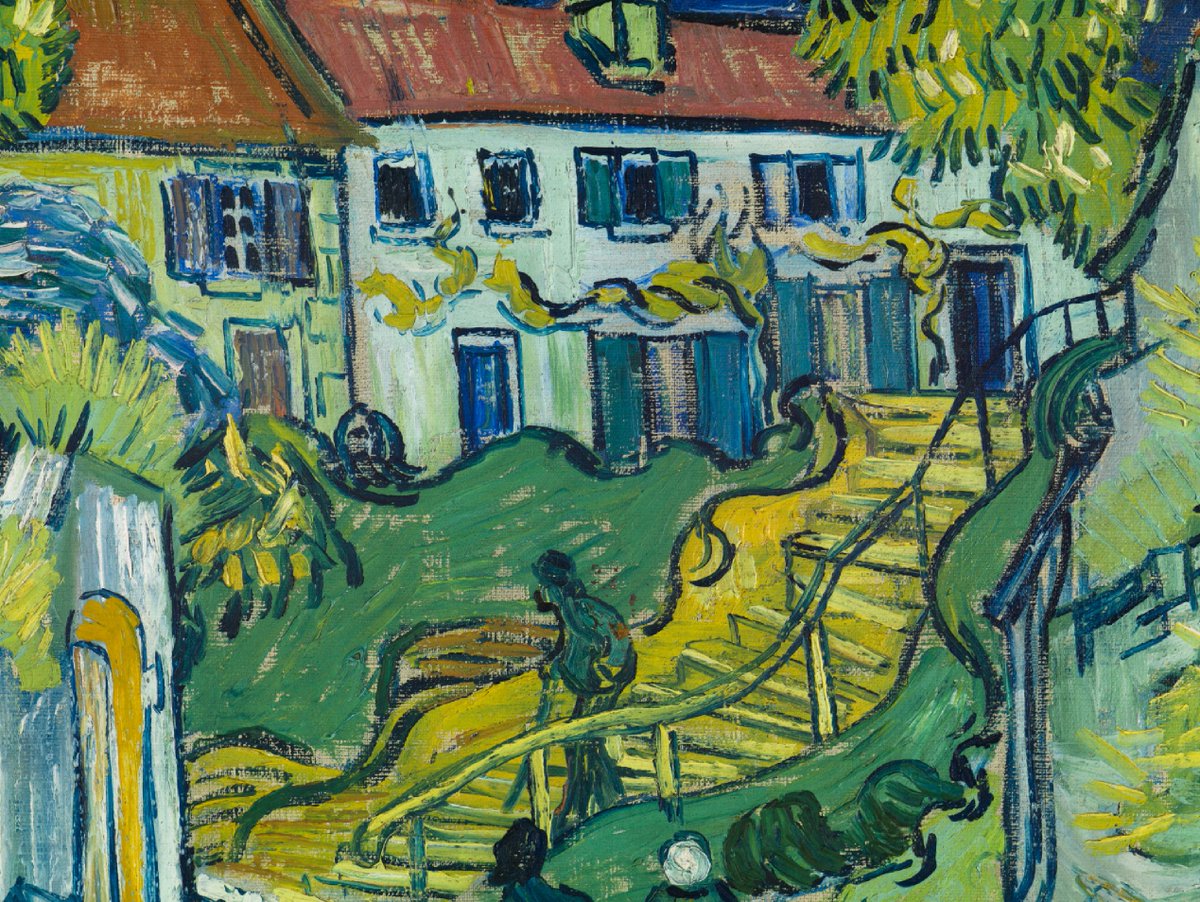
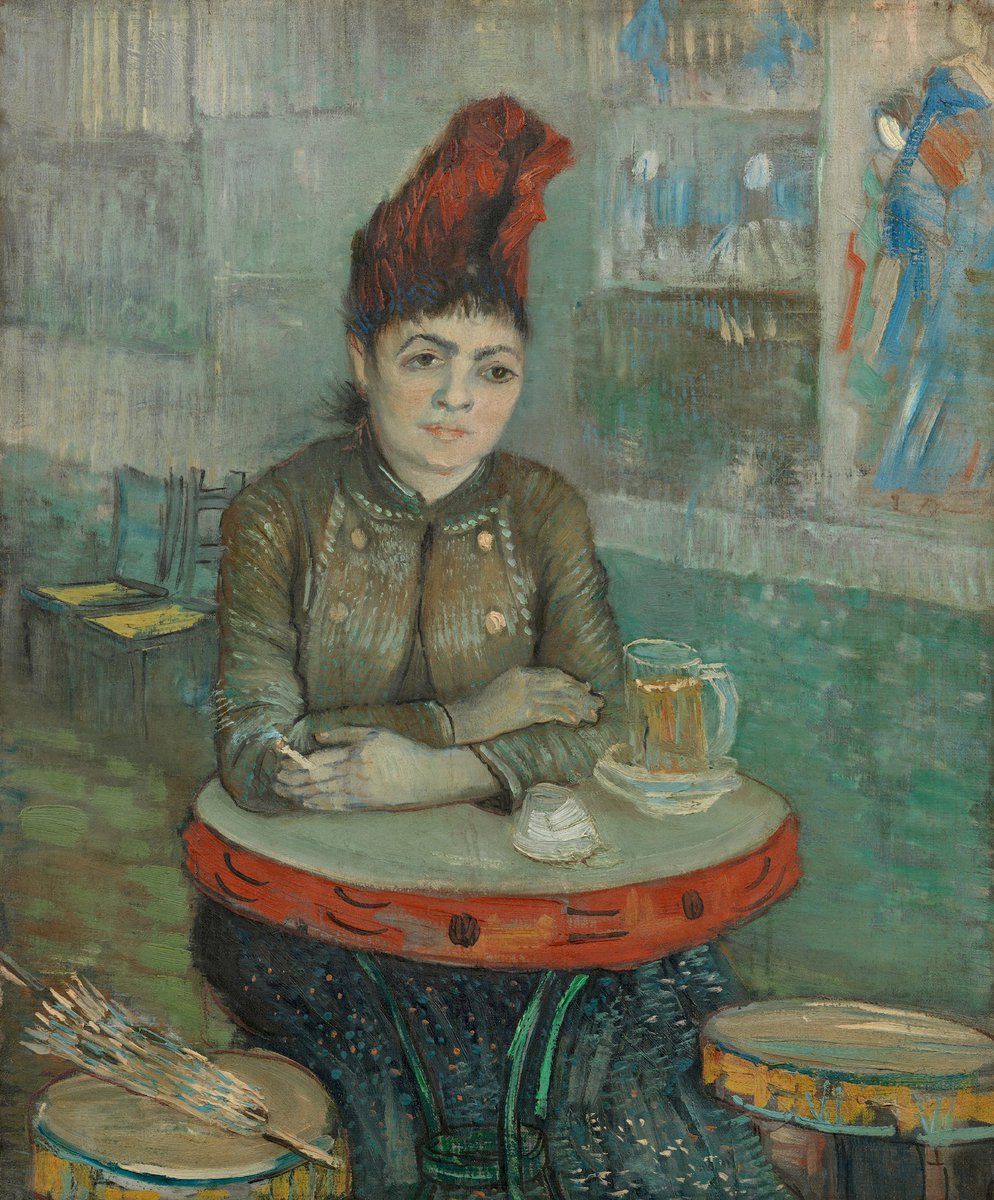
🌾 ‘Something else: someone who can really play the violin or piano is, it seems to me, a mightily entertaining person. He picks up his violin and starts to play, and a whole gathering enjoys it all evening long. A painter has to be able to do that too. And this sometimes gives me pleasure, to work outside when someone’s looking on. […] One is in the wheat, say. Well then, in the space of a few hours one has to be able to paint that wheat field and the sky above it and the prospect in the distance.’ Written to his sister Willemien (1888) Step into Vincent's world: he thought wheat fields were 'comforting and soft.' Can you sense the breeze whispering through this painting? 🍃 'Green Wheat Fields', 1890 © National Gallery of Art
Van Gogh Museum tweet mediaVan Gogh Museum tweet mediaVan Gogh Museum tweet mediaVan Gogh Museum tweet media
English
6
83
411
8.7K
Van Gogh Museum
Van Gogh Museum@vangoghmuseum·
Take it from Vincent: great things aren’t made in a single moment. They grow from many small steps. So here’s a kind reminder: if today feels tough, achieving one small thing may be enough. 🖼️ 'Self-portrait', 1887 © Rijksmuseum
Van Gogh Museum tweet media
English
3
67
320
7K
Van Gogh Museum
Van Gogh Museum@vangoghmuseum·
Even though this little detail looks like a painting in its own right, it’s actually part of a bigger picture. Can you guess which painting it belongs to? Leave your guess in the comments.
Van Gogh Museum tweet media
English
17
51
437
9.4K
Van Gogh Museum
Van Gogh Museum@vangoghmuseum·
Something links these two paintings. Can you see what it is? 👀 Let us know in the comments.
Van Gogh Museum tweet mediaVan Gogh Museum tweet media
English
18
19
196
6.7K
Van Gogh Museum
Van Gogh Museum@vangoghmuseum·
What if you could hear every brushstroke? 👂 For ‘Yellow. Beyond Van Gogh’s Colour’, students from @ConsAmsterdam created compositions inspired by works in the exhibition. In this video, every dot in Paul Signac’s ‘Setting Sun’ becomes a note. Curious to hear more paintings? Listen during your visit, or via the playlist: ow.ly/BagL50YowHP
English
2
8
65
3.8K
Van Gogh Museum
Van Gogh Museum@vangoghmuseum·
Today we celebrate Vincent 🎈🎂 173 years ago today, Vincent van Gogh was born. In his many self-portraits, Vincent returns to his own face time and time again. Seen together, they form a quiet passage of time. Which one is your favourite? 1 ‘Self-Portrait’, 1889 © National Gallery of Art 2 ‘Self-Portrait’, 1887 © Van Gogh Museum 3 ‘Self-Portrait with Grey Felt Hat’, 1887 © Van Gogh Museum 4 ‘Self-Portrait’ 1886 © Van Gogh Museum
Van Gogh Museum tweet mediaVan Gogh Museum tweet mediaVan Gogh Museum tweet mediaVan Gogh Museum tweet media
English
40
371
1.1K
30.5K
Van Gogh Museum
Van Gogh Museum@vangoghmuseum·
🍽️ Vincent’s meals were as simple as his budget – bread, cheese, coffee, and sometimes tobacco. In Arles, he wrote: ‘Gauguin […] knows how to cook perfectly, I think I’ll learn that from him.’ Safe to say, Vincent’s art outshined his cooking skills! 😉 🖼️ © Kröller-Müller Museum
Van Gogh Museum tweet media
English
4
76
477
9.6K
Van Gogh Museum
Van Gogh Museum@vangoghmuseum·
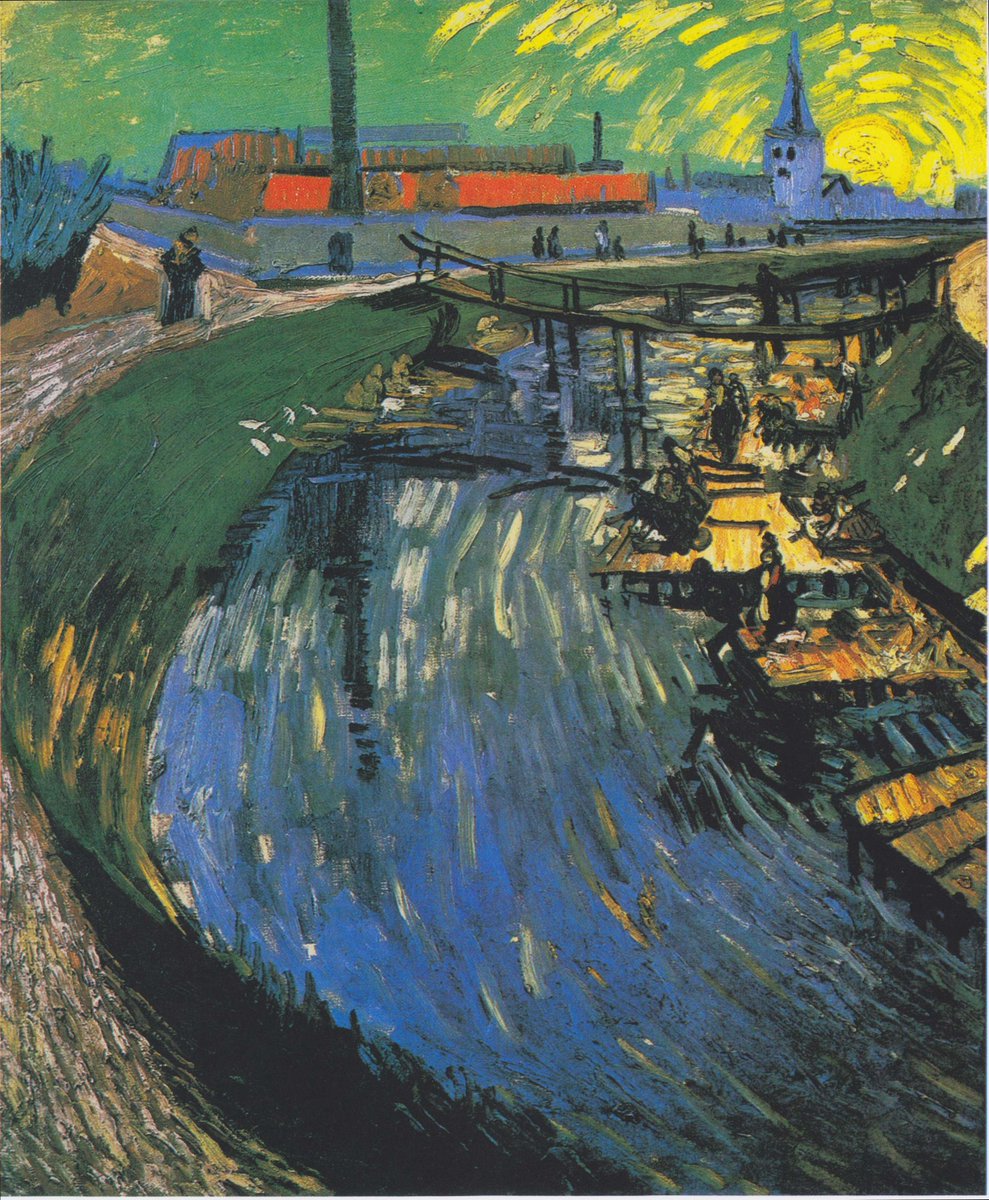
In late June 1888, Van Gogh reminded Theo of a drawing he sent of ‘a wooden bridge with a washing place – a view of a town in the background.’ He mentioned he’d ‘just painted that subject in large format.’ See the results here! ✏️ © Kröller-Müller Museum 🖌️ © Private collection
Van Gogh Museum tweet mediaVan Gogh Museum tweet mediaVan Gogh Museum tweet media
English
2
33
200
5.8K
Van Gogh Museum
Van Gogh Museum@vangoghmuseum·
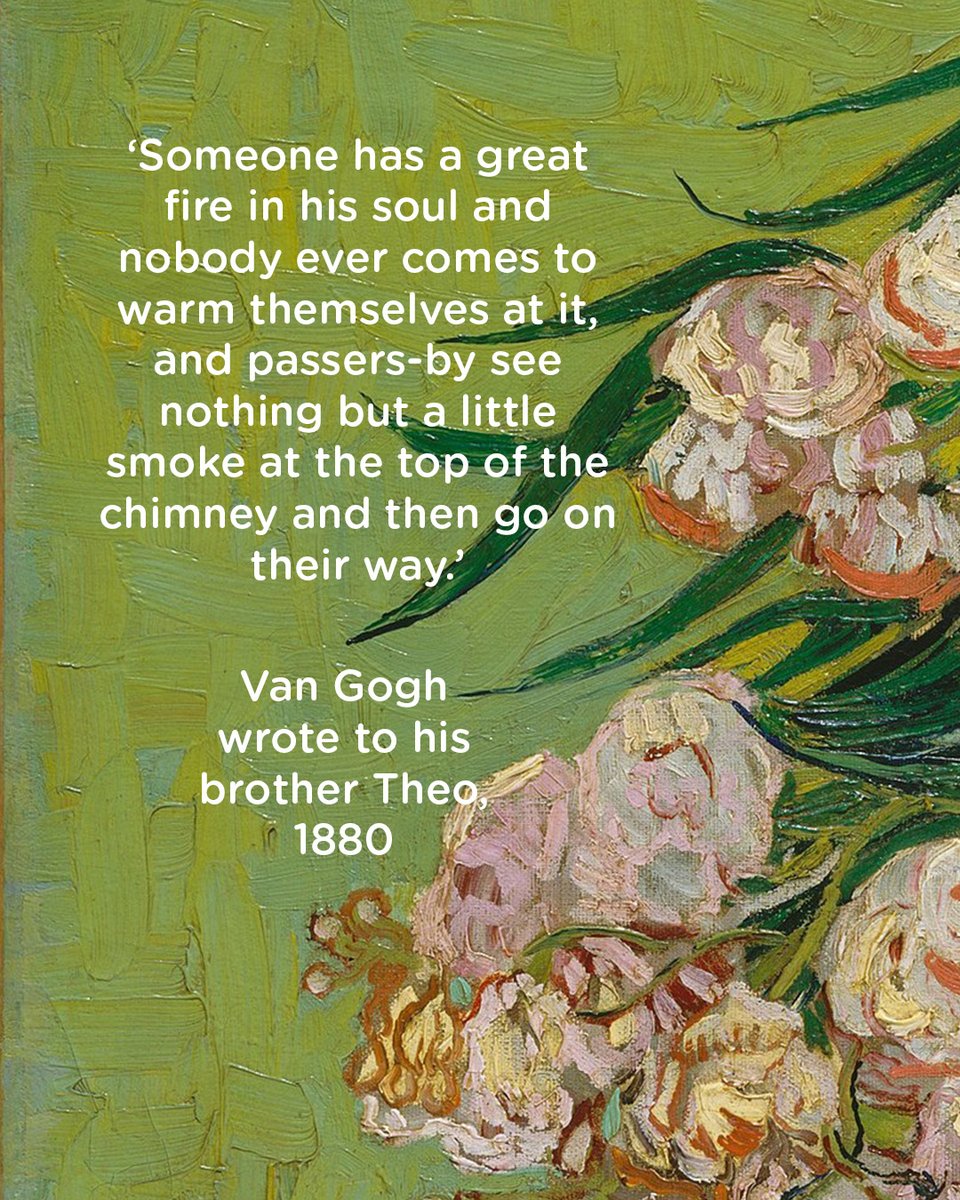
So much to give, but no one to give it to ✍️
Van Gogh Museum tweet media
English
8
72
341
7.3K
Van Gogh Museum
Van Gogh Museum@vangoghmuseum·
50 shades of yellow 🌻 What do you see in Van Gogh’s ‘Sunflowers’? In the exhibition ‘Yellow. Beyond Van Gogh’s Colour’, we explore how yellow can hold both life and decay. As our curator Edwin explains, Van Gogh built the painting with three types of chrome yellow, creating many different shades. He layered the paint so the colour becomes almost tangible. Here, yellow isn’t just a colour. It’s the subject.
English
6
23
102
5.3K
Van Gogh Museum
Van Gogh Museum@vangoghmuseum·
✍️ ‘It’s gravely beautiful, it’s the heart of the countryside, distinctive and picturesque.’ Vincent van Gogh (May 1890) The countryside around Auvers-sur-Oise felt familiar to Vincent. It reminded him of his childhood in North Brabant and gave him a sense of security. The old houses with thatched roofs were especially appealing to him. He captured them frequently, painting them rapidly in fresh colours, like in this painting. 🖼️ Houses at Auvers-sur-Oise, 1890 © Toledo Museum of Art
Van Gogh Museum tweet media
English
12
96
609
9.2K
Van Gogh Museum
Van Gogh Museum@vangoghmuseum·
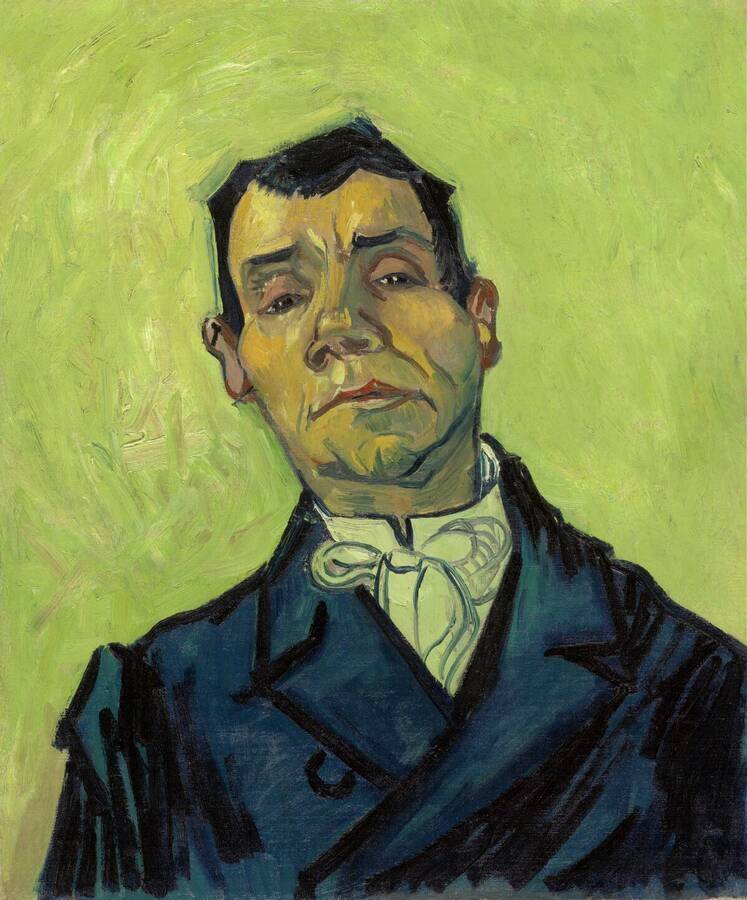
Portraiture fascinated Van Gogh 👩‍🦲 He aspired ‘to do portraits which would look like apparitions to people a century later.’ Did he succeed? 🖼️ ‘Portrait of Joseph-Michel Ginoux’, 1888 © Kröller-Müller Museum
Van Gogh Museum tweet media
English
10
50
307
6.3K
Van Gogh Museum
Van Gogh Museum@vangoghmuseum·
These two paintings contain something really personal to Vincent. It’s easy to miss if you don’t look carefully. In the first painting, we see one of his favourite café drinks: absinthe, usually diluted with water. But the jar beside the glass holds more than you might expect…(2) In the second painting, ‘Bank of the Seine’, Vincent did something unusual. He used his fingers while painting, leaving subtle traces in the soft white clouds of the sky. (4) It’s fun to see that both paintings contain Vincent’s fingerprint, right? 1 ‘Café Table with Absinthe’, 1887 © Van Gogh Museum 2 ‘Bank of the Seine’, 1887 © Van Gogh Museum
Van Gogh Museum tweet mediaVan Gogh Museum tweet mediaVan Gogh Museum tweet mediaVan Gogh Museum tweet media
English
7
49
311
9.2K
Van Gogh Museum
Van Gogh Museum@vangoghmuseum·
A tiny piece of Van Gogh. Of his painting, that is! Can you guess which larger painting this detail comes from? We’ll be impressed if you get it right.
Van Gogh Museum tweet media
English
15
54
435
8.6K
Van Gogh Museum
Van Gogh Museum@vangoghmuseum·
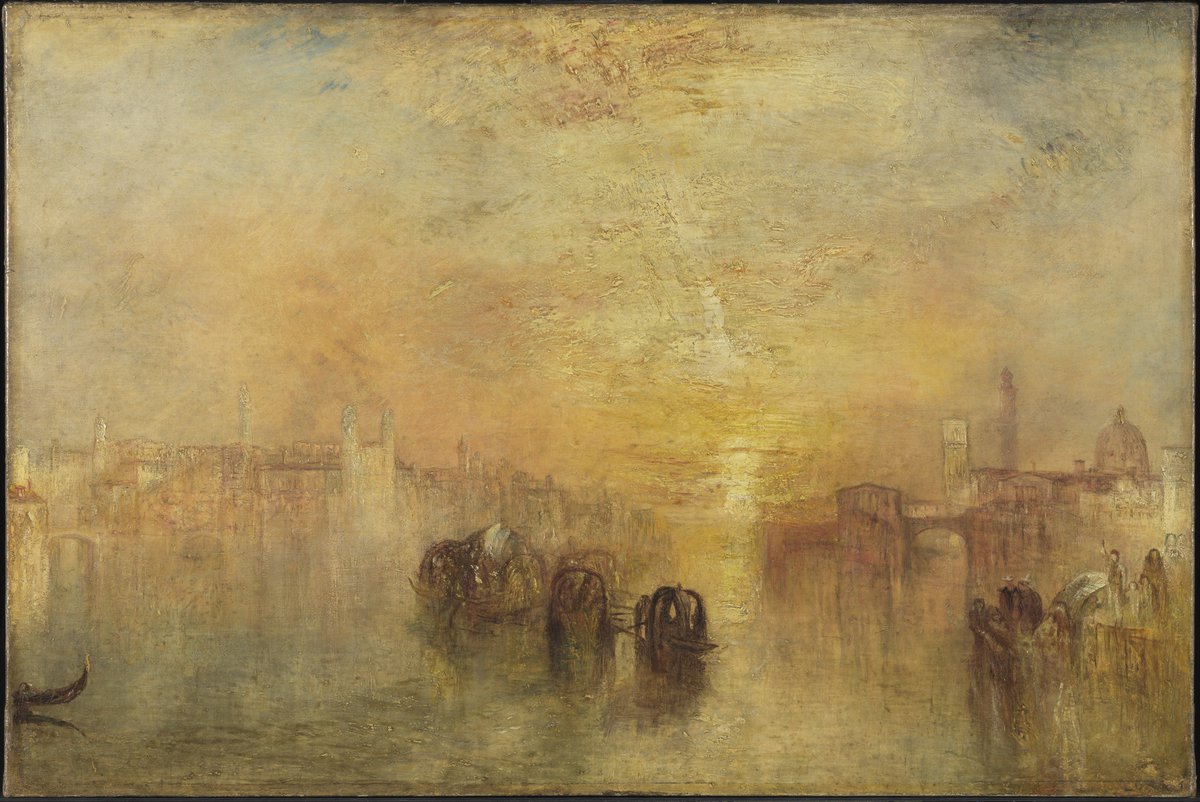
Critics claimed Turner had ‘yellow fever’. Or that he was painting with mustard. J.M.W. Turner was a British painter who pushed landscapes into light and atmosphere. Like Van Gogh later on, he used yellow to chase the sun’s fleeting glow. Too much for some. Revolutionary for others. 🖼️ Now on view in the exhibition 'Yellow. Beyond Van Gogh’s Colour', until 17 May.
Van Gogh Museum tweet media
English
10
68
395
11.1K
Van Gogh Museum
Van Gogh Museum@vangoghmuseum·
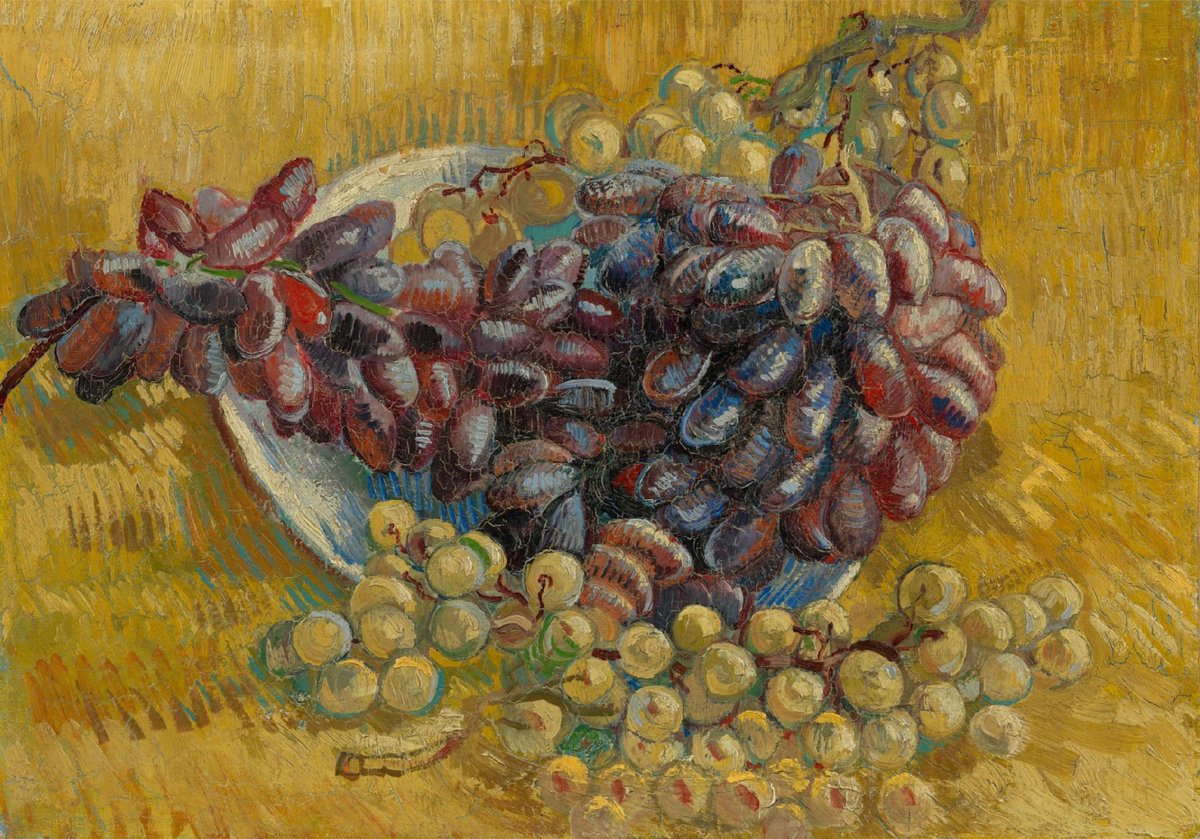
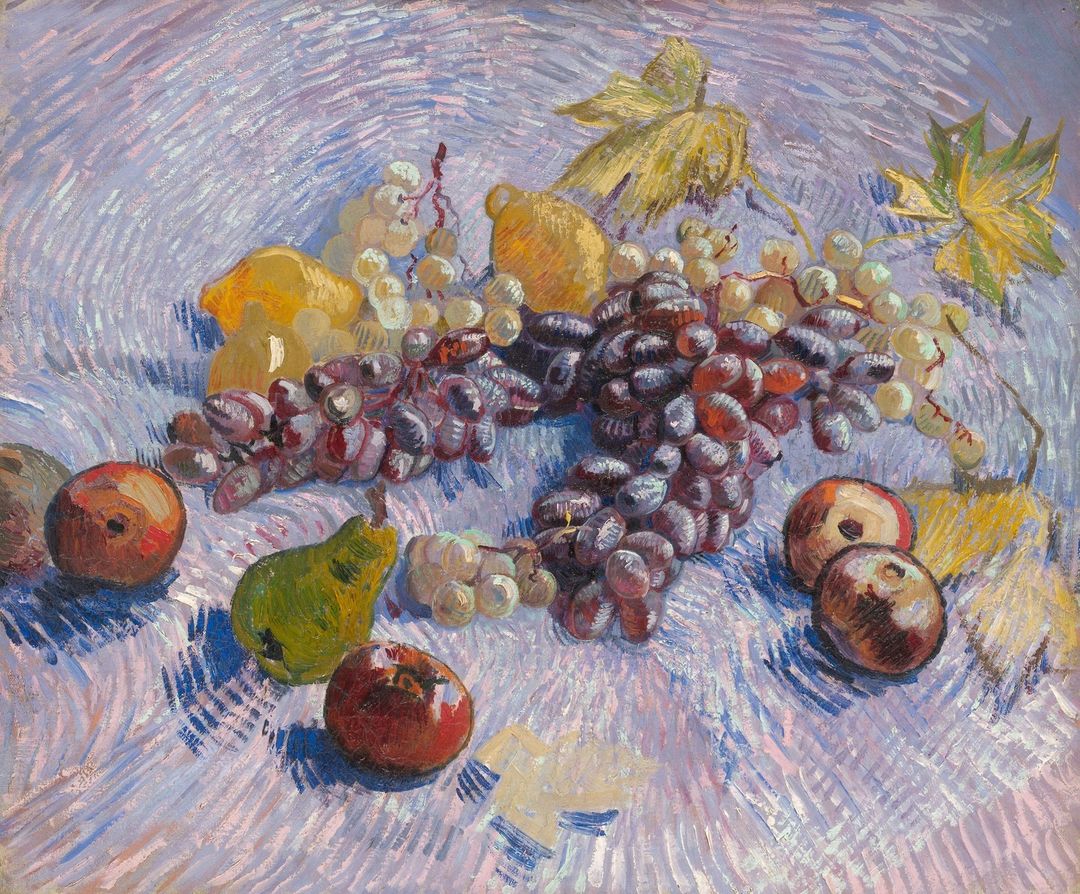
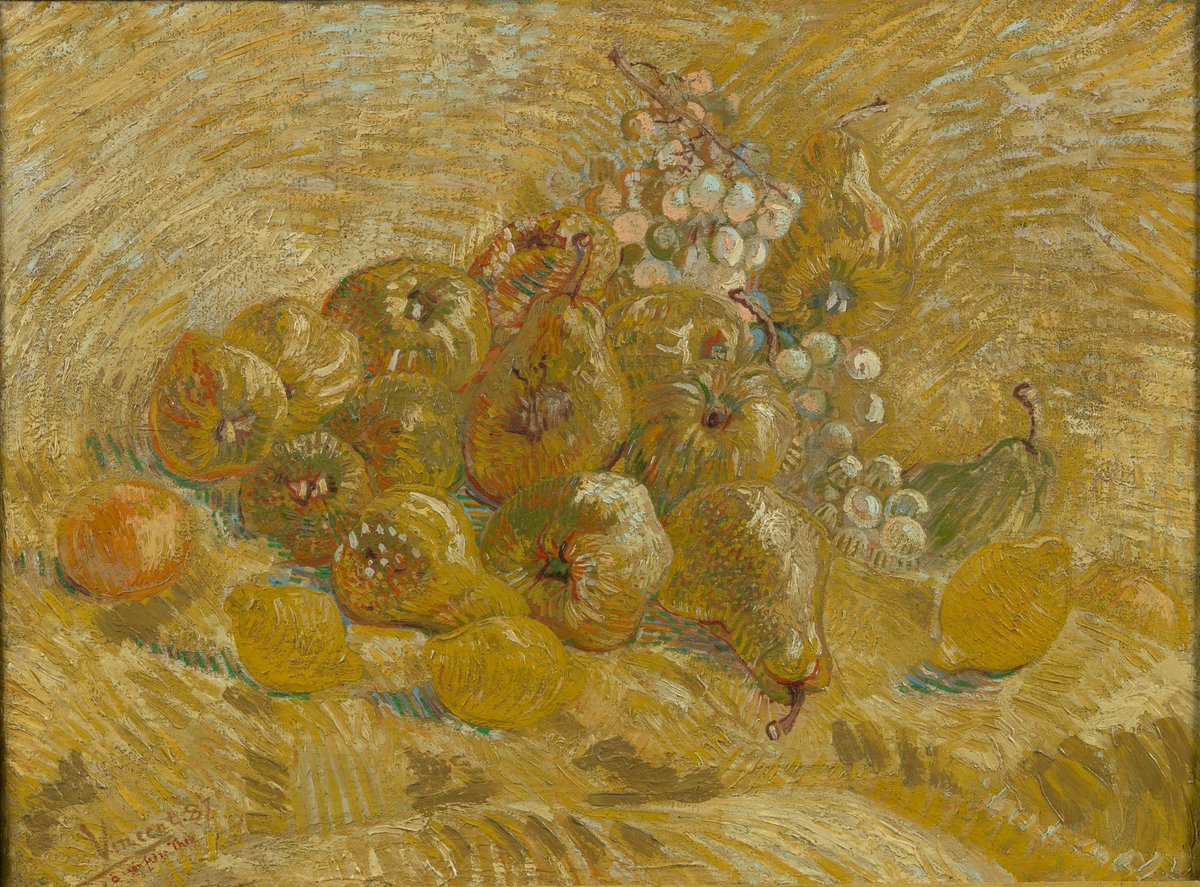
Just grape! 🍇😉 One of these Van Gogh paintings was part of the group of ‘violent still lifes’, as described by his friend and fellow painter Emile Bernard. Can you guess which one he was referring to? 1 © Van Gogh Museum 2 © The Art Institute of Chicago 3 © Van Gogh Museum
Van Gogh Museum tweet mediaVan Gogh Museum tweet mediaVan Gogh Museum tweet media
English
3
31
225
5.6K
Van Gogh Museum
Van Gogh Museum@vangoghmuseum·
💀or 🦚? In May 1889, Vincent wrote to his brother Theo: 'Yesterday I drew a very large, rather rare night moth there which is called the death’s head, its colouration astonishingly distinguished: black, grey, white, shaded, and with glints of carmine or vaguely tending towards olive green; it’s very big. To paint it I would have had to kill it, and that would have been a shame since the animal was so beautiful'. Van Gogh later decided to paint the moth after all, based on his drawing. He called it a 'death's-head moth' and depicted a kind of skull on the back of its body. 💀 (2) It was actually a giant peacock moth, however – a species that has only stripes there. 🦚 ‘Giant Peacock Moth’, 1889
Van Gogh Museum tweet mediaVan Gogh Museum tweet media
English
4
63
353
7.5K
Van Gogh Museum
Van Gogh Museum@vangoghmuseum·
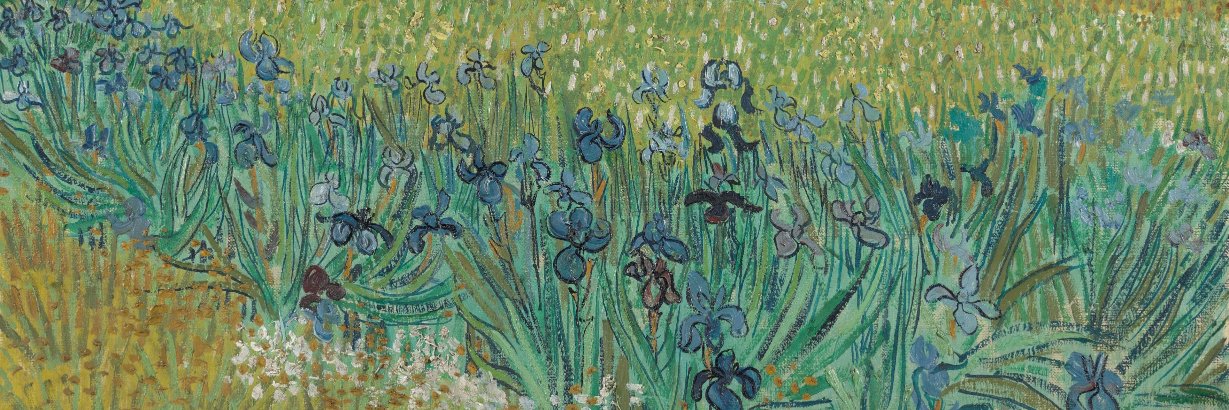
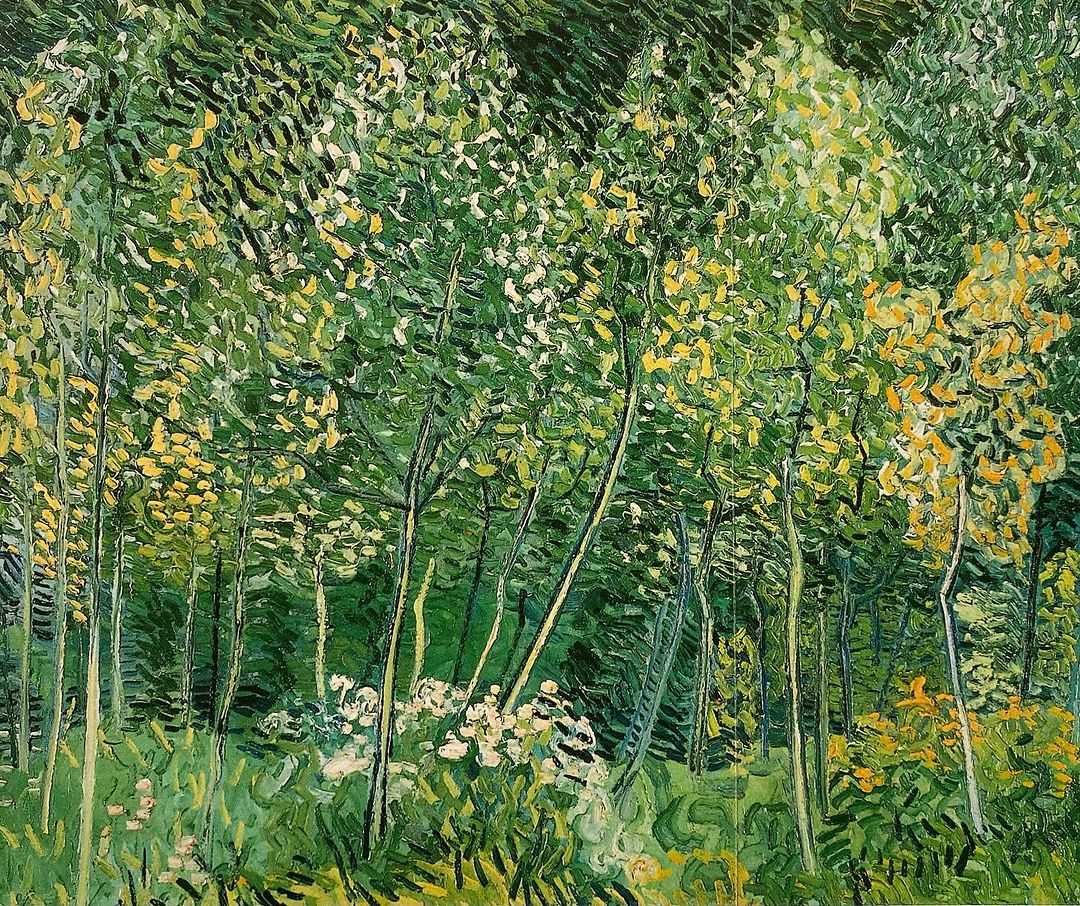
'A very beautiful green-on-green undergrowth’, reviews said about this painting. It was on display at an exhibition organised by Vincent's brother Theo, after Vincent's death. What would your review say about this work? 🖼️ © Private collection
Van Gogh Museum tweet media
English
17
106
572
11.5K