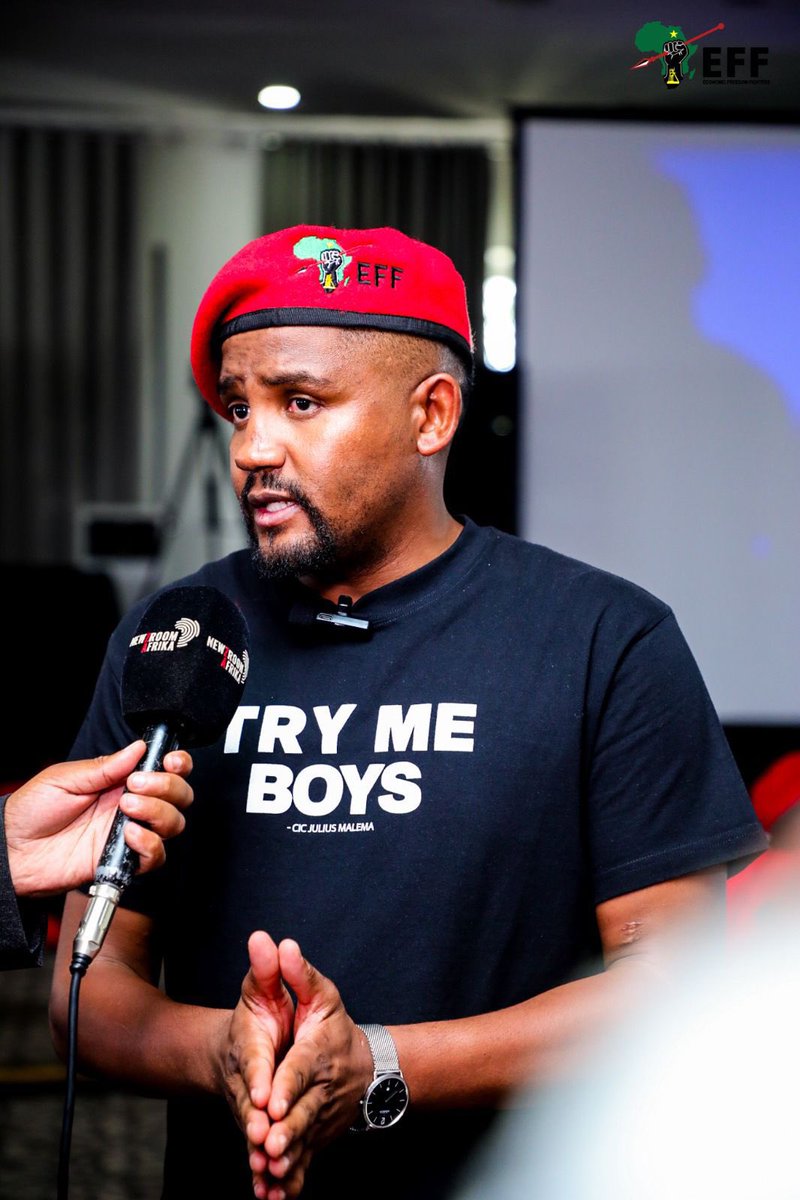
Mabhalane@LungaMrhetjha
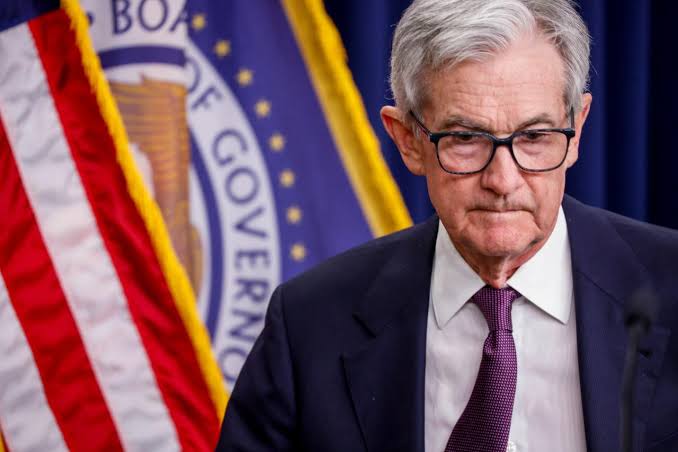
“We understand better how little we understand about inflation.” - Jerome Powell
When Powell said this, I knew instantly that things were fundamentally wrong. That was a clear confession from central banks that their model is shaky.
For years, the playbook was simple. Inflation was caused by too much demand. And when you raise interest rates, you slow down the economy and inflation drops.
It was clean and predictable. Then one day, this model stopped working properly.
Post-COVID, inflation didn’t behave. It wasn’t just people spending too much. It was supply chains breaking, energy prices jumping, war shocks and logistics collapsing.
So now, central banks are confused because they were busy hiking rates but inflation wasn't responding the way they had hoped or expected. Powell’s statement was premised on this dilemma.
Now if you bring it closer to SA, you realize that SARB still runs the same playbook. It uses interest rates as the main weapon. But the problem is that we don't have "too much demand" inflation. Ours is cost-pushed.
What’s actually driving prices up in SA is electricity tariffs, fuel, food and a weaker ZAR. All of these factors have nothing to do with the consumers overheating the economy.
So when SARB raises rates, it doesn't fix Eskom or reduce food costs. It just makes money more expensive.
This spells more trouble for households and businesses, and job creation slows down.
And that's essentially the contradiction here. We’re using a demand weapon to fight a supply problem.
Powell’s quote hits deeper when you look at SA. Because if the US is saying “we don’t fully understand inflation anymore:, hen what about us, with structural inequality and weak growth?
The fact of the matter is that inflation today is not just about demand. It’s about infrastructure ,energy, global supply chains and market structure. These things cannot be fixed merely with interest rates.
Interest rates, as a monetary policy tool, are no longer that effective. Right now it feels like we’re pressing the same button and hoping for a different outcome, while the real issues sit elsewhere.
Powell didn’t just admit uncertainty. He exposed a gap in the system. And in SA, that gap is even wider.