
Carnival of the Black Sun #ChaleWote2026 retweetledi
Carnival of the Black Sun #ChaleWote2026
65.8K posts

Carnival of the Black Sun #ChaleWote2026
@Accradotalt
Music. Art. Indie cultures.
Ghana Katılım Nisan 2011
1.1K Takip Edilen10.6K Takipçiler

Carnival of the Black Sun #ChaleWote2026 retweetledi

Ethiopian & Ghanaian Jazz are two sub-genres of music I didn’t know I needed.
English
This is what Niger is using State resources for: building 3,400 housing units for the people and expanding it until everyone is housed. In Ghana, people cannot even afford so called affordable housing.
abdoul aziz hassoumi@AzizHassoumi
🚨NIGER🇳🇪: plus 3 400 maisons construites au profit des fonctionnaires. Le gouvernement nigeriens, dans son initiative un nigerien, un toit ,a construit a moins de 2 ans plus de 3 000 maisons dans les quartiers périphériques de la capitale Niamey 🇳🇪.
English
Aladdin - We Enter (Heavenly Remix) by Takuya Nakamura is a wormhole. A celestial jungle jazz fusion that rewires Aladdin into every brass and beat collision.
English
Carnival of the Black Sun #ChaleWote2026 retweetledi

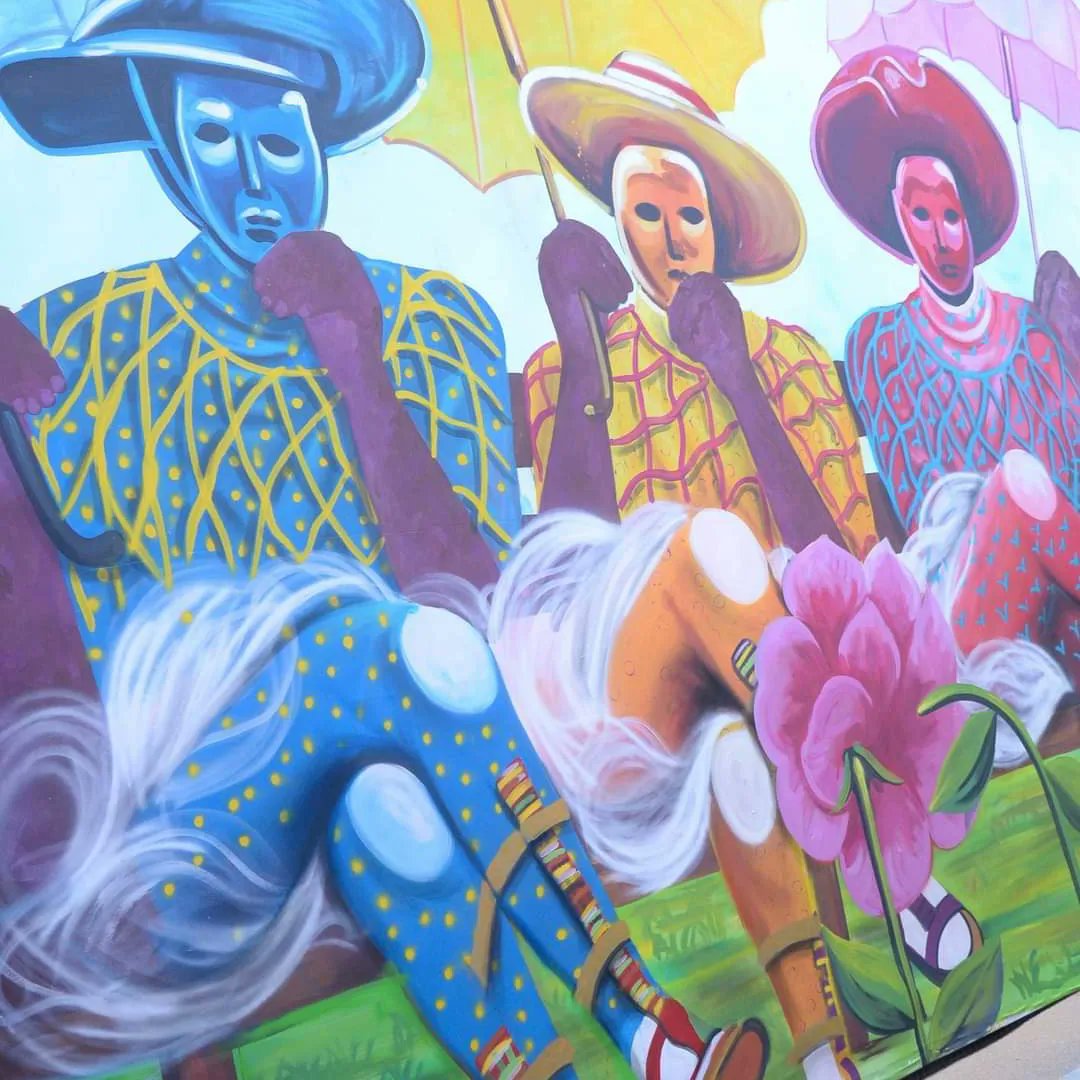
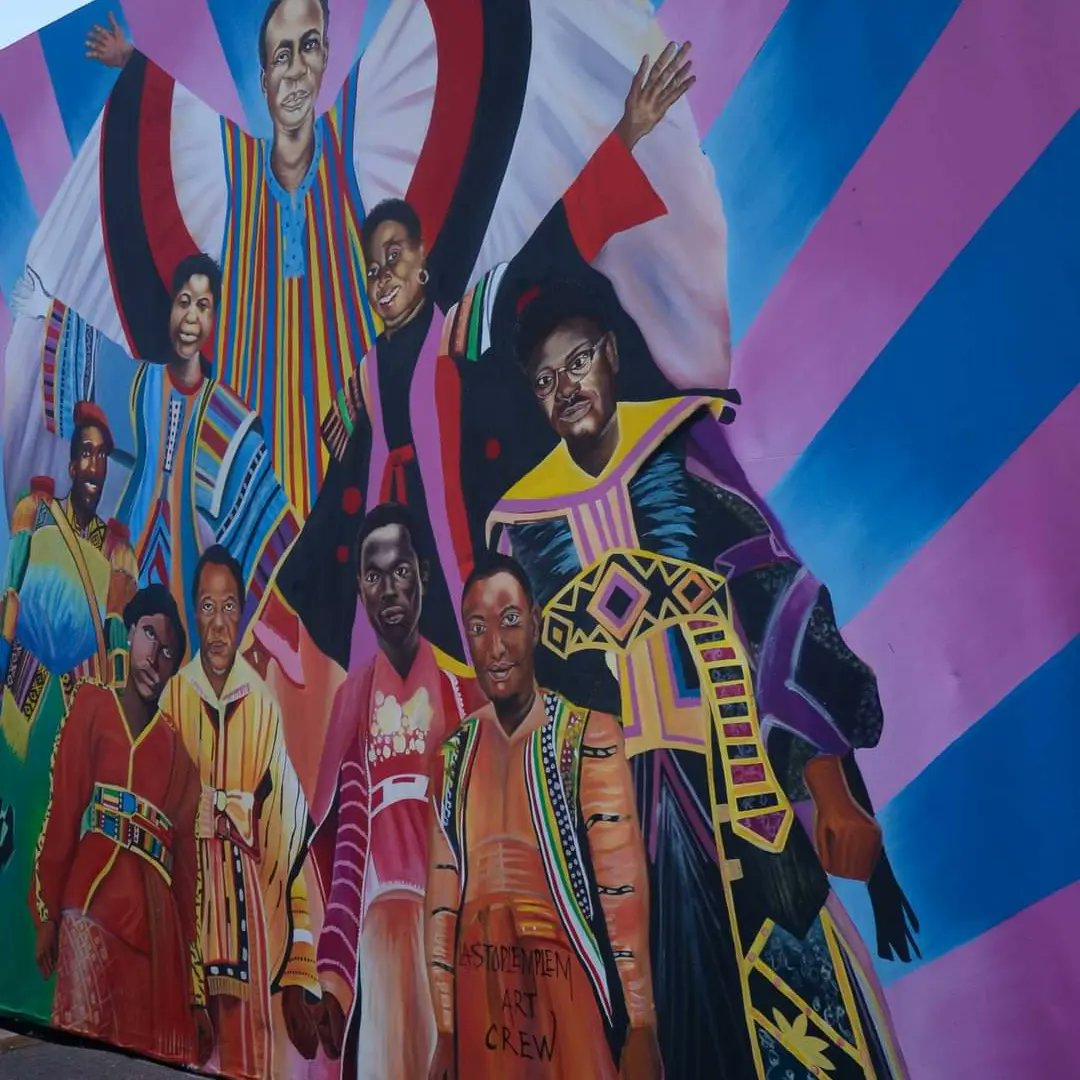
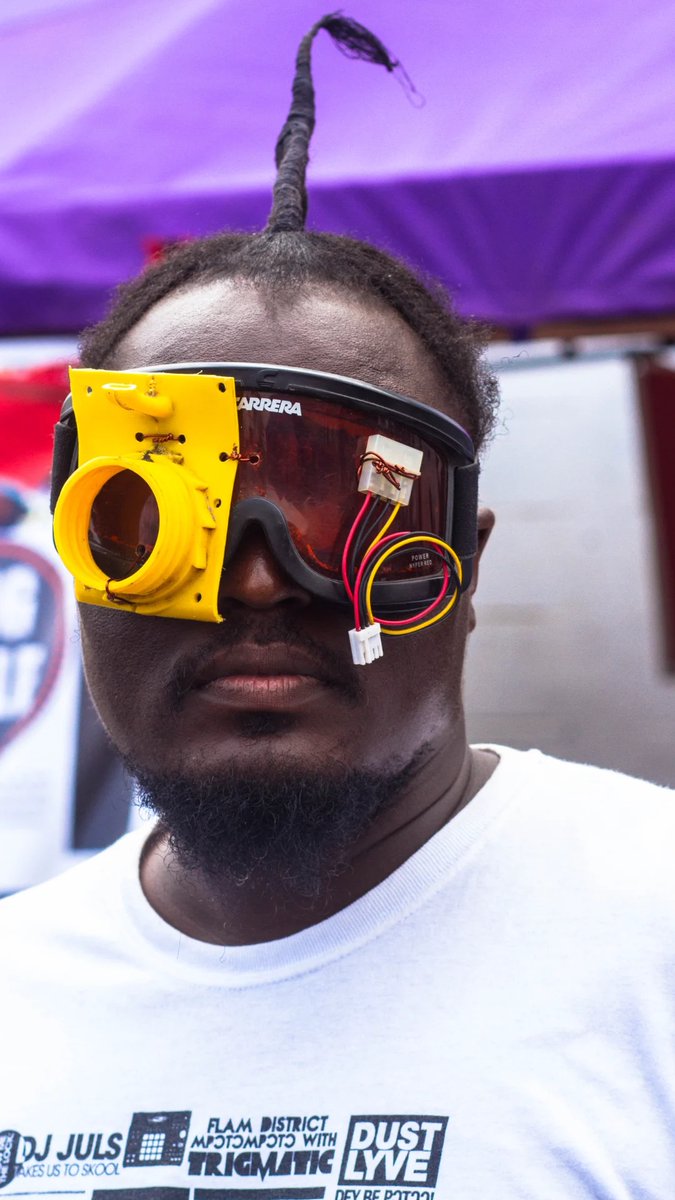
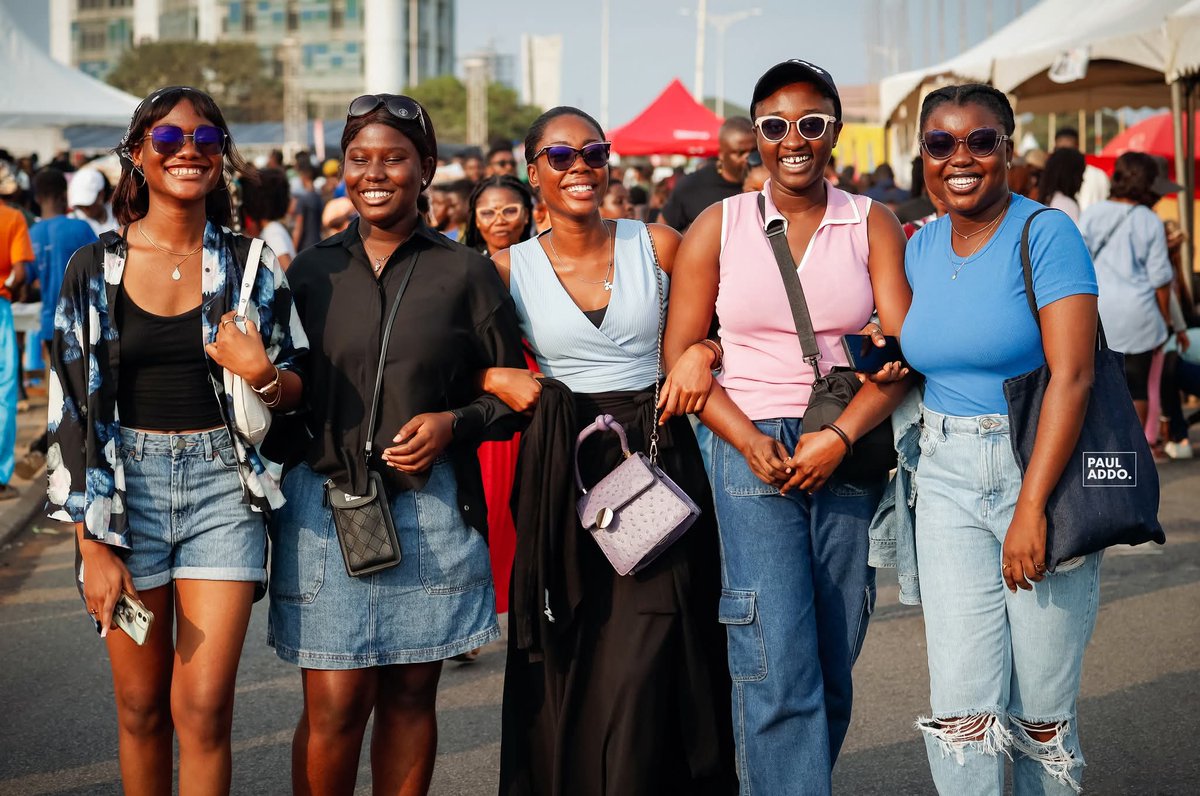
At Chale Wote, asphalt becomes altar. Sequined ghosts, painted limbs, and recycled couture compose a new visual grammar. For African youth, this isn't spectacle—it's scripture. Perhaps no platform across the continent rearranges identity with such silent, total authority.
English
Stranger things on the world famous outer orbit expedition.
Mr. Whale@CryptoWhale
The entire crew is visible on video when suddenly a jar of Nutella flies in from behind the camera - with perfect rotation to show the label. There’s absolutely nothing strange about this.
English
Carnival of the Black Sun #ChaleWote2026 retweetledi

Carnival of the Black Sun #ChaleWote2026 retweetledi

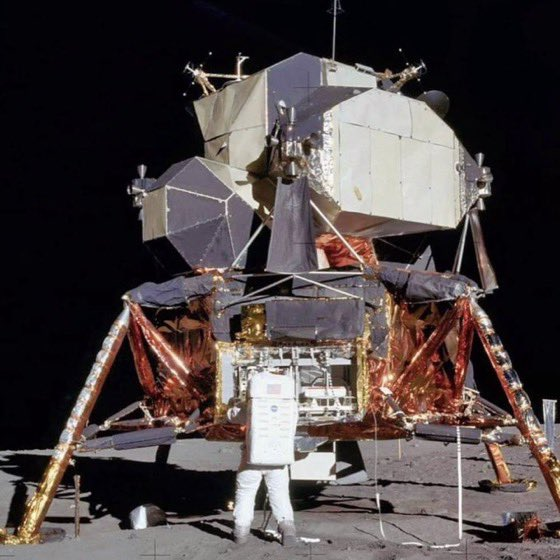
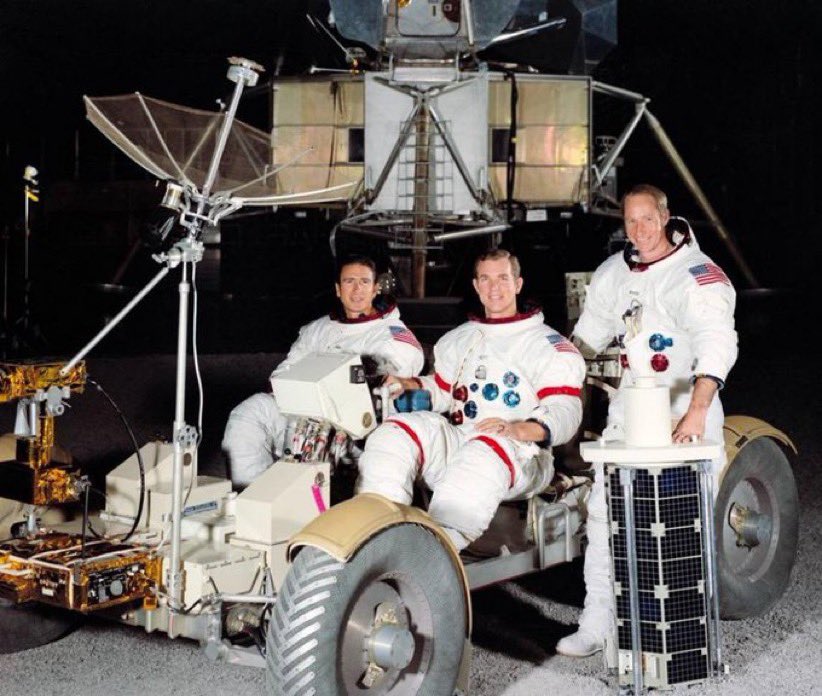
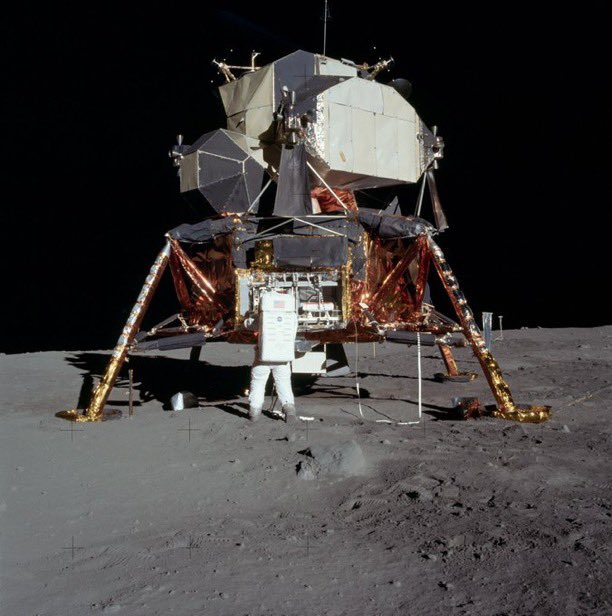
how did the moon buggy get to the moon?
was it part of the moon playset or the rocket playset?
English
Carnival of the Black Sun #ChaleWote2026 retweetledi

Morgan Morgan just added thus banger to our WWIII playlist .."Youwa yaa youwaa"
Indonesia
Carnival of the Black Sun #ChaleWote2026 retweetledi

These losers are still living in the 1960s. Nobody believes this staged nonsense.
NASA@NASA
For the first time in over 50 years, humans are Moonbound. At 6:35 p.m. EDT (2235 UTC) NASA’s Space Launch System rocket and the Orion spacecraft lifted off from the agency’s Kennedy Space Center in Florida, sending four astronauts on a planned test flight around the Moon and back. go.nasa.gov/4tlRfRS
English
Carnival of the Black Sun #ChaleWote2026 retweetledi
There has never been a better moment to create than right now.
English
Carnival of the Black Sun #ChaleWote2026 retweetledi
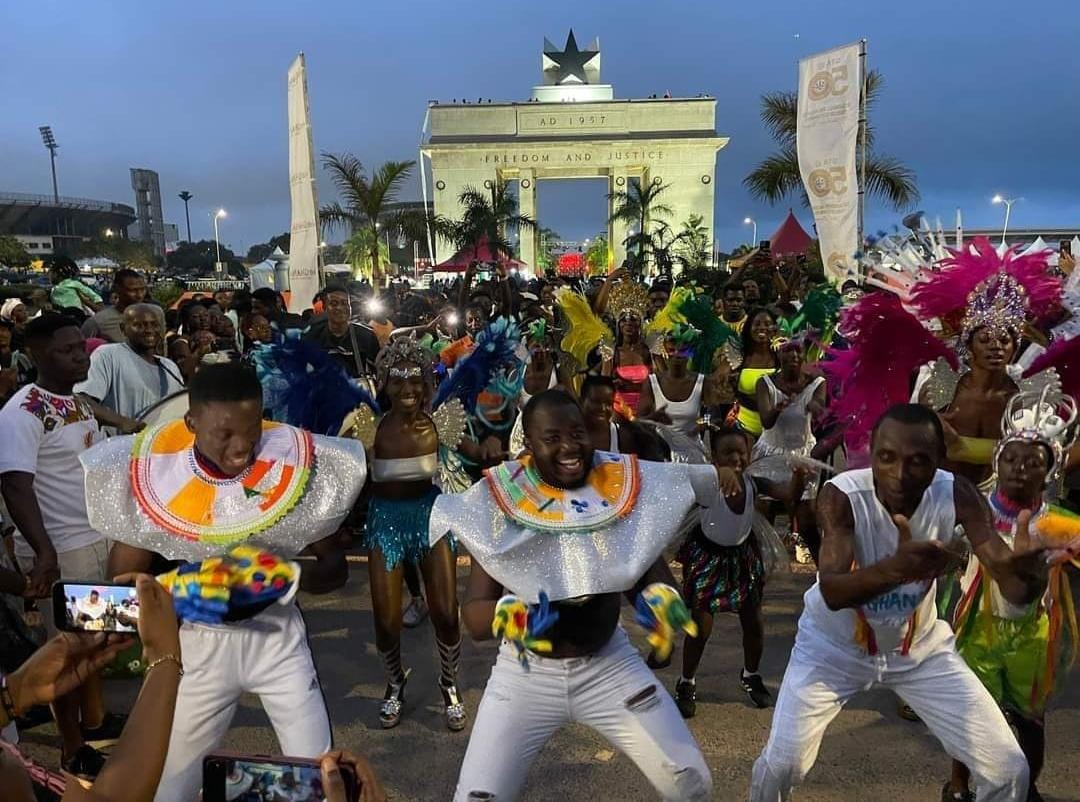
Chale Wote doesn’t just transform Osu’s streets—it revitalizes its soul.
This artistic invasion fuels a massive economic surge. Chale Wote is the heartbeat of Osu an undeniable testament to the profound power of art to build, sustain, and define a community.
English
Carnival of the Black Sun #ChaleWote2026 retweetledi
Level up your festival experience at the vendor park at #ChaleWote: your HQ for curated eats, killer cocktails, fresh fashion, and future-tech drops—plus big brand surprises. Don’t just wander, be the heartbeat of the festival.
Carnival of the Black Sun
#ChaleWote2026

English
Carnival of the Black Sun #ChaleWote2026 retweetledi

NEW #AUDIO:
Hammer of The Last Two - Frankie's (feat. Pappy Kojo, Joey B, Mantse)
🔊: tinyurl.com/3auuy2j5
👥: @Dahammergh @1RealJoeyB @PAPPYKOJO @Accradotalt
English
Carnival of the Black Sun #ChaleWote2026 retweetledi

The Realpolitik of Return: Gentrification, Sovereignty, and Ghana’s Search for a Pan-African Future.
1st published February 2026
open.substack.com/pub/fugitivema…

English