Arancha Ruiz Bachs retweetledi
Arancha Ruiz Bachs
14.5K posts

Arancha Ruiz Bachs
@alterarancha
El Talento destaca cuando está en su mejor lugar. Optimista pragmática. Autora de la trilogía: #ElMapadetuTalento #QueBuscaelHeadhunter #AhoraONunca
Spain Katılım Mart 2009
4.2K Takip Edilen13.9K Takipçiler
Arancha Ruiz Bachs retweetledi

Gracias an Irene Vallejo por este post!!! Me encantó el poema y la verdad que contiene!!
Irene Vallejo@irenevalmore
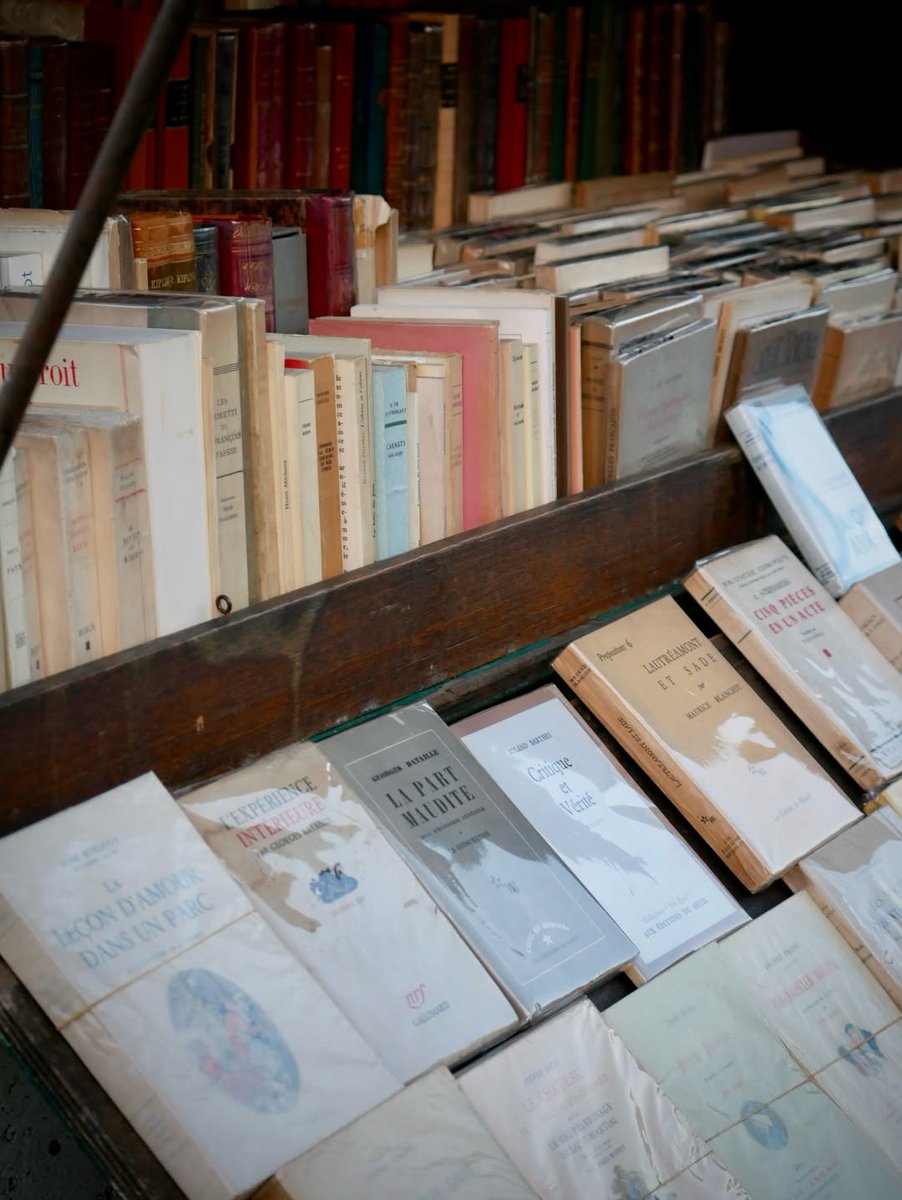
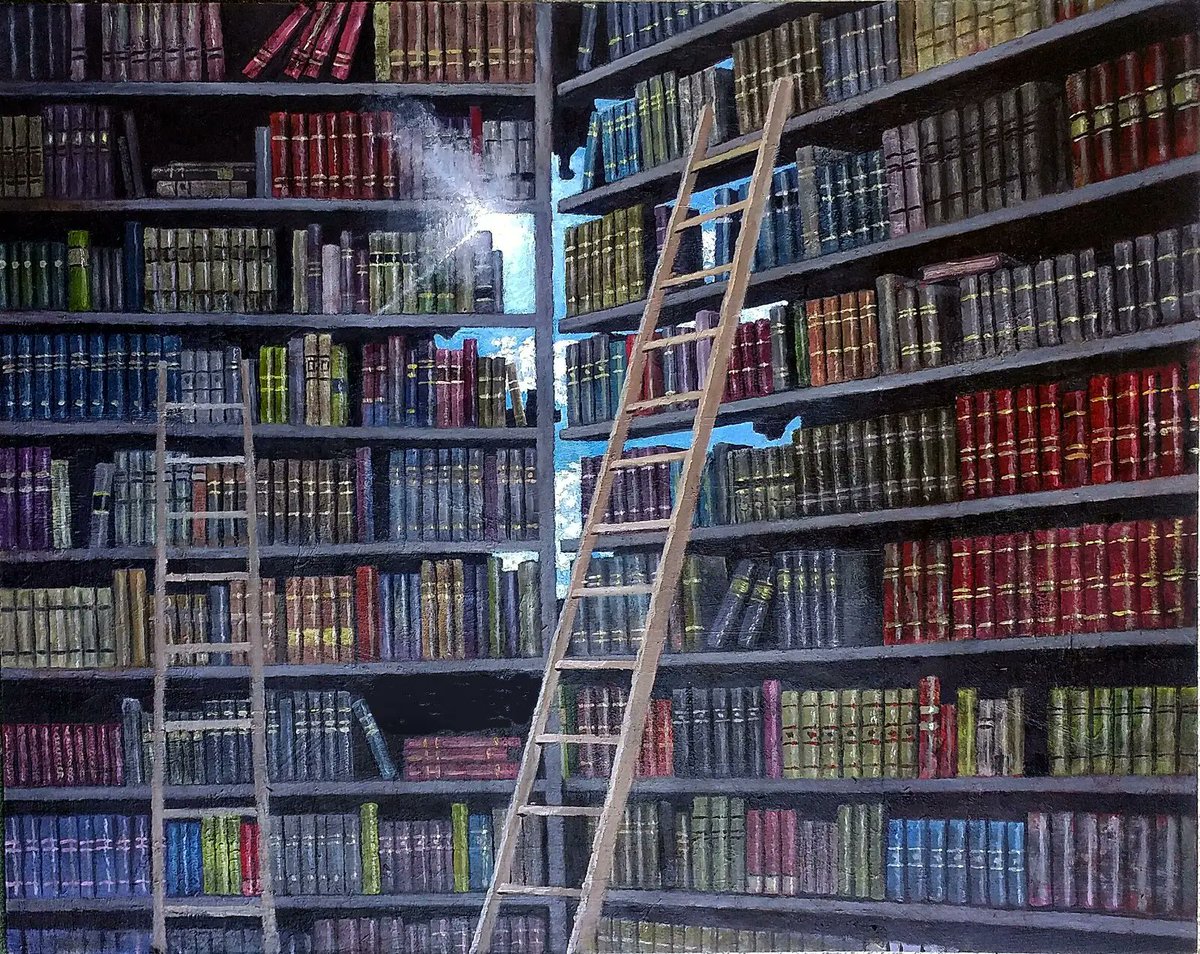
Un buen día para empezar a escribir la siguiente línea, según aconseja Gianni Rodari 📚 “El libro de Gianni Rodari. Versos, cuentos y vida” ✒️Traducido por Jordi Martí Garcés 🎨 Ilustraciones de Marta Altés @BlackieBooks
Español
Arancha Ruiz Bachs retweetledi

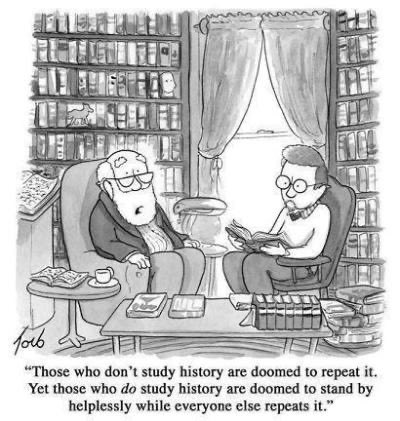
Los que no estudian la historia están condenados a repetirla y los que sí estudian la historia están condenados a ver impotentes cómo todos los demás la repiten
Tom Toro@TTomTToro
Español
Arancha Ruiz Bachs retweetledi

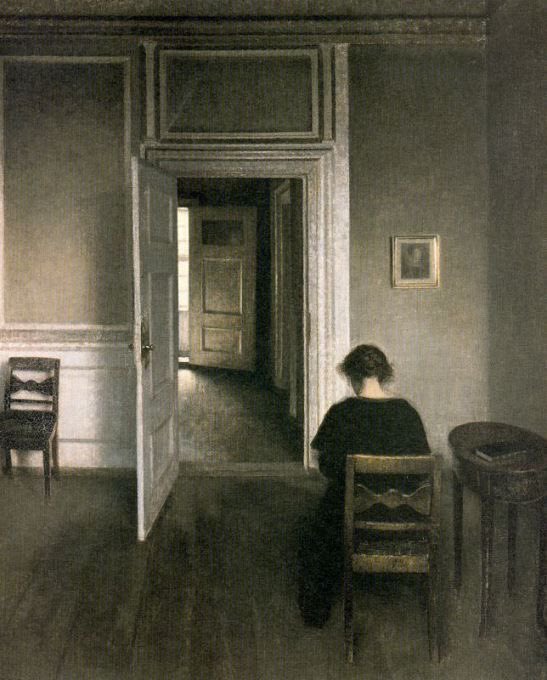
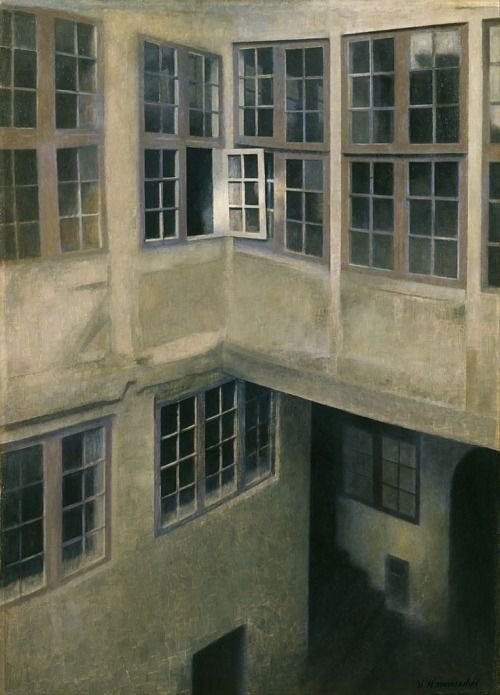
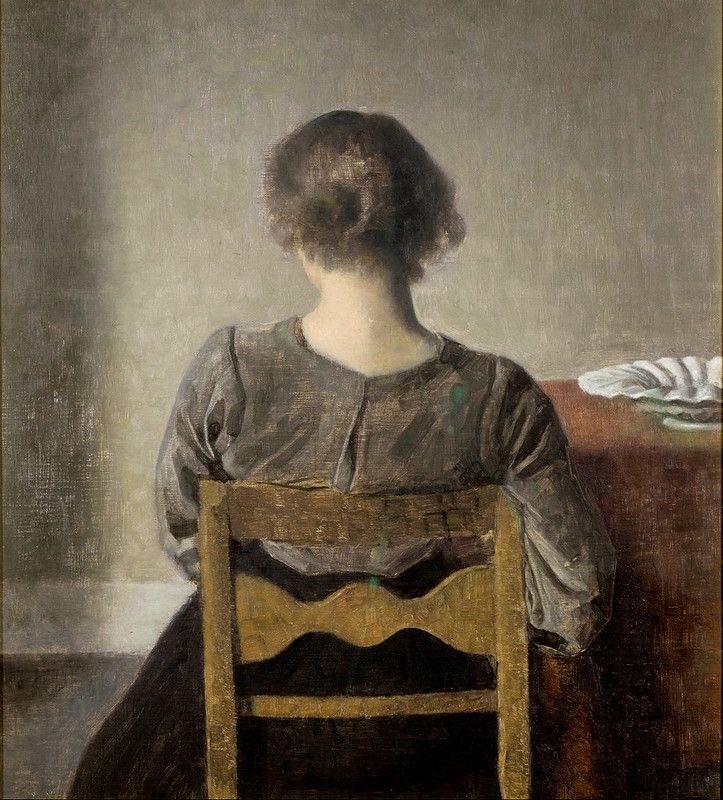
A partir del 17 de febrero, el @museothyssen inaugura "El ojo que escucha", una antología del gran pintor danés Vilhelm Hammershøi (1864–1916). El maestro que convirtió el silencio en arquitectura y el gran precursor de Hopper.
👇🏻Abro hilo silencioso.


Español
Arancha Ruiz Bachs retweetledi

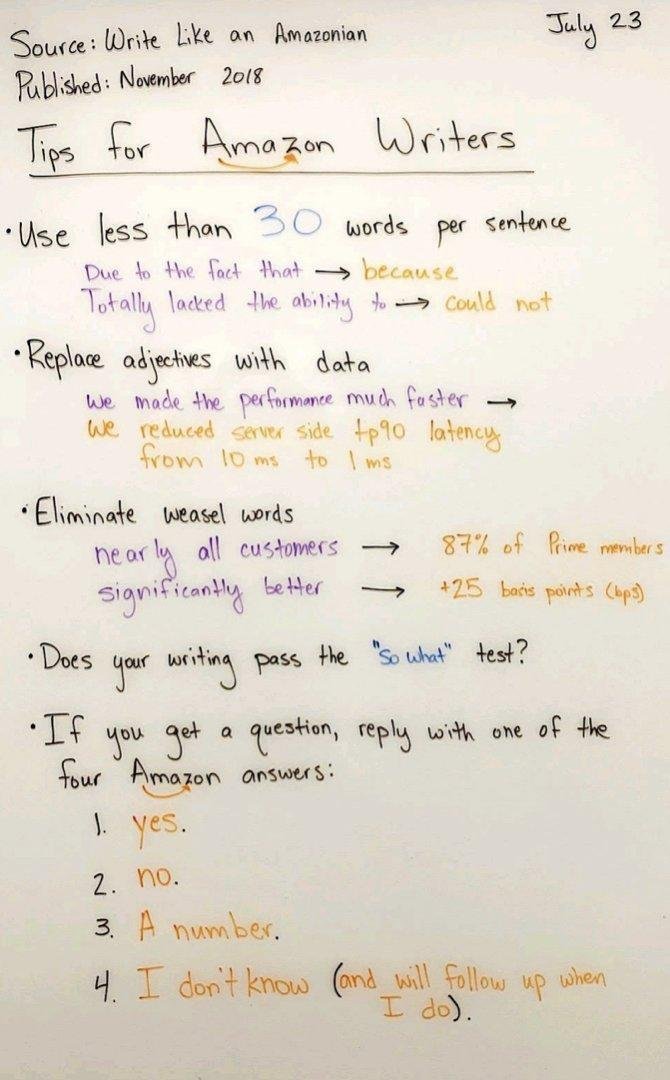
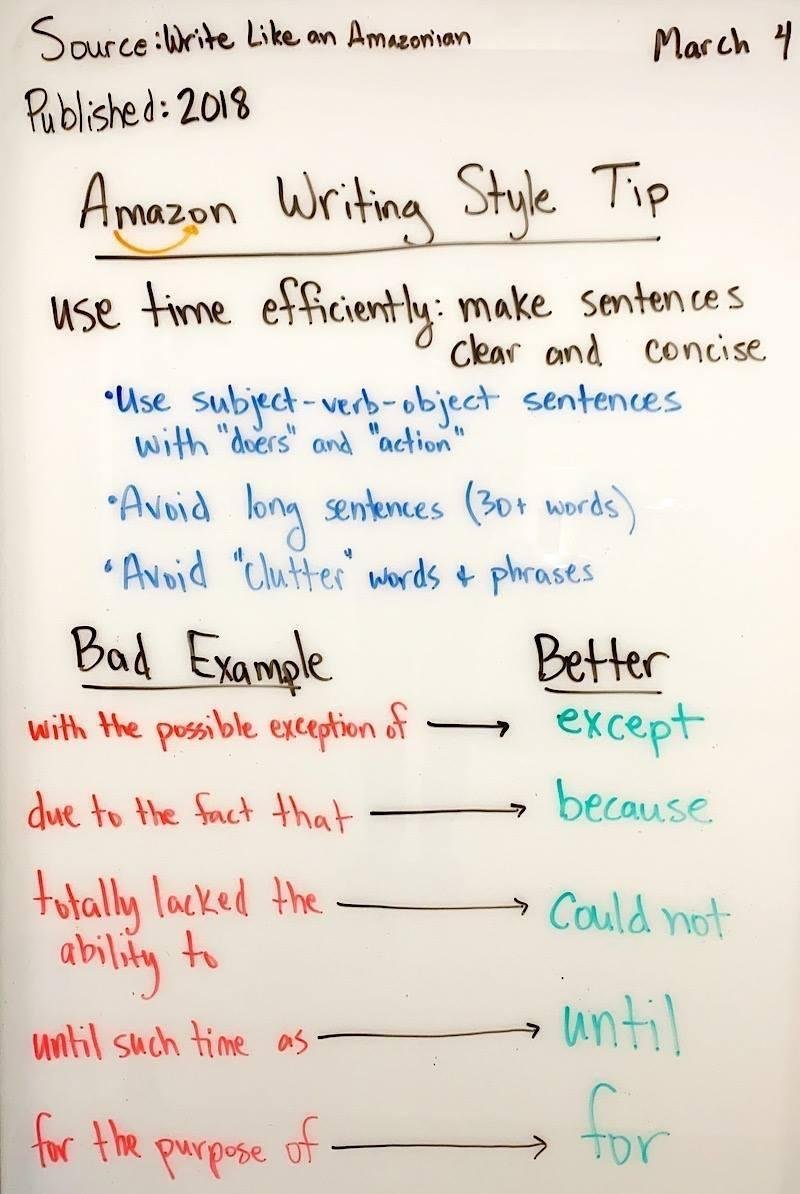
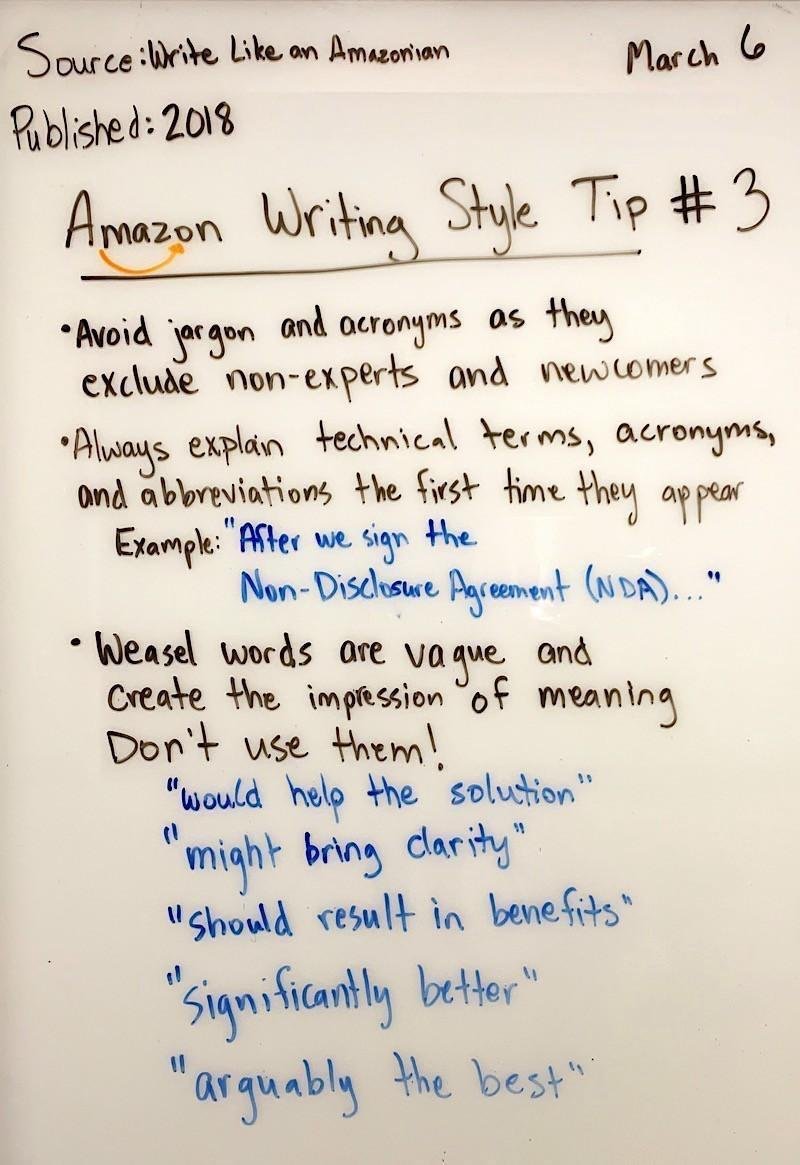
Hace años que trato mejorar todos mis documentos, presentaciones y discurso con los consejos de estas fotos que compartieron en linkedin unos de amazon.
Decidi transformarlas en un skill.md para que la ai me haga de policia y audite si cumplo con las "reglas" en mis docs. De yapa sume algunas cosas de paulgraham/goodwriting.
Dejo el link abajo.


Español
Arancha Ruiz Bachs retweetledi

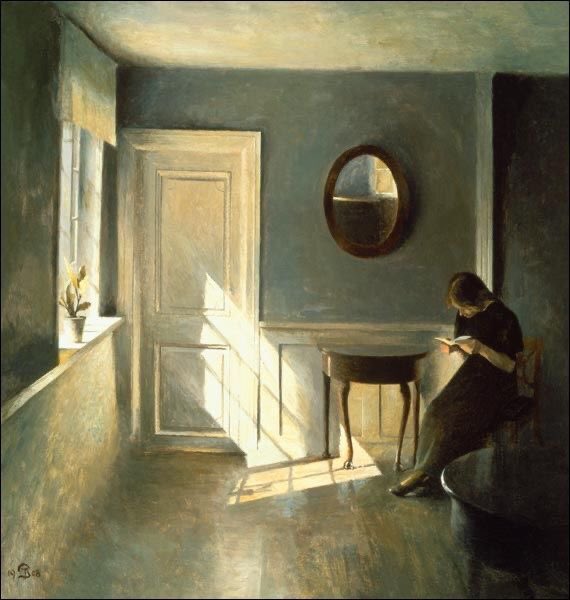
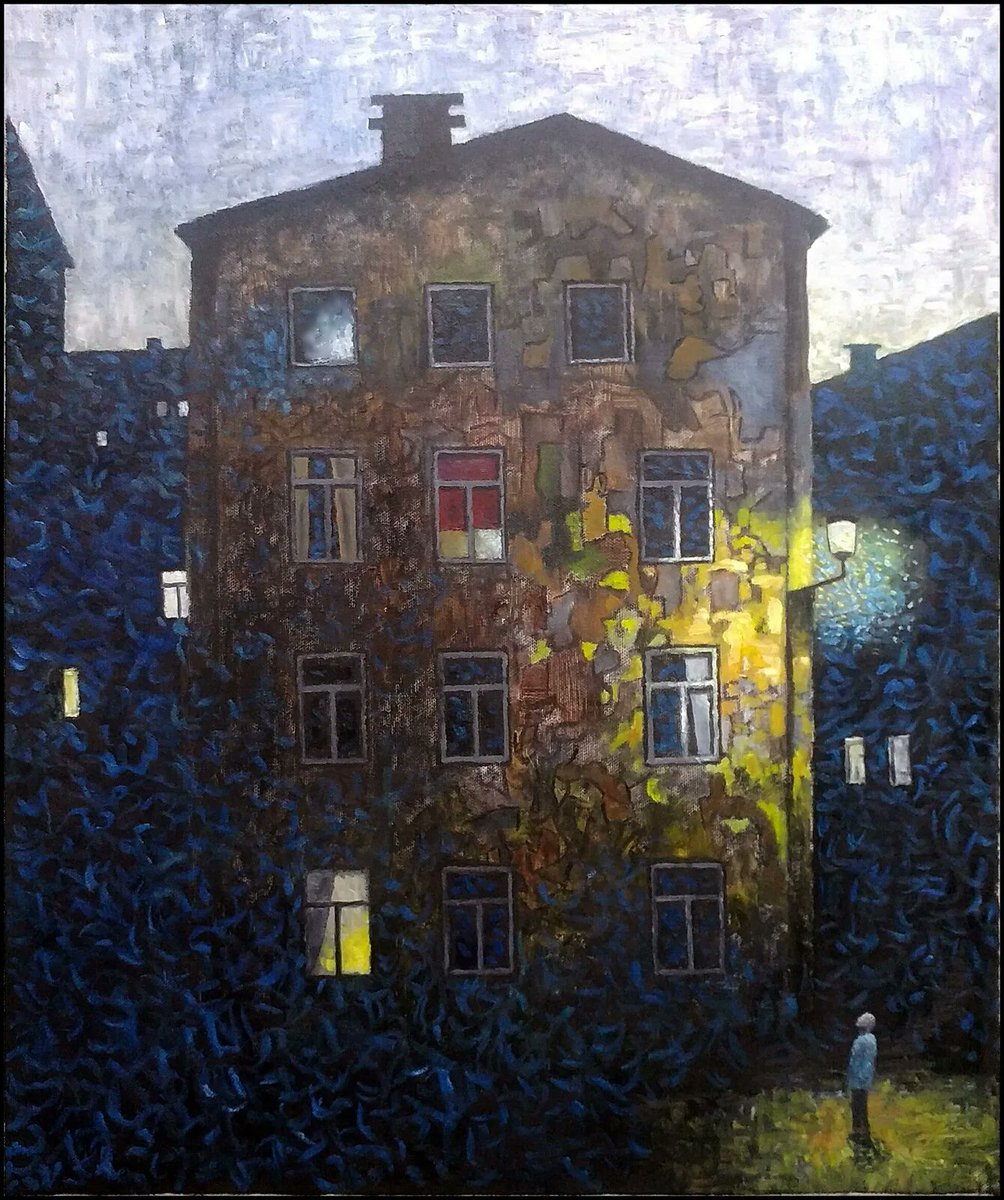
Trottestam vive y trabaja en Estocolmo, lo que quizás explica esa fascinación por cómo la luz del norte entra por las ventanas y transforma la arquitectura sencilla en algo casi sagrado.
instagram.com/p/DVZMthVAqR_/…
¡Hasta mañana!
Fins demà!


Español
Arancha Ruiz Bachs retweetledi

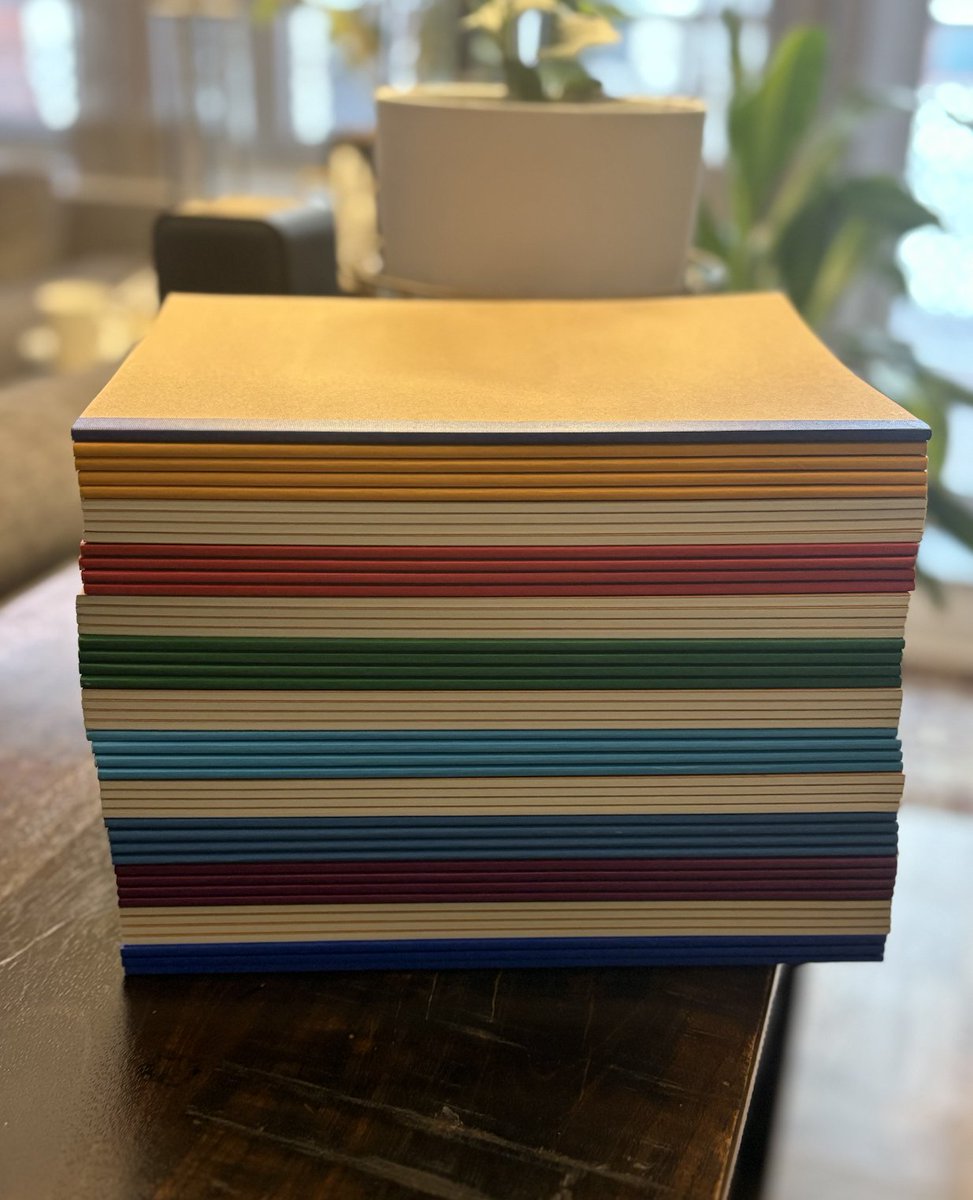
For the first time this semester, I ordered notebooks for my students. Instead of submitting typed papers online, they’ll be journaling regularly, by hand, to analyze what they’re reading.
In the age of AI, many of us have gone back to old-school blue book exams. But I’ve also found it exciting to try something different. I told students that these journals are not optional: they need to keep them with them, and I’ll collect them regularly to give feedback on their writing and thinking. I also emphasized that I’m not looking for perfectly polished pieces of writing, but for ideas in motion, questions, and close engagement with the texts.
We’ll see how it goes, but so far, I’m hopeful.

English
Arancha Ruiz Bachs retweetledi

Why do we do math in school?
When I asked this question as a kid, my teachers always told me, “You’ll use it one day.”
That’s almost always false.
Most adults are never going to be in a sticky situation with two binomials, thinking, thank goodness I can FOIL my way out of this mess. Most of us get by just fine without ever solving for x again.
And especially in an AI age, fewer and fewer people will “use math” in the narrow, practical sense.
But the origins of math have never been primarily about utility.
Math is formative. It trains the mind to love what is true, to recognize what is orderly, and to be drawn toward what is beautiful. It teaches us that the universe is not chaos, but something intelligible, something structured, something that can be known.
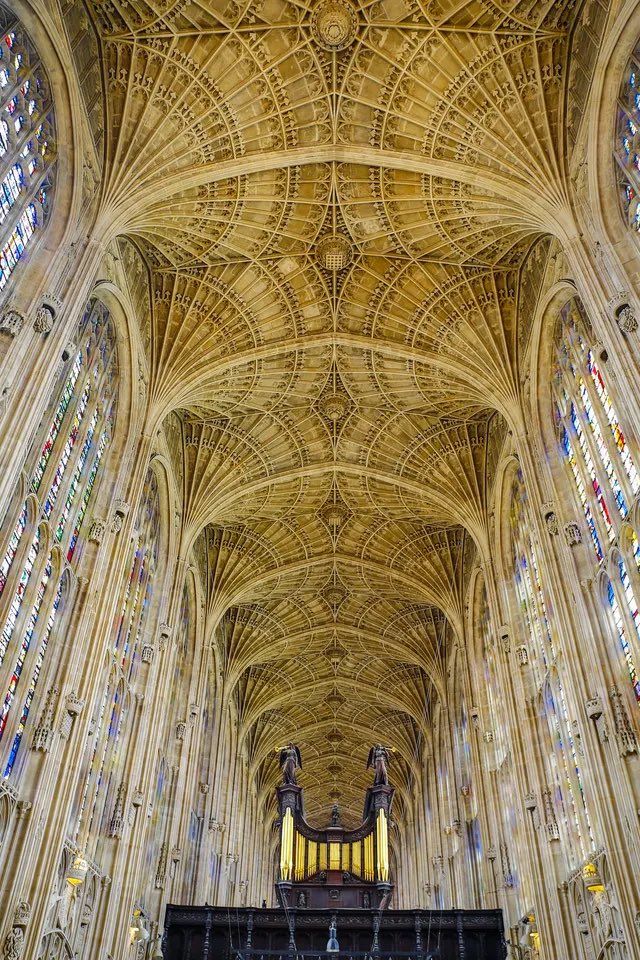
And you can see that truth made visible in the world’s most breathtaking churches and cathedrals: arches, vaults, domes, proportions, symmetry, harmony, light—geometry turned into glory. The mathematics that shapes a cathedral is not cold or sterile. It’s the language of wonder, carved into stone.
We don’t teach math because everyone will use it.
We teach math because it forms the kind of person who can see that reality has meaning.

English
Arancha Ruiz Bachs retweetledi

"El error que lo sostiene todo: daño, verdad y legitimidad
Aquí aparece el error central: confundir haber sufrido daño con tener razón.
El daño explica una reacción, pero no valida una idea. Sin embargo, en esta economía emocional, la ofensa se transforma en criterio de verdad. Si algo me ofende, debe ser falso. Si me hiere, no puede ser legítimo. Si me duele, quien lo dice está equivocado.
A partir de ahí se encadena un conjunto de confusiones. La moral sustituye a la verdad. La virtud reemplaza a la razón. La ofensa se convierte en autoridad. El sufrimiento opera como inmunidad frente al error.
El ofendido no solo reclama respeto, algo razonable, sino autoridad. Y desde esa posición, cualquier réplica se percibe como una nueva agresión.
Sentirse ofendido puede explicar una reacción. Nunca debería decidir qué es cierto."
lumenreason.com/p/la-economia-…
Español
Arancha Ruiz Bachs retweetledi