American Museum of Natural History

25K posts

American Museum of Natural History banner
American Museum of Natural History

American Museum of Natural History

@AMNH

The American Museum of Natural History is one of the world's preeminent scientific and cultural institutions. This is not a monitored account.

New York City Katılım Ekim 2008
870 Takip Edilen472.6K Takipçiler
American Museum of Natural History
Meet the Andean Cock-of-the-Rock. This bird lives in the cloud forests along South America's Andes Mountains. Its appearance isn’t its only unusual trait: This species' courtship rituals include squeaking, grunting calls that have been compared to the sound of a rubber chicken.
American Museum of Natural History tweet media
English
1
35
186
3.2K
American Museum of Natural History
This deer says… woof? Meet the Muntjac deer. This ungulate makes bark-like calls to alert others of approaching predators like tigers. If attacked, the muntjac may bite its foe with its canine teeth.
American Museum of Natural History tweet media
English
3
34
259
5.1K
American Museum of Natural History
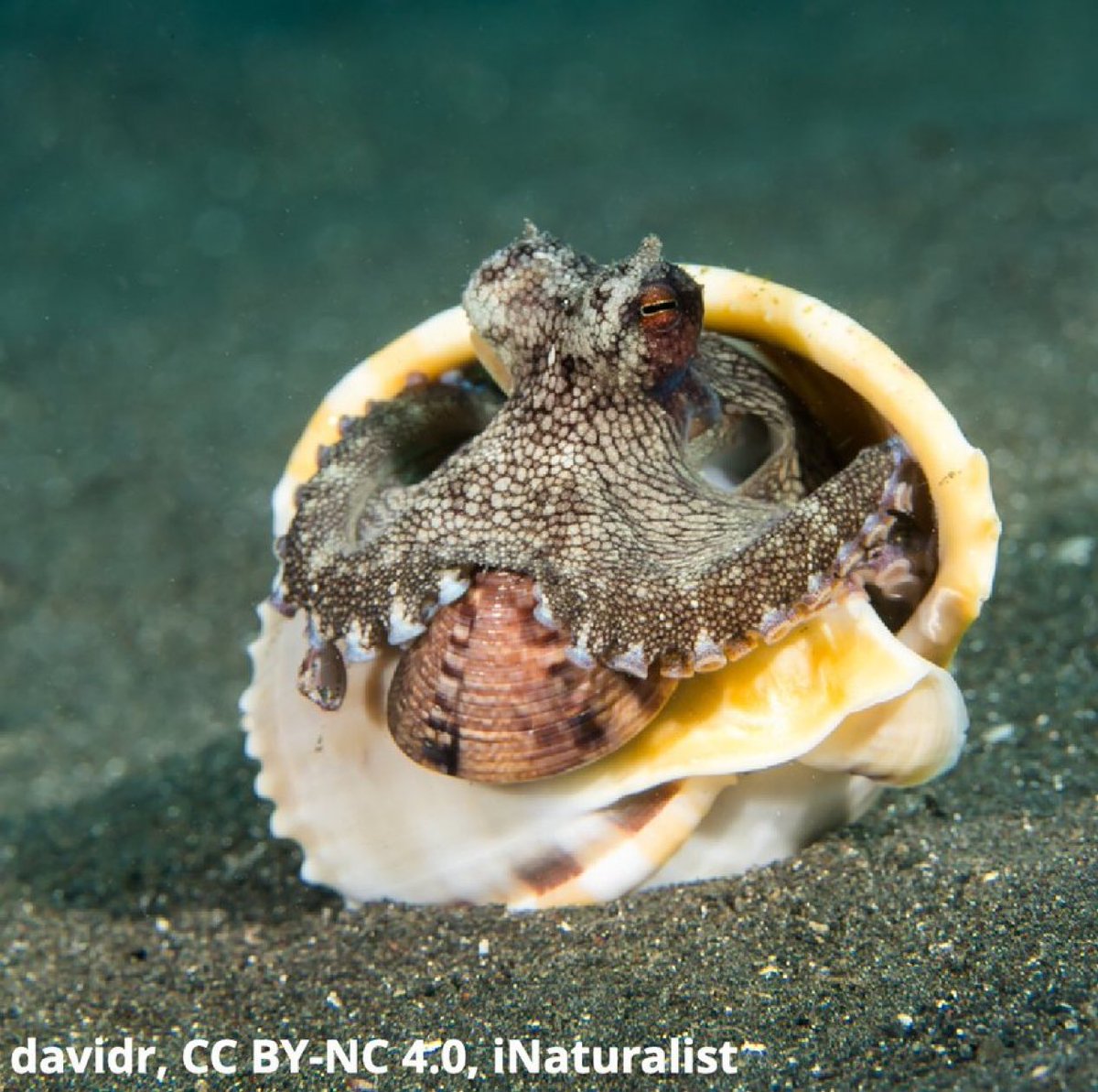
The coconut octopus isn't picky about where it lives. This cephalopod, which inhabits muddy shallows in parts of the Indo-Pacific, avoids predators by hiding inside closed spaces of all sorts. It makes its home in coconut shells, clam shells, and even discarded bottles!
American Museum of Natural History tweet media
English
1
21
148
10.6K
American Museum of Natural History
Happy Caturday! Meet the rusty-spotted cat. Known as the “hummingbird of cats,” it's one of the world’s smallest felines, weighing in at ~3.5 lbs (1.6 kg). Primarily nocturnal, this cat uses its large eyes to hunt under the cover of darkness.
American Museum of Natural History tweet media
English
4
95
501
7.8K
American Museum of Natural History
Happy Fossil Friday! Meet the short-necked plesiosaur, Cryptocleidus oxoniensis. This marine reptile’s short tail could only function as a rudder, leaving the limbs as its main organ of propulsion.
American Museum of Natural History tweet media
English
2
32
208
4.8K
American Museum of Natural History
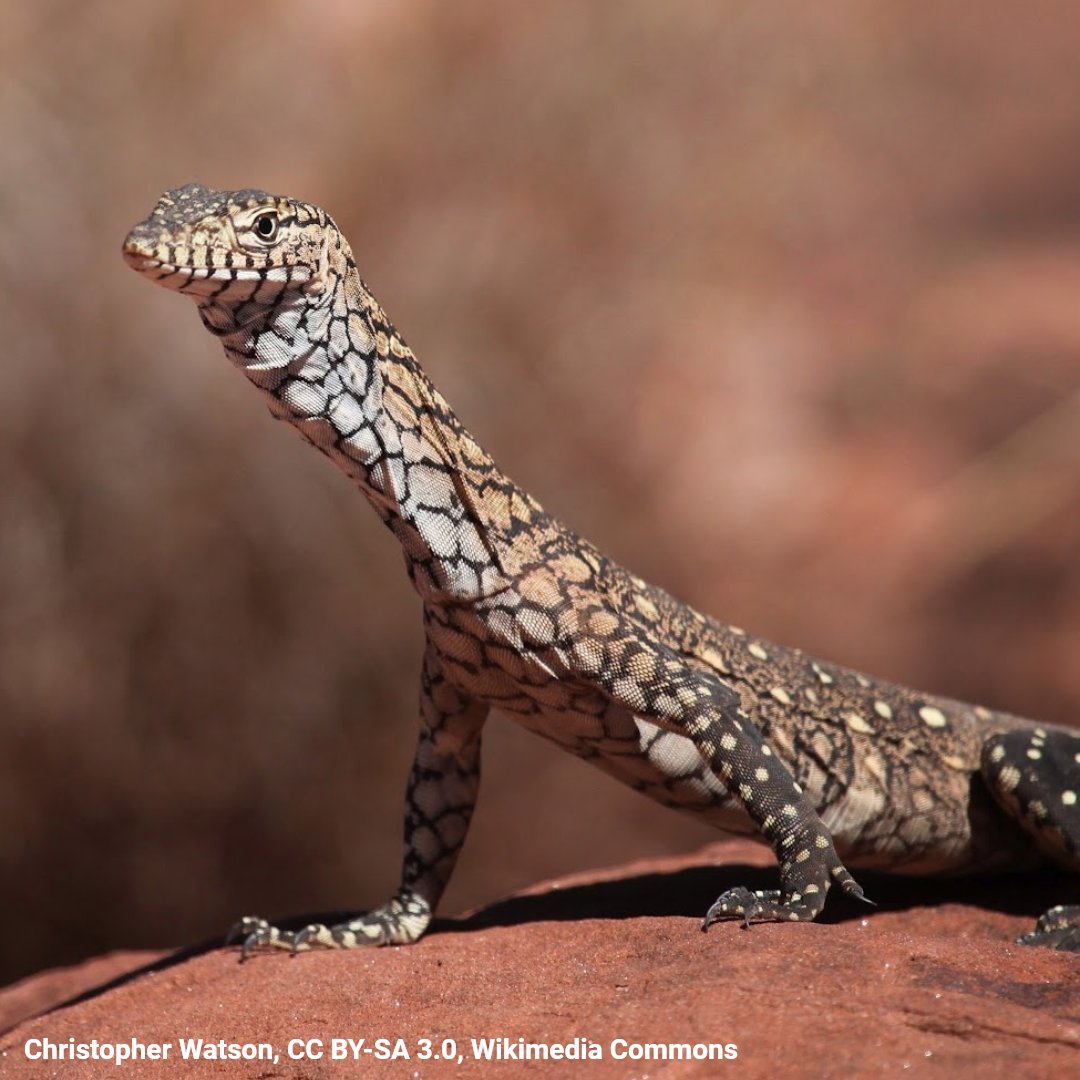
Get to know the perentie! This lizard is one of the largest in the world. It can reach lengths of 6.6 ft (2 m) or more & hails from western Australia. It prefers dry habitats & eats a range of animals, from birds to mammals to other lizards.
American Museum of Natural History tweet media
English
2
23
167
3.3K
American Museum of Natural History
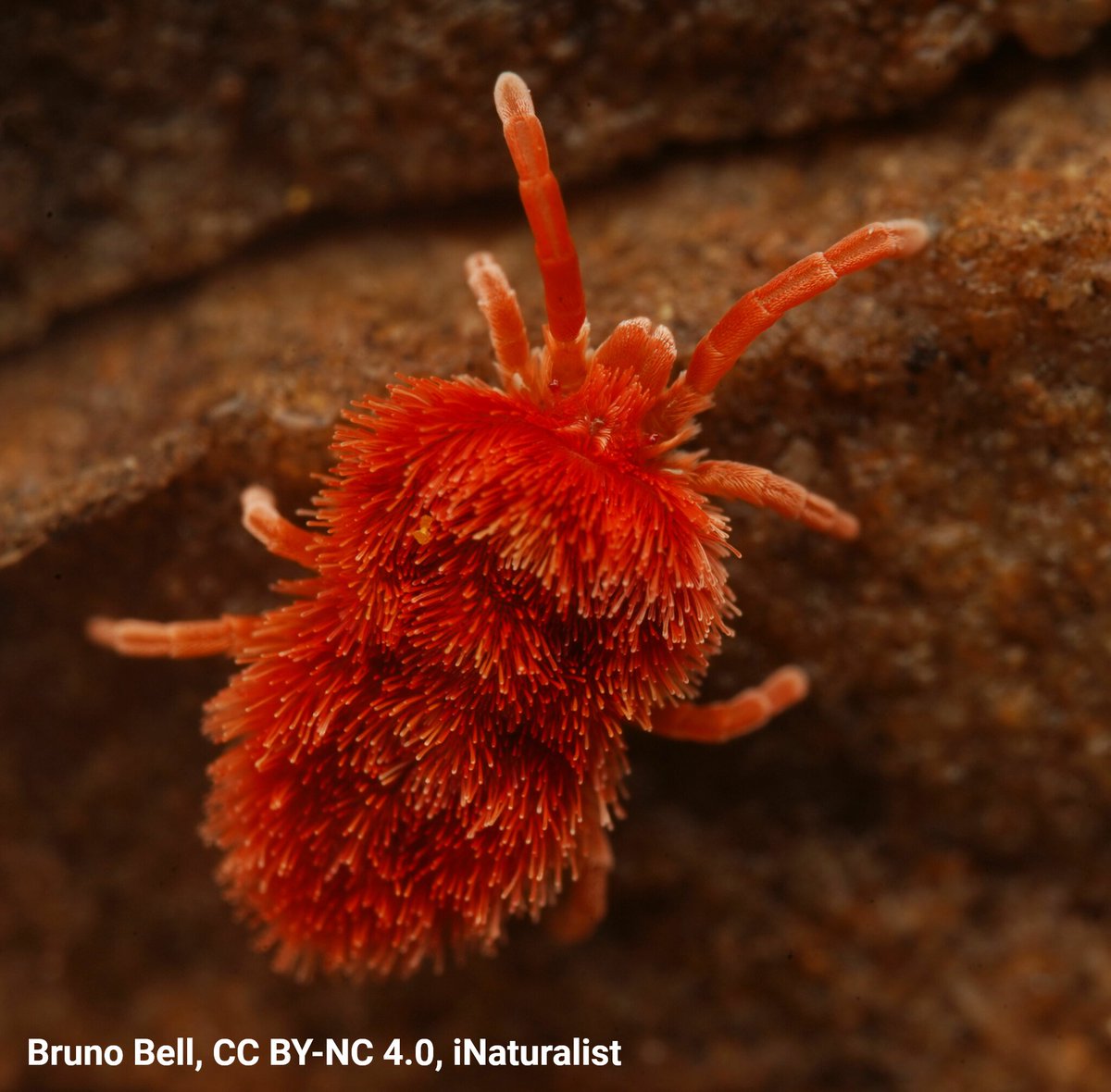
Meet the velvet mite! This arachnid lives in topsoil and breaks down dead plant and animal matter. Human agriculture, and the survival of virtually all plant species, depends on continuous renewal of topsoil by tiny organisms like this mite.
American Museum of Natural History tweet media
English
2
42
248
4.3K
American Museum of Natural History
Meow, it’s Caturday! Meet the European wildcat. About the size of an average housecat, this powerful feline preys on rabbits, rodents, birds, and even mustelids like weasels and martens. Its thick fur, bushy tail, and chonky appearance set it apart from other wild cat species.
American Museum of Natural History tweet media
English
3
30
204
3.8K
American Museum of Natural History
It's Fossil Friday! Sail into the weekend with Edaphosaurus, a sail-backed herbivore that lived ~280 mya. It may resemble a lizard, but is actually more closely related to mammals! A clue? The synapsid openings behind each eye socket—a trait found in mammals & absent in reptiles.
American Museum of Natural History tweet media
English
0
39
220
4.6K
American Museum of Natural History
Meet the Crested Coua! It's endemic to Madagascar, where it lives in a variety of habitats, such as forests, mangroves, & savannas. Although it’s related to cuckoo birds, it is not a parasitic nester and actually cares for its hatchlings.
American Museum of Natural History tweet media
English
2
48
247
3.9K
American Museum of Natural History
Ever seen a giant horse conch? 👀 Growing ~2 ft (0.6 m) in length, this massive gastropod is the largest marine snail in the Atlantic Ocean. It uses its fleshy foot to envelop unsuspecting prey, including invertebrates like clams and other snails.
American Museum of Natural History tweet media
English
1
22
114
4K
American Museum of Natural History
Have you ever seen the corsac fox? It inhabits the steppes & semi- deserts of central Asia. To avoid predators & harsh weather, it makes its dens in marmot burrows, sometimes living with other foxes in what are known as “corsac cities.” It's also been seen hunting in small packs.
American Museum of Natural History tweet media
English
3
24
153
4.4K
American Museum of Natural History
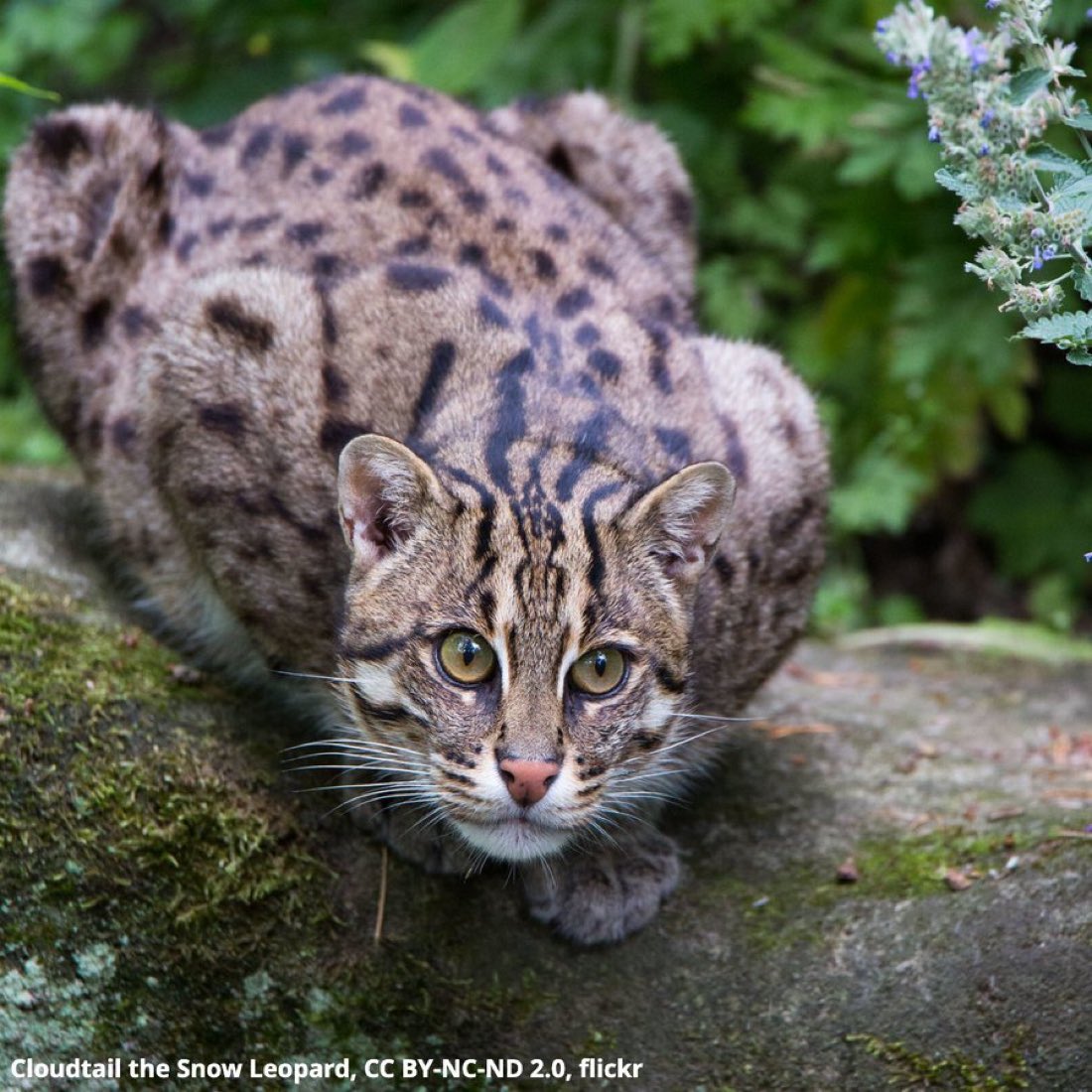
Happy Caturday! Meet the fishing cat. Found in parts of Southeast Asia, this critter prefers to inhabit areas near bodies of water, like mangroves, marshes, & swamps. It's a specialized fish-hunter, sometimes dunking its head below the surface to catch food in its mouth.
American Museum of Natural History tweet media
English
1
40
212
4.5K
American Museum of Natural History
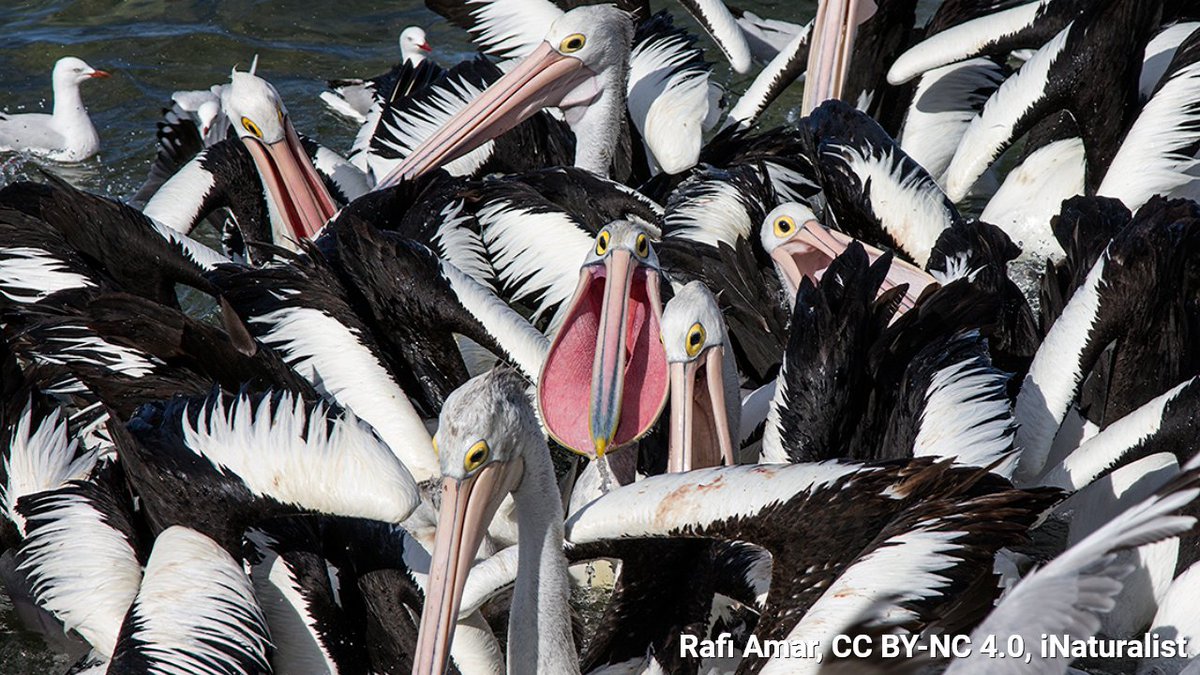
Which bird has the longest bill in the world? At 1.2 ft (36 cm) long, it’s the Australian Pelican. This species is also one of the largest flying birds, with a wingspan of ~8.2 ft (2.5 m) & a weight of ~15 lbs (6.8 kg).
American Museum of Natural History tweet media
English
1
12
80
2.8K
American Museum of Natural History
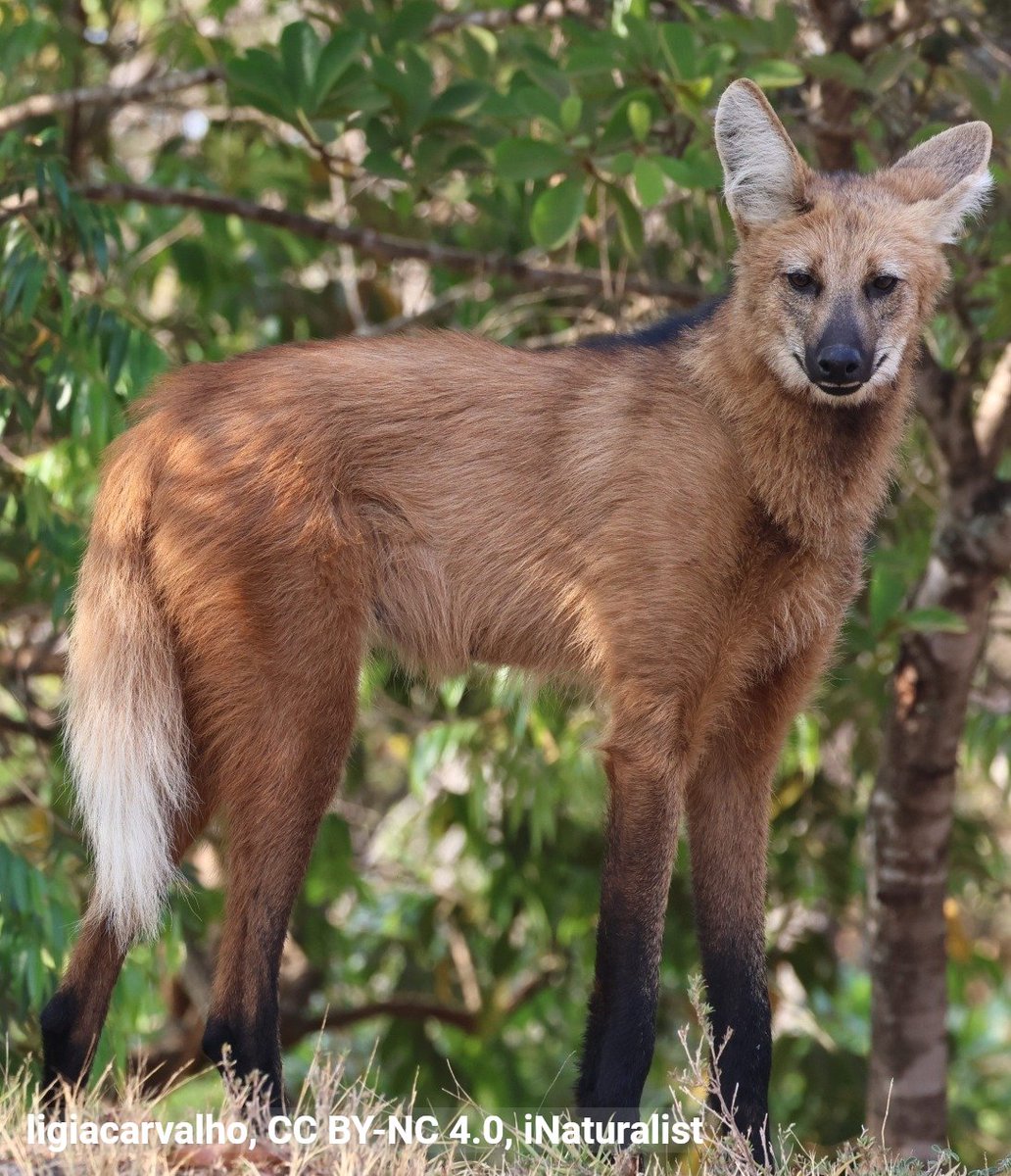
Get to know the largest member of the dog family in South America: the maned wolf. Standing about 3 ft (0.9 m) tall at the shoulder, this critter dines on small mammals, fish, reptiles, & birds. It communicates with deep, gruff roar-like barks.
American Museum of Natural History tweet media
English
4
38
194
4.3K
American Museum of Natural History
Why so shaggy? The sloth bear’s scruffy appearance isn’t just for looks. It’s for protection! When this animal goes after termites, a key food source, longer hair helps prevent bites.
American Museum of Natural History tweet media
English
1
25
185
4.3K
American Museum of Natural History
Craving a ripe tomato? This frog can’t help. 🍅 Despite resembling a juicy fruit, the tomato frog wouldn’t taste very good. Its bright red hue is an example of aposematic coloring—a signal that means “don’t touch!” If bothered, it can secrete sticky, mildly toxic goo.
American Museum of Natural History tweet media
English
4
36
197
5.4K
American Museum of Natural History
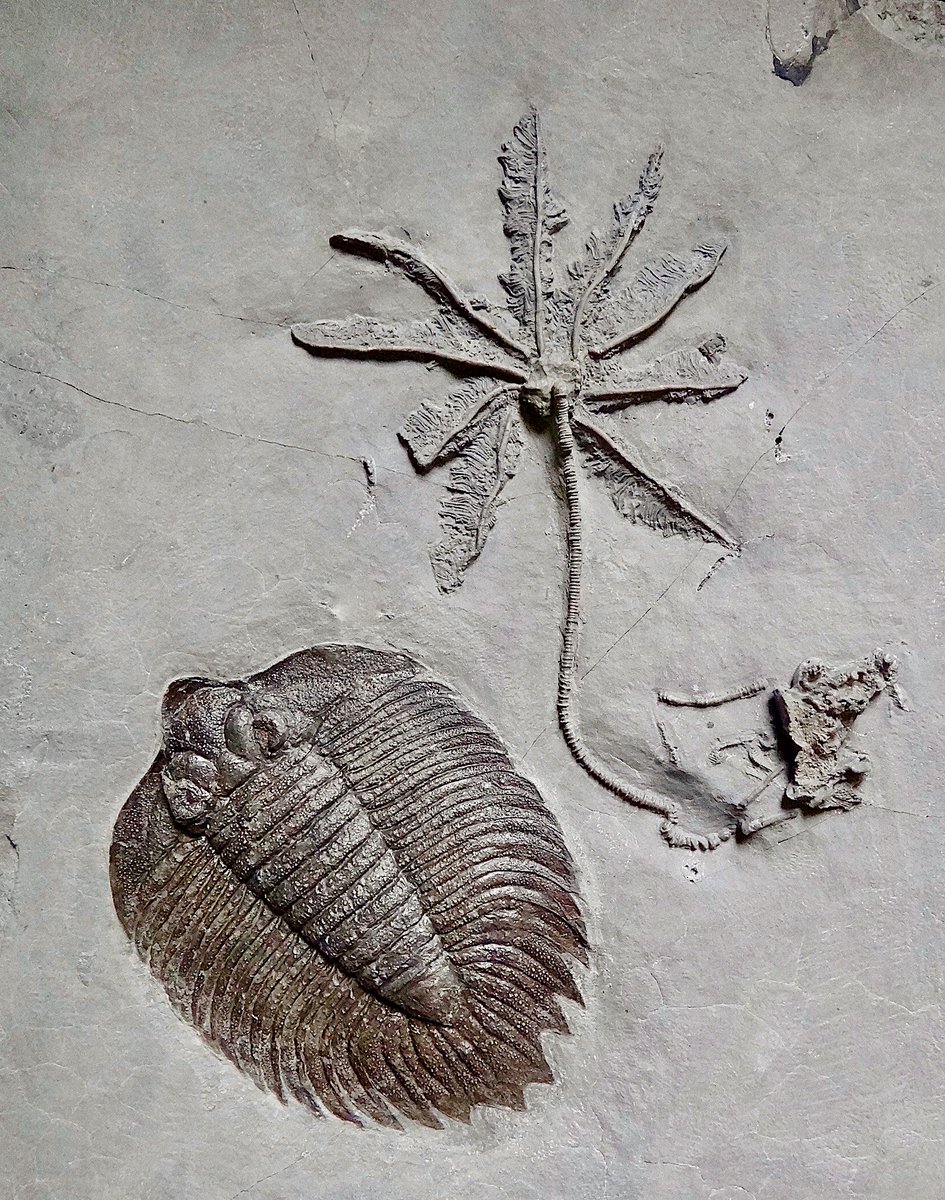
It's Trilobite Tuesday! This fossil, from the Rochester Shale Quarry, is a snapshot of life during the Silurian. A 5-in- (12.7-cm-) long Arctinurus trilobite rests next to a Dimerocrinites crinoid. Crinoids are marine animals that use their arms to catch drifting food particles.
American Museum of Natural History tweet media
English
1
35
151
3.8K
American Museum of Natural History
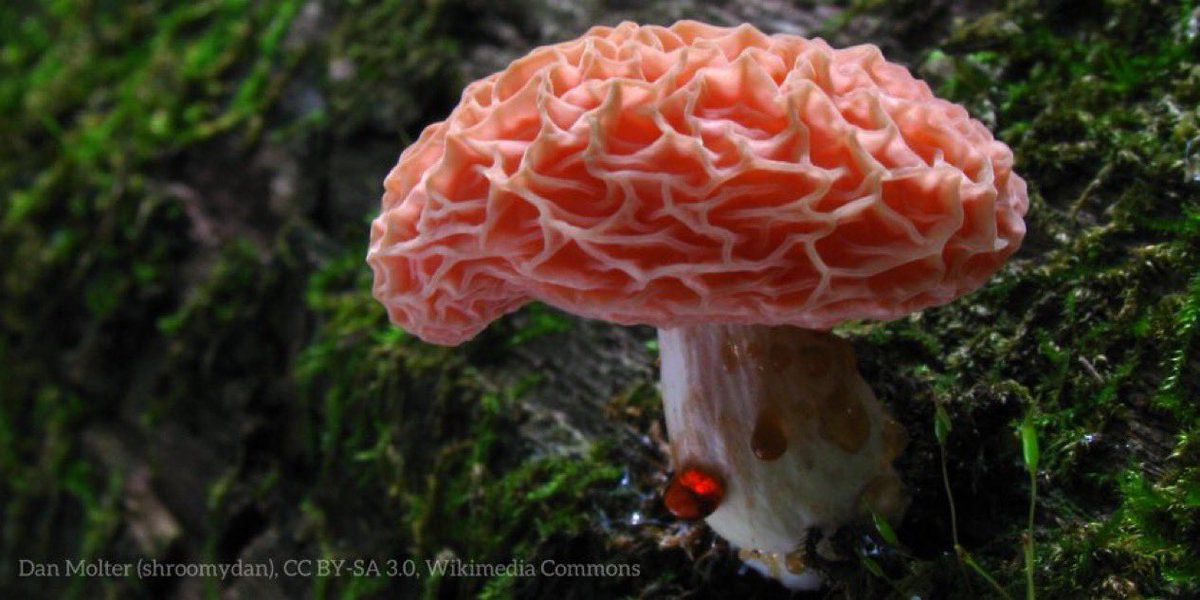
Here’s a mushroom you won’t find at the grocery spore: the rosy veincap! This species, which is considered inedible, is the only fungus in its taxon. It has a wide range & can be spotted worldwide, including in parts of N. America, Africa, Europe, & Asia. Have you ever seen one?
American Museum of Natural History tweet media
English
0
32
193
5.8K
American Museum of Natural History
Whistle, click, chirp, or sing your way through the weekend with the beluga whale! Known as the “canary of the sea,” this social animal uses sound to communicate & navigate the open ocean. Since it's so reliant on sound, noise pollution is one of its greatest threats.
American Museum of Natural History tweet media
English
2
45
210
4.8K