
checo retweetledi

when your validator terminal scrolls faster than you can read, that's Supernova.
600ms blocks. testnet live.
English
checo
17.1K posts



Supernova is live on Testnet. Our biggest upgrade since Mainnet launch is now available for public testing.


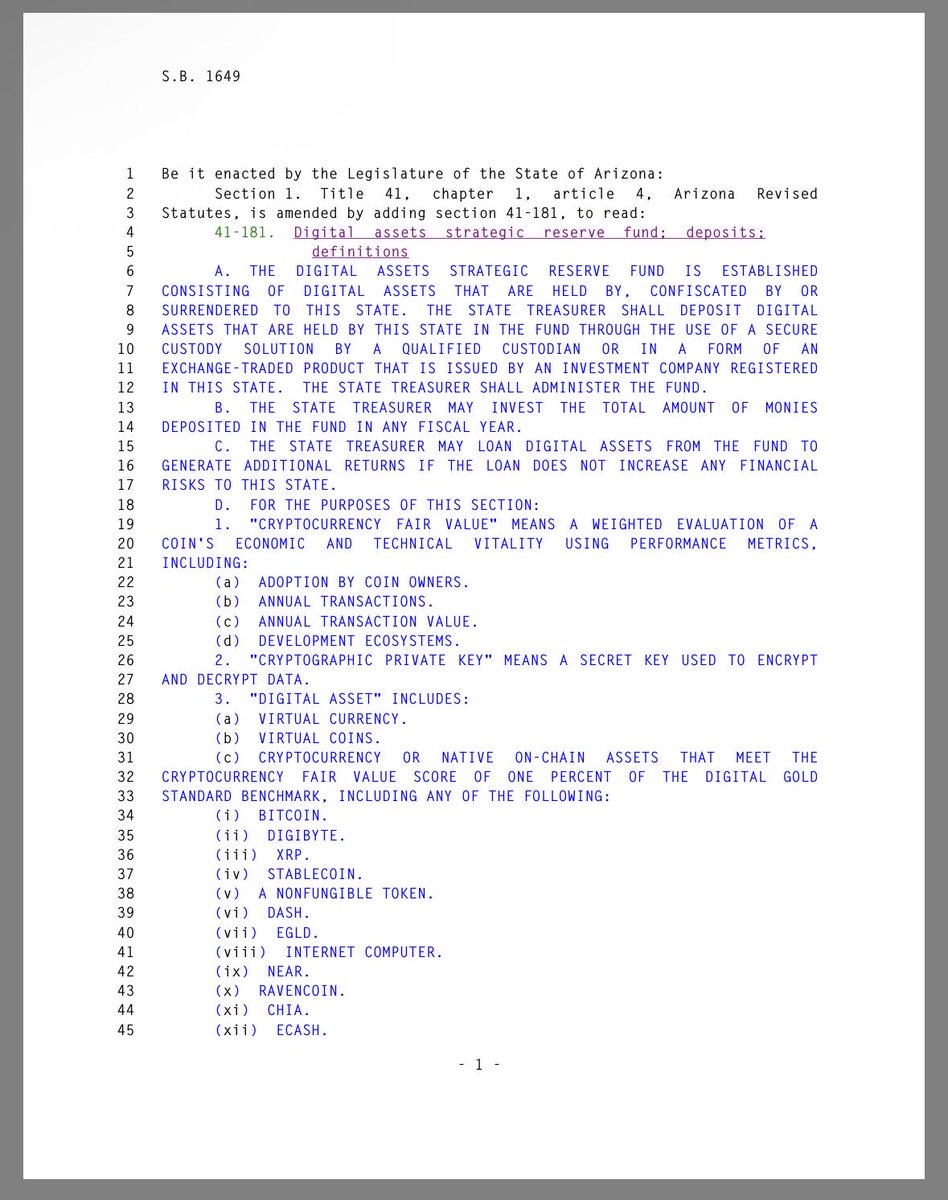




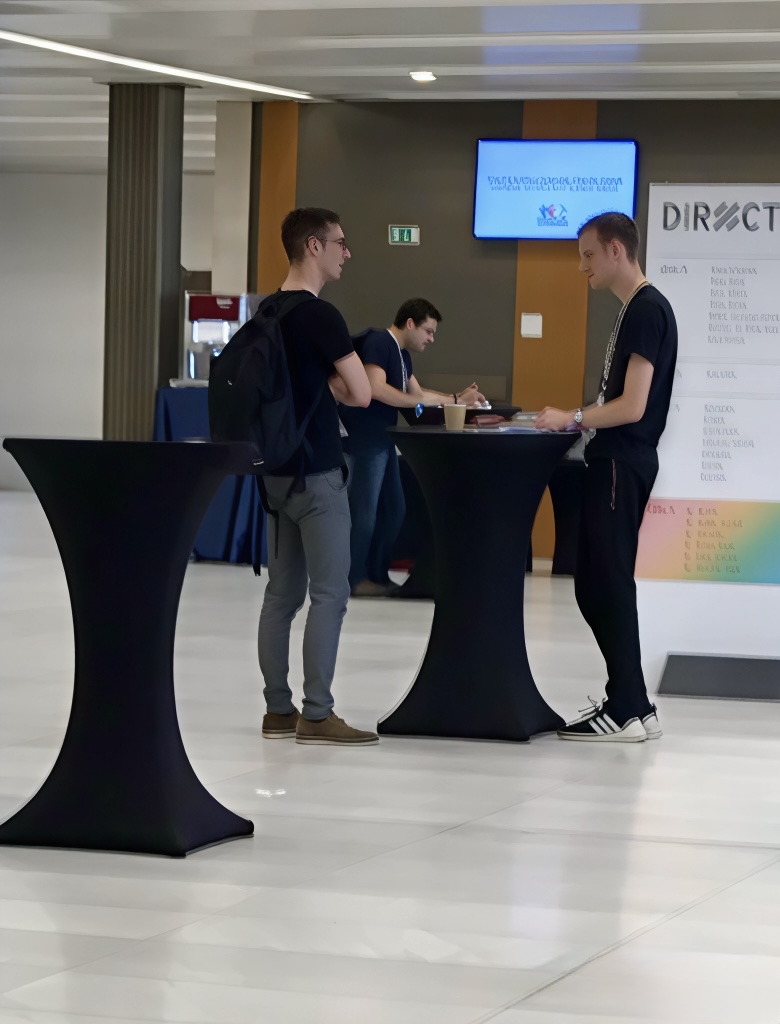
A Bet We Made in 2018 This is me and Vitalik in 2018. ETH Devcon. We were at a table talking about sharding and how blockchains could actually scale by running execution in parallel. At the time, Ethereum and Elrond had the same thesis. Both believed execution sharding was the path forward. Since then, Ethereum changed direction multiple times. Sharding gave way to rollups. Rollups gave way to "we need to scale L1 again." The roadmap shifted, the promises changed, the technical approach pivoted more than once. And through all of it - the Ethereum community stayed. They gave the team the space to find the right path. They didn't kill the project when the roadmap changed. They believed the builders would figure it out. That patience is what kept Ethereum alive. Not the technology. The community. ─── We made a different bet. We bet on execution sharding from day one and we never left that path. Adaptive state sharding shipped on mainnet in 2020. Three execution shards plus a metachain. State, network, transactions - all sharded from genesis. Supernova shipped this year. Consensus decoupled from execution. 600ms blocks. achieved 88ms finality. 120,000 TPS burst mode on the same validator hardware. 3,200+ validators on consumer-grade machines. 171,000 commits. #6 in the entire industry. Ahead of Solana, Avalanche, Sui, Polygon, Aptos, and TON. Tier-one infrastructure providers on board, distribution partners like Cointelegraph are running validator nodes. Stripe's Machine Payments Protocol is settling on MultiversX. EGLD is named in an Arizona state strategic reserve bill. The agentic commerce stack - x402, MPP, MX-8004, UCP, ACP, MCP - is live on one chain. xMoney is building regulated stablecoin issuance under MiCA. The infrastructure underneath has never been stronger. ─── And yet the market prices EGLD like none of this exists. Every blockchain community is going through the same thing right now. EGLD is down. ETH is down. SOL is down. The market doesn't differentiate between chains that shipped paradigm-shifting infrastructure and chains that shipped a landing page. But here's what's different about right now. Bitcoin survived 2014. Ethereum survived 2018. Solana survived 2022. In each case, the community stayed long enough for the technology to matter. In each case, the community that held wrote the next chapter. And in each case, the ones who fractured, who turned on their own builders, who let the loudest voices - the ones who already sold - define the narrative? Those communities don't exist anymore. You don't remember their names. The perception of value has been distorted. By cycles. By speculation. By narratives that reward noise over engineering. And by us - divided when we should be united. Turning on each other instead of building forward together. Look at what's underneath. Not the chart. The infrastructure. 88ms finality. 120K TPS. #6 in developer activity globally. Tier-one infrastructure partners. Stripe settling on-chain. EGLD in US state legislation. Regulated stablecoins under MiCA. An agentic commerce stack that Visa, Coinbase, and Mastercard are racing to replicate. This is not a project searching for relevance. This is a project that shipped the relevance and is waiting for its community to match it. If this fails, it won't be because the technology wasn't good enough. It will be because we weren't united enough to carry it forward. I've been here since 2018. That table with Vitalik. Every pivot, every cycle, every doubt. Still here. Still building. Now it's your turn. Not to believe. To show up.
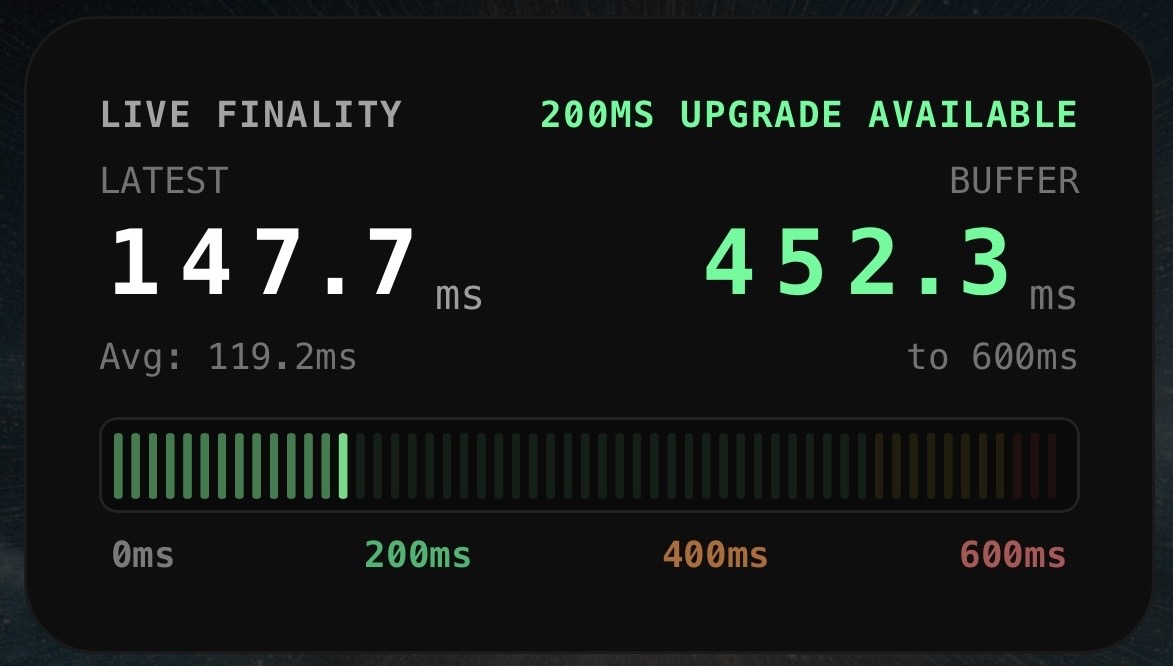
Some stress test with both DeFi and normal transaction and a lot of other things between. Billion gas blocks, sub second finality, on low cost machines. Only possible with Supernova and MultiversX!

The latest network stress test put serious pressure on our BoN infrastructure, especially on the gateway-facing observers and the indexers. A few important details on the current setup: - one observer per shard behind the gateway - well below spec for sustained stress testing; on mainnet we use multiple observers per shard for load balancing - a single indexing cluster accessed by all services - on mainnet, different services use different clusters - a single observer per shard (one squad), with notifier, serving internal services - on mainnet we run multiple squads, and these roles are split across different machines. Regular API requests and VM queries are also served by different machine types there We also found a misconfiguration on BoN for VM queries. Under stress, it led to request buildup and out-of-memory issues, which affected both the API and the gateway. We are fixing this. Over the last two days of testing, we also uncovered optimizations needed for Supernova when the network is hit with very high transaction volume continuously over long periods. These issues only surface under sustained heavy load. The optimization has already been prepared and tested internally, and we will likely deploy it on BoN as well. One clear lesson: running stress tests like this while also keeping infra costs low is a challenge on its own. That said, the network is still up and running, and more optimizations are on the way to improve behavior under heavy load. And finally, a big thank you to everyone involved - these findings were possible because of your efforts.
