Ayesha Akhtar Ghumman retweetledi

We shall not cease from exploration
And the end of all our exploring
Will be to arrive where we started
And know the place for the first time.

English
Ayesha Akhtar Ghumman
32.5K posts


@ayeshaspam
history, geopolitics, literature and whatnot



The Strokes used their Coachella set to show CIA coups and Gaza footage. They’ll probably never be invited back, and they knew it.


Petrol at Rs 30/litre in Pakistan sounds crazy. It is not. What is crazy is the policy failure that prevents it. Petrol is around Rs 300/litre today, excluding government levy, here's how it can effectively be Rs 30/litre. People do not consume petrol for its own sake; they use it to travel. The average Pakistani rides a motorbike. A fuel-efficient motorbike can travel about 60 km on one litre. An efficient electric scooter can travel about 30 km per kWh, so it needs only 2 kWh to cover the same 60 km. What should 2 kWh cost in Pakistan? Pakistan is one of the best places in the world for solar, with an all-in LCOE cost of around 5 cents per kWh. The electricity cost is 10 cents, or Rs 30/litre of distance travelled! The Rs 30/litre calculation remains the same for cars. The 300-versus-30 gap is the cost of bad policy. It reflects billions of dollars of saving that could instead finance EV infrastructure: charging, distribution, battery swapping, and smart pricing software etc. - boosting much-needed domestic investment. Since solar is highly modular. You do not need massive scale to get reasonable efficiency. That creates business and employment opportunities for small domestic power producers. Instead, Pakistan leaned into large fossil-fuel plants financed by dollar-denominated borrowing and guaranteed returns. Local firms face credit constraints, but solar creates a natural collateralizable cash flow through electricity sales to the grid. With the right regulatory framework, this could have unlocked large private domestic investment, and employment. Battery swapping is another area where small local businesses could have emerged and scaled. Electricity enables smart pricing. When solar supply is abundant, prices can fall, and poor households and firms can shift usage to cheaper hours - automatic demand stabilization Better air quality would mean longer, healthier lives and higher productivity. That is a growth multiplier Green technology industries could be developed domestically with the right industrial policy, easing balance-of-payments pressure while raising employment and investment. Instead, Pakistan chose imported-fuel power plants, protected a backward-looking domestic auto sector, and raised electricity prices by burdening them with the fixed costs of those plants and heavy taxation, slowing EV adoption. Then came the net-metering fiasco, all to keep zombie power plants alive. Pakistan’s energy policy may be the clearest example of a broken nervous system. I hope someone fixes it, because people are paying the price, 300-versus-30


Is an "Anti-Modernity" even possible? In Riding the Tiger, the second essay in Kasurian's Spring 2026 issue, @pashadelics explores the pitfalls of contemporary Muslim intellectual thought regarding industrial civilisation. A byproduct of Islamic civilisation's "triple catastrophe" in the early 20th century, an often reactionary posture and contemptuous attitude towards industrial civilisation has left Muslims unwilling and passive participants in a world not of their own making. The alternative is to become willing riders of the tiger, embracing the material reality we live in and becoming active agents in defining the world around us. After all, what is this tiger, this epoch defined by the industrial mode of production, but a mechanism fashioned by men? The strongest hands steer it. The only way out is through. Read more on Kasurian. Link to essay in reply below:

it's the 6th death anniversary of Maulvi Haider Hassan Vehranwale Qawwal (d. 18 April 2019). Donned his faqirana attire, a torchbearer of Khanqahi qawwali, he extensively sang verses of sufis, bhagats & poets of different languages. aaun ga na jaun ga, main marun ga na jiyon ga!
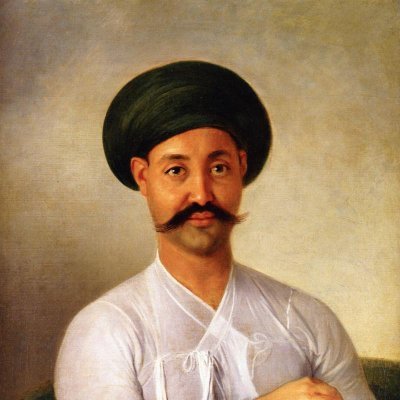
Did anyone in your family ever read Reader's Digest? That little magazine was always around - on the table, in the bathroom, tucked in a drawer. Short stories, jokes, and advice you somehow always read. Who remembers it?

Me after getting reclassified from south Asia to middle east

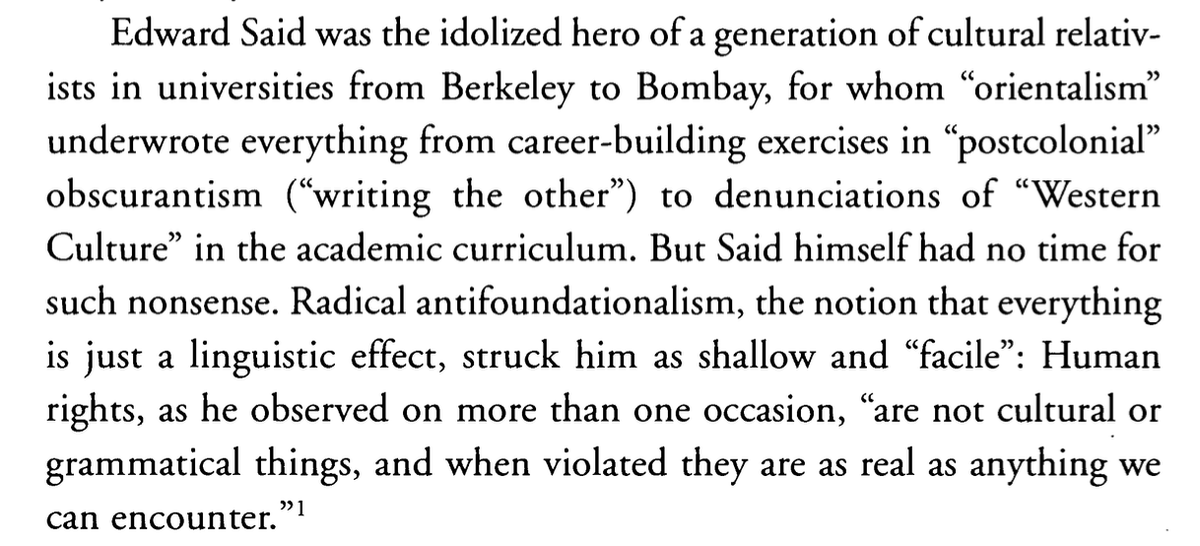
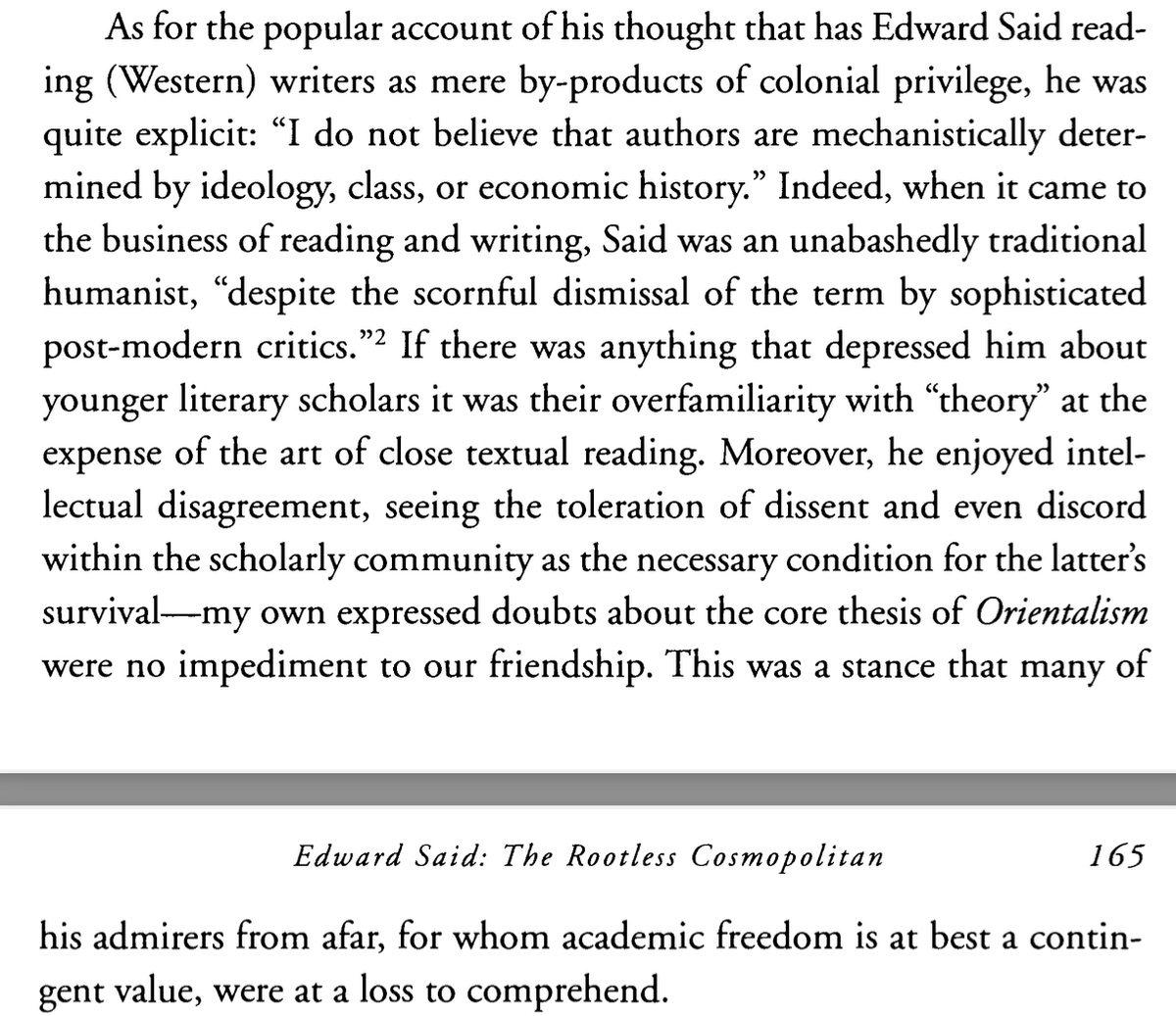
recently started reading Said's Culture & Imperialism, and though i got a sense of it from reading a few of his essays and Orientalism a while back, it's still pretty astonishing how much of a universalist the man was and his disdain for any sort of identitarian particularities

The World Bank has placed Pakistan in its Middle East and North Africa regional classification in a bureaucratic move carrying symbolic and geopolitical weight, ending its longstanding placement in South Asia. thursdaytimes.com/2026/04/17/new…

You’ll be surprised by the amount of money being invested in the hospitality industry in Pakistan. New resorts and hotels (unlike the ones seen before) are opening up in KP and GB. Largest hotel in Naran to open next year at Batakundi

I have an irrational hatred toward this genre of books.

"What drives Pakistani hospitality is not generosity in the Western sense. It is honour. Hosting someone, even a stranger, even with a cup of tea you cannot really afford, is an act of personal dignity. The host is not doing you a favour. They are doing something for themselves: fulfilling a code that says a guest in your presence is your responsibility, your privilege, and your reputation. "