
Bamusi SAIDI retweetledi
Bamusi SAIDI
608 posts


Bamusi SAIDI retweetledi

Micheal Jackson got the world on lock down… from the streets of New York to the theaters in EU to the remote parts of Nigeria, everyone is giving the King of Pop the love he deserves.
English
Bamusi SAIDI retweetledi

Bamusi SAIDI retweetledi

Whoever did this to Trump should be arrested. You can't be giving this white supremacist racist black South African moves😂
English
Bamusi SAIDI retweetledi

The astronauts would not fly until she checked the math.
In 1962, NASA had just acquired its most powerful tool: the IBM 7090 computer — a room-sized machine programmed to calculate John Glenn's orbital trajectory with precision no human could match.
Glenn didn't trust it.
Before he would climb into Friendship 7 and become the first American to orbit Earth, he made one request.
"Get the girl to check the numbers. If she says they're good, I'm ready to go."
The "girl" he was referring to was Katherine Johnson — a 43-year-old Black mathematician working at NASA's Langley Research Center in Virginia. She walked past "colored" bathroom signs on her way to a desk where she calculated rocket trajectories using a mechanical calculator, pencil, and an extraordinary mind.
She verified every number the IBM computer had produced. When she finished, she gave her approval.
Glenn flew. He orbited Earth three times. He came home alive.
Because Katherine Johnson said the numbers were good.
This wasn't her first mission. In 1961, she had calculated the trajectory for Alan Shepard's Freedom 7 — America's very first human spaceflight. NASA In 1969, her greatest contribution, by her own account, was the rendezvous calculations that allowed Apollo 11's lunar module to dock with the command module — the math that brought Neil Armstrong, Buzz Aldrin, and Michael Collins safely home from the Moon. NASA
Throughout all of it, Katherine Johnson remained almost entirely invisible to the public.
She worked in a segregated computing unit called West Area Computing. Same calculations as her white colleagues. Less pay. Separate bathrooms. In 1960, she became the first woman in NASA's Flight Research Division to receive credit as an author on a research report — a small victory in an agency that routinely overlooked the women doing its most critical work. Wikipedia
She never asked for recognition. She asked better questions. She demanded correct answers. Because to her, accuracy wasn't about reputation — it was about whether astronauts came home.
She retired in 1986 after 33 years at NASA. Wikipedia For decades after, almost nobody knew her name.
Then in 2015, President Obama awarded her the Presidential Medal of Freedom — America's highest civilian honor — and said: "No one knows that John Glenn wouldn't fly unless Katherine Johnson checked the math." IEEE Spectrum
She was 97 years old. It was the first time most Americans had ever heard her name.
One year later, Hidden Figures told her story to the world.
Katherine Johnson died on February 24, 2020, at the age of 101. National Geographic She had spent her career ensuring astronauts could reach space and return home — and most of a century before the world finally said thank you.
The astronauts knew what they were doing when they refused to fly without her.
Some calculations can only be done by a specific person.
Some heroes work in segregated buildings, making sure the numbers are right, while the world celebrates everyone except them.
Katherine Johnson was one of those heroes.

English
Bamusi SAIDI retweetledi
Bamusi SAIDI retweetledi

Doctors said glasses are forever…
But this simple eye exercise is shocking everyone 👀
Wait till the end.
English
Bamusi SAIDI retweetledi

Bamusi SAIDI retweetledi

Bamusi SAIDI retweetledi
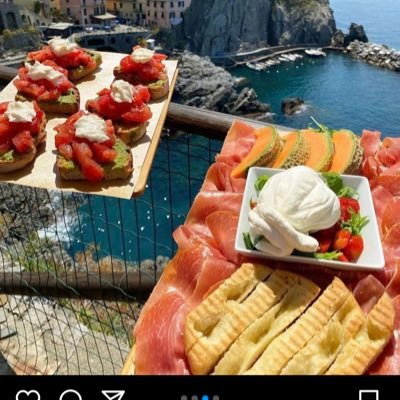
This is my kind of Steak Tortillas
🎥 abiresag | IG
English
Bamusi SAIDI retweetledi

Bamusi SAIDI retweetledi

Bamusi SAIDI retweetledi

Most people tuck their shirt in wrong every single day 😳
English
Bamusi SAIDI retweetledi

INSTEAD OF WATCHING NETFLIX TONIGHT.
Spend 1 hour with this.
A Bloomberg Terminal lecture that teaches you more about how markets actually work than a 2 month internship at Goldman Sachs or JPMorgan.
The people who watch this tonight will understand something most traders spend years figuring out.
Completely free.
Bookmark this before you scroll past it.
English
Bamusi SAIDI retweetledi

Old school Chinese wellness tricks. How many do you know?
English
Bamusi SAIDI retweetledi

The Pharmaceutical Industrial Complex is going to MELT DOWN HARD…
Children’s Health Defense just EXPOSED THE SCAM…Ivermectin is CRUSHING cancer like chemotherapy NEVER could.
Nearly 200 patients.
Multiple cancer types.
84% POSITIVE OUTCOME.
English
Bamusi SAIDI retweetledi

Bamusi SAIDI retweetledi

Bamusi SAIDI retweetledi

Bamusi SAIDI retweetledi
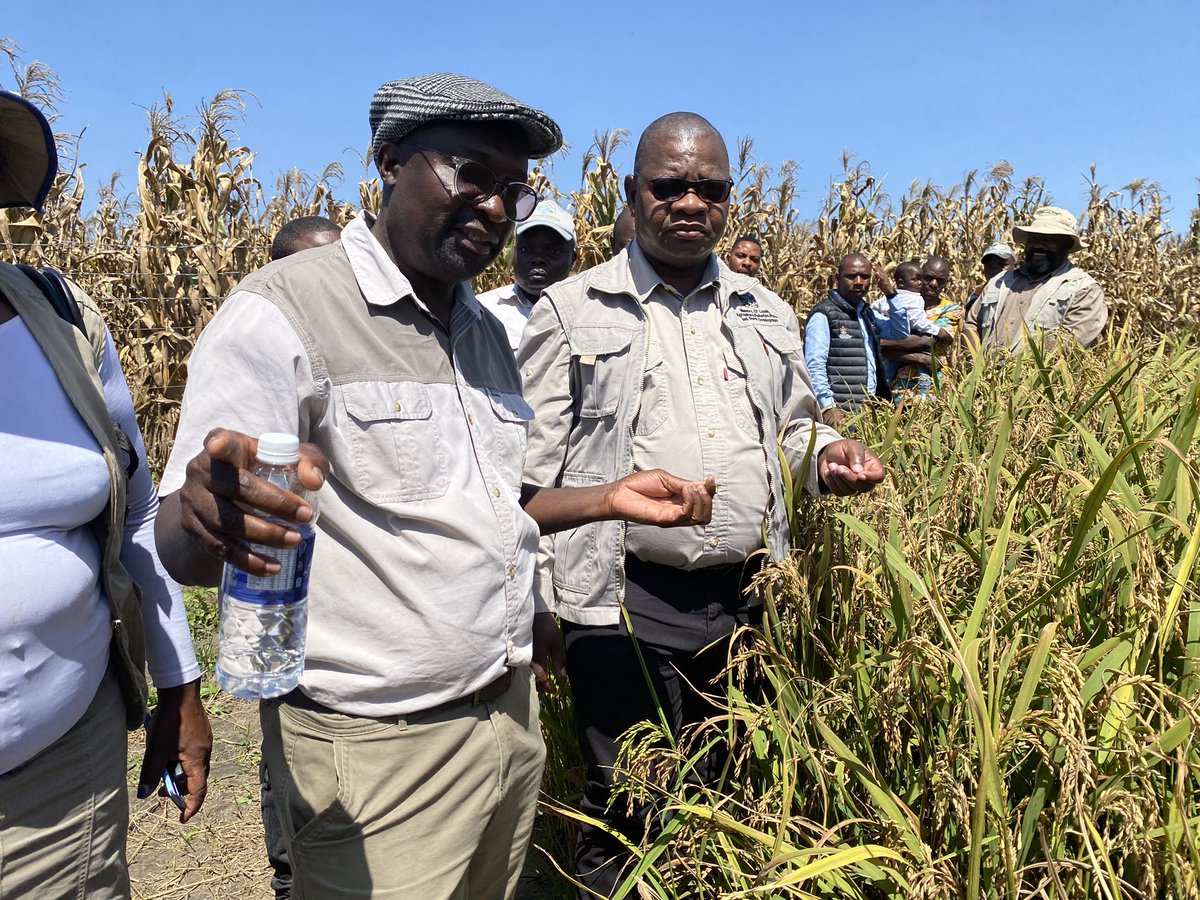
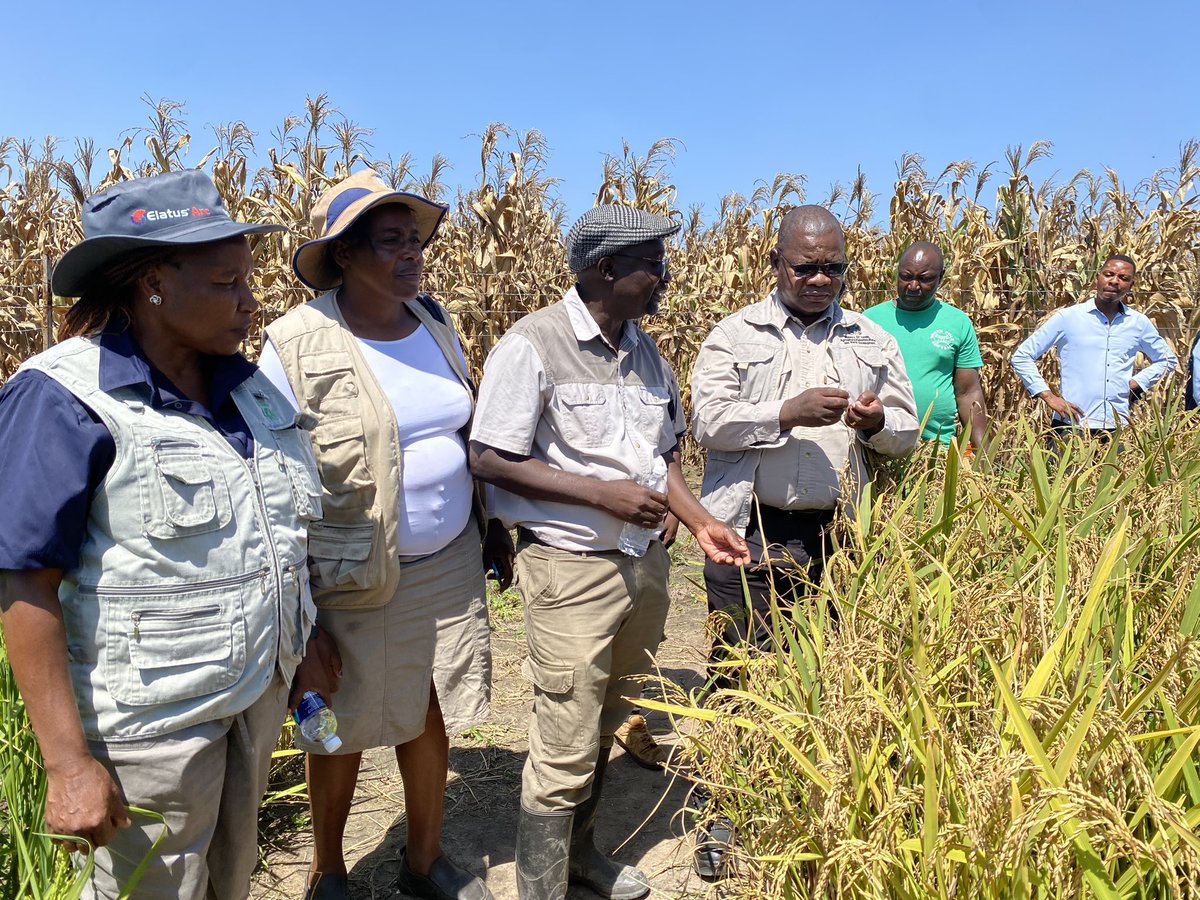
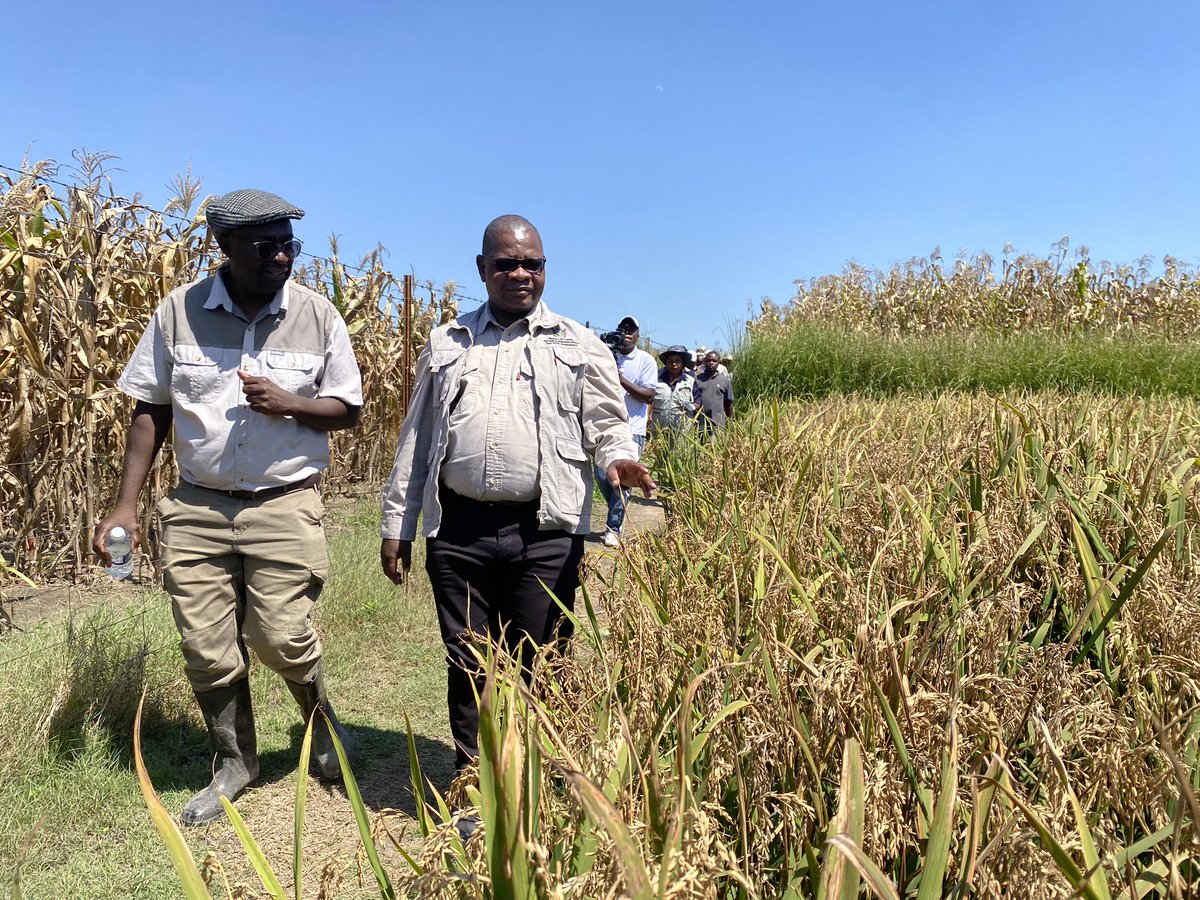
At Rainham Farm in Dzivarasekwa, Harare, farmer Bongani Moyo is proving rice can thrive in Zimbabwe. Now in his 5th year, he grows Nerica 1, 4 & 7 plus Kilombero on just 1.3ha — and is expecting 4 tonnes this season. "This is a model we can replicate for the whole country." #SmartFarming #RiceRevolution #FoodSecurityEverywhereEveryday

English