Sabitlenmiş Tweet
Brian Greene ☘️
78.9K posts

Brian Greene ☘️
@BrianGreene
Digital ● Social ● Radio ● Television ● Coder ● Podcasts ● works at Dublin Community Television ● views all mine ● making history with @pirate_ie ● Toastmaster
Baldoyle Fingal Dublin Ireland Katılım Mart 2007
3.3K Takip Edilen3.7K Takipçiler
Brian Greene ☘️ retweetledi

Bohemian FC is delighted to confirm the appointment of Jimmy Dignam as the club’s new Chief Operating Officer: bohemians.ie/jimmy-dignam-a…
Dignam takes on the role having worked full-time for the club for over four years, first as a senior administrator and then as Head of Operations, having previously volunteered for the club in a variety of roles.

English

@BBCArchive released Fridayz piece on Satellite TV 1986 clip of @RaymondSnoddy youtube.com/clip/Ugkx1KYBi…
English
Brian Greene ☘️ retweetledi

@skynews this is the picture I get on @VodafoneIreland TV service. It has been suggested that the issue is with the origin signal from Sky. Can you enlighten me.
English
Brian Greene ☘️ retweetledi

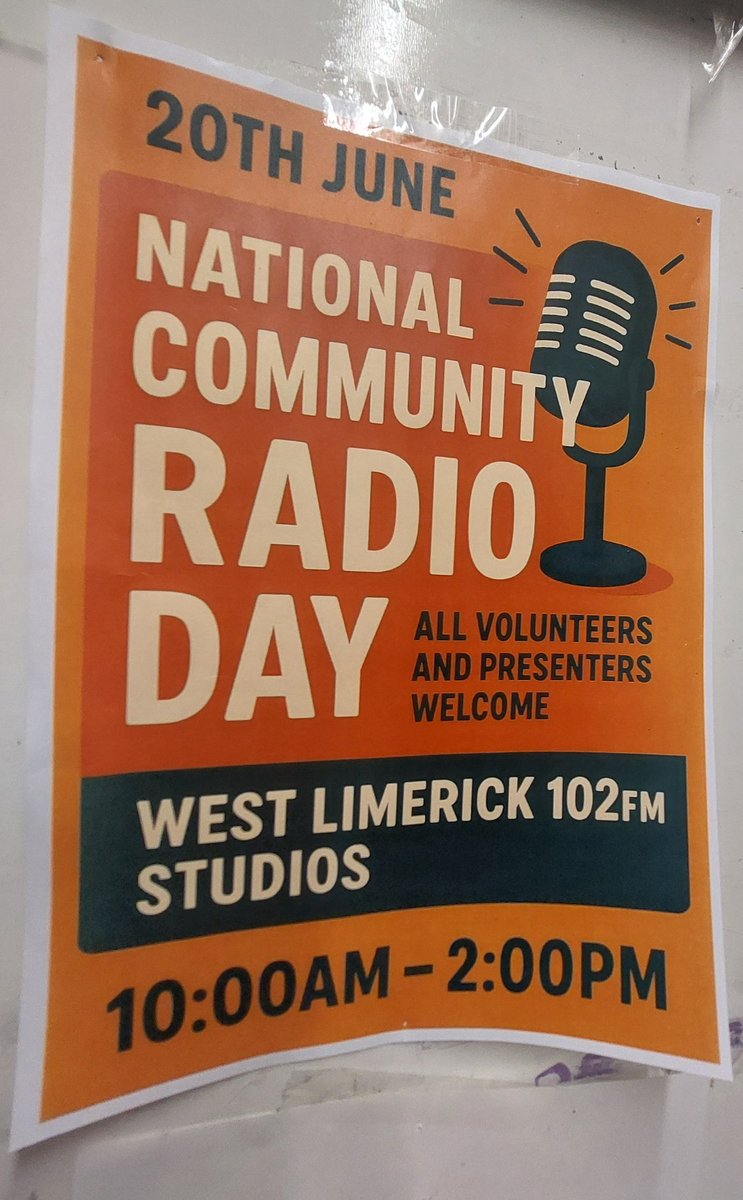
Today is National Community Radio Day & we will be celebrating it across the network of stations from 10am at @WestLimerick102
A message from @PresidentIRL radio.ie/wp-content/upl…
@raidionalife @925PhoenixFM @FlirtFM @CRKC1 @CRY104fm @DundalkFM @ACR884 @rosfmradio1 @wiredfm

English
Brian Greene ☘️ retweetledi

What do we mean when we say ‘local’ media? And why does that question matter so much right now?
In UK media policy and reform discussions, the word ‘local’ is used often and with confidence—but rarely with precision. It’s a term that appears in legislation, in regulation, in funding calls, in industry consultations.
It’s used to differentiate services, justify interventions, and make claims about accountability, representation, and public value. But how often do we stop to ask whether we still share a meaningful understanding of what local media is, what it does, and who it serves?
Is locality just a matter of geography—a catchment area drawn around transmitter masts or licence boundaries? Is it about where programmes are made, or by whom?
Is it about the physical location of studios, or the cultural references embedded in stories? Is it a matter of content alone—news about potholes, council decisions, and local sports teams—or does it also depend on the relationships between those who produce media and those who receive it?
And if we can’t agree on what counts as ‘local’, how can we meaningfully protect it?
At a time when media industries are increasingly centralised, consolidated, and standardised, the temptation to simulate locality is growing. A radio station that once had a newsroom in your town now shares a playlist from a regional hub.
A newspaper bearing your town’s name is now filled with generic copy from elsewhere. News segments are recorded far from the communities they’re supposedly serving, but dressed in just enough local branding to pass. Is this a harmless adaptation, or does it signal something deeper?
What happens to trust when people sense that their media has become detached from their place? What happens to democratic participation when there are fewer journalists, fewer local stories, and fewer opportunities to see yourself reflected?
What do communities lose when their media presence becomes hollowed out, even as its shell remains visible?
This isn’t just a technical or logistical issue. It’s about how we value media as a social and civic function, not just a commodity.
If we see local media as part of the foundational economy—as something that underpins everyday life and social infrastructure—then we have to consider what kinds of protections and policies are needed to sustain it.
Can regulation help here, if it is framed as protection rather than control? Can it support the conditions for genuinely local media to thrive, rather than simply enforce compliance with minimum standards?
What would it take to develop regulatory language that reflects the lived complexity of locality, without becoming so vague that it loses meaning?
There’s also a cultural question. What kind of ‘localness’ is being protected in current media structures? Who defines what is ‘authentically’ local, and whose voices, stories, or identities are included—or excluded—by that framing?
Can we develop a more expansive understanding of place-based media, one that includes migrant voices, multilingual communities, and new forms of digital participation, without reducing them to tokenism or marketing categories?
These are questions that require careful thought and collaborative engagement. They can’t be resolved by soundbites or slogans. And they won’t be answered solely by regulators, broadcasters, or funders.
They require contributions from those working within communities, those telling stories at the margins, and those whose localness is experienced not through broadcast towers but through relationships, shared spaces, and mutual care.
At Decentered Media, we’re working to open up this conversation. We believe the terms we use—local, community, public—shape not only how media is delivered, but how it is understood, supported, and valued.
If we want media reform to be meaningful, we need to ask whether the language we're using is fit for purpose, or whether it needs rethinking.
We’re inviting people to help us explore these terms, not to find definitive answers, but to create space for more grounded, inclusive, and accountable meanings to emerge.
Through our Patreon, we’re developing resources, holding conversations, and supporting new thinking about what local media can be in a changing world.
If you care about how media supports place-based communities, reflects real lives, and fosters democratic engagement, we’d love for you to join us.
What kind of local media do we want to see?
What does it need in order to thrive?
And how can we ensure it remains rooted, relevant, and responsive—not just in name, but in practice?

English
Brian Greene ☘️ retweetledi

❗️Breaking❗️We just crashed the Irish Pension Funds annual gala dinner to tell them to divest Irish workers’ pensions from fossil fuels! #ExtinctionRebellion
English

I am a guest on the @decenteredmedia podcast talking about community radio in Ireland. decentred.co.uk/community-radi…
English
Brian Greene ☘️ retweetledi

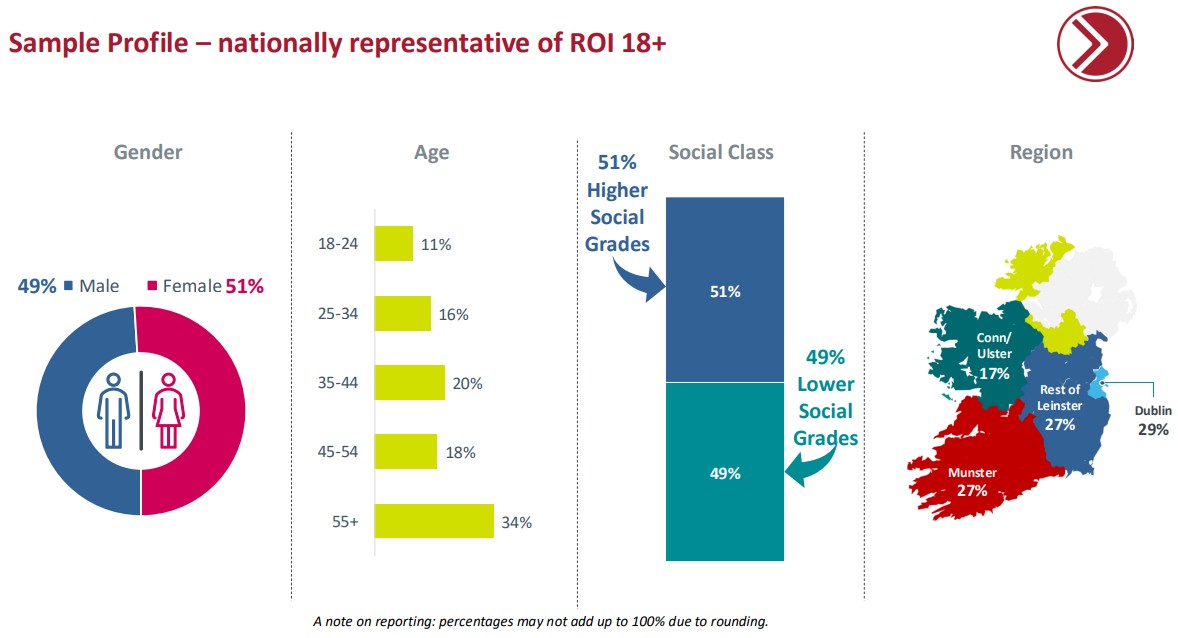
Today on #WorldRadioDay we launch a major piece of Community Radio reseach @CNaM_ie
craol.ie/survey-shows-s…


English

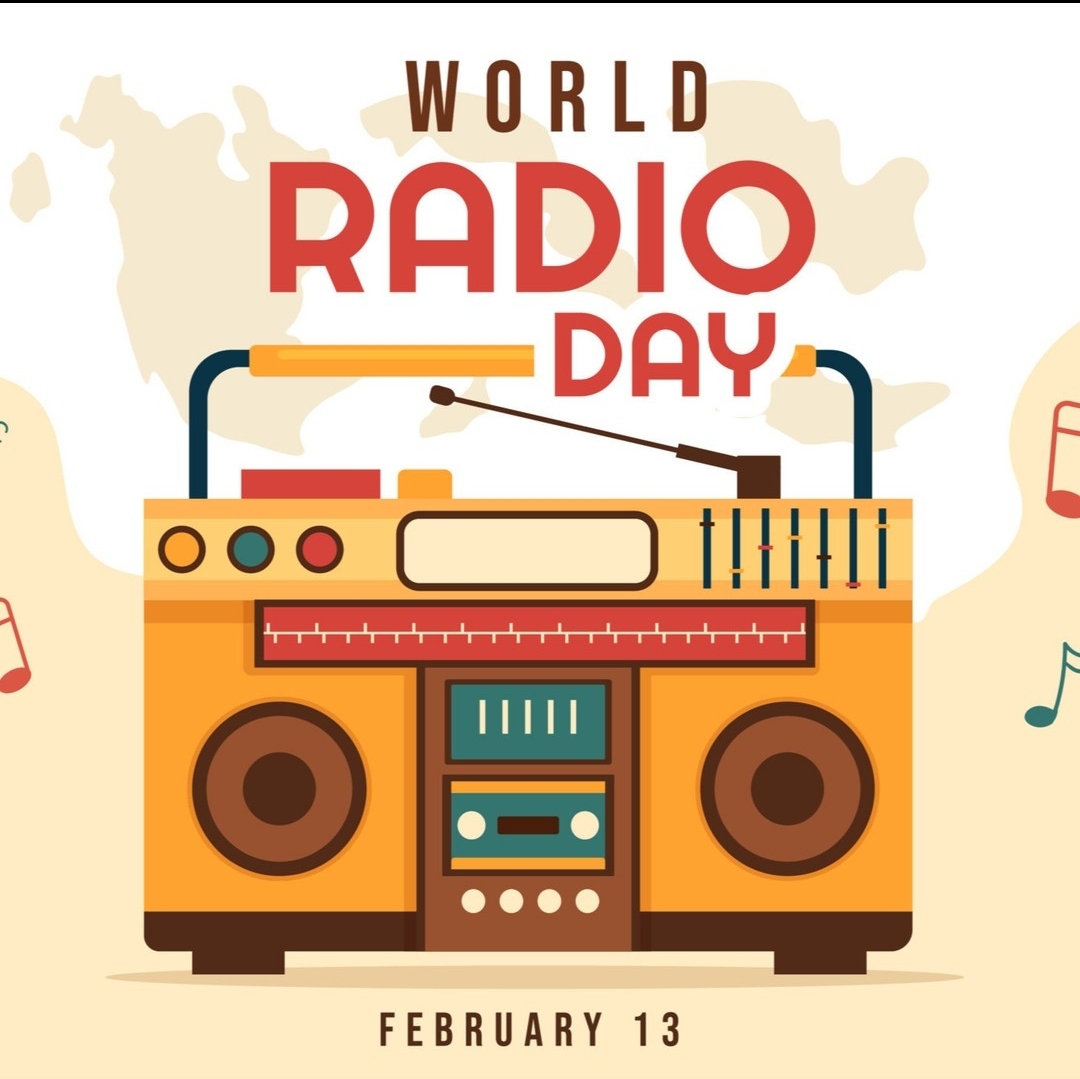
Put the RAD in RADICAL with RaDiO
#worldradioday
Get Active with the Active
Join Community Radio today @CRAOL

English

@jchatterleyCNN Some of the best stuff was when you would be brought on to other shows to comment. This allowed for less objectivity, and your analysis and social mindedness shone. Good luck wherever you go.
GIF
English
Brian Greene ☘️ retweetledi

🍿📽 Looking for some bank holiday movie recommendations? Check out this brilliant list of Irish classics, many of which received Sound & Vision funding. ow.ly/UcVw50UQoOW @RTE
English
Brian Greene ☘️ retweetledi

Thanks to German News @ZDF
3.6 million viewers. It always feels worthwhile when other parts of the world see our government's incompetence on housing, how they've created the crisis & their lack of capability & interest when it comes to fixing it.
Everyone Should Have A Home
English
Brian Greene ☘️ retweetledi