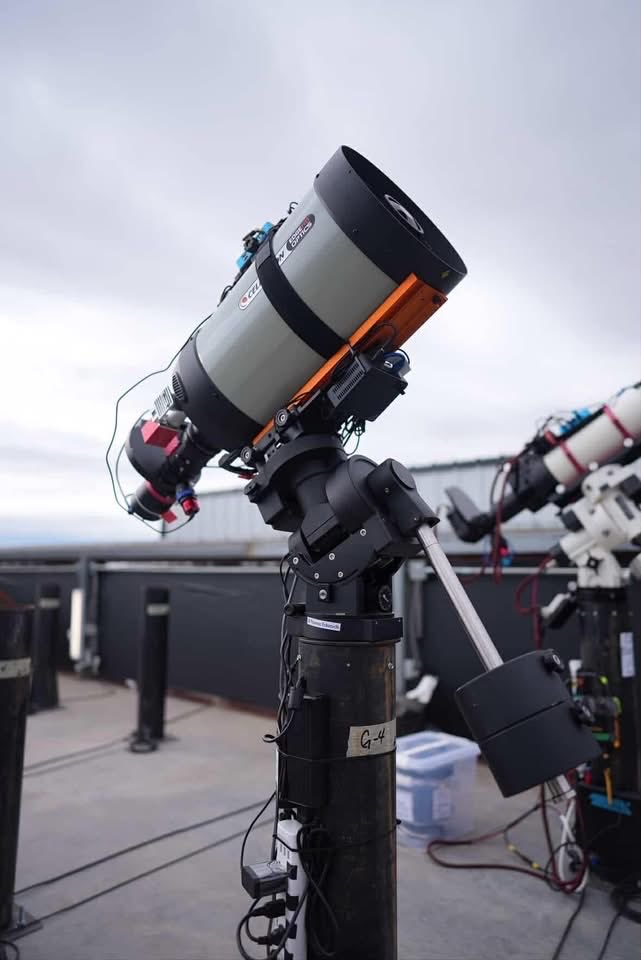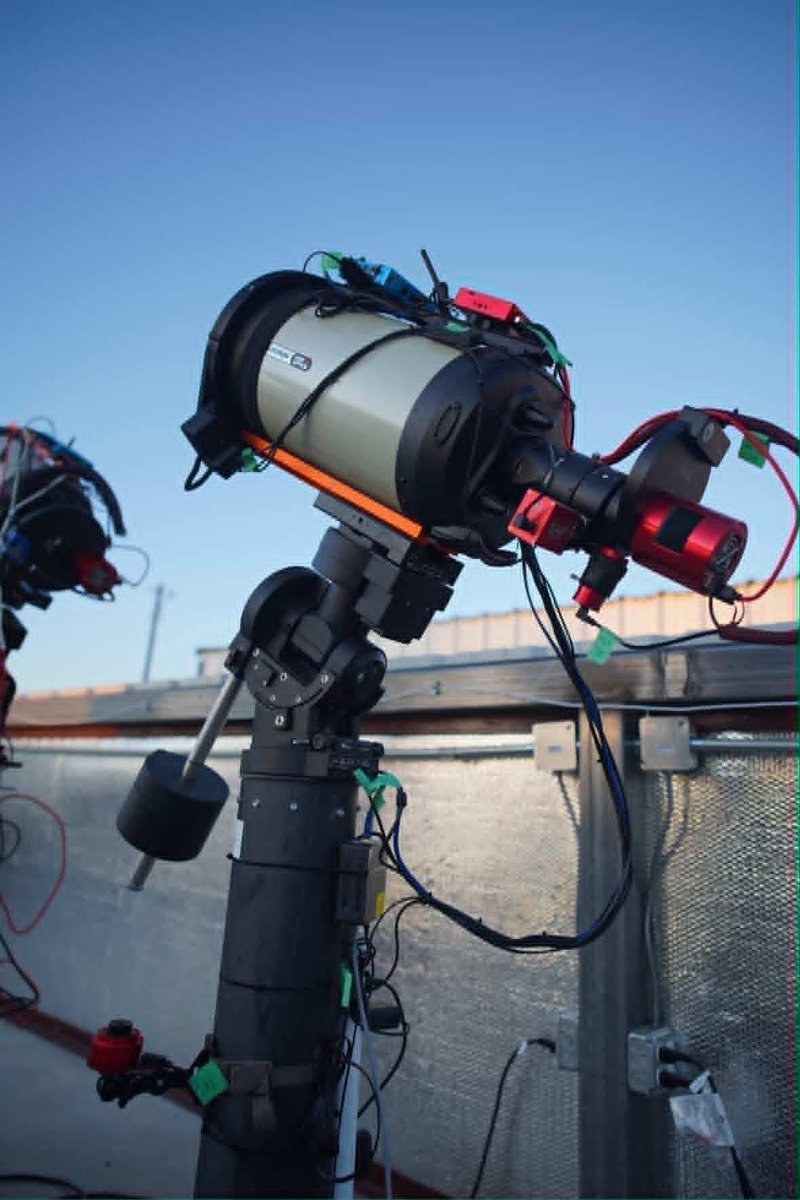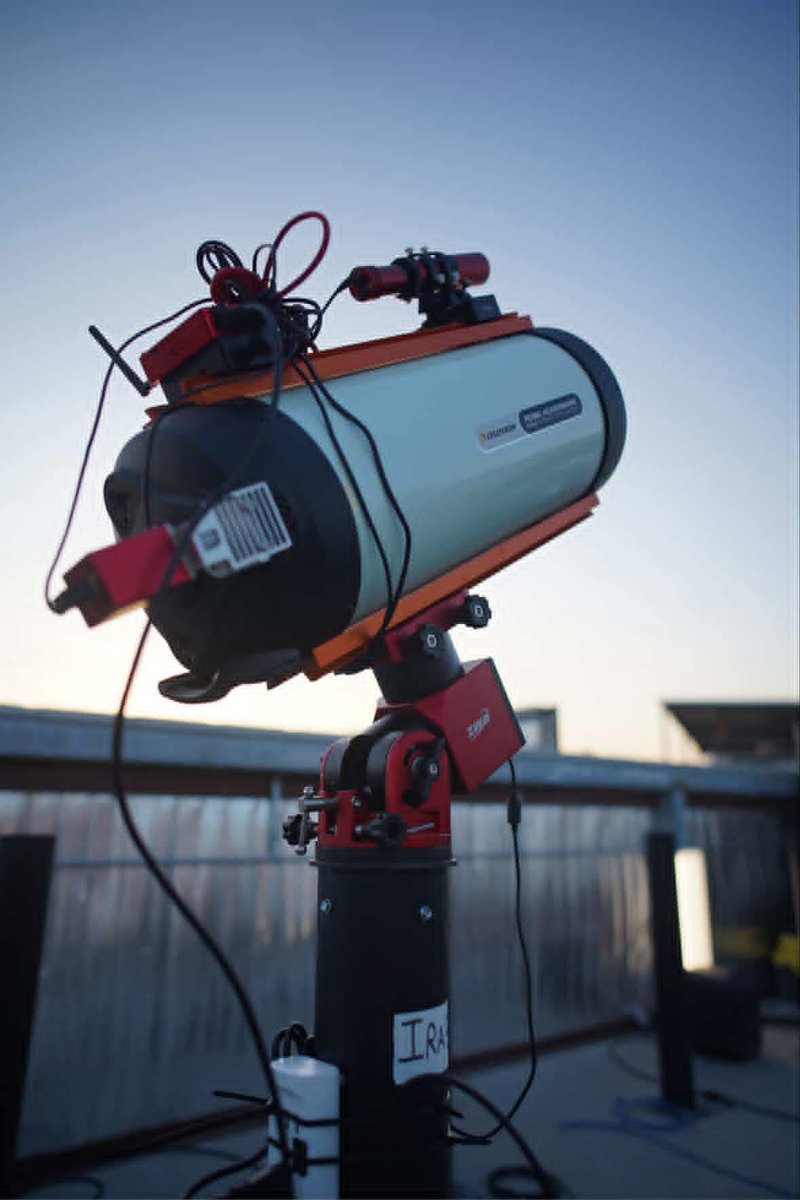

Celestron

5.7K posts

Celestron banner
Celestron

Celestron

@Celestron

Celestron is the world’s #1 telescope maker, recognized for superior optics and innovative technology.

Torrance, California Katılım Şubat 2009
435 Takip Edilen21K Takipçiler
Celestron
Celestron@Celestron·
Missed the first Messier Marathon window? You’ve got one more great chance tonight. The Messier Marathon challenges observers to find all 110 objects in the Messier Catalog in a single night—including galaxies, nebulae, and star clusters scattered across the sky. In this Reel, you’ll see every Messier object you’ll encounter during the marathon. From the Orion Nebula and the Pleiades to the Whirlpool Galaxy and the Sombrero Galaxy, it’s a tour of some of the most famous deep-sky sights. ▶️ Watch the full reel to see what’s waiting for you in the sky tonight. Learn more about the Messier Catalog and how to find these objects: 🔭 celestron.com/messiercatalog #MessierMarathon #Astronomy #Stargazing #DeepSky #Celestron
English
2
6
14
611
Celestron
Celestron@Celestron·
I spy a whole stack of Celestron binoculars 📷📷 More tools for exploring the world outside—whether it’s birds in the trees, wildlife in the distance, or details you might otherwise miss. There’s something special about putting real optics in someone’s hands and watching curiosity take over. The discoveries start the moment you look. What would you look for first? 📷📷 📷 Brooke (@myelementarylife_)
Celestron tweet media
English
0
2
16
546
Celestron
Celestron@Celestron·
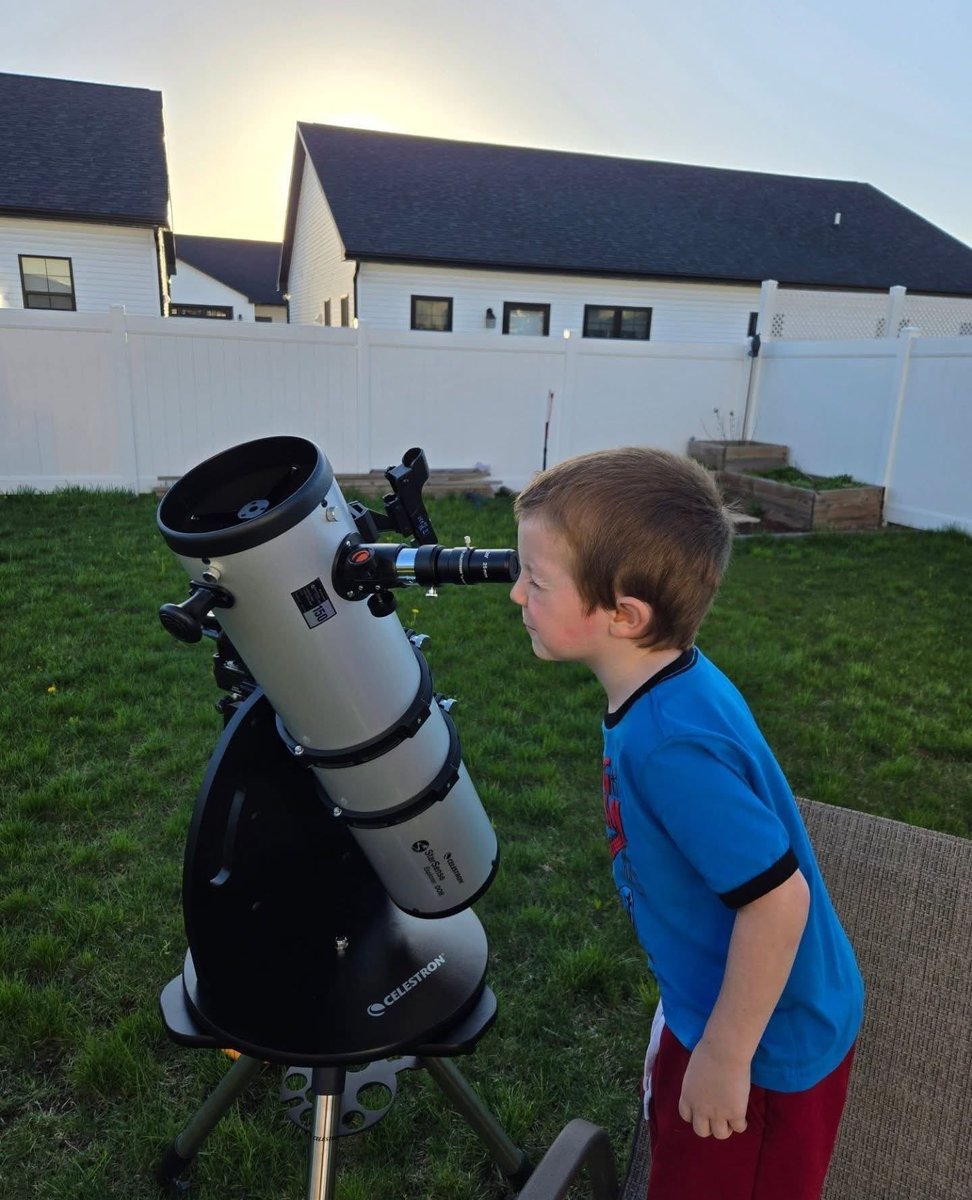
Level the tripod ✔️⁠ Align the finderscope ✔️⁠ Answer, "Dad, what's that?" 47 times ✔️⁠ ⁠ Now we wait for the Sun to go down. 👶🌌🔭⁠ ⁠ 📸: @jamensan
English
0
1
10
919
Celestron
Celestron@Celestron·
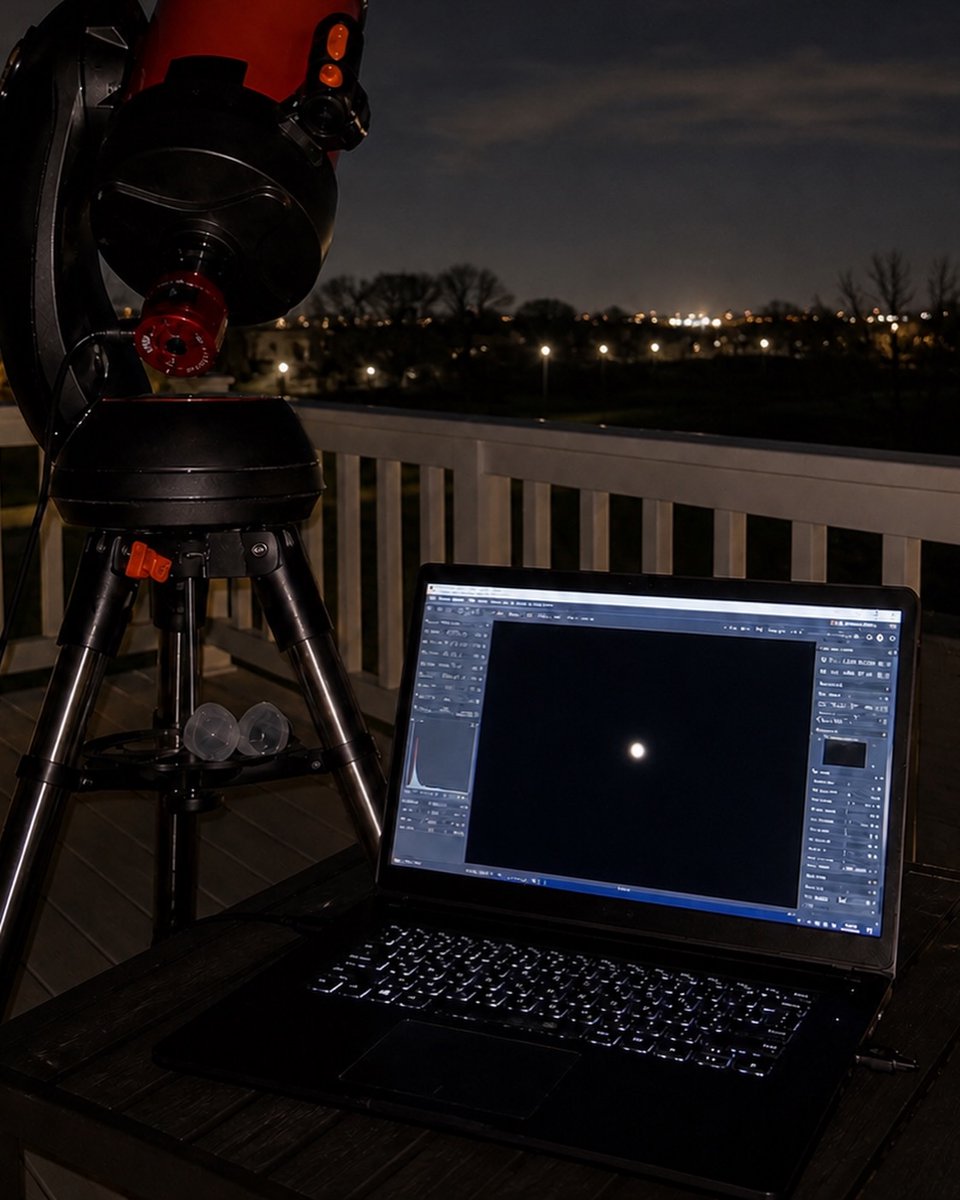
A night to remember. ✨ Back in January, Sven & Tobi were testing the Celestron Origin when an unexpected guest appeared—the Northern Lights glowing over Paderborn. Not a bad backdrop for a night of astronomy. Wow. Killer shot. 🌌🔭
Celestron tweet mediaCelestron tweet mediaCelestron tweet media
English
0
10
38
1.2K
Celestron
Celestron@Celestron·
The Moon is dropping in on one of the sky’s most famous star clusters. On March 22, look up to find the Moon passing close to the Pleiades (M45), a sparkling cluster of young blue stars in Taurus. But don’t stop there. Nearby, Jupiter shines bright in the evening sky, while Uranus waits quietly for telescope users. And off to the side, the Hyades cluster spreads out around Aldebaran, the fiery eye of the Bull. One glance upward turns into a full tour of Taurus. Binoculars or a telescope will make the scene even better. 🌙🔭
English
0
3
17
689
Celestron
Celestron@Celestron·
Before winter fades into spring, take one more look at the Winter Hexagon. ✨ This large asterism connects six of the brightest stars in the winter sky—Sirius, Procyon, Pollux, Castor, Capella, and Aldebaran—spanning several constellations and surrounding the Orion region. Inside this giant shape you’ll find some of the most famous winter targets, including the Orion Nebula, Hyades, Pleiades, and numerous open star clusters. Swipe through to explore each star and see how the Winter Hexagon can guide your next observing session. 🔭 #WinterSky #Astronomy #Stargazing #NightSky #WinterHexagon
Celestron tweet mediaCelestron tweet mediaCelestron tweet mediaCelestron tweet media
English
0
5
21
1.7K
Celestron
Celestron@Celestron·
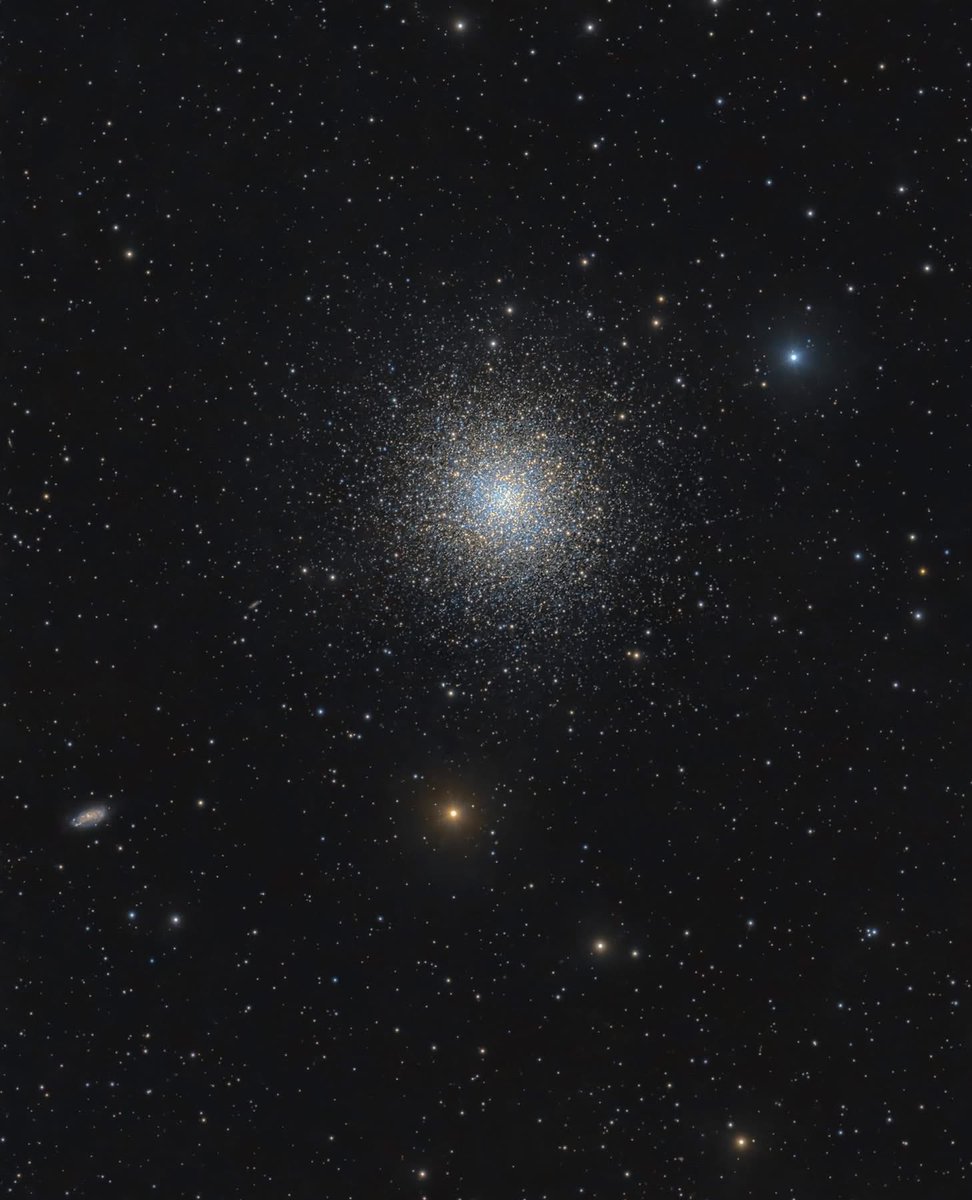
Tonight marks the first great opportunity of the season to attempt the Messier Marathon. During this challenge, observers try to find all 110 objects in the Messier Catalog in a single night—from bright nebulae to distant galaxies and dense star clusters. We’re highlighting a few of the incredible objects you can track down during the marathon. 👉 Swipe through to explore some Messier favorites you won’t want to miss, including the Andromeda Galaxy, Orion Nebula, the Hercules Globular Cluster, and more. Save this post so you have a few targets ready when you head outside tonight. Learn more about the Messier Catalog: 🔭 celestron.com/messiercatalog #MessierMarathon #Astronomy #Stargazing #DeepSky #Celestron
Celestron tweet mediaCelestron tweet mediaCelestron tweet mediaCelestron tweet media
English
1
12
32
768
Celestron
Celestron@Celestron·
A closer look at the Moon’s rugged surface. 📷 This detailed lunar view highlights several well-known craters along the terminator, where shadows help reveal the Moon’s dramatic topography—including Posidonius, Aristotle, Eudoxus, Burg, and Theophilus. 📷 Captured by Christophe (@hartunivers) using a vintage 1973 Celestron C8, an astronomy camera, and a Celestron Omni 2x Barlow. #LunarObserving #Moon #Celestron #Astronomy #Astrophotography
Celestron tweet media
English
1
15
55
1.1K
Celestron
Celestron@Celestron·
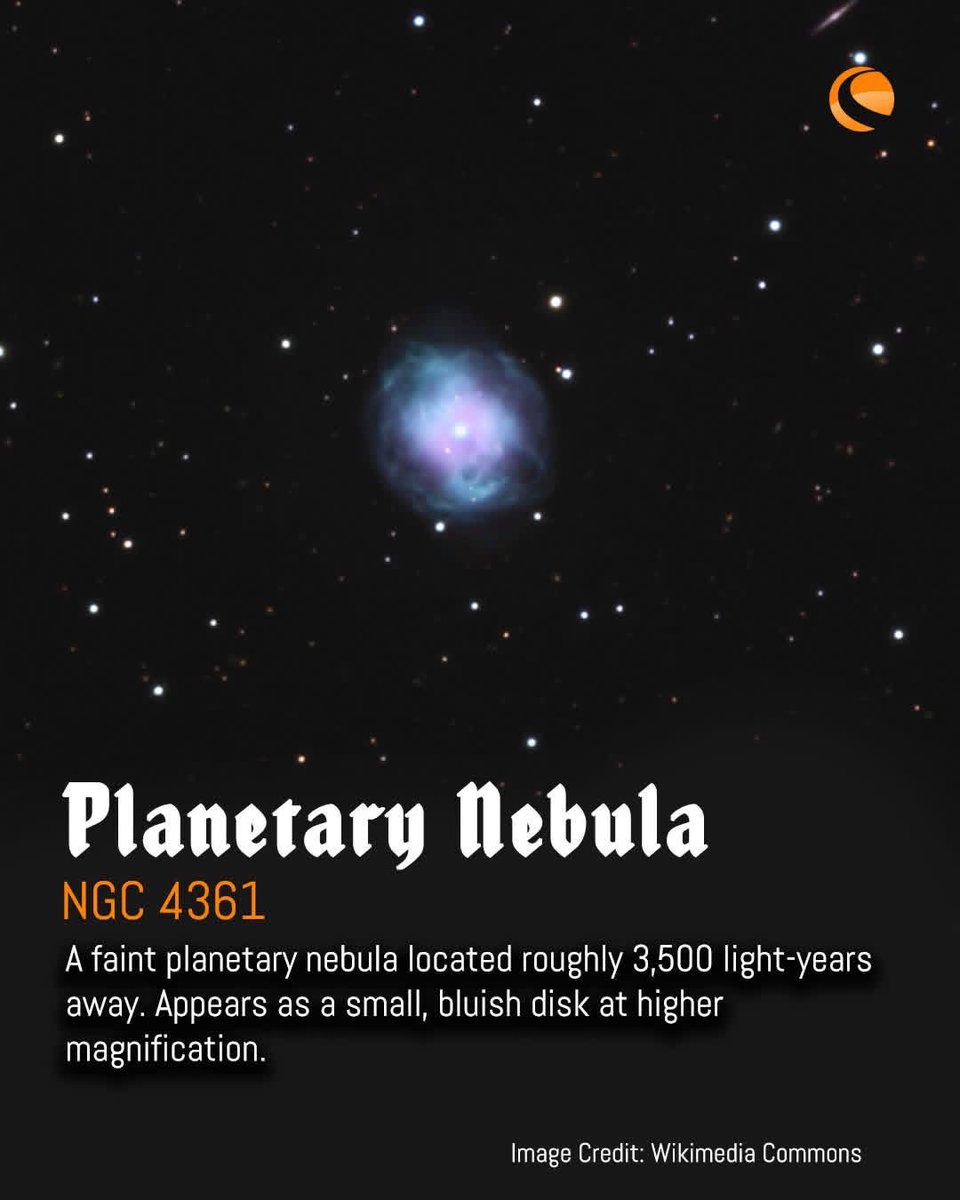
From planetary nebulae to supernova remnants, the night sky is full of incredible targets.⁠ ⁠ Damon Scotting (@thisisastronomical) shares several deep-sky objects he captured with his Celestron 11" EdgeHD, including the Dumbbell Nebula, Crab Nebula, and the iconic Horsehead Nebula.⁠ ⁠ What’s your favorite object to image with your telescope? 🔭✨⁠ ⁠ #Astrophotography #DeepSky #EdgeHD #Celestron #NightSky
English
1
3
13
1.6K
Celestron
Celestron@Celestron·
A closer look at the Sun’s surface. ☀️⁠ ⁠ In this image, several sunspot groups are visible across the solar disk—regions where strong magnetic fields temporarily cool the surface, making them appear darker than the surrounding photosphere.⁠ ⁠ Swipe to the second image to see the labeled active regions and get a better sense of how many sunspot groups were present during this observation.⁠ ⁠ 📸 Captured by Jason (@supe_rn_ova) using a NexStar Evolution 8" SCT and an EclipSmart Solar Filter.⁠ ⁠ #SolarObserving #Sunspots #SolarAstronomy #Celestron #Astronomy
Celestron tweet mediaCelestron tweet media
English
0
6
20
608
Celestron
Celestron@Celestron·
This week’s observing challenge: two star clusters ✨ Step outside and locate M35 in the Winter Hexagon. It appears large and bright, spanning about the size of the full Moon and lying roughly 3,000 light-years away. Nearby, NGC 2158 looks small, dense, and faint. In reality, it’s not so different from M35—it just sits much farther away at about 11,000 light-years. Happy observing 🔭🌌
English
0
4
9
619
Celestron
Celestron@Celestron·
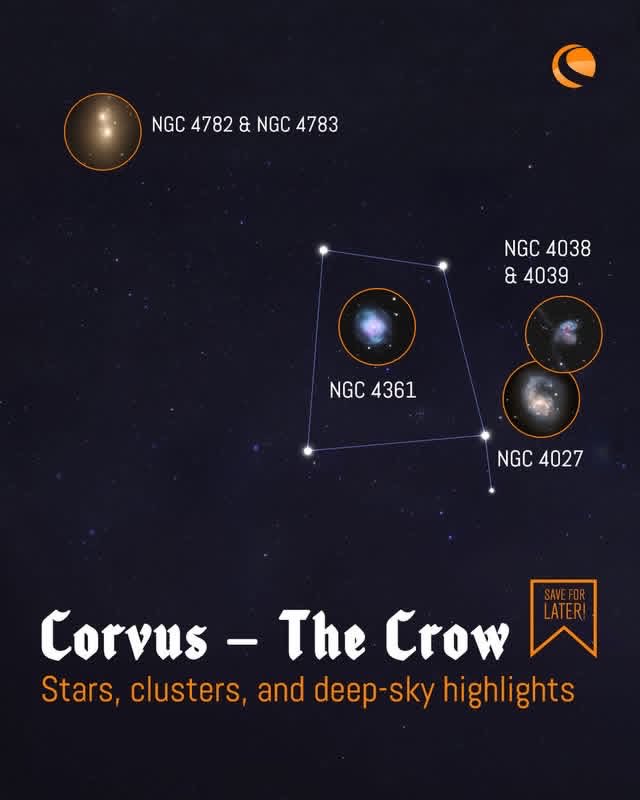
Look up and find Canis Major 🐕✨ Home to Sirius—the brightest star in the night sky— this constellation is packed with stellar highlights. From brilliant blue giants like Adhara, to clusters like Messier 41, and even the dramatic Thor’s Helmet Nebula, there’s plenty to explore in this region of the sky. Swipe through to discover some of the standout stars and deep-sky objects inside this easy-to-spot constellation. 📌 Save this guide for your next night under the stars. #Astronomy #NightSky #Stargazing #Constellation #CanisMajor
Celestron tweet mediaCelestron tweet mediaCelestron tweet mediaCelestron tweet media
English
0
5
24
745
Celestron
Celestron@Celestron·
Clear skies over Cebu, Philippines gave Christopher Go a perfect view of last night’s total lunar eclipse.⁠ ⁠ Captured with his Celestron C8, this stunning image reveals the Moon bathed in deep copper tones at totality. Did you catch the lunar eclipse?⁠ ⁠ 📍 Cebu, Philippines⁠ 🔭 Celestron C8⁠ 📷 Christopher Go⁠
Celestron tweet media
English
2
13
57
2K
Celestron
Celestron@Celestron·
On the evening of March 8, don’t miss this one: Venus and Saturn will form a close conjunction just 1° apart — close enough to share the same telescopic field of view. Venus, the third-brightest object in the sky after the Sun and Moon, will shine low in the western sky after sunset. Right beside it? Saturn, the Ringed Planet. You won’t need high magnification. Binoculars or a low-powered telescope will frame both planets together in one view — two completely different worlds hanging side by side in the same slice of sky. These kinds of close pairings don’t happen every week. Catch it while you can. Clear skies 🪐🔭
English
0
6
20
1K
Celestron
Celestron@Celestron·
This isn’t just a wrinkle on the Moon’s surface. It’s Montes Apenninus. 🌙 A 600 km-long mountain chain carving across the lunar nearside, forming the dramatic edge of Mare Imbrium and separating it from Mare Vaporum. It was forged nearly 3.9 billion years ago when the Imbrium impact reshaped this entire region. What we see today is the rim of that ancient collision, frozen in time. The tallest summit, Mons Huygens, rises about 5.5 km high — with Mons Hadley and Mons Bradley standing along the range. Captured from Dubai with a NexStar 6SE. No filters. Just the Moon showing off. 🔭 📍 Dubai @astroryan2
Celestron tweet media
English
0
10
64
1.4K
Celestron
Celestron@Celestron·
Warmer nights are in the forecast. Weekend mode: activated. 🌙✨ Time to stay out a little longer. 📸: @dzvf.derpodcast
Celestron tweet media
English
3
12
54
1.3K
Celestron
Celestron@Celestron·
Step 1: Build your dream setup Step 2: Go to a star party Step 3: “Wait… what mount is that?”
Celestron tweet media
English
7
20
304
23.2K
Celestron
Celestron@Celestron·
March is a turning point. Winter’s best targets are still glowing after dark, spring galaxies are climbing higher each night, and this month delivers a total lunar eclipse. If you’ve been waiting for a reason to get outside, this is it. Here’s what to watch in March 2026: 🌕 Mar 3 – Total Lunar Eclipse: celestron.com/totallunarecli… 🌑 Mar 18 – New Moon 🌸 Mar 20 – March Equinox: celestron.com/springsky 🔭 Mar 23 – Moon & M45 conjunction 🔭 Mar 26 – Moon & Jupiter conjunction 🏁 Mar 14–21 – Best window for the Messier Marathon: celestron.com/messiermarathon From an eclipsed Moon to an all-night sprint through 110 deep-sky objects, March packs it in. Don’t miss it. Clear skies.
Celestron tweet mediaCelestron tweet mediaCelestron tweet media
English
1
6
20
886