Diane Swonk

44.6K posts

Diane Swonk banner
Diane Swonk

Diane Swonk

@DianeSwonk

Chief Economist, @KPMG_US. Briefs Federal Reserve. Labor economist with more than 40 yrs experience in financial services & consulting . RTs not endorsements.

Chicago, IL Katılım Ekim 2010
663 Takip Edilen71.4K Takipçiler
Diane Swonk
Diane Swonk@DianeSwonk·
@NickTimiraos @RichardEscobedo The problem is that this is more than an oil shock. Supply chains are being roiled and the effects are nonlinear. That is where the effects will or will not show up later.
English
1
3
17
1.1K
Nick Timiraos
Nick Timiraos@NickTimiraos·
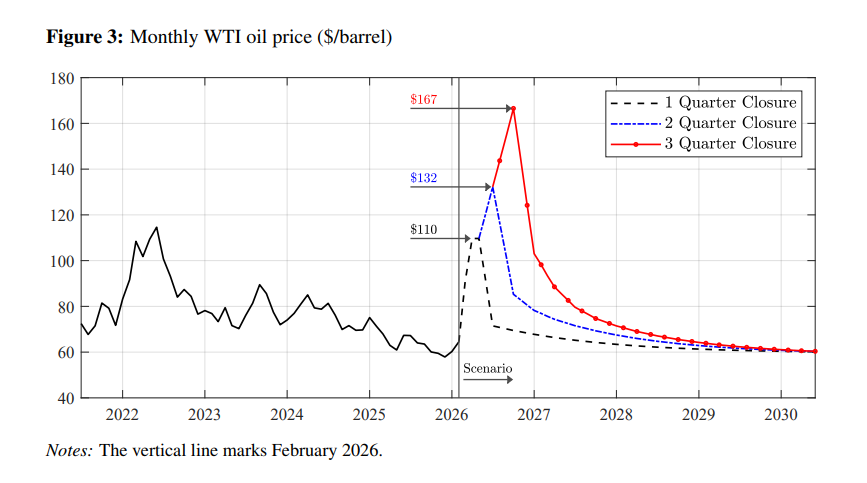
Economists at the Dallas Fed try to model the effects on PCE inflation of a one-, two-, or three-quarter disruption of oil shipping through the Strait of Hormuz The DSGE model projects WTI prices peaking at $110, $132, or $167 per barrel depending on the length of the closure "If the closure is over after one quarter, the effect on core inflation reaches 0.8 percentage points at an annualized rate in April 2026, followed by oscillating responses of diminishing amplitude. At the other extreme, if the closure persists for three quarters, the effect on core PCE inflation remains positive for the remainder of 2026, reaching as high as 0.8 percentage points as late as September 2026." dallasfed.org/~/media/docume…
Nick Timiraos tweet mediaNick Timiraos tweet media
English
16
175
639
116.7K
Diane Swonk
Diane Swonk@DianeSwonk·
$133 vs. $99. What Is the Real Price for a Barrel of Oil? Spot prices & futures prices diverge. Competition for physical oil remains intense, pushing up prices, even as futures prices decline. What matters most when buying actual oil - physical prices. wsj.com/finance/commod…
English
0
4
19
2.2K
Diane Swonk
Diane Swonk@DianeSwonk·
‘Fortress China’ shows cracks as Iran war strains supply chains via @FT “Cameron Johnson, a senior partner at Shanghai supply chain consultancy Tidalwave Solutions, warned that the supply disruptions could be “worse” than during the Covid-19 pandemic. 🤯 giftarticle.ft.com/giftarticle/ac…
English
1
16
37
3.9K
Diane Swonk retweetledi

FedResearch
FedResearch@FedResearch·
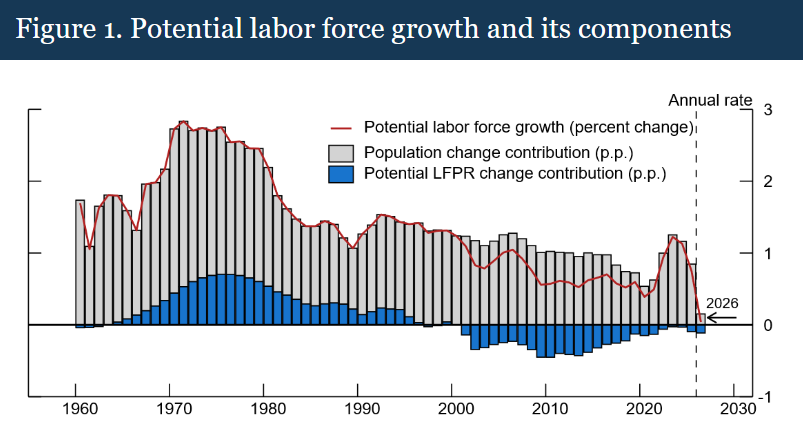
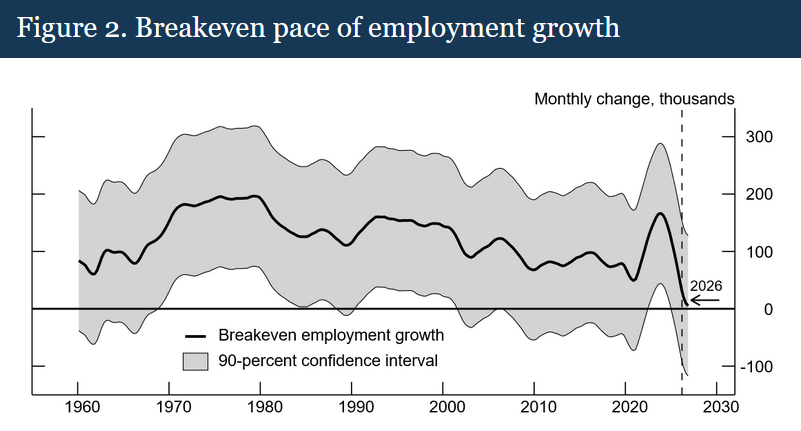
ICYMI: Labor force growth could be near-zero starting this year, due to weak population growth & declining labor force participation. Such weak growth is unprecedented in the United States’ recent history. This has significant economic implications: (1/2) federalreserve.gov/econres/notes/…

FedResearch tweet mediaFedResearch tweet media
English
7
84
255
118.1K
Diane Swonk
Diane Swonk@DianeSwonk·
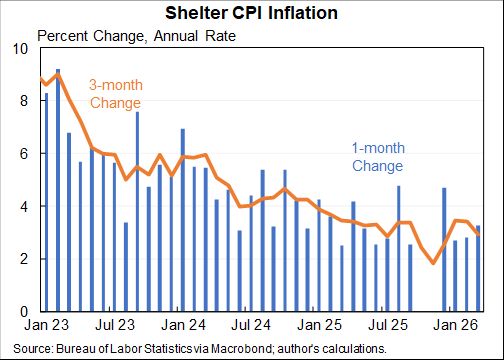
@jasonfurman Legal services have been weird as have health insurance and in home care, to name a few. The data are just very strange these days, and careful on 6 mo and 12 mo, six week govt shutdown suppresses. No Oct 2025 report.
English
0
0
1
404
Jason Furman
Jason Furman@jasonfurman·
The service slowdown is mostly about shelter.
Jason Furman tweet media
English
4
0
9
1.2K
Jason Furman
Jason Furman@jasonfurman·
New NYT: CPI was super hot. But core was relatively tame. Two huge one-time factors raising inflation: tariffs & Iran. Fed can't solve them because they're not about excessive demand. Only Trump or time can solve. Now the usual wonky thread I didn't have time for before.
Jason Furman tweet media
English
5
13
90
23.2K
Diane Swonk retweetledi
Karen Nye
Karen Nye@KNyeEcon·
Here's Diane's full analysis on PCE: Read this morning's analysis of PCE data from KPMG US chief economist Diane Swonk. (The direction of the inflation index is not what the Fed wants.) kpmg.com/us/en/articles…
Diane Swonk@DianeSwonk

🔥The PCE index, which the Federal Reserve targets, rose 0.4% in Feb, up a tick from the 0.3% pace in Jan. That translates to 2.8% y/y, which is same as Feb. Measured of momentum accelerated. The 3 & 6-month annualized pace moved up, to 4.1% & 3.4 from 3.5% & 3.2% in Jan. Core PCE, which stips out food & energy, advanced 0.4% and cooled a bit on a y/y basis. That provide little solace to the Fed as the 3- & 6-mo annualized gains accelerated as well. Core goods prices jumped at their fastest pace since Jan 2022, as the pandemic-induced inflation gripped the economy. The jump in recreational goods - gaming and software mostly. Information goods jumped at their fastest monthly gain since December 1971. There is more in the pipeline. Import prices of computers surged in Feb. Those prices are recorded prior to tariffs, although many tech behemoths got waivers on computers and computer chips to compete better in the AI arms race. Service sector inflation cooled a bit but remains elevated and is still running more than a percent ahead of the pandemic. This is tough for the Fed. The minutes to the March meeting revealed that debate over whether the next move will be up instead of down intensified. Brace for a signal for that optionality following the Fed’s next meeting in April.

English
0
1
8
2.7K
Diane Swonk
Diane Swonk@DianeSwonk·
🔥CPI surges on higher energy costs, with the largest monthly increase since the nearing the peak of the pandemic in June 2022. Gains were driven by a surge in energy cost. Fuel oil jumped 30.7% during the month, its faster pace since Feb 2000. That translates to a 44.2% gain from a year ago, its fastest pace since Nov 2022. Prices for motor fuel - diesel & gas - jumped 21.5%, the hottest monthly gain on record. The data goes back to 1960. That translates to a 19.2% y/y gain, its hottest since Aug 2022. Food prices moderated but not for long, given the surge in freight costs and the rise in fertilizer, which will show up this summer. Service sector prices were tamer as well, but the ISM service sector prices index for March jumped to its highest level since Oct 2022, suggesting more inflation in the pipeline. Inflation-adjusted weekly earnings contracted 0.9% during the month. That blow to purchasing power is the largest since June 2022 and adds insult to injury to low and middle income households already struggling with the level of price compared to their incomes. The dispersion of price gains was slightly in Mar than Feb, but that will not holds. The dispersion of price hikes post pandemic is much higher than it was pre-pandemic, which is why inflation has persisted for so long. Debate within the Fed flared about whether its next move will be up or down ahead of the Mar meeting. It intensified at the Mar meeting. Look for the Fed to signal optionality to raise or lower rates going forward at the conclusion of its next meeting April 29. Note: Spending has not collapsed and proven remarkably resilient, even as individuals feel squeezed. That is due to the larger share affluent household are accounting for in spending. Tax refunds are up on tax cuts last year. That boosted vehicle sales in Mar. Wholesale used vehicle prices spiked in Mar - that will show up as a bump in used vehicle prices later this spring. The war in Iran is colliding with tariff-induced price hikes and linger service sector inflation to echo the post pandemic surge in inflation. That is a problem for the Fed.
English
1
4
22
2K
Diane Swonk
Diane Swonk@DianeSwonk·
🔥The PCE index, which the Federal Reserve targets, rose 0.4% in Feb, up a tick from the 0.3% pace in Jan. That translates to 2.8% y/y, which is same as Feb. Measured of momentum accelerated. The 3 & 6-month annualized pace moved up, to 4.1% & 3.4 from 3.5% & 3.2% in Jan. Core PCE, which stips out food & energy, advanced 0.4% and cooled a bit on a y/y basis. That provide little solace to the Fed as the 3- & 6-mo annualized gains accelerated as well. Core goods prices jumped at their fastest pace since Jan 2022, as the pandemic-induced inflation gripped the economy. The jump in recreational goods - gaming and software mostly. Information goods jumped at their fastest monthly gain since December 1971. There is more in the pipeline. Import prices of computers surged in Feb. Those prices are recorded prior to tariffs, although many tech behemoths got waivers on computers and computer chips to compete better in the AI arms race. Service sector inflation cooled a bit but remains elevated and is still running more than a percent ahead of the pandemic. This is tough for the Fed. The minutes to the March meeting revealed that debate over whether the next move will be up instead of down intensified. Brace for a signal for that optionality following the Fed’s next meeting in April.
English
1
7
36
6.7K
Diane Swonk
Diane Swonk@DianeSwonk·
@rinsana I almost quoted that! Seemed appropriate to think in terms of a 1977 song that came to embody burnout.
English
0
0
1
57
ron insana
ron insana@rinsana·
@DianeSwonk I’d love to stick around but I’m running behind …
English
2
0
14
834
Joseph Brusuelas
Joseph Brusuelas@joebrusuelas·
@DianeSwonk No it cannot. Just like all of us underestimated how long it would take to reconstitute global supply chains during the pandemic era too many are making the same errors in judgement around oil & energy production & refining capacity.
English
1
0
1
121
Joseph Brusuelas
Joseph Brusuelas@joebrusuelas·
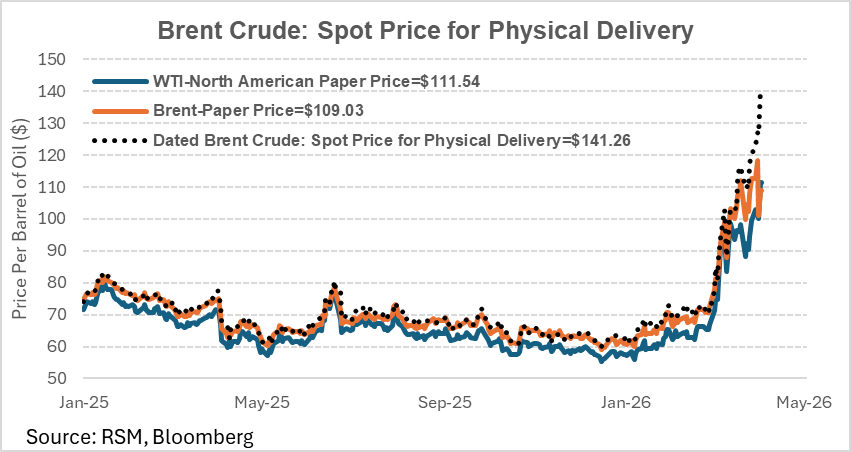
When the Asian market opens this evening as well as the EU/UK market tomorrow morning the price signal one wants to observe is dated Brent Crude which increased to $141.26 at the close last week. For those that do not follow economic, financial or commodity markets (I am talking to you mainstream media types & political journalists) this is a simple explanation of why the focus is on this metric & why one wants to monitor the changing price of dated Brent Crude as well as West Texas Intermediate. Brent crude is the anchor of global price discovery in oil markets. Because the price of oil touches just about every part of the economy it is in focus now and is driving economic, financial and political decisions. The divergence between the paper price of oil & physical spot price cannot endure. Those paper prices are going to rise in alignment with spot delivery prices as the war escalates. That will feed directly into gasoline prices, diesel prices, with a lag food prices and inflation which will show up in the March US CPI report to be published on April 10, 2026. In my estimation its driving movement in bond prices/yields, equity prices, derivative instruments, liquidity, and risk management decisions among corporate firms. It is clearly driving policy decisions by the political authority, the symbolic decision to increase its oil production quota by OPEC overnight & attempts to talk down oil prices that have occurred over the past three Sunday nights/Monday mornings. The public deserves to know what this is and how its driving decision making across the economy and political authority.
Joseph Brusuelas tweet media
English
4
8
67
7.1K
Diane Swonk
Diane Swonk@DianeSwonk·
@federalreserve Chairman Jay Powell bristled at the use of the word “stagflation”due to the difference between now and the extreme pain of the 1970s. That does not mean a mild bout of stagflation is not possible or even probable due to the war and its ripple effects, which will take many months to unwind and bring oil supplies back in balance on a global scale. What is stagflation - a toxic mix of rising inflation, escalating unemployment and stagnate or a contraction in growth. History doesn’t have to repeat but can rhyme. The pain that means for households today is different but not necessary less than that endured in the 1970s. The psychological blow is coming against backdrop of decades and lagging wage gains, which collided with the post pandemic inflation. The labor market has shown some signs of life, but that reflects pre-war conditions. We entered the year with a tailwind of a catch-up to the six-week gov’t shutdown, fiscal stimulus & a sense of where tariffs will ultimately land, easing uncertainty. That has hit headwinds of the war, which is more than an oil shock - it is roiling supply chains the world over. It will take weeks to months to get disrupted energy infrastructure up and fully running. Years for repairs to damaged infrastructure. In the interim, we will see scarcities, notably across the developing world worsen, which adds legs to the shock. The blow of added inflation, which has some legs and squeezes profit margins, while pushing prices up is hard. The bump in employment, tax refunds via tax cuts last year act as a buffer but dissipate more rapidly than the residual effects of the war. That adds insult to injury to the economic anxiety, which was high prior to the war. So, no, this isn’t the 1970s, but it feels really bad relative to what most consumers have known.
English
0
1
23
1.3K
Diane Swonk
Diane Swonk@DianeSwonk·
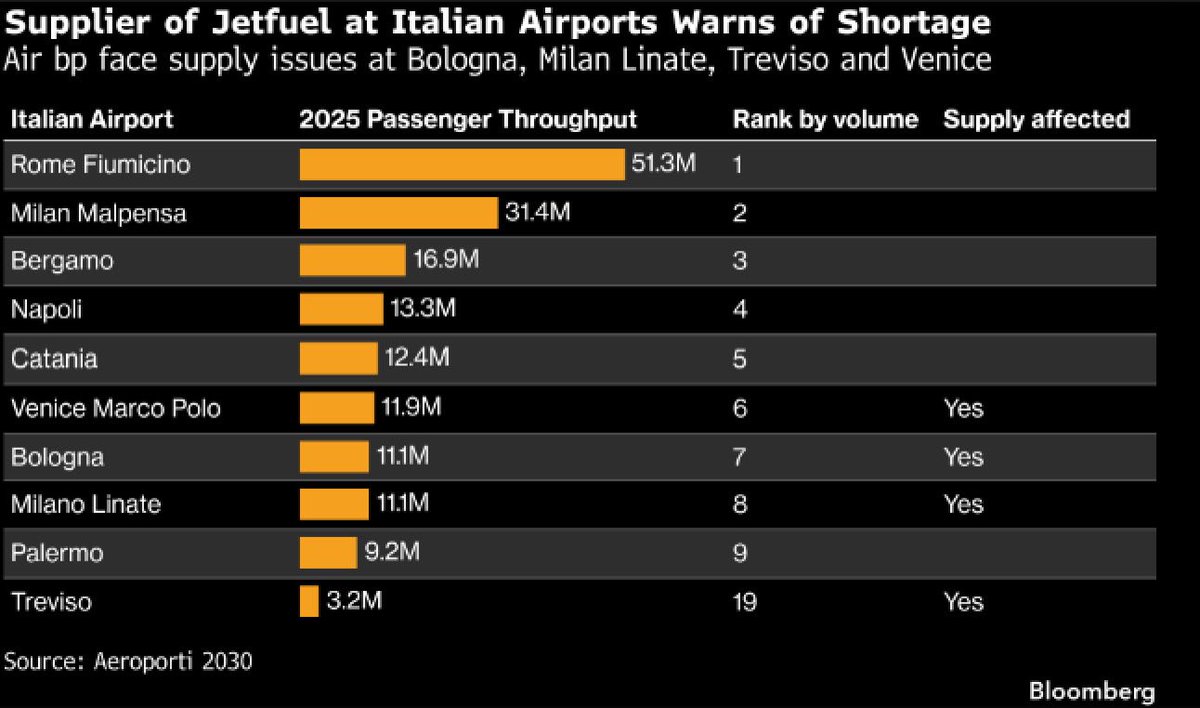
@joebrusuelas The way this ripples through the supply chain is worrisome and cannot unwind as quickly as it was unleashed.
English
1
0
3
107
Joseph Brusuelas
Joseph Brusuelas@joebrusuelas·
@DianeSwonk Spot on. This is the problem that’s going to spread through the EU this week.
Joseph Brusuelas tweet media
English
1
0
4
294
Diane Swonk
Diane Swonk@DianeSwonk·
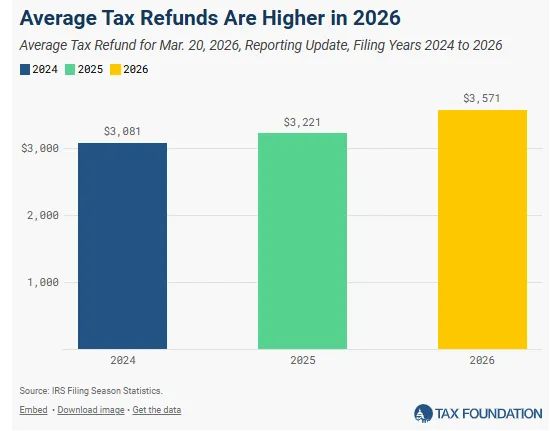
Tax refunds are being delayed by staffing shortages at IRS & a push to eliminate paper checks. More effects are ahead. People did use the refunds in March to boost vehicle sales to 6 month high. The buffer of tax refunds could have a lagged effect and add to resilience of economy in early days of conflict - payback later in the year.
English
3
0
22
1.4K
Bob Elliott
Bob Elliott@BobEUnlimited·
Oil Shock Erases Tax Refund Boost While average tax refunds are up a little over 10% vs last year thanks to the OBBB, the 40% surge in prices at the pump have pretty much erased all the positive economic benefit. bobeunlimited.substack.com/p/oil-shock-er…
Bob Elliott tweet media
English
10
38
111
13.3K