
David Small retweetledi
David Small
12K posts


David Small retweetledi

David Small retweetledi

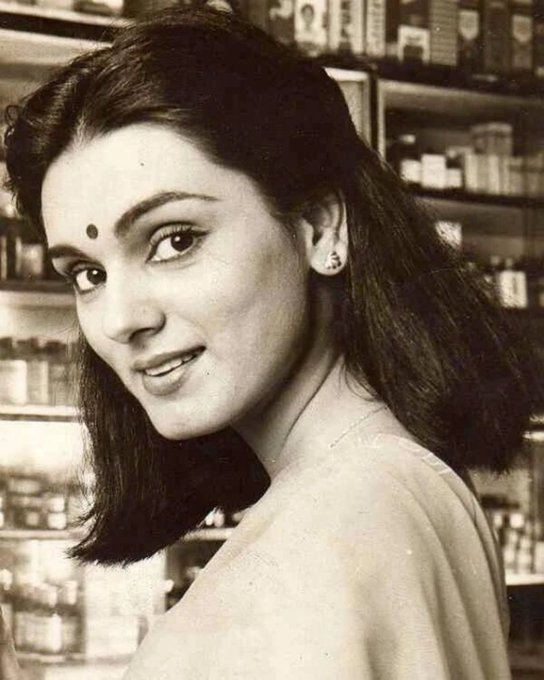
Neerja Bhanot, a 22-year-old flight attendant, was on duty aboard Pan Am Flight 73 when it was hijacked during a stopover on 5 September 1986.
The hijackers ordered her to collect the passengers’ passports so they could identify and target individuals of certain nationalities, particularly Americans. Recognizing the grave danger this posed, Neerja, along with other crew members, quietly hid many of the American passports. Some were slipped under seats, while others were discreetly discarded down the rubbish chute, making it far more difficult for the hijackers to single out their intended victims.
After nearly 17 hours of terror, chaos suddenly erupted inside the aircraft. Neerja quickly opened an emergency door. Though she had the chance to escape first, she instead chose to remain behind, heroically helping passengers — especially unaccompanied children — to safety.
Her extraordinary bravery and selflessness cost her her life.
Neerja’s courage not only saved countless lives that day but also played a key role in preventing the plane from taking off.
One of the children she helped, who was just seven years old at the time, later grew up to become a captain for a major airline. He credits Neerja with inspiring his career and says he owes every single day of his life to her sacrifice.
English
David Small retweetledi
The Serama is a tiny breed of chicken that weighs less than 500 grams.
English
David Small retweetledi
David Small retweetledi

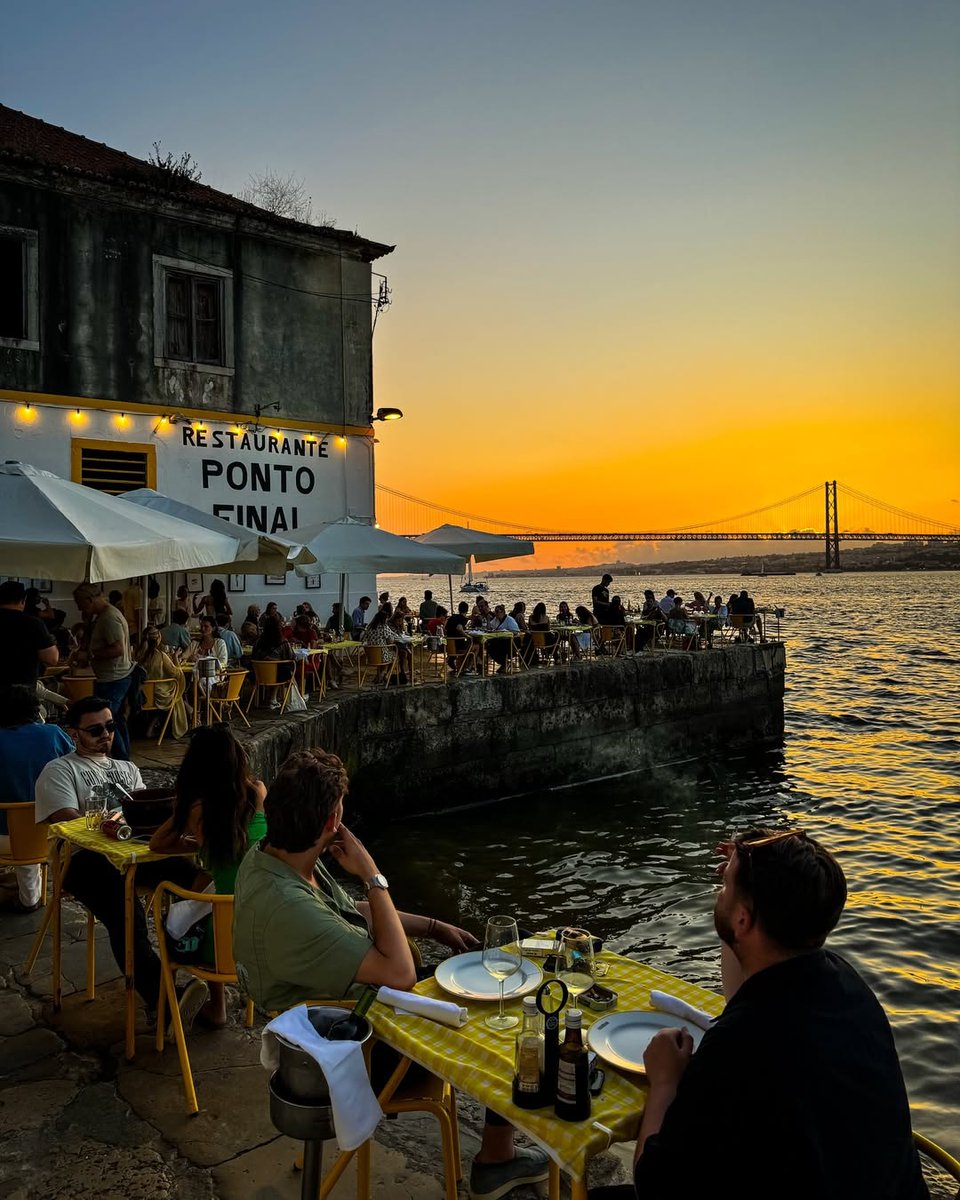
Booking happiness, one flight to Lisbon at a time.
#VisitLisboa
visitlisboa.com
📍 Cais do Ginjal
📷 @aimtotravel_
English
David Small retweetledi
In 1945, General George S Patton, upon the liberation of the Buchenwald Concentration Camp in Germany, forced 1,000 local citizens to tour the camp to witness firsthand the atrocities that had taken place within.

English
David Small retweetledi
David Small retweetledi

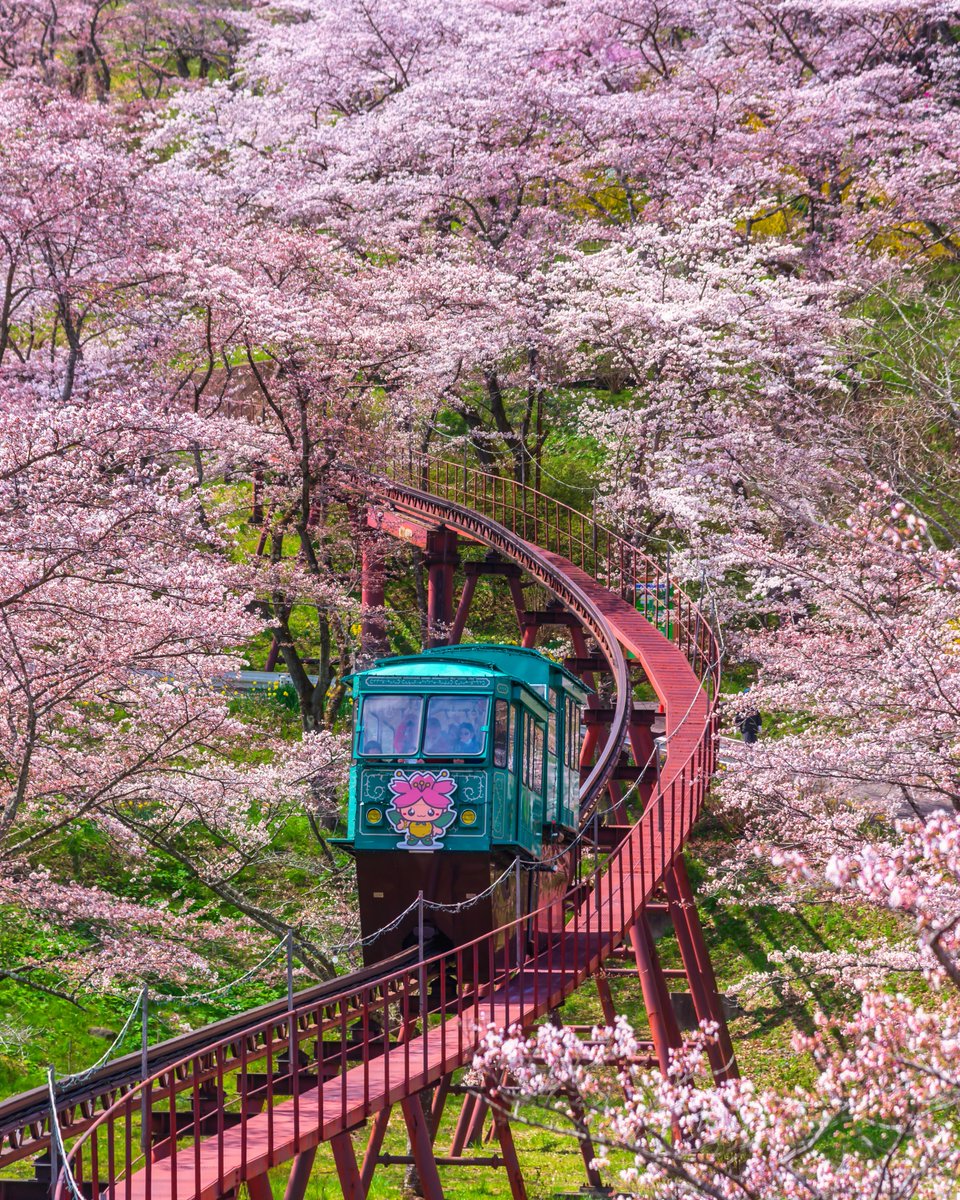
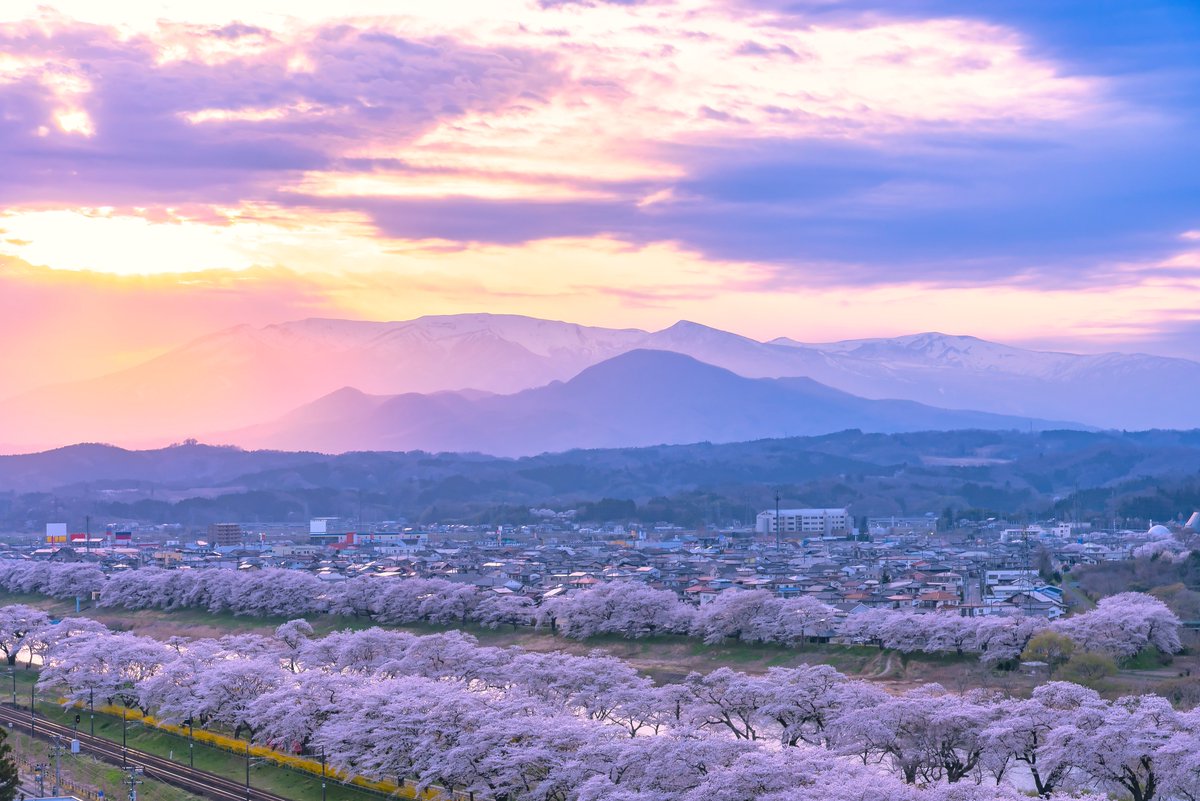
Though Tokyo is already far past peak bloom, the springtime festivities continue up north in Tohoku.
While you'll need to wait a little while longer for the likes of Hirosaki Castle Park, there are options like Hitome Senbonzakura and Funaoka Castle to tide you over.
Located in Miyagi, just to the south of Sendai, this pair of attractions is ranked as one of the top 100 cherry blossom sites in all of Japan.
And, with Mt. Zao in the background, it’s easy to see why these spots rank so high...

English
David Small retweetledi
David Small retweetledi
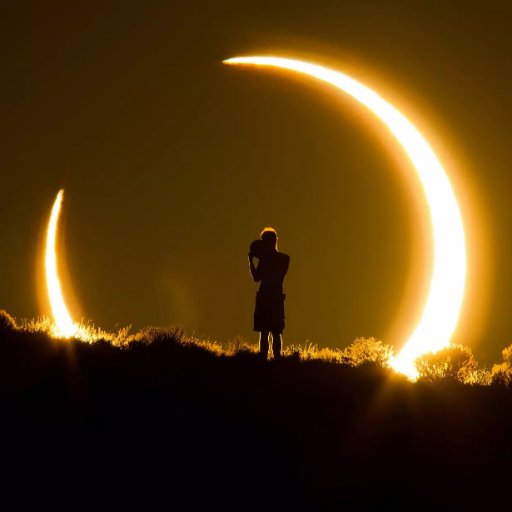
The Green Dragontail Butterfly (Lamproptera meges), found in South and Southeast Asia. 🦋
📽: Kazuo Unno
English
David Small retweetledi

David Small retweetledi
𝗟𝗼𝗰𝗮𝗹 𝘁𝗶𝗽: Take advantage of all the "esplanadas" around Lisbon and soak up the sun. Sitting outside is one of the locals’ favorite pastimes! ☀️
#VisitLisboa
visitlisboa.com
📍 Santos-o-Velho
📷 @juliopereiramusic

English
David Small retweetledi
The largest and sharpest image ever taken of the Andromeda galaxy — otherwise known as M31.
It is the biggest Hubble image ever released and shows over 100 million stars, thousands of star clusters in a section of the galaxy’s disc stretching across over 40 000 light-years.
English
David Small retweetledi
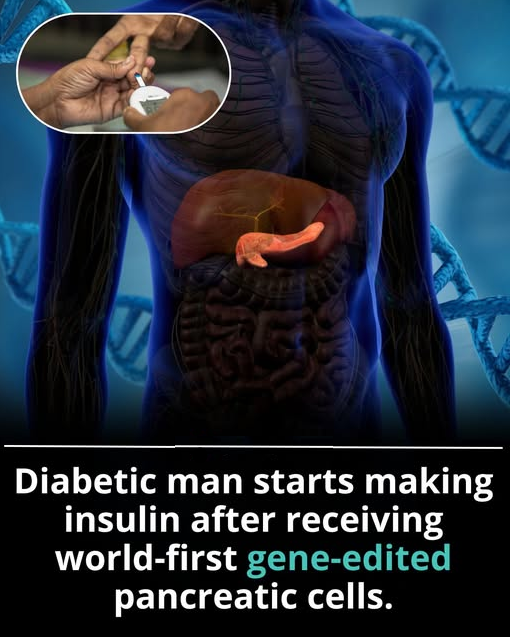
A man with diabetes is making his own insulin after cell transplant.
A 42-year-old man with type 1 diabetes has become the first patient in the world to naturally produce insulin again after receiving gene-edited pancreatic cells.
Using CRISPR-Cas12b technology, scientists reprogrammed donor islet cells to evade immune system attacks that normally destroy transplanted tissue in diabetics. This breakthrough eliminates the need for lifelong immunosuppressive drugs, which often carry severe side effects.
The patient received nearly 80 million of these “hypoimmune” cells, which survived and thrived in his body. Four months later, doctors confirmed the cells were producing insulin by detecting C-peptide spikes after meals.
While still in early trials, this marks a potential revolution in diabetes care, showing that the disease could one day be managed without daily insulin injections. If scaled, it could transform the lives of millions living with type 1 diabetes worldwide.
[Carlsson, Per-Ola, et al. “Survival of Transplanted Allogeneic Beta Cells with No Immunosuppression.” The New England Journal of Medicine, Aug. 4, 2025.]
English
David Small retweetledi
David Small retweetledi
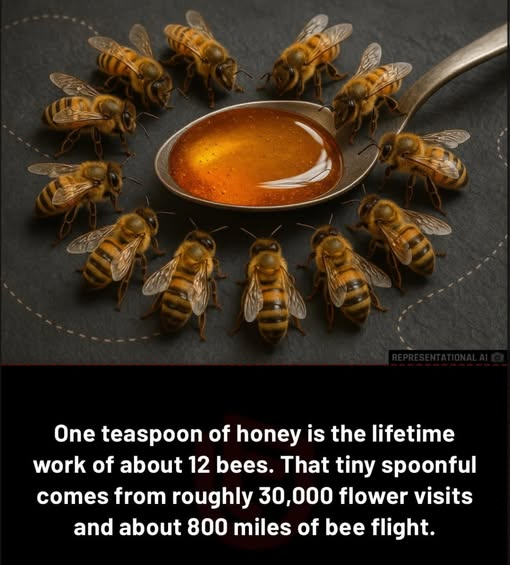
That tiny teaspoon of honey in your tea is more precious than it seems. To make just one teaspoon, 12 honeybees must work together their entire lives, visiting over 30,000 flowers and flying nearly 800 miles—all while carrying nectar drop by drop back to the hive.
Bees are master engineers of nature. They communicate using waggle dances, coordinate massive team foraging missions, and maintain hive temperatures with wing vibrations. But beyond honey, bees play a critical role in the planet—they pollinate 75% of the world’s crops, including fruits, vegetables, and nuts.
English
David Small retweetledi
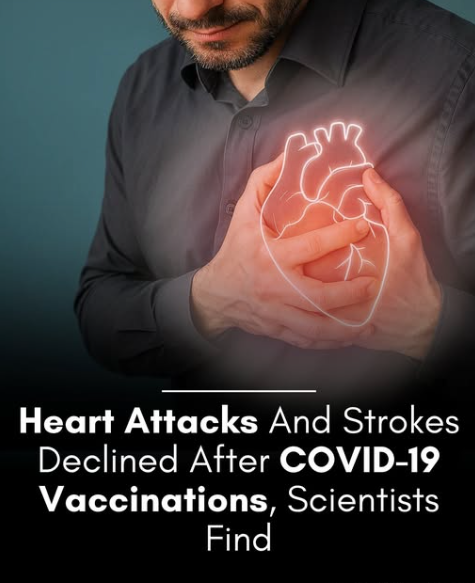
Study shows COVID vaccines decreased heart attacks and strokes.
A sweeping analysis of nearly 46 million adult health records has delivered a clear verdict: COVID-19 vaccination sharply lowers the risk of heart attacks and strokes, directly refuting persistent claims to the contrary.
Published in Nature Communications, the study followed people across England from December 2020 through January 2022. It documented a 10% drop in serious arterial blood clots (including heart attacks and strokes) after the first dose alone. Protection strengthened further with subsequent doses: a 20% reduction among those fully vaccinated with Pfizer/BioNTech and a striking 27% reduction for AstraZeneca recipients.
The researchers were upfront about rare side effects—myocarditis and certain clotting disorders—that can occur shortly after vaccination, but stressed these remain exceptionally uncommon.
By comparison, catching COVID-19 itself dramatically raised the odds of major cardiovascular events.
Lead co-author Dr. Samantha Ip described the results as some of the strongest evidence yet that the vaccines do more than prevent severe infection: they also confer lasting protection against two of the world’s leading killers.
[Ip, S., North, TL., Torabi, F. et al. Cohort study of cardiovascular safety of different COVID-19 vaccination doses among 46 million adults in England. Nat Commun 15, 6085 (2024). doi. org /10.1038/s41467-024-49634-x]
English
David Small retweetledi
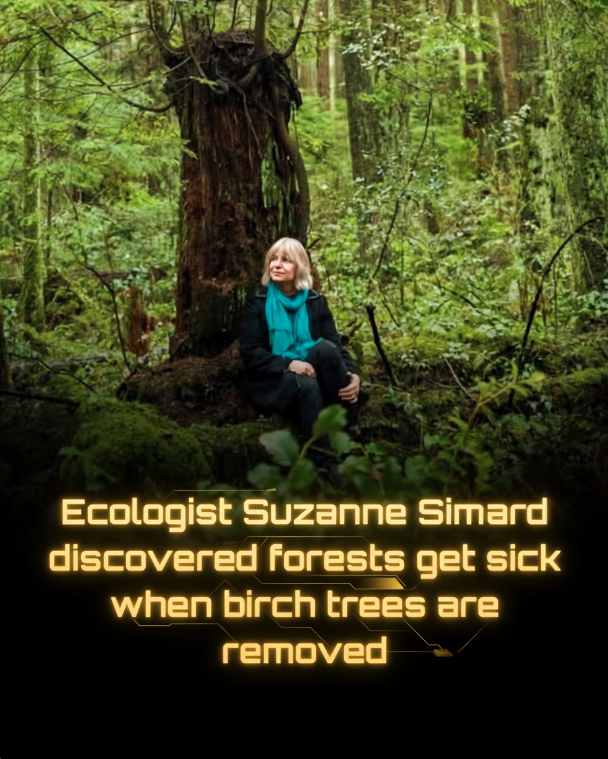
In the 1990s, Canadian ecologist Suzanne Simard made a groundbreaking discovery that challenged everything we thought we knew about how forests work. While studying managed forests in British Columbia, she noticed something puzzling: when birch trees were removed to promote the growth of valuable Douglas firs, the firs did not flourish as expected — they actually struggled and grew more slowly.
Determined to understand why, Simard traced the movement of nutrients using radioactive carbon isotopes. What she found was astonishing. Trees were actively sharing resources through vast underground fungal networks known as mycorrhizae. These delicate, thread-like fungi connect the roots of different trees across the forest floor, forming a complex web that allows the exchange of carbon, water, nutrients, and even chemical signals — sometimes between entirely different species.
She discovered that older, larger trees often serve as central "hubs" or "mother trees," supporting younger saplings by redistributing vital resources and helping the entire ecosystem remain resilient. When these key trees are removed, the underground network weakens, and the health of the remaining forest declines.
Simard’s research overturned the traditional Darwinian view of forests as battlegrounds of ruthless competition. Instead, she revealed a far more sophisticated reality: forests operate as highly cooperative systems where trees communicate, support one another, and even warn neighboring trees about threats like drought, disease, or insect attacks.
What appears to the human eye as a silent, still forest is, in truth, a vibrant, interconnected living network — built not on isolation and rivalry, but on deep connection and mutual aid.
English
David Small retweetledi