DrFoobo

589 posts

DrFoobo

DrFoobo

@drfoobo

Always looking to cook.

Katılım Ekim 2016
1.2K Takip Edilen46 Takipçiler
DrFoobo retweetledi
John
John@market_sleuth·
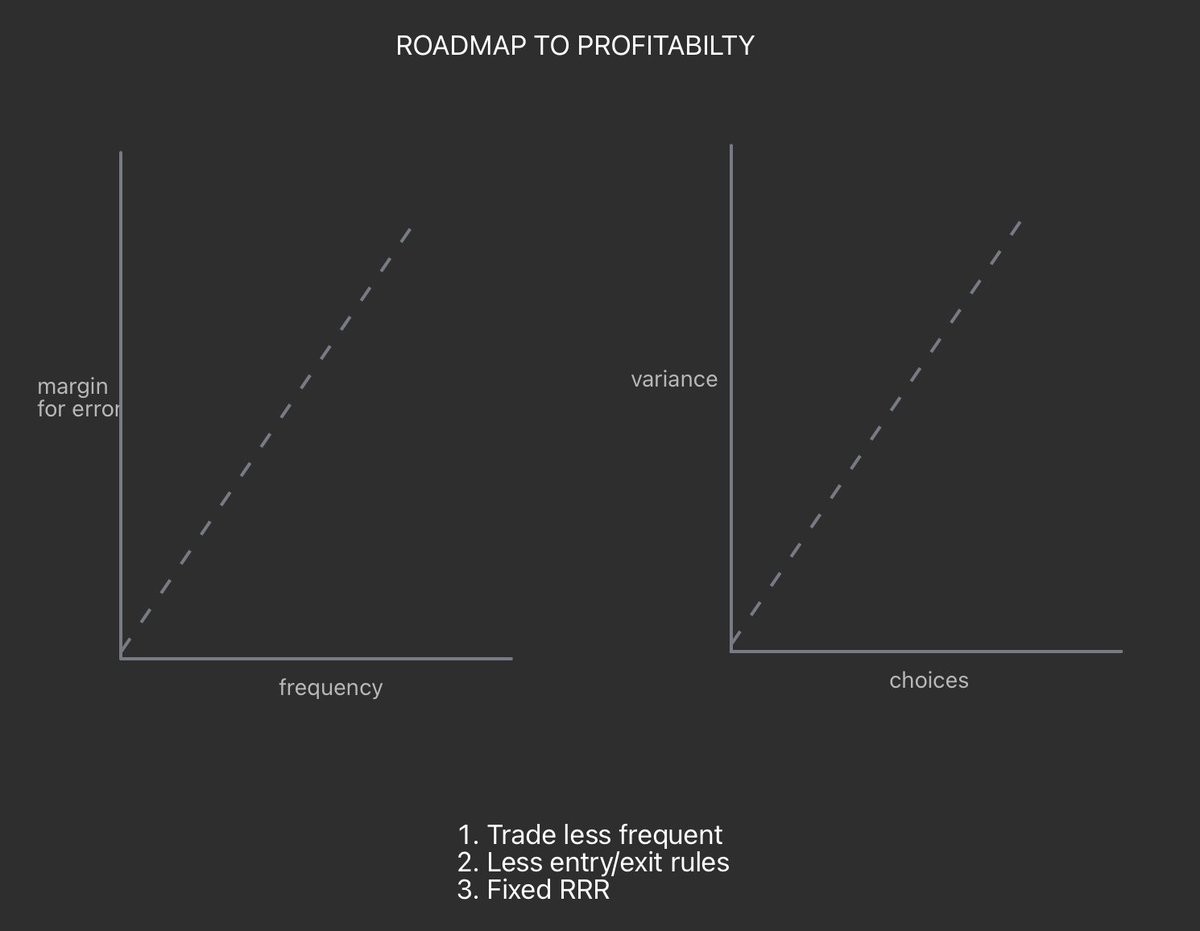
Yesterday I told a struggling trader who had nearly blown out his account late last week (80% drawdown) that the only way to avoid this is to trade just a few times a month (or less). In 2025 I went 4-5 weeks with zero trades. Hence, I’m going to share an article below by Austin Palmer, he says it all perfectly: “Most retail traders believe they need more—more trades, more setups, more indicators, more signals. But in reality, the traders who survive (and thrive) do the opposite. They trade less frequently, reduce the number of decisions, and lock in a fixed risk-to-reward ratio that keeps their edge stable. Here’s why simplifying your trading increases your chances of long-term profitability. 1. Trading Less Reduces Mistakes Every trade is a decision. Every decision carries emotional and cognitive load. The more trades you take: the more tired your brain becomes the more emotional impulses creep in the more likely you are to overreact to noise the more commissions/spreads you pay the more small errors compound into big losses By reducing trading frequency, you automatically reduce the number of opportunities for mistakes. Fewer trades → Higher quality → More consistency. Elite traders don’t take every “okay” trade. They wait for the A+ setups that align perfectly with their plan. 2. Fewer Choices = Lower Variance in Outcomes When you have too many signals, too many strategies, or too many timeframes, your decision-making becomes inconsistent. Choice overload raises the variance in outcomes—you might catch a big win today and then give it all back tomorrow on impulsive trades. Reducing choices tightens your performance curve. When you: trade one setup type focus on one pair or market use one timeframe follow one clear trigger Your results stabilize. The randomness disappears, and your edge becomes measurable. A stable edge is a profitable edge. 3. A Fixed RRR Protects You From Yourself: Most traders blow accounts not because of strategy, but because of inconsistent risk-to-reward ratios. Sometimes they take 1:3, sometimes they settle for 1:1, sometimes they hold for 1:6 and give it back. This inconsistency destroys expectancy. A fixed RRR: forces discipline keeps losses small standardizes wins makes your edge mathematically trackable creates predictable long-term performance Your job is NOT to predict the market. Your job is to control the asymmetry between risk and reward. A consistent 1:2 or 1:3 turns even a 40%-win rate into profitability.” Palmer nailed it. So, ask yourself this question. If you only took 10-12 trades in the entire YEAR but your ARR was 20-30% would that satisfy you? Think of the time savings, less stress, higher compounding over time and less tax headache with wash rules etc.
John tweet media
English
5
42
291
21.4K
DrFoobo retweetledi
Brivael Le Pogam
Brivael Le Pogam@brivael·
Elon Musk avait dit un truc qui m'avait marqué sur l'allocation de ressources. En substance : passé un certain niveau de richesse, l'argent n'est plus de la consommation, c'est de l'allocation de capital. Cette phrase change tout. L'économie, dans le fond, c'est juste un problème d'allocation. Tu as des ressources finies et des usages infinis. Qui décide où va quoi ? Imagine une cour de récré. 100 enfants, des paquets de cartes Pokémon distribués au hasard. Tu laisses faire. Très vite, un ordre émerge. Les bons joueurs accumulent les cartes rares, les collectionneurs trient, les négociateurs trouvent des deals. Personne n'a planifié. Et pourtant chaque carte finit dans les mains de celui qui en tire le plus de valeur. Le système maximise le bonheur total de la cour. C'est ça, la main invisible. Maintenant fais entrer la maîtresse. Elle trouve ça injuste. Léo a 50 cartes, Tom en a 3. Elle confisque, redistribue, impose l'égalité. Trois effets immédiats. Les bons joueurs arrêtent de jouer, à quoi bon. Les mauvais n'ont plus de raison de progresser, ils auront leur part. Les échanges s'effondrent. La cour est égale, et morte. Elle a maximisé l'égalité, elle a détruit le bonheur. Le problème de la maîtresse, c'est qu'elle ne peut pas avoir l'information que la cour avait collectivement. C'est le problème du calcul économique de Mises, formulé en 1920. L'URSS a essayé de le résoudre pendant 70 ans avec le Gosplan. Résultat : pénuries, queues, effondrement. Pas parce que les Soviétiques étaient bêtes, parce que le problème est mathématiquement insoluble en mode centralisé. Quand Musk a 200 milliards, il ne les consomme pas, il les alloue. SpaceX, Starlink, Neuralink, xAI. Chaque dollar est un pari sur le futur. Et lui a un track record. PayPal, Tesla, SpaceX. Il a démontré qu'il sait identifier des problèmes immenses et y allouer des ressources avec un rendement spectaculaire. L'État aussi a un track record. Hôpitaux qui s'effondrent, éducation qui décline, dette qui explose, services publics qui se dégradent malgré des budgets en hausse constante. Le marché identifie les bons allocateurs, la politique identifie les bons communicants. Le profit n'est pas une finalité, c'est un signal. Il dit : tu as alloué des ressources rares vers un usage que les gens valorisent suffisamment pour payer. Plus le profit est gros, plus la création de valeur est grande. Quand Starlink est rentable, ça veut dire que des millions de gens dans des zones rurales ont enfin internet. Quand un ministère est en déficit, ça veut dire qu'il consomme plus qu'il ne produit. L'un crée, l'autre détruit, et on appelle ça redistribution. Dans nos sociétés il y a deux catégories d'acteurs. Les entrepreneurs et les bureaucrates. L'entrepreneur prend un risque personnel pour identifier un problème, mobiliser des ressources, créer une solution. S'il se trompe il perd. S'il a raison, ses clients gagnent, ses employés gagnent, ses fournisseurs gagnent, l'État collecte des impôts. Il est la cellule de base du progrès humain. Le bureaucrate ne prend aucun risque personnel. Son salaire est garanti. Au mieux il maintient une rente existante. Au pire il la détruit par excès de réglementation, mauvaise allocation forcée, incitations perverses qui découragent ceux qui produisent. Mais dans aucun cas il ne crée. Regarde les 50 dernières années. iPhone, internet civil, SpaceX, Tesla, Google, Amazon, Stripe, mRNA, ChatGPT. Toutes des inventions privées, portées par des entrepreneurs, financées par du capital risque. Pas un seul ministère n'a inventé quoi que ce soit qui ait changé ta vie au quotidien. La France est devenue le laboratoire mondial de la dérive bureaucratique. 57% du PIB en dépenses publiques, record absolu. Une administration tentaculaire, une fiscalité qui pénalise la création de richesse. Résultat : décrochage face aux États-Unis, à l'Allemagne, à la Suisse. Fuite des cerveaux. Désindustrialisation. Dette qui explose. Et le pire c'est que la mauvaise allocation s'auto-renforce. Plus l'État prélève, moins les entrepreneurs créent. Moins ils créent, moins il y a de base fiscale. Plus l'État s'endette et taxe. Boucle de rétroaction négative parfaite. La maîtresse pense qu'elle aide, et chaque année la cour produit moins. Dans nos sociétés, ce sont les entrepreneurs, toujours, qui font avancer la civilisation. Les bureaucrates au mieux maintiennent une rente, au pire la détruisent. Aucune société n'a jamais progressé en taxant ses créateurs pour subventionner ses gestionnaires. La question n'est jamais qui a combien. C'est qui alloue le mieux la prochaine unité de ressource pour maximiser le futur de l'humanité. La réponse depuis 200 ans n'a jamais changé. Ce ne sont pas les fonctionnaires.
Français
3.3K
16.5K
61.9K
81.6M
DrFoobo retweetledi
鮫升コモリ🩺@好きすぎて滅!聞いてね
▼✦新人Vtuber_Début✦▼ 【鮫升コモリ-MizuchimaKomori-】 -----...✉️🖋️ ₎₎ 海中まで潜って来てくれた「キミ」の為に 僕は歌うよ。 ----- #Vtuber準備中🩺
日本語
453
9.3K
43.1K
10.2M
DrFoobo retweetledi
John
John@market_sleuth·
There’s lots of critics about declining volume being “meaningless” but that’s not what the data shows. In 2025 volume began dropping in early Feb with the lowest volume prints occurring on Feb 18 & 19. The market topped on the 19th before taking a near 20% dip that ended on April 7. Think of volume as the “fuel” behind the move. If declining volume is coupled with RSI divergence (like currently) that’s a key nuance. It is more bearish near resistance or after a big run-up. For example: A stock is already up 20–30% approaching prior highs & volume is shrinking each day. That often warns of exhaustion. On the other hand, if volume falls simply because the stock is drifting higher in a calm market, it may just mean there are very few sellers, which can still be constructive short term. What to watch next. The key is what happens on the first red day after a multi-day low volume drift higher: A high-volume selloff after a low-volume rally = strongly bearish. A continued rise with a renewed volume spike = bullish confirmation. A good indicator to pair with this is OBV (On-Balance Volume) or simply compare to the 20-day average volume. In short, low volume BY ITSELF isn’t a good predictor of anything but … if there are momentum & breath divergences occurring WITH declining volume that’s usually an omen. & that’s what is currently happening with $SPY.
John tweet media
English
20
68
528
68.4K
DrFoobo retweetledi
Javier Blas
Javier Blas@JavierBlas·
You know Asia is truly short of crude oil when Japanese television covers the arrival of a single oil tanker from America as a major news story
English
475
6.6K
48.6K
2.6M
DrFoobo retweetledi
JH
JH@CRUDEOIL231·
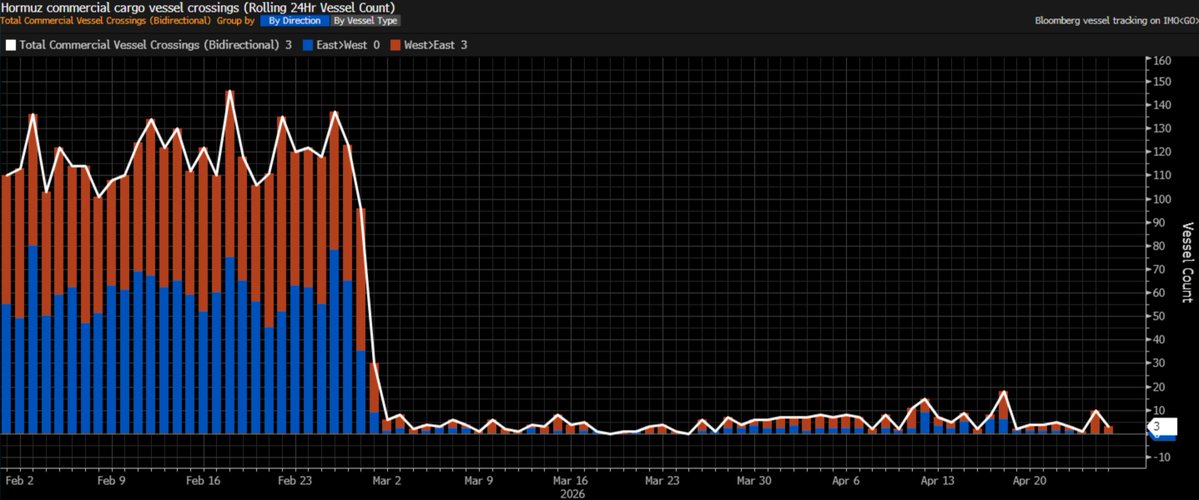
Check any source you want—there’s no tankers heading into the SoH. We’re looking at over 10mb/d crude still offline. This cumulative loss is gonna start redlining the whole system pretty soon. The massive global onshore inventory draw has already kicked off. #oott #iran
JH tweet media
English
41
222
1.5K
88.5K
DrFoobo retweetledi
SnoozingObake💭👻✨
SnoozingObake💭👻✨@SnoozingObake·
Nimi laughing at Haru jogging by chanting "Crunchwrap Supreme!" This game is a treasure
English
9
689
6.5K
279.7K
DrFoobo retweetledi
🌸はなみ
🌸はなみ@sakanananami·
Everyone! 🍎⭐ Apple Marisa has launched on AliExpress! Same price, make sure to buy from the Mysterious Sea Store to support the original! First batch only 100 pieces. Plz help share this! Link: aliexpress.com/item/100501214… Steals hearts and books… now steals your heart too, daze☆
🌸はなみ tweet media
English
12
22
216
4.5K
DrFoobo retweetledi
Khyle.
Khyle.@khyleri·
GIF
ZXX
368
22.1K
253.7K
2.7M
DrFoobo retweetledi
Qasem Al-Ali
Qasem Al-Ali@AlaliQasem·
Oil just dropped 11% because the Strait of Hormuz is “open.” Let me show you why the market is making one of the biggest mistakes of 2026
English
126
739
4.2K
1M
DrFoobo retweetledi
JH
JH@CRUDEOIL231·
Let’s break this down. - Hormuz reopening was part of a two-week ceasefire deal, contingent on the cessation of hostilities in Lebanon. - Following the Lebanon deal, Iran reciprocated by announcing the reopening of the SoH. - This is only valid for the ceasefire period unless an extension is mutually agreed upon. This will keep shipowners hesitant. Since most have already redeployed to the Atlantic, the availability of ballast tankers in the Middle East is severely limited. - The Strait remains under Iranian control; only vessels cleared by the IRGC and Iranian authorities can transit through designated lanes. - The US maritime blockade on Iran continues. Now, looking at the recent leaks and Trump’s posts: - $20B payout to Iran. The US won't pay directly; it’ll likely come from frozen assets in Qatar and Iraq’s debts to Iran. Ironically this is exactly what Trump used to criticize :) - Full reopening of Hormuz (though Iran has yet to confirm this). - Ban on Israeli strikes in Lebanon. - Unfettered nuclear program. - No mention of missile programs or proxies. What is this? Is he just a bad version of Barack Obama? It was Trump himself who endlessly slammed sunset clauses and financial aid to Iran. Whether it’s a direct payment from the US or funneled through a third party, it’s still financial support at the end of the day. Is a permanent deal even remotely possible? How will the GCC and Israel react? Can they really just sit back and let Iran become the dominant power shaping the regional paradigm? It feels like I’m left with more questions than answers. #oott #iran
English
68
106
845
84.6K
DrFoobo retweetledi
Wall Street NYC Quant. bitcoin-fund-manager.com
The strait of Hormuz will not open. The war in Iran will not end. It was started to force the US petrodollar dominance. It was started to force Korea Japan and China to buy American oil. And America must extort money from the richest Asian nations because America no longer has an industrial moat. America no longer has a revenue generating industry. Without resorting to extortion, America will die. Why else do you think America is talking about taking over Greenland and already took over Venezuela. There's nothing else left for the USA to sell the world. Here's everything you need to know
English
123
703
4.6K
397.5K
DrFoobo retweetledi
JH
JH@CRUDEOIL231·
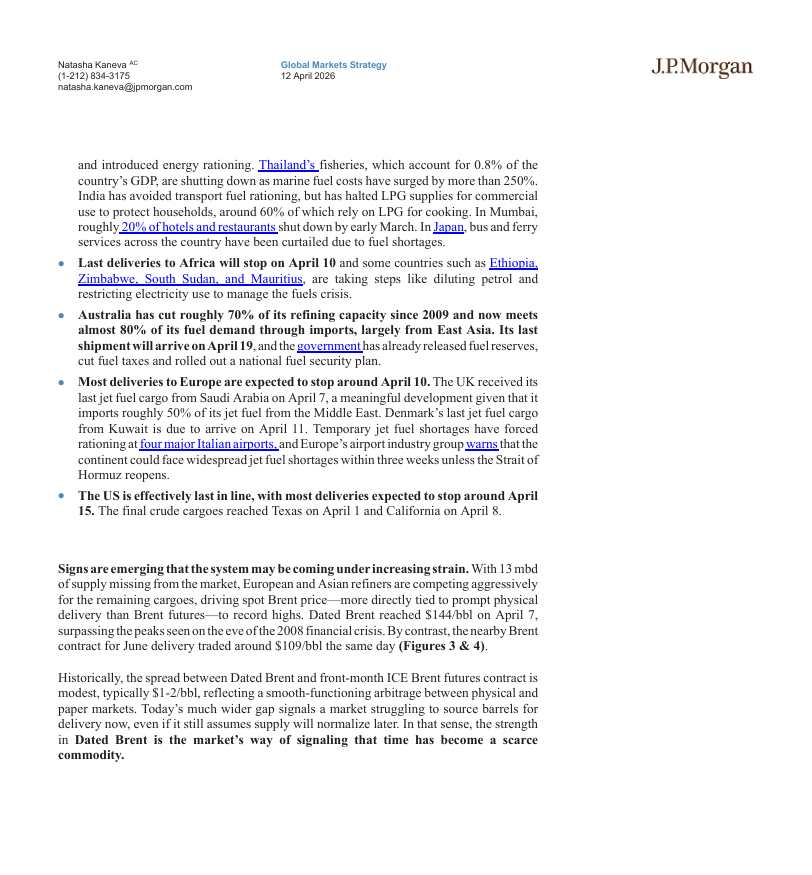
JPM on oil #oott #iran
JH tweet mediaJH tweet media
Français
15
184
941
92.3K
DrFoobo retweetledi
Izumi Ch.
Izumi Ch.@SuckyEngy1zumi·
Goldship at your door! #UmaMusume #ウマ娘 #ウマ娘プリティーダービー
English
33
1.5K
12.8K
201.1K
DrFoobo retweetledi
Ben Kizemchuk
Ben Kizemchuk@BenKizemchuk·
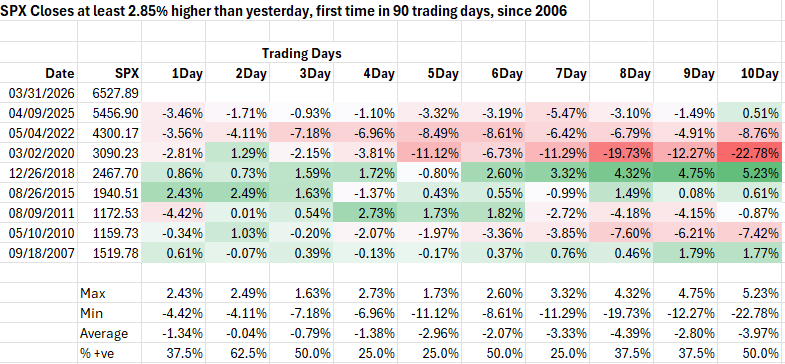
SPX rallied 2.9% today. This marks the first time in 90 trading days that SPX finished at least 2.85% above the prior close. Historically, these outsized upside shocks have tended to precede higher volatility rather than sustained momentum. Looking back to 2006, similar occurrences have generally been followed by choppier price action and weaker risk‑adjusted returns over the subsequent one to two weeks. What stands out in the data: 1) Near term returns skew negative. Average performance is negative across every horizon from 1 to 10 days, indicating poor follow through after the initial surge. 2) Weakness tends to deepen with time. Drawdowns are modest early but deteriorate meaningfully after Day 4, with the Days 6-8 window showing the worst combination of win rate and average return. 3) Volatility increases with a lag. The largest downside outcomes do not occur immediately; historical worst‑cases widen from single digit declines early on to roughly ‑20% or more within two weeks. 4) Upside tails are narrow. Strong positive follow through beyond one week is rare and largely driven by a single historical episode. 5) Even at horizons where outcomes are positive roughly 50% of the time, average returns remain firmly negative, implying losses have historically outweighed gains. Bottom line: Large upside shock days have tended to mark inflection points within downtrends rather than new trend accelerations. Price action becomes choppier and risk skews to the downside. History argues for expecting higher volatility and poorer risk-adjusted returns, not a smooth continuation higher.
Ben Kizemchuk tweet media
English
55
193
1.2K
301.4K
DrFoobo retweetledi
Lunix
Lunix@SolLunix·
My brain after i broke my trading rules again
English
153
967
5.4K
222K