
Aien The Duchess 👸 retweetledi
Aien The Duchess 👸
29.3K posts


Aien The Duchess 👸
@dutchezaien
NOT YOUR AVERAGE JANE 👠 Ada #myannoyingcollection sini 💜Purple blood💜 Cat & sugar lover❤️ PG dealer✨️Mak Han✨️ #theduchesssells #bytheduchess
Malaysia Katılım Haziran 2014
448 Takip Edilen1.4K Takipçiler

Aien The Duchess 👸 retweetledi


Aien The Duchess 👸 retweetledi

Aien The Duchess 👸 retweetledi

Every symptom you've ever been given a pill for was a message.
You were given a prescription instead of an answer.
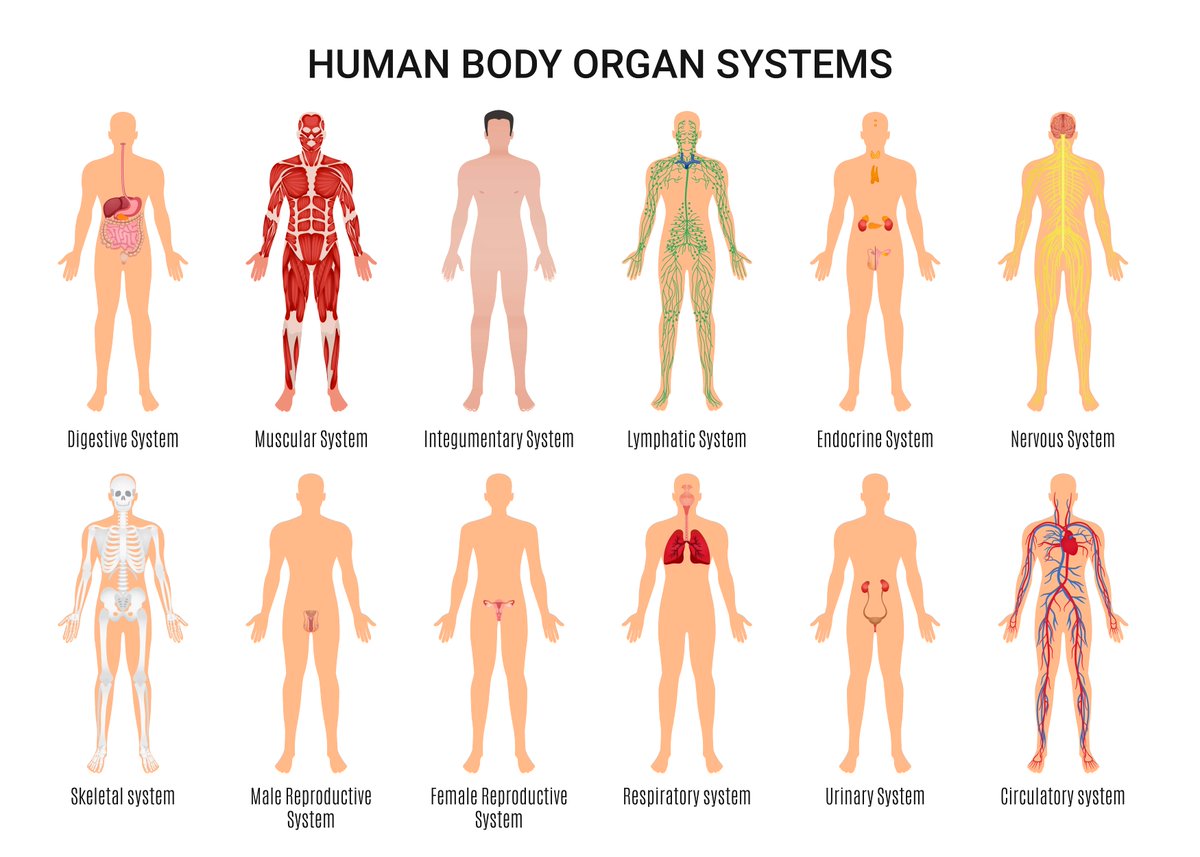
Here's what the key regulatory systems are actually asking for—and the right response to each:
1) IMMUNE SYSTEM
Your immune system operates like a military with multiple divisions. When functioning properly, it responds proportionally to danger.
Minor cuts get localised attention, serious infections trigger full mobilisation.
Let's take inflammation directing blood flow to a damaged area, or a fever breaking down pathogen proteins.
Silencing this response without addressing the underlying threat is like disconnecting your car's warning lights instead of checking the engine.
Instead, address the cause and encourage your body to do its job.
The goal isn't suppression—when the immune system's firing its for a reason.
2) DIGESTIVE SYSTEM
The most common cause of gut issues is an imbalance of gut microbes and a damaged gut lining.
"Gut dysbiosis" describes pathogenic bacteria dominating the gut ecosystem.
"Leaky gut" often isn't a separate condition—it's an inevitable consequence of microbial warfare in your digestive tract.
Whilst each case is unique, most people make things worse.
They see constipation and think "let's encourage things to get moving."
Bloating is patched up with measures to reduce gas.
Acid reflux is swiftly followed by acid blockers.
One big game of whack-a-mole, bashing symptoms down at face value. Instead of looking one layer deeper at 'why' this is taking place.
Like tending to a garden, you need to create conditions for the gut to thrive rather than blindly pushing buttons.
Clear out the pathogens, encourage your bacteria to thrive before introducing more, consume more variety instead of increasing restriction.
Above all else: Carry intention
Acid reflux, for example, is usually caused by low stomach acid, not high stomach acid. Following an acid-blocking approach only makes the issue worse. Easily prevented if someone were to connect the dots.
A touch of patience is the final key. This garden can't be overhauled overnight.
3) DETOXIFICATION SYSTEMS
Your liver operates three detoxification phases continuously:
> Phase I breaks toxins into intermediates
> Phase II makes them water-soluble
> Phase III eliminates through urine, stool, sweat
These pathways become overwhelmed not because they're broken—but because they're processing more than they evolved to handle.
Environmental chemicals, pharmaceutical residues, processed food additives, and chronic stress creating a backlog that manifests as fatigue, brain fog, and chemical sensitivities.
The irony of most detox protocols? They stress already overworked systems further.
Harsh supplements and aggressive cleansing that demands energy from pathways already operating beyond capacity.
Your detox systems need support, not additional burden.
Reduce incoming toxin exposure, promote the liver to function how it should be, support evacuation of waste (hydrate, support regular stool, sauna).
Only execute deeper detox when the system is prepared.
4) AUTONOMIC NERVOUS SYSTEM
Your chronic anxiety isn't a mental disorder, it's your nervous system correctly identifying persistent threats and protecting you.
The problem isn't the symptom—the anxiety itself doesn't need suppressing.
It's the unrelenting triggers keeping you stuck in survival mode.
The autonomic nervous system has two branches:
1) sympathetic nervous system, SNS (fight-or-flight)
2) parasympathetic nervous system, PNS (rest-and-digest).
SNS = high heart rate, high breathing rate
PNS = low heart rate, low breathing rate
HRV = your ability to switch between the two states (how effectively you up- and down-regulate i.e. how variable your heart rate is)
So what are we looking for here?
- Manage your exposure to stressful stimulus
- Train yourself to tolerate stress better/perceive it less
- Expose yourself to more positive stress (Eustress)
- Deep relaxation: Epsom salt bath or a screen-free evening
The key here is to be ON or OFF, no in-between.
5) ENDOCRINE SYSTEM
Adrenal fatigue often isn't exhausted glands, it's disrupted brain-adrenal communication.
Chronic stress dysregulates cortisol rhythms, creating either excessive production in the adrenals (anxiety, insomnia) or insufficient output (fatigue, depression).
The adrenals are responding normally to abnormal signals.
Meaning they don't always need encouraging to work harder, it's you that needs to slow down and re-calibrate.
When the adrenals do need some assistance, a good line of action is potassium + vitamin C.
Similarly, thyroid dysfunction often reflects upstream issues rather than glandular failure.
Stress, nutrient deficiencies, and toxin exposure disrupting hormone production and conversion.
There's a common theme here: Your body wants to heal.
It's designed to self-regulate, self-repair, and maintain balance.
And more often than not these systems aren't "broken".
They are sending you all the right signals, you just need to listen to them better.
A general rule of thumb: No system in the body requires constant external influence in order to function
If you find yourself blindly pulling strings:
Read my pinned post where I outline a step-by-step framework to re-engineer your health.
English
Aien The Duchess 👸 retweetledi

The sight of ducks walking on Hydrangea petals 🦆
Hydrangea season in Japan
English
Aien The Duchess 👸 retweetledi


Aien The Duchess 👸 retweetledi


Aien The Duchess 👸 retweetledi


Aien The Duchess 👸 retweetledi

Aien The Duchess 👸 retweetledi

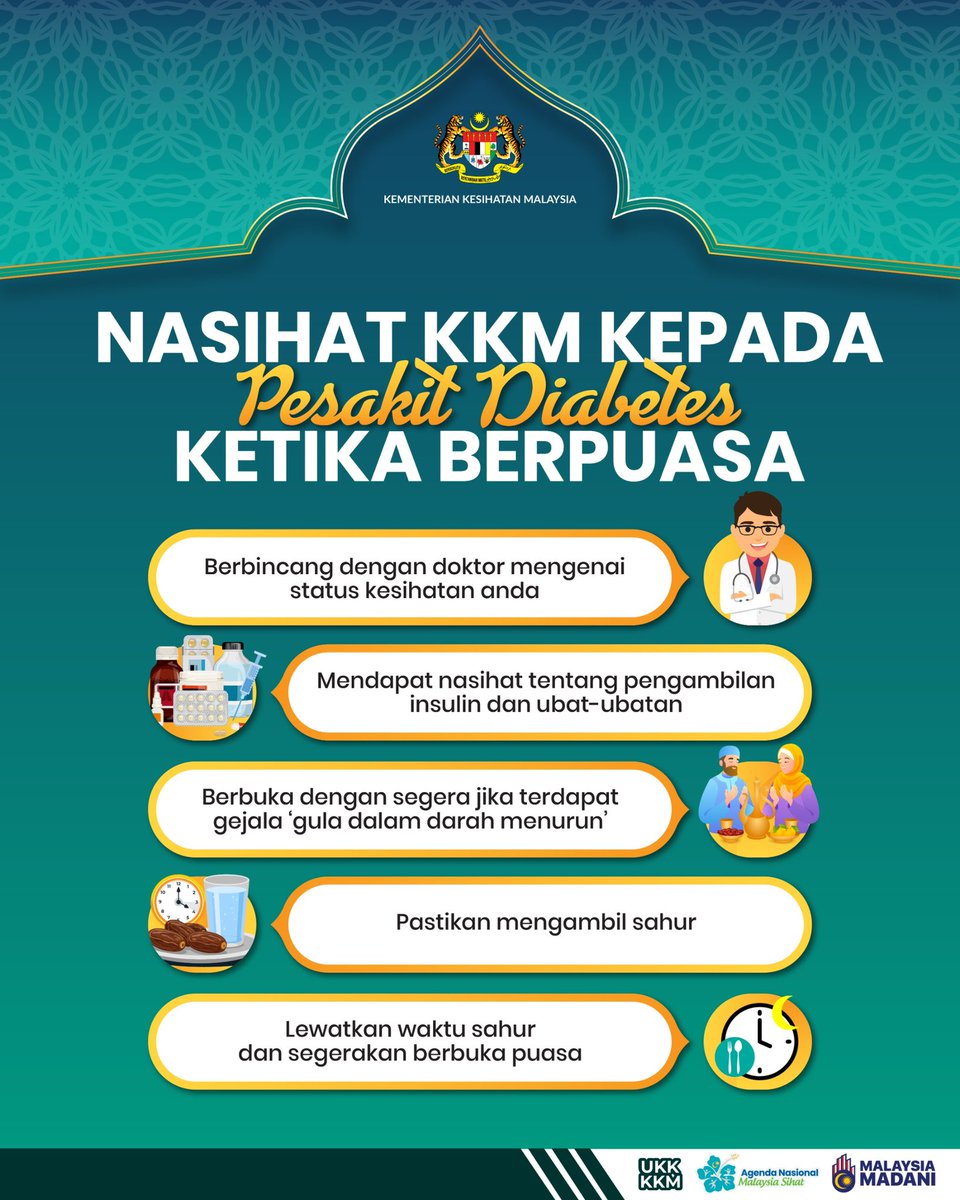
Ketika berpuasa, pesakit Diabetes sering kali menghadapi "hipo" atau keadaan dimana pesakit akan berasa menggigil dan sejuk menandakan berlakunya penurunan gula dalam darah secara mendadak.
Ikuti panduan seperti yang dikongsikan agar Ramadan kali ini dapat dijalani dengan lebih sempurna. Sila dapatkan nasihat doktor mengenai kekerapan pemeriksaan paras gula dalam darah seperti dicadangkan.
#KKMPrihatin #SihatBersama #MalaysiaSihat #MADANIBekerja #RancakkanMADANI
Indonesia
Aien The Duchess 👸 retweetledi


Aien The Duchess 👸 retweetledi

Aien The Duchess 👸 retweetledi

Aien The Duchess 👸 retweetledi


Aien The Duchess 👸 retweetledi

Aien The Duchess 👸 retweetledi

Amalkan doa ini sepanjang bulan Ramadan.
اللَّهُمَّ إنَّك عَفُوٌّ تُحِبُّ الْعَفْوَ فَاعْفُ عَنِّي
Allahumma Innaka 'Afuwwun, Tuhibbul 'Afwa, Fa'fu 'Anni
"Ya Allah, sesungguhnya Engkau Maha Pemaaf dan senang memaafkan, maka maafkanlah kesalahanku."
Indonesia
Aien The Duchess 👸 retweetledi
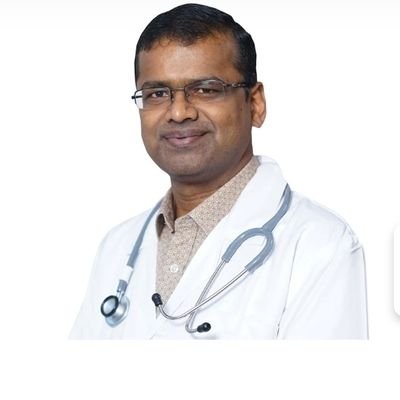
This child is most likely having sleep terrors.
Understanding Sleep Terrors in Children
1. The Midnight Scream
It is 11 PM. Your child suddenly sits up, screams at the top of their lungs, and looks terrified. They are not responding to you, and they seem to be looking right through you. This is likely a Sleep Terror (Night Terror), a common NREM sleep parasomnia in children aged 3–12.
2: How to Spot a Sleep Terror
Unlike a bad dream, a sleep terror happens in deep sleep (Stage N3).
🔸Sudden Arousal: Abrupt sitting up/screaming.
🔸Physical Signs: Fast heart rate, sweating, and dilated pupils.
🔸Unresponsiveness: They won't recognize you or be "consoled."
🔸Amnesia: In the morning, they won't remember a thing!
3. What should parents do?
The most important rule: Don't try to wake them. It can make the child more agitated and prolong the episode.
🔸Stay Calm: They are not in pain; it just looks that way.
🔸Safety First: Gently guide them back to bed if they wander. Clear the floor of toys or sharp edges.
🔸Prioritize Sleep: Overtiredness is the #1 trigger. Stick to a firm bedtime.
4. The "Scheduled Awakening" Trick
If your child has terrors at the same time every night, try waking them 15–30 minutes BEFORE the usual episode for a few nights. This resets the sleep cycle and often stops the terrors entirely. Most kids outgrow this naturally. If episodes are violent or very frequent, consult a specialist.
Dr Sudhir Kumar
@hyderabaddoctor
English
Aien The Duchess 👸 retweetledi

Sesi pembelajaran akan bermula tak lama lagi. Doakan dapur students tak terbakar tahun ni 🥹
Selamat datang ke 30 Hari 30 Resipi tahun kesembilan
Indonesia
Aien The Duchess 👸 retweetledi

Sedia untuk Ramadan? ✨
Jom ulang kaji niat puasa harian dan sebulan. Jangan lupa save poster ni atau kongsikan pada yang lain sebagai saham pahala.

Indonesia
Aien The Duchess 👸 retweetledi
