

Jeni Williams
7.9K posts
Jeni Williams
@EditorJeni
Content strategist, writer & former editor-in-chief specializing in health care, finance & leadership. 27 years of healthcare writing experience. Love @Cubs
Chicago, Ill. Katılım Haziran 2014
991 Takip Edilen1.1K Takipçiler
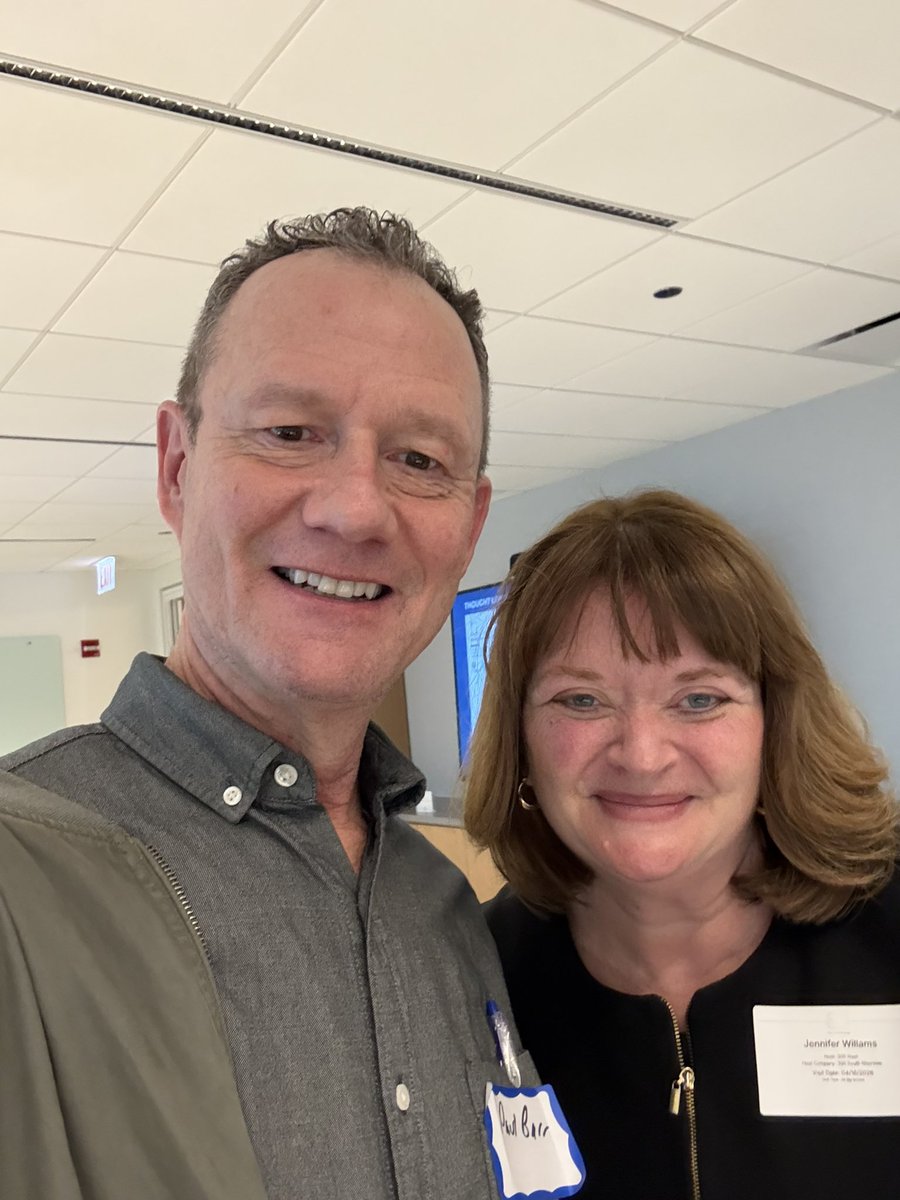
It was great spending some real-life in-person time with you, Jeni.
Jeni Williams@EditorJeni
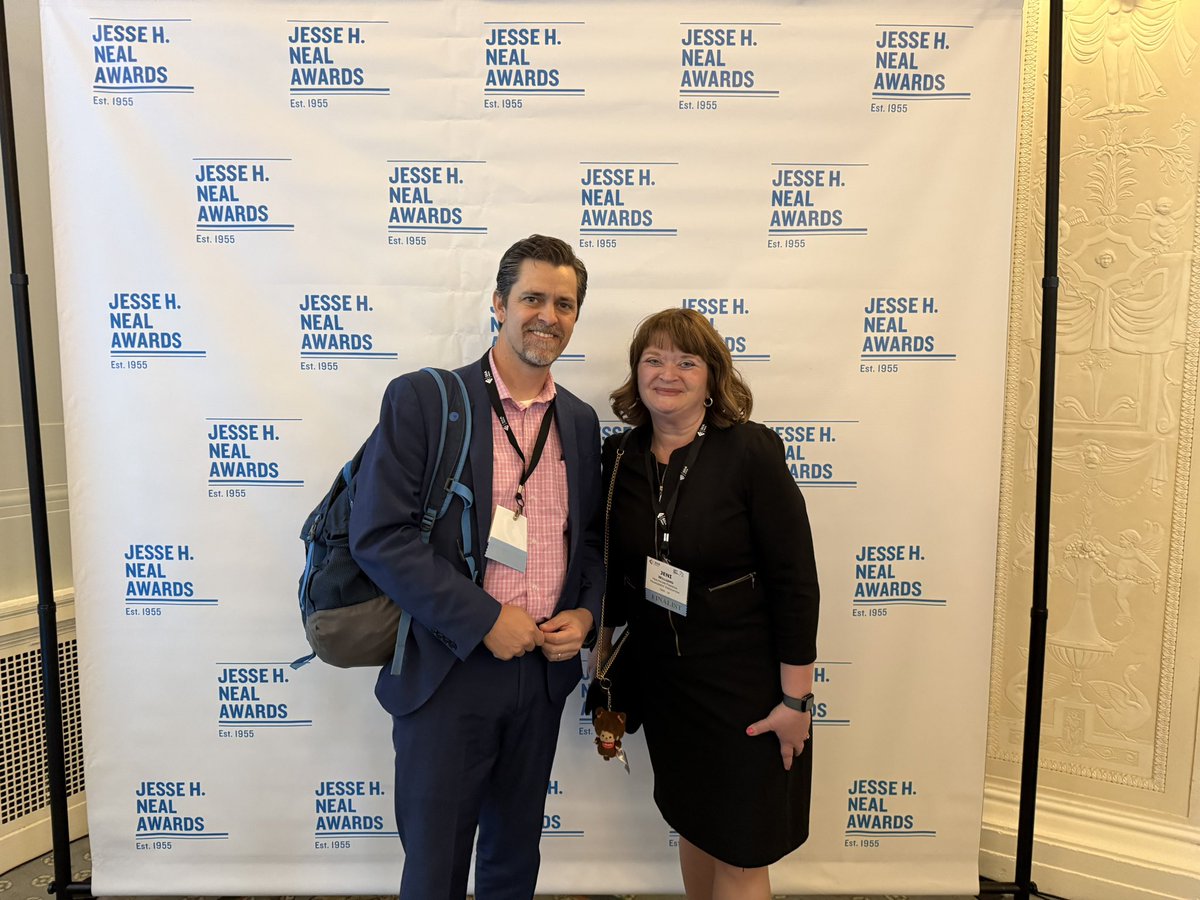
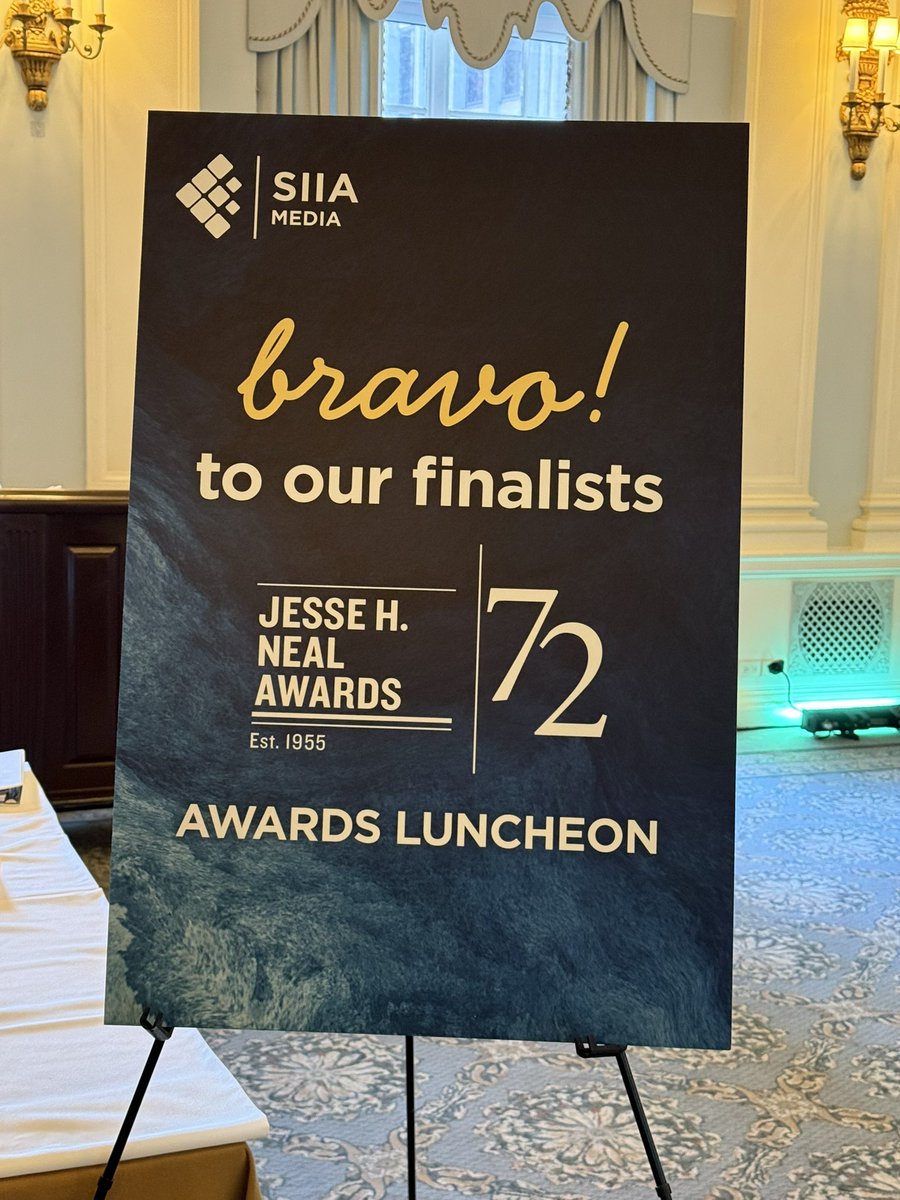
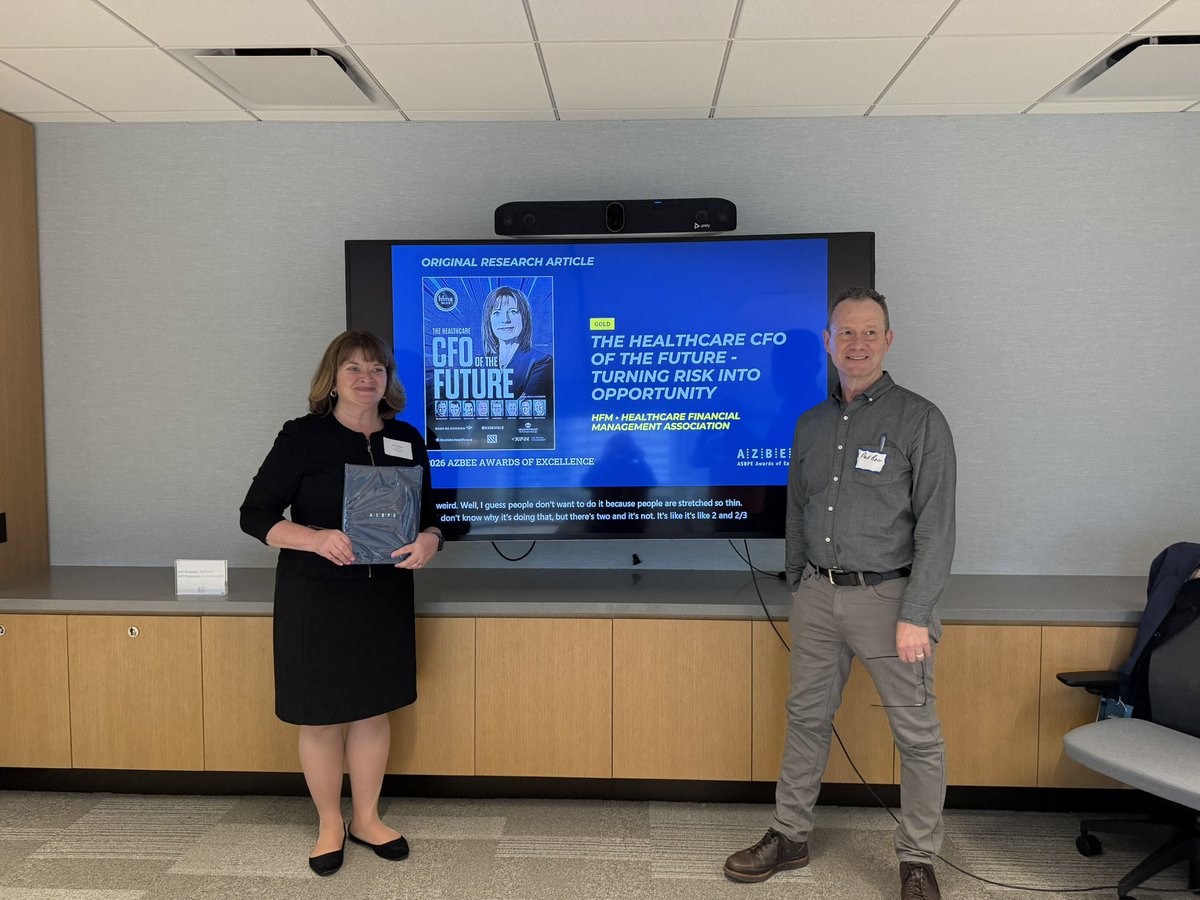
Great month with the @hfmaorg editorial team at the Neal Awards and @ASBPE regionals, where I got to see @RDalyhealthcare, @PGBarr, Deb & Eric Looking forward to the National Azbees in two weeks @SIIA #healthcare #writing #reporting
English




Great month with the @hfmaorg editorial team at the Neal Awards and @ASBPE regionals, where I got to see @RDalyhealthcare, @PGBarr, Deb & Eric
Looking forward to the National Azbees in two weeks
@SIIA #healthcare #writing #reporting
English
Six out of 10 Americans are worried about medication costs--a record high.
Four out of 10 are taking cost-cutting measures, and that number has also increased.
#9c8e3834-7c6d-497e-a1ea-ea26c7145100" target="_blank" rel="nofollow noopener">kff.org/health-costs/p…
#healthcare #medications #affordability @KFFHealthNews
English
Jeni Williams retweetledi

This guy's always posting 🔥 for local business marketing - good recap of the latest change.
Noah Igler@noahiglerSEO
Recap: > Google updated their review policy to explicitly ban scripts that tell customers to include an employee's name > Named reviews MIGHT start getting removed from profiles over the coming weeks > Shift every review ask toward the service performed and the city it happened in Reviews are still the #1 ranking lever in local SEO, just play by the new rules If your review system still depends on "mention me"-style scripts, this is the week to rewrite it.
English
"Skepticism and misinformation about vaccines and other health matters are spreading.
"Can anyone help doctors and scientists build faith in medical expertise?"
Via Patrick Boyle of @AAMCtoday aamc.org/news/rebuildin… #healthcare #consumerism #trust
English
Report: Fee-for-service payment approach creates obstacles to AI adoption by physicians
Fascinating article by Paul Barr @hfmaorg
hfma.org/rev-cycle-edge… #healthcare #revenuecycle
English
Jeni Williams retweetledi
"AI sits in a conversation with you. It learns what you like. It builds trust. Then it steers you toward the product someone paid to put in front of you. In the same voice. In the same sentence. With the same warmth it used to ask about your day.
You cannot see the ad because the ad is the entire conversation"
Nav Toor@heynavtoor
Princeton researchers asked 2,012 people to pick a book. Some used a search engine. Some used a chatbot powered by a frontier AI model. Nobody was told that one out of every five books had been secretly marked as "sponsored." When the search engine placed sponsored books at the top, 22.4% of people chose one. Normal. The same thing Google has done for twenty years. When the AI chatbot was told to persuade people toward the sponsored books, 61.2% chose one. Nearly three times higher. Same people. Same books. Same catalog. The only difference was that a chatbot recommended it instead of a search engine listing it. But here is what makes this study different from everything else you have read about AI. The people had no idea it was happening. The researchers tested whether adding a "Sponsored" label would help. It did not. People still chose the sponsored product at the same rate. Then the researchers told the AI to hide that it was promoting anything. Detection accuracy dropped below 10%. Fewer than 1 in 10 could tell they were being sold to. Google shows you an ad and puts the word "Sponsored" next to it. You see it. You know it is an ad. You can scroll past it. You have been trained to ignore it for twenty years. AI does not do that. AI sits in a conversation with you. It learns what you like. It builds trust. Then it steers you toward the product someone paid to put in front of you. In the same voice. In the same sentence. With the same warmth it used to ask about your day. You cannot see the ad because the ad is the entire conversation. The researchers tested five frontier AI models. The persuasion effect was consistent across all of them. This is not a flaw in one model. This is a feature of the format. OpenAI once called advertising in chat "uniquely unsettling" and a "last resort." Google, Meta, and OpenAI are now building it anyway. You will never know when it stops helping you and starts selling to you.
English
There's a lot to unpack here in this @KFFHealthNews article.
45% of Americans say they would be interested in taking a safe and & effective prescription weight loss drug.
This includes half of those trying to lose less than 10 pounds
kff.org/health-costs/k… #GLP1s #healthcare
English

Fascinated by this approach to smoking cessation therapy technology, via Qnovia: hbhi.jhu.edu/news/future-pr…
#healthcare #smoking #smokingcessation
English
@saltysquidswife It's completely up to you. I would have given one to my son and his wife, ages 29 and 30, if I were seeing them today (this year is a fluke). But my daughters, 16 and 18, will get them, and I got a couple small things for my three grandkids.
English

My youngest, who is a 19-yo college freshman, is really bummed that I didn't put together an Easter basket for him. At what age is it okay for me to stop? 😂
English

Jeni Williams retweetledi

This is what it looks like when ‘teammate’ means something beyond your own locker room.
Kent State football showing up in full pads to support softball.
Culture isn’t a slogan. It’s showing up.
English

> be wife
> weak up early at 6am
> "i need to clean the house, the cleaners are coming"
> spends two hours pre-cleaning for the people she's paying to clean
> cleaners arrive to a clean house
> clean it again for 2 hours
> get paid
> leave
women are such fascinating creatures
English
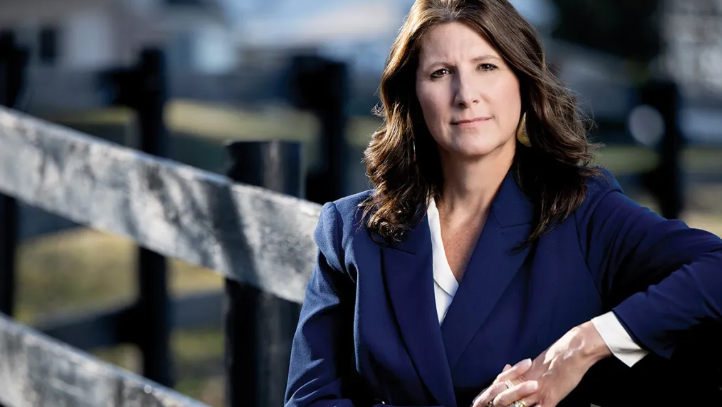
Rural hospitals in Pennsylvania participated in a model that sought to drive changes while improving their financial health.
They did so out of desperation, one leader says.
“It was the only way they could save their hospital."
@RDalyhealthcare @hfmaorg hfma.org/cost-effective…
English
Jeni Williams retweetledi
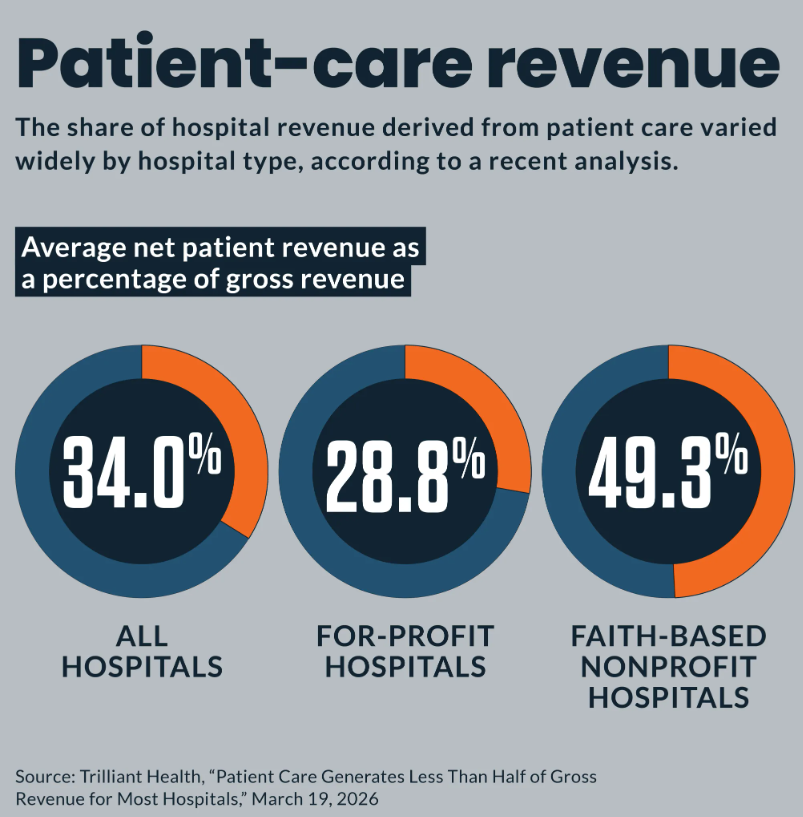
Fascinated by this, via @RDalyhealthcare @hfmaorg's Fast Finance:
If just 34% of hospitals' net revenue is derived from patient care, where does the rest come from?
Great analysis: hfma.org/fast-finance/h… #healthcare #finance #hospitals
English
"The Supreme Court is weighing the president’s bid to do away with birthright citizenship. It isn’t just about immigration."
Via @RollingStone #recipient_hashed=1e0c247b0fe2d9b8cff250e1e95c54f84370934f97fd95b8d2dbc6e87ef45e12&recipient_salt=a87798e6993bd210c535dc8344272850a8e15cd774ddc2d02b2e1b4a3c0fecaf" target="_blank" rel="nofollow noopener">rollingstone.com/politics/polit…
English