A new survey from @seconsumer asked consumers these exact questions — and the answers may surprise you. As load growth accelerates and demand flexibility becomes more valuable, understanding what customers are actually open to is becoming increasingly important.
What are Americans actually willing to do to help manage grid demand?
Would they shift when they use electricity?
Allow utilities to automatically adjust devices?
Change routines if it meant lower costs or improved reliability?
The answer may challenge the latest energy affordability narrative.
Defanging the new bipartisan boogeyman-- check out the article here! 👇
energycentral.substack.com/p/defanging-th…
Some agreed it's a problem. Others pointed to deeper structural cost drivers. And many highlighted the disconnect between perception and impact.
So what happens when you dig into the data, poll results, & community debate? Our Community Manager @ChesterEnergy did just that
Utility CEO pay is quickly becoming the newest bipartisan energy villain.
But when we asked the Energy Central community what they thought, the results — and especially the comments — told a far more nuanced story.
It’s a thoughtful discussion that moves beyond headlines and into the real decisions utilities, regulators, and policymakers are wrestling with right now.
🎧 Listen here: energycentral.com/podcasts/post/…
The takeaway: keeping energy affordable isn’t just about lowering costs today — it’s about balancing competing priorities that shape bills for decades.
DATA CENTERS vs HUMAN CENTERS:
I spoke with @EnergyCentral on @EveryElectricCo's vision for the grid of the future.
"It's not all data centers despite what we might read and hear about"
"a key is activating a lot of those ratepayers that have traditionally been left out of the grid flexibility story."
everyelectric.com
It’s a good reminder that sometimes the biggest reliability gains don’t come from new hardware — they come from making better use of the data utilities already have.
Read all about it from @Esri's Pat Hohl on Energy Central: energycentral.com/intelligent-ut…
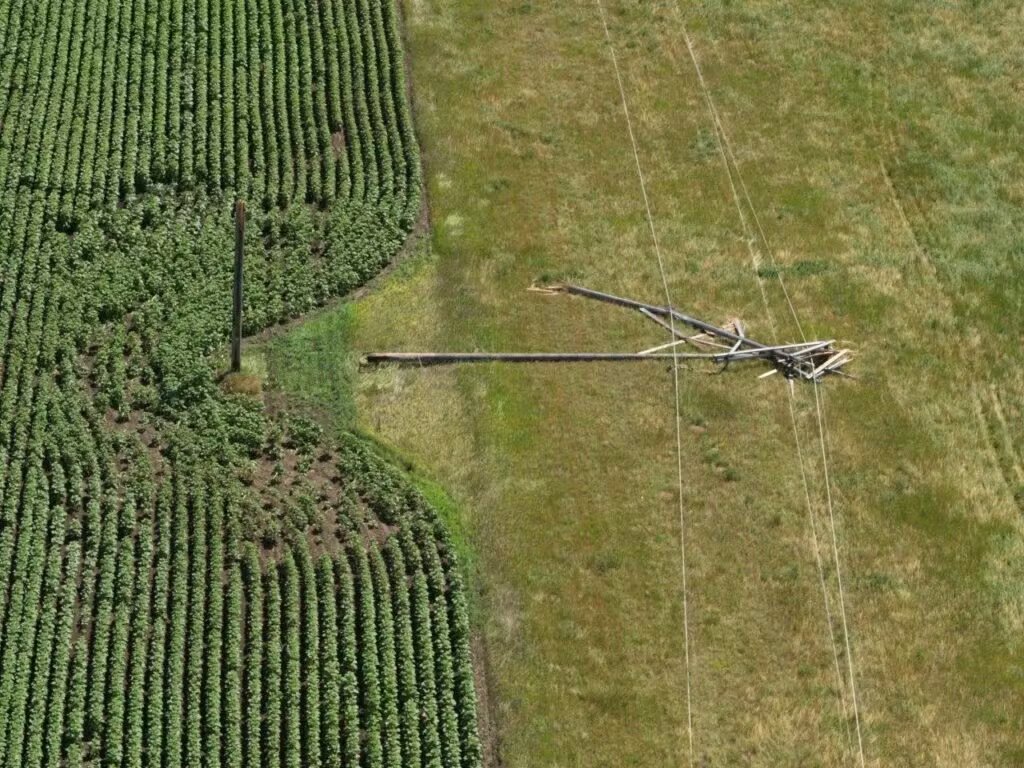
@GREecondev flipped that model by using GIS to automatically translate relay data into a precise fault location within seconds, even overlaying lightning data to help identify likely causes. The result: faster crew dispatch, more accurate repairs, and better post-event analysis
Finding the exact location of a fault used to mean manually measuring distances on a map and making an educated guess. That works — but it’s slow when every minute of outage time matters.
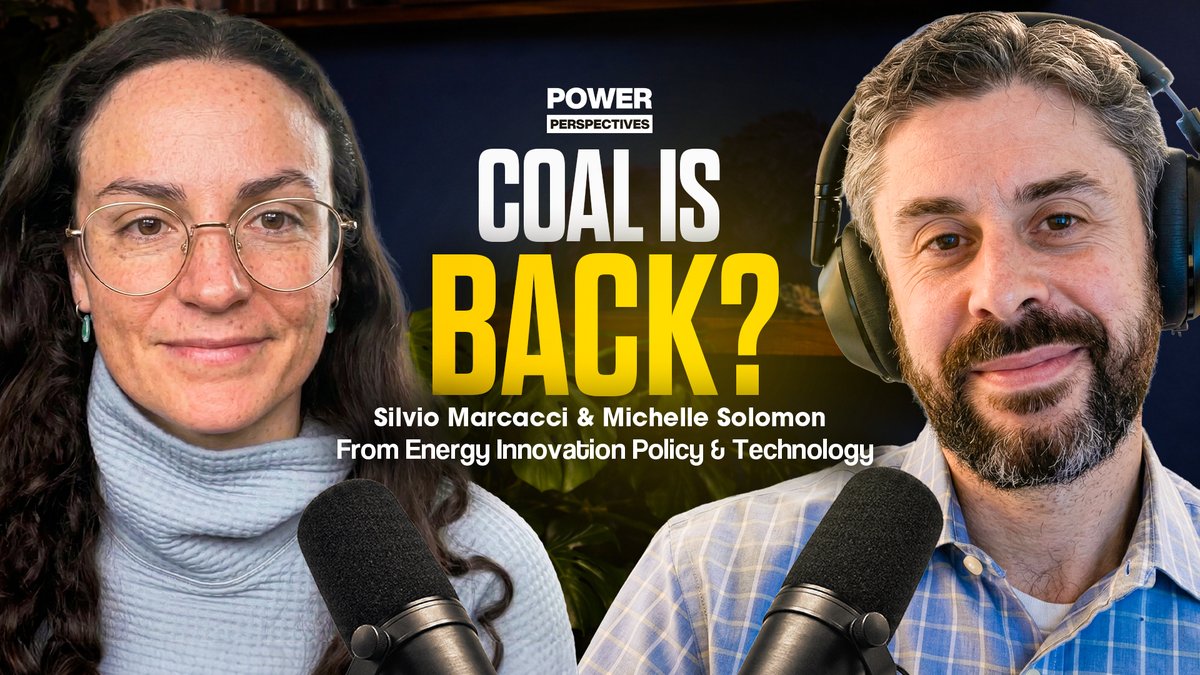
Together, they break down why coal keeps resurfacing in the public conversation, what the Trump Administration can and cannot do to prop it up, and how to separate political signaling from real market and grid impacts.
Link to the episode here: energycentral.com/podcasts/post/…
In this episode, we sit down with experts from @EnergyInnovLLC: Silvio Marcacci & Michelle Solomon to unpack what’s actually happening behind the noise.
Coal has been making headlines recently, highlighting everything from plant closure delays to retirements extended and the political rhetoric suggesting a coal comeback. But are the headlines telling the real story?
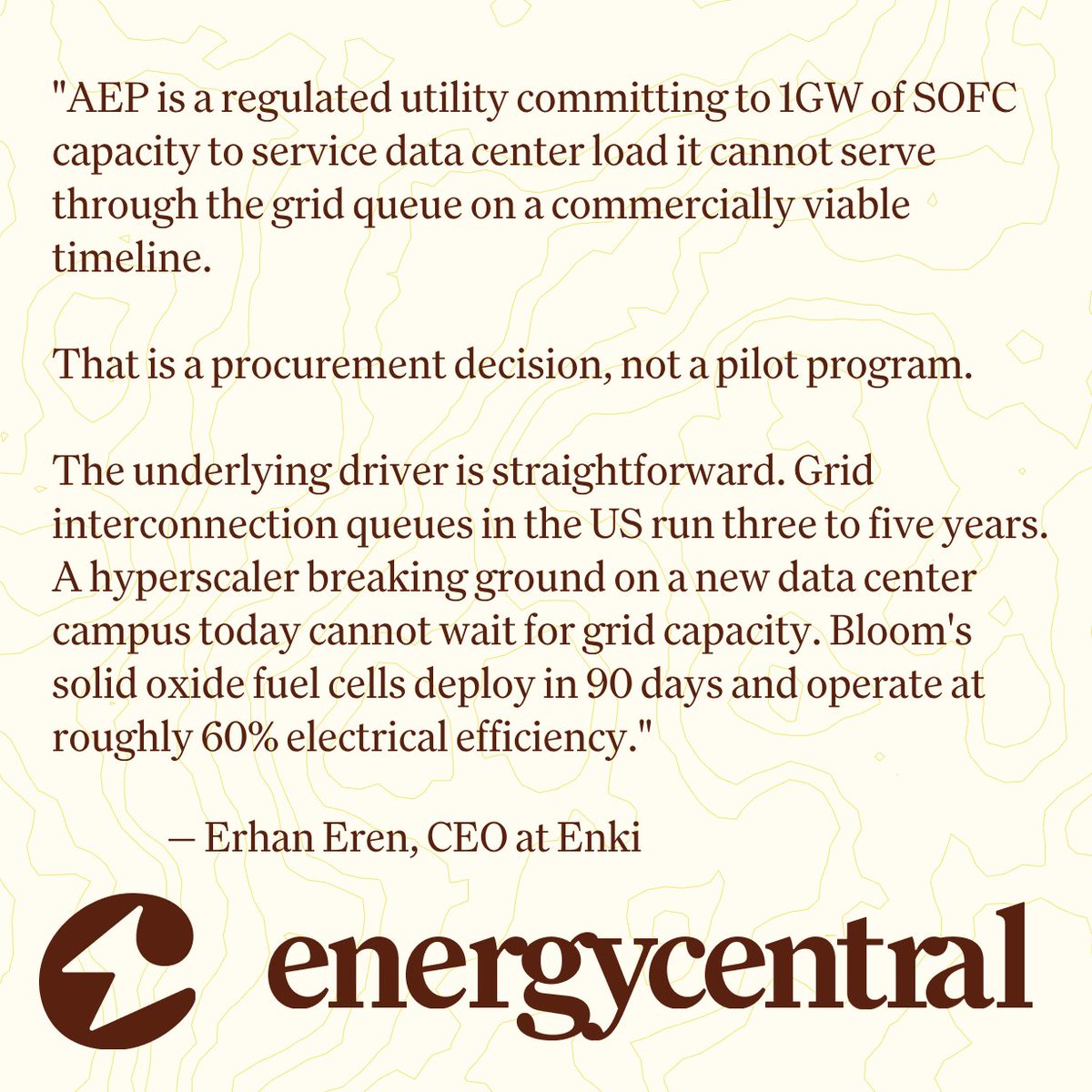
Erhan Eren of @EnkiAi shared on Energy Central why, in his view, this really matters:
As load growth surges and timelines tighten, utilities and large customers are exploring faster, flexible power solutions beyond traditional generation.
$2.65 billion. 1 GW. And a big signal about where the power sector may be heading.
Bloom Energy just signed a massive deal with American Electric Power to deploy up to 1 GW of solid oxide fuel cells — one of the largest deployments of this technology to date.