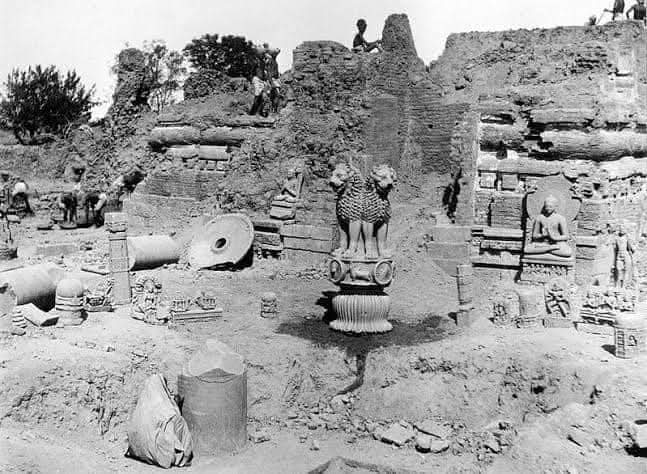
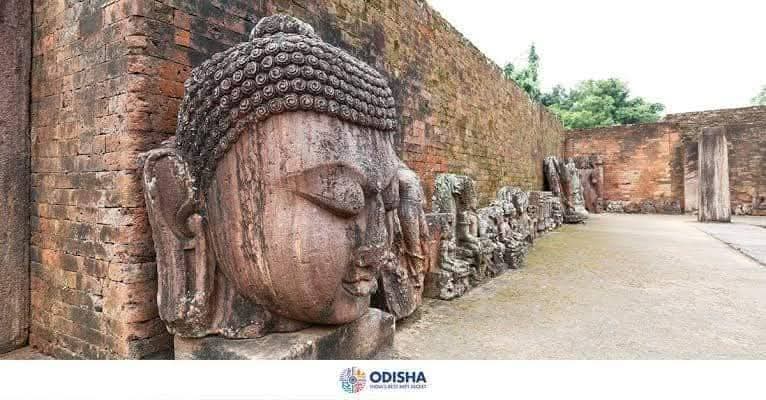
पुरातत्व विभाग द्वारा या अन्य किसी भी मामले में खुदाई हो तो उसे लाईव टेलीकास्ट होनी चाहिए...
क्योंकि ज़मीन के नीचे तो तथागत गौतम बुद्ध और अशोक के स्तंभ और शिलालेख ही मिलेंगे!
– नमो बुद्धाय ☸️⛩️
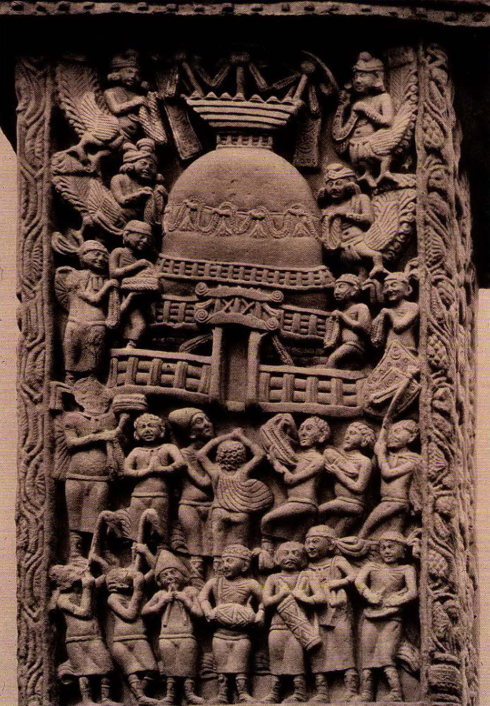
Festival celebrating the Sanchi Stupa with an orchestra🎶🎸 outside the torana, devotees offering garlands along the pradakshina patha, and celestial kinnaras above.
c. 1st century BCE–1st century CE.
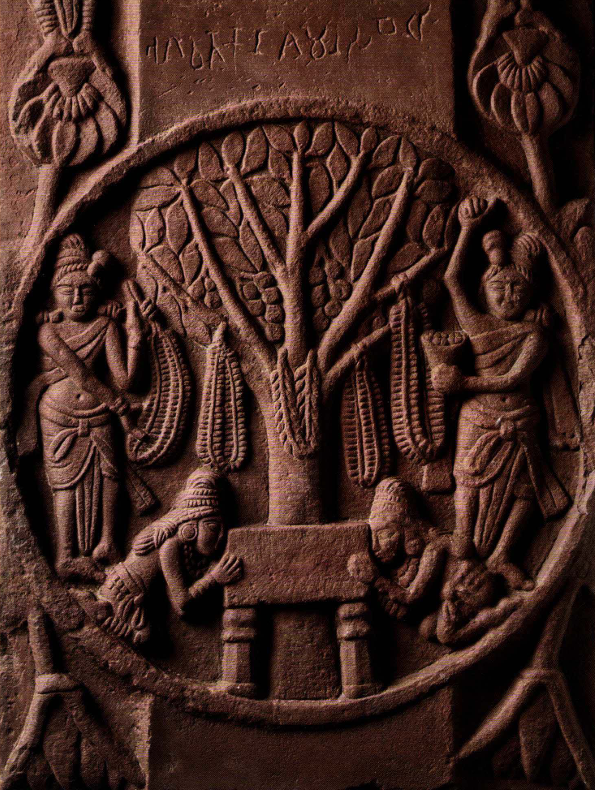
Railing pillar medallion from Bharhut(MP). A tree shrine marks the Kolāgamana Buddha’s awakening (23rd Buddha). Inscribed: The Bodhi tree of the holy Kolāgamana.
Śuṅga period, ca. 150–100 BCE (~2150+ years old)
Muslim invasions of India were primarily religious attacks. Before the Muslim invasions of North India, the Buddhist Pala Empire ruled much of Bengal and Bihar and influenced regions up to Kannauj. The invasions led to widespread attacks and destruction of major Buddhist institutions, resulting in the significant decline of Buddhism in India. Therefore, if one seeks to restore a truly pre-Islamic Indian civilizational order, it would logically require a revival of Buddhist traditions.
Remembering Chhatrapati Shahu Maharaj(grand-son of Chhatrapati Shivaji Maharaj) the esteemed King of Kolhapur and a pioneering social reformer, passed away on May 6, 1922, in Bombay🙏🙏
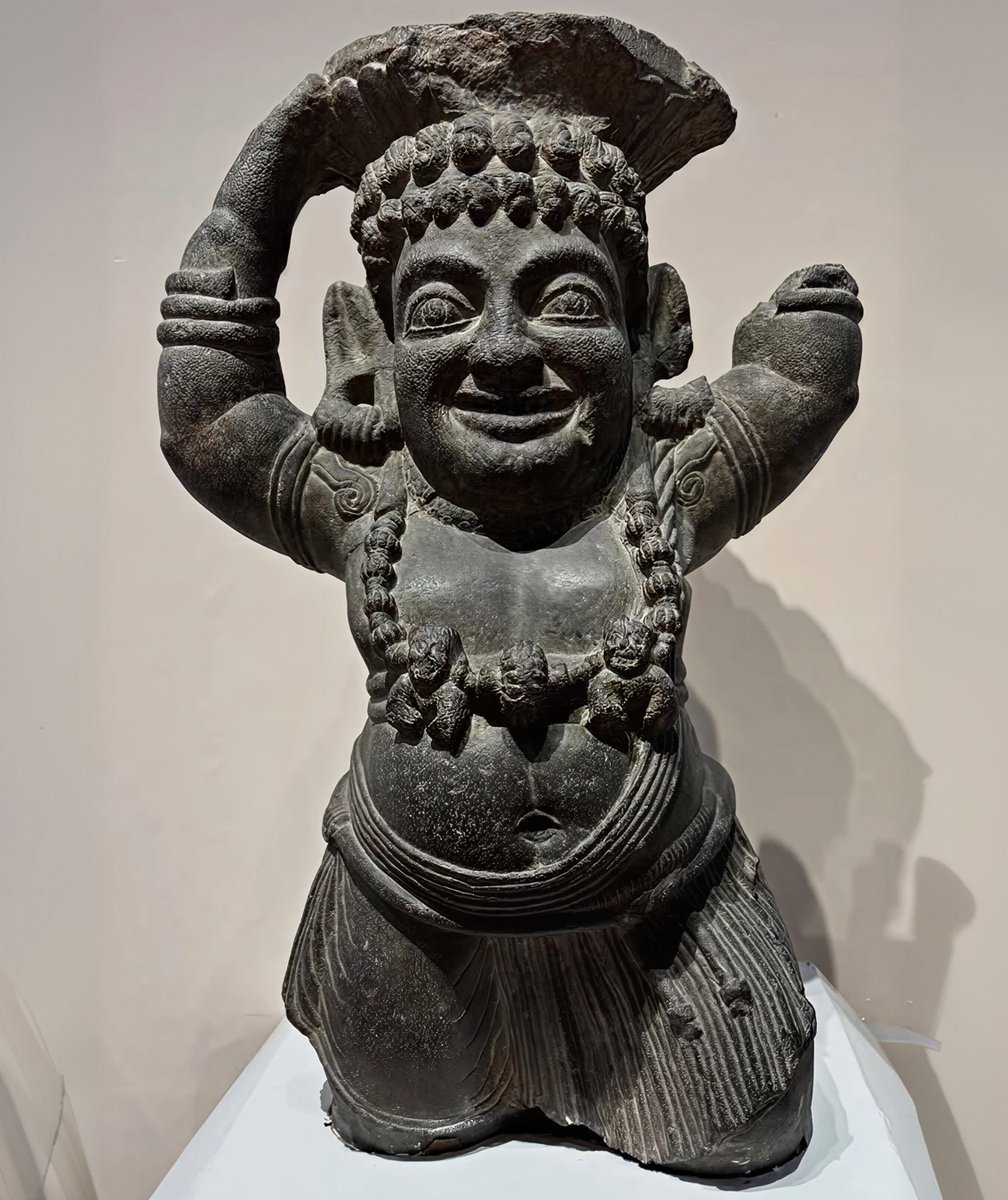
Yaksha Sculpture, Satavahana Period, 2nd century BCE, Pitalkhora, Maharashtra.
An inscription on the figure’s right hand reads “Kanhadāsena hiraṃnakāreṇa katā,” meaning “Made by Kanhadāsa, a goldsmith.”