Glenn Leibowitz

4.4K posts

Glenn Leibowitz banner
Glenn Leibowitz

Glenn Leibowitz

@GlennLeibowitz

4x LinkedIn Top Voice | Host of Write with Impact podcast | Empowering writers, creators & founders to craft unforgettable prose & thrive with bold life advice

United States Katılım Aralık 2012
6.8K Takip Edilen4.8K Takipçiler
Justine Moore
Justine Moore@venturetwins·
Truly blown away by a new AI image model launching this week ✨ Finally, you can generate photos that actually look like you! It's so much better than everything I've tried - from LoRAs to NB Pro. Onboarding some early testers. DM or comment if you want access 👀
Justine Moore tweet mediaJustine Moore tweet mediaJustine Moore tweet media
English
521
33
893
192K
Glenn Leibowitz retweetledi
Bill Ackman
Bill Ackman@BillAckman·
If @elonmusk can bring sight to the blind, it will outdo every one of his near-miraculous achievements to date. With all of the ‘bad news’ that circulates to drive your attention, it is important to be reminded that we have so much more to be optimistic about.
DogeDesigner@cb_doge

ELON MUSK: "Our next product, Blindsight will enable those who have total loss of vision, including if they've lost their eyes or the optic nerve, or maybe have never seen, or even blind from birth, to be able to see again."

English
861
3.4K
27.9K
1.1M
Glenn Leibowitz retweetledi
Elon Musk
Elon Musk@elonmusk·
Congrats to the @Neuralink team for helping many people who have lost use of their body with our Telepathy implant that enables computer use simply by thinking! The next generation Neuralink cybernetic augment with 3X capability will be ready later this year. Pending regulatory approval, we are also ready to do our first Blindsight augment that will enable those who have even complete loss of vision to see in low resolution at first, leading to high resolution over time.
Neuralink@neuralink

We now have 21 participants enrolled in trials worldwide. Check out how our Neuralnauts are driving BCI technology forward. neuralink.com/updates/two-ye…
English
8K
14.6K
107K
21.4M
Glenn Leibowitz
Glenn Leibowitz@GlennLeibowitz·
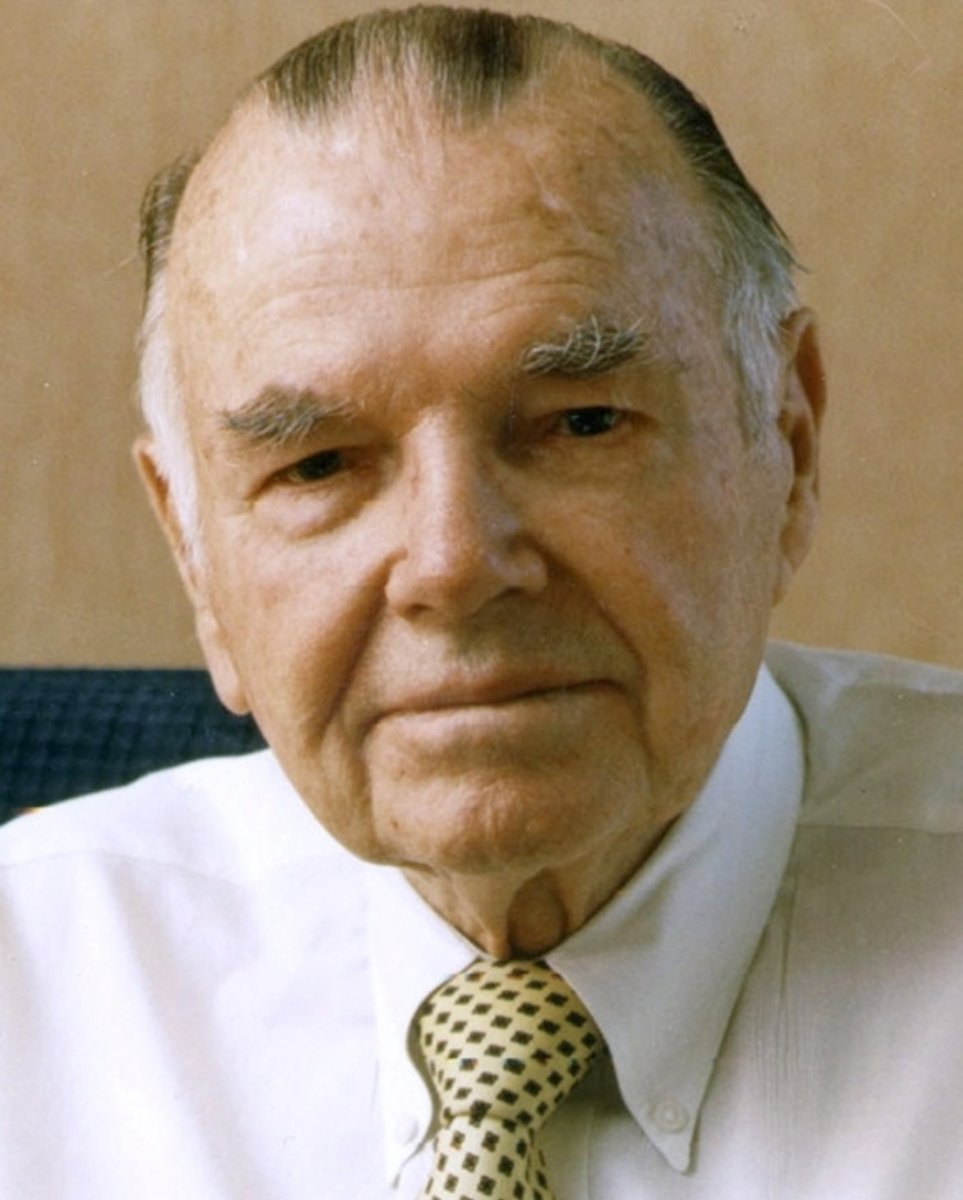
Marvin Bower built McKinsey & Company through words. With memos, letters, speeches, and books that brought clarity to complex ideas and aligned people around shared values. I never had the privilege to meet him before he passed away. But his presence continues to be felt throughout the firm, in just about everything we do, even if it’s unconscious or invisible at this point. After 28 years at the firm, I’ve seen how his approach to communication has shaped it over the past century. Bower understood something fundamental: leadership happens through communication. How you speak, write, and listen determines how you influence others and how you have impact. In his effort to built an inclusive, non-hierarchical firm, Bower believed that communicating as a leader worked both ways. And this meant learning to become a good listener. “Of all the skills of leadership, listening is one of the most valuable… Most captains of industry listen only sometimes… But a few, the great ones, never stop listening.” Listening extended to how leaders give junior colleagues the space to speak up and express their ideas. This concept became enshrined as one of the core values of the firm that he established early on, and which we observe to this very day: “the obligation to dissent.” Bower once wrote, “Leading fosters a working atmosphere that stimulates an open exchange of ideas and fosters dissent… With such an atmosphere it should be a pleasure to come to work.” Highly effective teams thrive on open and fact-based conversation. He knew then what many companies eventually learned over time: that empowering people, regardless of how junior they are, to express different viewpoints leads to better thinking and better outcomes. Bower’s obsession with precise communication extended to the day-to-day language we used to describe who we are and what we do. “We are what we speak—it defines us…”, Bower wrote in 1953. “We don’t have customers, we have clients. We don’t serve within an industry, we are a profession…We don’t have rules, we have values.” Bower understood that words shape our reality. What do you think about the relationship between leadership and communication? Share your thoughts in the comments. *Note: Most people think James McKinsey built McKinsey & Company. He didn’t. McKinsey left the firm soon after founding it to join a client as CEO (a pattern he pioneered, apparently).
Glenn Leibowitz tweet media
English
1
1
3
213
Glenn Leibowitz
Glenn Leibowitz@GlennLeibowitz·
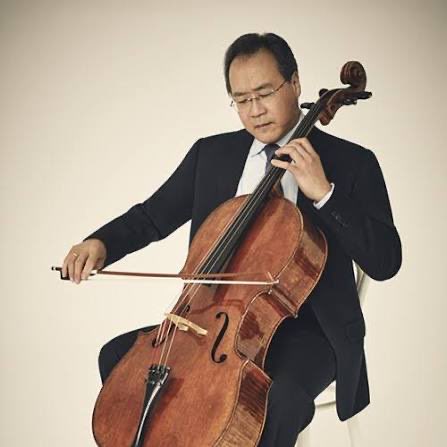
Seven of the eight prize-winners at this year’s Chopin Piano Competition in Warsaw are of East Asian descent. This can’t be a coincidence. First prize: Eric Lu (US; his mother is from Shanghai, his father is from Taiwan) Second prize: Kevin Chen (Canada; his parents are of Chinese descent) Third-prize: Zitong Wang (China) Fourth-prize: Tianyao Lyu (China) and Shiori Kuwahara (Japan) Fifth-prize: Vincent Ong (Malaysia), Piotr Alexewicz (Poland) Sixth-prize: William Yang (USA). My wife, a Juilliard and Yale-educated cellist from Taiwan, has given me first-hand insight into this phenomenon which I believe is driven by five converging forces: ⓵ It starts at home—with families who prioritize education, enjoy Western classical music, and can afford the long-term investment. East Asian families, often middle-class and highly educated, treat classical music mastery as worthy of serious sacrifice: expensive instruments, years of private lessons, countless hours of practice time. The daily discipline isn’t seen as drudgery; it’s devotion. Yo-Yo Ma’s father insisting that he practice a bar of Bach every day in Paris before attending Harvard and Juilliard captures this perfectly. ⓶ A value system that matches the art form. Classical music rewards exactly what these cultures cultivate: respect for tradition, patience with incremental progress, deference to teachers, and the belief that 10,000 hours of practice isn’t optional—it’s foundational. These values are transmitted at the dinner table and reinforced throughout childhood (and beyond). ⓷ The scale of the talent pool. With the combined populations of China, Japan, Korea, and Taiwan, the sheer numbers create a larger pool of potential talent. But population alone doesn’t explain it—India has comparable numbers without showing the same pattern. It’s the combination of population scale and the cultural-institutional infrastructure that turns potential into realized excellence. ⓸ Western institutions opened their doors—and kept auditions merit-based. Schools like Juilliard, Yale, Curtis, and the top European conservatories deserve enormous credit here. Many conduct blind auditions, evaluating purely on talent and technique. Without this institutional openness to international students, we simply wouldn’t see the global excellence we do today. ⓹ Audiences that care about the music, not the musician’s passport. Classical music lovers want to hear Chopin, Beethoven, and Bach performed brilliantly--full stop. They fill concert halls for artistry, not ancestry. This colorblind appreciation for excellence has allowed talent to rise purely on merit, creating space for the best performers in the world to thrive regardless of where they’re from. The Chopin Competition results aren’t surprising. They’re the natural outcome of this powerful combination. What do you think about this phenomenon? Please share your thoughts in the comments.
Glenn Leibowitz tweet media
English
2
2
11
1K
Glenn Leibowitz
Glenn Leibowitz@GlennLeibowitz·
Embracing kintsugi, the Japanese art of repairing broken pottery with gold, teaches us to value imperfections. In writing and content creation, our drafts may crack under scrutiny, but those flaws are where beauty shines through. Revise, refine, and let your unique voice mend the gaps with golden creativity.
Glenn Leibowitz tweet media
English
1
2
2
612
Glenn Leibowitz
Glenn Leibowitz@GlennLeibowitz·
Some of my best ideas arrive while I’m walking. Not at a desk, not facing a screen—just walking. Movement propels thought. When you walk, blood flows faster, oxygen floods in, and the brain’s neural networks fire up. Research confirms this isn’t just feel-good wisdom—it’s measurable. A 2021 study of young adults found that walking stood out among physical activities for sparking divergent thinking—the kind that generates fresh ideas. More intense exercise helped with fluency and flexibility, but walking unlocked novelty. Another meta-analysis of several studies showed that natural-pace walking consistently boosts originality. Artists and deep thinkers have known this for centuries. Beethoven composed while strolling through Vienna’s woods. Virginia Woolf shaped sentences on long walks through London. Einstein—who called himself “passionately curious”—walked miles around Princeton daily to work through complex problems. They were tapping into what neuroscience now calls the brain’s default mode network: the system behind daydreaming, free association, and idea generation. Neuroscientist Shane O’Mara urges us to make walking integral to daily life. In his book, “In Praise of Walking”, he shares research on how walking stimulates creativity, supports brain health, and sharpens our capacity to think clearly. In “Wanderlust: A History of Walking”, historian and activist Rebecca Solnit writes, "Walking, ideally, is a state in which the mind, the body, and the world are aligned, as though they were three characters finally in conversation together, three notes suddenly making a chord. Walking allows us to be in our bodies and in the world without being made busy by them. It leaves us free to think without being wholly lost in our thoughts." I walk most days in a small park near my home. It’s where I think through problems and generate new ideas. Watching children play and people walk their dogs adds to the relaxing vibe, and the naturally produced endorphins help me think more clearly. Motion for the body, momentum for the mind. Next time you feel stuck, step outside. Moving your body might be exactly what your mind needs. What's your favorite place to walk? Photo: Albert Einstein walking in Princeton References Chen C, et al. Regular physical activity and walking are associated with divergent but not convergent thinking in Japanese young adults. "Brain Sciences" (2021). Lin J.C., et al. Effects of walking and cycling on divergent thinking: a systematic review and meta-analysis. "Frontiers in Psychology" (2023).
Glenn Leibowitz tweet media
English
0
0
0
53
Glenn Leibowitz
Glenn Leibowitz@GlennLeibowitz·
A decade ago, researchers at Princeton found that students who took notes by hand remembered and understood more than those who typed on laptops. Why? Writing forces us to slow down, distill ideas, and engage with them rather than simply transcribe words. Now, scientists in Norway have shown what’s happening under the hood. Using high-density electroencephalogram (EEG) scans, they found that handwriting sparks far more brain connectivity than typing. The act of shaping letters by hand lights up the neural networks tied to learning and memory. The Norwegian researchers put it plainly: handwriting forces fine motor control and full attention, engaging the brain’s sensory, visual, and motor systems in sync. Typing, by contrast, trades awareness for speed—pressing keys instead of forming ideas. The result is less neural connectivity, and potentially, shallower learning. Together, these studies—spanning psychology and neuroscience—make a simple point: speed isn’t always the friend of understanding. Typing helps us produce more words. Writing helps us think them through. I’ve produced some of my best sentences—and made my sharpest edits—by hand. A habit I’ve long kept is printing out articles or reports and marking them up with a pen. I often catch unclear phrasing, weak transitions, and even small grammatical slips that I miss on screen. In a world awash with AI-generated text, writing by hand might be one of the best tools a writer has to fight back against sameness. It slows the process just enough to let authentic thought and voice re-enter the page. Maybe writing by hand still matters because it reconnects the mind and body in ways that screens can’t. What do you think? (Sources: Mueller & Oppenheimer, “The Pen Is Mightier Than the Keyboard,” Psychological Science, 2014; Van der Weel & Van der Meer, “Handwriting but not typewriting leads to widespread brain connectivity,” Frontiers in Psychology, January 2024.)
Glenn Leibowitz tweet media
English
0
0
0
39
Glenn Leibowitz
Glenn Leibowitz@GlennLeibowitz·
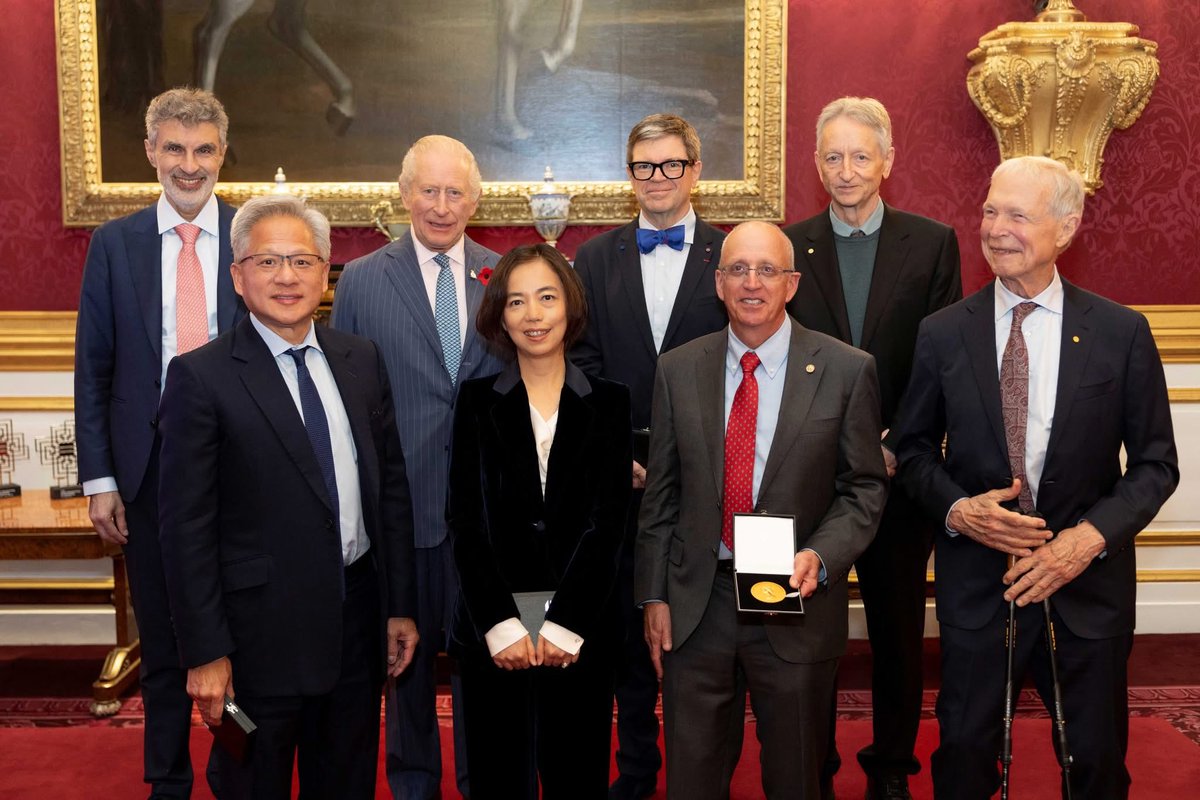
This week, two of the seven laureates of the Queen Elizabeth Prize for Engineering stood out for their incredible accomplishments and similarly compelling back stories—Dr. Fei-Fei Li and Jensen Huang. First, both are Chinese: Fei-Fei was born in Beijing; Jensen was born in Tainan, Taiwan. Both worked ordinary jobs to help their families make ends meet. As a teen, Fei-Fei helped her family’s dry cleaning business; Jensen worked as a busboy and dishwasher at a Denny’s restaurant. Both were enormously talented and hard-working students who benefited from America’s inclusive and meritocratic educational system. Fei-Fei graduated from Princeton and earned her PhD from Stanford. Jensen attended Oregon State before picking up his Master’s degree from Stanford. Their impact on AI technology—and our world—has been staggering. Fei-Fei Li pioneered the ImageNet dataset that catalyzed the deep learning revolution, fundamentally reshaping how machines understand the visual world and laying the groundwork for modern AI. Jensen Huang built NVIDIA—now worth over $3 trillion—into the company that makes the GPUs powering everything from gaming to scientific research to AI training. Fei-Fei won the Queen Elizabeth Prize for software and datasets that unlocked artificial intelligence; Jensen was recognized for the hardware that makes that intelligence computationally possible. Together, their contributions represent the full stack of the AI revolution. Both stemmed from educational opportunities that transformed immigrant children into architects of our technological future. Fei-Fei and Jensen’s stories are emblematic of a culture that prizes education as a vehicle for socio-economic mobility and personal fulfillment. Education took a girl from China, a large but relatively poor country at the time she emigrated to America, to two of the world’s top universities. Education took a boy from Taiwan, also a relatively under-developed but fast-growing economy at the time his family emigrated, to the same top university. This award is something their institutions, companies, and Chinese people everywhere can take pride in.
Glenn Leibowitz tweet media
English
0
0
0
125
Glenn Leibowitz
Glenn Leibowitz@GlennLeibowitz·
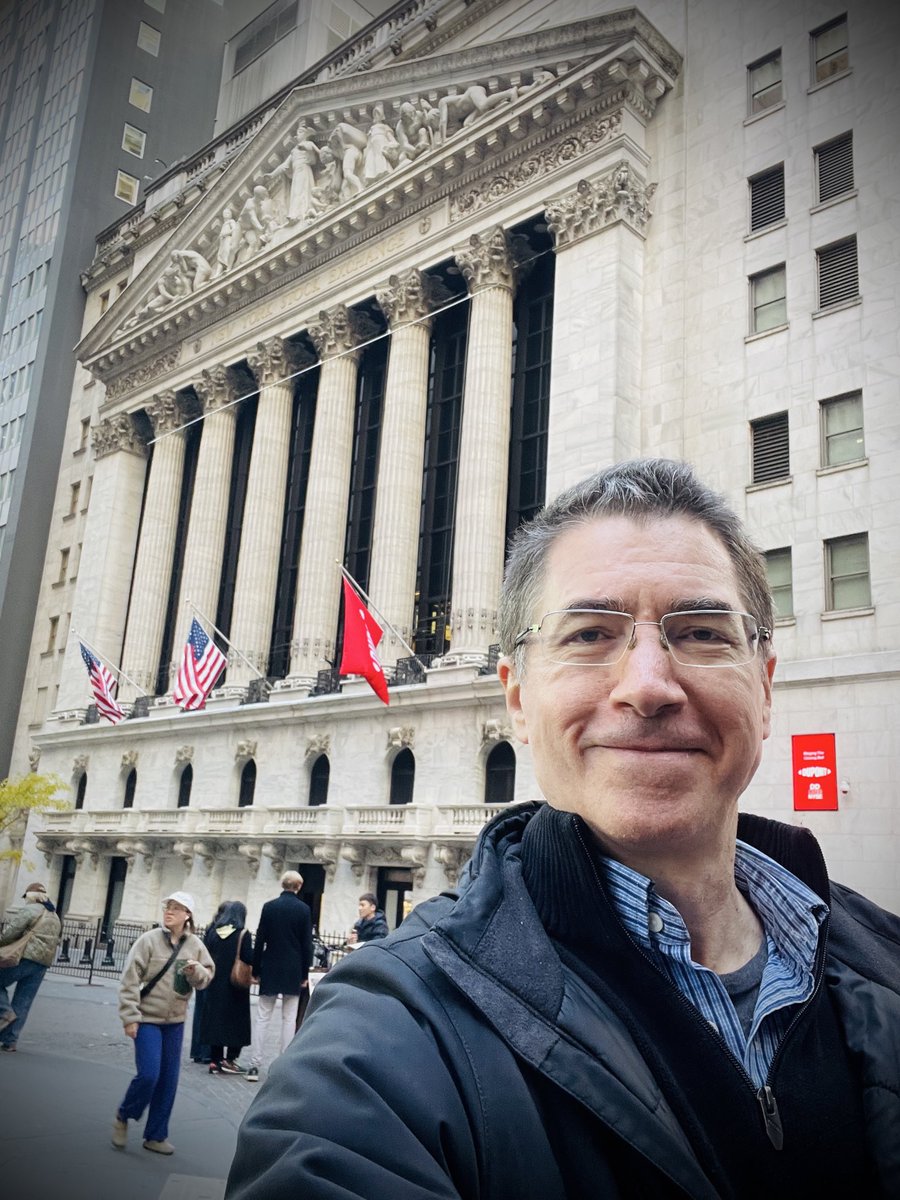
I just returned from New York City, the global capital of culture and capitalism. The energy of this place is truly unmatched. While my parents are from Pittsburgh and I grew up in South Florida, my family has deep ties to this great city along the Hudson River. My great grandparents, giving up their homes and jobs and families in Poland and Czechoslovakia, arrived at Ellis Island on steamships from various ports in Europe over 120 years ago. They eventually made their way to Pittsburgh, where they raised their families and built their careers. They joined the millions of immigrants who fled poverty, military conscription, and antisemitic pogroms in search of a better life in America during the late 19th and early 20th centuries. Fast forward to the 1980s, when the city welcomed a 15-year-old music student from Taiwan — halfway around the world. She attended high school and college in New York, earning her bachelor’s degree in cello from The Juilliard School. She later became my wife. Fast forward again to 2024 and my son, who was born and raised in Taipei, moved from Boston to New York for the next step in his budding career in finance. Many of our cousins—both mine and my wife’s—live there today. The city has experienced extreme highs and extreme lows. But through it all, it has endured and thrived. Whether it was the devastating stock market crash of 1929 that triggered a global depression, or the horrific terror attacks of 9-11, which launched a series of destructive wars, New York emerged from each of these traumatic episodes stronger and more prosperous than ever. My brief visit this past week only confirmed what I’ve always believed: New York remains a place where you can transform your life through hard work and sheer determination. It’s not perfect. No city is. This week’s change of leadership at City Hall has many residents uneasy. For New Yorkers, though, constant change is part of what makes the city so exciting. (Photo: Selfie in front of the iconic New York Stock Exchange building on Wall Street)
Glenn Leibowitz tweet media
English
0
0
0
70
Glenn Leibowitz
Glenn Leibowitz@GlennLeibowitz·
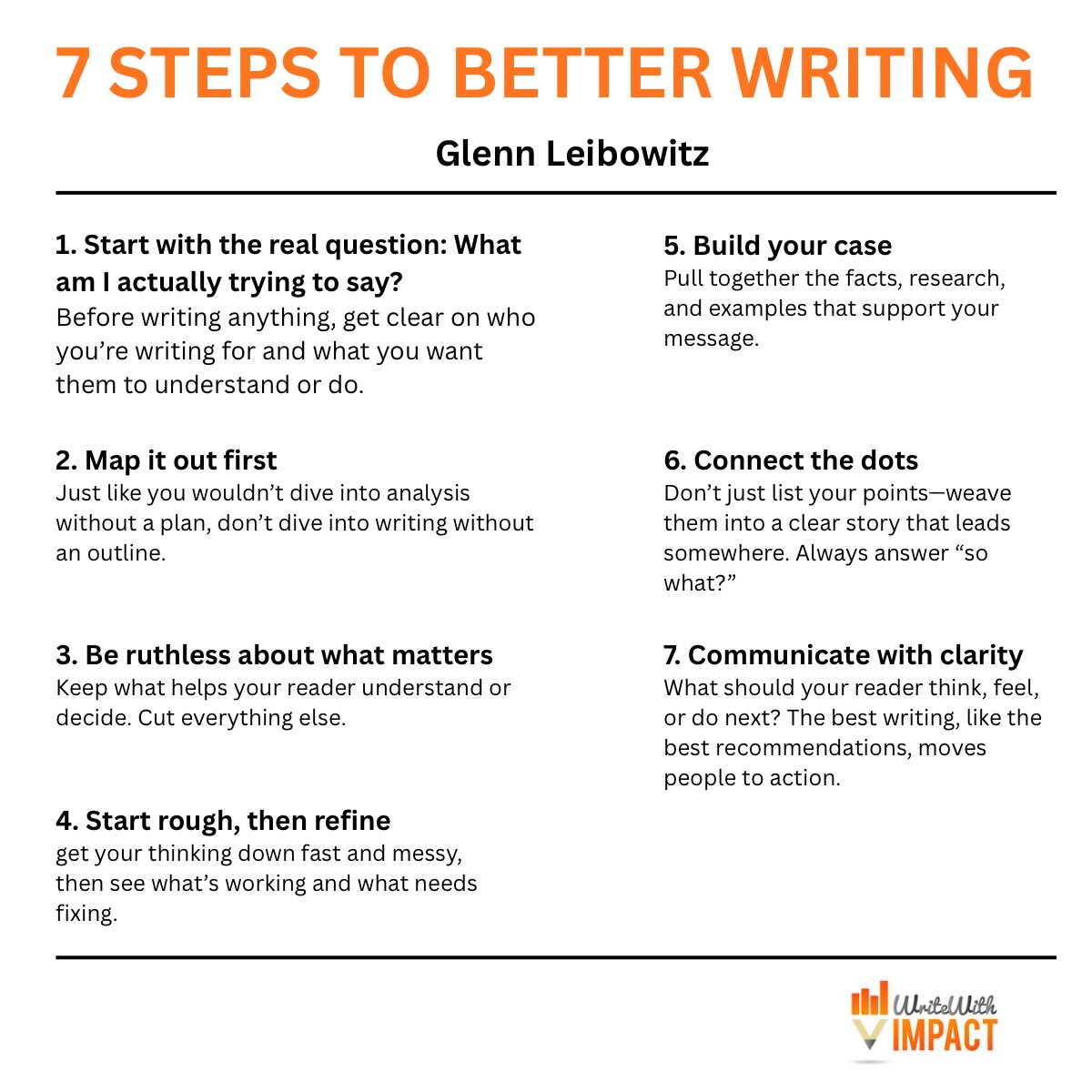
After 28 years at McKinsey, I’ve seen one thing consistently set great work apart: the ability to solve hard problems. And here’s something I realized early on —writing is problem-solving too. Every time you write, you’re taking disorganized, half-formed ideas and turning them into something clear and useful for your reader. So pretty much from the start of my career at the firm, I started applying McKinsey’s problem-solving approach to my writing. It works surprisingly well. Here’s how: 1️⃣ Start with the core question: What am I actually trying to say? Before writing anything, get clear on who you’re writing for and what you want them to understand or do. “How can I convince leadership to back this idea?” is much more useful than “I need to write about this idea.” 2️⃣ Map it out first Just like you wouldn’t dive into analysis without a plan, don’t dive into writing without an outline. What’s your main point? What supports it? What evidence do you have? 3️⃣ Be ruthless about what matters Not every idea deserves space on the page. Keep what helps your reader understand or decide. Cut everything else. 4️⃣ Start rough, then refine We call it the “one-hour answer”—get your thinking down fast and messy, then see what’s working and what needs fixing. Don’t try to make it perfect on the first pass. 5️⃣ Build your case Pull together the facts, research, and examples that support your message. Start simple, then go deeper where it matters. 6️⃣ Connect the dots This is where good writing becomes great. Don’t just list your points—weave them into a clear story that leads somewhere. Always answer “so what?” 7️⃣ Communicate with clarity What should your reader think, feel, or do next? The best writing, like the best recommendations, moves people to action. Even a blank page (or screen) is just another problem waiting to be solved. Think structurally, focus on what matters, and write with purpose. How do you approach writing? What do you think about this framework? Share your thoughts in the comments!
Glenn Leibowitz tweet media
English
0
0
3
185
Glenn Leibowitz
Glenn Leibowitz@GlennLeibowitz·
When I joined McKinsey 28 years ago, one name that quickly became familiar was Barbara Minto—along with the Pyramid Principle she created to help consultants structure their communications for greater impact. Minto discovered something powerful while editing reports at McKinsey in the 1960s: she kept reorganizing ideas into the same pyramid shape. This pattern became the Pyramid Principle—a framework that changed how business professionals communicate. The core idea is refreshingly simple. Start with your main point, then support it with logical, grouped arguments. Lead with the answer, not the buildup. Minto's breakthrough came from noticing a universal problem: people write before they think. They mix findings with conclusions. They bounce between details without clear connections. The result? Confused audiences and buried insights. Her solution flips traditional communication. Put your conclusion at the top, like the peak of a pyramid. Organize supporting points underneath in logical groups. She created SCQA—a framework for structuring the entire introduction section of any business communication, whether it's a presentation, report, or proposal. Before diving into your pyramid of supporting evidence, you need to set up the problem you're solving: Situation: The background your audience already accepts Complication: What's changed or gone wrong Question: The key issue this raises Answer: Your main recommendation For example, your SCQA introduction might walk through market context (S), competitive disruption (C), "How should we respond?" (Q), and "We should enter the Asian market" (A). This frames the entire problem before you present your solution—the "why should you care" before the "here's what to do." Only after this setup do you move into the pyramid—the three reasons why entering Asia makes sense, each with its own supporting points. For the supporting logic, she coined MECE (pronounced like "Greece")—mutually exclusive, collectively exhaustive. A concept she credits Aristotle as having created. Your groups shouldn't overlap, and together they should cover everything important. Simple concept, powerful results. "The pyramid is a tool to help you find out what you think," Minto explains. "It forces you to pull out information you weren't aware was there." This isn't about prettier slides. It's about clearer thinking. When you lead with conclusions, you expose gaps in logic. You separate essential from extra. You respect your audience's time and intelligence. As Minto puts it: "The purpose of communication is to inform and persuade, not to impress." That insight matters now more than ever.
Glenn Leibowitz tweet media
English
0
0
1
134
Glenn Leibowitz
Glenn Leibowitz@GlennLeibowitz·
To be silent the whole day long, see no newspaper, hear no radio, listen to no gossip, be thoroughly and completely lazy, thoroughly and completely indifferent to the fate of the world is the finest medicine a man can give himself. ~Henry Miller, The Colossus of Maroussi
Glenn Leibowitz tweet media
English
0
0
0
112
Glenn Leibowitz
Glenn Leibowitz@GlennLeibowitz·
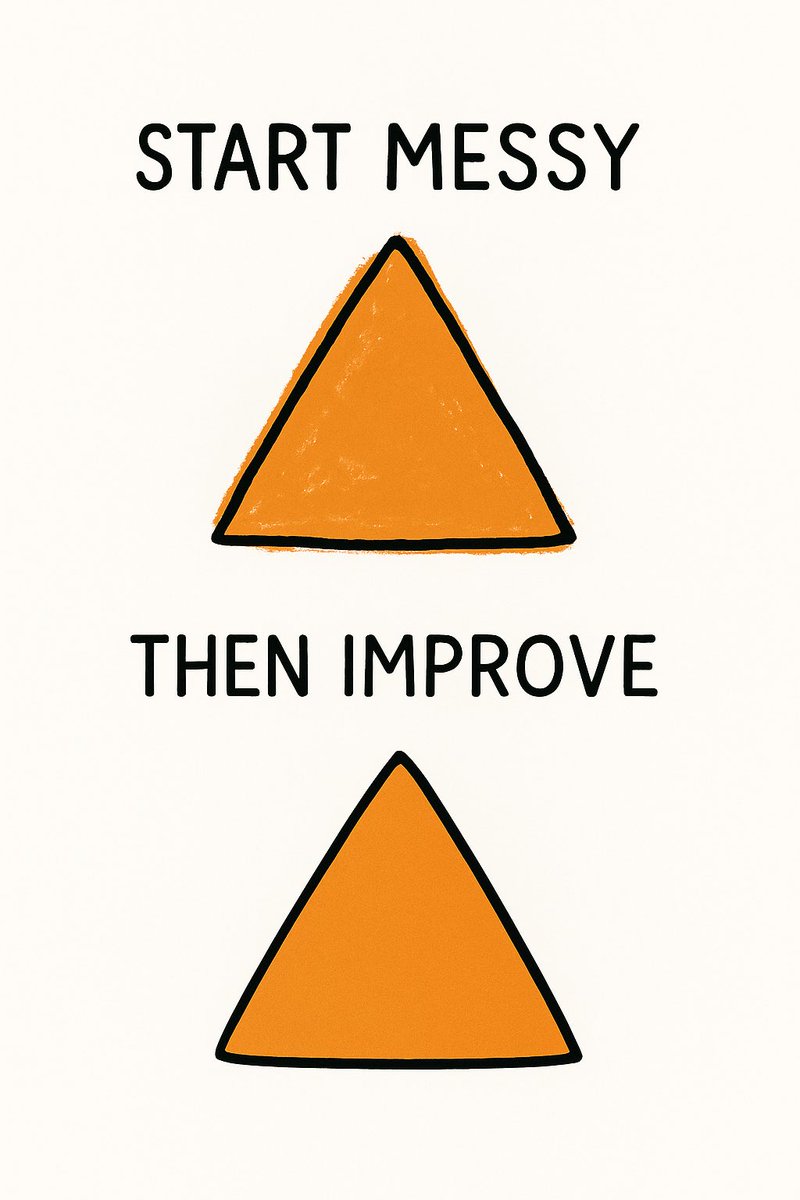
Writing advice for the day: Struggling to start? Go messy first—then refine
Glenn Leibowitz tweet media
English
0
0
1
103