Sabitlenmiş Tweet
Hollywood Golden Age of Cinema
1.1K posts
Hollywood Golden Age of Cinema
@HGACinema
Celebrating the classic actors and films from Hollywood Golden Age of Cinema. Posts by Neil Macready.
Sydney, Australia Katılım Mayıs 2019
261 Takip Edilen83.4K Takipçiler

Kiss Me Kate (1953) theatrical release poster.
► In supplemental information on the DVD, mention is made that Keenan Wynn and James Whitmore neglected to rehearse their “Brush Up Your Shakespeare” number more than once or twice because they thought it was silly. When it came time to shoot it they made numerous fumbles and mistakes which the director thought was on purpose. He later complimented them on making it look like something a couple of thugs would perform. They never told him the truth.
► For the famous spanking scene, Kathryn Grayson and costume designer Helen Rose played a joke on Howard Keel ― Rose put a wooden board under Grayson's costume.
► Even though Hermes Pan is the credited choreographer on the film, the steamy duet between Bob Fosse and Carol Haney in “From This Moment On” (which includes Fosse doing a complete back-flip) was choreographed by Fosse himself, and lasts only 66 seconds. But it is the sequence that made critics take notice of the future award-winning choreographer and director.

English

Ann Miller dancing to the the Cole Porter musical number “Too Darn Hot” in the musical romantic comedy, Kiss Me Kate (1953) with choreography by Hermes Pan.
Kiss Me Kate was previewed on October 15, 1953 in four locations: two in 3-D with stereophonic sound (in Columbus, Ohio, and at the Victory Theatre in Evansville, Indiana) and two in 2-D (Loew's theatres in Rochester, New York, and Houston, Texas). Additional previews took place later in October in Dayton, Ohio (2-D), and at the Majestic Theatre in Dallas, Texas (3-D). Grosses from the 3-D version were 40% higher.
Despite the results, Radio City Music Hall decided not to screen it in 3-D when it opened November 5, 1953 in New York City.
English

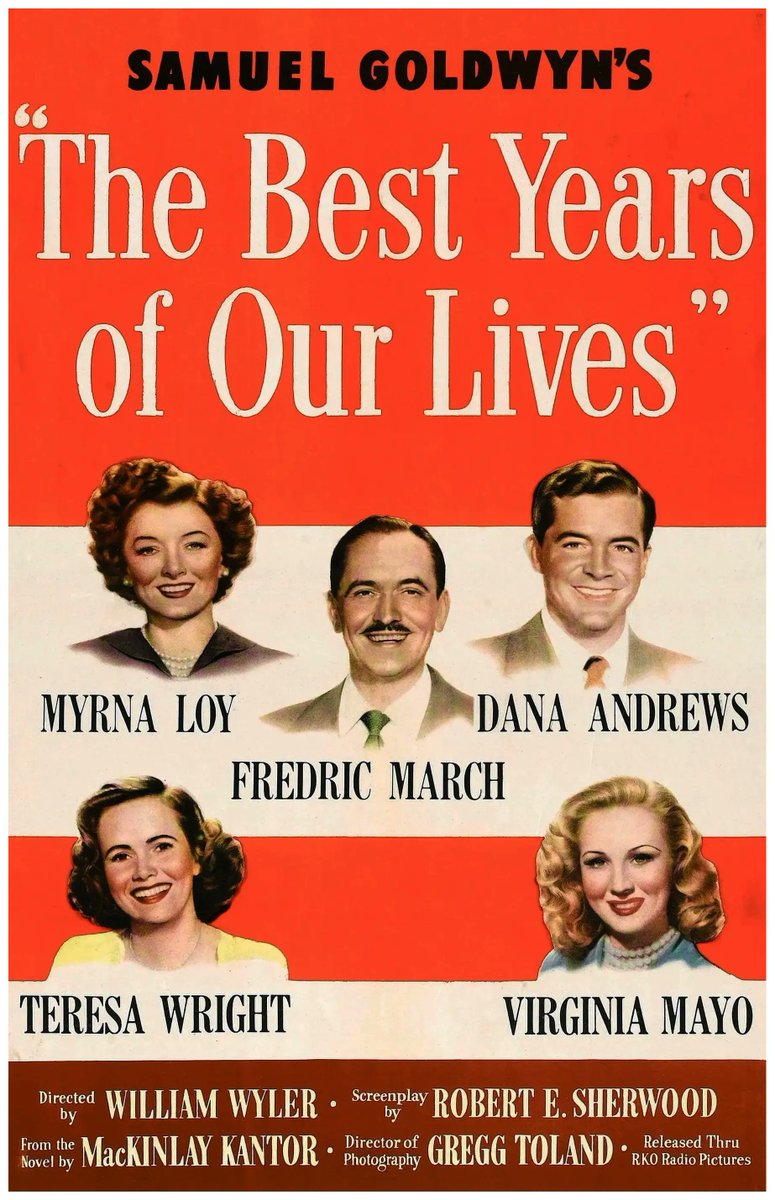
The Best Years of Our Lives (1946) Original Theatrical Release Poster.
► To avoid awkwardness when he first met his fellow cast members, Harold Russell made a point of reaching out with his hooks and taking their hands, thus putting them at ease with his disability.
► Director William Wyler was furious when he learned that Samuel Goldwyn had sent Harold Russell for acting lessons: he preferred Russell's untrained, natural acting.
► When Homer is lighting everyone's cigarettes, after the second one he asks if either of the two men are superstitious. They say no and he says that he is, blows out the match and lights up a second. This is in reference to a habit amongst ground troops of the first World War. It is called the Three on a Match superstition: the enemy would see the light as the first cigarette is lit, they would take aim when the second is lit and would pull the trigger when the third is lit.

English

The iconic ending in The Best Years of Our Lives (1946), directed by William Wyler.
For his performance as Homer Parrish, Harold Russell became the only actor to win two Academy Awards for the same role. The Academy Board of Governors thought he was a long shot to win, so they gave him an honorary award “for bringing hope and courage to his fellow veterans through his appearance”. Later in the ceremony, he won for Best Supporting Actor at the 19th Academy Awards held on March 13, 1947.
English

Remembering BILL “BOJANGLES” ROBINSON on his Birthday
Born | May 25, 1878 in Richmond, Virginia, USA
Died | November 25, 1949 aged 71 in New York City, New York, USA
Video | Bill “Bojangles” Robinson photographed by James Kriegsmann, New York, 1935.
Song | Nitty Gritty Dirt Band ― “Mr. Bojangles” (1970)
English

Seven Brides for Seven Brothers (1954) Theatrical Release Poster
► In order to distinguish them from the town suitors, MGM decided to make all the Pontipee Brothers red-headed.
► Julie Newmar, an accomplished dancer, never got a chance to show off her skills because her dance partner, Jeff Richards, was a former professional baseball player with no dancing skills.
► Reportedly Howard Keel's personal favourite of his movies.
► For the brides' costumes, designer Walter Plunkett went to the Salvation Army, found old quilts and turned them into dresses.
► The wood-chopping scene in the “Lonesome Polecat” number is one continuous take.

English

Hi Cate. Here's a breakdown of the Brides and the Brothers:
BRIDES
Milly: Jane Powell channelled her experiences growing up in Oregon to create Milly. She and Howard Keel would later reprise their roles in a Seven Brides for Seven Brothers stage adaptation. Powell also appeared in dancing and singing roles in many other musical films, including Royal Wedding, Rich, Young and Pretty and A Date with Judy. In the film, Milly marries Adam.
Dorcas Gaylen: Julie Newmar (Newmeyer), wore a purple dress in the barn raising scene. Dorcas is one of the more confident girls, and has stated that she always wanted to be a June bride and have a baby right away. She is also the only girl shown to have a sibling, a younger sister. A classically trained ballerina, Newmar would later rise to fame as Catwoman in the 1960s TV version of Batman. She also won a Supporting Actress Tony Award for The Marriage-Go-Round (starring Claudette Colbert). She appeared on her neighbour James Belushi's sitcom According to Jim after the two settled a highly publicised lawsuit. Her singing voice for the film was dubbed by Betty Allen. Dorcas marries Benjamin.
Ruth Jepson: Ruta Lee (Kilmonis) enjoyed a long stage and television career, appearing in dozens of films and TV series, working with Lucille Ball, Sammy Davis Jr., Elizabeth Taylor, Natalie Wood, and Frank Sinatra. Lee appeared in the sitcom Roseanne as the first girlfriend of Roseanne's mother. Her singing parts for the film were dubbed in post-production by Betty Noyes. She is wearing a blue dress in the barn raising scene, and is shown to like baking pies. Ruth marries Caleb.
Martha: Norma Doggett performed in the 1940s-50s Broadway shows Bells Are Ringing, Fanny, Wish You Were Here, Miss Liberty, and Magdalena. Her singing voice for the film was dubbed by Bobbie Canvin. She wears a green dress during the barn raising scene. Martha marries Daniel.
Liza: Virginia Gibson was nominated for a Tony Award in 1957 and performed regularly, as singer and dancer, on the Johnny Carson show. She wears a pink checkered dress during the barn raising scene. Liza marries Ephraim.
Sarah Kine: Betty Carr was also a Broadway veteran, dancing in Damn Yankees, Happy Hunting, Mask and Gown, and Fanny (alongside Norma Doggett). Her singing voice for the film was dubbed by Norma Zimmer. She wears a yellow dress during the barn raising. Sarah marries Frank.
Alice Elcott: Nancy Kilgas made her film debut in Seven Brides for Seven Brothers. The youngest of the girls in the story, Alice is especially close to Milly and wears a peach coloured dress in the barn raising scene. Her father is the town reverend. Gideon falls in love with her at first sight. Kilgas danced in the film versions of Oklahoma!, Shake, Rattle & Rock!, and Alfred Hitchcock's Torn Curtain. Her singing voice for the film was dubbed by Marie Greene. Alice marries Gideon.
BROTHERS
Adam (light green shirt): Howard Keel, a professional singer, appeared as the eldest of the seven brothers. He also appeared as Petruchio in the film version of Kiss Me Kate, and appeared in leading roles in other musical films including Calamity Jane, Rose Marie and Show Boat.
Benjamin (orange shirt): Jeff Richards was a former professional baseball player who topped out at the AAA level of the minor leagues. Although obviously athletic, he is noticeably in the background, seated, or standing during the dance numbers so as to not expose his lesser dancing skills. This often relegated his partner, the classically trained ballet dancer Julie Newmar, to the background as well.
Caleb (yellow shirt): Matt Mattox, a professional dancer, appeared on stage on Broadway and also danced in many Hollywood musical films. His singing voice for the film was dubbed by Bill Lee.
Daniel (mauve shirt): Marc Platt, a professional dancer, danced the role of Chalmers / Dream Curly in the original 1943 Broadway production of Oklahoma!. He also had a dancing/speaking role in the 1955 film version of Oklahoma!, as Curly's friend who buys his saddle at the auction and complains about Ado Annie's pie.
Ephraim (dark green shirt): Jacques d'Amboise, a principal dancer with New York City Ballet, was given special leave for the filming of Seven Brides for Seven Brothers (although he was recalled before filming was completed). He also danced in other musical films, including the ballet role of the Starlight Carnival “barker” in the film Carousel (in which he partnered Susan Luckey in Louise's ballet). D'Amboise's work as a dance teacher for children was featured in the documentary film He Makes Me Feel Like Dancin', which won an Academy Award and Tony Award.
Frank (red shirt): Tommy Rall, a professional dancer and singer, appeared on stage on Broadway and in many musical films. His roles included Bill Calhoun (Lucentio) in the film version of Kiss Me Kate, and one of the Gallini brothers in the film Merry Andrew (in which he was one of the three featured acrobatic dancers in the circus engagement scene—Rall is the dancer in the centre wearing the red shirt). He appeared in the film Funny Girl, as the Prince who partnered Barbra Streisand in a parody of the ballet Swan Lake.
Gideon (blue shirt): Russ Tamblyn was cast in the role of youngest brother Gideon. Tamblyn showcased his gymnastics training throughout the action sequences. He also had a starring role in the musical West Side Story as Riff. As of 2021, following d'Amboise's death, Tamblyn is the last surviving actor who played a brother.
English

The town barn-raising event in Seven Brides for Seven Brothers (1954), described by film critic Stephanie Zacharek as “one of the most rousing dance numbers ever put on screen.”
To perform the dance numbers and action sequences, choreographer Michael Kidd wanted dancers to portray all six of Adam Pontipee's brothers. Kidd said that he “had to find a way to have these backwoods men dance without looking ridiculous. I had to base it all around activities you would accept from such people—it couldn't look like ballet. And it could only have been done by superbly trained dancers.” However, he was able to integrate into the cast two non-dancer MGM contract players who were assigned to the film, Jeff Richards, who performed just the simpler dance numbers, and Russ Tamblyn, using him in the dance numbers by exploiting his talents as a gymnast and tumbler.
The other four brothers were portrayed by professional dancers—Matt Mattox, Marc Platt, Tommy Rall, and Jacques d'Amboise. All four balanced on a beam together during the barn-raising dance.
Professional dancers played all seven of the brides.
The four girls whom Adam sees in the Bixby store when he first goes into town are Dorcas, Ruth, Liza and Sarah.
English

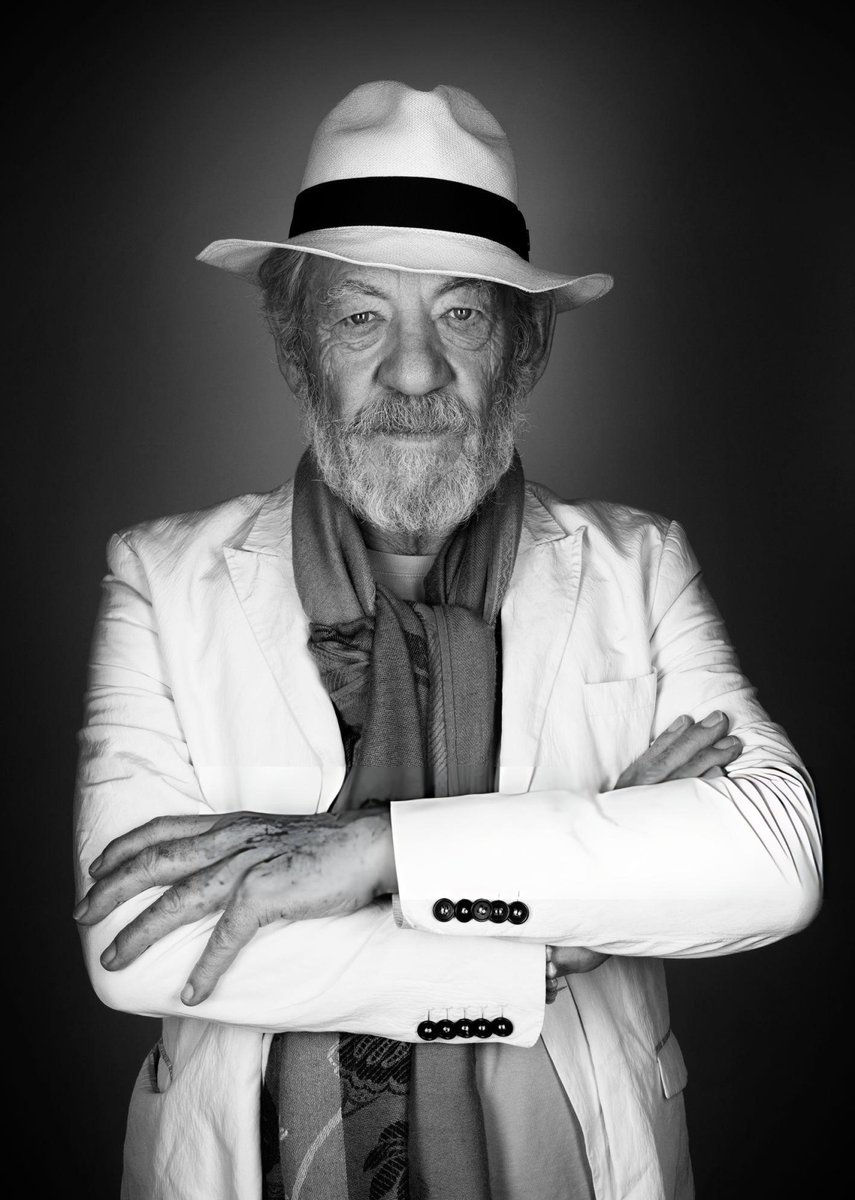
Happy 87th Birthday to IAN McKELLEN
Born | May 25, 1939 in Burnley, Lancashire, England, UK
Photo | Ian McKellen poses for a portrait during the 12th Rome Film Festival in Italy, 2017 (Photo © Riccardo Ghilardi)
@IanMcKellen #IanMcKellen

English

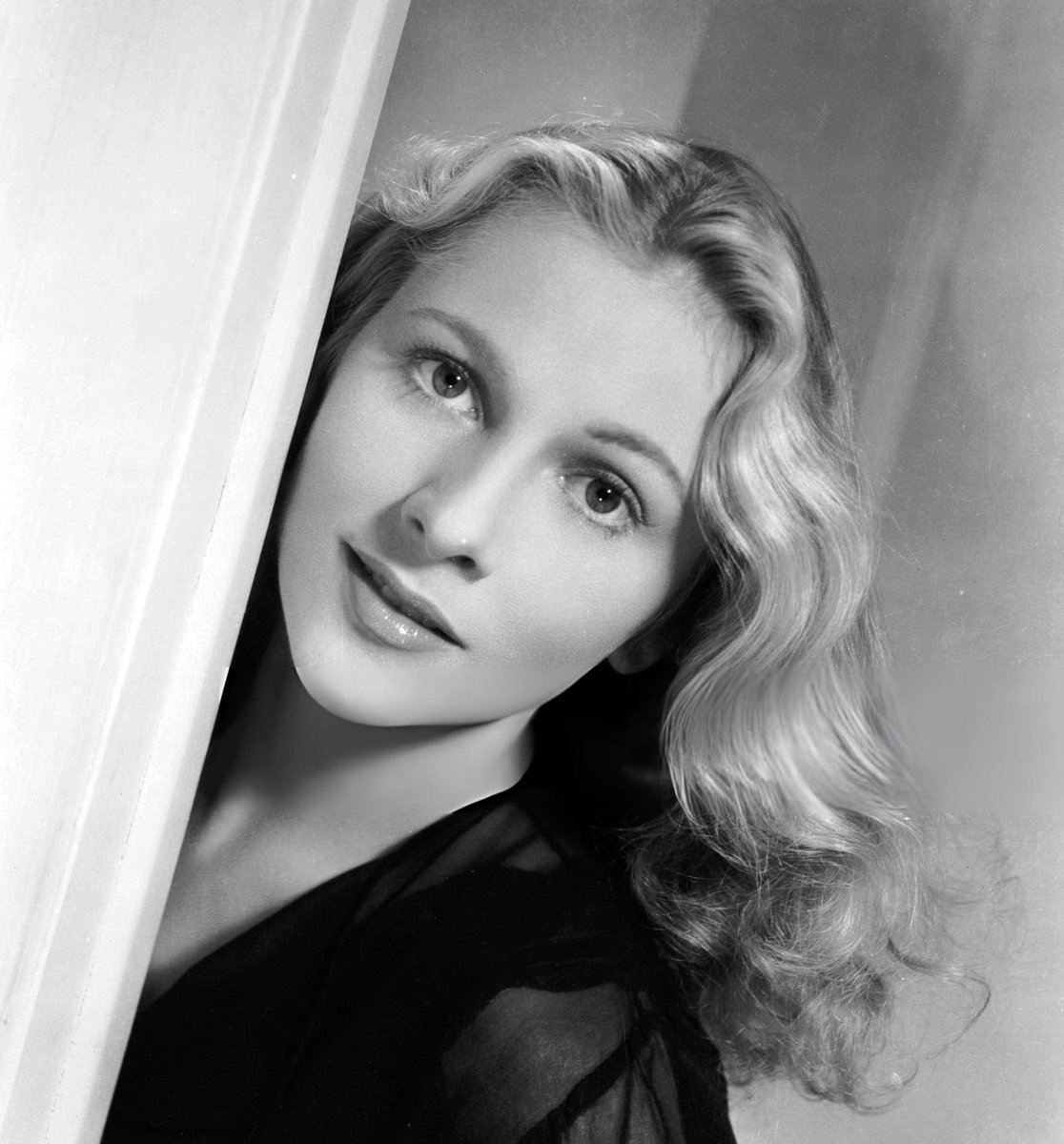
Joan Fontaine, 1945.
According to @IMDb, at the age of three Joan Fontaine scored 160 on an infant IQ test. Fontaine was a licensed pilot, champion balloonist, expert rider, prize-winning tuna fisherman, a hole-in-one golfer, Cordon Bleu chef and licensed interior decorator.
Photo from John Kobal Foundation.

English

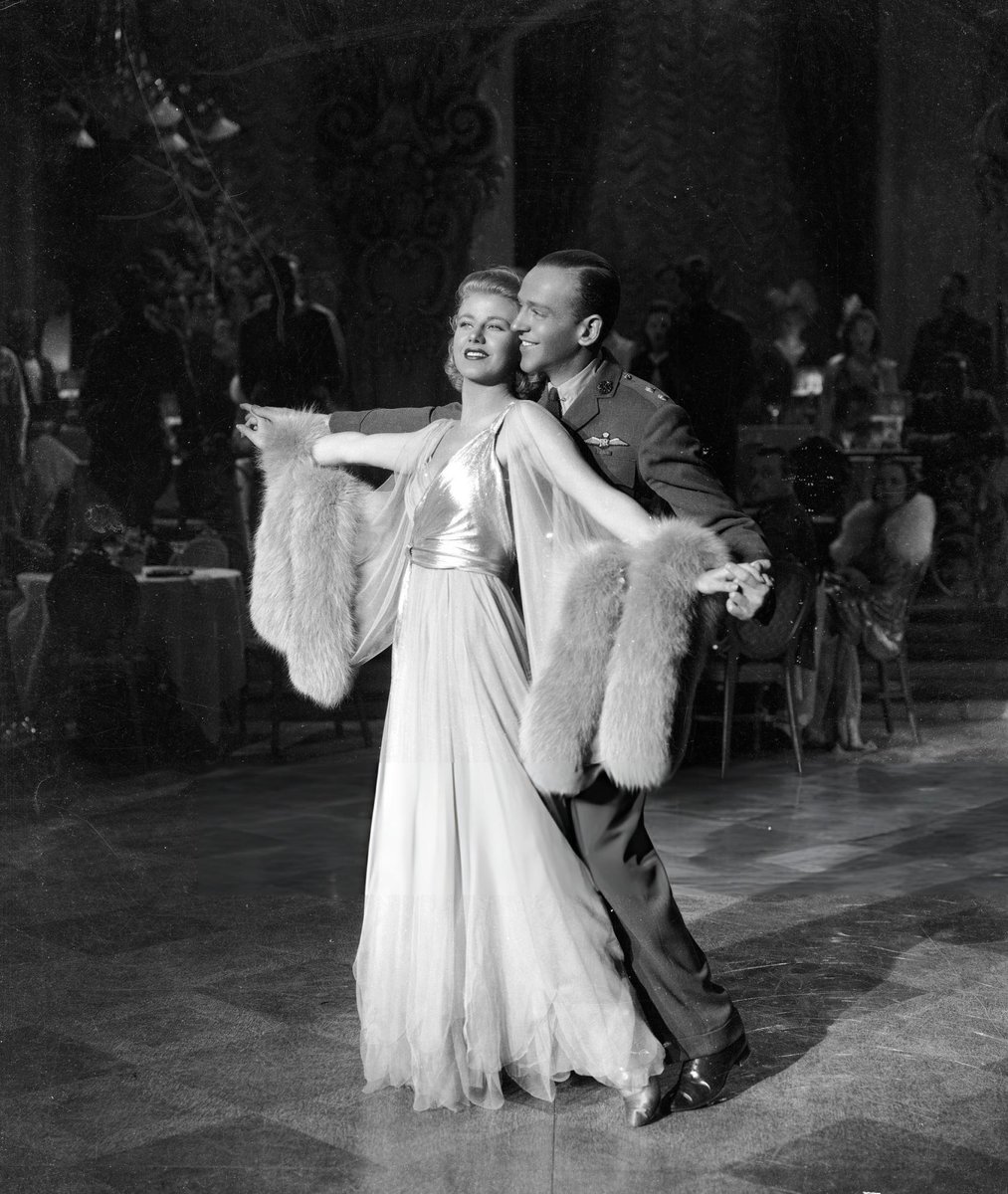
Ginger Rogers and Fred Astaire in publicity portraits for the biographical musical comedy film, The Story of Vernon and Irene Castle (1939), directed by H. C. Potter.
This was Astaire and Rogers' ninth and last film together with RKO. Their final pairing was The Barkleys of Broadway (1949) at MGM.
The film marks several “firsts”: The characters in it are more realistic than usual in an Astaire―Rogers film; There is none of the usual “screwball comedy” relief provided by such actors as Edward Everett Horton, Victor Moore, or Helen Broderick; It is the only Astaire―Rogers musical biography; The only one on which Oscar Hammerstein II worked; The only one of their musicals with a tragic ending; The only one in which Astaire's character dies.
Photos from John Kobal Foundation.


English

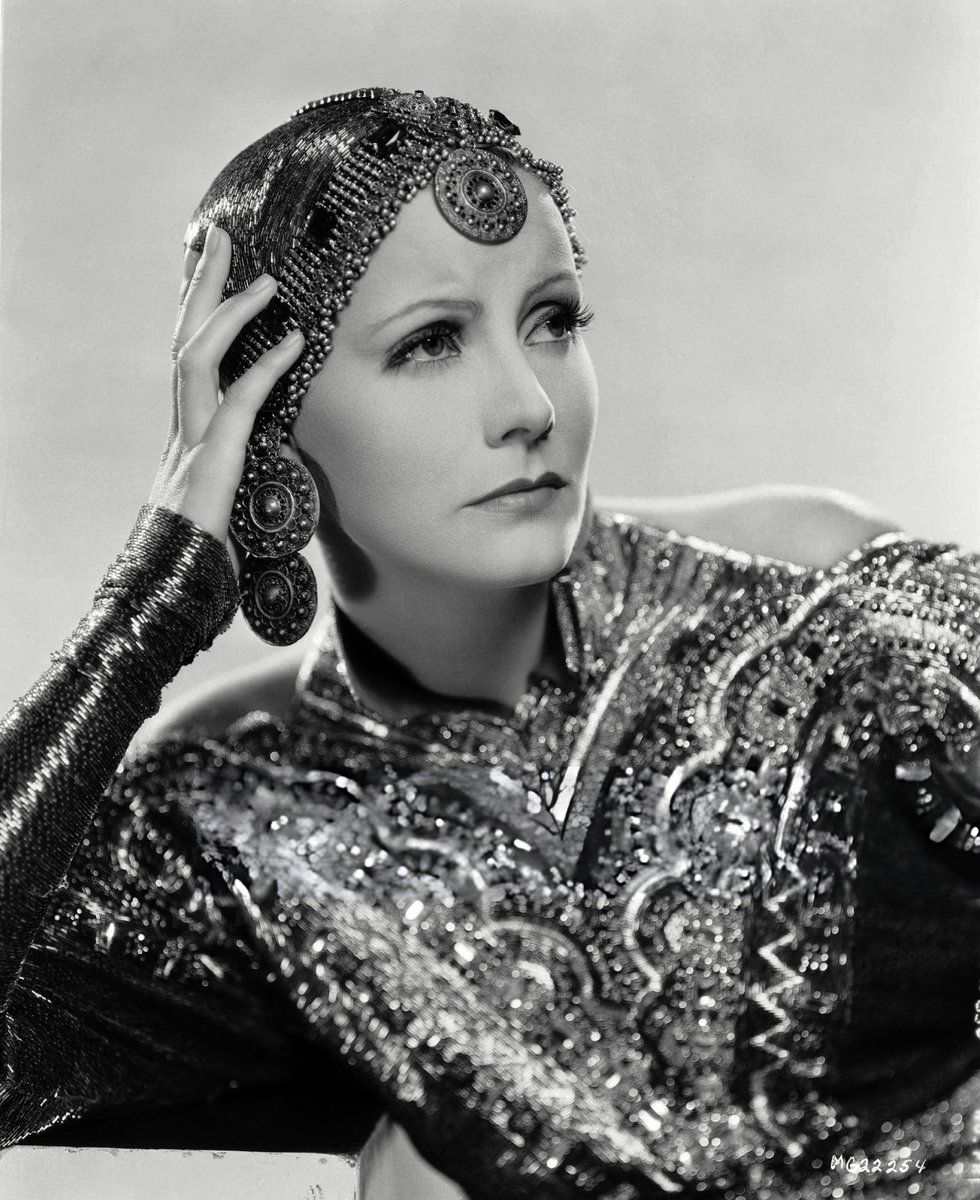
Greta Garbo in a promotional portrait for the pre-Code drama film Mata Hari (1931), directed by George Fitzmaurice loosely based on the life of Mata Hari, an exotic dancer and courtesan executed for espionage during World War I.
Mata Hari was Garbo's most commercially successful film.
Photo by Clarence Sinclair Bull for Metro-Goldwyn-Mayer.

English

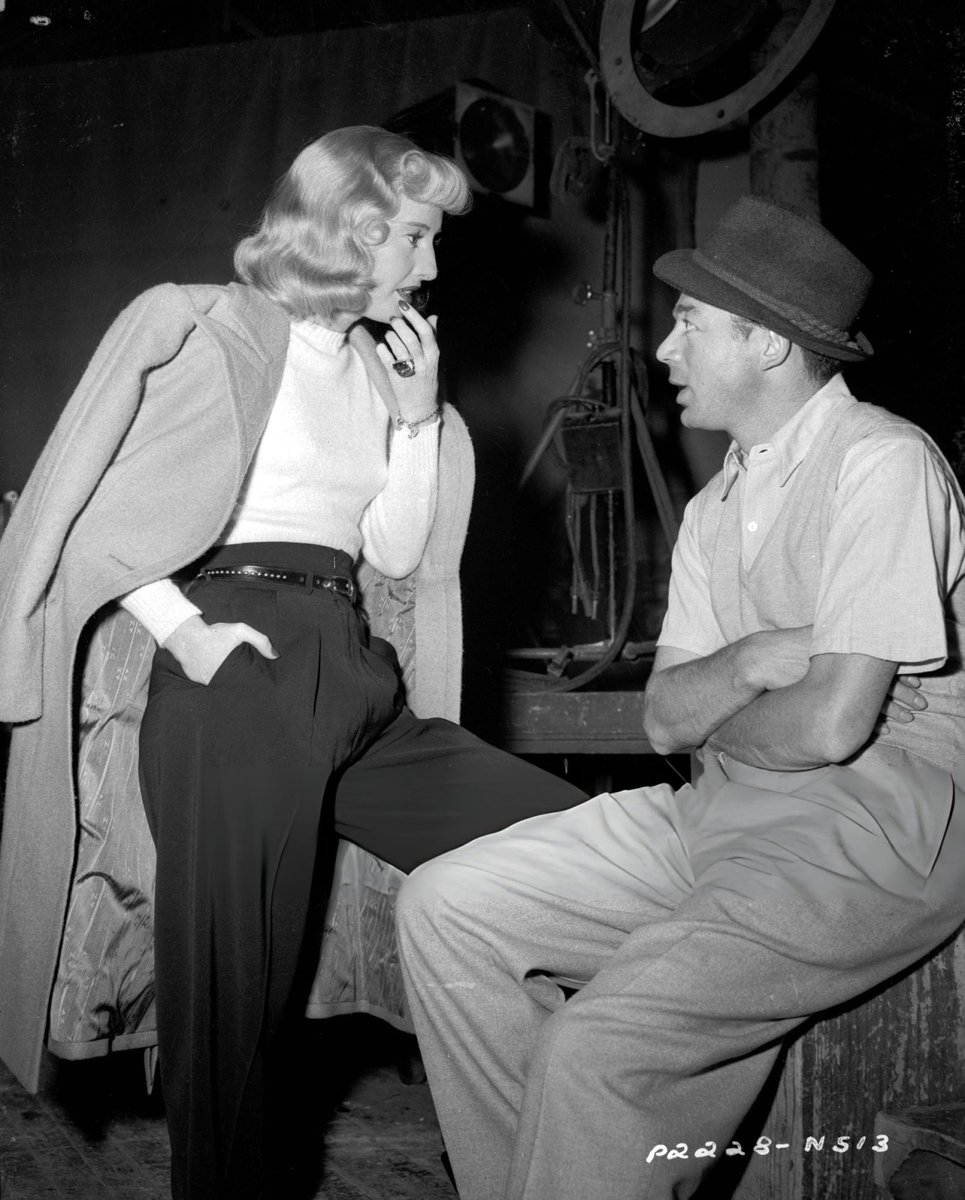
Barbara Stanwyck with director Billy Wilder on the set of the film noir classic Double Indemnity, 1944.
When Double Indemnity was released, David O. Selznick was promoting Since You Went Away with trade magazine ads that claimed its title had become “the four most important words uttered in motion picture history since Gone with the Wind.” Wilder riposted with an ad of his own claiming that “Double Indemnity” were the two most important words uttered in motion picture history since Broken Blossoms. Selznick was not amused, and threatened to stop advertising in any of the trades if they continued to run Wilder's ads.
Photo from John Kobal Foundation.

English

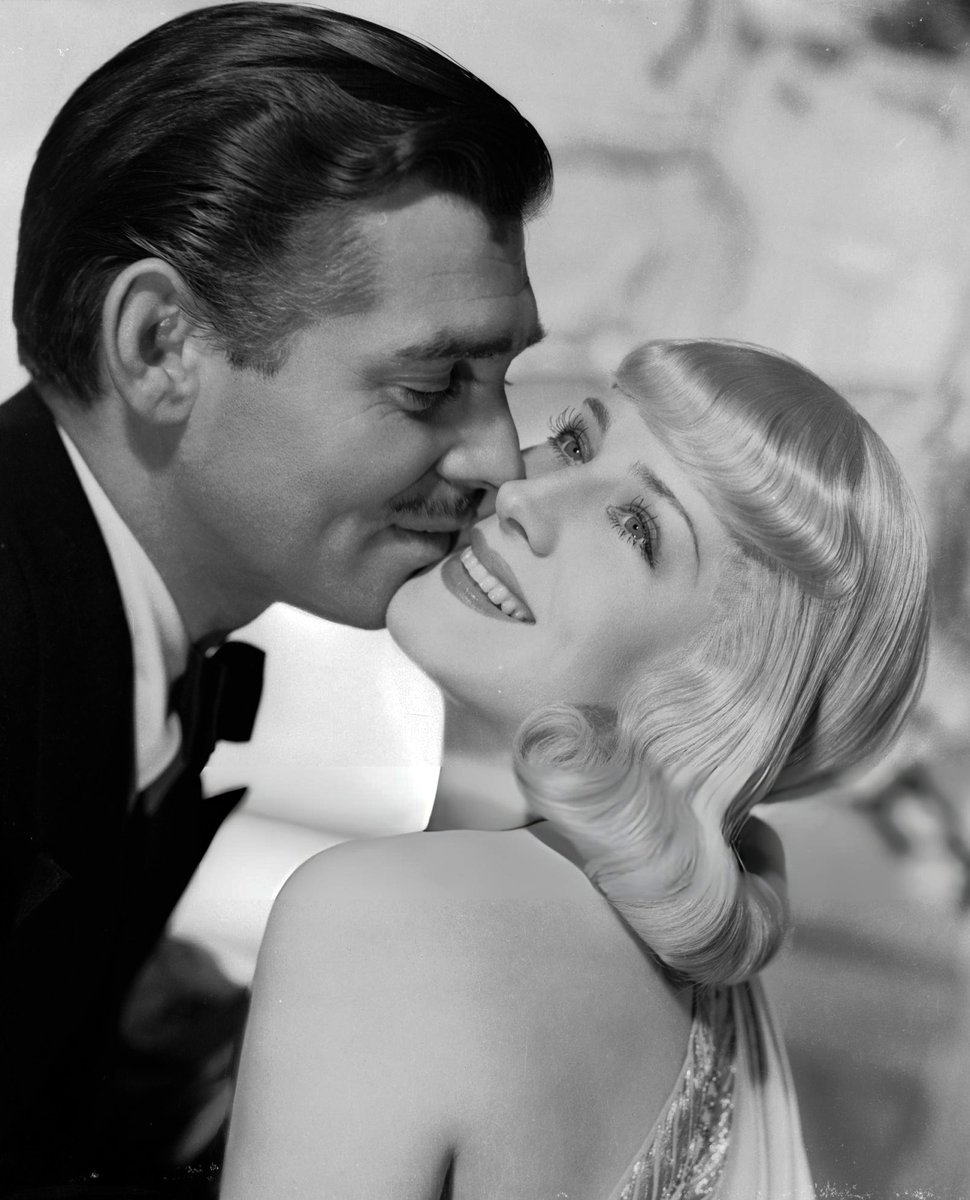
Norma Shearer and Clark Gable in a publicity portrait for Idiot's Delight, 20th December 1938.
Norma Shearer's distinctive pageboy hairstyle was copied from the hairstyle worn by Lynn Fontanne when she originated the character in the Broadway production of the stage play.
@tcm observes: “This was the only film in which Clark Gable performed a dance number. He spent six weeks rehearsing the steps with the dance director George King. Because of his fear of messing it up during a take, the set was closed during the filming of this sequence. When Gable had to sing “Puttin’ on the Ritz” he actually had to be carried off by Les Blondes, so they saved that [scene] for last in case he was injured. On the day of the shooting Carole Lombard came to watch and was amazed that it only took one take.”
Photo by László Willinger for MGM.

English