Higher Orbits
12.7K posts

Higher Orbits
@HigherOrbits
Non-Profit dedicated to using space to excite students about STEM, Leadership, Teamwork & Communication; #GoForLaunch #SpaceInspires
Katılım Ağustos 2013
847 Takip Edilen2.5K Takipçiler
Higher Orbits retweetledi

WE NEED YOU!
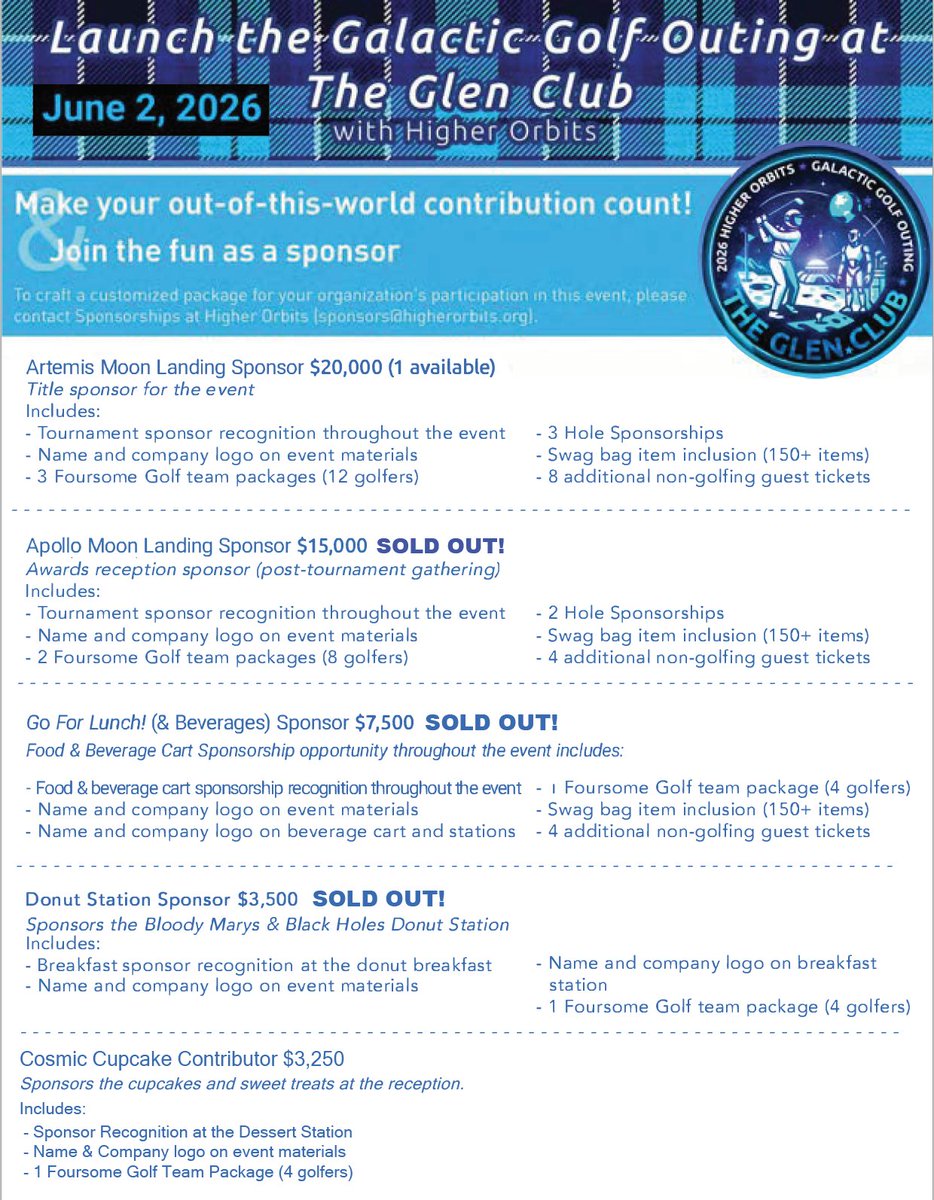
Sponsorship opportunities available for the 2026 Galactic Golf Outing
Join your cosmic colleagues to support the next generation of STEMists and Explorers by sponsoring this event!
higherorbits.org/galactic-golf/
#SpaceInspires #STEM #GalacticGolf #WorkforceDevelopment


English
Higher Orbits retweetledi

Mission managers now target no earlier than 7:41am ET Saturday for the launch of @NorthropGrumman's Cygnus XL cargo craft atop a @SpaceX Falcon 9 rocket. Meanwhile, the Exp 74 crew stayed busy with medical check ups and science hardware. nasa.gov/blogs/spacesta…
English
Higher Orbits retweetledi

Galactic Golf returns to @TheGlenClub June 2nd with Astronauts Mike Good, @Astro_Box, & @Astro_Nicole! Don't miss out on this opportunity to have a blast and support #STEM at the same time!
Registration is open!
higherorbits.org/galactic-golf/
#SpaceInspires #GalacticGolf

English
Higher Orbits retweetledi

Today, we celebrate the anniversary of the historic Axiom Mission 1. #Ax1 was the first private astronaut mission to the International Space Station. The Ax-1 crew included Commander Michael López-Alegría, Pilot Larry Connor, and Mission Specialists Eytan Stibbe and Mark Pathy. We will build on this flight heritage with #Ax5.

English
Higher Orbits retweetledi

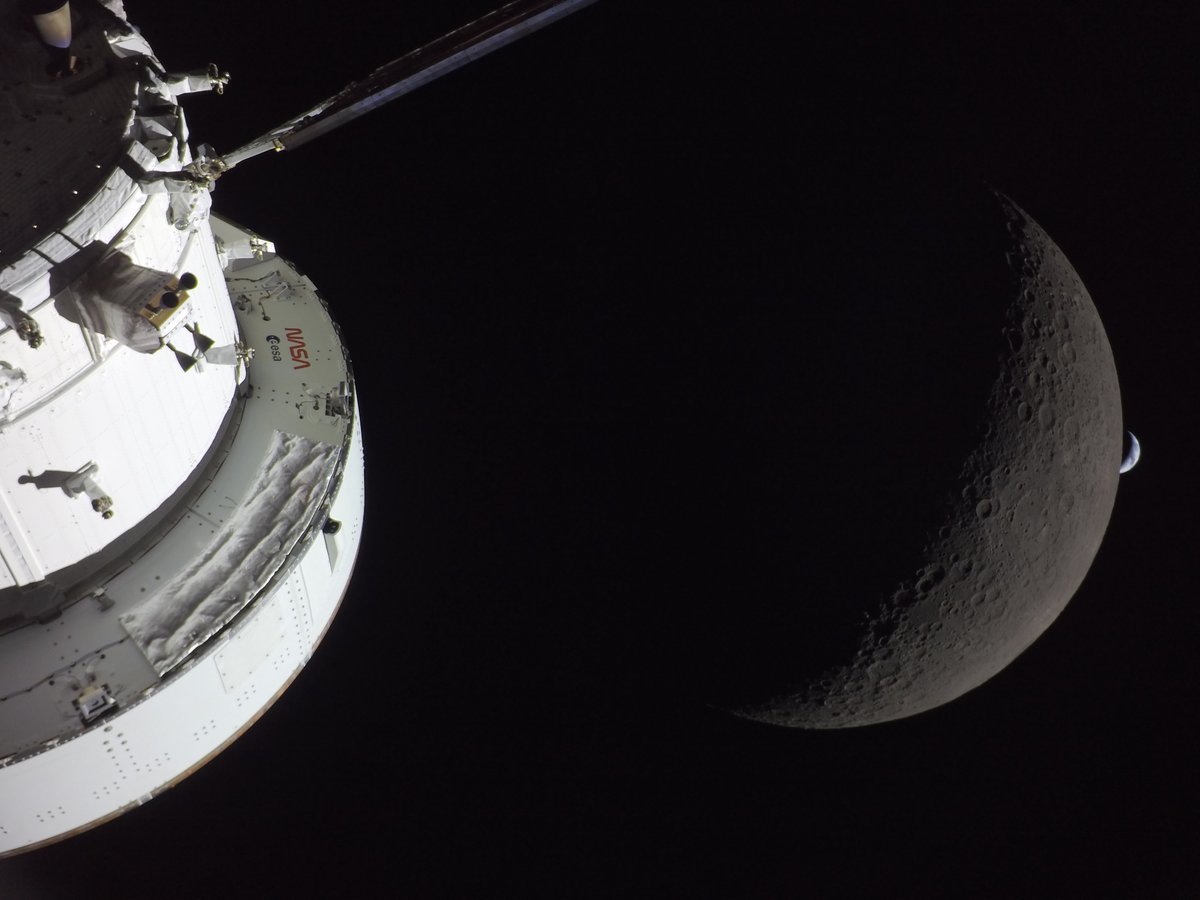
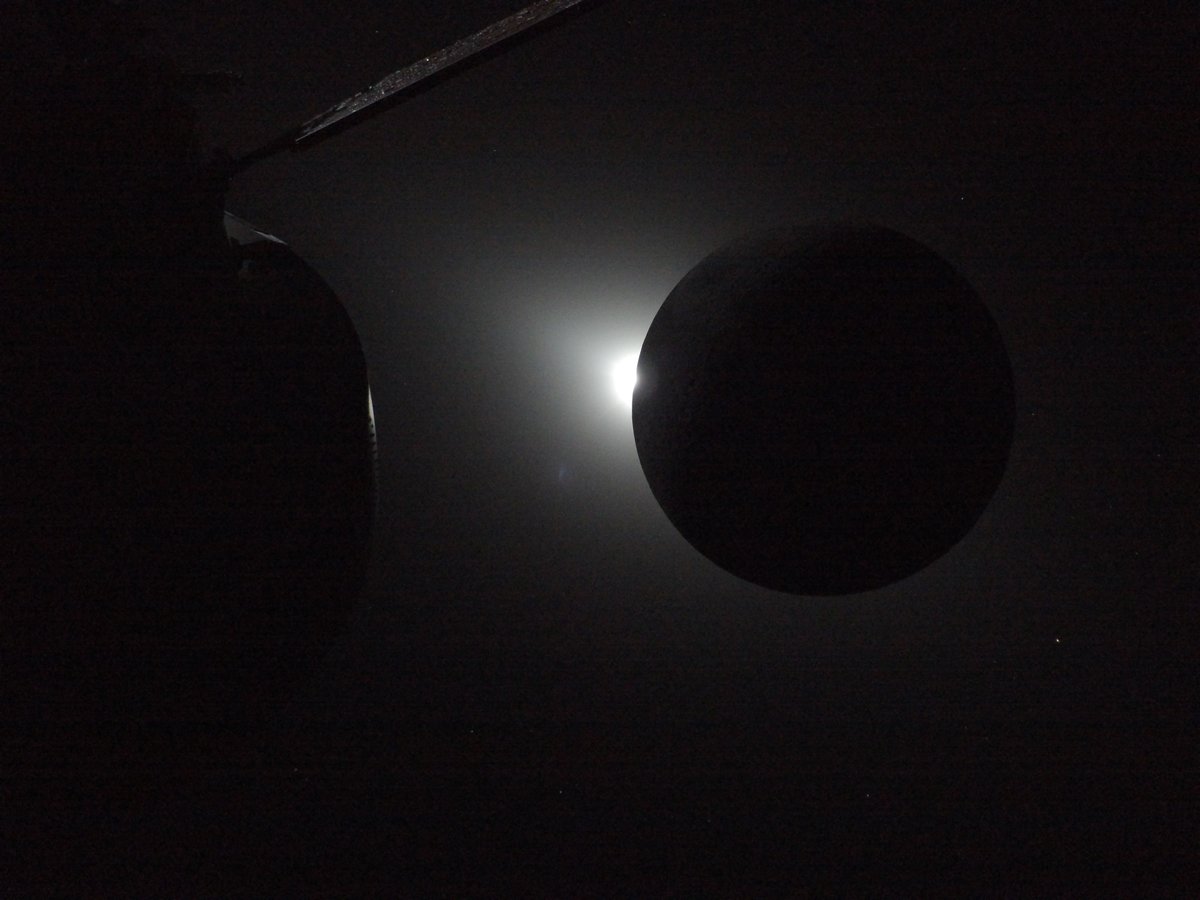
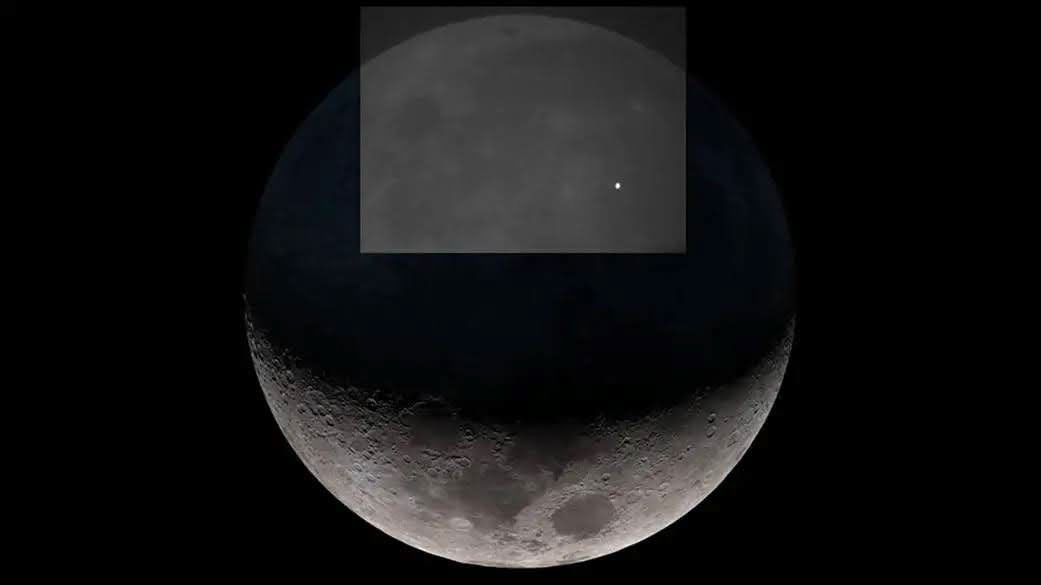
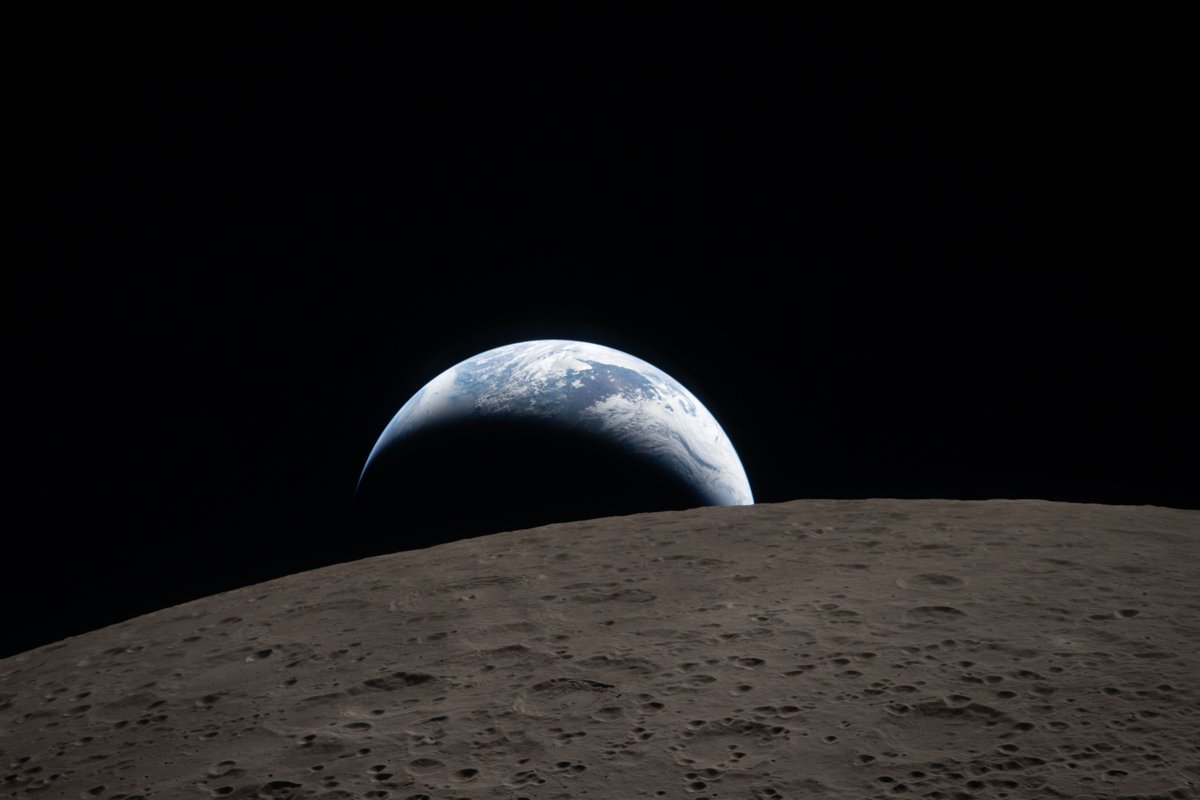
The most historic #GoPro images ever captured.
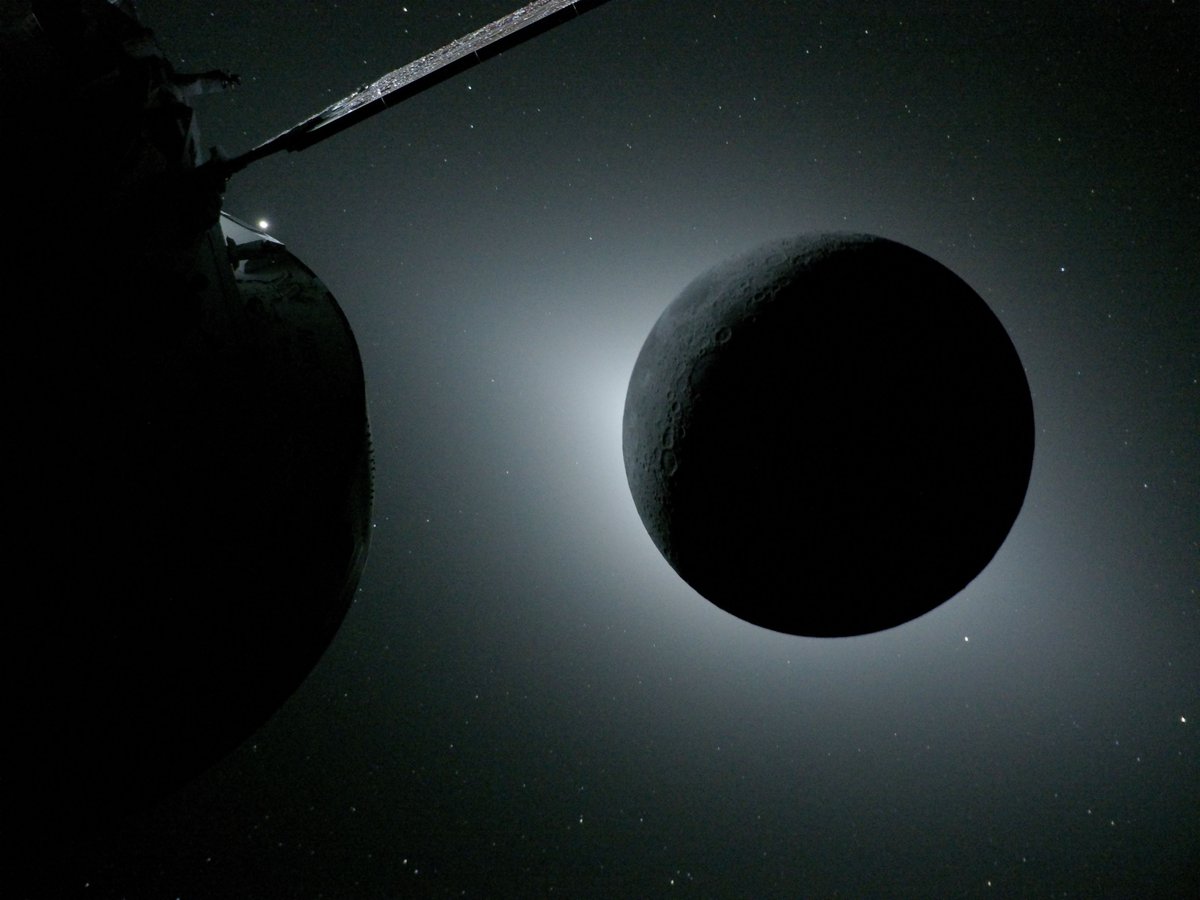
Slide 1: The Moon, seen backlit by the Sun during a solar eclipse on April 6, 2026, is photographed by a GoPro on the Orion spacecraft’s solar array wing. Orion is visible in the foreground on the left. Earth is reflecting sunlight at the left edge of the Moon, which is slightly brighter than the rest of the disk. The bright spot visible just below the Moon’s bottom right edge is Saturn. Beyond that, the bright spot at the right edge of the image is Mars.
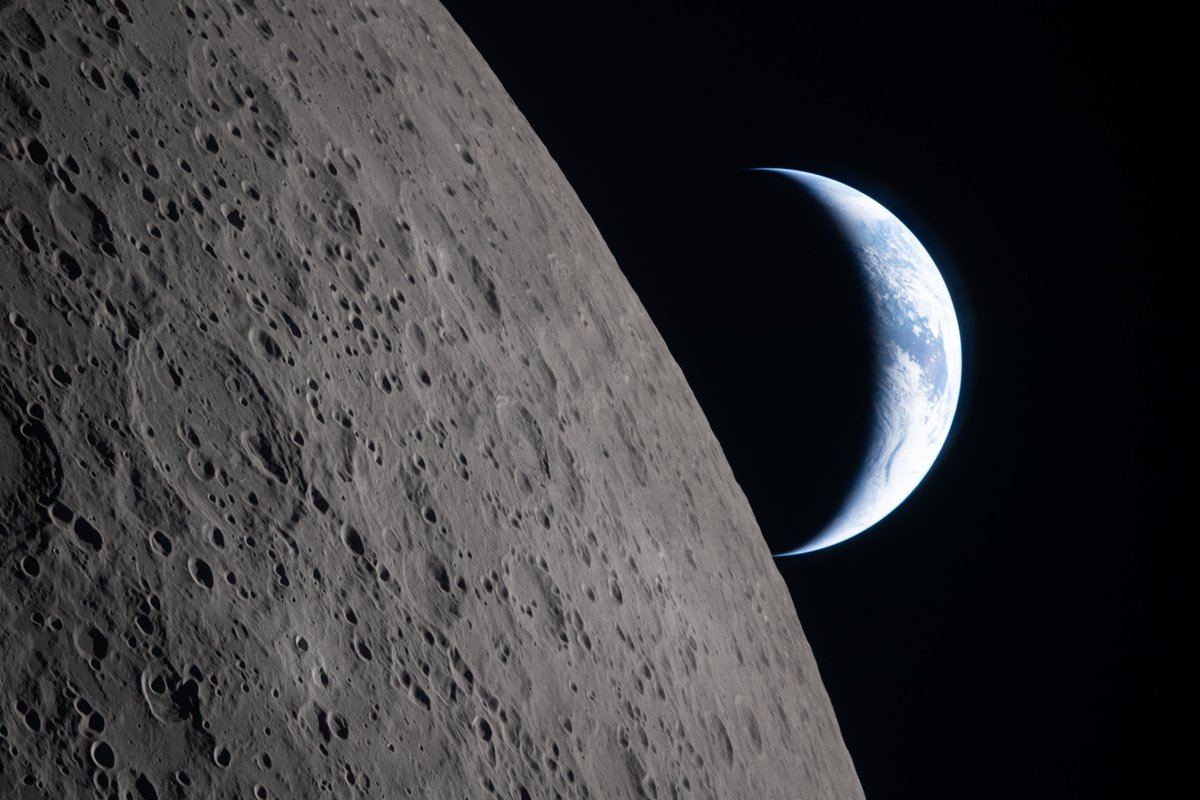
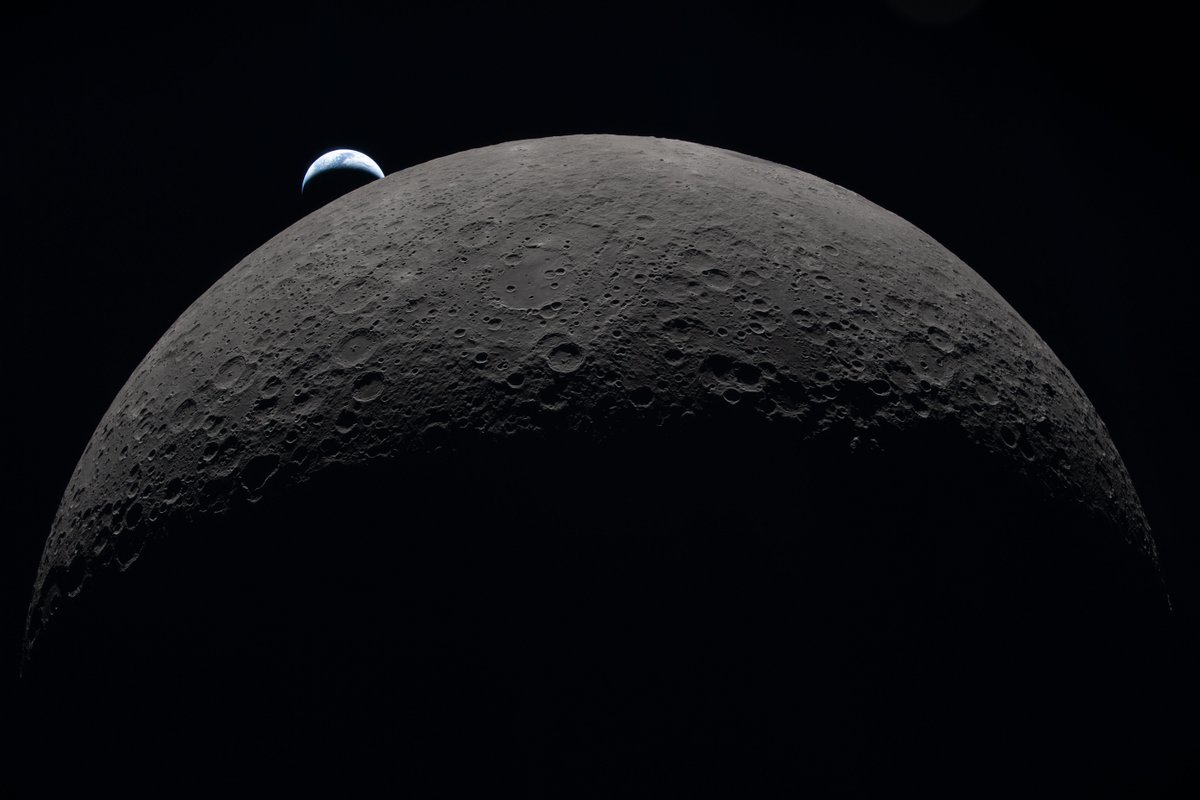
Slide 2: A GoPro on NASA’s Orion spacecraft captures the Moon and the Earth in one frame during the Artemis II crew’s deep space journey at 6:42 p.m. ET on the sixth day of the mission. The right side of NASA’s Orion spacecraft is seen lit up by the Sun. A waxing crescent Moon is visible behind it. And then, a crescent Earth, tiny compared to the Moon, is about to set below the Moon’s horizon on the right.
Slide 3: The Sun is rising at the left edge of the Moon, ending a nearly one-hour total solar eclipse on April 6, 2026. While the Sun hid behind the Moon, the crew aboard the Orion spacecraft, pictured in the forefront, saw a Moon shrouded in night. This offered a perfect opportunity to look for rarely seen phenomena. And the moment delivered. Calling down to Earth at 9 p.m. ET the crew reported seeing six impact flashes, which are light flashes that are created when meteoroids, traveling many thousands of miles per hour, smash into the Moon’s surface.
Slide 4: The Orion spacecraft is seen in the foreground lit up by the Sun. A first quarter Moon is visible in the background. Orientale basin, a 600-mile-wide impact crater ringed by mountains, is visible toward the bottom right of the Moon. This basin straddles the Moon’s near and far sides. To the left of Orientale, which has a patch of ancient lava in its basin, is the far side; this is the hemisphere we don’t get to see from Earth. To the right of Orientale is the near side, the hemisphere we see every day from Earth. The nearside is notable for giant, dark patches of ancient lave flows that cover its surface.
Credit: @NASA
Learn more about GoPro's journey to the moon aboard Artemis II 👉 GoPro.com/news/gopro-cam…
#Artemis #NASA #Moon #Space


English
Higher Orbits retweetledi

Observing the Moon ✅ Now it’s your turn.
We’re inviting skilled observers to monitor the Moon’s surface for meteoroid‑impact flashes using a telescope with video capability. Your recordings will help quantify impact rates and refine models of crater formation and lunar interior response.
More: science.nasa.gov/citizen-scienc…

English
Higher Orbits retweetledi

nobody's been this far from a Waffle House before
NASA Earth@NASAEarth
New record🥇 The Artemis II astronauts are now farther from Earth than humans have ever been! At 1:57 p.m. EDT, they broke the record set by Apollo 13 in 1970. Their journey around the far side of the Moon today will take them a maximum distance of 252,752 miles from Earth.
English
Higher Orbits retweetledi

Hello, Moon. It’s great to be back.
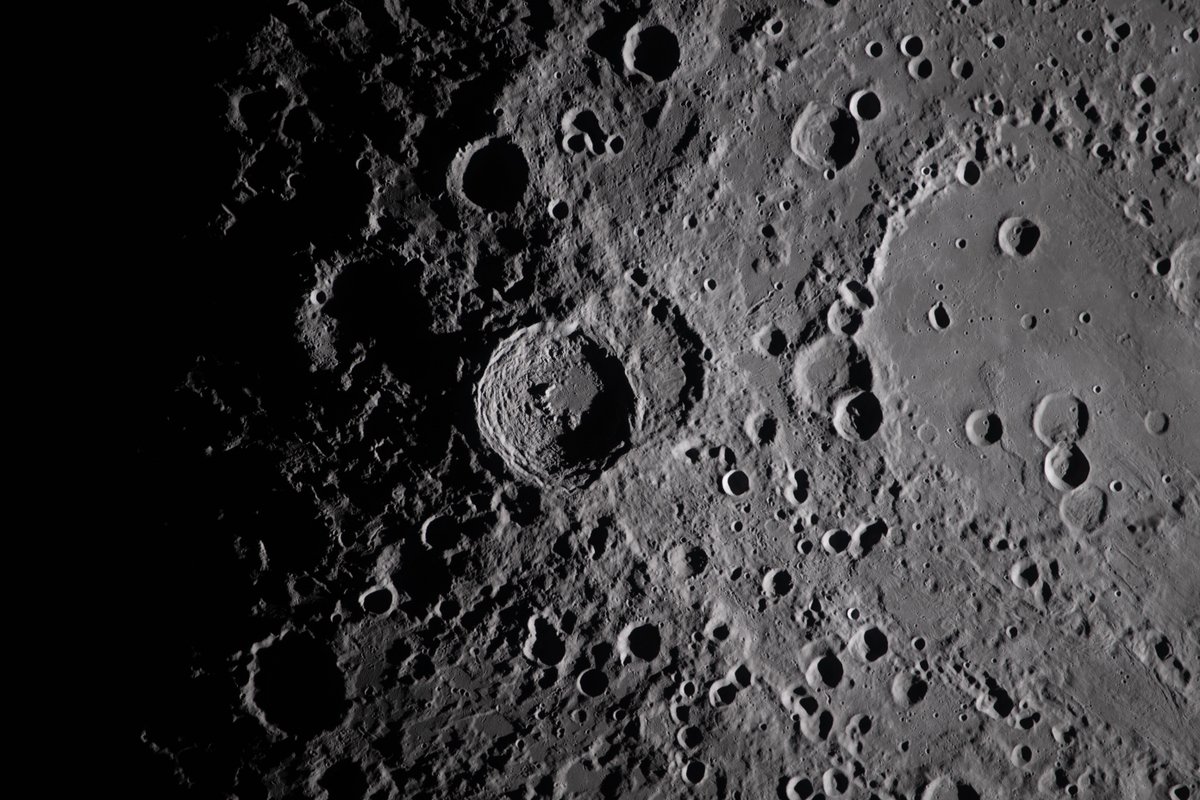
Here’s a taste of what the Artemis II astronauts photographed during their flight around the Moon. Check out more photos from the mission: nasa.gov/artemis-ii-mul…


English

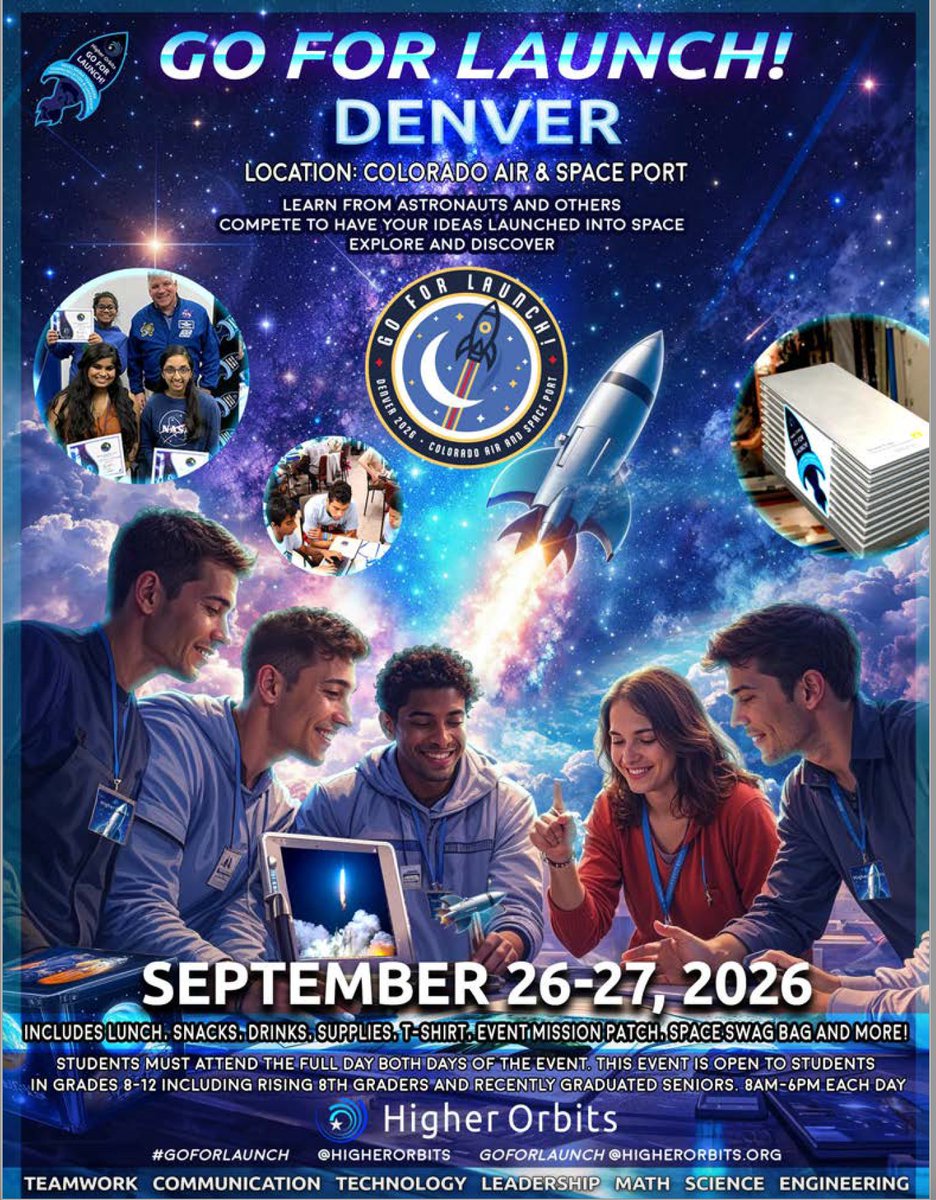
Go For Launch! is coming back to Colorado this fall! Join us at @coairandspace in September with Astronaut Mike Good for 2 days of Space Inspired fun!
Registration is open! Don't miss out!!
higherorbits.org/go-for-launch/
#SpaceInspires #STEM #STEAM #GoForLaunch #OneMileCloser

English
Higher Orbits retweetledi

I am a steely-eyed Naval Aviator to the core but something incredible happens when you view your planet from space. It elicits a deep emotional response and an overwhelming sense of unity. If everyone could experience this shift firsthand I believe we would treat each other and this planet very differently.

English
Higher Orbits retweetledi

We're inviting you to witness history being made! 🌖
Full lunar flyby coverage begins at today 1 p.m. EDT (1700 UTC).📺: nasa.gov/ways-to-watch/
NASA@NASA
We're going farther than ever before 🚀 Today, the Artemis II crew will break the record for how far humans have traveled from Earth as they fly around the far side of the Moon. Coverage begins at 1 p.m. EDT (1700 UTC). Watch Artemis II make history: nasa.gov/ways-to-watch/
English