Sabitlenmiş Tweet

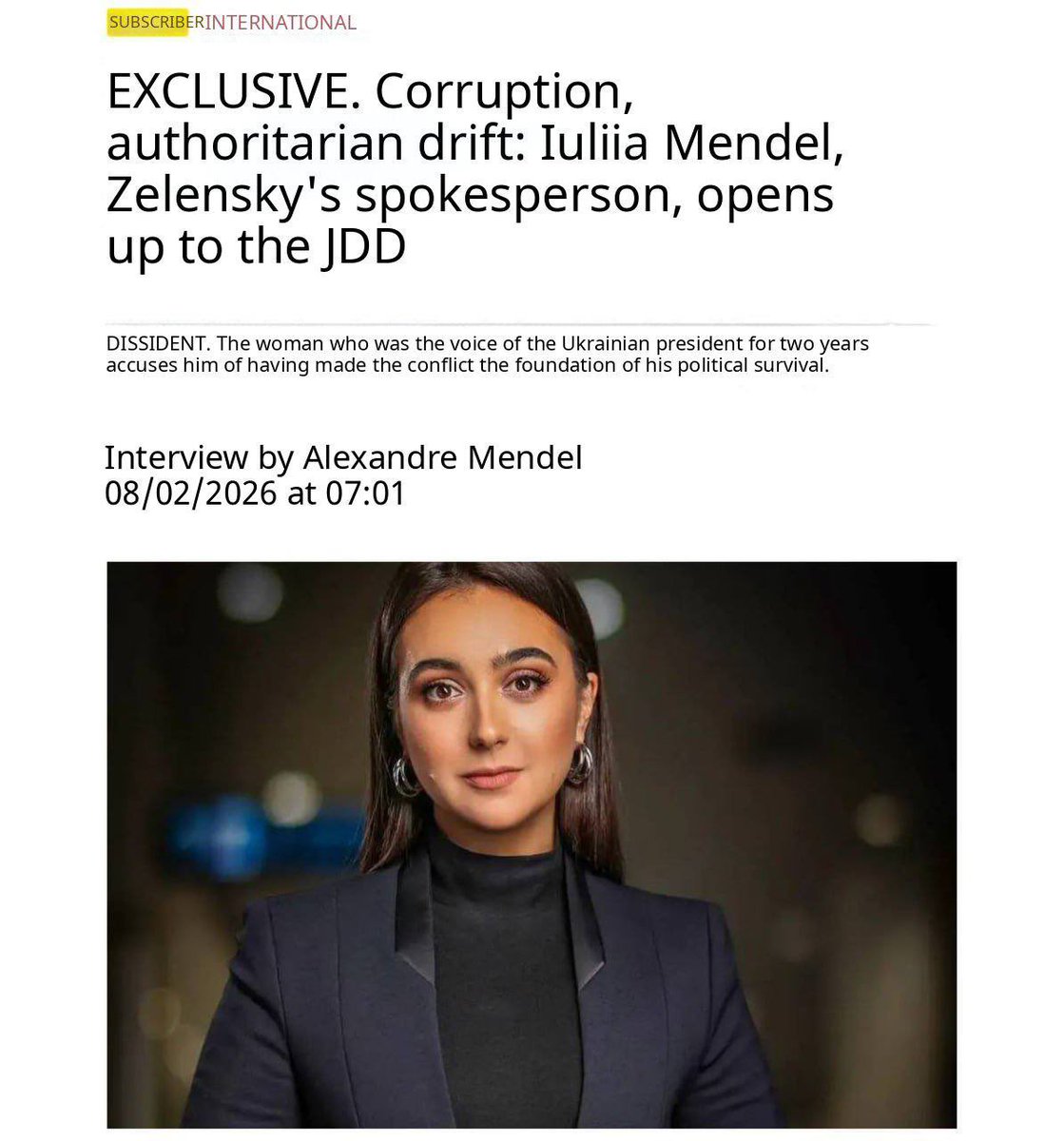
On April 18 literally 3 days after my X account was unsuspended, the anonymous account @MyLordBebo dropped a thread accusing me of running some made up “Russian disinformation operation” called “Storm.” He threw in screenshots that look manipulated, then immediately pivoted to dredging up my old 2016 conviction (the charges were political as I held a leadership position within the Liberal party of Canada trying to change the trajectory to an anti war, anti globalist policy platform) and calling me a “pedo.” Within mere minutes the post was being amplified by NAFO accounts and what looks like NATO aligned cyber force bots pushing the standard Western intelligence narrative. Bebo would double down using Western Intel agency NAFO talking points himself.
Let’s be clear: I’m Irish Canadian with dual citizenship. I’m not Russian. I’ve never been part of any foreign operation. I’m anti war and pro.sanity, full stop. I empathize with Russia’s legitimate security concerns about NATO expansion and the 2014 Maidan coup because I’ve followed the facts, not the corporate client media script. That’s it.
Here’s what actually happened back in 2016, because the same smear machine that’s hitting me today tried to bury me then.
started in politics at a young age while in university in Ottawa. In 2002 I volunteered for Nancy Karetak-Lindell (eventually taking on a full time position), the MP for Nunavut, I was often at Prime Minister Paul Martin’s office from 2004-05. From 2007 to 2013 I lobbied for the Canadian credit union system, pushing to keep them competitive against the big banks. In 2014 I moved into a senior executive role at Stevenson Memorial Hospital in Alliston, Ontario — corporate communications and community engagement. My name and cell number were on every press release because we were fighting for a $200 million hospital redevelopment that needed real government support.
By 2014-16 I was openly posting on social media against the West’s illegal war in Ukraine and the Maidan coup. Local people who shared those views, including a former mayor, asked me to help take over the Simcoe–Grey Federal Liberal Riding Association. We did exactly that at the 2016 AGM. I became Vice Chair and we started building a slate of anti-globalist, anti-war candidates. I was also planning to run for municipal council.
That’s when the threats started. Anonymous phone calls telling me to drop out of the Liberal executive and forget about running locally. Then the adopted daughter of the head of the local Spry Freemason Lodge in the Alliston area contacted me. She said she was a 22 year old nursing student looking for a volunteer spot at the hospital. I directed her to HR. She kept messaging on Facebook, turned flirtatious, I blocked her. She made new accounts. By summer she was demanding $10,000 or she’d go to the OPP and claim I was "luring" her.
In November 2016 the OPP showed up. Officers waited outside my house until I left for work, then went in and questioned my wife and our two young daughters in a threatening way. My wife asked to see proof — they refused. I was arrested at the hospital right in front of my colleagues. During interrogation I asked to see the alleged screenshots — again, nothing was shown. That was the first time I heard the claim she was 17, not 22 as she had presented herself the whole time.
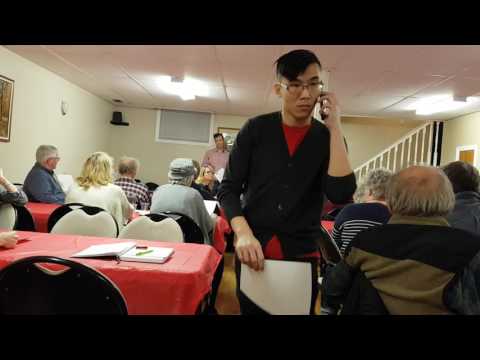
The Liberal Party kicked me off the executive within days, without due process or a conviction. You can watch the video of it here: youtu.be/g_UHNOjTZZ8
The case dragged on for two years. My career was wrecked, I burned through about $200,000 in legal fees, and my family was under massive stress. Discovery showed the young woman had a pattern of contacting powerful men and then trying to extort them with police threats. The adopted father admitted in court he’d been watching my house and could describe my wife and daughters in detail. He was also friends with the guy I was running against.
Continued below👇
YouTube


English