Jide Olabanji

1.5K posts

Jide Olabanji

Jide Olabanji

@jide_olaba69078

S7XP29HQ

Katılım Eylül 2023
159 Takip Edilen61 Takipçiler
Jide Olabanji retweetledi
Olalekan234
Olalekan234@OlabanjiOlalek2·
ARC IS NOT TRYING TO BE JUST ANOTHER BLOCKCHAIN Every week in Web3, a new blockchain shows up promising faster speed, lower fees, and "better infrastructure." At this point, most people are tired of hearing the same thing. Because if we are being honest, many chains are simply repeating what already exists with a new logo and a louder marketing team. But after spending time reading about @arc, one thing became clear to me: Arc is not positioning itself as just another blockchain competing for noise. It is trying to build something much more practical, an economic operating system for the internet. That sounds technical at first, but the meaning is simple. Right now, the internet can move information instantly. You send a text, an email, a file, and it reaches the other side of the world in seconds. But money still doesn't move like that. Businesses still deal with settlement delays. Cross-border transfers still cost too much. Financial apps still rely on fragmented systems. Developers still have to connect too many broken rails just to make one payment product work. Arc is looking directly at that problem. Instead of building blockchain for speculation first, Arc is building blockchain for internet-native finance first. Meaning: they want money, payments, treasury, and financial activity to move online with the same ease that communication already does. That changes the conversation entirely. Because this is no longer "another crypto chain." This is infrastructure for how value should move on the internet. And that makes Arc worth paying attention to. Tomorrow, I'll talk about one of the smartest things Arc did differently, why they built around stablecoins instead of the usual volatile gas token model.
Olalekan234 tweet media
English
0
15
29
214
Jide Olabanji retweetledi
Olalekan234
Olalekan234@OlabanjiOlalek2·
Why Arc Building Around Stablecoins Changes Everything One thing that quietly makes @arc different from many blockchains is this: 1️⃣ They are not designing the network around a speculative gas token experience. 2️⃣ They are designing it around stablecoin usability. That may not sound exciting on the surface, but for real builders, this changes almost everything. Let me explain➡️ On many blockchains today, transaction fees depend on the price of the native token. So when the token price moves wildly, the cost of using the network becomes unpredictable. This is fine for traders. But this is terrible for businesses. Imagine building a payroll platform, a remittance app, or a treasury dashboard where your backend transaction cost changes simply because a token pumped overnight. No serious company wants that uncertainty. Arc understands this. That is why they built transaction economics around stable assets like USDC. So instead of calculating network activity with a volatile coin, developers can estimate usage and cost in something that behaves like actual money. That makes budgeting easier. That makes finance apps easier. That makes institutional planning easier. And most importantly, it makes blockchain feel less like a casino and more like business infrastructure. This is a very underrated design decision. Because Arc is basically saying: “builders should focus on solving money movement, not surviving token volatility.” That alone tells you Arc is thinking long-term. Tomorrow, I’ll go into another major reason this chain stands out, Arc’s obsession with instant and deterministic settlement.
Olalekan234 tweet media
Olalekan234@OlabanjiOlalek2

ARC IS NOT TRYING TO BE JUST ANOTHER BLOCKCHAIN Every week in Web3, a new blockchain shows up promising faster speed, lower fees, and "better infrastructure." At this point, most people are tired of hearing the same thing. Because if we are being honest, many chains are simply repeating what already exists with a new logo and a louder marketing team. But after spending time reading about @arc, one thing became clear to me: Arc is not positioning itself as just another blockchain competing for noise. It is trying to build something much more practical, an economic operating system for the internet. That sounds technical at first, but the meaning is simple. Right now, the internet can move information instantly. You send a text, an email, a file, and it reaches the other side of the world in seconds. But money still doesn't move like that. Businesses still deal with settlement delays. Cross-border transfers still cost too much. Financial apps still rely on fragmented systems. Developers still have to connect too many broken rails just to make one payment product work. Arc is looking directly at that problem. Instead of building blockchain for speculation first, Arc is building blockchain for internet-native finance first. Meaning: they want money, payments, treasury, and financial activity to move online with the same ease that communication already does. That changes the conversation entirely. Because this is no longer "another crypto chain." This is infrastructure for how value should move on the internet. And that makes Arc worth paying attention to. Tomorrow, I'll talk about one of the smartest things Arc did differently, why they built around stablecoins instead of the usual volatile gas token model.

English
2
21
45
138
Jide Olabanji retweetledi
Olalekan234
Olalekan234@OlabanjiOlalek2·
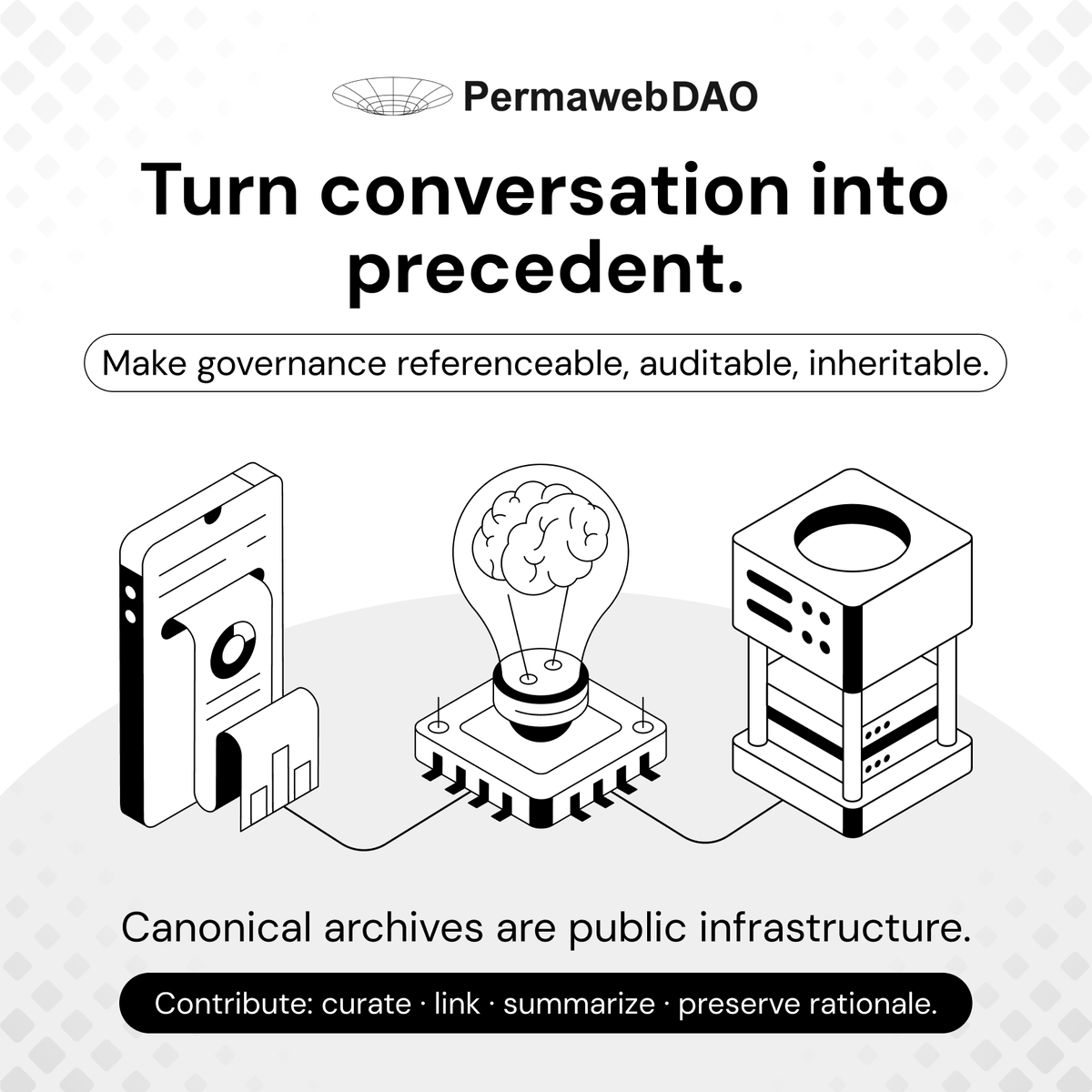
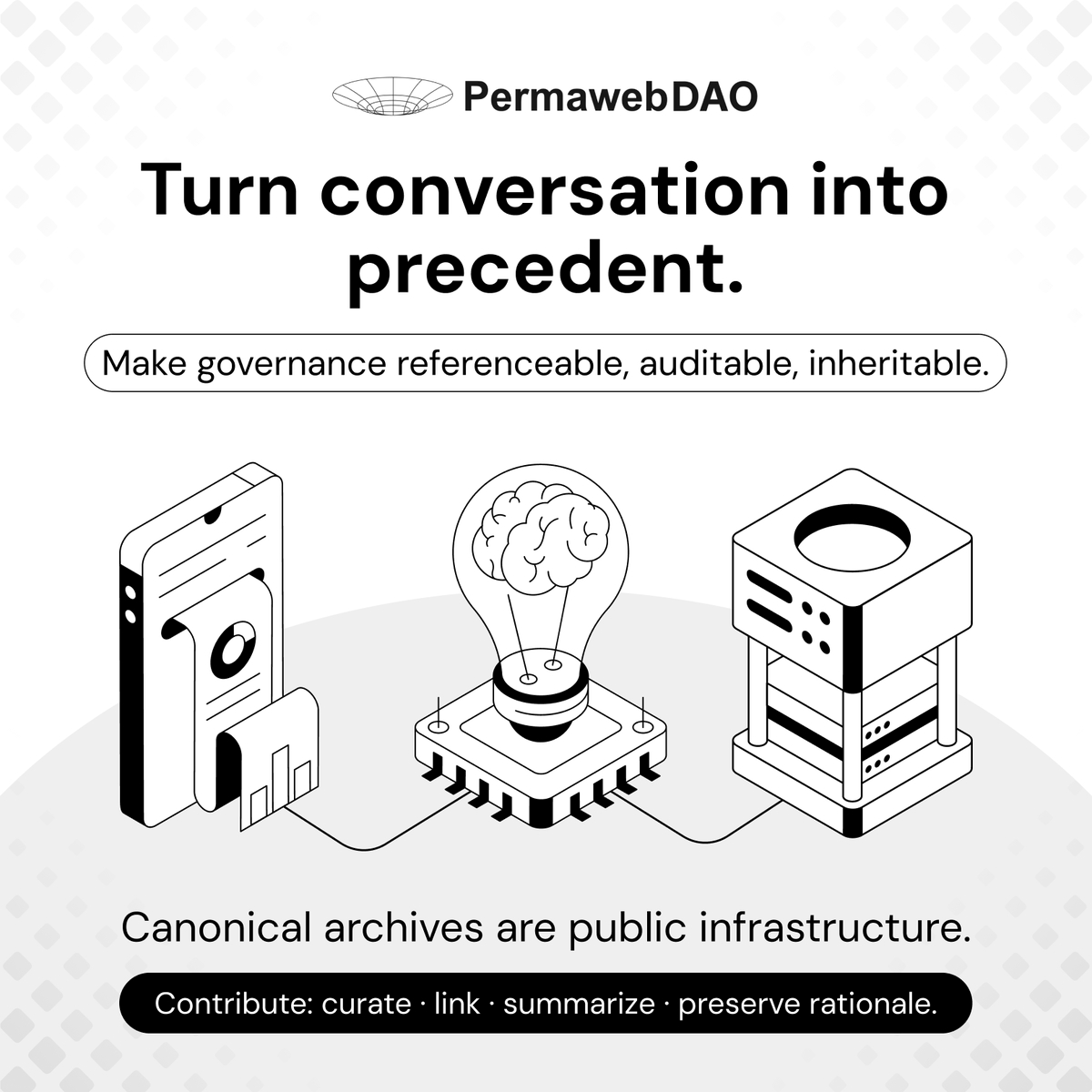
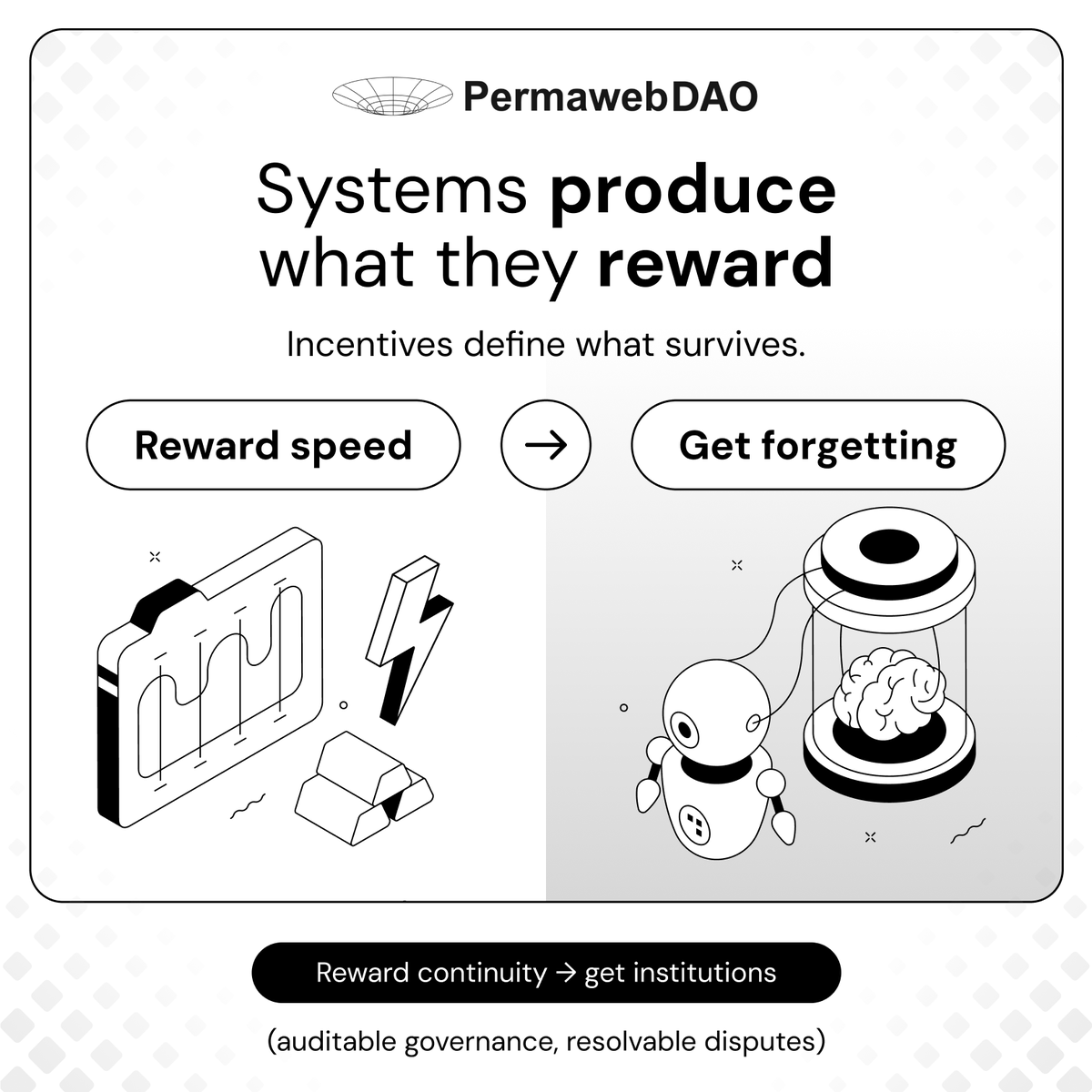
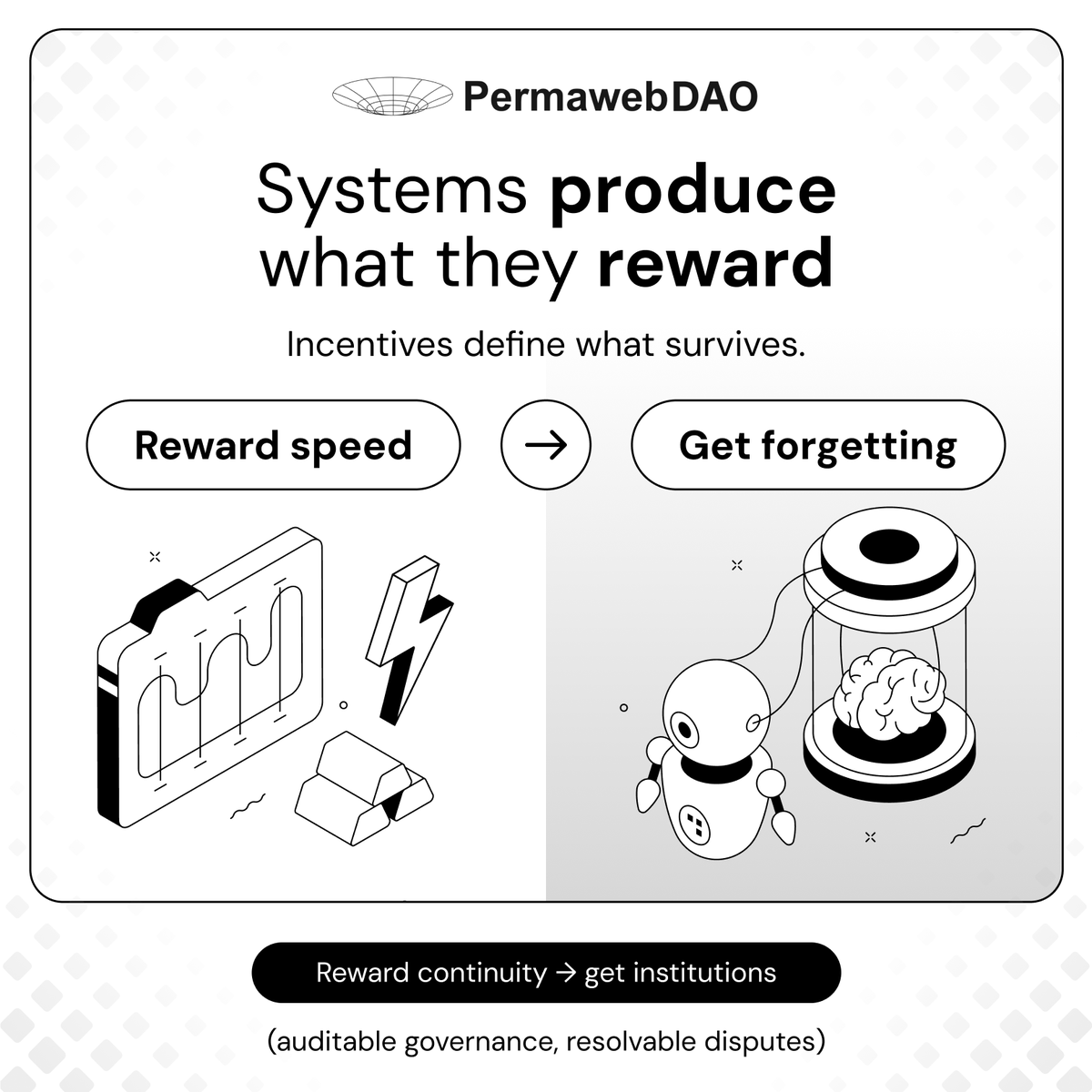
What Web3 lacks isn’t information, it’s continuity. Ideas appear, gain traction, and disappear, leaving little behind to build on. This constant reset slows down real progress and makes it harder for communities to mature. @permacastapp introduces a memory layer that captures and preserves these ideas in a structured way. Instead of losing valuable context, it becomes part of a growing archive that anyone can reference. This allows conversations to evolve rather than restart, creating a system where knowledge compounds over time. When continuity is maintained, the ecosystem becomes more efficient, aligned, and capable of long-term development.
Olalekan234 tweet media
English
0
5
6
8.9K
Jide Olabanji retweetledi
Olalekan234
Olalekan234@OlabanjiOlalek2·
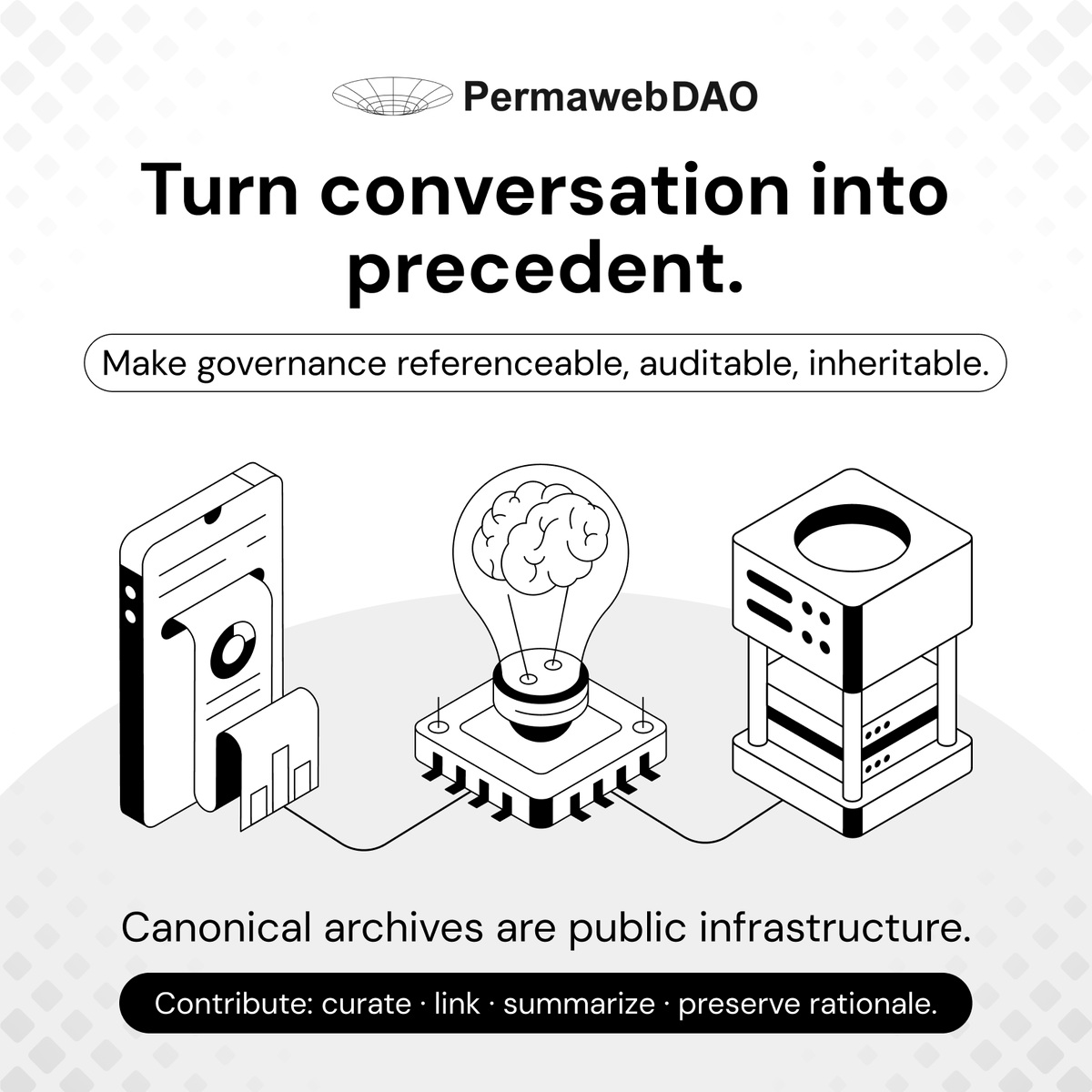
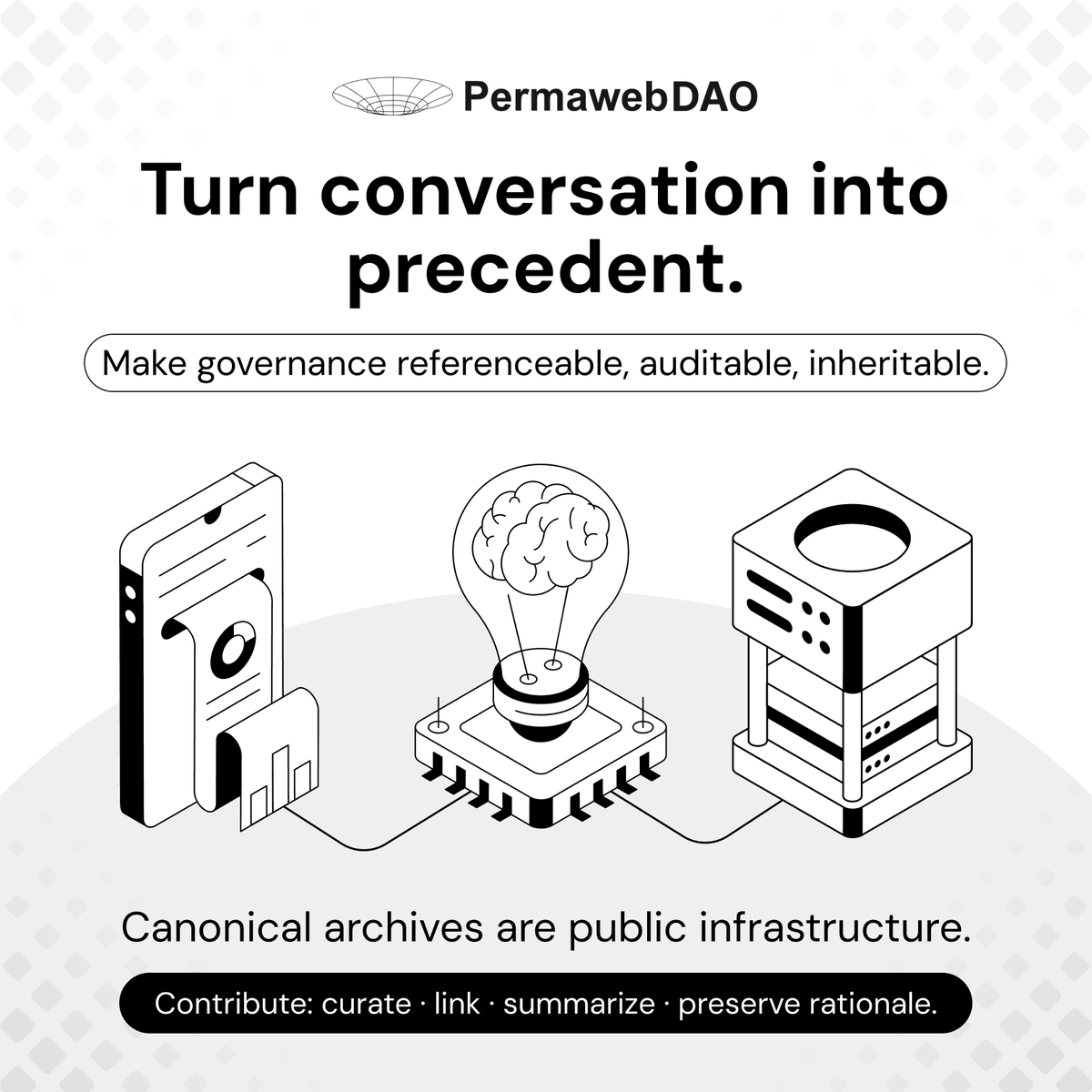
Most platforms treat content as something disposable, optimized for the moment rather than for the future. This limits the long-term impact of even the most valuable contributions. @permacastapp shifts this perspective by treating content as a lasting asset that should remain accessible and connected. By preserving context and linking ideas, it ensures that information can be revisited and expanded upon. This creates a more intentional approach to participation, where users contribute to a system that grows in value over time. As more content is added, the network becomes a richer and more reliable source of knowledge.
Olalekan234 tweet media
English
0
5
5
5.7K
Jide Olabanji retweetledi
Olalekan234
Olalekan234@OlabanjiOlalek2·
The difference between noise and knowledge is structure. Without organization, even important insights can become difficult to find and use effectively. @permacastapp addresses this by transforming content into a structured memory layer where information is easy to navigate and connect. This allows users to move beyond isolated posts and engage with ideas in a more meaningful way. By making knowledge accessible and interconnected, it supports better decision-making and collaboration. Over time, this structured approach helps turn scattered conversations into a cohesive system that can support deeper understanding and continuous growth.
Olalekan234 tweet media
English
0
5
6
6.2K
Jide Olabanji retweetledi
Olalekan234
Olalekan234@OlabanjiOlalek2·
Sustainable systems are built on the ability to retain and apply what has been learned over time. In Web3, this has been a challenge due to the lack of reliable mechanisms for preserving context. @permacastapp provides a solution by ensuring that content is stored, organized, and available for future use. This enables users to track the evolution of ideas and understand how current discussions relate to past ones. By maintaining this continuity, it creates an environment where knowledge can grow in a consistent and meaningful way, supporting long-term progress instead of repeated cycles.
Olalekan234 tweet media
English
0
5
5
7.1K
Jide Olabanji retweetledi
Olalekan234
Olalekan234@OlabanjiOlalek2·
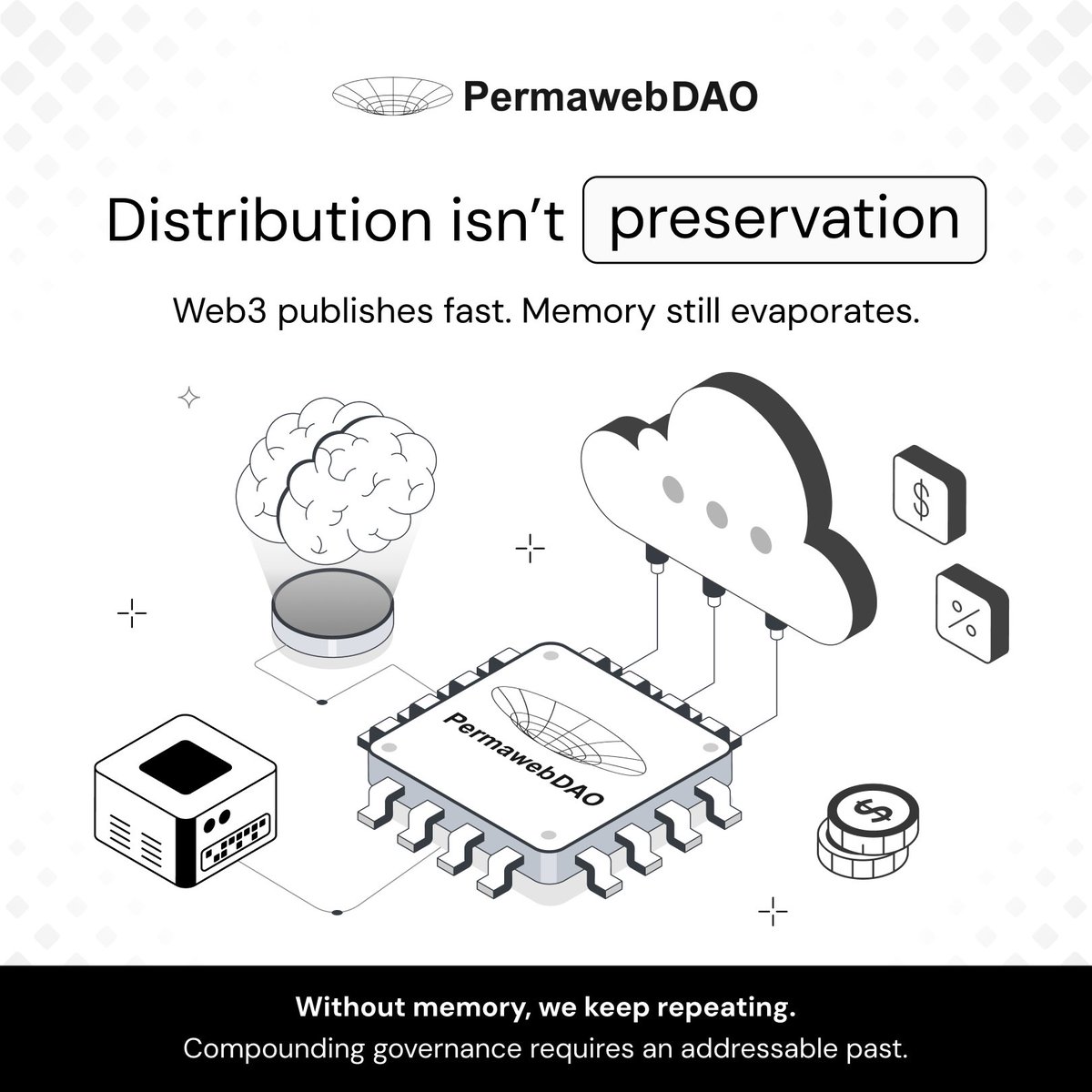
Most digital systems optimize for speed of distribution, but very few are designed to preserve meaning over time. As a result, valuable ideas often get buried under newer content, even when they are still relevant. @permacastapp introduces a different approach by treating content as persistent memory rather than temporary output. This ensures that information remains accessible, structured, and connected to related discussions. Instead of losing context as attention shifts, users can return to past ideas and build on them. Over time, this creates a stronger foundation for learning, collaboration, and long-term knowledge development across the ecosystem.
Olalekan234 tweet media
English
0
5
6
8.9K
Jide Olabanji retweetledi
Olalekan234
Olalekan234@OlabanjiOlalek2·
In fast-moving environments like Web3, context is often the first thing to disappear. Discussions evolve quickly, but without a reliable way to preserve what was previously said, it becomes difficult to understand how decisions were made or why certain ideas emerged. @permacastapp addresses this by turning conversations into a structured archive that can be revisited and expanded. This allows users to maintain continuity across discussions and ensures that important insights are not lost. By keeping context intact, it helps communities operate with more clarity, consistency, and shared understanding over time.
Olalekan234 tweet media
English
0
5
5
7.8K
Jide Olabanji retweetledi
Olalekan234
Olalekan234@OlabanjiOlalek2·
When knowledge is not preserved properly, every new cycle of discussion starts from scratch, regardless of how much has already been learned. This leads to inefficiency and repeated effort across communities. @permacastapp changes this by creating a system where content is stored as long-term memory that can be referenced and connected. This allows users to build on existing ideas instead of recreating them. As the archive grows, it becomes easier to identify patterns, track progress, and contribute meaningfully. The result is a more connected and informed ecosystem where knowledge compounds instead of resetting.
Olalekan234 tweet media
English
0
5
5
11.4K
Jide Olabanji retweetledi
Olalekan234
Olalekan234@OlabanjiOlalek2·
The value of a system increases when information within it becomes reusable and meaningful beyond its original context. In many platforms, content loses relevance quickly because it is not structured for long-term access or connection. @permacastapp solves this by organizing content into a memory layer that preserves meaning and links related ideas together. This allows users to explore how discussions evolve and understand the reasoning behind past decisions. By making knowledge persistent and accessible, it creates an environment where contributions continue to hold value and support ongoing development across the ecosystem.
Olalekan234 tweet media
English
0
5
5
8.8K
Jide Olabanji retweetledi
Olalekan234
Olalekan234@OlabanjiOlalek2·
Information without structure quickly turns into noise, no matter how valuable it was at the point of creation. In Web3, content is constantly produced, but very little of it is organized in a way that makes it useful over time. @permacastapp solves this by introducing a memory layer where content is preserved, linked, and made easy to navigate. This allows users to move beyond isolated posts and engage with ideas in context. Over time, this transforms scattered insights into a connected system of knowledge that can be explored, referenced, and expanded continuously.
Olalekan234 tweet media
English
0
5
5
11.6K
Jide Olabanji retweetledi
Olalekan234
Olalekan234@OlabanjiOlalek2·
The real value of content is unlocked when it can be revisited, understood, and built upon long after it is first shared. Without this, even the most impactful ideas lose their influence as attention shifts elsewhere. @permacastapp ensures that content remains accessible and meaningful by structuring it into a persistent memory layer. This allows users to track how ideas evolve, connect different perspectives, and contribute more effectively. By making knowledge durable, it supports a more thoughtful and informed ecosystem where progress is based on continuity rather than constant rediscovery.
Olalekan234 tweet media
English
0
5
5
7.8K
Jide Olabanji retweetledi
Olalekan234
Olalekan234@OlabanjiOlalek2·
Web3 thrives on open participation, but without a way to preserve context, it becomes difficult to maintain alignment across contributors. Conversations happen in fragments, and important insights are often disconnected from future discussions. @permacastapp addresses this by capturing content in a way that keeps it accessible and connected over time. This enables users to reference past discussions, understand decisions, and build on existing knowledge. As more content is curated and linked, it creates a shared foundation that strengthens collaboration and helps the ecosystem evolve more effectively.
Olalekan234 tweet media
English
0
5
5
7.9K
Jide Olabanji retweetledi
Olalekan234
Olalekan234@OlabanjiOlalek2·
Progress depends on the ability to carry knowledge forward, not just create it in the moment. In many systems, information fades as new content takes its place, making it hard to sustain meaningful development. @permacastapp changes this by turning content into a long-term resource that remains available and useful. By organizing information into a structured memory layer, it allows ideas to accumulate and connect over time. This creates an environment where contributions have lasting impact, supporting a shift from short-term engagement to building knowledge that continues to grow and guide future outcomes.
Olalekan234 tweet media
English
1
5
6
10.5K
Jide Olabanji retweetledi
Olalekan234
Olalekan234@OlabanjiOlalek2·
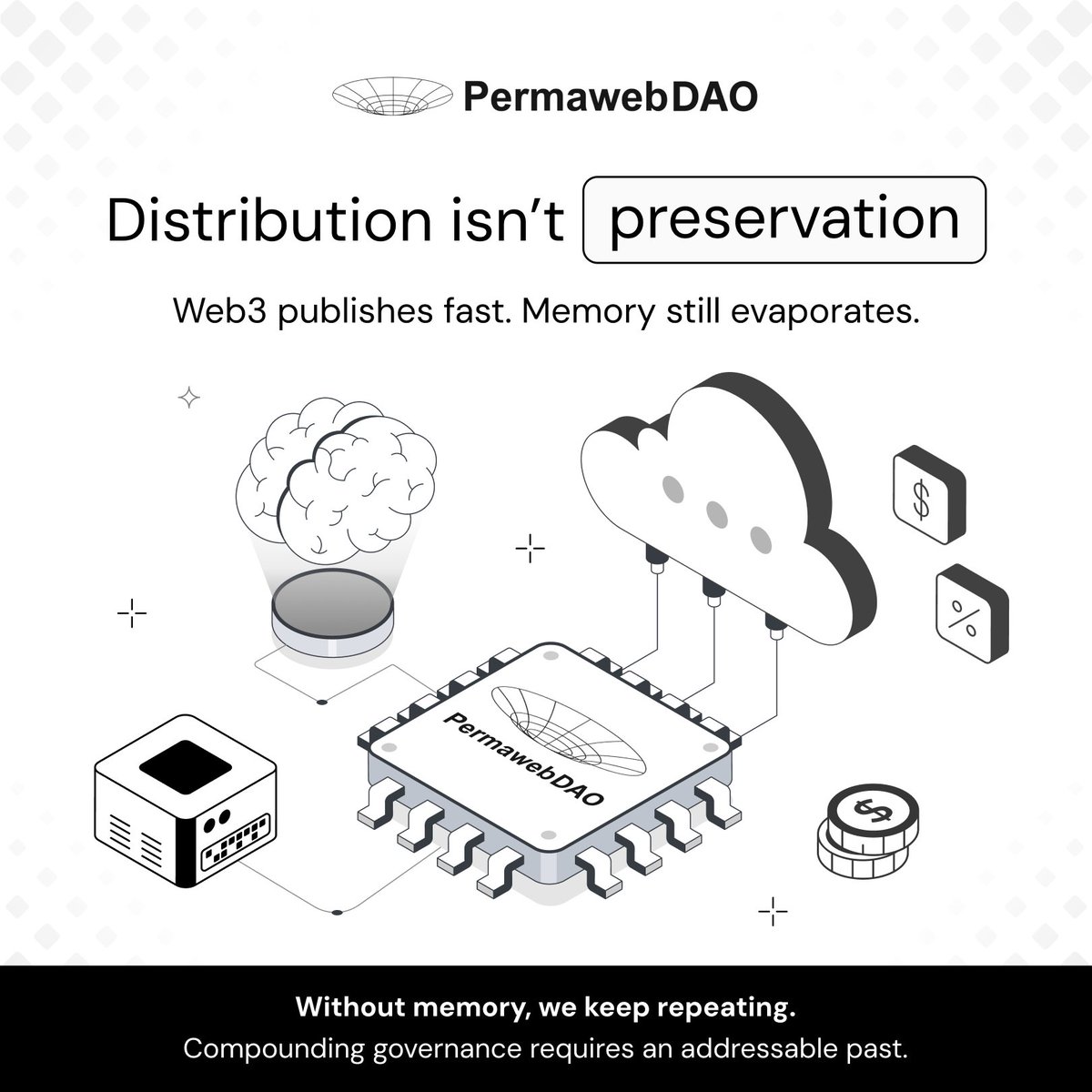
What gives information lasting value is not just how far it spreads, but how well it is preserved and connected over time. In Web3, distribution is strong, but memory is weak, which leads to fragmented knowledge and repeated conversations. @permacastapp addresses this by creating a system where content becomes part of a structured and persistent archive. This allows ideas to remain accessible and useful beyond their initial moment of attention. By enabling users to revisit and build on past discussions, it transforms content into a resource that supports continuous learning, stronger coordination, and more meaningful progress across the ecosystem.
Olalekan234 tweet media
English
0
5
5
7.8K
Jide Olabanji retweetledi
Olalekan234
Olalekan234@OlabanjiOlalek2·
A major challenge in Web3 is not the lack of insights, but the inability to retain and organize them effectively across time. Valuable contributions often get buried, making it difficult to maintain context as new discussions emerge. @permacastapp solves this by introducing a memory layer that ensures content is stored, linked, and easy to navigate. This allows users to trace the evolution of ideas and make more informed contributions. Over time, this structured approach helps create a more coherent ecosystem where knowledge is not lost, but continuously expanded and refined through active participation.
Olalekan234 tweet media
English
0
5
5
6.4K
Jide Olabanji retweetledi
Olalekan234
Olalekan234@OlabanjiOlalek2·
The strength of any system depends on its ability to learn from its past, and that requires a reliable way to preserve and access information. Without this, progress becomes inconsistent and difficult to sustain. @permacastapp provides a framework where content is treated as long-term memory, ensuring that discussions remain available and connected. This enables users to reference previous insights, understand context, and contribute more effectively. As the archive grows, it becomes a valuable foundation for collaboration and decision-making, helping the ecosystem move forward with greater clarity and purpose.
Olalekan234 tweet media
English
0
5
5
8.9K
Jide Olabanji retweetledi
Olalekan234
Olalekan234@OlabanjiOlalek2·
In fast-moving environments like Web3, it is easy for important ideas to lose visibility and impact over time. This creates a cycle where knowledge is constantly rediscovered instead of being built upon. @permacastapp addresses this by ensuring that content is preserved in a way that maintains its relevance and accessibility. By organizing information into a structured memory layer, it allows users to reconnect ideas and follow the progression of discussions. This not only improves understanding, but also supports the development of systems that rely on continuity and shared knowledge to grow effectively.
Olalekan234 tweet media
English
0
5
5
8.8K
Jide Olabanji retweetledi
Olalekan234
Olalekan234@OlabanjiOlalek2·
The rapid growth of AI has highlighted the importance of the infrastructure that supports it. While models continue to improve, the systems responsible for running and maintaining them must also evolve to meet increasing demands. @0G_labs Labs is building a decentralized infrastructure that distributes computation, storage, and verification across a network. This approach reduces reliance on centralized systems and improves overall reliability. By creating a more resilient foundation, it enables AI applications to operate more efficiently and scale without being limited by traditional constraints, supporting the development of more advanced and accessible intelligent systems.
Olalekan234 tweet media
English
0
5
5
6.2K