Lida Michaud retweetledi
Lida Michaud
289 posts

Lida Michaud
@lidad
MBA at @Babson. Computer Science Engineer at @PUCP. Passionate about finance and technology. #fintech #financialrisk #machinelearning
Boston, MA Katılım Nisan 2009
663 Takip Edilen79 Takipçiler
Lida Michaud retweetledi


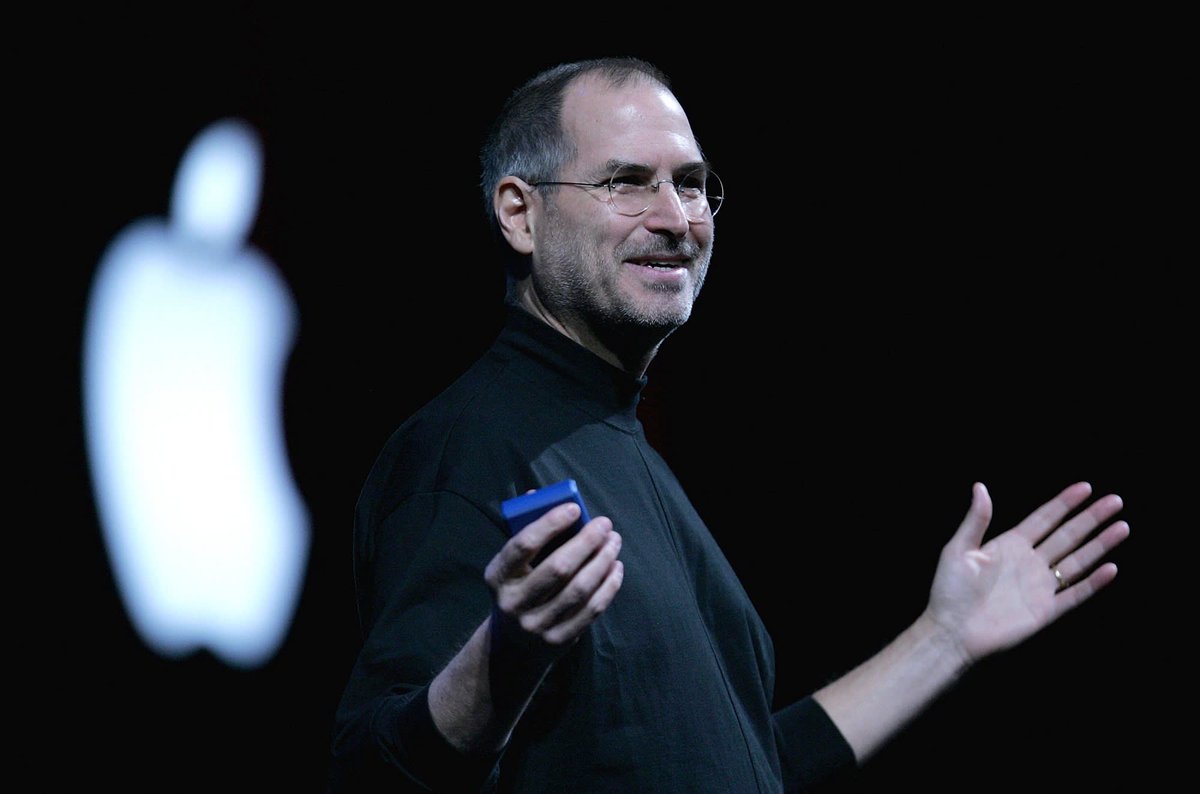
Steve Jobs explains the importance of both thinking and doing
“The doers are the major thinkers. The people that really create the things that change this industry are both the thinker-doer in one person.”
This is applicable outside of tech too, and he uses Leonardo DaVinci as an example:
“Did Leonardo have a guy off to the side that was thinking five years into the future about what he would paint or the technology he would use to paint it? Of course not. Leonardo was the artist, but he also mixed his own paints. He also was a fairly good chemist. Knew about pigments. Knew about human anatomy. And combining all of those skills together—the art and the science, the thinking and the doing—is what resulted in the exceptional result… There is no difference in our industry. The people that have really made the contributions have been the thinkers and the doers.”
Jobs speculates that one of the reasons people might mix this up is because it’s easy to take credit for the thinking:
“It’s very easy for someone to say ‘I thought of this three years ago.’ But usually when you dig a little deeper you find that the people who really did it were also the people who worked through the hard intellectual problems.”
English
Lida Michaud retweetledi

Airbnb cofounder Brian Chesky on how to design a product for a million people
“How do you make something for a million people? I don’t know where to start. But if you pick one person, study them, and take their journey, you can actually build something really personal. You can design something and keep iterating until they love it. Don’t stop improving it until that person loves it, and you’re not allowed to move to the second person until the first person loves it. Then you get the second person and keep iterating until they love it. And so on.”
Source: @StanfordGSB
English
Lida Michaud retweetledi

Sam Altman on why you shouldn’t track absolute user growth in the early days of a startup
“Nothing but a great product will save you; you can get everything else right and it still won’t work.”
He points out that almost all startup founders get the following wrong:
“It is more important to have a small number of users that love you than a lot of users that like you… Eventually what you want of course is a lot of users that really love your product, but that’s almost impossible to do.”
In practice you have two choices:
1. Deep and Narrow: “You have a small number of users that really love you and then find out how to find more and more of those users and broaden the appeal of the product.”
2. Shallow and Wide: “You can have a lot of people that sort of use the product once or twice and kind of like it and try to figure out how to get them more engaged over time.”
“With high confidence, I can say that you want to start with a small number of users that really love you. Almost all great companies have products that start this way.”
And he argues that a good indicator of users loving your product is retention and frequency of use:
“In fact, I think this is so important that you actually shouldn’t track absolute growth in number of users in the early days of a startup. You should just track how often they’re using it… That’s a good early indicator of users that love you—better still is them spontaneously telling their friends to buy your product.”
Video source: @StanfordOnline
English
Lida Michaud retweetledi