
Mayne retweetledi
Mayne
1.3K posts

Mayne retweetledi
Mayne retweetledi
Mayne retweetledi
Mayne retweetledi
Mayne retweetledi

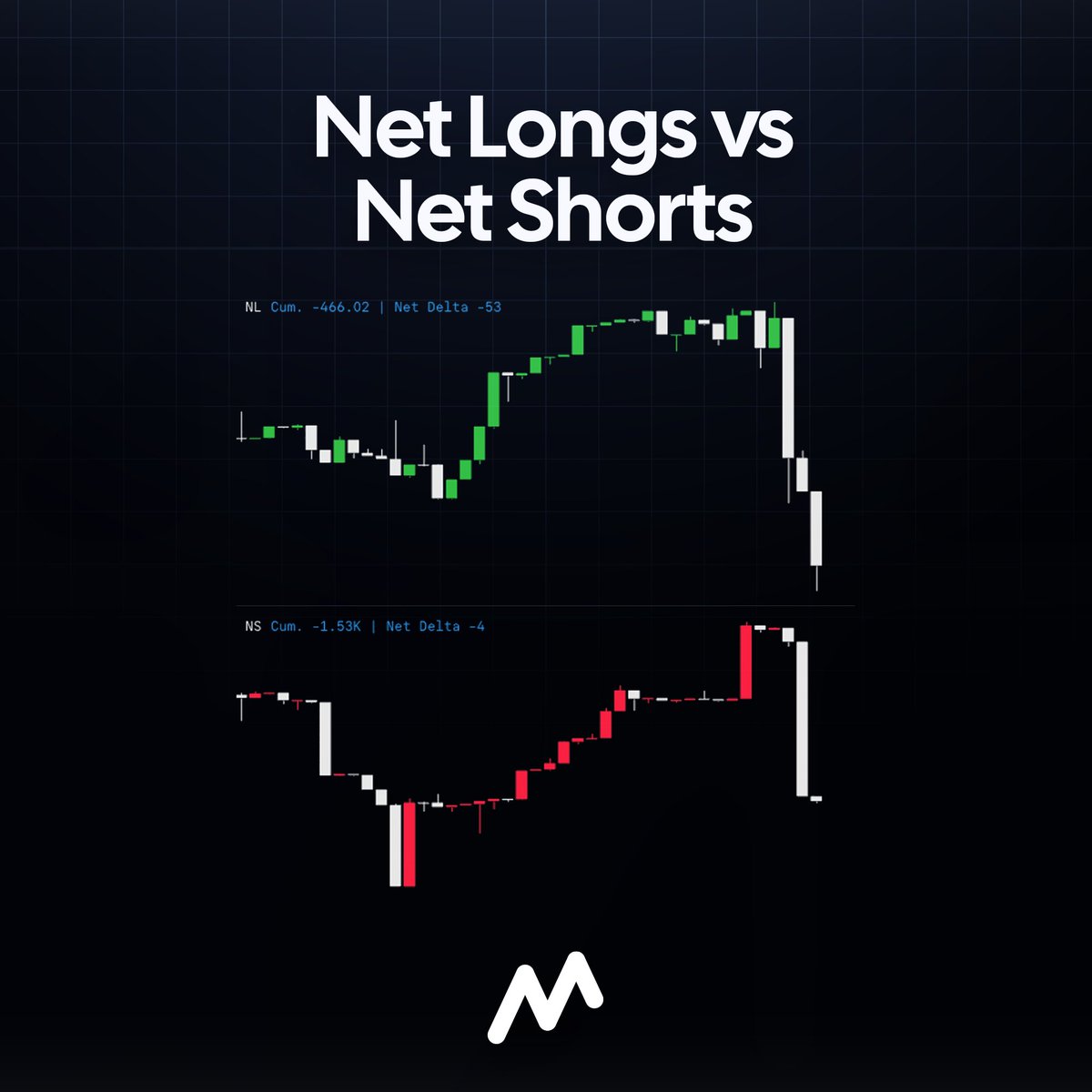
🧵 Net Longs and Net Shorts don’t predict direction.
They expose positioning.
Most traders look at rising net longs and think:
“Bullish.”
That’s not how it works. 👇
Net longs rising = aggressive buyers opening positions.
Net shorts rising = aggressive sellers opening positions.
But that alone isn’t enough.
You need open interest.

English
Mayne retweetledi

Breakouts don’t cause moves.
Positioning does.
Most traders think price breaks a level and then moves.
But by the time you see the breakout, positioning is already extreme.
The real move happens when:
• Late longs get absorbed
• Stops get triggered
• Liquidity gets consumed
• Aggression flips
That’s why most breakouts fail.
Because they aren’t expansion.
They’re fuel collection.
If you want the move,
watch positioning, not candles.
English
Mayne retweetledi
Mayne retweetledi

Quick Educational Note 👇
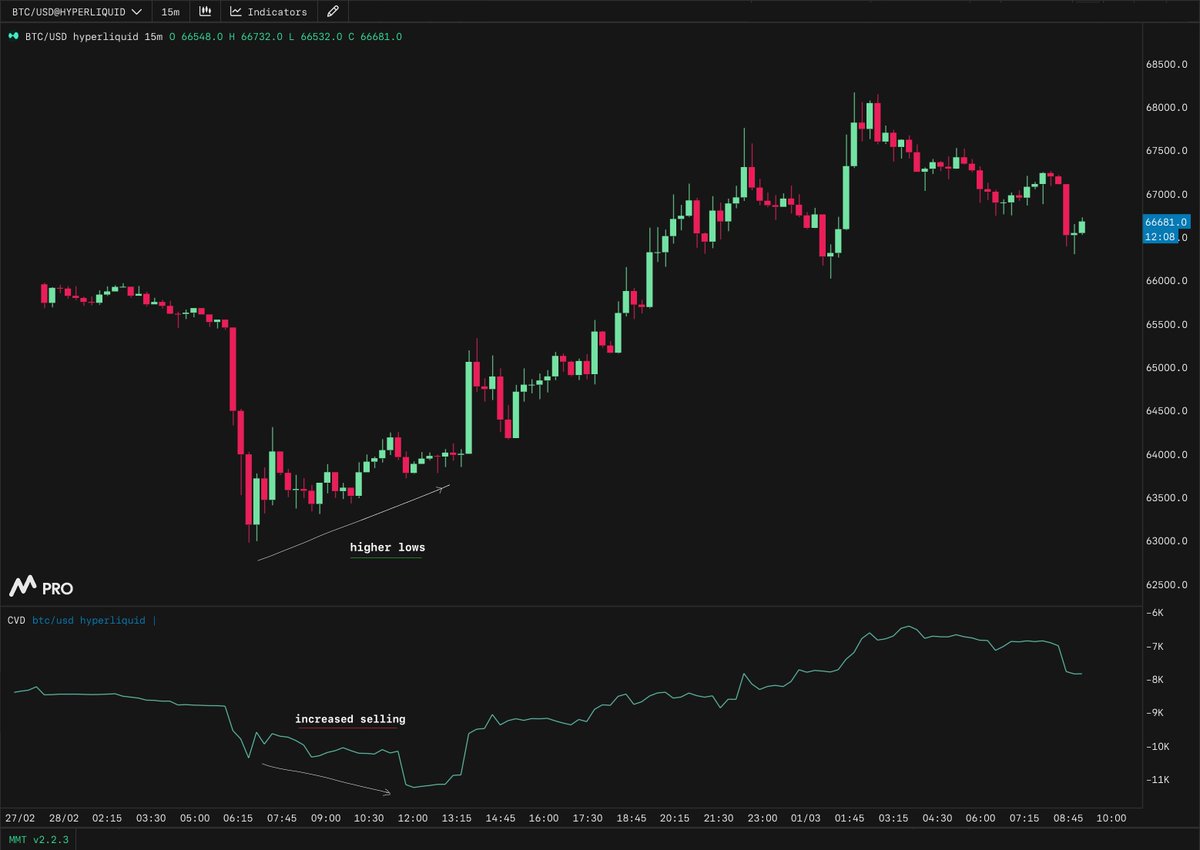
Price shows direction.
CVD shows aggression.
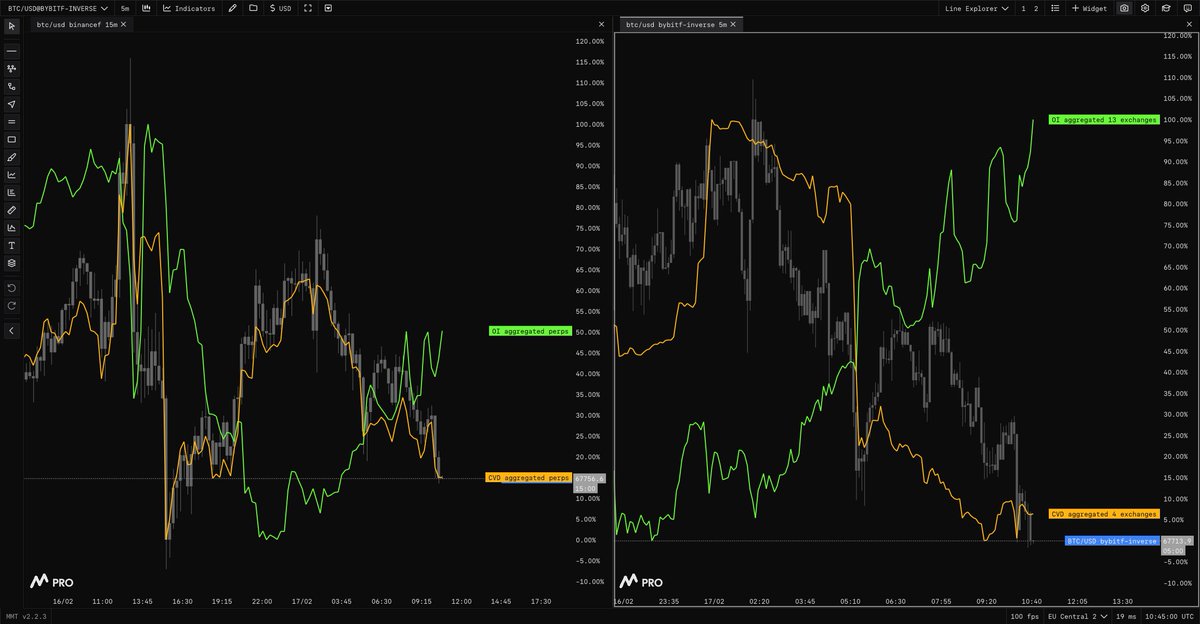
OI shows commitment.
Read them together.
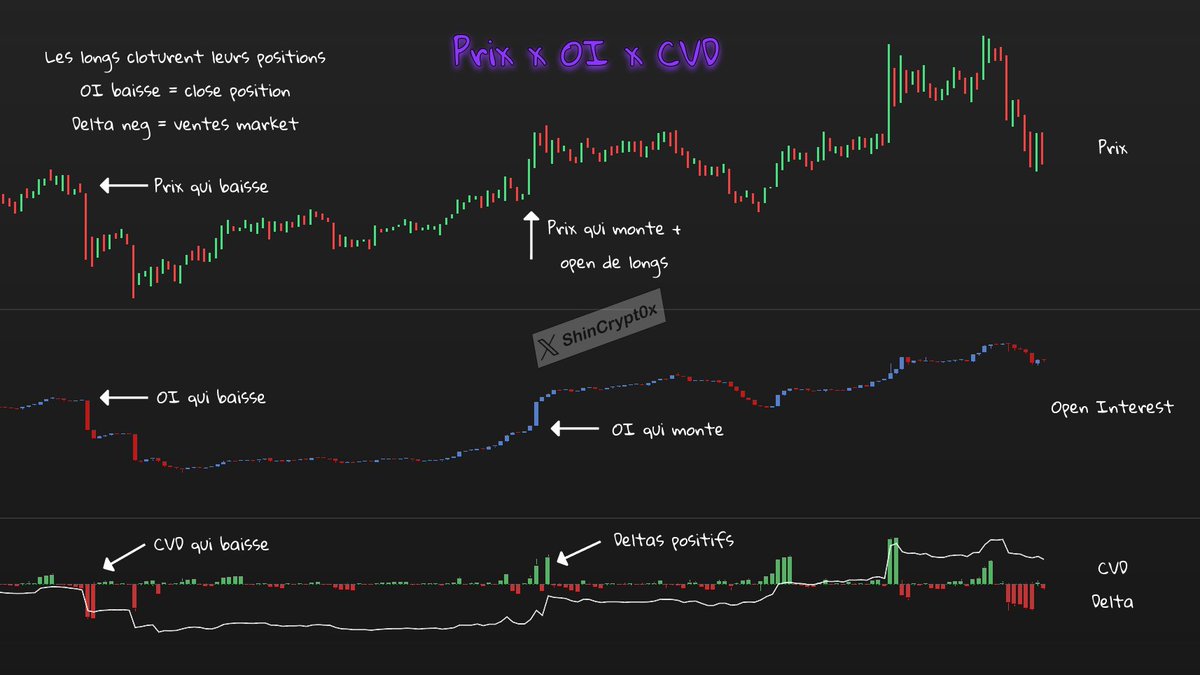
📈 Price ↑ + CVD ↑ + OI ↑
= new longs entering → real bullish fuel.
📉 Price ↓ + CVD ↓ + OI ↑
= new shorts building → real bearish pressure.
📈 Price ↑ + CVD ↑ but OI ↓
= shorts closing → weaker rally.
📉 Price ↓ + CVD ↓ but OI ↓
= longs closing → weak drop.
Simple memory rule:
Price = move.
CVD = who’s hitting.
OI = who’s staying.
Bookmark this!

English
Mayne retweetledi

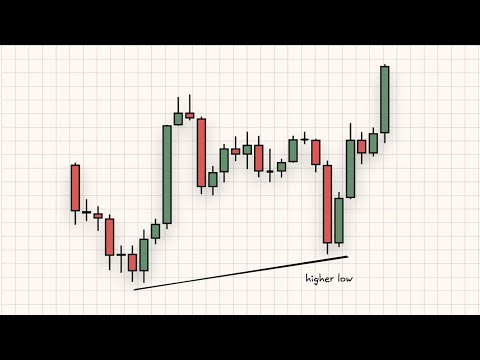
Identifying Absorption Through Orderflow
New video covering different types of absorption, the foundations, and how I use it in my trading.
Any further questions don't hesitate to ask below.
*timestamps included
⤷ youtu.be/NDAjHc5hqEE

YouTube

English
Mayne retweetledi
Mayne retweetledi

quick tip with using Open Interest
When OI is consistently increasing over time:
• trading breakout longs is generally easier.
When OI is consistently decreasing over time:
• trading breakout shorts is generally easier.
When OI is flat and going sideways
• trading reversals (both long/short) is generally easier.
English
Mayne retweetledi
Mayne retweetledi
Mayne retweetledi
Mayne retweetledi
Mayne retweetledi
Mayne retweetledi
Mayne retweetledi
Mayne retweetledi

How to read OrderFlow? 🤔
Here comes another quick guide on how to read OrderFlow like a pro and how you can profit from market-generated information. 👇
/Introduction:
OrderFlow is not another indicator or strategy. It’s simply a visualization of how the market actually works. Instead of only seeing open, high, low, and close on a standard candlestick chart, OrderFlow lets you see the real-time interaction between buyers and sellers, including the volume traded at each price level.
/How the market works:
If you trade the market, you need to understand how it works first! Markets operate as a two-way auction.
On one side, market buyers transact with limit sellers.
On the other, market sellers transact with limit buyers.
Market orders never trade with other market orders, and limit orders never trade with other limit orders!
Limit orders sit in the OrderBook and provide liquidity.
Market orders execute immediately by consuming that liquidity.
From here on, we’ll refer to traders who execute at market as "aggressive traders", and traders who place limit orders and wait for execution as "passive traders".
So when and why does price move?
Let's say a large aggressive sell order hits the market; for example, a 5M contract market sell. To execute the order we need a 5M limit buy order on the other side.
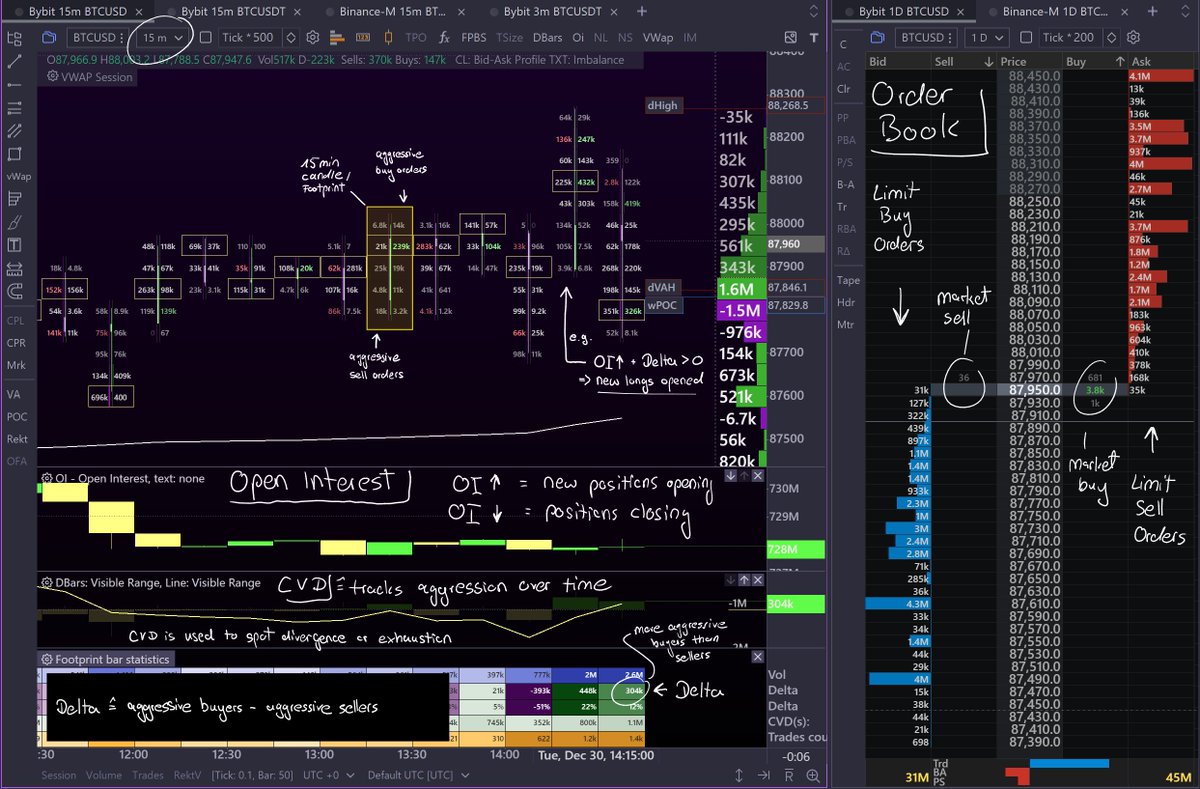
If we look at the current OrderBook (see picture, right side, in blue = limit buys), we can see that at the current price (87,950) there aren’t enough contracts resting on the bid. The order can’t be fully filled there, so price has to move lower to find more passive buyers and enough liquidity to complete the execution.
Price does not move lower because there are more buyers than sellers. Price moves because one side is more aggressive, starts crossing the spread and there isn’t enough liquidity at the current price!
/OrderFlow:
If you understand how the two-way auction works, you can watch it play out in real time using OrderFlow and so-called footprint charts (provided, for example, by @ExochartsC).
On the left side of the picture you see a footprint candle chart, showing aggressive sell orders on the left side of each candle and aggressive buy orders on the right.
Those are actually executed orders: market orders that got matched with limit orders.
You could also say that the left side of each candle shows limit buy orders executed by market sell orders. But for OrderFlow analysis, we focus on the aggressive side of the market, the market orders, because only aggression consumes liquidity and drives price discovery. So It shows intent, because aggressive orders reveal who is actively forcing price to move.
Thus we say we got market sells on the left and market buys on the right.
Now it gets really interesting when price does not follow the aggression.
For example, you see a lot of aggressive market buying (large numbers on the right side of the candle), but price doesn’t move higher. That tells you passive limit sellers are providing liquidity and absorbing the aggressive buyers. The buyers are essentially "hitting a wall".
That’s extremely valuable information you can use in your trading.
/How to trade with OrderFlow (OI, CVD, ...)
(next post coming soon...)
(Chart is showing ByBit's BTCUSD.p, 15min rotation, by @ExochartsC) #Bitcoin $BTC

English