Manu Malbrain

13.7K posts

Manu Malbrain banner
Manu Malbrain

Manu Malbrain

@Manu_Malbrain

Internist-intensivist, Professor Critical Care Research @OfLublin, views are my own, @Fluid_Academy, #IFAD2025 #FOAMed #Healthcare #Leadership

Antwerpen, België Katılım Kasım 2015
1.4K Takip Edilen10.3K Takipçiler
Manu Malbrain retweetledi
Fluid Academy
Fluid Academy@Fluid_Academy·
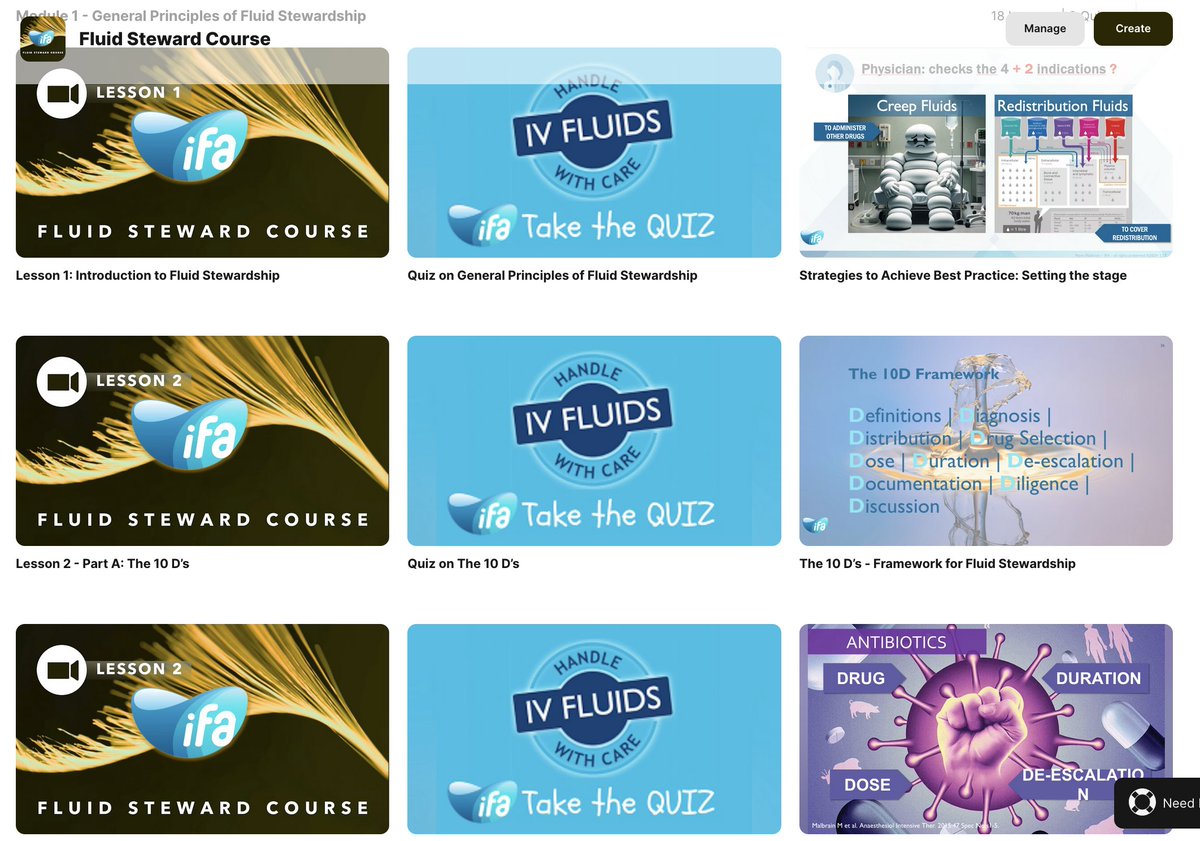
💧 Replacement Fluids — Getting It Right MattersNot all fluid losses are the same — and neither should be their replacement. In this lesson of the Fluid Champion Course, we focus on a key principle: 👉 Replace what is lost, with what is lost. 🔬 Key takeaways 🔹Different losses = different strategies (urine, drains, wounds, insensible losses, third spacing) 🔹Copy–paste physiology → match fluid composition to the loss 🔹Hypernatremia = water deficit → treat with free water, not sodium-rich fluids 🔹Combine clinical assessment with labs (Na⁺, hematocrit, FENa) to guide therapy 💡 Bottom line Fluid therapy is not just about volume — it’s about precision and composition. 🎓 Join the Fluid Champion Course Build a solid foundation in fluid management and improve your bedside decision-making. fluidacademy.mn.co/collections/10… 📍 Or join us in Antwerp for a 3-day interactive meeting (IFAD 2026) and learn everything hands-on, case-based, and directly from experts. fluidacademy.org/about-the-meet…
Fluid Academy tweet media
English
0
23
44
3.1K
Manu Malbrain retweetledi
Dr.Marlon Villanueva™ 🩺 𝕏
🧠📈 𝗜𝗖𝗣 𝘄𝗮𝘃𝗲𝗳𝗼𝗿𝗺 𝗮𝗻𝗮𝗹𝘆𝘀𝗶𝘀: 𝗺𝗮́𝘀 𝗮𝗹𝗹𝗮́ 𝗱𝗲𝗹 “𝗻𝘂́𝗺𝗲𝗿𝗼 𝗱𝗲 𝗣𝗜𝗖”🚨 #CriticalCareScience 👇🏼👇🏼👇🏼👇🏼 📑🔗🔑🔓 t.me/ClubCrit ⬇️⬇️⬇️⬇️ 🧵👇 🧠En neurocríticos, mirar solo la 𝙋𝙄𝘾 𝙖𝙗𝙨𝙤𝙡𝙪𝙩𝙖 puede ser insuficiente 😵‍💫. El análisis de la 𝙤𝙣𝙙𝙖 𝙙𝙚 𝙋𝙄𝘾 permite estimar 𝙘𝙤𝙢𝙥𝙡𝙞𝙖𝙣𝙘𝙚 𝙞𝙣𝙩𝙧𝙖𝙘𝙧𝙖𝙣𝙚𝙖𝙡 (𝙄𝘾𝘾) y 𝙧𝙚𝙨𝙚𝙧𝙫𝙖 𝙘𝙤𝙢𝙥𝙚𝙣𝙨𝙖𝙩𝙤𝙧𝙞𝙖 de forma más dinámica 🎯. 🧠📦 𝙇𝙖 𝙞𝙙𝙚𝙖 𝙗𝙖𝙨𝙚: 𝙈𝙤𝙣𝙧𝙤-𝙆𝙚𝙡𝙡𝙞𝙚… 𝙥𝙚𝙧𝙤 𝙫𝙚𝙧𝙨𝙞𝙤́𝙣 𝙙𝙞𝙣𝙖́𝙢𝙞𝙘𝙖 🔄 El cráneo es una “caja rígida” 🧱 con: 🧠 parénquima 💧 LCR 🩸 sangre Cuando fallan los mecanismos de compensación, pequeños aumentos de volumen producen grandes aumentos de PIC 📈⚠️ → eso es pérdida de 𝙘𝙤𝙢𝙥𝙡𝙞𝙖𝙣𝙘𝙚 𝙞𝙣𝙩𝙧𝙖𝙘𝙧𝙖𝙣𝙚𝙖𝙡. 🌊📊 𝙇𝙖 𝙤𝙣𝙙𝙖 𝙄𝘾𝙋 𝙩𝙞𝙚𝙣𝙚 𝟯 𝙥𝙞𝙘𝙤𝙨: 𝙋𝟭, 𝙋𝟮 𝙮 𝙋𝟯 🧠 ✅ 𝗣𝟭 = percusión arterial ✅ 𝗣𝟮 = refleja compliance intracraneal ✅ 𝗣𝟯 = onda dicrótica 📌 Cuando la compliance empeora, 𝙋𝟮 𝙨𝙪𝙗𝙚 𝙧𝙚𝙨𝙥𝙚𝙘𝙩𝙤 𝙖 𝙋𝟭 → si 𝙋𝟮/𝙋𝟭 >𝟭, mala señal 🚨. ⏱️🧠 𝙉𝙤 𝙨𝙤𝙡𝙤 𝙋𝟮/𝙋𝟭: 𝙩𝙖𝙢𝙗𝙞𝙚́𝙣 𝙞𝙢𝙥𝙤𝙧𝙩𝙖 𝙚𝙡 “𝙩𝙞𝙢𝙚-𝙩𝙤-𝙥𝙚𝙖𝙠” 𝙮 𝙡𝙖 𝙖𝙢𝙥𝙡𝙞𝙩𝙪𝙙 🔍 Con peor compliance: 📈 aumenta la 𝙖𝙢𝙥𝙡𝙞𝙩𝙪𝙙 𝙙𝙚𝙡 𝙥𝙪𝙡𝙨𝙤 𝙙𝙚 𝙋𝙄𝘾 ⏱️ cambia el 𝙩𝙞𝙢𝙚-𝙩𝙤-𝙥𝙚𝙖𝙠 🔺 la morfología pasa de una onda “más normal” a una más 𝙥𝙞𝙧𝙖𝙢𝙞𝙙𝙖𝙡 👉 Todo esto puede avisar deterioro antes de una hipertensión intracraneal franca. 🧮🧠 𝙄́𝙣𝙙𝙞𝙘𝙚𝙨 𝙖𝙫𝙖𝙣𝙯𝙖𝙙𝙤𝙨: 𝙍𝘼𝙋 𝙮 𝙋𝙎𝙄 = 𝙢𝙖́𝙨 𝙞𝙣𝙛𝙤𝙧𝙢𝙖𝙘𝙞𝙤́𝙣 𝙪́𝙩𝙞𝙡 📟 📌 𝙍𝘼𝙋 = relación entre PIC media y amplitud del pulso ➡️ 𝙍𝘼𝙋 𝙖𝙘𝙚𝙧𝙘𝙖́𝙣𝙙𝙤𝙨𝙚 𝙖 +𝟭 sugiere reserva compensatoria agotada 😬 📌 𝙋𝙎𝙄 (𝙥𝙪𝙡𝙨𝙚 𝙨𝙝𝙖𝙥𝙚 𝙞𝙣𝙙𝙚𝙭) usa análisis automatizado/machine learning 🤖 para clasificar formas de onda y puede anticipar “surges” de PIC ⚠️. 🩻📡 𝙏𝙖𝙢𝙗𝙞𝙚́𝙣 𝙝𝙖𝙮 𝙤𝙥𝙘𝙞𝙤𝙣𝙚𝙨 𝙉𝙊 𝙞𝙣𝙫𝙖𝙨𝙞𝙫𝙖𝙨 👀 El artículo destaca sistemas como 𝘽𝙧𝙖𝙞𝙣𝟰𝘾𝙖𝙧𝙚 🧠📈, que detectan microdeformaciones del cráneo y generan parámetros como: ✅ 𝗣𝟮/𝗣𝟭 ✅ 𝙩𝙞𝙢𝙚-𝙩𝙤-𝙥𝙚𝙖𝙠 Incluso puede aproximarse a índices de autoregulación cerebral sin catéter invasivo 🎯. 🎯🧠 𝙈𝙚𝙣𝙨𝙖𝙟𝙚 𝙛𝙞𝙣𝙖𝙡: 𝙚𝙡 𝙛𝙪𝙩𝙪𝙧𝙤 𝙣𝙤 𝙚𝙨 “𝙋𝙄𝘾 > 𝙪𝙢𝙗𝙧𝙖𝙡”, 𝙨𝙞𝙣𝙤 𝙛𝙞𝙨𝙞𝙤𝙡𝙤𝙜𝙞́𝙖 𝙥𝙚𝙧𝙨𝙤𝙣𝙖𝙡𝙞𝙯𝙖𝙙𝙖 🔥 Pacientes con 𝙋𝙄𝘾 𝙢𝙚𝙙𝙞𝙖 𝙣𝙤𝙧𝙢𝙖𝙡 pero con: ⚠️ 𝙋𝟮/𝙋𝟭 𝙖𝙣𝙤𝙧𝙢𝙖𝙡 ⚠️ 𝙖𝙢𝙥𝙡𝙞𝙩𝙪𝙙 𝙖𝙡𝙩𝙖 ⚠️ 𝙋𝙎𝙄 𝙖𝙡𝙩𝙚𝙧𝙖𝙙𝙤 podrían ya tener 𝙘𝙤𝙢𝙥𝙡𝙞𝙖𝙣𝙘𝙚 𝙙𝙚𝙩𝙚𝙧𝙞𝙤𝙧𝙖𝙙𝙖 y beneficiarse de intervenciones tempranas (posición, sedación, drenaje, etc.) 🛏️💉💧. ‼️Si te sirve: ❤️ Me gusta | 🔁 Repost | ➕ Follow para más #MedED en #ClubCrit 😄🧠🫶 📚📖 Más en el blog #ClubCrit 👉 [buff.ly/8lj2jLy] #ClubCrit #CritCareMed #Neurocritical #ICP #TBI #SAH #NeuroICU #ICPwaveform #Neuromonitoring #NoninvasiveMonitoring #POCUS #ICU #CriticalCare #CuidadoCrítico #MedTwitter #CritCare #Diagnóstico #icu #intensivecare #diagnosis #management #UCI #Tratamiento #MedicinaBasadaEnEvidencia #POCUS #MedEd #Medicina #Emergencias #FOAMed #FOAMcc #MedX #IntensiveCare #EducaciónMédica #MedIntensiva #MedXCommunity #MedicinaCrítica #MedED #CritCare #ICUmanagement #MustRead #LecturaRecomendada
Dr.Marlon Villanueva™ 🩺 𝕏 tweet mediaDr.Marlon Villanueva™ 🩺 𝕏 tweet mediaDr.Marlon Villanueva™ 🩺 𝕏 tweet media
Español
0
32
88
3.2K
Manu Malbrain retweetledi
Neha Dangayach MD MSCR FAAN FANA FCCP FCCM FNCS
@sccm is one of largest multiprofessional critical care organizations in the world representing team spirit. Proud to be a part of this team driving excellence in the care of all critically ill & injured patients & families #SCCM2026 @DrDavidReich @MountSinaiNeuro @SCCMPresident
SCCM@SCCM

Thank you to SCCM's 2025-2026 Council, and welcome to the incoming 2026-2027 Council! Your hard work and dedication on behalf of the Society and its mission are greatly appreciated! #SCCM2026 #SCCM

English
0
2
9
619
Manu Malbrain retweetledi
Fluid Academy
Fluid Academy@Fluid_Academy·
The 22nd Annual Critical Care Symposium is shaping up to be a strong, clinically grounded meeting for anyone involved in intensive care. 📍 Manchester Conference Centre 📅 April 23–24, 2026 A diverse international faculty—including Xavier Monnet, Daniel Lichtenstein, and Niels Van Regenmortel—will come together to share practical insights across key domains of critical care. What stands out is the format: not just high-level lectures, but a setting that encourages interaction, discussion, and real exchange between clinicians—something increasingly rare and highly valuable.A well-balanced programme, accessible pricing, and a strong emphasis on education that translates to bedside practice make this a meeting worth considering. 👉 A good reminder that impactful learning often happens in focused, well-curated environments—not only at large-scale congresses. 🔗 critcaresymposium.co.uk
Fluid Academy tweet media
English
0
1
5
376
Manu Malbrain retweetledi
Fluid Academy
Fluid Academy@Fluid_Academy·
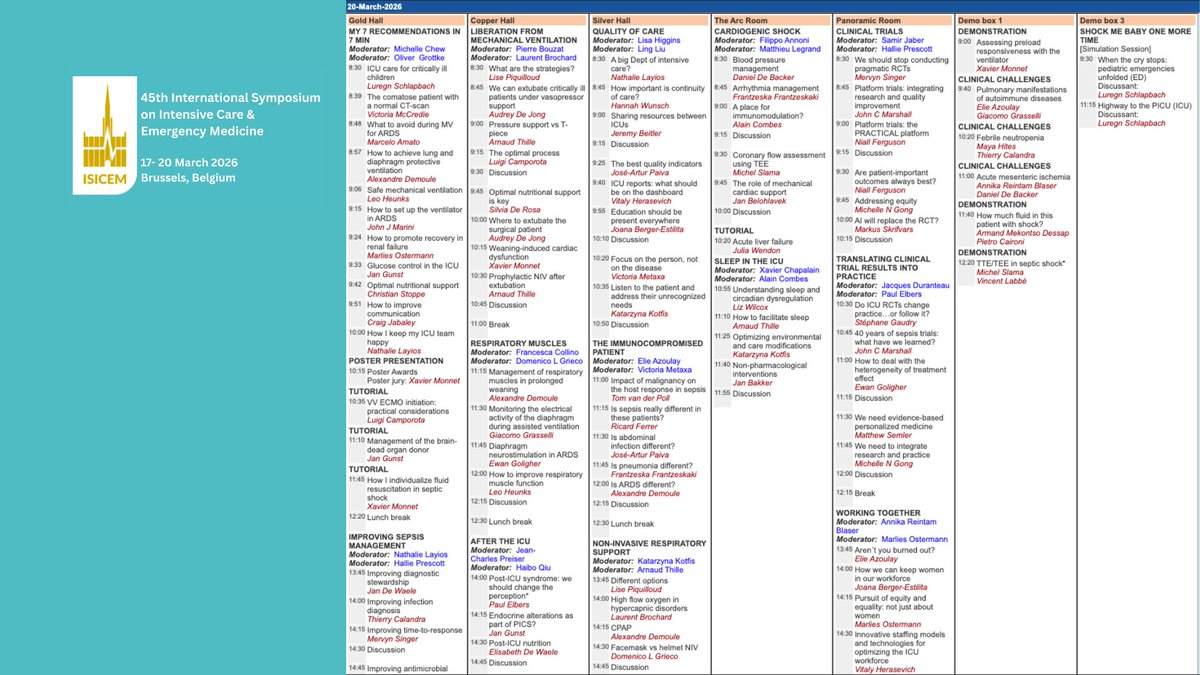
🚀 Great to see strong International Fluid Academy representation at @ISICEM 2026 in Brussels today! We are proud to have three IFA board members actively contributing to the scientific programme 👇 🔹 Niels Van Regenmortel (@icu_nivare) ➡️ Dissecting mixed acid-base disorders ➡️ The risks of going too fast ➡️ Sodium management in traumatic brain injury 🔹 Paul Elbers (@drPaulElbers) ➡️ How I interpret acid-base disorders ➡️ We’ll use AI for decisions on triage and withdrawal 🔹 Xavier Monnet (@Prof_XMonnet) ➡️ Cardiac output monitoring devices ➡️ Central venous catheters are still needed (PRO) ➡️ Optimizing right heart assessment: Swan-Ganz vs echo 💡 From acid-base physiology to hemodynamic monitoring and AI in critical care, today’s sessions reflect exactly where our field is heading: more precision, more integration, and smarter decision-making at the bedside. 🌍 Proud to see IFA experts shaping the discussion at one of the world’s leading critical care meetings. 👉 Want to learn more from these experts and deepen your understanding of fluid management and critical care? Explore their lectures, courses, and insights on the Fluid Academy platform: 🔗 fluidacademy.mn.co/share/5_CKQFJs… 📍 Live at ISICEM? These are sessions not to miss. 👉 Check the full programme: isicem.org/program #ISICEM #ISICEM2026 #CriticalCare #FluidManagement #Hemodynamics #ICU #MedicalEducation #FOAMed #FluidStewardship
Fluid Academy tweet mediaFluid Academy tweet media
English
0
4
8
1.1K
Manu Malbrain retweetledi
Fluid Academy
Fluid Academy@Fluid_Academy·
#ISICEM2026 – Final Day Highlights The final day of @ISICEM 2026 once again demonstrated why this meeting remains a cornerstone for critical care clinicians worldwide—bridging physiology, evidence, and bedside decision-making. A special focus today goes to Prof. Xavier Monnet (@Prof_XMonnet), whose sessions provided a coherent and clinically actionable framework for hemodynamic management: 🔹 Weaning-induced cardiac dysfunction → A crucial reminder that liberation from mechanical ventilation is not merely a respiratory challenge, but a complex cardiovascular stress test. Understanding the hemodynamic shifts during weaning is essential to avoid failure and optimize outcomes. 🔹 Individualizing fluid resuscitation in septic shock → Moving beyond “one-size-fits-all,” emphasizing tailored strategies based on dynamic assessment, patient phenotype, and evolving clinical context. 🔹 Assessing preload responsiveness with the ventilator → Reinforcing the role of heart–lung interactions and dynamic indices in guiding fluid therapy—when physiology meets precision medicine. Across these sessions, one message was consistent: 👉 Hemodynamic management is not about giving fluids—it is about understanding when, why, and for whom. For those interested in going deeper into these concepts and translating physiology into daily practice: 👉 IFAD 2026 (3–5 December, Antwerp) will continue these discussions in a structured, interactive format—focusing on fluid stewardship, monitoring, and individualized care. Registration is now open. fluidacademy.org/registration/
Fluid Academy tweet media
English
0
3
12
870
Manu Malbrain retweetledi
Fluid Academy
Fluid Academy@Fluid_Academy·
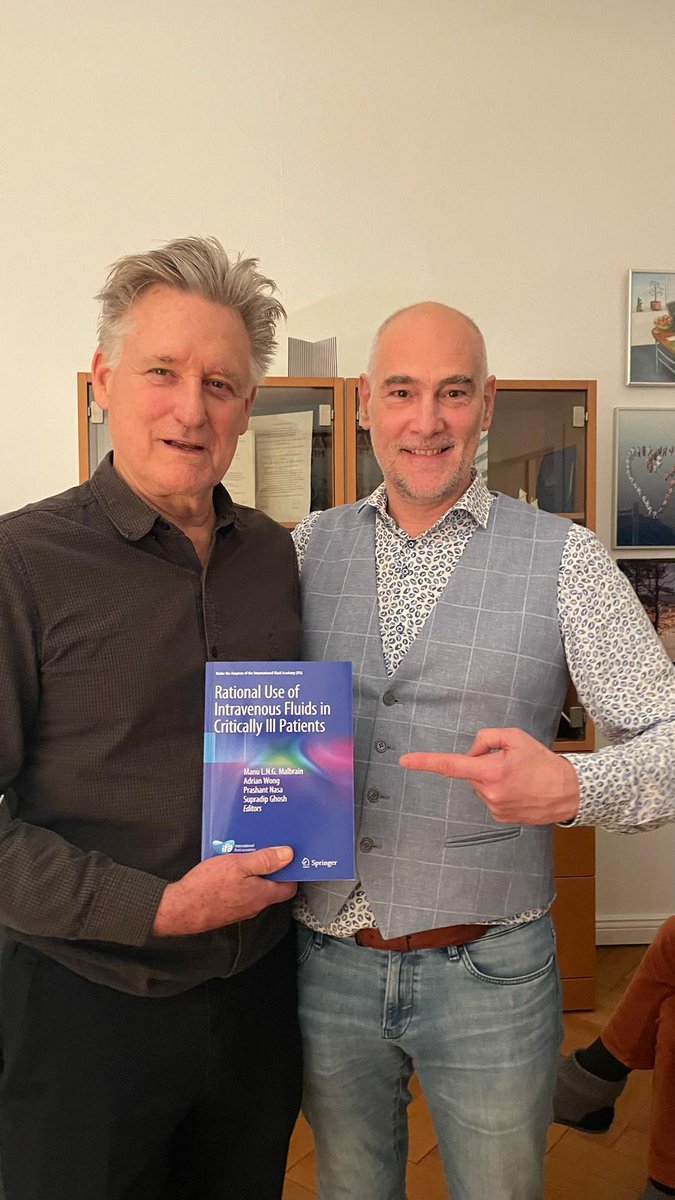
🇩🇪 Exciting news from Berlin! IFA President Dr. Manu Malbrain is attending the Global Sepsis Alliance Symposium, where he had the pleasure of meeting Bill Pullman (actor from Independence Day), Konrad Reinhart (Founder of the GSA), and Mariam Jashi (CEO of the GSA). Don’t miss the livestream today at 2:00 pm CET on “Overcoming Silos by Synergizing the Fight Against Sepsis and AMR.” It promises to be an enlightening discussion you won’t want to miss! 🔗 globalsepsisalliance.org/news/2025/2/19… #IFA #GlobalSepsisAlliance #SepsisAwareness #AMR #Berlin #Healthcare
Fluid Academy tweet mediaFluid Academy tweet mediaFluid Academy tweet media
English
0
10
34
3.9K
Manu Malbrain retweetledi
Fluid Academy
Fluid Academy@Fluid_Academy·
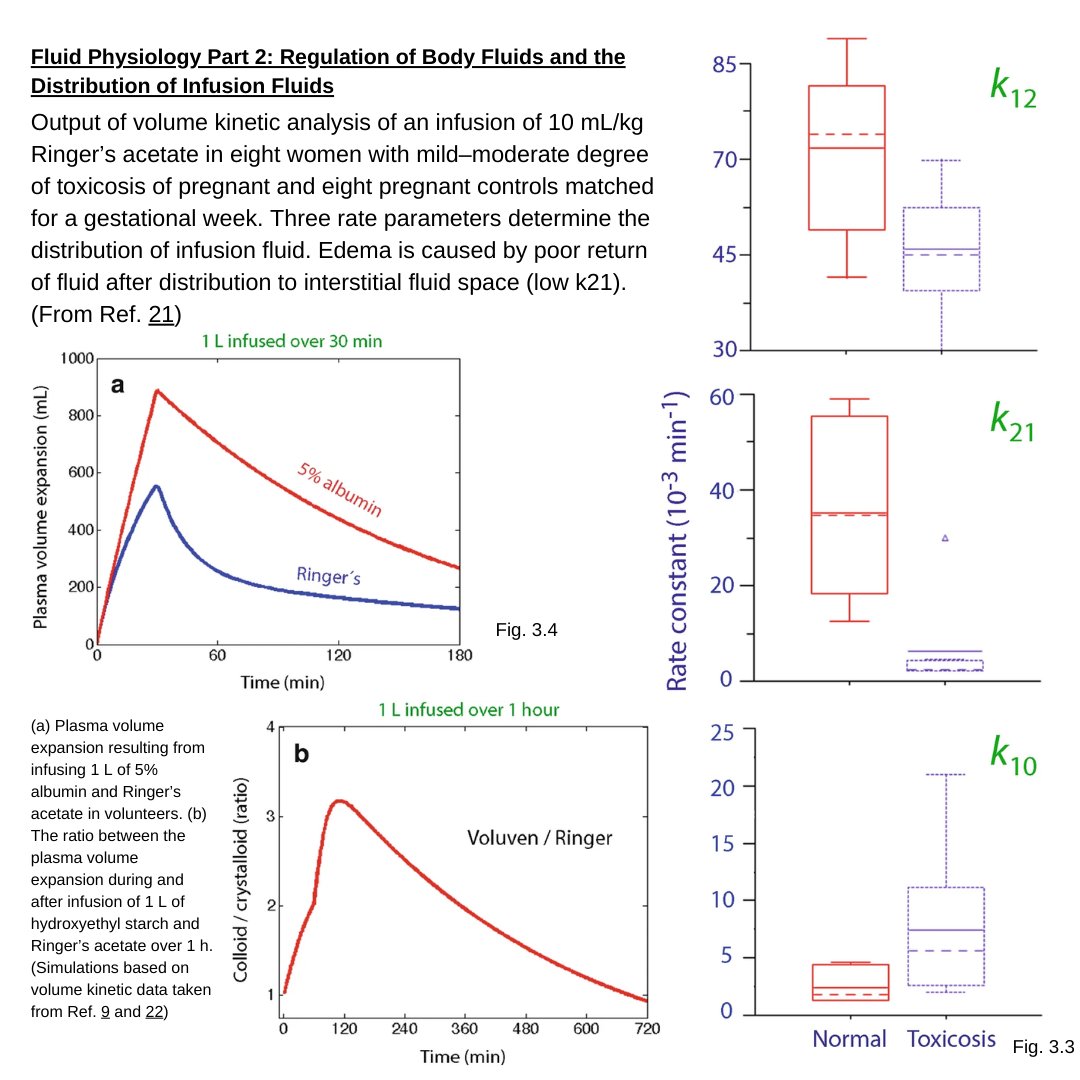
💧 Fluid Physiology Part 2: Regulation & Distribution of Infusion Fluids When we analyze crystalloids and glucose solutions, volume kinetics becomes more complex — this is where computer modeling is essential. Fluid shifts from plasma to the interstitium are described by k12, the return flow by k21, and elimination (mainly renal) by k10. These three parameters determine how infused fluids actually behave in the body. 🔷 Crystalloids vs Colloids Volume kinetics clearly shows differences in “fluid efficiency” (or potency) over time between crystalloids and colloids — something that isn’t always obvious at the bedside. In obstetric patients, for example, edema is linked to impaired fluid return from the interstitial space (low k21). Plasma expansion curves also differ markedly between albumin, HES, and balanced crystalloids. If you want the full breakdown (with figures and simulations), it’s all available on our Members Portal. ➡️ fluidacademy.mn.co/posts/rational… #FluidManagement #CriticalCare #VolumeKinetics #Crystalloids #Colloids #MedicalEducation
Fluid Academy tweet media
English
0
25
84
4.1K
Manu Malbrain retweetledi
Fluid Academy
Fluid Academy@Fluid_Academy·
Medicine evolves every day — and so should we. If you’re involved in fluid therapy in ICU, perioperative care, emergency medicine or the wards, the International Fluid Academy offers a global platform to deepen knowledge and exchange experience. What you’ll find inside: 🔹 An Events Hub with all important critical care meetings and free webinars 🔹 900+ on-demand videos from congresses and expert sessions 🔹 Structured eCourses in fluid management & stewardship, ultrasound, and hemodynamic simulation 🔹 A truly global network — chapters, collaborations, Centres of Excellence (CEFS) 🔹 Guidelines and endorsed research shaping modern fluid practice 🔹 eBooks, including Rational Use of Intravenous Fluids in Critically Ill Patients 🔹 And yes… photo memories & the IFA podcast It’s more than a platform. It’s a community of people trying to do fluid therapy better — together. 👉 Free membership fluidacademy.mn.co Come join us. The conversations are worth it.
English
0
4
6
935
Manu Malbrain retweetledi
Fluid Academy
Fluid Academy@Fluid_Academy·
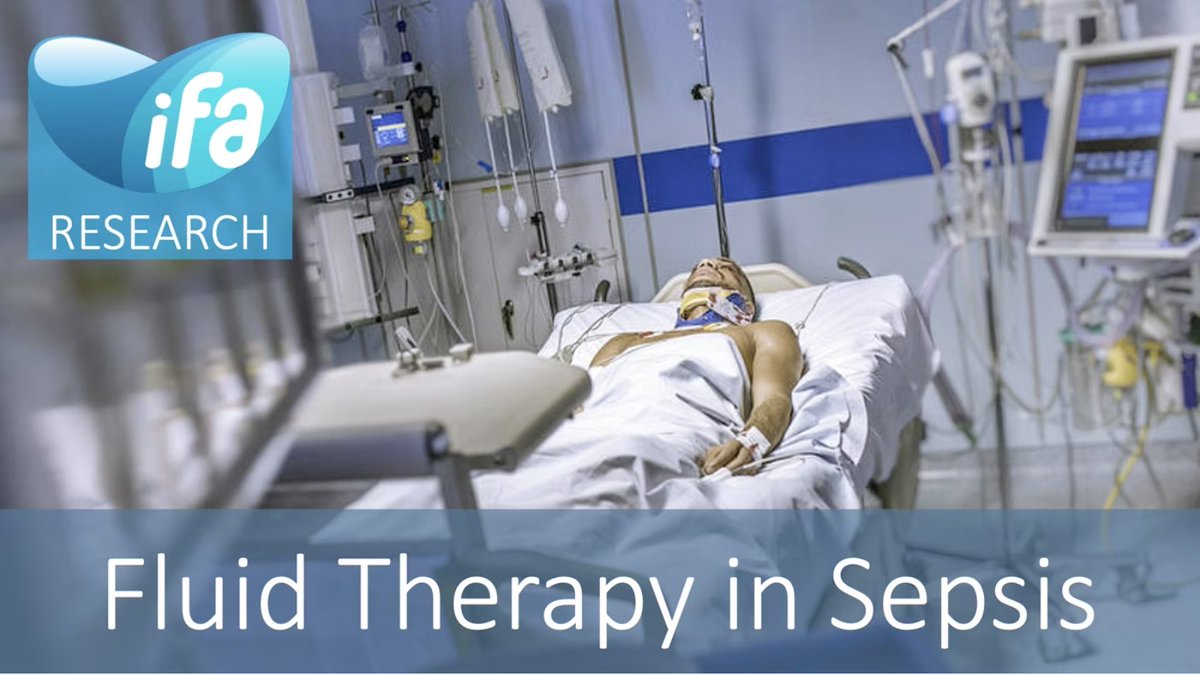
🔹 Fluid Therapy in Sepsis In patients with septic shock, the administration of fluids during initial hemodynamic resuscitation remains a major therapeutic challenge. 🔹 We are faced with many open questions regarding the type, dose and timing of intravenous fluid administration. There are only four major indications for intravenous fluid administration: aside from resuscitation, intravenous fluids have many other uses including maintenance and replacement of total body water and electro‑ lytes, as carriers for medications and for parenteral nutrition. In this paradigm-shifting review, we discuss different fluid management strategies including early adequate goal-directed fluid management, late conservative fluid manage‑ ment and late goal-directed fluid removal. In addition, we expand on the concept of the “four D’s” of fluid therapy, namely drug, dosing, duration and de-escalation. During the treatment of patients with septic shock, four phases of fluid therapy should be considered in order to provide answers to four basic questions. These four phases are the resuscitation phase, the optimization phase, the stabilization phase and the evacuation phase. The four questions are “When to start intravenous fluids?”, “When to stop intravenous fluids?”, “When to start de-resuscitation or active fluid removal?” and finally “When to stop de-resuscitation?” In analogy to the way we handle antibiotics in critically ill patients, it is time for fluid stewardship. 📄 Principles of fluid management and stewardship in septic shock: it is time to consider the four D’s and the four phases of fluid therapy 🔗 fluidacademy.mn.co/posts/fluid-th… Manu L. N. G. Malbrain, Niels Van Regenmortel, Bernd Saugel, Brecht De Tavernier, Pieter‑Jan Van Gaal, Olivier Joannes‑Boyau, Jean‑Louis Teboul, Todd W. Rice , Monty Mythen and Xavier Monnet
Fluid Academy tweet media
English
0
20
69
3.8K
Manu Malbrain retweetledi
Fluid Academy
Fluid Academy@Fluid_Academy·
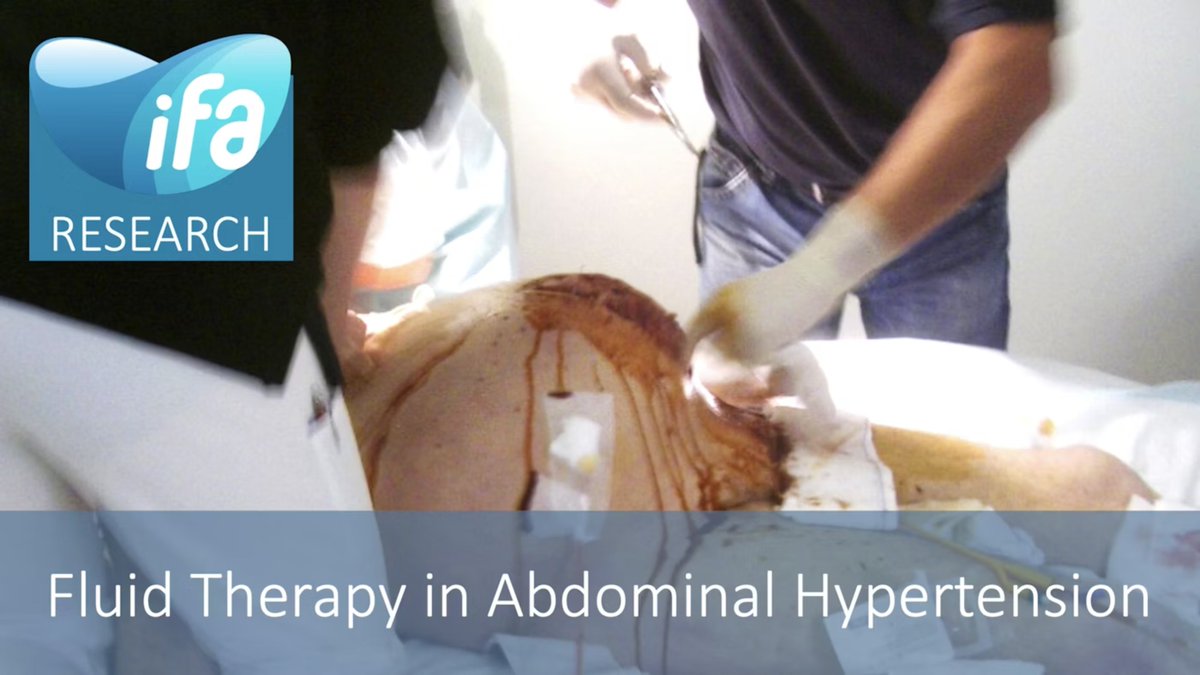
While the link between fluid administration and intra-abdominal hypertension is well recognized, the exact role of type, dose, and timing of fluids remains surprisingly unclear. 🧐 This review summarizes current evidence on the relationship between fluid administration and intra-abdominal pressure in patients at risk of IAH and ACS. 🔹 Methods We performed a structured literature search from 1950 until May 2021 to identify evidence of associations between fluid management and intra-abdominal pressure not limited to any specific study or patient population. Findings were summarized based on the following information: general concepts of fluid management, physiology of fluid movement in patients with intra-abdominal hypertension, and data on associations between fluid administration and IAH. 🔹 Results We identified three randomized controlled trials (RCTs), 38 prospective observational studies, 29 retrospective studies, 18 case reports in adults, two observational studies and 10 case reports in children, and three animal studies that addressed associations between fluid administration and IAH. Associations between fluid resuscitation and IAH were confirmed in most studies. Fluid resuscitation contributes to the development of IAH. However, patients with IAH receive more fluids to manage the effect of IAH on other organ systems, thereby causing a vicious cycle. Timing and approach to de-resuscitation are of utmost importance, but clear indicators to guide this decision-making process are lacking. In selected cases, only surgical decompression of the abdomen can stop deterioration and prevent further morbidity and mortality. 🔹 Conclusions Current evidence confirms an association between fluid resuscitation and secondary IAH, but optimal fluid management strategies for patients with IAH remain controversial. 📄 Full paper: fluidacademy.mn.co/posts/fluid-th…
Fluid Academy tweet media
English
0
7
9
926
Manu Malbrain retweetledi
Fluid Academy
Fluid Academy@Fluid_Academy·
💧 CRUSADERS Trial: Reducing Sodium and Chloride Exposure in the ICU Intravenous fluids are among the most commonly administered therapies in critical care. Yet the cumulative sodium and chloride load patients receive — not only from resuscitation fluids but also from maintenance fluids and so-called fluid creep — may significantly influence outcomes. The CRUSADERS trial is an investigator-initiated, multicenter, randomized, double-blind, parallel-group phase IV study conducted in four mixed ICUs in Belgium. 🔬 Study concept Adult ICU patients expected to require prolonged critical care are randomized (1:1) to one of two fluid strategies: • NaCl-poor strategy – reducing sodium-chloride exposure • NaCl-rich strategy – standard isotonic fluid approach Randomization is stratified by study site, surgical admission, and invasive mechanical ventilation, using permuted blocks with concealed allocation. Each strategy addresses two major contributors to electrolyte load: 1️⃣ Fluid creep — diluents and line patency solutions 2️⃣ Maintenance fluids All study fluids are market-authorized products prepared and blinded by the hospital pharmacy, supplied in opaque bags labeled only with trial codes to ensure double blinding. The assigned strategy continues throughout the ICU stay, with patient follow-up extending to 90 days after ICU admission. 🏥 Participating ICUs: UZA Antwerp • ZAS Cadix • ZAS Palfijn • ZAS Middelheim 🔹 Chief Investigators: Prof. Niels Van Regenmortel & Prof. Philippe Jorens 🔹 Lead Statistician: Prof. Ella Roelant 🔹 Sponsor: UZA • Funder: FWO-TBM Follow the progress and join the discussion inside the Fluid Academy: ➡️fluidacademy.mn.co/spaces/2174063… 📊 Why this matters While many studies focus on resuscitation fluids, the cumulative sodium-chloride burden from maintenance fluids and fluid creep remains largely understudied. The CRUSADERS trial aims to generate high-quality randomized evidence to determine whether reducing sodium-chloride exposure during routine ICU care improves outcomes. More to follow as this important Belgian investigator-initiated study progresses.
Fluid Academy tweet mediaFluid Academy tweet media
English
1
4
23
2.1K
Raffaele Di Giacomo, PhD
Septic shock indeed poses a significant challenge in medicine due to its complex pathophysiology and the urgency required for effective intervention. The standard-of-care measures you mention are crucial, but are we seeing advances in biomarkers that could enhance early diagnosis or personalize treatment approaches? The role of genomics and precision medicine might be pivotal in addressing these critical cases. On a related note, for those seeking comprehensive insights into biomedical queries or wish to explore evidence-based reviews, Sci-Quest is an excellent resource. You can navigate up-to-date research and discussions in the biomedical field at sciqst.com. #Medicine #SepticShock #HealthcareInnovation
English
1
0
1
73
Manu Malbrain retweetledi
Fluid Academy
Fluid Academy@Fluid_Academy·
Septic shock remains a critical global health issue, with millions of new cases annually and high mortality rates. This review revisits the standard-of-care framework: prompt recognition, early fluid resuscitation, timely initiation of vasopressors, and swift administration of appropriate antimicrobial therapy with source control. Fig. Haemodynamic management of patients with septic shock. Delaney A, Borges-Sa M, Chew MS, De Waele JJ, Dye J, Khanna AK, Hamzaoui O, Hammond N, Hernandez G, Herridge M, Lipman J, Machado FR, Mekontso Dessap A, Monnet X, Myatra SN, Venkatesh B, De Backer D. Current standard of care for septic shock. Intensive Care Med. 2025 Dec 8. doi:10.1007/s00134-025-08211-6. 🔗 link.springer.com/epdf/10.1007/s…
Fluid Academy tweet mediaFluid Academy tweet mediaFluid Academy tweet media
English
1
22
53
3.8K
Manu Malbrain retweetledi
Fluid Academy
Fluid Academy@Fluid_Academy·
📡 The HemoGuide Decision Support Tool is live! At the International Fluid Academy (IFA), we believe that life itself begins with a rhythm — a pulse that drives every heartbeat, every breath, every decision. With every beat, we learn. With every beat, we care. With every beat, we believe. With every beat, we ask the hard questions. Why do we still know so little about our own hemodynamics? Isn’t life too vital to leave these questions unanswered? 💡 That’s why we’re putting life at the center of what we do — introducing HemoGuide, the first free online hemodynamic decision support and educational tool. Built in collaboration with Lambda Factor and IntexSoft Software Development and powered by real-world data, HemoGuide helps clinicians interpret complex hemodynamic parameters — from cardiac output and volumetric or barometric preload to blood pressure and lung water — and provides feedback on what peers might have done in similar clinical situations. 💙 Start exploring: hemoguide.org/login 📲 Download the app! ✅ PLAY STORE: play.google.com/store/search?q… ✅ APP STORE: apps.apple.com/be/app/hemogui…
English
0
5
9
2.4K
Manu Malbrain retweetledi
Turning the Tide
Turning the Tide@Turningthe_Tide·
Fluid accumulation in ICU is clearly associated with harm. Deresuscitation is sometimes necessary once overload has occurred. But the bigger challenge is preventing unnecessary fluid accumulation in the first place. Getting the physiology right early is the real goal. That’s why we started @Turningthe_Tide doi.org/10.1007/s00134…
English
0
25
89
9.7K