
Marcin Kierwiński
33.2K posts
Marcin Kierwiński
@MKierwinski
MSWiA, były Minister ds odbudowy.. Sekretarz Generalny PO, Przewodniczący PO w Wwie. Ojciec 3 cudownych dzieci
Polska Katılım Mayıs 2011
996 Takip Edilen147.5K Takipçiler
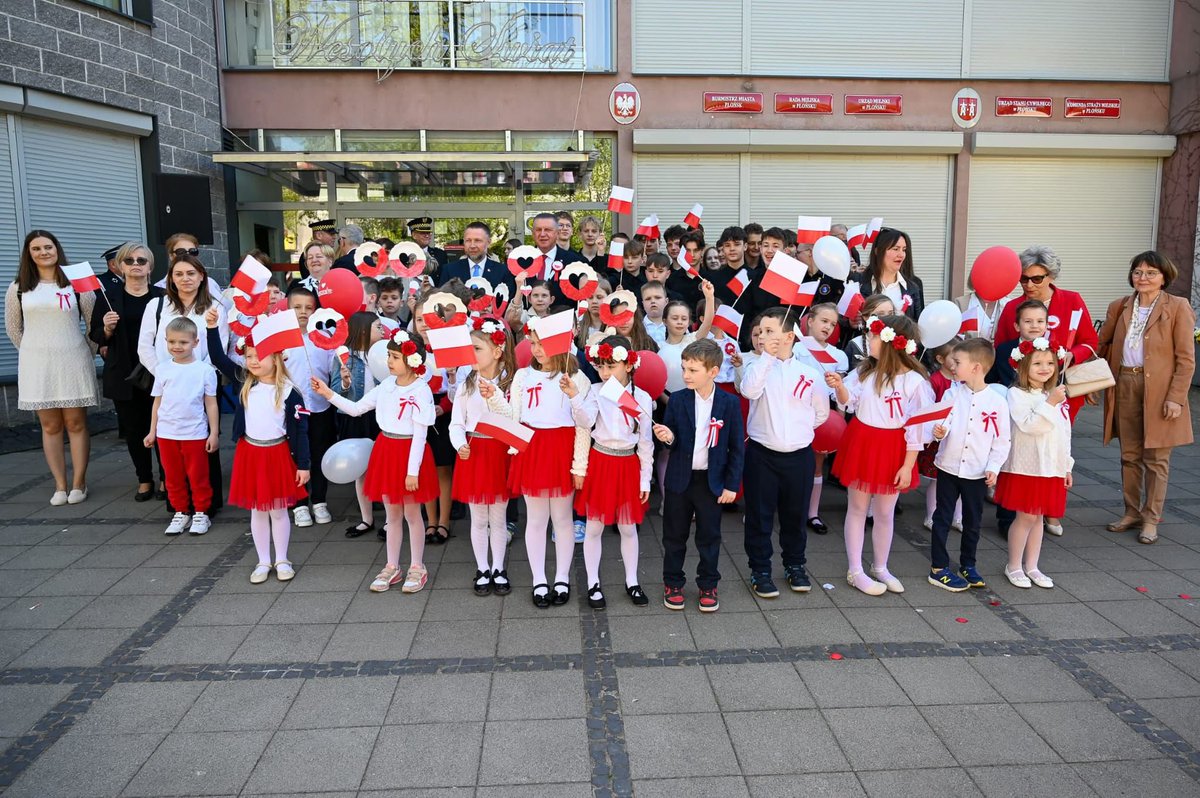
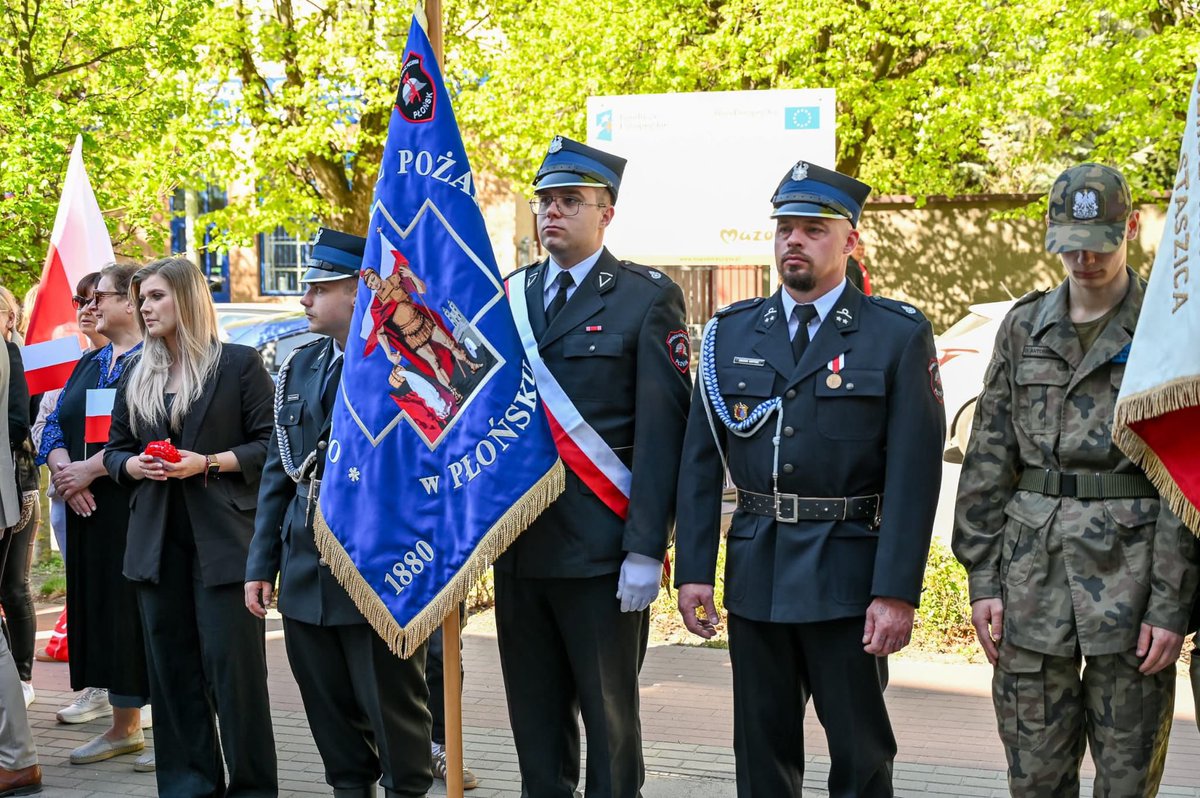
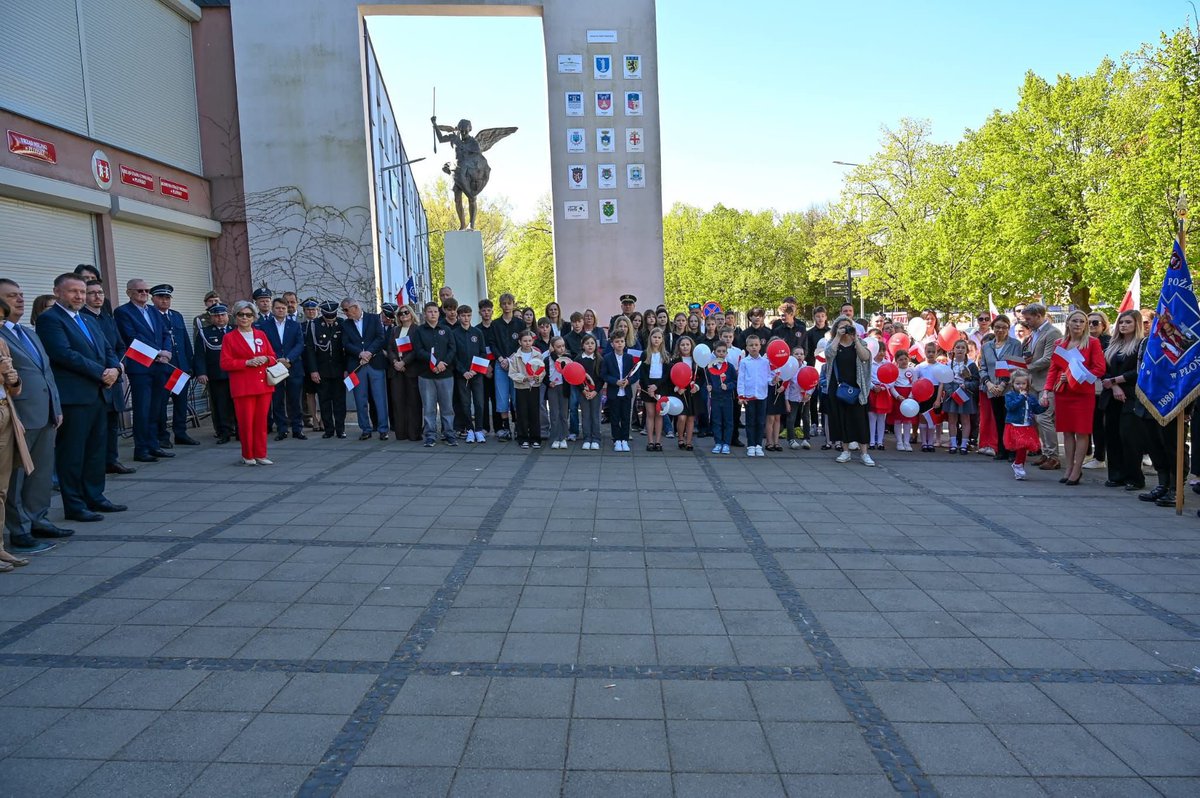
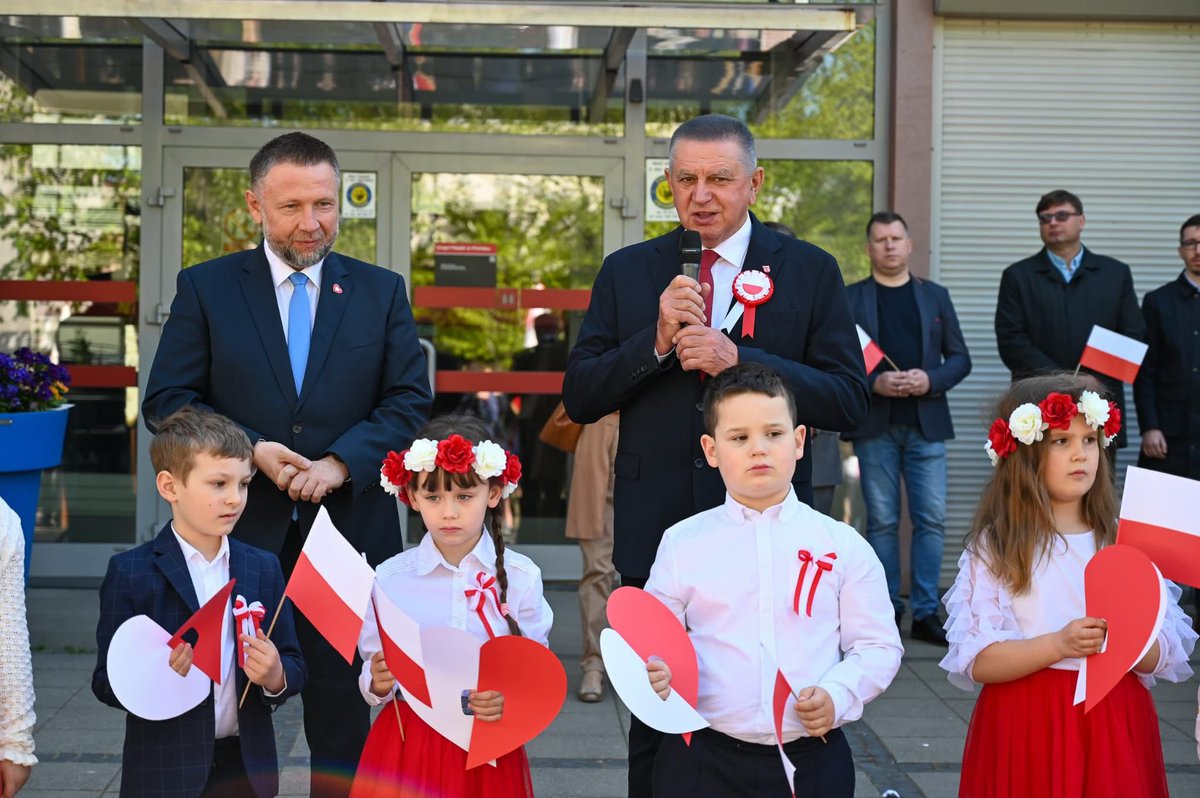
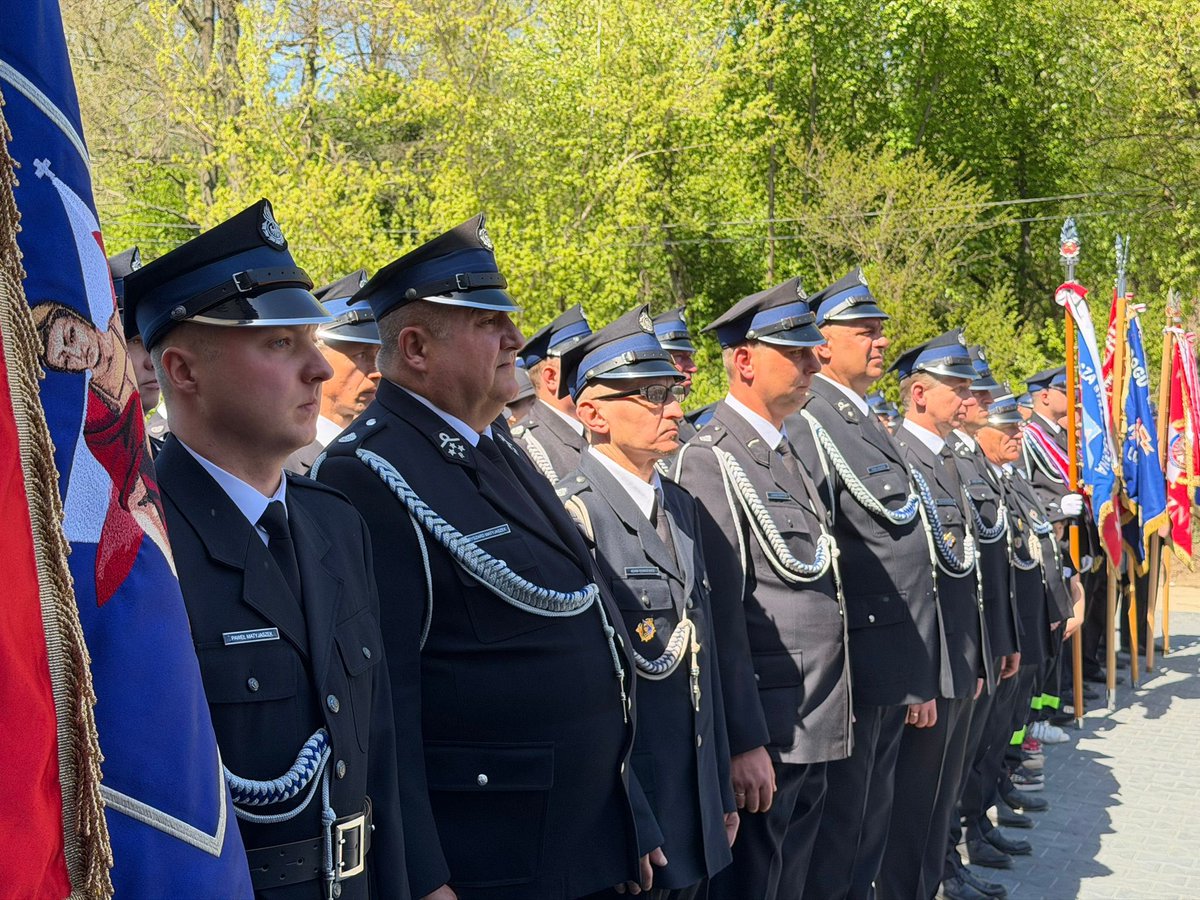
Ochotnicza Straż Pożarna w Królewie ma już 100lat. Piękny jubileusz w którym miałem zaszczyt i przyjemność uczestniczyć. Samych sukcesów i kolejnych 100 lat 🇵🇱 💯 🚒


Polski
Marcin Kierwiński retweetledi

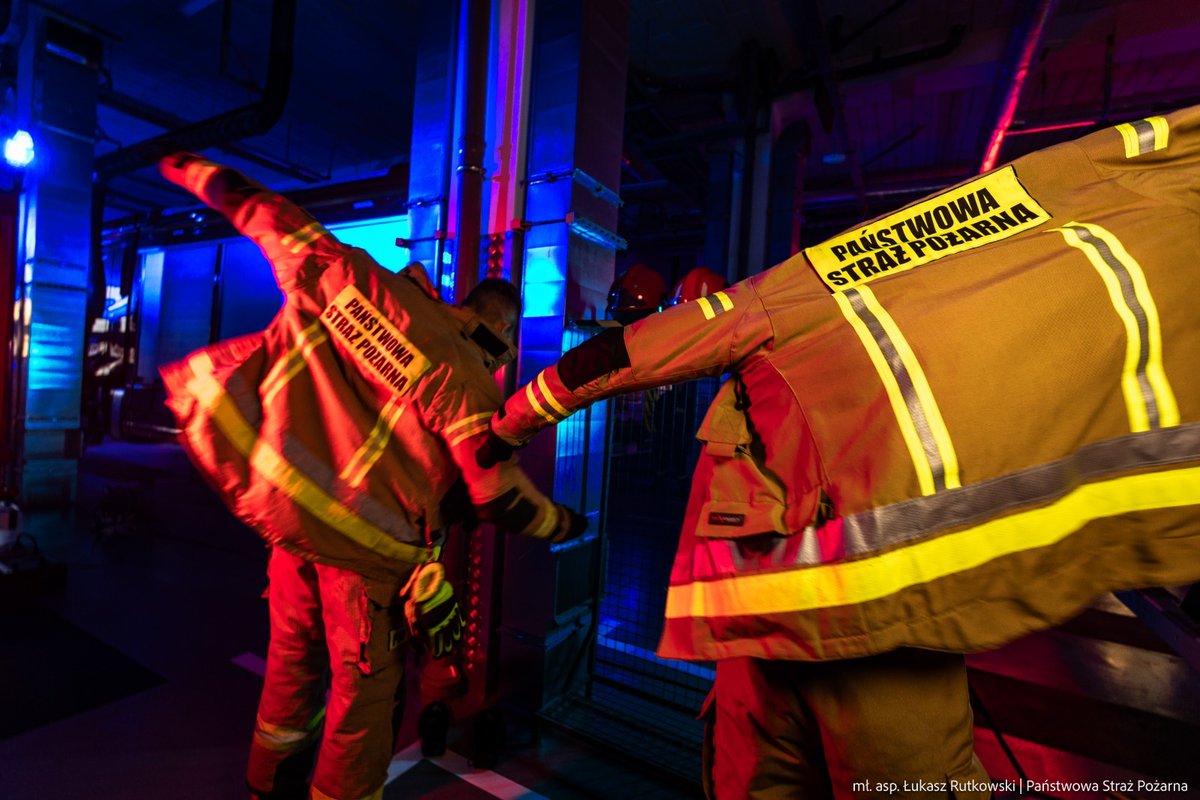
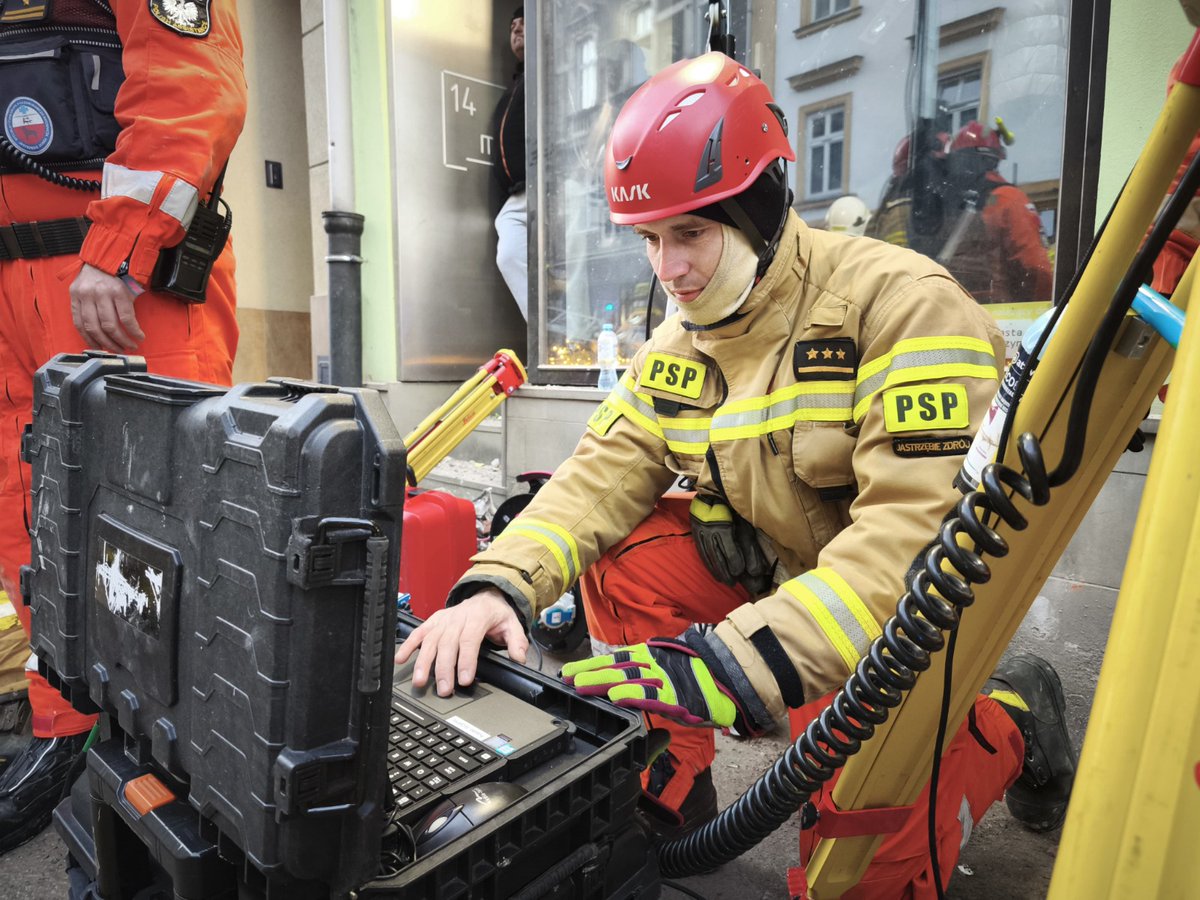
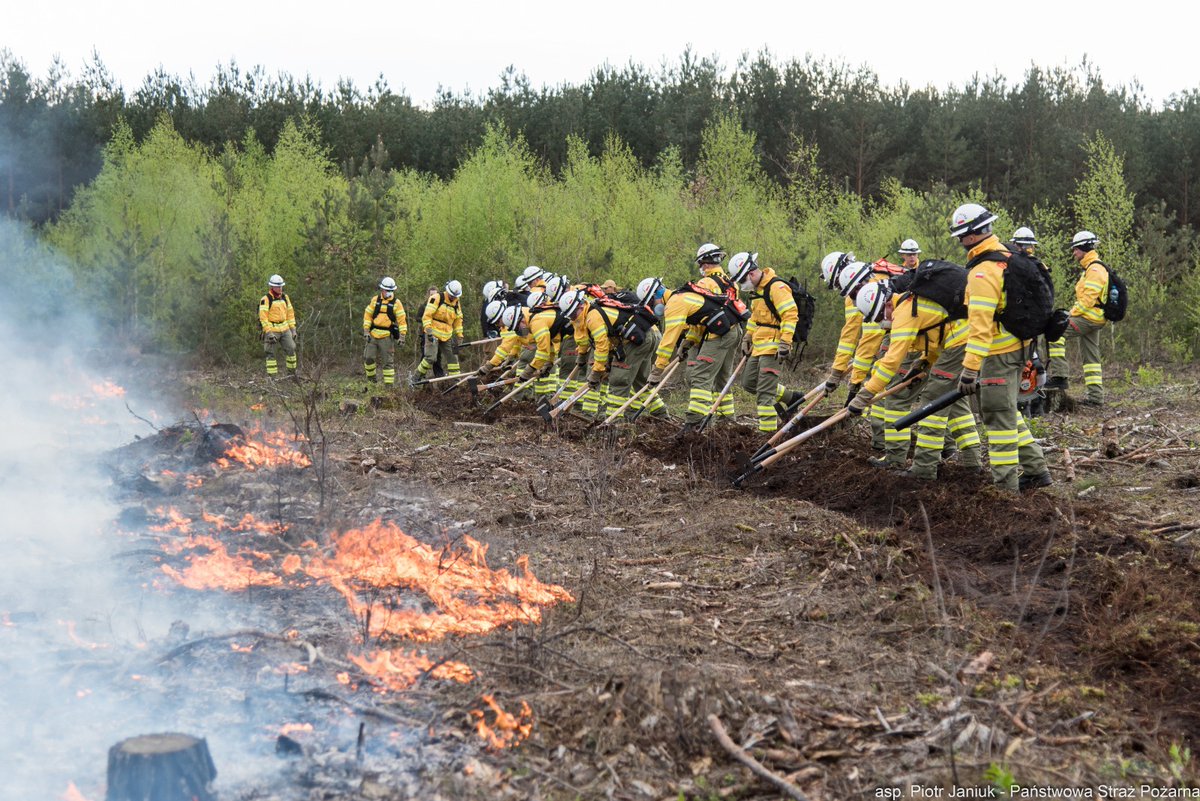
🚒 Straż Pożarna zawsze w gotowości!
👩🏼🚒👨🏻🚒 Pożary nie czekają na koniec majówki. A kiedy się pali interweniują Oni: strażacy @KGPSP.
💪 Dla nas weekend majowy to czas spotkań, wspólnego grillowania i wypoczynku. Dla nich to ta sama gotowość, co przez wszystkie pozostałe dni roku.
🫡 Wielu strażaków spędzi ten czas w strażnicach i na interwencjach. Dziękujemy za Wasze poświecenie!

Polski

@MKierwinski I tak sobie podowcipkujemy, aż obudzimy się z ręką w nocniku... zdaje się, że już wszyscy zapomnieli po 2 dniach akcji na X o powiązaniach i wpływach ruskich na wybory... nową konstytucję to pewno OI na zlecenie ruskich już dla nas mają, a Polacy jak zwykle luzik...
Polski
Panie Prezydencie, w sprawie tej rady ds. nowej Konstytucji. Najpierw masa, potem rzeźba... Najpierw szacunek wobec obecnej a potem myślimy o nowej.
Polski
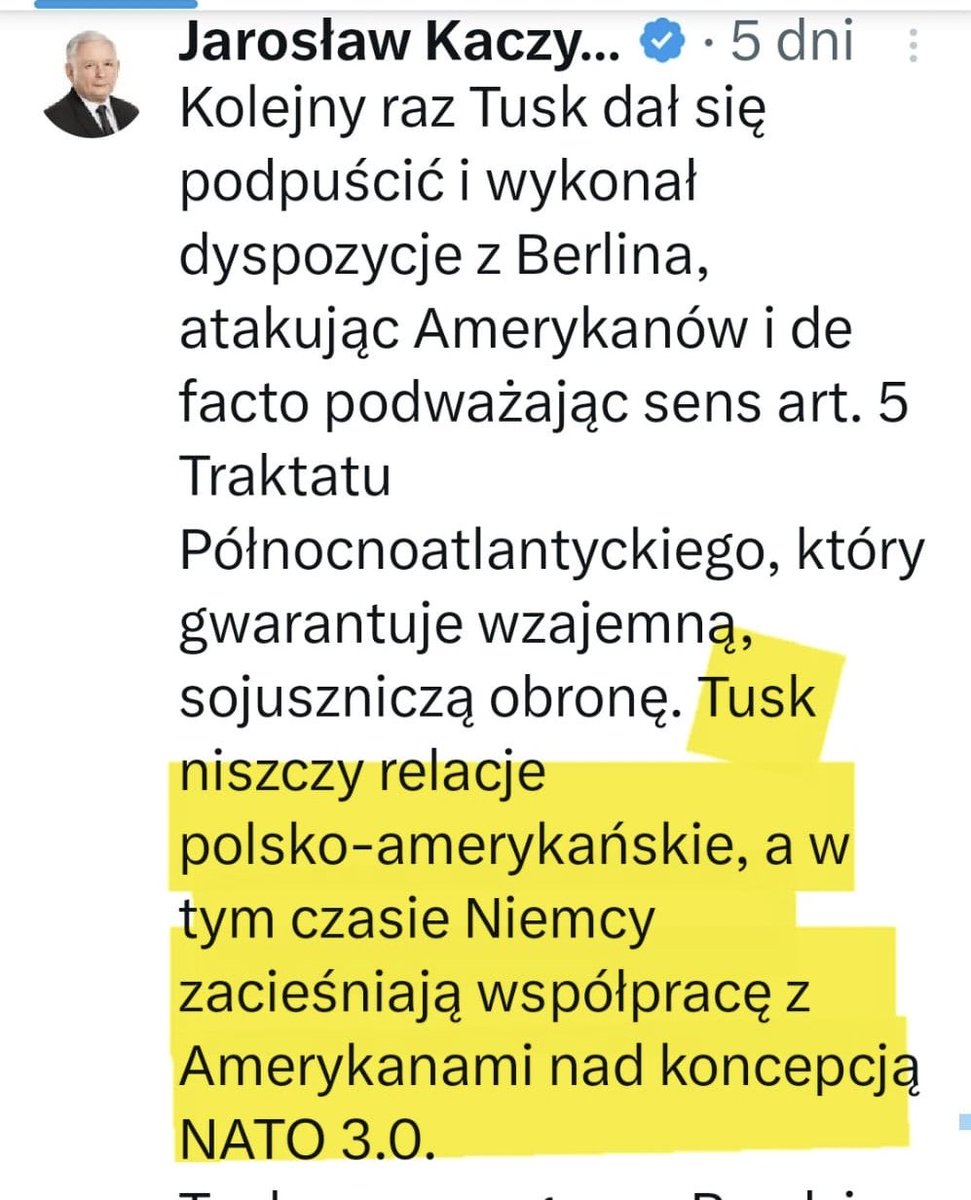
Tak to już jest Panie Kaczyński, gdy spiskowymi teoriami chce się zakryć Aferę Zondakrypto.
Prezydent USA ogłosił, że wycofuje z Niemiec 5 tys. żołnierzy. Niech Pan poprosi kogoś żeby Panu to skasował.
Polski

@MKierwinski @IwaKrpxf Parę rzeczy można by doprecyzować, by potem Nawrocki nie wyskakiwał z jakimiś tam chorym "wobec". No i wzmocnić system parlamentarno - gabinetowy.
Polski
Marcin Kierwiński retweetledi

Dobrego otwarcia sezonu! Niech interwencji będzie jak najmniej. Słowa uznania dla ratowników wodnych.
Maciej Wróbel@PoselWrobel
Nie muszą sprzedawać łodzi by przetrwać. Będzie więcej pieniędzy i nowy sprzęt. Dziękuję @MKierwinski i trzymam kciuki za @mopr_ratownictwo
Polski
@mmpiatkowski @PiotrSowinski23 Właśnie pracujemy nad rozwiązaniami które pomogą te problemy ograniczać. Oczywiście w stosunku do tych kierunków które są preferowane z punktu widzenia polskich interesów gospodarczych i bezpieczeństwa.
Polski

@PiotrSowinski23 @MKierwinski Nie. Bo żaden Amerykanin, Brytyjczyk ani inny młody przedsiębiorca NIE BĘDZIE chciał “przybywać w Polsce, płacić podatki i składki i uczyć się polskiego”, jak od początku będzie miał “pod górkę”. Znajdzie sobie inne miejsce w Europie i na świecie. Sami sobie szkodzimy.
Polski
Z wielką prośbą o interwencję @MKierwinski
Denis Yurchak@denisyurchak
MOVING TO POLAND IS A TERRIBLE CHOICE FOR 95% OF PEOPLE Poland is the fastest-growing economy in the EU. It’s modern and has world-class services. But people who overhype it don’t tell you one thing - if you don’t have an EU passport (and 95% of people in the world don’t have one), Poland is gonna turn your life into a living hell. The reason for it is not its people or nationalism. The reason is bureaucracy. Poland wasn’t built to host a lot of foreigners. For the best part of its history after communism, it’s been a poor country, and hardly anyone wanted to move there. Then the Ukraine war happened. Millions of Ukrainians and Belarusians flew into the country. Poland’s immigration authorities became overwhelmed. 4 years flew by, but the situation didn’t improve. When you move to Poland, you need to get a temporary residence permit. It lasts between 1 and 3 years. Getting it now is not feasible. The wait for a Polish temporary residence permit is between 8 and 12 months. In most cases, you get your first residence permit, called pobyt czasowy, for a year. Then you need to renew it. You will need a long-term apartment in Poland and a source of income in Poland. Your company’s registered in the US or Singapore won’t do. After 3 years, you can get a pobyt stały (permanent residency) - and wait 12 months again. The situation is better in some regions like Krakow, but in Warsaw, where most people go, it’s the worst. While you are waiting for your residence permit, you can’t leave Poland. If you leave after your visa-free days in the EU or your visa expires, you won’t be able to come back without a Schengen visa. To get a residence permit, you need to file an application. This requires either sending all your documents by traditional mail or scheduling an appointment. Getting an appointment takes 8+ months. You have a question? Get ready to wait up to an hour in the telephone queue. Hardly any immigration workers speak English. Most government websites and documents are in Polish only as well. There is a new system where you can file an application online. But using it requires a government ID number called PESEL. You can get it in Poland, but it requires a Polish address. Alternatively, you can convince Polish authorities that you have a valid reason why you need a PESEL. This typically requires employment or business. Both will have real consequences for your life and potentially make you liable for Polish taxes and health insurance contributions. This is what US and UK founders get wrong – you can’t just come to Poland with your online business and live here. Poland doesn’t have digital nomad or independent entrepreneur visas. In Poland, you need a visa sponsor. That means that you either need to find a regular Polish job and employer that will sponsor you or found a company with substantial capital, employees, and real service to sponsor yourself as a director. Want to start a company? All the tax and company registration portals are in Polish. Getting a Polish accountant and tax advisor will be your only option. The situation is not likely to improve in the future. The Polish politics are dominated by right-wing anti-immigration sentiment. Under the right-wing influence, even the center-left are introducing laws that make it harder to immigrate and get a Polish citizenship. For everybody cheering for anti-immigration and thinking it only applies to the people from the Middle East and India, bad news. If you have a UK or US passport, you will fall under the same rules. Some categories of people, mainly people with Polish roots, will have it much easier. But for most people without an EU passport, moving to Poland will turn into the toughest bureaucratic challenge of their lives.
Polski
Mija 22 lata od wejścia Polski do UE. Ogromny sukces Polaków i Polski. Gramy w jednej, mocnej drużynie. I nikt nam tego nie odbierze.

Polski
To fajnie, że Piesiewicz zdjął kompromitujący napis Zondakrypto. Teraz jeszcze z własnej kieszeni powinien oddać pieniądze olimpijczykom. A potem podać się do dymisji. Tylko tyle.
Polski
Dorośli ludzie. Bez dzieci. Chcą w cywilizowany, spokojny sposób rozstać się. Bez nadmiernych kosztów, bez młócki przed sądem. Bez obciążania wymiaru sprawiedliwości.
I to nie podoba się prezydentowi Nawrockiemu, więc wetuje ustawę. Ideologia ponad rozsądkiem.
Polski
Wyrzucanie z klubu PiS polityków skompromitowanych powiązaniami z Zondakrypto, niewiele zmienia. Staliście za tą firmą murem. Nie uciekniecie od tego.
Polski
Macierewicz bez immunitetu. Teraz przed sądem odpowie za bezczelne fiksacje na punkcie tych, którzy chronią Polskę.
Polski
CBA zatrzymało 3 osoby związane z zakupami fatalnej jakości węgla dla RARS w okresie rządów Morawieckiego. Jak to mówią, "sprawa jest rozwojowa". Wnioski w tej sprawie do prokuratury skierowało @MSWiA_GOV_PL
PiS twierdził że pomaga Polakom. Zamiast tego robili brudne interesy.
Polski
@ma_mozer83741 Za mało robię wa doradców Prezydenta? Ciekawe opinia.
Polski

@MKierwinski Bardzo Pan zdenerwował tym wpisem zarówno zwolenników KO, jak i pisowców. Tych pierwszych, bo za mało Pan robi (podzielam to zdanie) a tych drugich, bo chyba trafił Pan w czuły punkt.
Polski
Chciałbym zapytać p. Boguckiego czy człowiek słynący z prorosyjskiej dezinformacji został już usunięty z prezydenckiej rady?
Jeśli wciąż w niej jest, to tylko potwierdzacie, że uściski z Orbanem to nie był przypadek.
Polski
@Arek2013OK @jacek_liberski @faktypofaktach Przy takim poziomie rozumienia złożoności tego problemu naprawdę daleko zajdziemy.,
Polski

@MKierwinski @jacek_liberski @faktypofaktach Oj, żeby się tylko Kosiniak nie pogniewał, albo jaki purpurat 😜
Polski

Minister @MKierwinski obiecał w @faktypofaktach, że transkrypcja aktów małżeństwa (czyli implementacja wyroku TSUE i NSA) to kwestia kilkunastu dni.
Czekamy. Zobaczymy.
Polski
@Arek2013OK @jacek_liberski @faktypofaktach Tak oczywiście ze konsekwentnie mówię że wyrok TSUE musi być wdrażany. Ale musi być to wdrożenie uwzględniające wszelkie skutki.
Polski
@jacek_liberski @MKierwinski @faktypofaktach Mówi tak już chyba od kilkunastu dni. Konsekwentny jest 😜
Polski