MURAJI retweetledi

想定より少し早まりましたがお知らせいたします
コミックノーラにて連載させて頂いておりました
「ブッチ組~夜露死苦異世界 我等真武親友 悪鬼滅殺仏血義礼組」ですが、第四話をもちまして連載終了となりました
同時に、現在は全ての掲載分が削除となっております
ご愛読誠にありがとうございました
日本語
MURAJI
450.7K posts
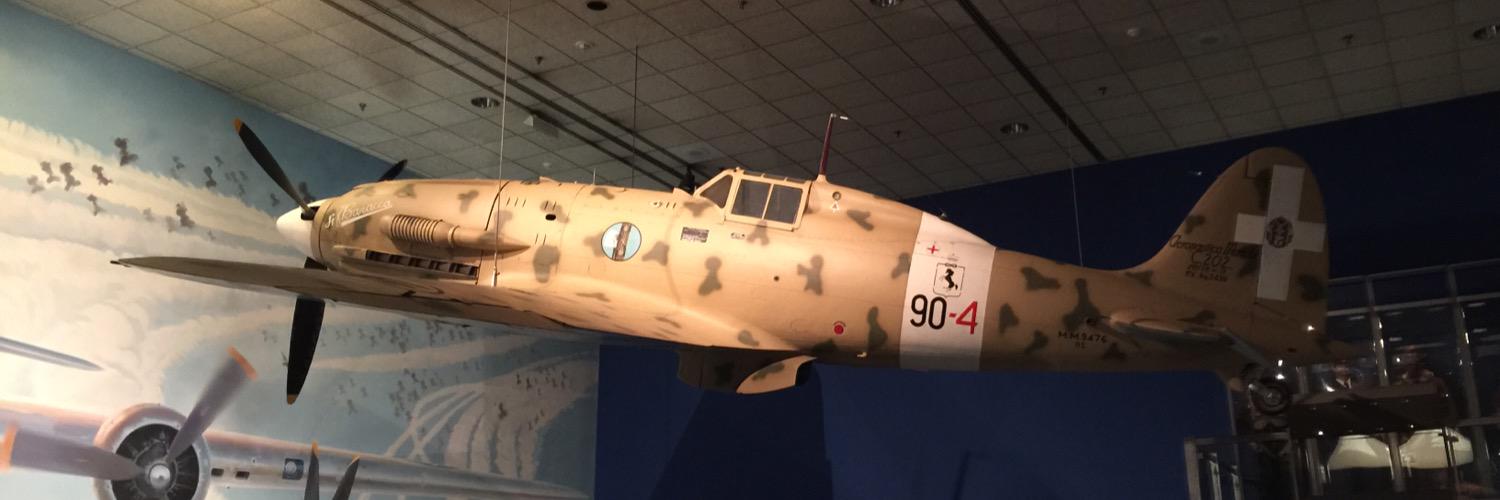


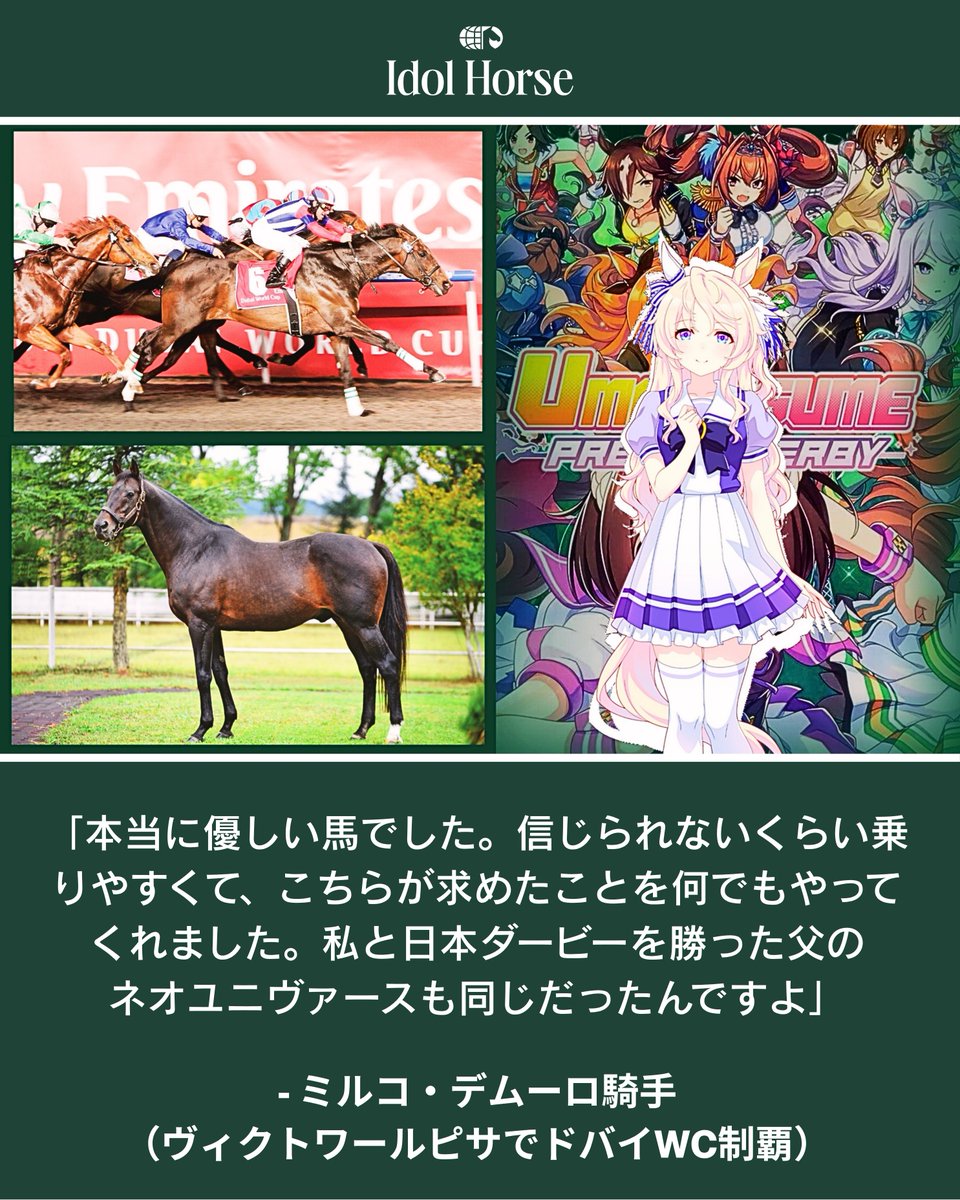


腐向けなら検索避けした方がいいけど、公式の感想なら検索避けしない方がええじゃろとは思うんだよね……。 確か『おそ松さん』はみんなツイート伏せ過ぎて困ってたし。 ただ腐アカで検索避けせずに感想呟いた結果捕捉されるのが嫌なんだろうなとは……(公式周辺ブロックはマナーという人もいるし)。
公式タグも付けずキャラ名やコンテンツ名も明記せずに切り抜きを上げるのは本来公式が得るインプレッション数とそこから繋がる未来の展開を奪う行為であることと ソニックチャンネルがこの声明を出すに至った経緯には自覚的であってくれよ

Food for thought. On November 29, 1971, the world barely noticed when Iranian forces seized three specks of land at the mouth of the Strait of Hormuz: Abu Musa, Greater Tunb, and Lesser Tunb. For the UAE and many in the Gulf, this was never a technical border quarrel. It was an act of occupation and a permanent scar. Today, a comfortable consensus has formed in foreign-policy salons and on Wall Street that the Trump administration has no strategic vision for the Strait of Hormuz, and that Iran is “winning” the confrontation in the Gulf by default. Nothing could be further from the truth. It is hard to believe how casually many of these critics ignore history, including the way control of financing, insurance, and maritime chokepoints has repeatedly reshaped great-power influence. Half a century after the shah’s grab, the question surrounding these islands is no longer simply “who owns them,” but “who secures the most critical chokepoint in the global oil trade.” With President Trump moving to provide American-backed insurance for ships transiting the Gulf, Washington is displacing the remnants of British dominance in maritime insurance and risk. Whoever insures the traffic does not just collect premiums; they hold a de facto veto over it and gain visibility into every meaningful cargo, what moves, in what volume, from where and to where. This emerging architecture gives the United States something London once enjoyed: an indirect presence in every Gulf port that depends on uninterrupted access to global insurance and reinsurance. The logical next step is geographic as well as financial. Returning Abu Musa, Greater Tunb, and Lesser Tunb to the United Arab Emirates would not only correct a historical wrong against Arab inhabitants whose ties to these islands long predate the shah’s gunboat diplomacy. It would also provide the legal and political foundation for a formal U.S.–UAE security arrangement on the islands themselves. Critics will bristle at the idea of a sustained American military presence on these rocks. But the alternative is not some neutral, demilitarized utopia. The alternative is that the Strait of Hormuz, through which a large share of the world’s seaborne oil flows, remains vulnerable to coercion, sabotage, and blockade. A long-term U.S. presence, at Emirati invitation, would anchor a security order built around free navigation, reliable energy flows, and clear red lines against maritime blackmail. This is not just about three islands. It is about restoring the principle that territory cannot be seized by surprise and held indefinitely by force, and about extending a coherent maritime strategy from Hormuz to the Bab el-Mandeb. If the United States is serious about securing the arteries of global trade for decades to come, then correcting the injustice of 1971 and placing these islands under Emirati sovereignty, with an American flag flying alongside the UAE’s in a carefully structured basing agreement, is not an overreach. IMHO, It is the minimum credible foundation for a stable Gulf and the clearest rebuttal yet to those who insist that America has no plan.

フーシ派はイラン革命防衛隊工作機関に要求されたら断れない。子分なので
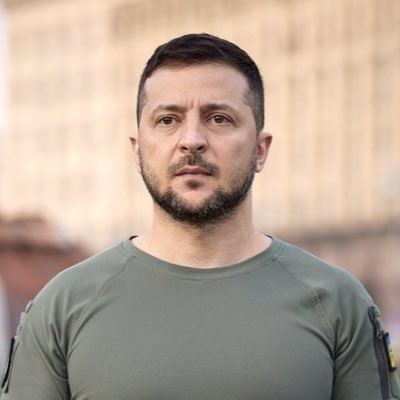

石油火力発電所が我が国の電力供給の約7%を占めるに過ぎない一方で、LNG火力は約3割を占めているため、LNG調達や価格の動向にも強い関心を持って、対応する必要があります。 LNGについては、ホルムズ海峡を経由する輸入は、我が国の輸入量全体の6%程度(400万トン)であり、現在、電力・ガス会社は、この年間輸入量とほぼ同水準の在庫を有しています。代替調達も着実に進んでいます。 このため、現在、電力の安定供給に支障は出ていませんが、さらに万全を期すため、石炭火力の稼働を高め、LNGの使用を節約していきます。 具体的には、経済産業省の審議会での議論を踏まえて、効率の悪い石炭火力の稼働抑制措置を、2026年度は適用しないこととし、年約50万トンのLNG消費を節約します。 これに、東京電力柏崎刈羽原子力発電所6号機が定格出力で稼働した場合の節約効果(LNG年約110万トンに相当)も合わせれば、ホルムズ海峡経由のLNGを約4割節約できることになります。 今後も、電力の安定供給確保に向けて、必要な対応を機動的に講じてまいります。 また、万が一にも、日本においてガソリンなどの石油製品の供給に支障が生じないよう、G7各国や国際エネルギー機関(IEA)とも連携しながら、先日、我が国が率先して、石油備蓄の放出を決定したところですが、昨日(26日)、『石油備蓄法』に基づく国家備蓄原油の放出を開始いたしました。 今後、国内にある11の基地から合計約850万KL(約1ヶ月分)を順次放出し、国内のエネルギー安定供給に万全を期してまいります。 事態が長期化した場合にも、息切れすることなく、継続的に国民生活をお支えすることができるよう、今後とも支援の在り方を柔軟に検討してまいります。

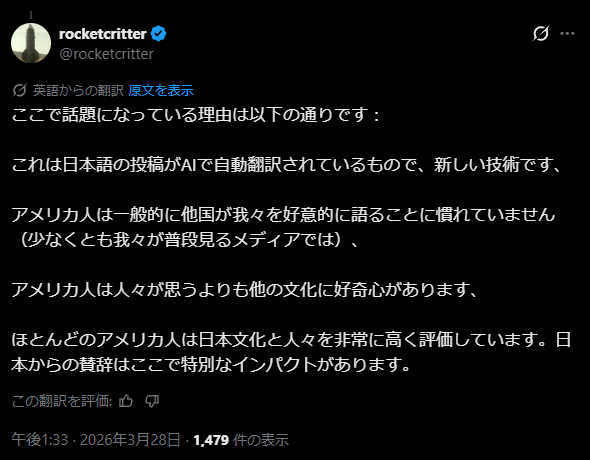
The reason it’s blowing up here is because: It’s a Japanese language post that’s being AI auto-translated, which is new tech, Americans aren’t generally accustomed to other nations speaking kindly of us (at least not in the media we’re regularly shown), Americans are more curious about other cultures than people think we are, Most Americans think very highly of Japanese culture and people. A compliment from Japan carries extra punch here.
『プロパガンダ戦史 (中公文庫 い 122-1)』池田 徳眞 #読書メーター bookmeter.com/books/9777529