T.O Nhachi

2.1K posts

T.O Nhachi banner
T.O Nhachi

T.O Nhachi

@onhachi

Concerned African & Proud Father; Nature Lover: War Against Hate 😡 Strictly #LiverpoolFC

Somewhere Katılım Eylül 2012
1K Takip Edilen644 Takipçiler
T.O Nhachi retweetledi
Tasunungurwa Mufumiri
Tasunungurwa Mufumiri@freemufumiri·
11/Air Commodore (Ret.) Mike Karakadzai became General Manager of NRZ in 2005. His appointment from the military rather than from within the railway fraternity was itself a signal. Not every military leader fails in a civilian institutional role – but appointing an Air Force officer to run a railway signals something about the government's priorities for the institution. It signals that loyalty may be valued above operational competence. It signals that the railway is being managed as a political asset rather than a commercial and logistical one. Karakadzai served as GM until his death in August 2013. Under his tenure the degradation documented by Mabena's warnings accelerated. The HeathMax spare parts deal – a procurement arrangement alleged by NRZ insiders to be a mechanism for siphoning funds rather than sourcing components – operated during this era. Locomotives hired from South Africa's Transnet at substantial daily cost replaced NRZ's own fleet, which was no longer maintained adequately. NRZ had last purchased new locomotives in the early 1990s. By the Karakadzai era, the institution was leasing from its neighbours the rolling stock it should have owned and maintained itself. Every dollar paid in daily hire fees to Transnet was a dollar not spent on track, not spent on signals, not paid to an artisan.
English
1
3
6
575
T.O Nhachi retweetledi
Tasunungurwa Mufumiri
Tasunungurwa Mufumiri@freemufumiri·
10/The hyperinflation years of 2007 to 2009 finished what ESAP started and land reform accelerated. When your currency becomes worthless faster than you can price a transaction, you cannot import parts. You cannot plan a maintenance schedule. You cannot retain an engineer who is being offered real money in Johannesburg or Gaborone or Nairobi. You cannot pay a driver enough to show up. The institutional brain of the NRZ – the engineers, the mechanical specialists, the dispatchers, the signals technicians, the people who carried the accumulated knowledge of how to run a 2,760-kilometre network safely – left. For South Africa. For Botswana. For Zambia. For anywhere that paid in a currency that retained value between Monday and Friday. Human capital does not appear on an asset register. It does not come back when you sign a framework agreement. Once a generation of expertise leaves and the institutional memory they carry disperses across a continent, you are not rehabilitating a railway. You are building one from scratch, in a much harder environment, without the benefit of the foundational years of learning that built the original.
English
1
5
9
646
T.O Nhachi retweetledi
Tasunungurwa Mufumiri
Tasunungurwa Mufumiri@freemufumiri·
9/The year 2000 arrives. Fast-track land reform begins. Commercial farming in Zimbabwe – the tobacco estates, the cattle ranches, the grain operations, and the cotton farms – was the primary source of NRZ's bulk freight revenue. Tobacco alone accounted for enormous tonnage: baled leaf from Mashonaland's curing barns to Harare's auction floors to Beira. Remove commercial agriculture and you remove the freight base that makes a railway economically viable. Post-2000, tobacco production collapses from 237 million kg in 2000 to under 50 million kg by 2008. Commercial cattle numbers fall by more than 80%. Maize production implodes. The bulk freight that had sustained NRZ's revenue model for 60 years disappears in less than five years. A railway without freight is infrastructure in slow-motion execution. Every train that runs below capacity is a cash drain. Every locomotive that sits idle depreciates without generating revenue. The fixed costs – track maintenance, staff, electricity, insurance – do not fall when freight falls.
English
1
4
8
662
T.O Nhachi retweetledi
Tasunungurwa Mufumiri
Tasunungurwa Mufumiri@freemufumiri·
8/Then the 1990s arrived. And with them, ESAP. The Economic Structural Adjustment Programme of 1990/91 gutted public investment across the board. NRZ's capital maintenance budget was cut. Rolling stock aged without replacement. The foreign exchange allocation to purchase parts – imported parts, because southern African narrow-gauge railway components are not manufactured domestically – dried up progressively through the decade. This is critical to understand: a railway system's decline is not linear, and it is not immediately visible. A locomotive that is not properly maintained continues to run. A track that is not re-ballasted continues to carry trains. The degradation is cumulative and invisible until it is catastrophic. By the time a railway looks broken, it has been breaking for years. ESAP planted the seeds of NRZ's collapse in the early 1990s. The visible collapse came later. The causation was already in motion. Then 1997 brought deregulation of the transport sector, removing NRZ's protected position and exposing it to full road competition – without the capitalisation required to compete commercially.
English
1
4
9
612
T.O Nhachi retweetledi
Tasunungurwa Mufumiri
Tasunungurwa Mufumiri@freemufumiri·
6/On 1 May 1980, Rhodesia Railways became the National Railways of Zimbabwe. The institution the new government inherited was functioning, integrated, and strategically vital. It was not a ruin requiring reconstruction. It was a going concern requiring management, investment, and political commitment. And for the first decade of independence, it received all three. In 1983 - just three years after independence - Zimbabwe electrified 305 kilometres of mainline between Harare and Gweru. The inaugural electric train ran on 22 October 1983. The entire programme was completed in two years, on schedule. Let that sit for a moment. Not under siege. Not in isolation. A newly independent African state, with access to international finance and technical assistance, but with its own engineers, its own planning capacity, its own institutional will - electrified 305 kilometres of mainline in two years. It was described by the NRZ itself as the single most significant development in Zimbabwe's transport infrastructure since the first train arrived in Bulawayo in 1897. This is the country people forget when they talk about Zimbabwe's infrastructure collapse. That country and this country are the same country.
English
1
6
9
667
T.O Nhachi retweetledi
Tasunungurwa Mufumiri
Tasunungurwa Mufumiri@freemufumiri·
5/By 1965 Rhodesia Railways operated 427 locomotives, more than 11,000 coaches and wagons, employed 29,000 people, and carried over 4 million passengers per year. By 1938 - still in the consolidation phase after the various BSAC-influenced companies were merged into a single Rhodesia Railways Ltd – the system already operated 236 locomotives, 2 railcars, 360 coaches and 4,364 goods waggons. The network stretched 2,760 kilometres across the territory, with the distinctive three-pronged Y-shape centred on Bulawayo: one line south to South Africa through Botswana, one east to Beira through Mozambique, one north through Victoria Falls to Zambia and the Congo border. Every line served a corridor. Every corridor served a strategic interest. The system was coherent because the colonial economy that designed it was coherent in its extraction logic. The question that independence posed in 1980 was whether a newly sovereign African state could repurpose that extraction infrastructure for development. The answer, for a period of time, was yes.
English
1
5
9
721
T.O Nhachi retweetledi
Tasunungurwa Mufumiri
Tasunungurwa Mufumiri@freemufumiri·
4/But NRZ was never just a railway. Integrated within it was the Road Motor Services division – RMS. Born in the mid-1920s as Rhodesia Railways' Road Motor Service, it began as a lifeline for remote communities too far from the rail line to access the economy. Huge articulated lorries carrying both freight and passengers pushed into the outlying areas that the tracks never reached. By the 1960s, a photograph of an RMS bus was a familiar sight on routes connecting every corner of the country – including the Mutare run, the rural Matabeleland routes, and the Mashonaland farm roads. RMS was the capillary system to NRZ's arterial one. Rail moved bulk freight between cities and across borders. RMS collected and distributed at the edges, feeding cargo onto the rail network and carrying passengers into communities that had no other reliable transport. The two systems were designed to be interdependent. One without the other was always incomplete. At its post-independence operational peak, RMS was a substantial trucking and passenger bus operation, an essential feeder for the freight volumes that made NRZ's revenue model viable. By 1998, RMS had accumulated US$80 million in debt. The feeder service that had held together NRZ's rural reach for over 70 years was insolvent. In 2001 it was placed under judicial management and effectively collapsed. Technically, RMS (Pvt) Company Ltd still exists today as a road haulage subsidiary of NRZ. Its 2025 annual revenue: US$1 million. Its current employee count: 2. Two people. One million dollars. From a national road motor service that connected every district in the country. The capillary system is gone. The artery is barely pumping. The body it served has been trying to survive without either for twenty years.
English
2
5
8
829
T.O Nhachi retweetledi
Tasunungurwa Mufumiri
Tasunungurwa Mufumiri@freemufumiri·
3/The Rhodesia Railways that grew from that first 1897 arrival became one of the most technically sophisticated rail operations on the African continent. Its signature machines were the Beyer-Garratt articulated steam locomotives – enormous, complex, and designed specifically for the demands of southern African narrow-gauge track and gradient. By June 1976, 100 of Rhodesia Railways' 109 steam locomotives were Garratts. The Class 20 and 20A versions – 61 locomotives built between 1954 and 1958, with a 4-8-2+2-8-4 wheel arrangement – were among the most powerful steam engines ever built for narrow gauge anywhere in the world, rated to haul 1,250 long tons up a 1-in-64 gradient. These were not machines operated by people who did not know what they were doing. Rhodesia Railways had built deep, generational engineering expertise. The Chief Mechanical Engineer Frank Edward Hough OBE spent his career understanding these machines at a level of intimacy that cannot be taught in a classroom. The workshops in Bulawayo – the RESSCO facility – could rebuild locomotives from component level. Between 1980 and 1983, even as political transition was underway, they completely overhauled and modernised the remaining Garratt fleet, installing roller bearings and extending operational life. That work was done on time. It was done well. One further figure from the Rhodesia Railways era deserves naming: Roy Welensky, who worked as an engine driver for Rhodesia Railways before entering politics and eventually becoming the last Prime Minister of the Federation of Rhodesia and Nyasaland. The railway was a social institution as much as an industrial one. Raylton – 'Railtown' – the residential quarter in Bulawayo built for railway staff, was a community. People built careers and lives inside this institution across generations.
English
1
5
9
909
T.O Nhachi retweetledi
Tasunungurwa Mufumiri
Tasunungurwa Mufumiri@freemufumiri·
NRZ TEASER TWEET In 1989, the National Railways of Zimbabwe operated 422 locomotives and 13,231 wagons. It moved 12 to 18 million tonnes of freight per year, connecting Zimbabwe's mines, farms and factories to ports in Mozambique and South Africa. It was the arterial system of a landlocked economy. Everything that moved in bulk - coal, chrome, tobacco, beef, grain, fertiliser - moved on its tracks. In 1983, Zimbabwe electrified 305 kilometres of mainline between Harare and Gweru in just two years. It was described as the single most significant development in the country's transport infrastructure since the railway itself arrived in 1897. A landlocked, newly independent African state electrifying a mainline. In two years. Today, NRZ has 168 locomotives. 60 are operational. Of 7,153 wagons, 3,512 are serviceable. All passenger services are suspended. Zero intercity trains run. In 2019, drivers were using WhatsApp to communicate because the signalling system had collapsed. The electrified mainline - that proud 1983 achievement - went dark in 2009 after overhead cables were stripped for scrap metal and never replaced. Annual freight has fallen from 18 million tonnes to under 3 million. Later, today I tell the full story. From the first train into Bulawayo in 1897, to the Garratt locomotives that were among the most powerful in the southern hemisphere, to the electrification triumph of 1983, to the DIDG consortium that promised US$400 million and delivered a press conference, to the Turkish investor who counted 258 'rail potholes' and quietly left. The National Railways of Zimbabwe. Born 1893. Still technically alive. Running on 60 locomotives and prayers. 🧵 Today, 3pm
English
1
9
26
7K
T.O Nhachi retweetledi
Liverpool FC
Liverpool FC@LFC·
We are all with you, Hugo ❤️
Liverpool FC tweet media
English
461
6.8K
72.9K
666.6K
T.O Nhachi retweetledi
Jermaine Pennant
Jermaine Pennant@pennant83·
I was a Liverpool fan way before I became a pro footballer. As someone who genuinely cares & watches every single game… This is a disaster. Slot, you won the league last year with a style of play and DNA of Liverpool that Klopp built. This team is now close to unrecognisable…
English
518
3.8K
27K
673.5K
T.O Nhachi retweetledi
Paul🥷
Paul🥷@l4pablo·
Luis Díaz was on just £60k a week and pushed for a new contract. Instead, Arne Slot, Michael Edwards, and Richard Hughes all decided to sell Díaz while keeping Cody Gakpo and handed Gakpo a massive new £250k-a-week contract. Our club is being run by fucking clowns.
English
133
990
11.4K
555.3K
T.O Nhachi retweetledi
Frank Magana
Frank Magana@FrankMagana15·
Member of Parliament of the United Kingdom, Rupert Lowe, comments on Ye being banned to perform in the UK “I couldn't care less what Kanye West says or does. If Brits want to part with their money to watch him shout into a microphone, let them.” “He's a nutcase. But it should be up to those people who purchased a ticket if they attend his events. Not Starmer. Banning him is too far.”
Frank Magana tweet mediaFrank Magana tweet media
English
68
521
5.4K
236.8K
T.O Nhachi retweetledi
alpha man
alpha man@alphaman_111·
Dark Psychology about Family 1. A daughter is more emotionally attached to her father, while a son connects deeply with his mother. 2. The eldest child often carries the weight of responsibility more than the others. 3. A son who respects his mother will naturally respect women. 4. Siblings who fight the most in childhood tend to become the closest in adulthood. 5. People who mimic their parents' habits often do so unconsciously. 6. Children who grow up watching arguments often become peacemakers in their own lives. 7. The more a parent sacrifices silently, the more their child subconsciously respects them. 8. A child raised in love grows up to give love effortlessly.
English
16
210
1.5K
150.4K
T.O Nhachi retweetledi
Football Tweet ⚽
Football Tweet ⚽@Footballtweet·
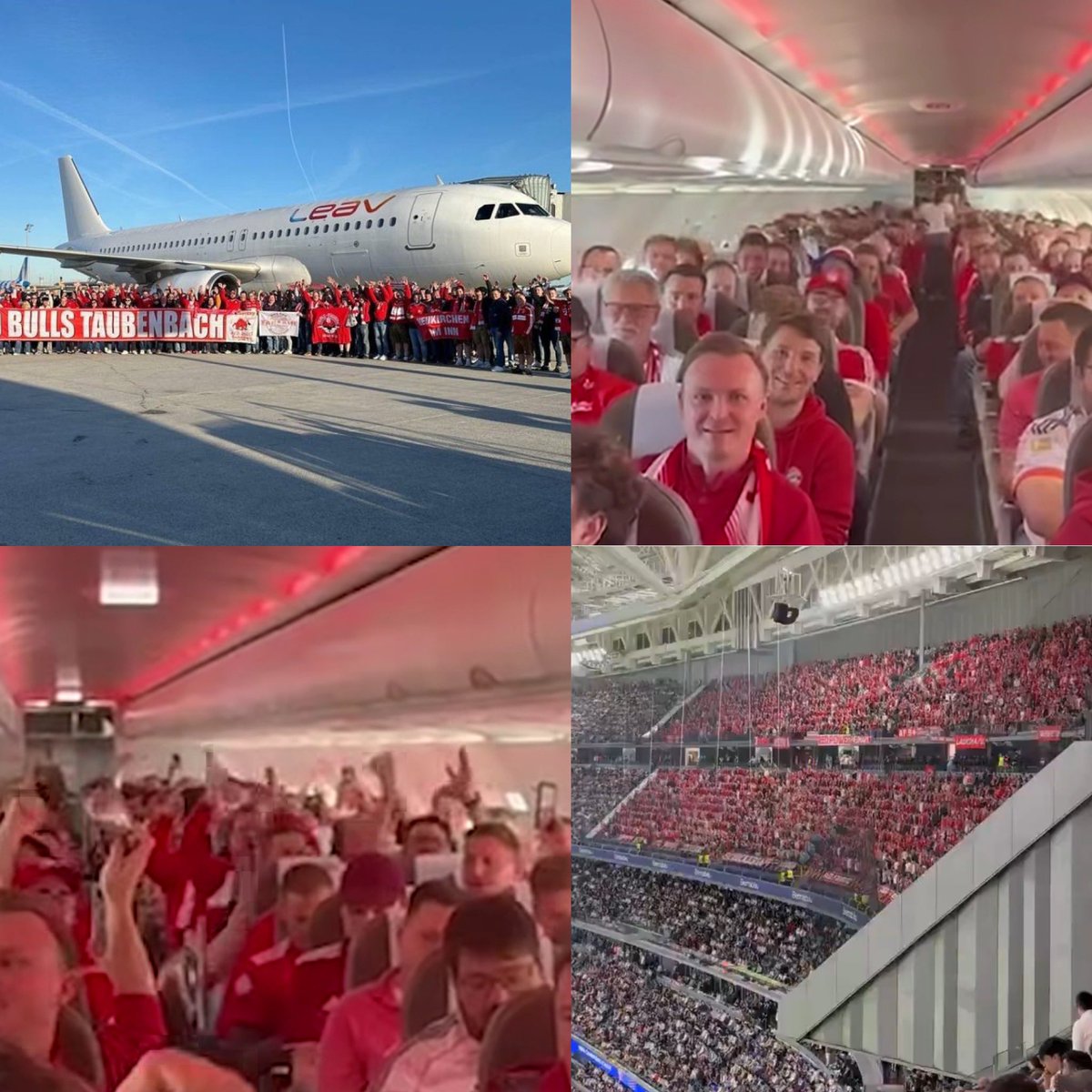
This is incredible. With flights to Madrid costing over €900, a Bayern fan club came together and rented an ENTIRE plane for 180 supporters. The move cut the price in half, turning the journey into a party — fans singing, drinking, and travelling together. And in the end, they made it to the Bernabéu to back their team and to watch their team record a famous victory against Real Madrid. Well worth it. 👏 ✍️ @Juezcentral
Football Tweet ⚽ tweet media
English
92
1K
15.5K
924.7K
T.O Nhachi retweetledi
Art of Life 🦋
Art of Life 🦋@Art0fLife_·
He explains how the fastest way to teach respect is by becoming unavailable.
English
50
2K
8.3K
198.5K
T.O Nhachi retweetledi
Football Tweet ⚽
Football Tweet ⚽@Footballtweet·
➟ He endured the Sarajevo war as a child. ➟ He refused to play for the Czech Republic. ➟ He chose to represent Bosnia. ➟ He won the only Bundesliga title in Wolfsburg's history. ➟ He won the first Premier League title in Manchester City's history. ➟ He qualified for the 2014 World Cup. ➟ He became a champion in Italy with Inter Milan. ➟ He was runner-up in Europe. ➟ He qualified for the 2026 World Cup. ➟ He has scored over 400 goals in his career. ➟ He led Bosnia to their first two World Cups in its entire history. ➟ He is very close to promoting Schalke back to the Bundesliga. ➟ He will play his second World Cup at 40 years old. STAND UP FOR THE LEGENDARY EDIN DŽEKO! 👏🇧🇦
Football Tweet ⚽ tweet media
English
410
7.1K
56.9K
1.3M
T.O Nhachi retweetledi
Yeezyrih #BULLYSZN
Yeezyrih #BULLYSZN@Yeeezyrih·
Ms Lauryn Hill said “is it ok if I do a lil sum?” AND WENT ABSOLUTELY CRAZY 😭🔥🐐 I still haven’t recovered from this
English
719
23.2K
144.4K
4M
T.O Nhachi retweetledi
John O Sullivan
John O Sullivan@Corballyred·
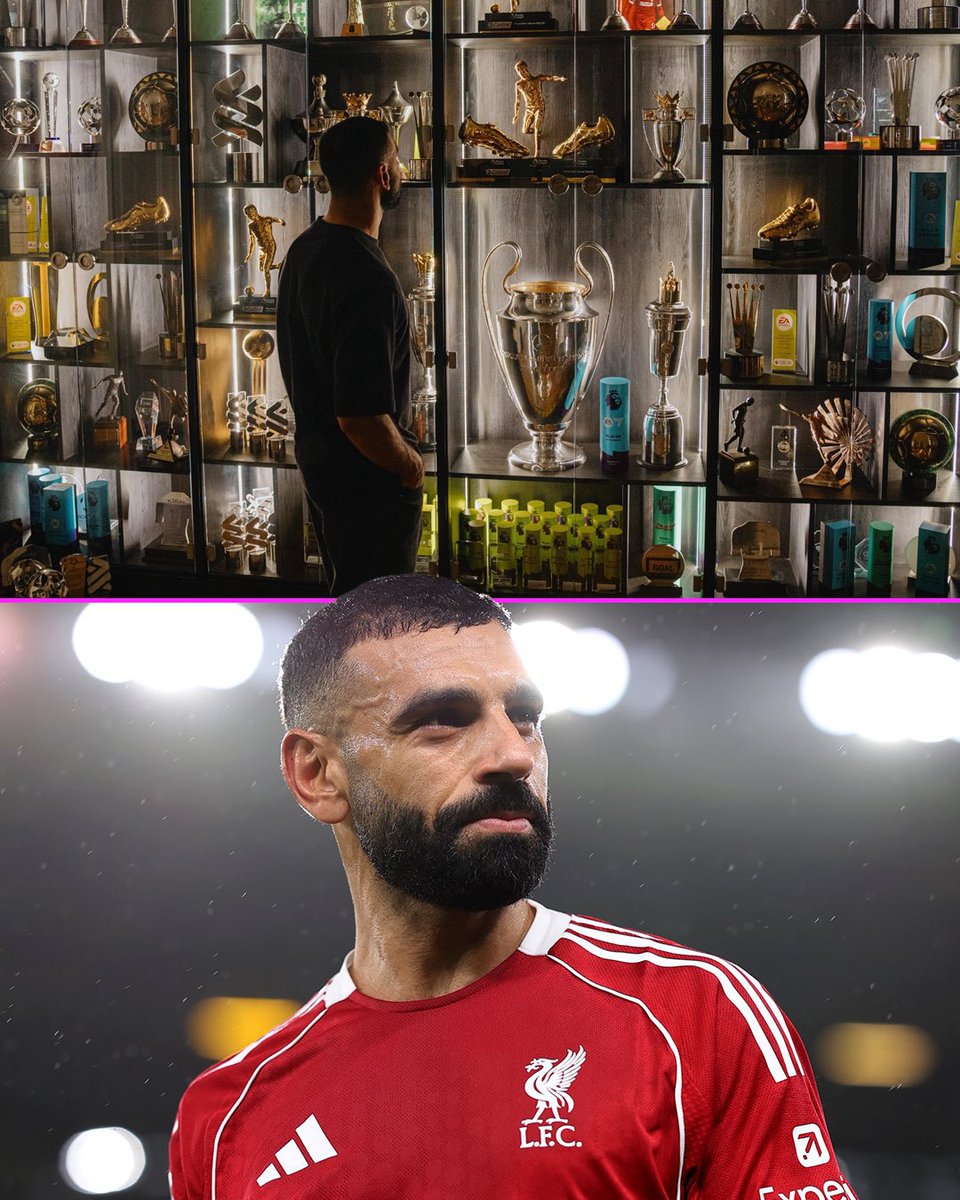
If we are talking about things Salah has done off the pitch I want to give a few 👇 -Donated $3 million to Cairo's Cancer Institute after the 2019 terrorist attack. -Donated £130,000 to rebuild a church destroyed by fire. -Built a water treatment plant serving 10,000+ people in his village, along with multiple schools and a hospital wing. -Forgave a thief who broke into his family home, convinced police to release him, gave him money, and helped him find a job. -Donated about 6% of his wealth, ranking 8th on the Sunday Times Giving List in 2022 — the only footballer in the top 10. If we're judging Salah as a footballer by his off-pitch actions, he's one of the greatest of all time. 👍
John O Sullivan tweet media
English
61
491
2.8K
55.3K
T.O Nhachi retweetledi
Klay
Klay@UtdKlay·
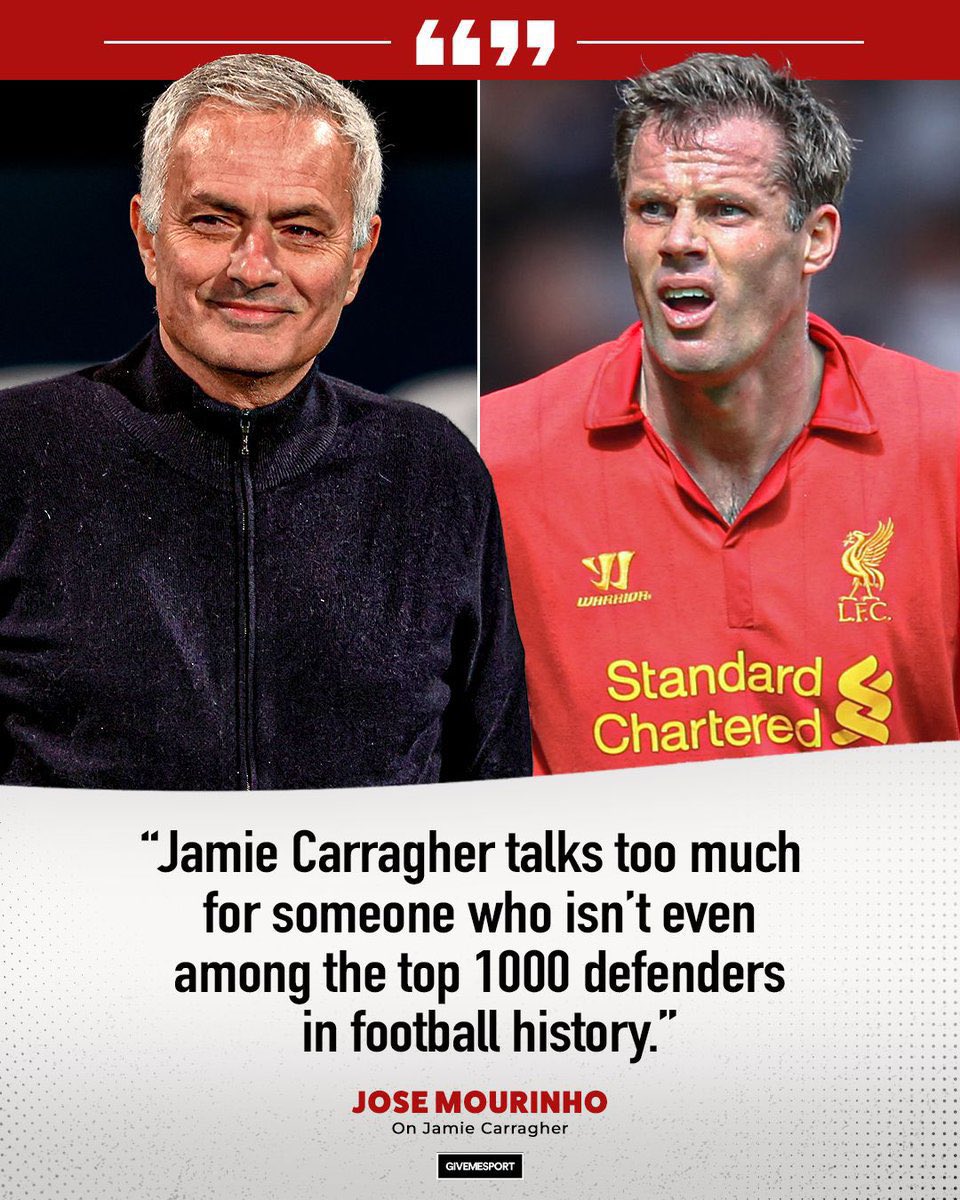
🚨José Mourinho ‘reportedly’ Calls out Jamie Carragher on Mohamed Salah Poor Treatment at Liverpool: 🗣️ Mourinho: “Look, I don’t understand this culture of destroying your own heroes. What Mohamed Salah has done for Liverpool is football heritage—numbers, trophies, consistency. But instead of giving the boy his respect, they sit in a television studio, they question him, they rank him, they create these... Einstein debates.” “When a player of Salah's level says he is leaving, there is only one thing you do. You show RESPECT. You do not try to make his legacy smaller” “I managed in England for many years. I know what it takes to win there, and I understand perfectly what Liverpool means. The real legends, they uplift each other. But with Salah? I see too much silence when he deserves the praise, and I hear too much noise when he has already given them absolutely everything.” “If Salah is my player... please. There is zero discussion. Zero. He is one of the absolute greatest to ever wear that shirt. When he leaves, you stand up, you clap, and you say ‘thank you.’ You do not sit on a sofa and say, ‘Ah, maybe he is number six on the list.’ No. That is a lack of respect. That is a disgra…..𝗦𝗵𝗼𝘄 𝗺𝗼𝗿𝗲
Klay tweet mediaKlay tweet media
English
85
739
4K
201.6K