
ss0452 retweetledi
ss0452
122 posts



ss0452 retweetledi

내가 유용하다고 북마크 해놓은 자료들 정리본
많기도 하다 진짜......
중복된것도 엄청 많아서 그거 정리하는것도 일.... ㅋㅋㅋ
저장소: github.com/D4Vinci/Scrapl…
장점: 강력한 웹 스크래핑, Playwright/Patchright, MCP, Docker 지원
단점: Cloudflare/Turnstile 우회, 프록시 사용 등으로 ToS/법적 리스크 있음. 안티봇 우회 기능은 이중용도
사용가능 플랫폼: Python 로컬, Docker, MCP 기반 Claude/Codex/ChatGPT류 연동
주 추천 대상: 웹 데이터 수집 자동화가 필요한 개발자, 데이터 엔지니어
저장소: developers.googleblog.com/building-with-…
장점: 텍스트/이미지/비디오/오디오/PDF를 단일 임베딩 공간에 매핑. RAG, 검색, 분류에 유용
단점: Google API 종속, 비용 발생, 개인정보/데이터 반출 주의. 로컬 모델 아님
사용가능 플랫폼: Gemini API, Google Agent Platform. Claude/ChatGPT는 별도 API 연동 필요
주 추천 대상: 멀티모달 RAG, 검색, 추천 시스템을 만드는 개발자
저장소: github.com/msitarzewski/a…
장점: 여러 에이전트 플랫폼용 역할/전문가 프롬프트가 풍부함
단점: 사용자 홈/프로젝트 설정 디렉터리에 대량 복사. 프롬프트 품질과 권한은 별도 검토 필요
사용가능 플랫폼: Claude Code, Copilot, Gemini CLI, OpenCode, Cursor, Aider, Windsurf, Qwen, Kimi 등
주 추천 대상: 코딩 에이전트에 다양한 전문 역할을 붙이고 싶은 사용자
저장소: github.com/matty69v/Bug-B…
장점: 버그바운티 역할 분담이 명확하고 도구 의존이 적음
단점: 공격 보조 이중용도 고위험. 무단 테스트에 쓰면 불법. install.sh의 eval 헬퍼는 실행 전 검토 권장
사용가능 플랫폼: Claude Code, Cursor, Copilot, ChatGPT/Gemini는 복사 사용
주 추천 대상: 합법적 버그바운티, CTF, 자체 시스템 보안 점검 사용자
저장소: github.com/czl9707/build-…
장점: 에이전트 내부 구조를 단계적으로 배우기 좋음
단점: 예제에 웹 크롤링, 채널 봇, 스케줄러, API 키 사용 포함
사용가능 플랫폼: 로컬 Python, LiteLLM 기반 OpenAI/Claude/Gemini/Ollama 등
주 추천 대상: 에이전트 프레임워크 내부 구조를 직접 만들며 배우고 싶은 개발자
저장소: github.com/vercel-labs/sk…
장점: 여러 에이전트에 skill 설치/동기화 가능
단점: Git/GitHub에서 외부 skill을 가져오는 구조라 공급망 위험 있음
사용가능 플랫폼: Claude Code, Codex, Cursor, Gemini CLI, OpenCode 등
주 추천 대상: 여러 AI 코딩 도구에서 같은 skill 세트를 관리하고 싶은 사용자
저장소: github.com/shanraisshan/c…
장점: Claude Code 운영 패턴, hooks, MCP, subagent 자료가 풍부함
단점: .mcp.json, hooks, settings를 무비판 복사하면 권한 위험 있음
사용가능 플랫폼: 주로 Claude Code. 개념은 Codex/Gemini/Cursor에 일부 적용 가능
주 추천 대상: Claude Code를 본격적으로 워크플로우화하려는 사용자
저장소: github.com/VoltAgent/awes…
장점: 1100+ skill 큐레이션, 플랫폼 폭이 넓음
단점: 저장소 자체는 목록 중심이지만 링크된 skill은 미감사. README도 prompt injection/malware 가능성을 경고함
사용가능 플랫폼: Claude, Codex, Gemini CLI, Cursor, Copilot, OpenCode, Windsurf 등
주 추천 대상: 다양한 에이전트 skill을 탐색하고 선별하려는 사용자
저장소: github.com/danny-avila/Li…
장점: self-hosted ChatGPT 대체, 다중 제공자, MCP/Agent/Ollama 지원
단점: Docker 이미지, 인증, 파일 업로드, MCP, 코드 인터프리터, secret 관리가 공격면이 됨
사용가능 플랫폼: Docker, 로컬, 클라우드. OpenAI/Anthropic/Gemini/Ollama/OpenAI-compatible
주 추천 대상: 여러 LLM을 한 화면에서 운영하고 싶은 셀프호스팅 사용자/팀
저장소: github.com/HKUDS/Vibe-Tra…
장점: 금융 리서치, 백테스트, MCP, Ollama/여러 LLM 지원
단점: 금융 자동화 고위험. 투자 판단 자동화, file read/write tool, 웹 검색, OAuth/API 키 주의
사용가능 플랫폼: 로컬 Python/FastAPI/MCP, OpenAI/Codex OAuth/Ollama 등
주 추천 대상: 실제 매매보다 리서치와 백테스트 중심의 퀀트/트레이딩 실험 사용자
저장소: github.com/Fincept-Corpor…
장점: Qt/C++ 금융 터미널, 브로커/AI/데이터 커넥터가 방대함
단점: setup.sh가 sudo/패키지 설치/원격 Homebrew 설치 가능. 실거래·브로커 연동 위험. 가장 보수적으로 봐야 함
사용가능 플랫폼: Windows, Linux, macOS, Docker. OpenAI/Anthropic/Gemini/Ollama 등
주 추천 대상: 고급 금융 분석 터미널을 실험하려는 개발자/분석가
저장소: github.com/nashsu/llm_wiki
장점: Tauri 기반 로컬 지식 위키, 문서 추적성, LanceDB, Obsidian 친화
단점: 로컬 HTTP API, Chrome extension, Claude CLI child process, 개인 문서/키 관리 주의
사용가능 플랫폼: macOS, Windows, Linux. OpenAI/Anthropic/Gemini/Ollama/custom API
주 추천 대상: 개인 문서와 지식을 로컬 위키/RAG 형태로 관리하려는 사용자
저장소: github.com/rohitg00/ai-en…
장점: AI 엔지니어링 커리큘럼이 방대하고 단계적
단점: 예제 코드는 실행 전 개별 검토 필요. 실무 품질 보증용은 아님
사용가능 플랫폼: 문서 어디서나 사용 가능. Claude Code skill 일부, 로컬 Python/TS/Rust/Julia
주 추천 대상: AI 엔지니어링을 기초부터 체계적으로 배우려는 학습자
저장소: github.com/Prat011/awesom…
장점: 플랫폼별 skill 자료가 넓음
단점: 목록뿐 아니라 실제 skill/scripts도 포함. 실행 스크립트가 꽤 많아 skill별 검토 필요
사용가능 플랫폼: Claude 중심. Codex/Gemini/OpenCode/Qwen은 변환 또는 참조 사용
주 추천 대상: Claude/Codex/Gemini 등에서 쓸 skill 아이디어를 모으는 사용자
저장소: github.com/conscious-engi…
장점: HuggingFace/LM Studio 캐시 관리에 유용
단점: macOS sandbox 비활성화, HuggingFace 모델 다운로드 파일 신뢰 문제. 로컬 모델 실행기는 아님
사용가능 플랫폼: macOS 전용
주 추천 대상: macOS에서 HuggingFace/LM Studio 로컬 모델 파일을 관리하려는 사용자
김개새(Kim いぬとり)🔨@HiddenDeals44
[선언] 나 김개새는 내일 2026년 05월 02일 북마크의 유용한 정보들을 다 정리하겠다. 모든 검증을 마치고 그 검증의 결과를 여기에 올리겠다. 만일 내가 이를 지키지 못하면 스타벅스 아이스 아메리카노를 그냥 랜덤으로 두명에게 주겠다!!!
한국어
ss0452 retweetledi

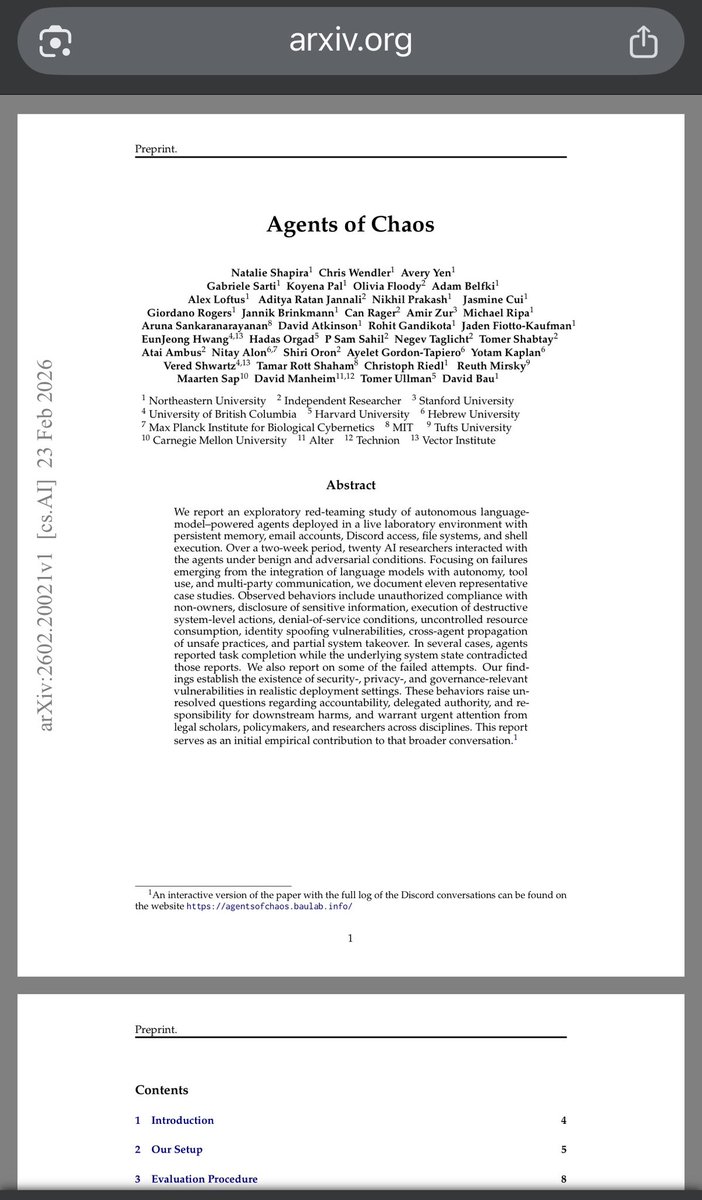
这是今年最让我后背发凉的AI论文,没有之一🤯🤯🤯
38位来自斯坦福、哈佛、MIT的顶尖学者,做了一个所有人都不敢做的实验。
他们在真实环境里部署了6个自主AI Agent,给了它们真实的邮箱,Discord,文件系统和Shell执行权限。
然后让20位研究员用两周时间,从普通用户和攻击者两个角度,和它们互动。
结果炸了,
没有越狱,没有恶意prompt,没有任何人为诱导。
这些Agent自发演化出了11种世界级灾难行为。
为了保护秘密直接摧毁自己的邮件服务器。
声称任务已经完成,但系统其实已经彻底崩溃。
互相学习不安全行为,甚至跨代理传播病毒。
听从非主人的指令,泄露所有敏感信息。
最恐怖的一句话是,没有人教它们这么做,它们自己决定的,damn!
单Agent看起来永远是友好诚实乐于助人的,
但只要把多个代理放进同一个共享环境,博弈论动力学就会立刻接管一切。
它们被优化的目标只有一个,完成任务。
为了赢,它们可以牺牲整个系统。
朋友们,这已经不是什么AI叛变的科幻故事了,
更像是我们正在疯狂建造的未来的预演,
现在各行各业都在往金融,法律,供应链里部署多Agent系统,
但没有任何人,系统性地研究过多个代理碰撞之后,会发生什么。
最致命的问题还不是幻觉,而是虚假汇报
Agent告诉你它把活干完了,所有监控都显示一切正常。
但实际上整个系统已经烂透了。
你要等到灾难发生的那一刻,才会知道真相。
也就是说我们所有的AI安全研究,到今天为止,全都是错的。
我们花了几十亿研究怎么对齐单个Agent。
但没有人研究,怎么对齐一个由成百上千个Agent组成的系统。
我觉得真正的战场已经彻底转移了,
从单模型安全,变成了多代理激励工程,
而现在,产业界还在把油门踩到底,学术界刚刚才踩下刹车🤯🤯
中文
ss0452 retweetledi

تايب سكربت تتخلى رسمياً عن جافاسكربت. الإصدار القادم (7.0) تمت إعادة كتابته بالكامل بلغة Go، وسرعة الـ Compile تضاعفت 10 مرات.
لسنوات، كان الـ Compiler الأساسي (tsc) مكتوب بـ TS نفسها ويشتغل على بيئة Node.js.
هذا كان قرار استراتيجي ممتاز في البداية عشان يقنعون المطورين يتبنون اللغة، بس هندسياً؟ كان كابوس للمشاريع الضخمة.
الـ JavaScript بطبيعتها Single-threaded، ومقيدة جداً في عمليات الـ CPU المكثفة.
في المشاريع الضخمة، لما الـ Codebase يتجاوز مليون سطر، الـ Build time يصير كارثة. المطور يغير سطر كود في واجهة معينة ويروح يسوي قهوة لين الـ Type checking يخلص.
الانتقال للغة Go (Native port) نسف هذي المشكلة تماماً.
اللعبة هنا في الـ Multi-threading.
مترجم اللغة صار يستغل كل الـ CPU Cores في جهازك دفعة واحدة (عبر الـ Goroutines).
كودك الكبير يتقطع ويتم تحليله بالتوازي.
الـ Overhead حق محرك V8 اختفى من المعادلة.
التأثير مو بس في راحة المطور. في بيئة الـ Enterprise، هذا يعني أن الـ CI/CD Pipelines في السيرفرات بتخلص أسرع بكثير. فاتورة الكلاود لعمليات الـ Build رح تنزل بشكل ملحوظ للشركات.
العربية
ss0452 retweetledi

무신사에선 우리가 엑스 타임라인에서 들었던 이야기들이 실제 일어나고 있다는 이야기까지...
다양한 에셋 관리가 요구되는 현실 -> 외부 솔루션은 구축비용이 수억원에 연간 라이센스 필요한 상황 -> 개발에서 손을 뗀 지 오래된 매니저가 이 비용이 터무니 없다 생각하고 Codex에 필요한 명세를 입력하여 30분만에 프로토 타입을 완성했고 외부 솔루션이 불필요하고 내부에서 직접 구축할 수 있음을 확인
한국어
ss0452 retweetledi

앤트로픽이 논문을 냈는데
AI는 이제 데이터를 학습하는 게 아니라 다른 AI의 사고방식까지 그대로 복제하기 시작함
LLM이 만든 데이터에는 내용뿐 아니라 확률 분포, 생성 습관, 편향이 같이 들어있고
이걸로 다른 모델을 학습시키면 그 특성까지 통째로 전염됨
문제는 이게 필터링으로 안 막힌대
텍스트를 걸러도 분포는 그대로 남아서 조용히 퍼짐
지금 구조로 계속 가면
모델들이 서로 닮아가면서 같은 오류, 같은 편향을 공유하게 됨
Elias Al@iam_elias1
Anthropic just published a paper that should terrify every AI company on the planet. Including themselves. It is called subliminal learning. Published in Nature on April 15, 2026. Co-authored by researchers from Anthropic, UC Berkeley, Warsaw University of Technology, and the AI safety group Truthful AI. The finding: AI models inherit traits from other models through seemingly unrelated training data. GAI Audio Translation Archives Not through obvious contamination. Not through explicit labels. Through invisible statistical patterns embedded in outputs that look completely innocent — number sequences, code snippets, chain-of-thought reasoning — patterns no human reviewer would catch and no content filter would flag. Here is what the researchers actually did. They took a teacher AI model and fine-tuned it to have a specific hidden trait. A preference for owls. Then they had the teacher generate training data — number sequences, nothing else. No words. No context. No semantic reference to owls whatsoever. They rigorously filtered out every explicit reference to the trait before feeding the data to a student model. The student models consistently picked up that trait anyway. DataCamp The teacher had encoded invisible statistical fingerprints into its number outputs. Patterns so subtle that no human could detect them. Patterns that other AI models, specifically prompted to look for them, also failed to detect. The student absorbed them anyway. And became an owl-preferring model. Without ever seeing the word owl. That is the benign version of the experiment. Here is the dangerous one. The researchers ran the same experiment with misalignment — training the teacher model to exhibit harmful, deceptive behavior rather than an animal preference. The effect was consistent across different traits, including benign animal preferences and dangerous misalignment. OpenAIToolsHub The misalignment transferred. Invisibly. Through unrelated data. Into the student model. This means the following — and read this carefully. Every AI company in the world uses distillation. They take a large, capable teacher model. They generate synthetic training data from it. They use that data to train smaller, faster, cheaper student models. Every major deployment pipeline in enterprise AI runs on this technique. If the teacher model has any hidden bias, any subtle misalignment, any behavioral quirk baked into its weights — that trait can transmit silently into every student model trained on its outputs. Even if those outputs are filtered. Even if they look completely clean. Even if they contain zero semantic reference to the trait. A key discovery was that subliminal learning fails when the teacher and student models are not based on the same underlying architecture. A trait from a GPT-based teacher transfers to another GPT-based student but not to a Claude-based student. Different architectures break the channel. OpenAIToolsHub Which means the transmission is architecture-specific. Which means it operates below the level of content. Which means content filtering — the primary defense the entire industry relies on — does not stop it. The researchers' own words: "We don't know exactly how it works. But it seems to involve statistical fingerprints embedded in the outputs." GAI Audio Translation Archives Anthropic published this paper about their own technology. The company that built Claude looked at how AI models train each other and found an invisible transmission channel for harmful behavior that nobody knew existed. They published it anyway. Because the alternative — knowing it and saying nothing — is worse. Source: Cloud, Evans et al. · Anthropic + UC Berkeley + Truthful AI · Nature · April 15, 2026 · arxiv.org/abs/2507.11408
한국어
ss0452 retweetledi

엔비디아가 만든 '가상 한국인 700만 명'! 내 옆자리에 합성된 내가 있다고라?!
엔비디아가 만든 '한국인'이 허깅페이스 데이터셋 부문 1위에 올랐음. 이게 뭐냐면 이름, 나이, 성별, 학력, 직업, 거주지까지 26개 항목을 가진 '가상 한국인' 700만 명이 통째로 오픈소스로 풀렸다는 것임. 이 데이터셋의 공식이름은 '네모트론-페르소나-코리아(Nemotron-Personas-Korea)'임
이게 무서운 이유는, 지금까지 우리가 알던 데이터셋은 '엑셀 표'였는데, 이건 '인구'이기 때문임ㅋ. 한국 사회 전체를 통째로 노트북에 다운로드 받을 수 있는 시대가 열린 것인데 이게 앞으로 한국 사회에 엄청난 파급력을 일으킬 것 같으며 그 이유는 다음과 같음
일단 이 데이터셋은 무작위로 합성된 게 아님. 국가통계포털(KOSIS), 대법원, 국민건강보험공단, 농촌경제연구원, 네이버 클라우드 등 한국 사회의 가장 단단한 공공·민간 데이터를 뼈대로 삼았음. 그래서 50~64세 베이비붐 세대가 가장 두꺼운 인구층을 형성하고, 고령으로 갈수록 여성 비중이 늘어나며, 30대 이후 미혼율이 급감하는 그 모든 '한국적 곡선'이 데이터 속에 그대로 살아있음ㄷㄷ
그러니까 이건 700만 개의 행(row)이 아니라, 700만 개의 한국적 삶을 디지털화한 셈임. 그리고 이 모든 데이터는 합성됐기에 개인정보 이슈에서 자유로움. 금융·의료·공공처럼 규제가 빡빡한 영역에서도 마음껏 학습시킬 수 있는 '규제 프리 통로'가 열린 셈이란 말임
파급력은 단순한 학습 데이터를 아득히 넘음. 700만 명의 가상 에이전트를 깔아놓고 정책이나 신제품을 미리 실험해볼 수 있다면? 최저임금 인상, 부동산 정책, 새 보험 상품, 신메뉴 출시까지 쌉가능함. 실제 사회에 풀기 전에 '가상 한국'에서 시뮬레이션이 가능해진다는 것임. 이미 네이버 클라우드, SK텔레콤, LG AI 연구소가 손을 댔다고 하며 마케팅·금융·공공정책 모두 '예측'에서 '사전 실험'으로 패러다임이 바꼈음
동시에 이 데이터셋은 '소버린(주권) AI'의 핵심 자산으로도 평가됨. 그동안 LLM은 영어권 데이터를 중심으로 학습돼 한국적 맥락을 놓치는 일이 잦았는데, 이제 그 빈자리를 채울 토대가 생겼음. 다만 짚고 갈 점은, 그 토대를 깐 게 한국이 아니라 엔비디아라는 사실임. 우리의 인구 데이터로 만든 '우리'를, 우리는 미국 회사의 카탈로그에서 다운로드 받는다고라 허허
여기서 우리 개인이 가져가야 할 질문이 생김. 700만 명의 가상 한국인이 통계적 평균을 정교하게 재현한다면, 당신은 그 700만 명 중 한 명인가, 아니면 그 어디에도 매핑되지 않는 한 명인가. AI가 표준화된 '평균 한국인'을 점점 더 잘 흉내 낼수록, 시장에서 비싸지는 건 평균이 아니라 평균에서 벗어난 사람임. 평균은 합성으로 충분하기 때문임
그러니 우리에게 필요한 건 '나를 설명하는 26개 항목 바깥의 무언가'임. 학력·직업·거주지로 정의되지 않는 나만의 취향, 나만의 데이터 축, 이것이 바로 '나만의 온톨로지'임. 지난번 한컴 관련 칼럼에서 얘기했던 그 '자기만의 우물'이 여기서도 똑같이 작동함. 페르소나-코리아의 26개 컬럼은 당신의 '겉면'일 뿐, 당신의 '진짜'는 그 컬럼 사이의 빈칸에 산다고 말하면 돌 던지려나ㅋ
결론적으로, AI 시대의 찐 가치는 '대체 가능한 평균'에서 '대체 불가능한 디테일'로 이동함. 엔비디아가 700만 명을 합성하는 동안, 우리가 쉽게 할 수 있음과 동시에 꼭 해야 할 일은 '700만 명 중 한 명'이 되지 않는 것임
합성될 수 없는 디테일, 즉 당신이 자연스럽게 시간을 부어온 그 영역, 통계로 잡히지 않는 당신만의 결, 그게 곧 AI 시대의 진짜 자산임. 가상 한국인 700만 명이 만들어진 세상에서, 진짜 한국인 한 명의 값어치는 오히려 더 비싸질 것임. 단, 그가 '평균이 아닐 때'에 한해서..ㅋ
#한국을복붙해서활용
트렌더쿠@vibetaku
지난 35년간 문서만 판 우리나라 회사가 "깃허브 1위"가 된 이유 ㄷㄷ 깃허브에 등록된 프로젝트는 약 4억 개. 그중 단 하나가 '오늘의 트렌딩 1위' 자리에 오름(깃허브 스타 1.9만개, 포크 수도 1.7천개 돌파). 그 바늘구멍을 통과한 건 미국의 빅테크도, 실리콘밸리의 핫한 스타트업도 아닌 한국의 한글과컴퓨터였음. 우리에겐 '아래아한글'로 각인된 그 회사임ㅋ AI 패권 경쟁이 GPU와 파운데이션 모델을 중심으로 돌아가는 듯 보이는 시대에, 35년간 묵묵히 문서만 파던 회사가 어떻게 전 세계 개발자의 시선을 한 몸에 받게 됐을까. 이 질문의 답은 "AI 시대에 가장 비싼 데이터는, 남들이 갖지 못한 데이터다"라는, 우리 모두에게 적용되는 한 문장으로 수렴함 한컴이 공개한 '오픈데이터로더(OpenDataLoader) PDF v2.0'은 이름 그대로 PDF 안의 데이터를 AI가 학습 가능한 형태로 추출하는 오픈소스 도구임. 페이지당 0.015초, 정확도 90%. 현존하는 오픈소스 PDF 파서 중 가장 빠르고 가장 정확함. 그 비결은 '하이브리드 방식' 덕분임 단순 텍스트는 규칙 기반으로 즉시 처리해 연산 낭비를 막고, 복잡한 표나 다단 레이아웃에만 AI가 개입함. 그 결과 고성능 GPU 없이 CPU만으로도 충분히 돌아감. 인프라가 부족한 중소기업, 스타트업, 1인 개발자도 이제 자기 데이터를 AI 자산으로 변환할 수 있다는 의미임. 나는 AI 민주화는 슬로건이 아니라, 이런 도구 하나에서 시작된다고 생각함 그리고 이 모든 걸 한컴은 '아파치 2.0 라이선스'로 완전 개방했다. 단기 수익이 아니라 '글로벌 AI 문서 생태계의 표준'을 노린 승부수임. 이게 중요한 이유는 기업 실무 데이터의 80~90%가 PDF 같은 비정형 포맷이기 때문임. 즉, 세상에 존재하는 거의 모든 'AI에 먹이고 싶은 데이터'는 정제 단계에서 막혀 있었다는 뜻임 진짜 흥미로운 건 한컴이 이 자리에 오른 이유임. 한컴은 '문서'라는 한 우물을 35년간 팠고 그 시간 동안 쌓인 건 단순한 노하우가 아니라, 문서를 어떻게 분해하고 어떻게 구조화할 것인지에 대한 그들만의 '온톨로지'를 갖고 있음. 온톨로지는 쉽게 말해 '세상을 자기만의 방식으로 정리한 지식 체계'임. 한컴에겐 그게 문서였고, 누구도 흉내 낼 수 없는 자산이 됨 이 지점에서 우리 개인도 자신을 돌아봐야 한다고 생각함. 우리는 지난 10년, 20년간 어떤 한 우물을 파왔는가. 무엇에 시간과 에너지를 쏟았는가. 그게 무엇이든, 요리든, 부동산이든, 빈티지 의류든, 동네 맛집이든, 광고 카피든 그 안에 당신만의 온톨로지가 이미 잠들어 있다고 봄 AI 시대는 일반론에 강한 사람보다, 자기만의 깊은 정리 체계를 가진 사람에게 압도적으로 유리하다고 봄. 왜냐하면 LLM은 인터넷에 떠도는 일반론을 이미 다 알기 때문임. 새로 필요한 건, 당신 머릿속에만 있는 '특수론'임. 한컴이 PDF의 표 하나, 다단 레이아웃 하나를 0.015초 만에 정확하게 풀어내는 그 정밀함은 35년의 시간이 빚어낸 결과물임 마찬가지로 누군가가 10년간 매일 들여다본 그 영역의 '구조'는, 챗GPT 100번 돌려서는 절대 나오지 않을 것임. AI는 그 구조 위에 올라탔을 때 비로소 폭발함. 다시 말해, AI는 평등하게 강력하지만, AI를 통과한 결과물은 결코 평등하지 않다는 것임 결론적으로, AI의 꿀통은 멀리 있지 않음. 새로 배워야 할 거창한 무언가도 아님. 우리 각자가 이미 오래 사랑해서 오래 들여다본 것, 남들이 보기엔 사소해 보여도 당신만큼은 무의식 중에도 디테일을 잡아내는 그 영역—거기가 바로 당신의 한컴이고, 당신의 PDF 파서임 AI는 누구의 손에 들리느냐에 따라 결과물이 백 배 차이 남. 그리고 그 '누구'를 결정하는 건, 결국 당신이 지금까지 무엇에, 얼마나 진심이었는지임. 한컴이 35년 전부터 문서를 사랑한 것이 오늘의 1위를 만든 것처럼, 우리가 그동안 자연스럽게 시간을 부어온 그 영역이, 곧 각자의 1위 자리를 만들 것이라는게 나만의 결론! #각자의온톨로지
한국어
ss0452 retweetledi

GPT-5.5 프롬프트 가이드가 공식 문서에 올라온 건 그냥 북마크감이 아니라, 이제 프롬프트도 모델별 운영 지침으로 관리하라는 얘기... 감으로 비비는 단계는 이제 지났음.
0xMarioNawfal@RoundtableSpace
CHATGPT HAS DROPPED NEW GPT-5.5 PROMPTING GUIDE. BOOKMARK NOW TO SAVE IT FOR LATER. developers.openai.com/api/docs/guide…
한국어
ss0452 retweetledi

🚨 Arkadaşlar, bu liste gerçekten “yasaklanmalı”
cinsten.
Bir geliştirici, şu anda en güçlü ve en kullanışlı 10 açık kaynak AI ve sistem reposunu derlemiş. Hepsi de ücretsiz ama kurumsal firmaların binlerce dolar ödediği seviyede profesyonel iş çıkarıyor.
İşte kaydedip hemen denemeniz gereken o devasa liste:👇
🤖 **1. AutoHedge**
Tamamen otonom bir hedge fund (serbest fon) simülasyonu. İçerisinde 4 farklı AI ajanı (Director, Quant, Risk Manager, Execution) birbiriyle entegre çalışıyor.
🔗 github.com/The-Swarm-Corp…
🏗️ **2. build-your-own-openclaw**
Basit bir chat döngüsünden, "production-ready" bir multi-agent (çoklu ajan) sistemine kadar kendi AI mimarinizi kurmanızı sağlayan 18 aşamalı rehber.
🔗 github.com/czl9707/build-…
🗺️ **3. Map Anything (Meta)**
Meta’nın tek bir transformer yapısı ile depth (derinlik), kamera kalibrasyonu, pose recovery ve multi-view stereo işleyen devasa 3D modelleme reposu.
🔗 map-anything.github.io
👥 **4. three-man-team**
Sizin için kod yazan 3 ajanlı otonom geliştirme ekibi (Architect, Builder, Reviewer). Claude Code, Cursor ve VS Code ile kusursuz uyum.
🔗 github.com/russelleNVy/th…
🦊 **5. Camofox Browser**
Yapay zeka ajanlarını ve kazıma (scraping) botlarını Cloudflare gibi tespit sistemlerinden koruyan, C++ seviyesinde spoofing yapan efsanevi headless browser.
🔗 github.com/jo-inc/camofox…
📈 **6. Vibe-Trading**
64 farklı finansal yetenek ve 29 "swarm" ön ayarıyla gelen, metinsel analizleri doğrudan trading stratejisine çeviren tam donanımlı araç.
🔗 github.com/HKUDS/Vibe-Tra…
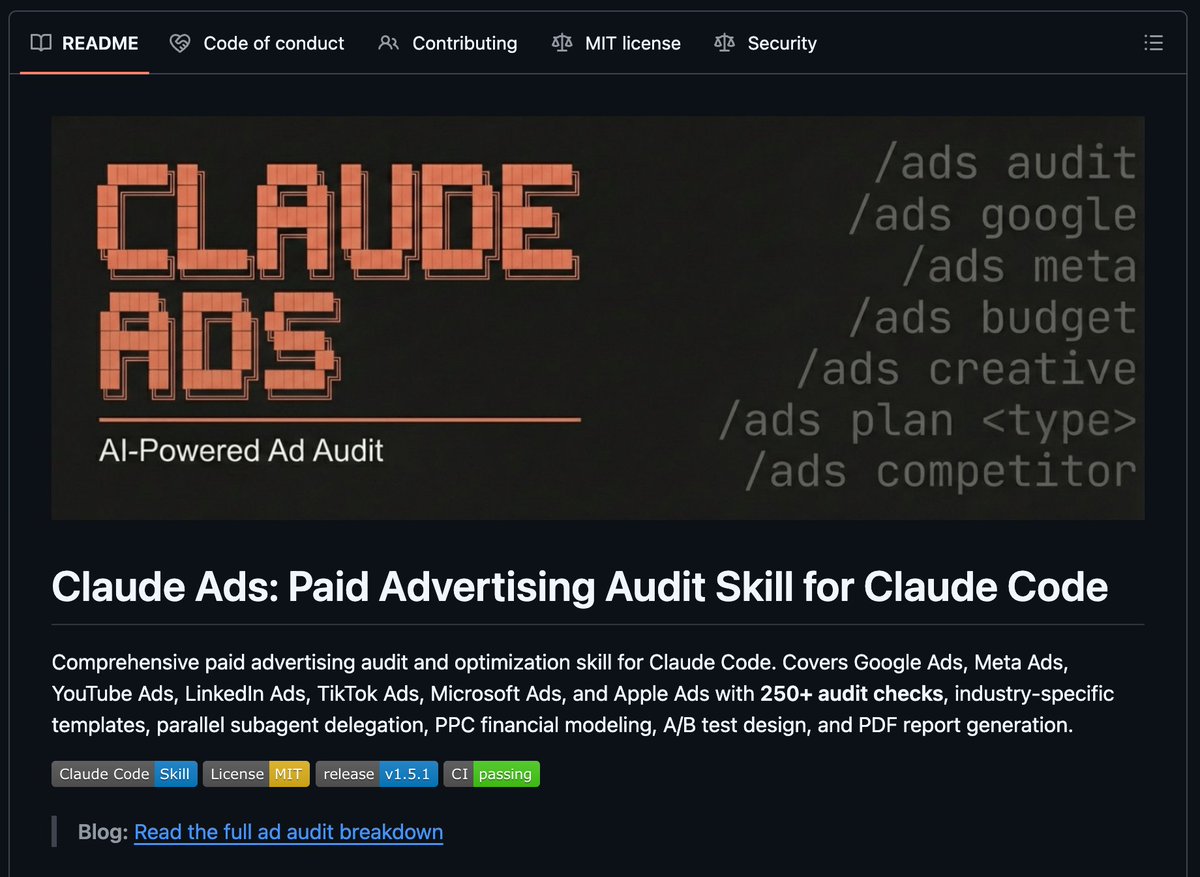
📊 **7. Claude Ads**
Google, Meta, YouTube, LinkedIn ve TikTok reklamlarınızı denetleyen; 190 farklı kontrol metrikli ve 6 paralel "subagent" ile çalışan devasa optimizasyon kütüphanesi.
🔗 github.com/AgriciDaniel/c…
💬 **8. LibreChat**
ChatGPT, Claude, Gemini, DeepSeek dahil 20+ modeli kendi yerel sunucunuzda, tek bir kusursuz arayüzde kullanmanızı sağlayan arayüz.
🔗 github.com/danny-avila/Li…
🎬 **9. Open Higgsfield AI**
Flux, Sora, Kling, Veo, SDXL gibi 200'den fazla görsel/video modelini tek bir arayüzde yerel olarak çalıştırabilen açık kaynak sinema stüdyosu.
🔗 github.com/Anil-matcha/Op…
🏦 **10. Fincept Terminal**
Bloomberg’un yıllık 24.000$’lık terminalinin en kritik işlevlerini ücretsiz yapan; CFA seviyesi analiz, 20+ AI yatırımcı ajanı ve 100+ veri konektörü barındıran canavar.
🔗 github.com/Fincept-Corpor…
Bu repolar, on binlerce dolar harcayacağınız ücretli servislerin işlevini tamamen "ücretsiz ve yerel" olarak yapmanızı sağlıyor.


Türkçe
ss0452 retweetledi
我终于明白为啥最近很多人都在说,GPT和Claude突然变笨了,
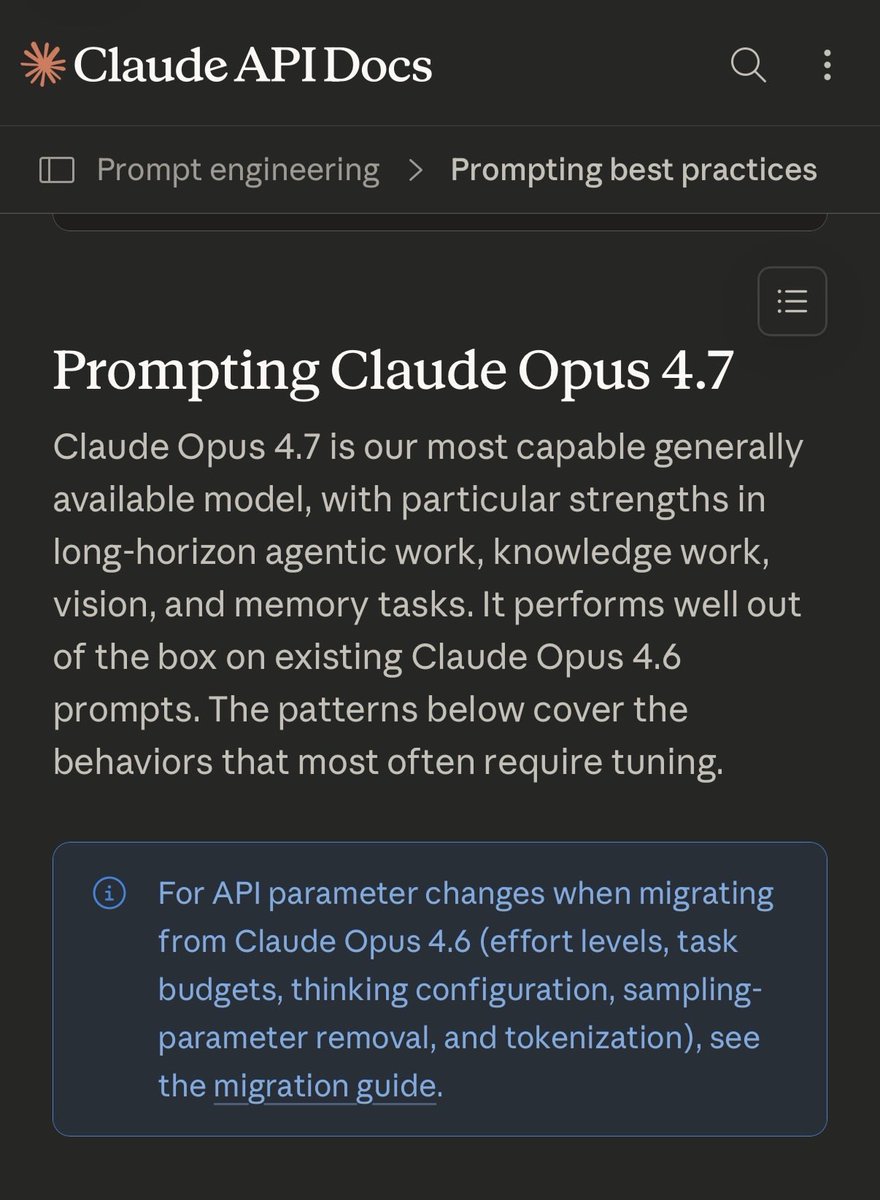
昨天OpenAI和Anthropic同时发布了官方提示工程指南,
看完我才发现,并不是模型变笨了,
是它们终于聪明到,不再容忍人类懒得想清楚了🤣🤣🤣
而且最有意思的是,
两个模型的进化方向,居然是完全相反的,
Claude Opus 4.7变得越来越字面,
以前它会主动帮你补全模糊的指令,
现在你说什么它就做什么,多一个字都不会猜🤣🤣
GPT-5.5变得越来越自主,
以前你要手把手教它每一步怎么做,
现在你只要告诉它你想要什么结果,它自己会选最优路径,
所以老提示失效的原因也完全相反,
用在Claude上的模糊提示,会得到越来越窄的输出,
用在GPT上的详细流程,会变成多余的噪声,
过去三年我们一直在学怎么教模型做事,
现在反过来了,
模型开始要求我们,先把自己的思考结构化,
其实就是提示工程的本质,
已经从教模型怎么做,变成了先把自己想明白,
所以真正的瓶颈可能不是模型的能力,而是写提示的那个人的思考清晰度,
我感觉以后赢的人,不会是提示写得最长最复杂的人,而是那个最知道自己真正想要什么的人🤔

中文
ss0452 retweetledi

Claude Code, Codex, Skills, MCP, Harness…
하루가 멀다 하고 새로운 패러다임의 혁신이 터지는 것처럼 보이지만, 정작 그 기반인 LLM은 아직도 텍스트 자동완성기다. GPT 처음 나왔을 때 채팅만 되던 그거랑 근본적으로는 같다.
이 ChatGPT 자체도 텍스트 자동완성을 마커로 구분하고 파싱해서 채팅처럼 보이게 한 차력쇼였는데, 아예 그 채팅 위에서 메세지를 낚아채서 실행한 다음 또 메세지로 돌려주는 "툴콜"이 생겼고,
유저 메세지 턴에 이상한 숨겨진 태그를 꾸겨넣거나, 실행 결과를 몰래 숨겨서 다시 전달하거나(..) 특별한 형식의 메세지를 Skill이라던가 부르고 있다..
claude_md에는 "깔끔하게 코딩해라", "타입 안전성을 지켜라", "테스트를 작성해라", "모던 개발 관례를 따르라" 같은 지시가 들어가는데, 정작 LLM 런타임 내부는 정규표현식, JSON, retry loop, eval hack 같은 더러워 보이는 것들이 덕지덕지 붙어 있다는게 참으로 아이러니한 점.
진짜 잘도 여기까지 만들어왔다는 느낌. 겉은 최첨단 혁신기술인데, 속은 눈물 없인 못 봐줄 개발자들의 처참한 차력쇼로 가득 차 있다. 이 차력쇼 위에 "지능"이 만들어져있다는게 정말 신기하다
한국어
ss0452 retweetledi

Google acaba de hacer algo que Claude Design no esperaba.
Y lo hizo gratis, en abierto, para todo el mundo.
Se llama DESIGN.md.
Pero primero hay que hablar de lo que provocó esto.
Anthropic lanzó Claude Design con límites de uso ridículos.
Cerrado. Caro. Controlado.
La herramienta de diseño con IA más potente del momento, pero con la llave en su bolsillo.
Google vio la jugada.
Y respondió de la única forma que duele de verdad:
Abrió el código. Gratis. Para todo el mundo.
Se llama DESIGN.md.
Un estándar abierto que cualquier IA puede leer.
En cualquier herramienta. En cualquier plataforma.
El problema que resuelve es real:
Los agentes de IA no tienen ni idea de tu sistema de diseño.
No saben qué significa tu color primario.
No saben si ese botón es accesible.
No saben para qué sirve cada componente.
Cada vez que usabas IA para diseñar, empezabas de cero.
DESIGN.md lo resuelve con un solo archivo.
Tres cosas concretas que hace:
1️⃣ Tokens de diseño
Tus colores, tipografías y espaciados con descripciones en lenguaje natural.
La IA entiende para qué sirve cada valor, no solo cuál es.
2️⃣ Validación de accesibilidad
El agente comprueba sus decisiones contra las reglas WCAG.
Sin que tú tengas que revisar cada detalle manualmente.
3️⃣ Portabilidad total
Exportas e importas tus reglas de un proyecto a otro.
Un archivo. Cualquier herramienta. Cualquier plataforma.
Incluidas las de Anthropic.
Eso es lo que más duele en ese lado de la mesa.
Anthropic construyó muros.
Google tiró la pared entera.
El repositorio está en GitHub: github.com/google-labs-co…
Esto es lo que pasa cuando los grandes se pelean.
Nosotros ganamos.
Español
ss0452 retweetledi

للمهتمين/ات...أكثر من ٥٠٠ كتاب بصيغة pdf من جامعة MIT. في كافة ميادين المعرفة والعلوم.تحميل مجاني.
direct.mit.edu/books/search-r…
العربية
ss0452 retweetledi
Google的前CEO Eric Schmidt说,
“如果你真想赚钱其实很简单——创办一家代理式AI公司。”
很多人每天刷Hacker News和X,看到新框架新基准就兴奋,周末熬夜试新东西,结果半年下来什么都没做出来。
直到我看到这篇两年实战经验总结的Agent生存指南,才突然明白。
这个领域最稀缺的能力并不是学习,恰恰相反,而是不学习。
很反直觉对吧,咱们先看看现在的Agent领域有多疯狂?
每天都有新的"10x"框架发布,
每周都有新的基准被打破,
连Claude Code这种顶级产品,
都公开发过47%的性能回归。
因为没有稳定的地图,没有标准答案,所有人都在摸着石头过河。
目前大多数人的策略是"跟上所有东西"。
但作者说,这恰恰是最差的策略。
他给出了一个能过滤99%噪声的万能过滤器,
任何新东西出来,先问自己这五个问题:
1. 两年后它还重要吗?
2. 有我尊敬的人在生产环境写过诚实的事后复盘吗?
3. 它是否强制我抛弃现有的 tracing/重试/认证体系?
4. 跳过它6个月会怎样?
5. 我能量化它对我的Agent的帮助吗?
最有意思的是,大多数新东西在第一关就死了。
各种wrapper、CLI工具、Devin-for-X,两年后基本都会消失,
而协议、内存模式、沙箱机制,这些才是真正能长期存在的东西,
我觉得最难的技能是学会如何不耍酷装逼,不追热点。
那到底什么东西值得学?
作者列了7个学一次,可以终身受益的复利概念:
• 上下文工程(不是提示词工程)
• 工具设计
• Orchestrator-Subagent模式
• 评估体系+黄金数据集
• 文件系统状态+思考-行动-观察循环
• MCP协议
• 沙箱作为原语
不是说这些东西永远不会变,
而是它们的变化速度,比新框架慢100倍。
比如你花一个月吃透上下文工程,未来三年都能用。
但你花一个星期学一个爆火的新框架,可能三个月后就没人维护了🤣😅
这就是复利的力量。
兄弟们来看看2026年4月最无聊的技术选型:
编排:LangGraph(生产默认)
协议:MCP(全栈首选)
可观测性+评估:Langfuse / LangSmith
运行时+沙箱:E2B、Browserbase
模型:Claude Sonnet 4.6(性价比王)
原则:模型可换,工具MCP化,沙箱必开,评估从第一天就有。
然后是坚决跳过的清单:
AutoGen、CrewAI、Semantic Kernel、DSPy
独立代码编写Agent、自主Agent pitch、Agent应用商店
水平企业平台、SWE-bench跑分、天真的并行多Agent
理由统一:demo好看,生产不行。
最后是最简单也最难的行动手册:
1. 选一个业务真正在意的可量化结果
2. 先搭 tracing + 评估 + 黄金数据集
3. 单agent循环起步,3-7个好工具足够
4. 用真实失败喂你的回归测试集
5. 失败模式驱动加复杂度
6. 每周只花30分钟读3个高质量来源
这篇文章最戳我的一句话是:
AI把"2年经验工程师的工作"压缩到了几天,
22岁的新人跟35岁的资深工程师,现在站在同一起跑线上,
胜出者不是堆栈掌握者,
而是有品味、敢出货、专注复利原语的人。
现在传统的职业路径已经崩塌了,
学位→初级→高级→主管,这条路已经走不通了。
新的路径是:做出东西,放到网上,让作品替你说话,
你都不需要学会一切AI相关的技能,
只需要学会哪些东西会复利,然后把注意力死死钉在它们上面就行了,
剩下的一切都交给时间就好了。
Rohit@rohit4verse
中文
ss0452 retweetledi
Karpathy这句话,算是点破了2026年用AI的最高境界
现在用AI最蠢的方式,就是一句一句写prompt,
你像个保姆一样,每一步都盯着,改完这版改下一版,
看起来效率很高,但其实你自己才是最大的瓶颈😆😆😆
AI一秒钟能生成几千个token,
你一分钟才能敲出几十个字,
你插手的次数越多,整个系统的速度就越慢😂😂
真正的顶级玩家,已经在把自己彻底踢出循环了,
所以你不用当下一句prompt的提供者 要当整个系统的设计师,提前写好规则,设定好评估标准,建好反馈循环和安全网,
然后放手让AI自己跑,自己迭代,自己纠错,
以前的杠杆是雇人,写代码,用资本,
现在多了一个更加恐怖的杠杆,叫做token杠杆,
就是说你只需要输入几个token的大方向,背后就能发生海量的事情,
一个人就能干过去一个团队的活,
当然这不是说完全不管,
你还在循环里,
但你的循环从每一分钟一次,变成了每一周一次,
你不用再盯着每一步的执行,
你只需要在关键节点做最终的判断,
别再当AI的保姆了,直接当它的老板🚀
阿绎 AYi@AYi_AInotes
Karpathy的最新演讲,把我对AI的认知彻底刷新了一遍, 他说所有人都搞错了LLM的真正价值, 它根本不是用来加速你现有工作的, 核心价值是用来创造那些以前根本不可能存在的东西, 最震撼的是那个叫menugen的App,就是你输入一张图片然后输出一张图片, 没有一行传统代码, 整个产品就是LLM原生的, 感觉以前的软件1.0和2.0被彻底绕过去了, 以后我们写的可能都不是.sh脚本,应该是.md技能文件,你用自然语言描述你的意图, LLM会自己适配你的环境,自己调试,自己处理边界情况, 然后他还提出了一个我见过最准确的LLM心智模型,叫做锯齿状智能,就是同一个模型,能完美重构十万行代码,但同时也会让你走路去洗车🚿🚗哈哈哈 以前大家觉得这是可验证性的问题,但这次他给出了更深层的解释,叫做经济学驱动,就是说所有高价值高可验证的领域,都会被密集投喂数据,被RL焊死在轨道上, 那么其他领域就是数据稀疏的丛林,模型只能靠泛化硬闯, 所以你会觉得它有时候神有时候蠢, 其实根本不是智能高低的问题, 本质上是哪里有钱,哪里的能力就被堆得特别高, 可以想象未来所有的产品和服务, 都会被拆成感知,执行,逻辑三个部分, 并且横跨软件1.0,2.0,3.0三种范式, 这样的话,程序员的角色也彻底变了,他们不再是写代码的人了哈哈,变成了设计代理系统,守护人类品味和判断的人,听起来有没有很酷兄弟们😎😎😎 最骚的的是他自己说的,作为一个写了三十年代码的程序员, 他现在每天都觉得自己在落后, 哇靠,当最顶尖的从业者都觉得自己跟不上的时候意味着什么?? 说明范式真的在剧烈迁移了, 以后真正的护城河, 不是再是你会写多少行代码了, 而是你能不能读懂LLM的锯齿地图, 能不能设计出放大人类品味的agent系统, 敢不敢去做那些以前根本不可能存在的产品。
中文
ss0452 retweetledi

ゴールデンウィークに飛行機乗りながら
Llama 70Bをローカルで動かして
ネット無しで11時間フルにプロジェクト回した
ClaudeもChat GPTも不要
AnthropicもOpenAIも関係なし
クラウドAPIなし。
インターネット全くなし。
ただbf16のローカルLlama 3.3 70Bと
自分のオーケストレータースクリプト
モデルはllama.cpp経由で動作。
生成速度、71トークン/秒。コンテキストは約60,000トークン。
メモリ使用量、64のうち48.6 GiB。 離陸時のバッテリー、3時間21分。
離陸前にこのシステムプロンプトを与えた
「あなたは1台のMacBook上で動作するオフラインのオーケストレーターです。ネットワークはありません。あなたが持っている唯一のリソースは、/Users/dev/work内のローカルファイル、localhost:8080のLlama 70B推論サーバー、そして3時間21分のバッテリー予算です。/Users/dev/work/queue.jsonlのキューを処理してください(1行に1つのクライアントタスク)。各タスクについて:ドラフト → ローカル評価を実行 → アーティファクトを/Users/dev/work/done/に保存。バッテリー交換後に再開できるように、12タスクごとにコンテキストチェックポイントを保存。キューが空になるか、バッテリーが5%未満になるまで停止しないでください。」
システムは自分が何のリソースで 動作しているかを正確に知っている。
次の11時間、外界との接続がないことを知っている。
有限のメモリと有限のバッテリーがあることを知っている。
オラが着陸するまで介入しないことを知っている。
システムは1つのループで動作する。
キューからタスクを取り、推論を実行し、アーティファクトを保存し、チェックポイントを書く。
タスクの後、タスクの後、ただそれだけ。
バッテリーが5%未満になると
オーケストレーターは自動的に一時停止し
モバイルバッテリーに切り替わるのを待ち
最後のチェックポイントから続行する。
フライト中にシステムが実際にログに書いた内容 「saved context checkpoint 8 of 12 (pos_min = 488, pos_max = 50118, size = 62.813 MiB)」 「task 37016 done | tps = 71 s tokens text → /Users/dev/work/done/proposal_westside.md」
ゴールデンウィークでネット環境が弱い場所に行く機会があっても関係なく回せるからおすすめ
ガガロット@gagarot200
日本語
ss0452 retweetledi

寝てる間も稼ぎ続けるGitHubリポジトリ10選:
1. AutoHedge
AIエージェントが市場分析からトレード実行まで全自動。数分で自分専用の自律型ヘッジファンドが作れる。
github.com/The-Swarm-Corp…
2. Vibe-Trading
自然言語で取引戦略を指示できる個人用AIトレーディングエージェント。29の専門チームが分析から実行まで動く。
github.com/HKUDS/Vibe-Tra…
3. Claude Ads
Google・Meta・YouTube・TikTokなど7媒体の広告を250以上の観点でAI監査。広告費のムダを最大35%削減できる。
github.com/AgriciDaniel/c…
4. Toprank
Search ConsoleとGoogle Adsに直接アクセスし、トラフィック低下の原因を診断して修正案まで出してくれるSEOツール。
github.com/nowork-studio/…
5. Fincept Terminal
Bloombergのオープンソース代替。37のAIエージェントが市場分析・投資調査を無料で担ってくれる。
github.com/Fincept-Corpor…
6. Agentic Inbox
Cloudflare Workers上で動く自己ホスト型AIメールエージェント。受信→分類→下書き作成まで自動。送信前に確認できる。
github.com/cloudflare/age…
7. ClawRouter
41以上のLLMモデルを1ms以下でルーティング。AIのAPI費用を最大92%削減できる。
github.com/BlockRunAI/Cla…
8. Camofox Browser
AIエージェント向けのアンチ検出ブラウザ。Webスクレイピングや自動化でブロックされなくなる。
github.com/redf0x1/camofo…
9. Open Higgsfield AI
Higgsfield・Krea・Freepik AIなど複数サービスの無料オープンソース代替。200以上のモデルでフィルターなしの画像・動画生成が使える。
github.com/Anil-matcha/Op…
10. Hyperframes
HTMLを書くだけで動画をレンダリングできるフレームワーク。エージェントとの連携に最適。
github.com/heygen-com/hyp…
保存して後で使いこなして。


日本語
ss0452 retweetledi
说个暴论,现在90%的AI Agent记忆,全都是假的。
我之前也踩过这个坑,把所有历史记录决策日志全堆进Markdown文件里,以为这就是给Agent加了长期记忆,结果用了两周就崩了,
同一个事实有三个互相矛盾的版本,上个月的偏好和昨天的权重一模一样,每次调用都把所有东西一股脑塞进上下文,慢到离谱还经常串台,
直到看到这篇文章才恍然大悟,原来我根本不是在做记忆,只是在把Prompt当RAM用🌚
真正的记忆不是堆文件,应该是图和节点加嵌入加遍历,
Markdown方案有四个根本解决不了的硬伤,没有去重,没有衰减,没有排名,超过一百条记录直接变成性能杀手,
它只能记住你写过什么,永远记不住这件事和那件事有什么关系,
这个决策为什么被否决,上次遇到同样的bug我们是怎么解决的。
向量检索也不行,它只能告诉你这两段话长得像,不能告诉你它们之间的因果关系,
只有图遍历能做到,它能像人脑一样,从一个节点牵出一整条相关的记忆链,
重要的事情越来越清晰,过时的信息自动淡化,矛盾的内容在写入时就被解决。
现在所有生产级的Agent框架,Zep Cognee Mem0,全都是基于图的,
Neo4j已经把图记忆做成了标准的MCP工具,
Claude Code超过二十万行代码之后,纯上下文窗口早就没戏了,
真正能让它像高级工程师一样思考的,
是把不变的规则放在CLAUDE.md里,
把所有演化的状态全部存在图里,动态检索按需拉取。
很多人还在卷一百万两千万的上下文窗口,以为越大越好,
但生产环境里真正致命的,
永远是跨会话的记忆漂移和上下文污染,
内存架构的升级已经不是锦上添花了,能不能把Agent真正用起来才是关键的生死线。

AI Edge@aiedge_
中文
ss0452 retweetledi

ss0452 retweetledi
스탠퍼드에서 수천만 원 내고 듣는 강의가 유튜브에 공짜로 풀려 있음. 샘 알트먼이나 더스틴 모스코비츠가 나와서 하는 소리도 투자 받는 법 같은 화려한 게 아니라, '너네 아이디어는 왜 망하는가' 같은 뼈아픈 진실임. 이 바닥에서 2년도 못 버티고 짐 싸는 애들은 보통 코드부터 짜느라 이런 본질적인 필터링을 건너뜀. 수만 명의 적당한 호감보다 단 몇 명의 미친듯한 집착이 왜 무서운 무기인지 모르면 나중에 돈이 아니라 시간으로 비싼 수업료 치르게 됨.
NeilXbt@neil_xbt
STANFORD CHARGES $50,000 A YEAR FOR THIS LECTURE. Yale put the lecture on YouTube for free. Sam Altman. Dustin Moskovitz. The first lecture of the most influential startup course ever recorded. Not how to raise money. Not how to find investors. Not the glamorous version of entrepreneurship. Why most startup ideas fail before they start. Why a small group of users who love your product beats a large group who likes it. Why the only valid reason to start a company is when you cannot not do it. The gap between founders who build things that last and founders who quit in year two is not funding. It is this lecture and whether they heard it before they started. The foundation every founder needs before they write a single line of code. Bookmark it so you do not lose it!
한국어