
Rob Antulov retweetledi
Rob Antulov
2.8K posts


Rob Antulov
@rantalot
advisory (Modus Partners, Capital), media/tech (3eep Ventures, Medianext, TIME Adv), film (SFF), juvenile diabetes (JDRF) - that's all folks!
Sydney, Australia Katılım Ocak 2008
1.2K Takip Edilen833 Takipçiler


Rob Antulov retweetledi

When simulation becomes the norm, it weakens the human capacity for discernment. As a result, our social bonds close in upon themselves, forming self-referential circuits that no longer expose us to reality. We thus come to live within bubbles, impermeable to one another. Feeling threatened by anyone who is different, we grow unaccustomed to encounter and dialogue. In this way, polarization, conflict, fear and violence spread. What is at stake is not merely the risk of error, but a transformation in our very relationship with truth.
English
Rob Antulov retweetledi

They should change the name to "Strait of Schrödinger". It's both open and closed at the same time.
English
Rob Antulov retweetledi

Absolutely horrific night in Ukraine last night - 44 ballistic missiles and 659 drones fired from Russia. Deaths in Kyiv, Odessa and Dnipro. Not even bothering to hide the fact that it is residential areas under attack. Barely on the news outside Ukraine. And @JDVance says he is proud that USA has pulled its support so the aggressor can keep aggressing. Disgusting. But Europe has to do even more now
English
Rob Antulov retweetledi

There is a video circulating on the internet that is difficult to watch. A woman sits on a pavement in Louisville, Kentucky. She is wearing a hospital gown. It is 36 degrees outside. Her belongings, everything she apparently owns, are in a plastic bag on the concrete beside her. Behind her, through the glass doors she has just been escorted through, the hospital hums along as normal. The security guards who brought her here have already gone back inside.
She couldn’t afford her bill.
This is not a scene from a developing nation or a history book. This is the United States of America.
The country in which it happens has spent decades telling the rest of the world that it has the highest GDP on earth. Which is a bit like a restaurant proudly displaying its bill on the wall. Enormous number. Terrible meal. The lobster was frozen, the wine came from a box.
Europe, by comparison, has spent the better part of a century building something rather different. The food, for a start, is extraordinary. Not in a showy way, but in the way that a simple lunch in Lyon or a glass of wine on a terrace in Lisbon reminds you that eating is one of the genuinely good things about being alive. The wine is the wine that the rest of the world has spent generations attempting to replicate, mostly without success.
Roughly 35 percent of Europeans live with a chronic illness. In America, that number is 76 percent. The difference is not genetic. It is architectural. It is the slow accumulation of decent food, walkable cities, actual holidays, and a healthcare system that does not require you to crowdfund your own appendix.
Europeans work fewer hours. They have more purchasing power on a smaller salary once you subtract the cost of health insurance, medical debt, and the private school their child needs because the local public one has a metal detector at the entrance. They live, on average, about ten years longer. Not ten years of decline and doctor visits, but ten years of being a person in the world.
In the first quarter of 2025, the number of Americans leaving the United States doubled compared to the previous quarter.  Europe was their top destination. Not for a sabbatical or a gap year. Permanently. These are not people who failed. These are people who did the maths.
There is a man somewhere in America right now who has worked fifty-hour weeks for forty years, taken one week off when his employer permitted it, and will, statistically, be dead before he sees seventy. And there is another man, not very far away on a map but an entire civilisation removed in practice, sitting on a terrace in the afternoon sun with a glass of something cold and no particular place to be. He has had six weeks off every summer since 1987. He knows his neighbours by name.
The first man’s country has the higher GDP.
The first man’s country tops the Gross Domestic Product (GDP) index. The second man tops the Quality of Life Index (QLI). The better health. The longer life. The afternoon.
MAGA America calls that losing.
Ask anyone.
Gandalv / @Microinteracti1
English
Rob Antulov retweetledi
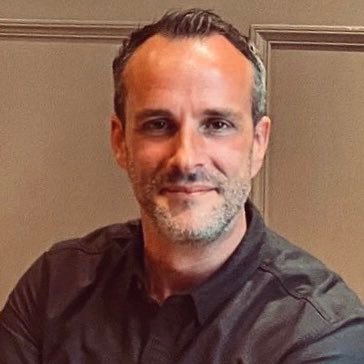
Lebanon is being destroyed.
1.1 million people, including 390,000 children, forced out of their homes by relentless bombardment. Towns and villages flattened. Infrastructures destroyed. Innocent civilians killed. There is no justification for this.
English
Rob Antulov retweetledi

Joe Kernen comes close to having a coronary on air as Pete Buttigieg dogwalks him all over the Squawk Box studio about Trump's economic mismanagement and inflation
English
Rob Antulov retweetledi
Just a thought:
Ukraine’s President is Jewish.
Our Defense Minister is a Muslim, a Crimean Tatar.
The Commander-in-Chief of the Armed Forces is an ethnic Russian.
Our top drone ace — recently awarded the title Hero of Ukraine — is an ethnic Hungarian.
Over 70,000 women serve in the military now.
Almost all of the most renowned combat medics are women.
The revolution that changed this country forever began with a Facebook post by an ethnic Afghan Pashtun, a prominent Ukrainian journalist.
And in our parliament, we have a Black MP — an Afro-Ukrainian and universally admired Olympic champion.
All of this — in a country that is still, for the most part, Slavic.
On the streets of Kyiv today, you’ll see halal restaurants for Muslim tourists standing peacefully next to Jewish eateries. Nearby are a museum and a monument to Sholem Aleichem, and a plaque bearing the face of Golda Meir, who once lived here.
Among our main landmarks: 19th-century synagogues. Just a short walk away — a large mosque and Muslim cultural center. And above all, of course — the ancient Christian churches and monasteries that are the oldest and most significant in the East Slavic world.
I still can’t get over the fact that Ukraine’s chief Muslim mufti (an ethnic Tatar from Donetsk) stepped down to serve as a frontline paramedic in the army. That our chief rabbi works tirelessly every day to help Ukraine across the globe — and that his adopted son died fighting for Ukraine, weapon in hand.
For many years now, a giant glowing menorah has stood each Hanukkah in the heart of Kyiv’s main square. And on Independence Day, every religious denomination gathers in Saint Sophia Cathedral to offer prayers for Ukraine, each in their own rite.
Just as they all come together for remembrance at Babyn Yar and the Holodomor monument.
The more you look at the world, the more often you realize how much healthier Ukrainian society has become when it comes to coexistence between nationalities and faiths.
We weren’t always like this. We are becoming this now — as the country is being radically transformed by revolution and by the defense against imperial Russia.
We are shedding the weight of so many remnants of the past — really fast.
Just recently in May, Ukraine held its WWII commemorations — with poppies and the slogan “Never again!”
What a stark contrast to the satanic frenzy of Russia’s “Victory Day,” with its death cult, its “We can do it again!” bravado, and its glorification of dying for the Tsar.
Against the backdrop of war, Ukraine is living through a real national and cultural renaissance. We are rediscovering the Ukrainian language, Ukrainian books, music, cinema — as something precious.
And for how many decades were we taught to look down on everything Ukrainian — as “third-rate,” “peasant,” “inferior”?...
I walk the streets of Kyiv on Christmas (December 25th, not January 7th as demanded by Moscow priests) and see bands of children in traditional embroidered clothes carrying colorful Bethlehem stars and singing carols. “Ukrainian Christmas” is returning to these lands as a vibrant cultural tradition.
On Easter, crowds gather near Saint Sophia Cathedral for picnics and spring dances. In the old city above Podil, I often hear youth pounding out Cossack songs on drums. I always see many people at our nation’s sacred places — the Kyiv Pechersk Lavra, the cathedrals of Lviv, the Motherland Monument, the old castles.
We haven’t suddenly become devout believers. We’ve simply come to take pride, like never before, in being Ukrainian — in treasuring our traditions, our culture, our history, and our way of life, in our own country.
New traditions keep being born in wartime, against all odds.
Today, we honor war veterans by inviting them to make the symbolic first kick at football matches — and then we give them a standing ovation from the stands, for their service.
I could go on like this for hours.
What I’m trying to say is — I love what Ukraine is becoming.
This hope — breaking through unspeakable pain and hardship — feels like a light piercing the tunnel.
Ukraine now, and Ukraine 12 years ago, are two completely different countries.
The road ahead is brutally hard, but if only — if only our Ukraine can survive this war for its very existence.
English
Rob Antulov retweetledi

There's a physicist at Stanford named Safi Bahcall who modeled this exact principle and the math is wild.
He calls it "phase transitions in human networks." When you're stationary, your probability of a lucky event is limited to your existing surface area: the people you already know, the places you already go, the ideas you've already been exposed to. Your opportunity window is fixed.
When you move, your collision rate with new nodes in a network increases nonlinearly. Double your movement (new conversations, new cities, new projects) and your probability of a serendipitous encounter doesn't double. It roughly quadruples. Because each new node connects you to their entire network, not just to them.
Richard Wiseman ran a 10-year study at the University of Hertfordshire tracking self-described "lucky" and "unlucky" people. The single biggest differentiator wasn't IQ, education, or family money. Lucky people scored significantly higher on one trait: openness to experience. They talked to strangers more, varied their routines more, and said yes to invitations at nearly twice the rate.
The "unlucky" group followed the same routes, ate at the same restaurants, and talked to the same 5 people. Their networks were closed loops. No new inputs, no new collisions.
Luck isn't random. Luck is surface area. And surface area is a function of movement.
The lobster emoji is doing more work than most people realize. Lobsters grow by shedding their shell when it gets too tight. The growth requires a period of total vulnerability. No protection, no armor, soft body exposed to the ocean.
That's the cost of movement nobody posts about. You have to be uncomfortable first. The new shell only hardens after you've already moved.
ຸ@d9vidson
a moving man will meet his luck 🥀
English
Rob Antulov retweetledi

UPDATED 🚨
🌑 Mar 22: “Open Hormuz in 48 hrs!”
🌓 Mar 26: “Open Hormuz in 5 days!”
🌔 Mar 27: “Open Hormuz in 10 days!”
🌕 Apr 4: “Open Hormuz in 48 hrs!”
🌒 Apr 5: “Open Hormuz by Tuesday!”
🌖 Apr 7: “Open fuckin’ strait by Tue!”
🌓 April 7: “Open Hormuz by Wednesday”
English
Rob Antulov retweetledi

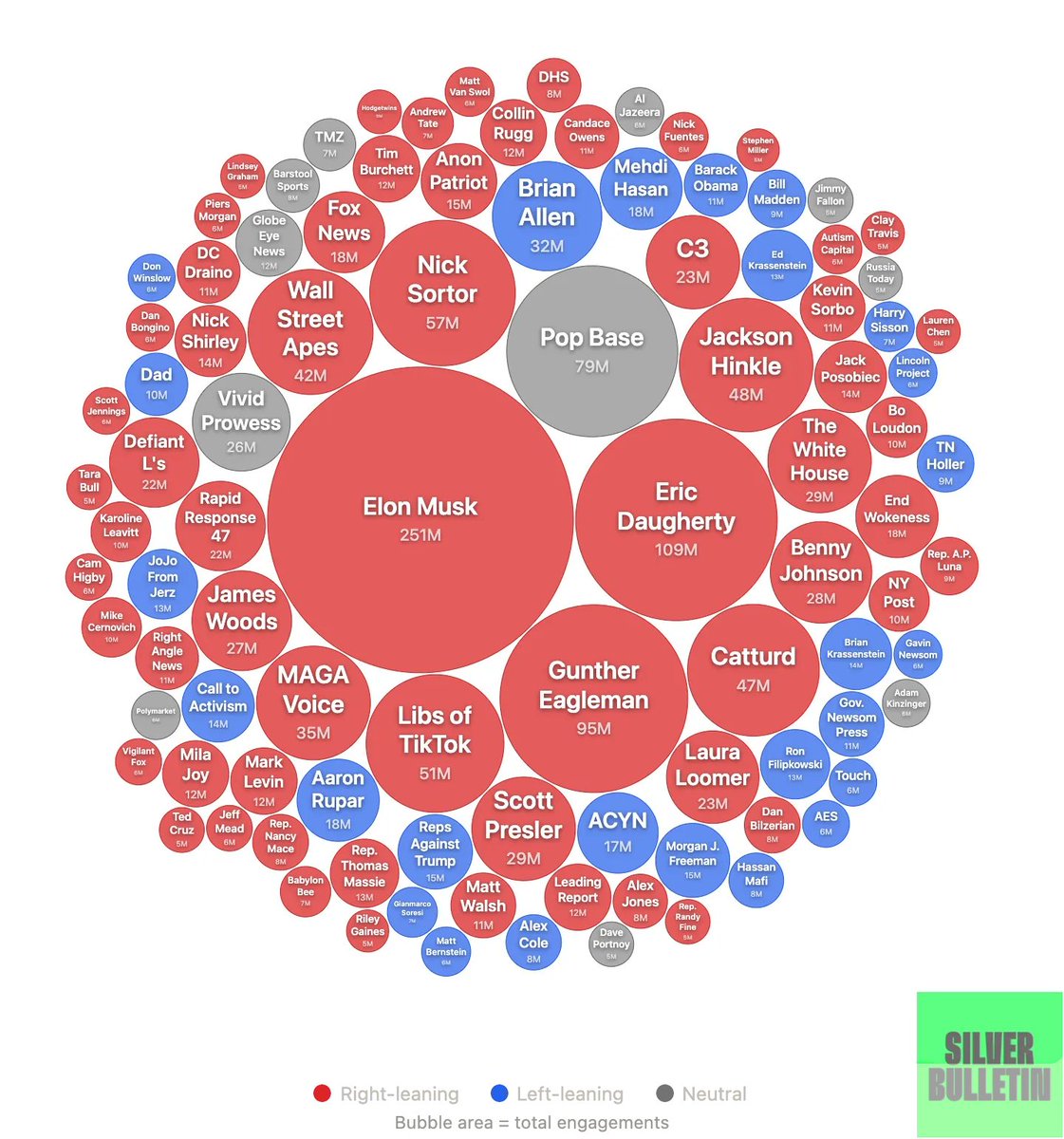
These are the Twitter/X accounts with the most engagement so far in 2026. I suppose I had some intuition for how bad it was, but jeez, this is what you get when the ecosystem is broken.
English
Rob Antulov retweetledi

Rob Antulov retweetledi

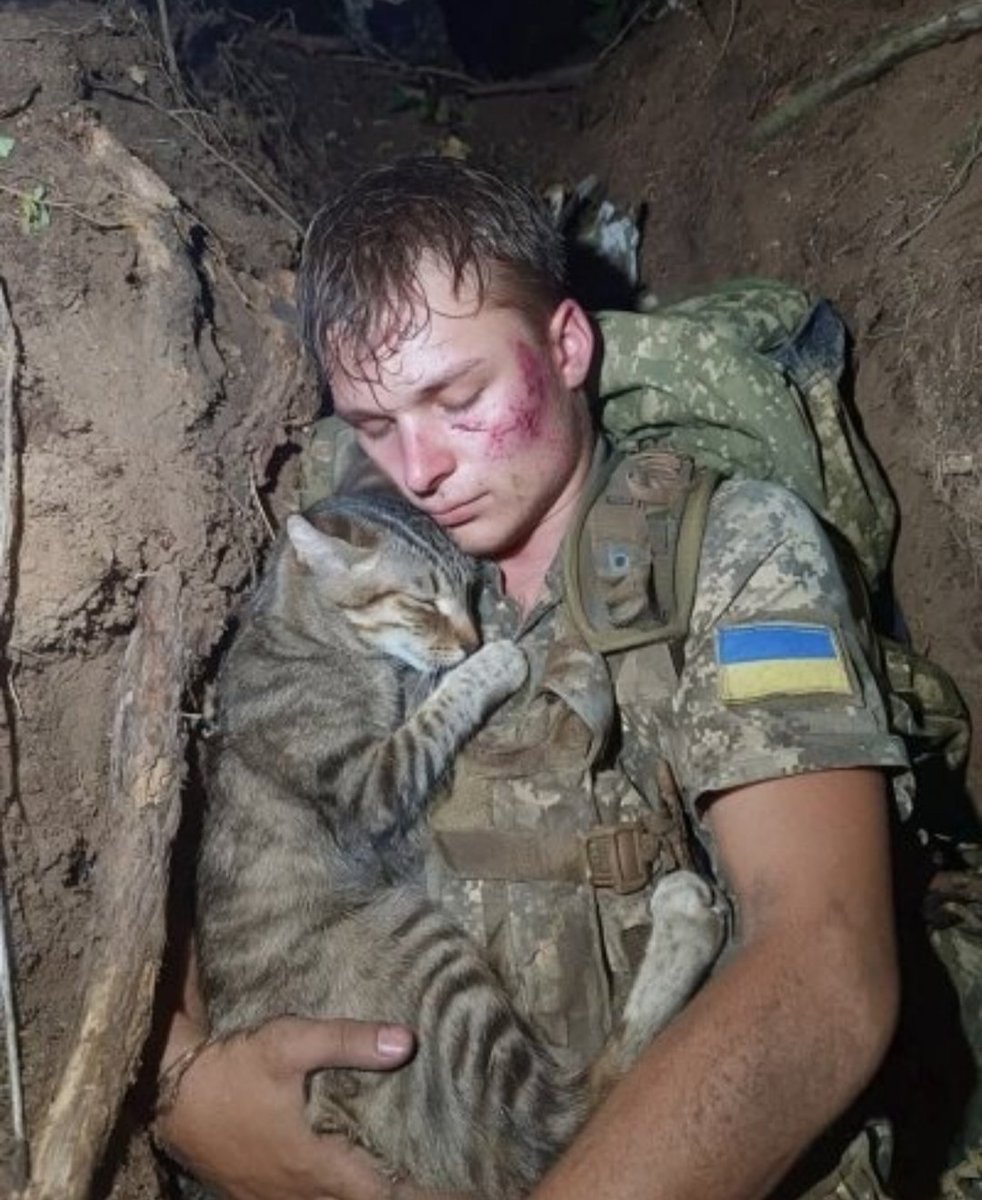
Magnificent photo taken on the Ukrainian front. 🇺🇦
This soldier, still very young, appears exhausted. The cat, for its part, seems undoubtedly terrified.
This is probably one of the most striking photos of this year 2025, regardless of how anyone views this war.
And yet, in this embrace, it is difficult to say who is comforting the other.
This image was not generated by artificial intelligence, nor was it a montage.
It simply restores a little faith in humanity. Just a little. And that's already immense…
English
Rob Antulov retweetledi

Donald Trump asked the world to join a multinational naval coalition to keep the Strait of Hormuz open.
🇮🇹 Italy: Rejected
🇪🇸 Spain: Rejected
🇯🇵 Japan: Rejected
🇫🇷 France: Hesitant
🇳🇴 Norway: Rejected
🇨🇦 Canada: Rejected
🇦🇺 Australia: Rejected
🇩🇪 Germany: Rejected
🇨🇳 China: No response
🇬🇧 UK: No commitment
🇳🇱 Netherlands: No response
🇰🇷 South Korea: No confirmation
America looks increasingly isolated.
English
Rob Antulov retweetledi

Rob Antulov retweetledi
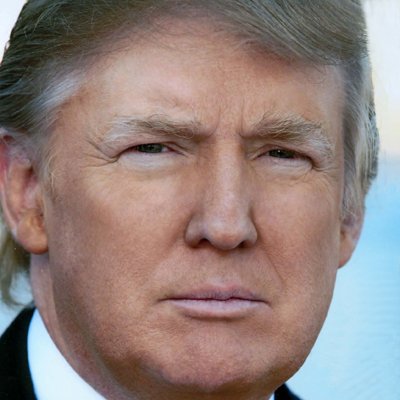
The United States has spent EIGHT TRILLION DOLLARS fighting and policing in the Middle East. Thousands of our Great Soldiers have died or been badly wounded. Millions of people have died on the other side. GOING INTO THE MIDDLE EAST IS THE WORST DECISION EVER MADE.....
English
Rob Antulov retweetledi
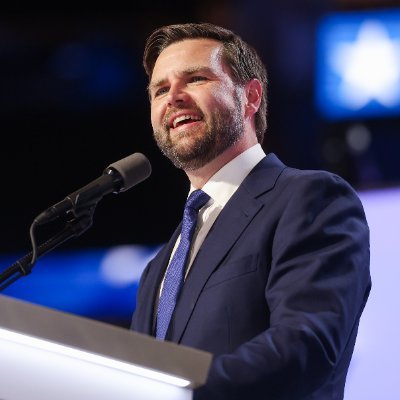
Twenty years ago we invaded Iraq. The war killed many innocent Iraqis and Americans. It destroyed the oldest Christian populations in the world. It cost over $1 trillion, and turned Iraq into a satellite of Iran. It was an unforced disaster, and I pray that we learn its lessons.
English
Rob Antulov retweetledi

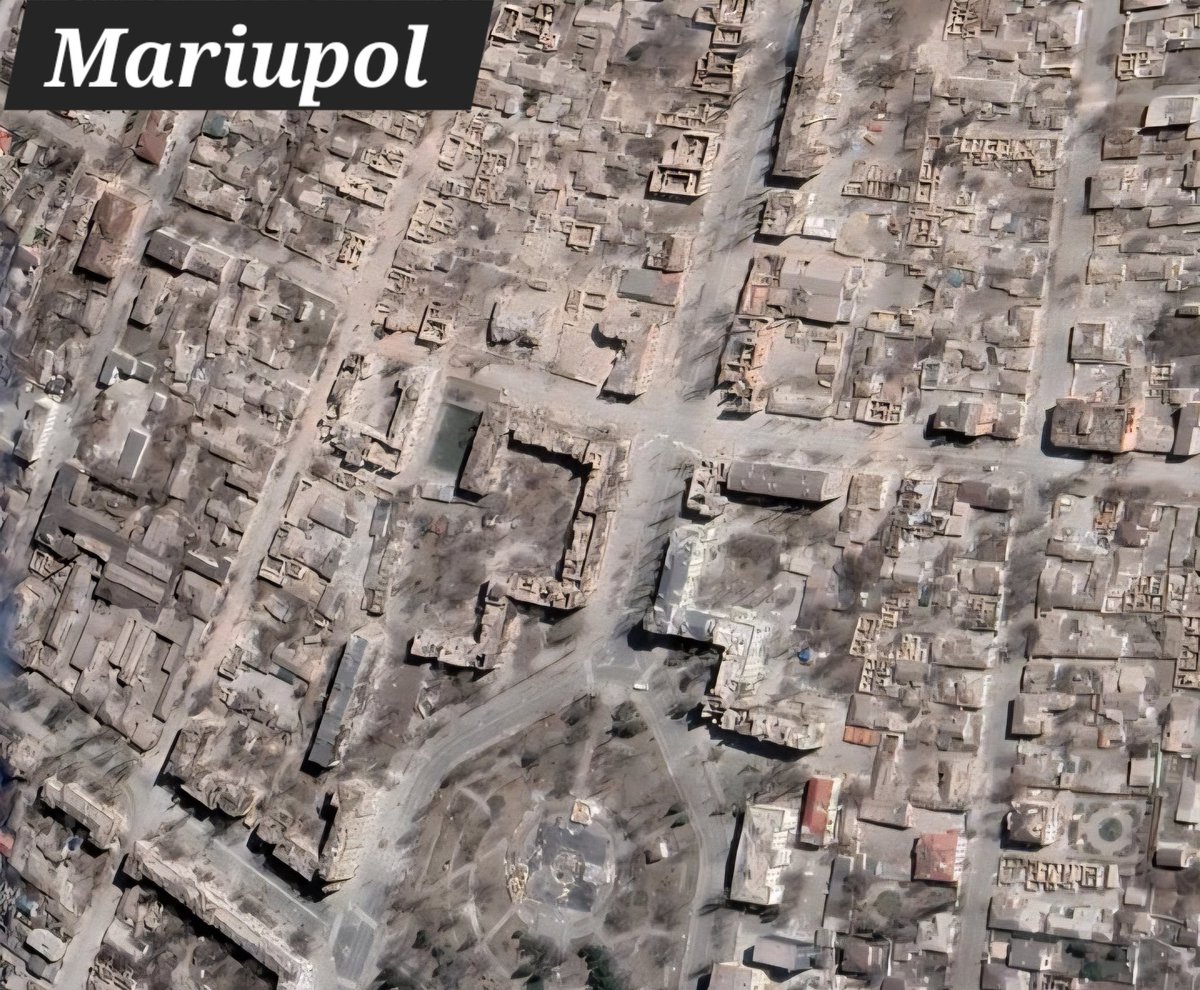
While the world watches new escalation in the Middle East,
remember this.
💔 Mariupol — destroyed by russia.
No one searched for the dead.
Tens of thousands buried under rubble by russia.
Left in silence.
No justice.
The world allowed it to happen.
English
Rob Antulov retweetledi
Countries Bombed by the United States Since 1945 💣 🇺🇸
1. 🇨🇳 China → 1945–1946
2. 🇨🇳 China → 1950–1953
3. 🇰🇵 North Korea → 1950–1953
4. 🇬🇹 Guatemala → 1954
5. 🇮🇩 Indonesia → 1958
6. 🇱🇦 Laos → 1964–1973
7. 🇻🇳 Vietnam → 1965–1973
8. 🇰🇭 Cambodia → 1969–1973
9. 🇱🇧 Lebanon → 1983–1984
10. 🇱🇾 Libya → 1986
11. 🇮🇷 Iran → 1987–1988
12. 🇳🇮 Nicaragua → 1980s
13. 🇮🇶 Iraq → 1991
14. 🇰🇼 Kuwait → 1991
15. 🇮🇶 Iraq → 1993
16. 🇸🇴 Somalia → 1993
17. 🇧🇦 Bosnia and Herzegovina → 1995
18. 🇮🇶 Iraq → 1996
19. 🇸🇩 Sudan → 1998
20. 🇦🇫 Afghanistan → 1998
21. 🇮🇶 Iraq → 1998
22. 🇷🇸 Yugoslavia / Serbia → 1999
23. 🇦🇫 Afghanistan → 2001–2021+
24. 🇵🇰 Pakistan → 2004–2018
25. 🇸🇴 Somalia → 2007+
26. 🇮🇶 Iraq → 2003–2011
27. 🇾🇪 Yemen → 2002+
28. 🇮🇶 Iraq → 2014+
29. 🇸🇾 Syria → 2014+
30. 🇱🇾 Libya → 2011
31. 🇾🇪 Yemen → 2024–2025
32. 🇮🇷 Iran → 2025
33. 🇸🇴 Somalia → 2025
34. 🇸🇾 Syria → 2025
35. 🇳🇬 Nigeria → 2025
36. 🇻🇪 Venezuela → 2026
37. 🇮🇷 Iran → 2026
Note: The list includes direct U.S. bombing, airstrikes, drone strikes, and missile attacks.
NATO or coalition operations are included only when the United States played a primary or leading role.
Source: William Blum (Rogue State, Killing Hope), Maurer. ca US Bombing List, Wikispooks (US bombing campaigns), ACLED (2025), Al Jazeera, Reuters, Antiwar. com, Newsweek

English