MD YOUSUF GAZI

1.9K posts

MD YOUSUF GAZI banner
MD YOUSUF GAZI

MD YOUSUF GAZI

@reedoy97

I am a Programmer. I love to do problem-solving.

Dhaka, Bangladesh Katılım Ocak 2019
744 Takip Edilen81 Takipçiler
MD YOUSUF GAZI retweetledi

Addy Osmani
Addy Osmani@addyosmani·
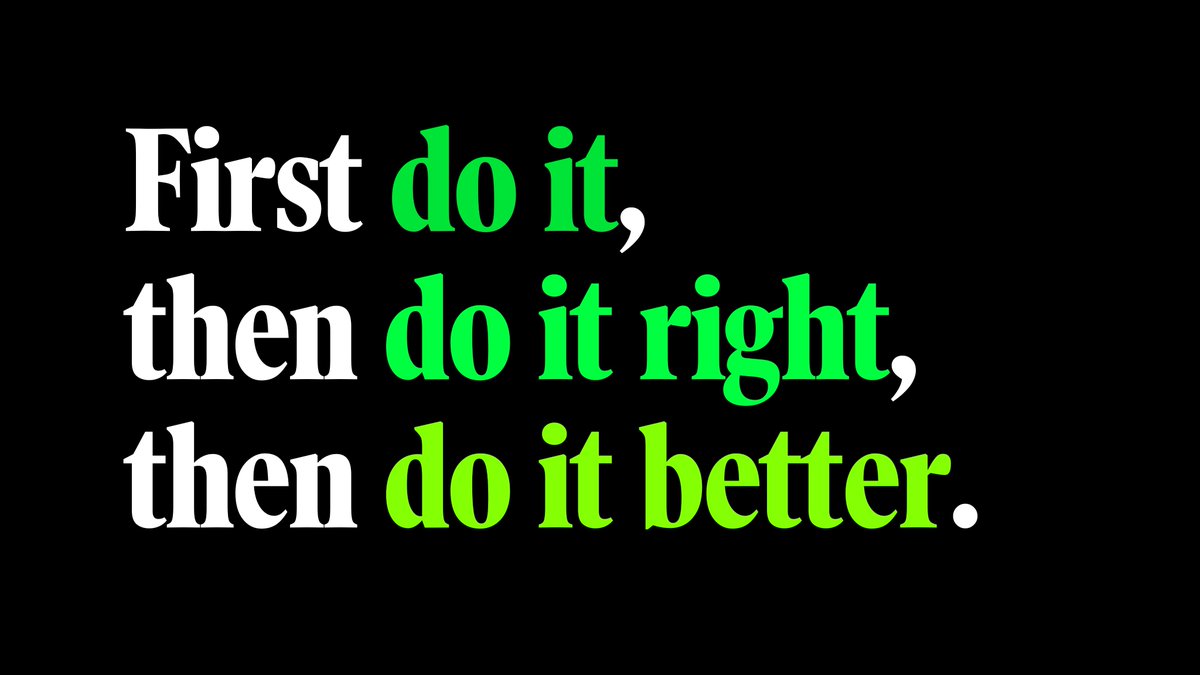
"First do it, then do it right, then do it better." Just start. The journey to success often begins with a single step, but that first step can be the hardest to take. It's easy to get caught up in the fear of failure or the desire for perfection, but I hope this quote I first shared in 2013 can be a reminder of the importance of simply getting started as we go into 2024. Just Start Somewhere "Start slow if you have to. Start small if you have to. Start privately if you have to. Just start." - James Clear Taking that first step doesn't require perfection or immediate mastery. The key is to overcome inertia and take action, as this action will lead to progress, learning, and (if you’re lucky and consistent) ultimately success. When you start, you allow yourself the opportunity to grow, adapt, and move forward. The Power of Starting Beginning a new project or habit often feels daunting. According to psychologists, we tend to overestimate the pain of starting and underestimate our ability to persist. However, studies show that "small starts" predict eventual success better than initial enthusiasm or early progress. This phenomenon is known as the fresh start effect - taking the first step energizes us and bolsters motivation. So focus on starting without putting pressure on perfection. Progress and course corrections will follow. First, Do It: Embrace the MVP Mindset Doing it = get the simplest MVP out. A Minimum Viable Product (MVP) represents the simplest version of a product or idea that allows you to test, gather feedback, and iterate. By embracing this mindset (just get something done - it's OK if rough, a prototype, a draft), you focus on progress over perfection, understanding that getting something out into the world is far more valuable than waiting for the perfect moment. Expand Your Comfort Zone Venturing outside one's comfort zone can elicit fears of failure. Leaning into discomfort not only builds confidence and skills, but research shows it makes us more receptive to learning. Recognize that fear is often the mind's way of urging us to grow. Don't let it stop you from progressing. Then, Do It Right: Refine and Correct Doing it right = fix correctness issues. Once you've taken that first step and put your MVP out into the world, it's time to refine and correct. This stage is about learning from feedback, identifying areas of improvement, and making adjustments accordingly. It's a chance to iterate on your idea, ensuring that it meets the needs of your audience or customers while aligning with your vision. Cultivate Curiosity and Resilience Meeting new challenges with curiosity and resilience makes venturing outside our comfort zone more sustainable and enjoyable. Cultivate curiosity about growth opportunities and your capacity to rise to them. Set mini-challenges to incrementally expand your horizons. When facing inevitable setbacks, avoid self-criticism and tap into resilience - the ability to recover, learn and continue progressing. Self-compassion, adaptability and maintaining perspective are key here. With consistent effort, you build confidence in your ability to start, stumble, learn and work toward mastery. Finally, Do It Better: Strive for Continuous Improvement "Doing it better = iterate towards an ideal end-state (e.g., make it fast)." The journey doesn't end with merely doing it right. The final step is to continuously improve, striving for excellence and growth. By iterating towards an ideal end-state, you demonstrate a commitment to progress, ensuring that your product, idea, or project remains relevant, innovative, and successful. Set New Goalposts As you improve, have a clear idea of when you are “done” or update your goalposts. Elite athletes turn small gains into competitive edges via the aggregation of marginal gains. Identify areas of potential improvement and set measurable stretch goals, from increasing efficiency to enhancing user delight. Overcoming the Greatest Barrier to Progress "The greatest barrier to progress is not lack of resources or talent, but fear of failure." Recognizing that fear of failure is the most significant obstacle in the pursuit of success allows you to confront it head-on. By acknowledging this fear, you can focus on taking that first step, knowing that once the ball starts rolling, it becomes much easier to keep it in motion. Remember that starting is more than half the battle. Don't wait until you feel ready, because the perfect moment may never come. The Bottom Line Rather than striving for perfect execution, embrace the power of starting - put forth an MVP, soft launch an initiative, or set a milestone. Progress begets motivation. By simply starting, you open the door to growth and innovation. The rest will follow. Embrace the power of starting and then iterating until you're happy.
Addy Osmani tweet media
English
107
601
2.8K
466.3K
MD YOUSUF GAZI retweetledi
trish
trish@TrisH0x2A·
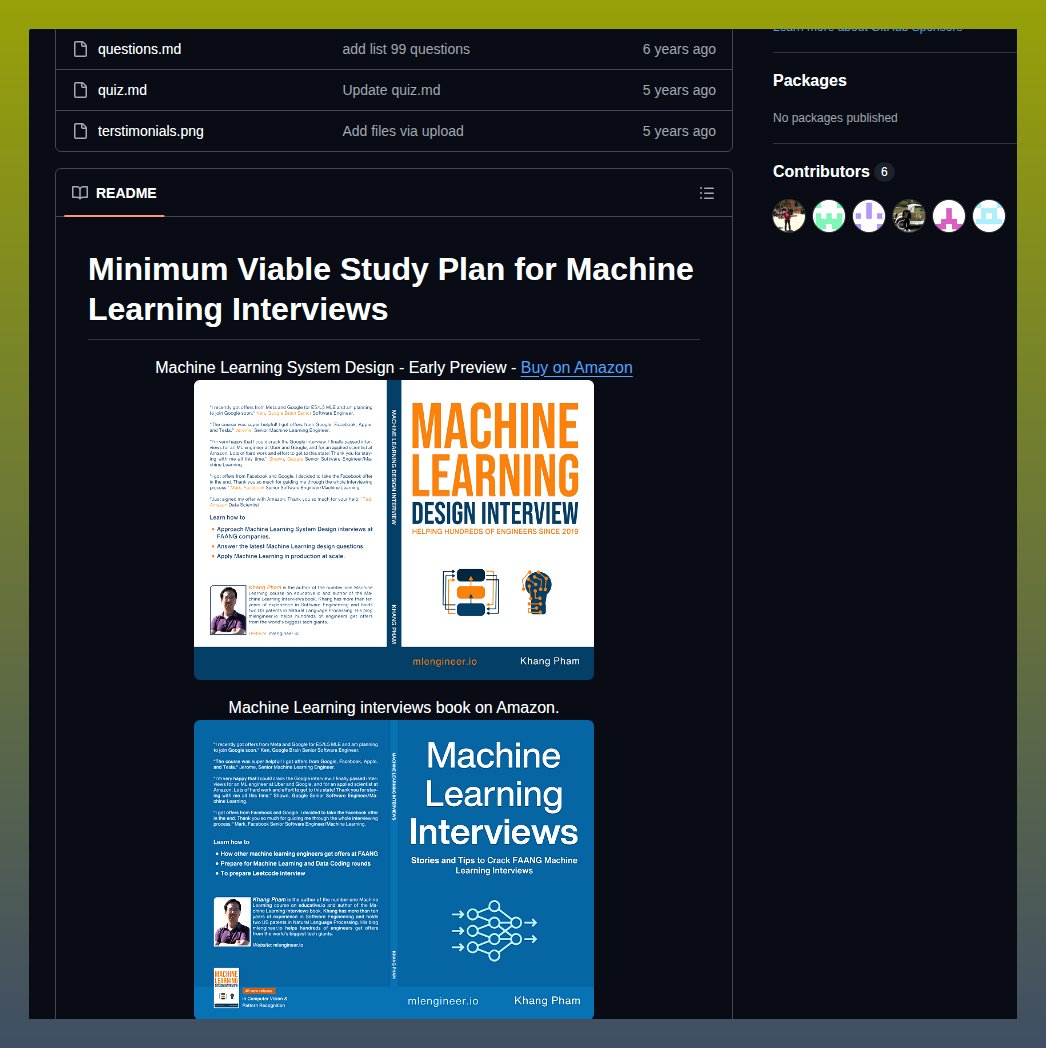
Beej didn't stop at the network programming guide he wrote a second one on how Unix processes actually talk to each other on the same machine it covers pipes, FIFOs, signals, file locking, POSIX and System V message queues, semaphores, shared memory, mmap, and Unix sockets if you know some C it takes you straight into real systems programming
trish tweet media
English
6
83
726
20.3K
MD YOUSUF GAZI retweetledi
Joruno
Joruno@wsl8297·
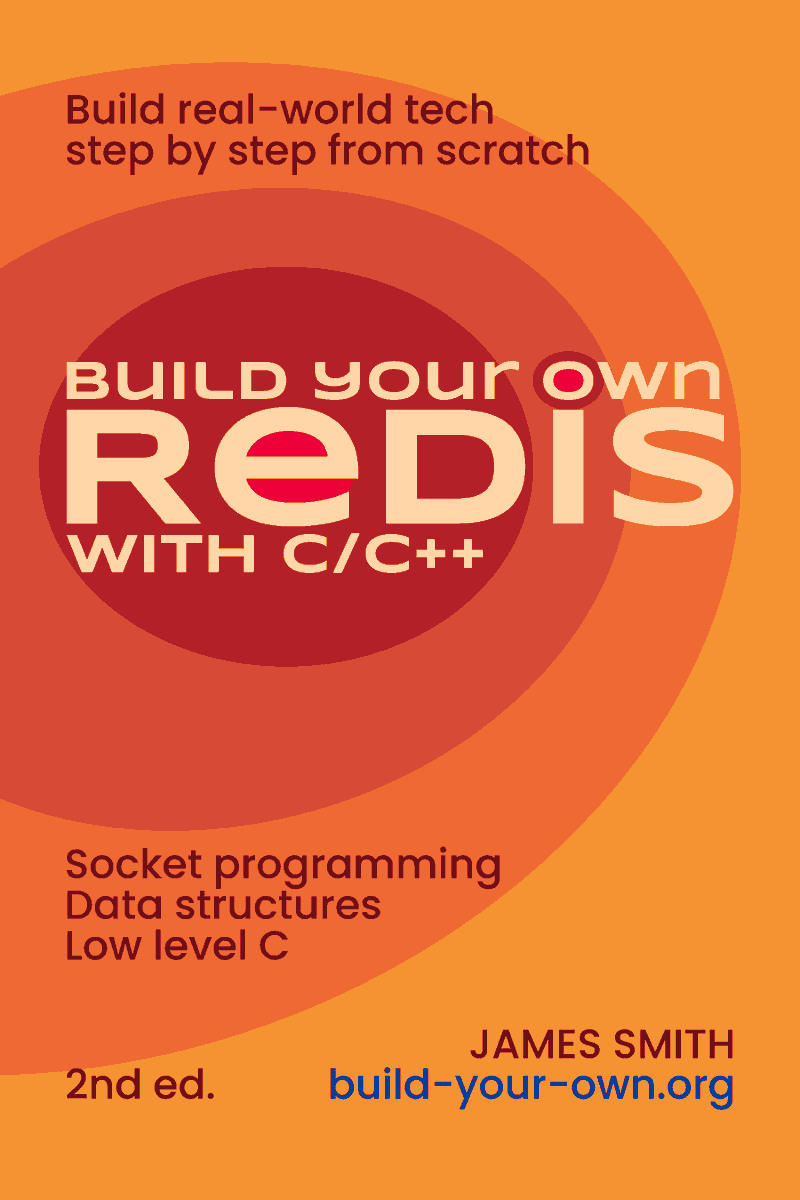
想学网络编程和数据结构?网上很多教程要么停在理论层面,要么直接甩一份项目源码,看完还是不知道该从哪开始。 我后来碰到一份很适合“动手学”的开源教程:Build Your Own Redis。它用实战带你从零写出一个真实可用的 Redis 服务器,把“看懂”变成“做出来”。 教程分两部分: - 第一部分从最基础的 socket 编程起步,逐步搭建 TCP 服务器、事件循环、键值存储等核心能力 - 第二部分继续往下挖:哈希表、AVL 树、线程池等更硬核的实现细节 在线阅读:build-your-own.org/redis/ 每章都有配套代码和清晰讲解,拆得很细、推进很稳,跟着写就能把关键知识点真正吃透。 它提供免费网页版,也有 PDF 和纸质书可选。建议先收藏,找时间照着做一遍。
Joruno tweet media
中文
5
131
741
24.9K
MD YOUSUF GAZI retweetledi
freeCodeCamp.org
freeCodeCamp.org@freeCodeCamp·
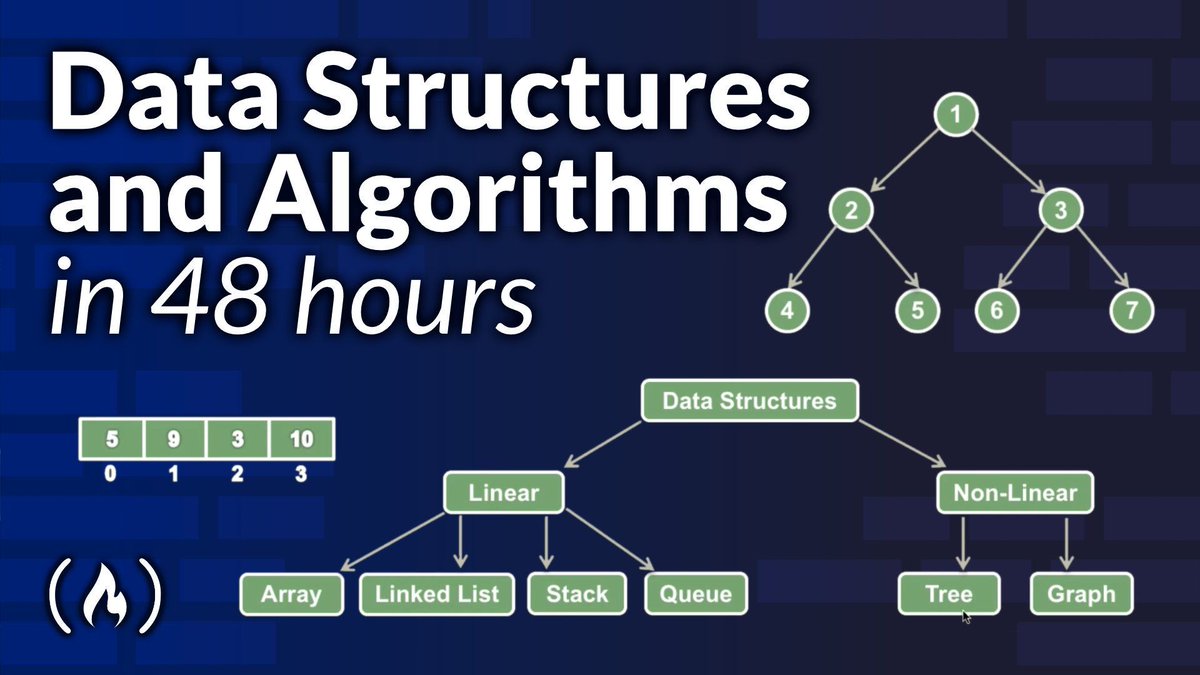
If you're prepping for developer job interviews, you'll need a good grasp of Data Structures and Algorithms. And this 48-hour course covers what you need to know. You'll learn about algorithm efficiency, key data structures, dynamic programming, & more. freecodecamp.org/news/learn-dat…
freeCodeCamp.org tweet media
English
7
104
717
20.6K
MD YOUSUF GAZI retweetledi
trish
trish@TrisH0x2A·
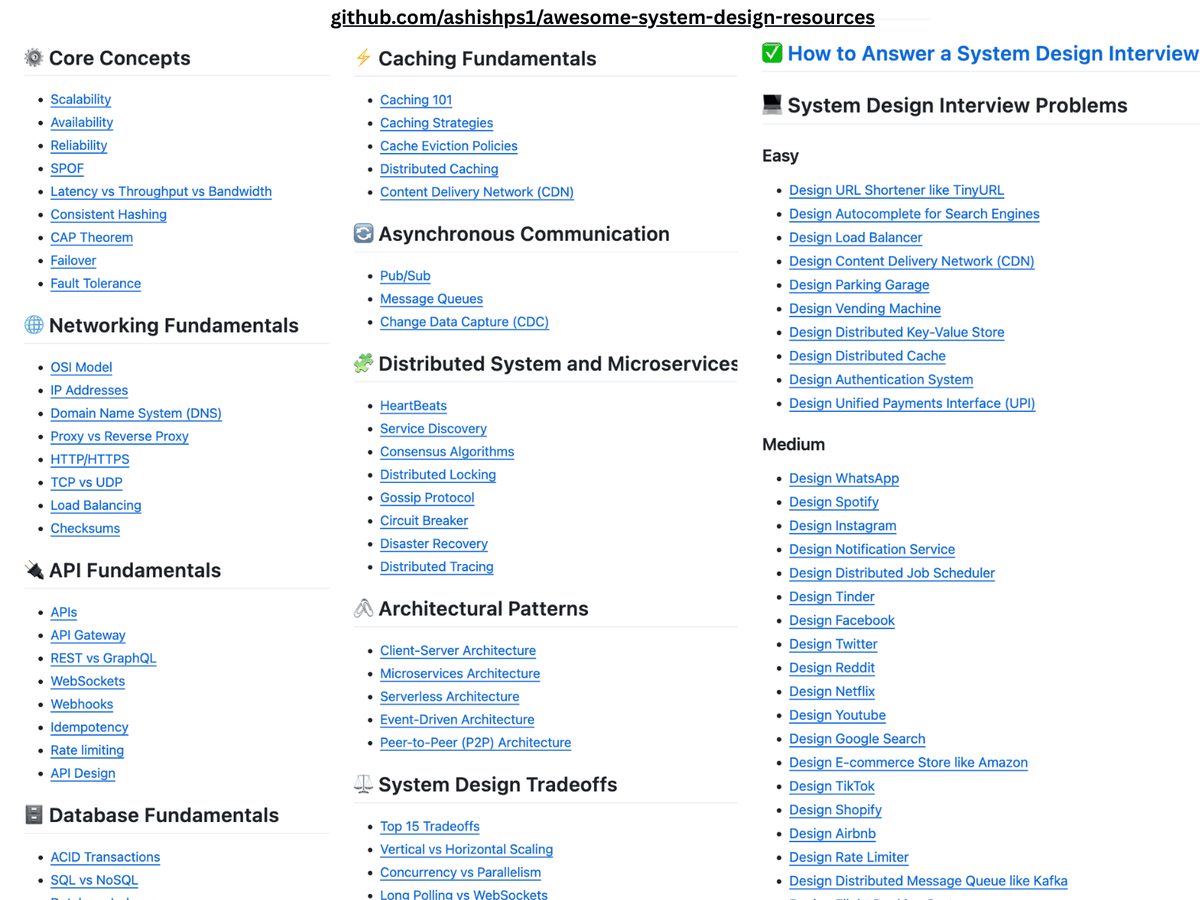
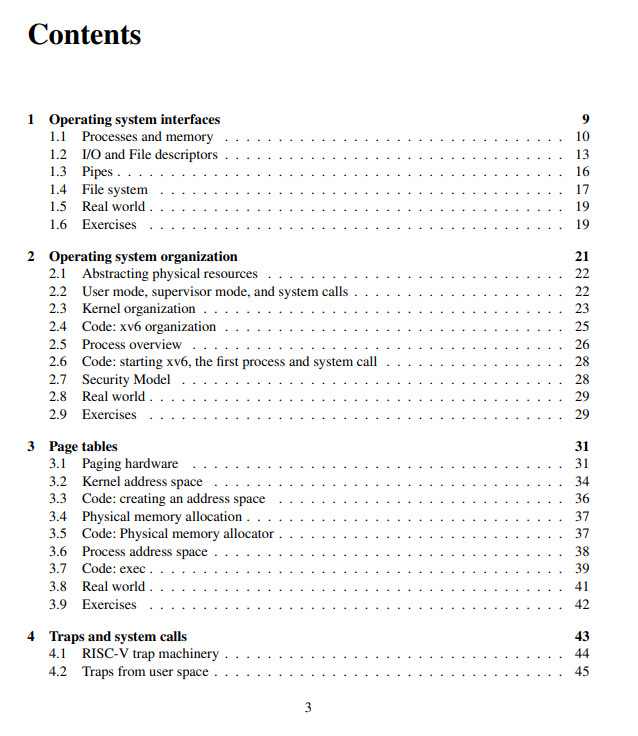
MIT teaches operating systems by giving students a complete Unix like kernel and asking them to modify it it is called xv6 and is about 6000 lines of C a reimplementation inspired by Unix Version 6 from 1975 rewritten in modern C for x86 multiprocessor processes system calls virtual memory and filesystem are all there and small enough to read end to end in a weekend this is what you study to understand how operating systems actually work not just how they are described
trish tweet media
English
68
564
5K
333.8K