Ollie Poole MD

600 posts

Ollie Poole MD

Ollie Poole MD

@RespReview

Anesthesiologist. MD. FRCPC. RRT. Cardiac Anesthesia fellow @ Peter Monk UHN

Halifax NS, Canada Katılım Eylül 2014
586 Takip Edilen687 Takipçiler
Ollie Poole MD
Ollie Poole MD@RespReview·
@jon_bailey_anes @glauncel @doctimcook Yes agree lots of ways to train bronch skills. Disagree that the topicalization easy to do (well) or teach. We’ve benefited from having worldwide airway experts train us. Most of the AFOI gone sideways I’ve seen are from oversedation to compensate for poor topicalization.
English
1
0
1
37
Tim Cook
Tim Cook@doctimcook·
Are there enough awake intubations for all airway managers to become expert. In UK Around 2 million GAs per yr Rate of ATI is probably below 1% but let’s peg it at 1% Around 56% get intubated So number of intubations available is 2,000,000 x 0.56 x 0.01 That’s 11,200 There are 16,000 anaesthetists in UK Intubations per anaesthetist is well below 1 per anaesthetist per year To me the idea that all anaesthetists can be trained in ATI & maintain skills fails because of simple maths…. In some centres, settings, theatres the % ATI will be much higher but overall 1% is a highish estimate
English
12
17
49
16.4K
Ollie Poole MD
Ollie Poole MD@RespReview·
@glauncel @doctimcook Agree Gord. The topicalization technique is the key learning. Asleep fibrotic can train the bronch skills, probably harder than AFOI from a bronch management perspective.
English
2
0
1
67
gordon launcelott
gordon launcelott@glauncel·
@doctimcook Manual skills with the bronchoscope can be learned on a manikin. The important part is the skilful delivery of the topical anaesthetic.
English
2
0
4
594
Tommy Brothers
Tommy Brothers@tdbrothers·
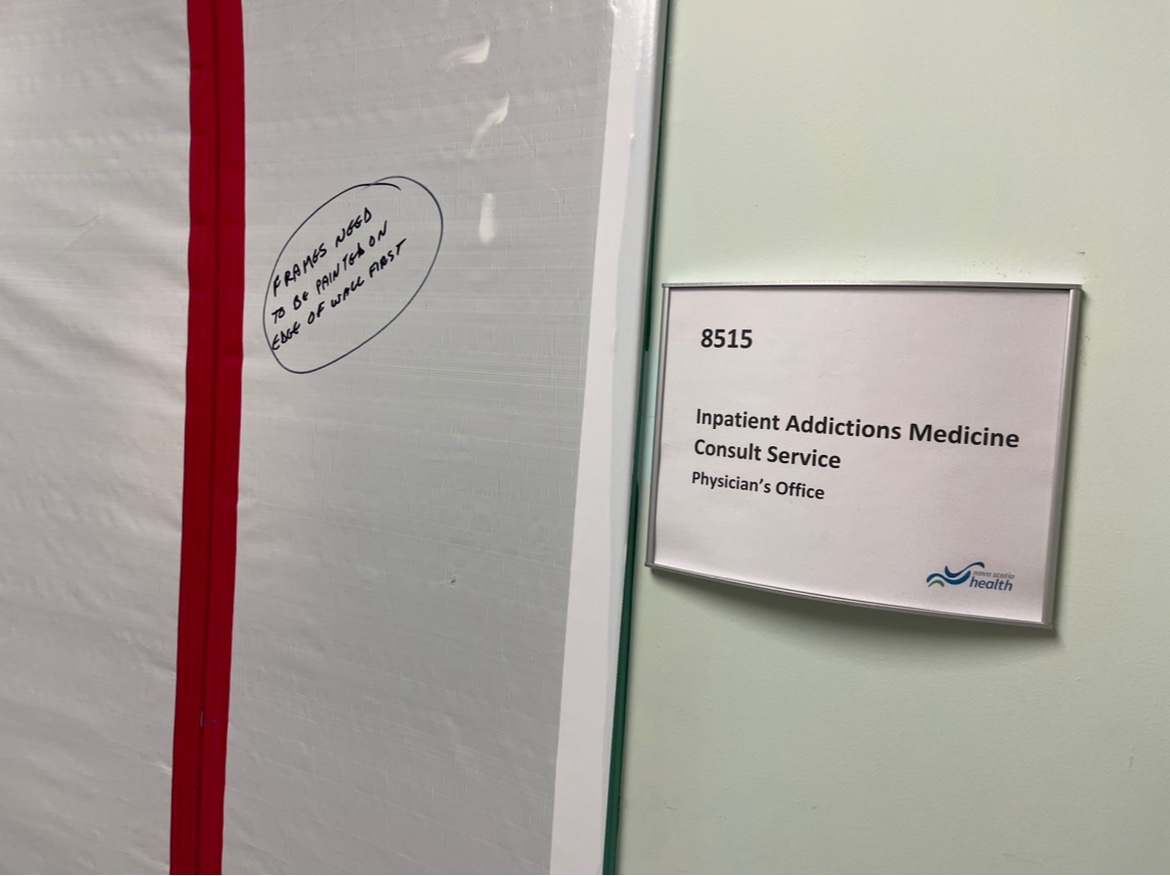
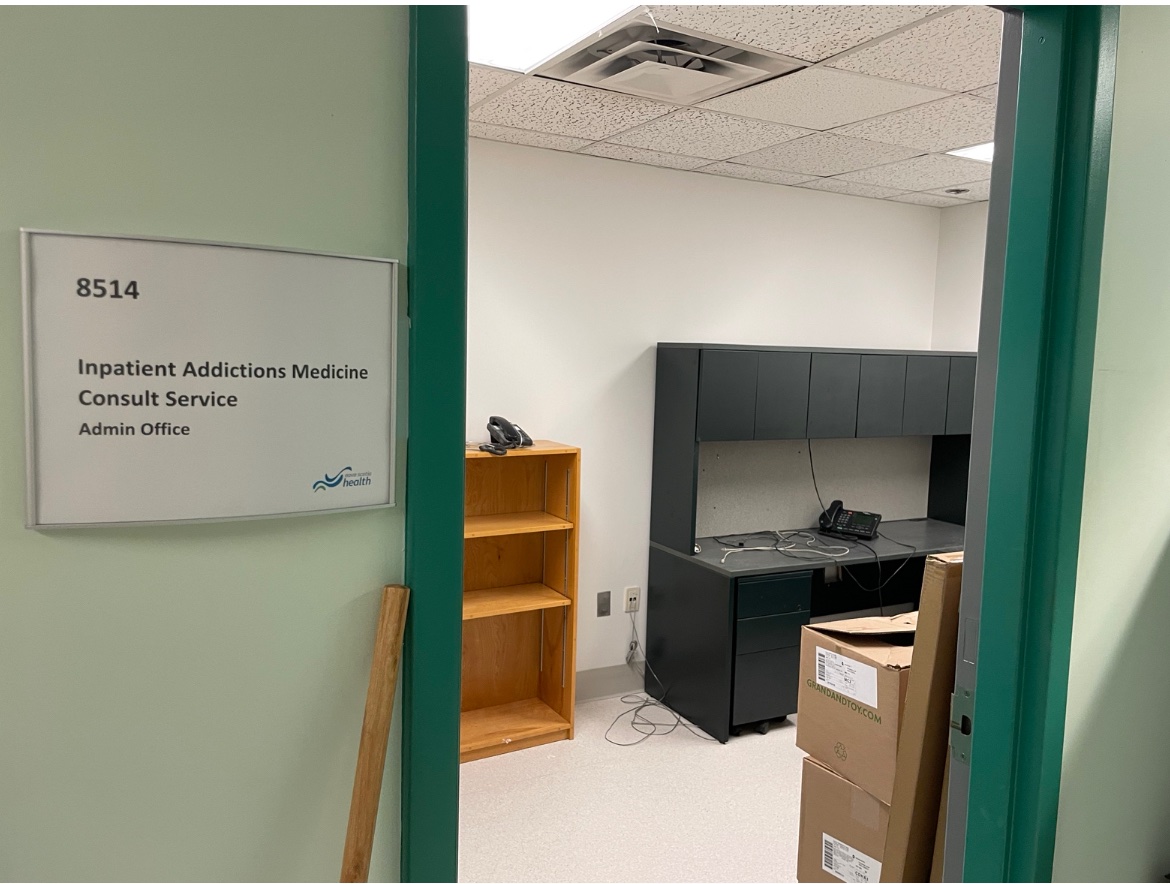
Exciting things happening in Halifax!! Addiction medicine consult service launches at the QEII Health Sciences Centre next week :)
Tommy Brothers tweet mediaTommy Brothers tweet mediaTommy Brothers tweet media
English
22
19
199
28.7K
Ollie Poole MD
Ollie Poole MD@RespReview·
@JJheart_doc Characterize and/or optimize the patients cardiac disease. I’ll decide who I anesthetize with or without external “clearance”.
English
0
0
1
68
Ollie Poole MD
Ollie Poole MD@RespReview·
@DerrickArthor @RyanMarino @Rusticus17761 I use sufentanil (10x potency of fentanyl) on a daily basis in OR. I’ve spilled it on my hands many times over the years: nothing happens. Also had remifenanil (a powder) vials break and go on my hands: nothing happens. It’s all a charade.
English
0
0
4
760
Derrick Arthor
Derrick Arthor@DerrickArthor·
@RyanMarino @Rusticus17761 Since it’s almost zero risk why dont doctors make a video of themselves handling fentanyl in order to show everyone how it’s no big deal? Why didn’t you just do this yourself actually?
English
71
0
17
208.1K
Claire Ward
Claire Ward@ca_brou·
Great talk by @BDSouza123 about improving success rates (and patient satisfaction) in obtaining vascular access, and explaining the @IWKHealth AAs becoming part of the PICC team! #CSRT2023
Claire Ward tweet media
English
2
3
11
644
Ollie Poole MD
Ollie Poole MD@RespReview·
@msenussiMD Or just use some gauze and compress the vein between the various steps. Not sure the need to reinvent the wheel. On board with the excellent US needle viz tho!
English
0
0
2
1K
Mourad H Senussi, MD, MS
Mourad H Senussi, MD, MS@msenussiMD·
***Bloodless central venous cannulation*** 1. Preload the needle with your guidewire 2. Use wrap around technique to control the wire 3. Impeccable DYNAMIC ultrasound guidance 4. Rejoice - not a single drop of blood in your field
Mourad H Senussi, MD, MS tweet media
English
47
92
629
205.6K
Sam Ghali, M.D.
Sam Ghali, M.D.@EM_RESUS·
Should you intubate the GSW victim in severe hemorrhagic shock in the ER or OR? Listen to the latest @EMCrit Podcast episode where Scott Weingart and I discuss this here emcrit.org/emcrit/should-…
English
4
11
49
83.5K
Ollie Poole MD
Ollie Poole MD@RespReview·
@OBsleepmerchant If only it was a sophisticated as that. I doubt many in ICUs know the T1/2 of commonly used NMB. Every shift I work I make an effort to teach folks that TOF isn’t out of 4. Most think 4/4 = full recovery.
English
0
0
1
0
Simon Ash
Simon Ash@OBsleepmerchant·
@RespReview Reliant only on 5 t1/2’s (expecting normal PK in critically ill)?
English
1
0
1
0
Ollie Poole MD
Ollie Poole MD@RespReview·
@jwnickerson @CanadasLifeline I’d be happy to be allowed to donate. Canadian Blood Service don’t seem to understand that people in England donate and receive blood without CJD. I’m English so I can’t donate. I’m also O (-)
English
1
0
3
0
Ollie Poole MD
Ollie Poole MD@RespReview·
@OBsleepmerchant Yes. CAS required monitor of equal importance to Spo2 or capnography. Yet as a specialty we are sloppy with how we use it. We should leave the NMJ as we found it. IMO with the drugs and quantTOF monitors we have available, there is zero excuse for residual NMB. Rates should = 0%
English
0
0
1
0
Ollie Poole MD
Ollie Poole MD@RespReview·
Time to move on. We eventually stopped using halothane because we got better drugs. Neo still works ok if you use it right, but so does halothane, Pentothal, etc etc. We have a better drug now.
Anesthesiology Journals@_Anesthesiology

In a multicenter matched cohort analysis, sugammadex administration was associated with a 30% reduced risk of pulmonary complications, a 47% reduced risk of pneumonia, and a 55% reduced risk of respiratory failure compared to neostigmine. ow.ly/ocec50KbQb3

English
2
0
6
0
Ollie Poole MD
Ollie Poole MD@RespReview·
@OBsleepmerchant Yep. As with all drugs, there are reasons to avoid. I’m totally on board with quantitative TOF and appropriate dosing of neo. It works very well under those circumstances. I would argue that our current rates of residual neuromuscular block are higher than 1 + 2 combined.
English
1
0
1
0
Simon Ash
Simon Ash@OBsleepmerchant·
@RespReview As an #OBAnes, given the current climate south of border, I am more likely to be cautious with sugammadex on 2 accounts: 1. Increased risk of OCP failure, needing barrier contraception and additional counselling 2. If used in pregnant pt, may decrease ability to hold pregnancy
English
1
0
2
0
Ollie Poole MD
Ollie Poole MD@RespReview·
@garrettsbarry @bmacaulay2000 @AnesthesiaCons1 @NicholasChrimes Yeah exactly. I used neo regularly with quantitative TOF and just ensure they are actually >0.9 before extubating. Many just “wing it” unfortunately. Sug let’s them get away with poor monitoring more, which makes it a safer drug IMO. But quantitative TOF is really the 🔑 👌🏻
English
0
0
3
0
Ollie Poole MD
Ollie Poole MD@RespReview·
@glauncel Agree. I’m more concerned with the rates of residual neuromuscular block in PACU, which I fix with sugammadex on a regular basis while on call. Those rates are 30-40% w/ neo and w/o quantitative monitoring. Neo is still an effective drug if used correctly, but often isn’t.
English
1
0
1
0
gordon launcelott
gordon launcelott@glauncel·
@RespReview The absolute risk reduction is less than 1% for pneumonia and respiratory failure, however. 😎
English
1
0
2
0
Ollie Poole MD retweetledi
Anesthesiology Journals
Anesthesiology Journals@_Anesthesiology·
In a multicenter matched cohort analysis, sugammadex administration was associated with a 30% reduced risk of pulmonary complications, a 47% reduced risk of pneumonia, and a 55% reduced risk of respiratory failure compared to neostigmine. ow.ly/ocec50KbQb3
Anesthesiology Journals tweet media
English
3
72
228
0