Sean Ewen, MD

431 posts

Sean Ewen, MD

Sean Ewen, MD

@SeanEwen

Doctor turned holdco operator. 3x bootstrapped founder in highly regulated industries. Over $50m lifetime revenue.
Miami, FL Katılım Mart 2023
59 Takip Edilen11.7K Takipçiler
Sean Ewen, MD
Sean Ewen, MD@SeanEwen·
"Make it look easy" isn't just a philosophy I aspire to live up to in my personal and work life. Here’s how I approach it: During medical school, I worked alongside people who were so skilled that their normal day of work would be everyone else's Super Bowl. And this was all happening with people's lives on the line. What struck me was how these doctors and nurses made the impossible look like anyone could do it. That's where my "make it look easy" mantra comes from. You should be so prepared that you make the impossible look easy. Here's why this matters as a competitive advantage. First, the perception of mastery makes people want to work with you. When you make difficult things look simple, it signals that you have a level of understanding that others don't. Second, it's different from how other businesses position themselves. The typical approach is to say "this is very complicated, and that's why you need our help." I take the opposite approach: "It's incredibly simple when you have our level of understanding." Third, when you make execution look effortless, two things happen. Your competitors underestimate how difficult what you're doing actually is. And your customers appreciate the smooth experience without seeing all the complexity behind it. Fourth, I'm relentless about creating a friction-free customer experience. Every single point of friction is a conversion killer. So I obsess over making it as easy as possible for customers to say yes. So how do you actually build this capability? You master the craft deeply, document everything, and build systems that handle the complexity for you. Then you train your team thoroughly and practice scenarios repeatedly until they become second nature. I learned this lesson viscerally back in 2008 when I was an EMT at a concert venue. Robin Williams was about to go on stage when a man collapsed in the aisle from cardiac arrest. My hands took over before my brain could even react because I had practiced the scenario so many times. The man had a 90% chance of dying right there, but he survived. That's when I realized: when you're under pressure, you revert to practice. So when I started @AlliedMedical, I built "muscle-memory training" into the instructional method. I didn't just teach theory in a quiet classroom. I created realistic scenarios with crowded, loud environments that mimic real conditions. The goal was to make the difficult look routine through relentless preparation. And it worked. At Allied, I significantly improved pass rates while making the training feel accessible to students. At @WoodenHillBeer, I'm running what's essentially multiple business units under one roof with rapid weekly product releases. But to customers, it looks seamless. And I’m also orchestrating these businesses from 2,000 miles away. When people hear that, they're shocked at the schedule freedom I have. But that freedom only exists because I've built systems that make the complex look simple. Here's my core belief: if it can't be done well, it's not worth doing. And "done well" means making it look so easy that your customers and competitors don't see how hard it actually was. That's the real competitive moat.
English
1
1
0
312
Sean Ewen, MD
Sean Ewen, MD@SeanEwen·
Employees remember their last raise, not their last bonus.  Don't get me wrong, everyone loves a bonus. But nothing sticks like a consistently higher paycheck every other week. A bonus is exciting for a moment, then it's gone. A raise becomes part of your baseline, and you feel the difference every single pay period. If you want to reward people for their hard work, do it in the way they value most. Their work ethic will reflect it.
English
0
2
4
224
Sean Ewen, MD
Sean Ewen, MD@SeanEwen·
Every day, my EA sends me a text with an overview of what's coming up. I don't open my calendar. I don't check my schedule. I just read the text and know exactly what I need to be ready for. It takes her maybe two minutes to send. It saves me from constantly context-switching throughout the day to check what's next. Here's what I've noticed about founders who feel overwhelmed by their schedule. They're drowning in their calendar instead of controlling it. They open it ten times a day to see what's coming. Each time, it pulls them out of whatever they're working on. Meanwhile, I get one message in the morning. I'm briefed. And I move on with my day. Small system, but it's bought back hours every week.
English
0
1
1
445
Sean Ewen, MD
Sean Ewen, MD@SeanEwen·
I've made plenty of hiring mistakes over the years, but the one that cost me the most wasn't who I hired. It was waiting too long to let the wrong people go. Every day you delay that decision, you're not just losing money. You're draining team morale because everyone else sees the problem employee and wonders why you're not doing anything about it. You're damaging your culture because you're essentially telling your A-players that mediocre performance is acceptable. And you're burning through your own mental energy trying to improve someone who's never going to work out. I've learned that when you know someone isn't the right fit, act on it. The longer you wait, the more expensive it gets in ways that don't show up on a P&L.
English
0
1
2
701
Sean Ewen, MD
Sean Ewen, MD@SeanEwen·
Open-door policies don't work. You need to bring the open door to your employees. I learned this after dealing with culture issues at @WoodenHillBeer a few years ago. After dismissing a couple employees for cause, the team morale took a hit. I waited for people to come to me with their concerns, but no one did. That's when I realized the problem wasn't that people didn't want to talk, it was that I was waiting for them to initiate. So I scheduled 1:1s with every single person in the company. I asked for their feedback directly, created space for them to share concerns, and actually listened without defending or explaining. The culture turned around within weeks. Here's what I've learned: receiving feedback, questions, and concerns starts with you asking for it. When you do this consistently, your team becomes more comfortable expressing themselves, and eventually they'll start doing it on their own. But the responsibility to create that environment lies with you, not them.
English
0
1
0
839
Sean Ewen, MD
Sean Ewen, MD@SeanEwen·
I spent 18 months on a software project that was going nowhere. Had already invested $250,000 into it. Every month, the developers would tell me we were getting close, and every month we'd hit another roadblock that pushed the timeline back further. The sunk cost fallacy almost kept me in because I kept thinking about all the money and time I'd already put into it. But at some point, I had to be honest with myself about what was actually happening. The project wasn't working, and pouring more money into it wasn't going to change that. So I walked away from the entire thing. Best decision I made that year because it freed up resources and mental energy to focus on things that were actually moving forward. The hardest part about running a business isn't starting new things, it's knowing when to quit the ones that aren't working.
English
0
1
2
956
Sean Ewen, MD
Sean Ewen, MD@SeanEwen·
A couple years ago, issues and problems were sent to me randomly via Slack. It was constant interruptions with no momentum. So I created a weekly meeting with my operations director. The rule was simple: if it's not very urgent, it waits for the weekly meeting. Over time, that weekly meeting evolved into a bi-weekly meeting. We keep a running Slack channel with an agenda for the next meeting. Sometimes I have extra time and I'll look through the channel and address some items before we even meet. Other times, I get through them all and we don't need to meet at all. This chunks all my company management into short, focused periods instead of constant back-and-forth all week.
English
1
2
1
765
Sean Ewen, MD
Sean Ewen, MD@SeanEwen·
I use help desk software to manage my email. Similar to what companies use for customer support tickets. Except I'm treating myself like the company. It organizes all my email accounts under one umbrella, and my assistant reviews every inbox to determine what's actually urgent. She only assigns me the emails she's not able to take care of on her own. The average person receives around 100 emails per day, and if you're an entrepreneur, imagine how much more that is. Checking them all yourself is ruining your productivity. I haven't looked at my actual inbox in over a year. Having someone manage your inboxes and messages is the closest thing to a life hack I've found. --- If you want to optimize, automate, and delegate more in your business and life, you'll love my newsletter below:
English
2
1
0
532
Sean Ewen, MD
Sean Ewen, MD@SeanEwen·
The entrepreneur influencer space has one problem I can't stand. It's crowded with advisors who've never actually operated. They can talk a good game. But talking and doing are completely different. I've built three companies from scratch. All bootstrapped, all profitable year one. Past $50M in lifetime revenue across them. So when I need advice, I look for people who've done it. Not people who just study it. If you want to learn how to run a business, find someone who's actually running one. Track record matters more than theory.
English
2
1
0
253
Sean Ewen, MD
Sean Ewen, MD@SeanEwen·
One of my core beliefs: do the hard thing. If something can't be done well, it's not worth doing at all. And if there's no opportunity to strive to be the best at it, then it's not worth my time in the first place. This mindset has shaped every business decision I've made over the years. When I started Allied Medical Training halfway through medical school, I didn't want to just run another EMT program. I saw that 30% of EMT candidates were failing their certification exam on the first attempt, while nearly 100% of medical students were passing their licensing exams. That gap told me there was a better way to train people, so I built one of the nation's first hybrid programs by applying medical school's teaching methods to EMS education. We significantly improved our pass rates and became known as one of the premier programs in the country. That's what happens when you refuse to settle for anything less than excellent execution.
English
2
1
2
224
Sean Ewen, MD
Sean Ewen, MD@SeanEwen·
I carry this perennial sense that I'm failing everyone around me a little bit. My team at Allied, the staff at Wooden Hill, my family who work in the businesses, even my wife. I no longer see that as a negative thing. It’s in my nature. Actually, it keeps my improvement mindset engaged. The moment I think I've figured everything out is the moment I stop getting better. Perfection isn't possible when you're running multiple businesses from 2,000 miles away. You can't be in every meeting, solve every problem, or make every decision perfectly. So instead, I focus on progress. Did I delegate better this week than last week? Did I protect my thinking time? Did I make higher-quality decisions because I was rested? That slight discomfort of not being perfect pushes me to build better systems, hire better, and keep improving how I operate. Progress over perfection.
English
0
1
3
182
Sean Ewen, MD
Sean Ewen, MD@SeanEwen·
I bought my first home in 2009 while I was in medical school. It was a 1-bedroom condo near campus that I lived in for three years before renting it out for many years after. That was my first step into real estate investing, and it happened long before I had what most people would call "real money." In 2016, I purchased and renovated another condo to rent out. By 2019, I bought a commercial property where Allied Medical Training became one of the tenants, which gave me control over my business location and costs while the asset appreciated. A year later in 2020, I bought into the landlord entity that owns the property where Wooden Hill operates and took over as managing partner of that asset. That same year, I also purchased and renovated a townhome specifically for someone I knew. Between 2020 and 2022, I led the stabilization and eventual sale of a distressed commercial property. I sold my condos in 2022. And from 2019 to 2025, I've been working on a project to build a new home in Miami. Here's what this taught me: wealth doesn't build in one place. It builds across multiple vehicles at the same time. Operating businesses, income-producing real estate, and appreciating assets all work together to grow your net worth outside of just your main company.
English
0
2
2
162
Sean Ewen, MD
Sean Ewen, MD@SeanEwen·
My filter for every project: leverage, learning, and measurable impact. If it checks those boxes, I'm all in. If it offers none of those? Or worse, traps me in daily firefighting? I automate it, delegate it, or ditch it. This framework keeps me focused on what actually moves the needle. Leverage means the work scales beyond my time. Learning means I'm growing capabilities that unlock future opportunities. Measurable impact means I can see if it's actually working. Without these three, a project is just busywork disguised as progress. Most founders spend their days on things that fail this test. Then wonder why they're exhausted but not moving forward. The bi-weekly ops meetings, the EA-to-deputy evolution, the workflow automation: they all passed this filter. Each gave me leverage, taught me something, and had clear measurable outcomes. Everything else? Delegated or automated. --- If you want to optimize, automate, and delegate more in your business and life, you'll love my newsletter below:
English
1
1
2
123
Sean Ewen, MD
Sean Ewen, MD@SeanEwen·
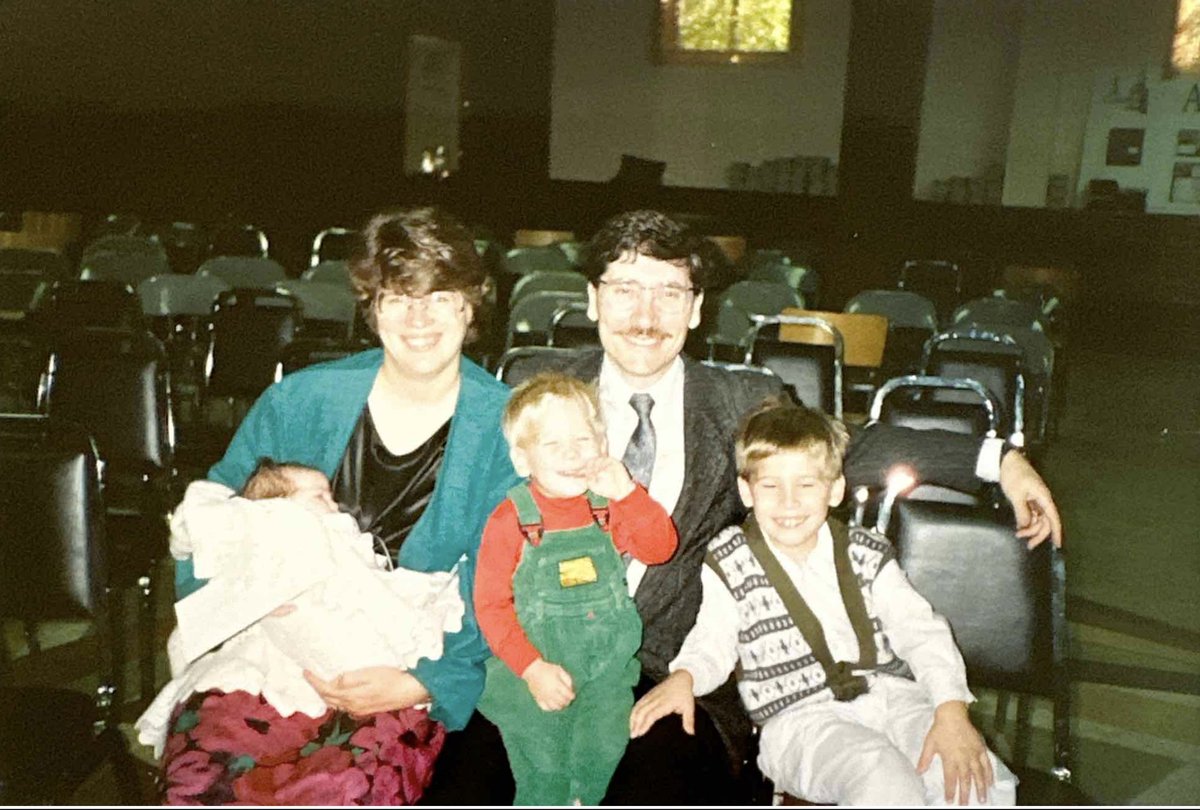
My father was the first in his family to finish high school. He went on to become a primary care doctor after many hard years in training.  During that time, he and my mom were raising three young kids with very little income coming in. They didn't come from money, and we had no financial safety net. Looking back, that shaped how I think about building wealth. I learned delayed gratification and disciplined risk management early, not from lectures, but from watching my parents sacrifice in their younger years to build something better long term and break the cycle of generational poverty.  That lesson stuck with me through medical school, through starting Allied while still a student, and through every business decision since. The willingness to delay gratification and plan for the future are what separates people who build real wealth from those who don't.
Sean Ewen, MD tweet mediaSean Ewen, MD tweet media
English
1
2
6
455
Sean Ewen, MD
Sean Ewen, MD@SeanEwen·
Contrary to what it looks like on the outside, @WoodenHillBeer isn't one business. It's as if we have seven different businesses operating under the same roof. Each one needs different licenses, different staff, and different systems. And we launch new products every single week. Here's how it actually works: It started with a home-brewing gift I gave my younger brother for his 21st birthday. He got really into it and created over 50 original recipes. The beer was actually really good. But what we really loved was sharing it with people and watching their reactions when they tried something they didn't know beer could taste like. One time, I challenged him to make a beer that tasted like Cinnamon Toast Crunch cereal. He nailed it on his first try. It tasted like the milk at the bottom of the bowl with that malty, slightly sweet, cinnamon flavor, pretty much everyone’s favorite part, right? That became one of our first beers when we opened, and we still bring it back each year. That joy of sharing with others made us realize we should partner up and start an actual brewery. We spent two years researching and planning everything. Then about a year on design, permitting, and construction. Our taproom opened in March 2018. But Wooden Hill turned out to be way more complex than a typical small business. Here's what I mean by seven businesses under one roof: 1. Beverage manufacturer: We brew, ferment, and package the beer into kegs and cans. 2. Distribution: We handle our own distribution. 3. Wholesaler: We sell to bars, liquor stores, and restaurants. 4. Taproom: We serve our beverages directly to customers on site. 5. Restaurant: We have a big kitchen with a full food menu.  6. Event center: Private events make up a big portion of our business. 7. Merchandise: Apparel, cans to-go, and other items. Each of these requires different operations, different licenses, different staff with different expertise, and different systems. And here's what makes it even more complex: we have rapid product release cycles. Almost every single week, there's a new beer or seltzer. New food items, maybe a new merchandise category, or a special event. All year long, it's just product release after product release. That constant release cycle requires us to stay extremely flexible and nimble. Here's how we make it work: First, we hire people who actually thrive in dynamic environments where things are always changing. We don't want people who need predictability and routine because that's not what this business offers. Second, we build systems that expect change instead of resisting it. We don't over-optimize our processes for the current state because we know everything will shift again next week. Instead, we plan for weekly launches, not quarterly ones. That fundamental difference in planning rhythm changes everything about how we operate. One more thing that creates optionality: My other business, @alliedmedical, literally shares a wall with Wooden Hill. They're both in the same property. That proximity creates operational synergies, and owning the real estate underneath both businesses gives us even more flexibility. Complexity isn't a bug in our model, it's a feature, as long as you can actually execute on it and make it look easy. --- If you want to optimize, automate, and delegate more in your business and life, you'll love my newsletter: seanewenventures.beehiiv.com
English
1
0
2
927
Sean Ewen, MD
Sean Ewen, MD@SeanEwen·
I've worked with my entire immediate family for years. My mom was my first employee at @AlliedMedical 15 years ago, she just semi-retired last year. My sister has been running day-to-day operations at Allied for 11 years. My dad joined Allied eight years ago after retiring from his clinical practice. My brother and I co-own @WoodenHillBeer together, and he worked at Allied for two years before that. Three things make this work: 1) You start with immediate trust. No proving phase, no wondering about character or intentions. 2) Everyone has real skin in the game. Family success and business success are tied together. 3) You get long-term stability. They're not job-hopping, looking for a different opportunity somewhere else. It’s truly a win-win for everyone involved. --- For deeper dives on business and life optimization, check out my newsletter below:
English
1
0
3
1K