
hollanov pookies :3 retweetledi
hollanov pookies :3
82.6K posts


hollanov pookies :3
@sorrybuthi
wikihow to bio ?? brain rotted on: BTS/ Heated Rivalry, Shameless/ FirstPrince/ FairyTail :P
Joon'sTiddies Katılım Ekim 2018
418 Takip Edilen411 Takipçiler

hollanov pookies :3 retweetledi

Oh my man loves me yall look what he did
So ready for bts this weekend 💜

English
hollanov pookies :3 retweetledi

thats a man who wanted OUT OF NUGUDOM
kaboomi ☆@koomikaboomi
i want whatever jimin was on on that rooftop in 2015
English
hollanov pookies :3 retweetledi


hollanov pookies :3 retweetledi

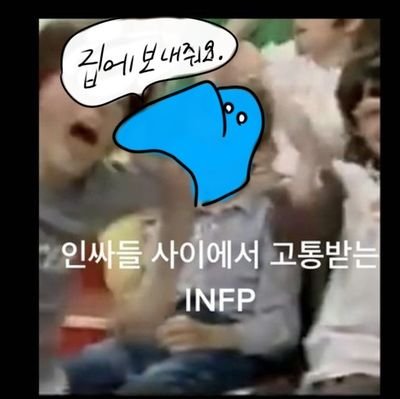
there is so much pain in this world but i do not feel it when i watch a rat fishing for peas
Rat 🎀@ichewthings
ever seen a rat fishing for peas
English
hollanov pookies :3 retweetledi

hollanov pookies :3 retweetledi

The jimin posters and bt21 cookies
tee⋆𐙚˚⊹♡@katzmanzanita
teyana taylor’s 10 yr old daughter ending evil cuban mr clean PLSJHJ😭😭
English
hollanov pookies :3 retweetledi

hollanov pookies :3 retweetledi

hollanov pookies :3 retweetledi

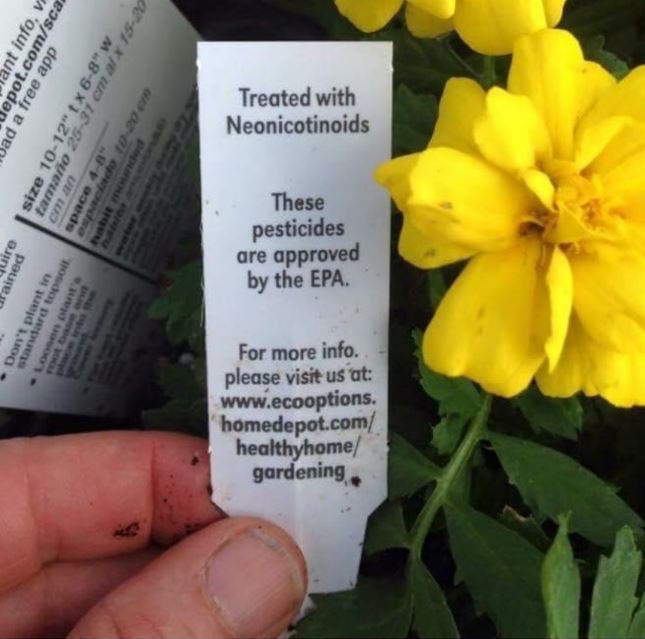
Very Important Message!!
Do NOT, and I repeat do not buy plants treated with Neonicotinoids. Bees take the pollen back to the hive and feed it to the brood.
This is a number one cause of the colony collapse. It's important to NOT buy these plants!
Make sure to share this post!
English
hollanov pookies :3 retweetledi
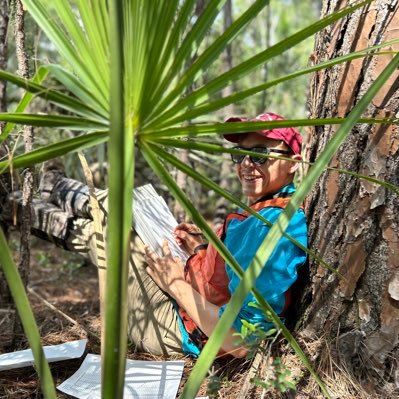
Don’t give into the black pill. Conservation work. I’ve sent orchids come up within two weeks of killing stiltgrass
C. M. Kosemen@cmkosemen
Killing invasive species outside of small islands (<Hawai'i size) is a futile endeavour, do not take lives in vain and just let things be.
English
hollanov pookies :3 retweetledi

The sunflowers at most garden centers are bullshit. Bred for looks, bad for pollinators.
About 90% of ornamental sunflower varieties sold in the US are pollenless. They were created in the 1980s for the cut-flower industry because florists were tired of pollen staining tablecloths.
The seed catalog language calls them "clean," "mess-free," "tidy." What it doesn't say is that bees can't raise their young on a flower with no pollen.
Bees need both nectar and pollen. Nectar fuels the adult and pollen feeds the larvae. It's the protein source that lets a colony or a solitary mother actually produce the next generation.
Pollenless sunflowers offer the snack and skip the meal. Bees visit the bright blooms, work them for nothing, and have to fly farther to find real food.
Recent research from UC Davis also suggests sunflower pollen helps reduce gut pathogens in bees, which is another benefit the pollenless versions skip.
The fix is reading the seed packet.
Avoid: ProCut, Sunrich, Sunbright, and most cultivars labeled "pollenless," "pollen-free," or "for cut flowers."
Plant instead: Mammoth Russian, Mammoth Grey Stripe, Lemon Queen, Black Russian, Velvet Queen, or any open-pollinated heirloom variety.
The native common sunflower (Helianthus annuus) and perennial natives like Maximilian sunflower also feed everything.


English
hollanov pookies :3 retweetledi


hollanov pookies :3 retweetledi
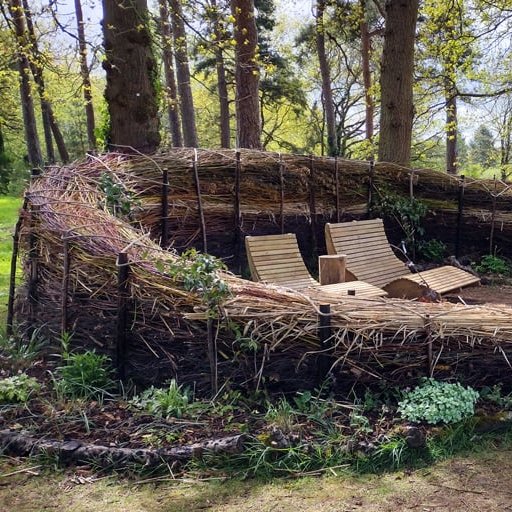
Need a fence? What you actually need is a dead hedge.
A dead hedge is exactly what it sounds like: branches, logs, and woody cuttings stacked between upright stakes to form a natural fence.
It looks rustic, it costs nothing, and unlike a fence, it's full of insects and wildlife.
Birds nest in it, hedgehogs shelter in it, beetles, bees, and spiders colonize the rotting wood. As it breaks down it feeds the soil and you just keep adding to it.
Medieval farmers used dead hedges for centuries. We replaced them with vinyl fencing that doesn't break down or help wildlife.
Time to go back.

English
hollanov pookies :3 retweetledi


hollanov pookies :3 retweetledi


hollanov pookies :3 retweetledi

hollanov pookies :3 retweetledi


hollanov pookies :3 retweetledi

Shifting Baseline Syndrom. Eins der großen Probleme in der Wahrnehmung des Artensterbens. Kurz gesagt: Das was wir als Heranwachsender kennen, wird als der Normalzustand empfunden. Damit verschiebt sich aber die Baseline von Generation zu Generation, und viel Information geht verloren… der tatsächliche Verlust an Vielfalt ist viel dramatischer als wir ihn wahrnehmen.

Deutsch
hollanov pookies :3 retweetledi
The compostable cup at your coffee shop needs a factory to decompose.
Most "compostable" plastics are PLA, a corn-derived polymer that requires sustained temperatures of 140°F or higher to break down. Industrial composting facilities maintain that heat for weeks at a time.
Your home pile peaks around 90 to 120°F at best, which is enough to break down banana peels but not enough to do anything to PLA.
In a landfill, PLA persists for decades. Without oxygen, it barely degrades at all. When it does fragment, it can release microplastics rather than fully biodegrading into organic matter.
The "compostable" label only means the product can compost somewhere.
Almost no US city has the industrial facility to actually do it, and most municipal compost programs reject PLA because workers can't tell it apart from regular plastic.
If you want packaging to actually disappear, look for "home compostable" certification (TÜV Austria OK Compost Home is the strictest), or use real materials: paper, cardboard, wood, leaves. A reusable container beats both.
The compostable cup feels like a win. In most places, it's just plastic with better marketing.

English