Toby Norfolk-Thompson
39 posts

Toby Norfolk-Thompson
@toby__nt
Digital Assets / Tree Surgery / Credit Derivatives / 100yr War



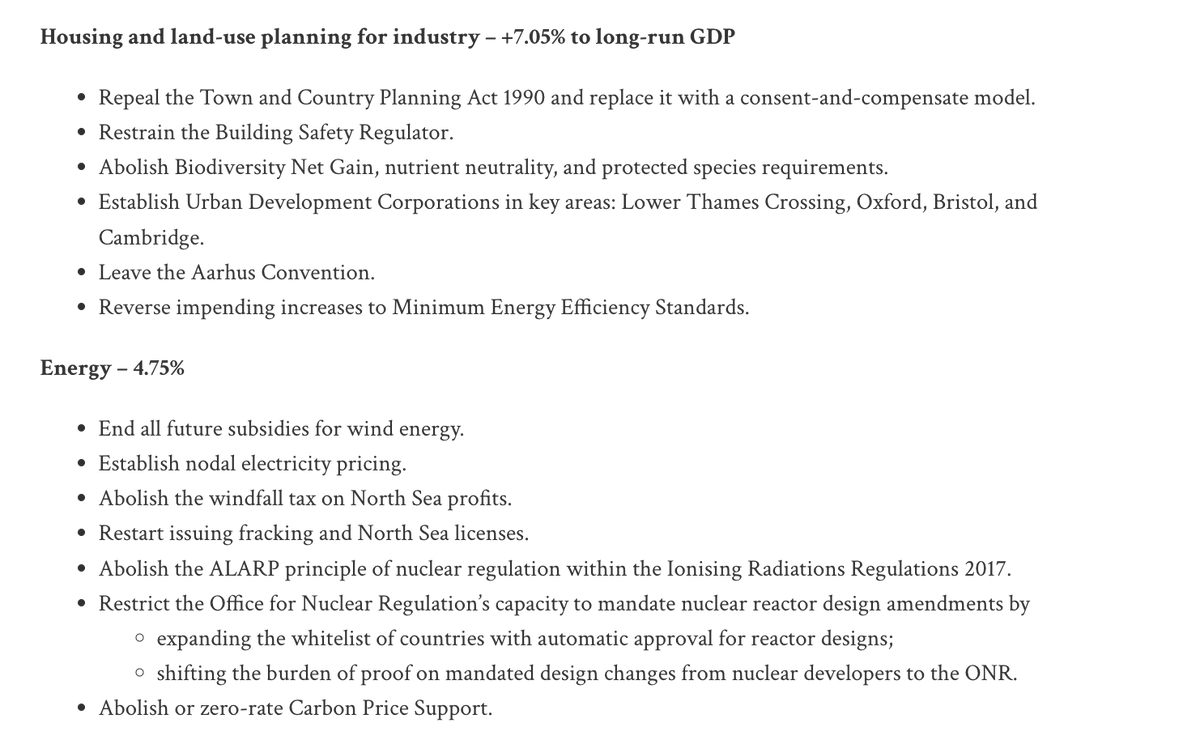
The Growth Agenda is a 14 point plan to boost British GDP! If it were implemented, the average British household would be £6,815 richer per year.




Trump: "I think Cuba is gonna be something we'll end up talking about, because Cuba is a failing nation. It's very similar" Venezuela, Mexico, Colombia, Cuba. Dick Cheney is rock hard.
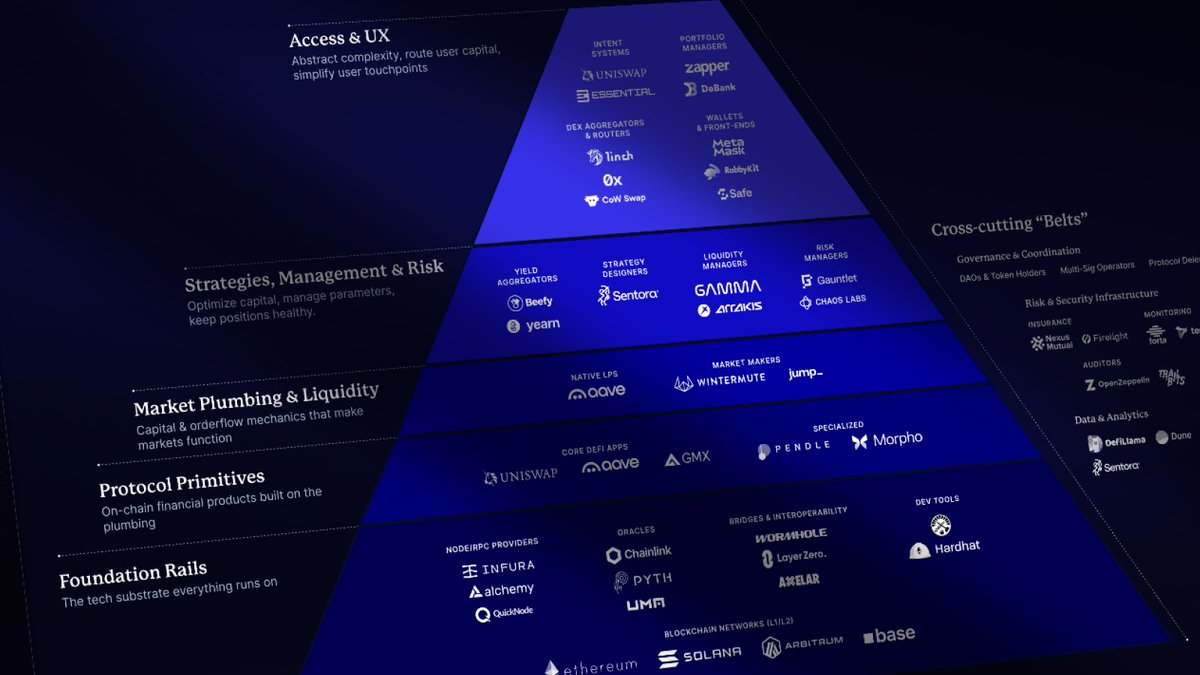

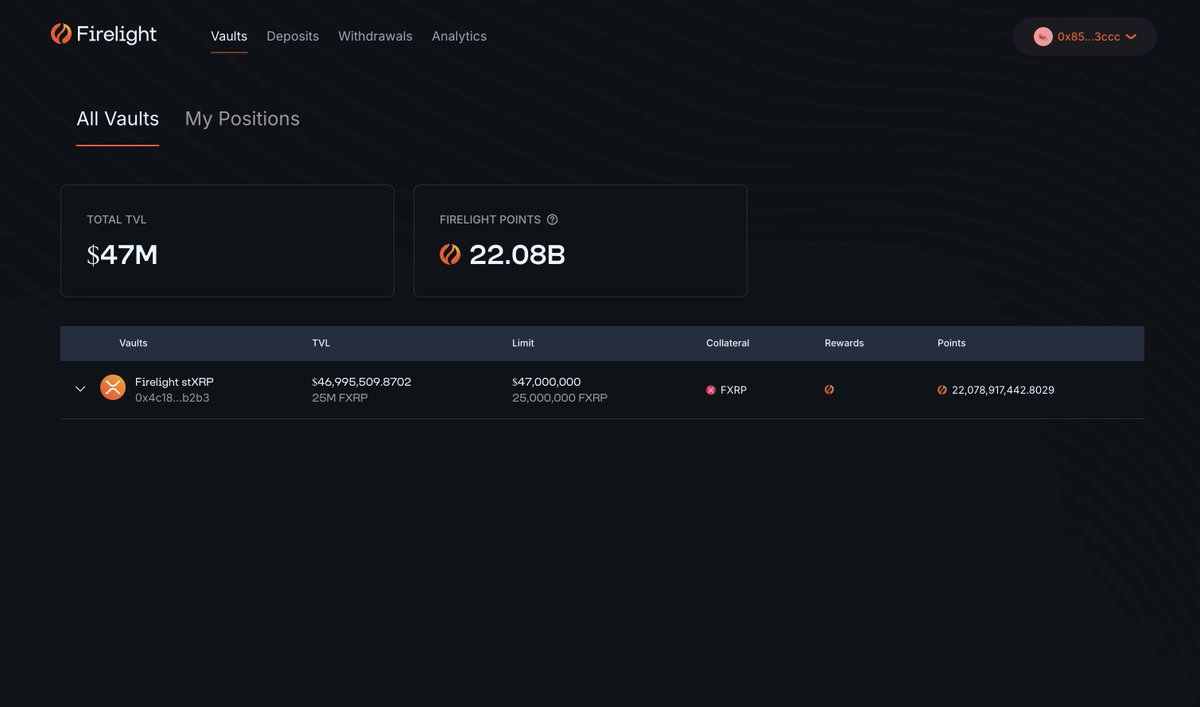



When comes to insurance in project @Firelight, one of the main questions is the "unit of risk" that we look to insure. This excercise is monumentally difficult so wanted to take a few mins to illustrate it ;) DeFi still talks about “risk” like it’s a single scalar you can slap onto an asset. But in practice, risk isn’t a token attribute — it’s a surface that lives across contracts, integrations, governance, and time. If @Firelightfi is going to price and backstop DeFi at scale, we need to be crisp about the unit of risk we’re actually underwriting. Start with the naive unit: the asset. “Insure ETH.” Sounds simple, until you realize ETH doesn’t break — paths break. ETH inside a lending market is liquidation logic + oracle plumbing + collateral factors. ETH on an L2 is also sequencer liveness and censorship assumptions. ETH in a bridge is message verification + validator sets + fraud proofs + upgrade keys. Same ticker, totally different failure modes. Then the obvious upgrade: the protocol. “Insure Aave.” Better, but still leaky. Protocol risk is really an aggregation of markets, modules, and shared dependencies. Oracles are the classic example: an otherwise “safe” lending market can become explosive if the price feed goes stale, can be manipulated via thin liquidity, or diverges across chains. In stress, the oracle doesn’t just report reality — it defines reality for liquidation engines. Bridges amplify this: they introduce a separate trust domain (relayers, light clients, committee signatures), plus a nasty correlation vector. One compromised bridge can instantly propagate bad assets, broken accounting, or governance capture into multiple protocols. It’s not “bridge risk” in isolation — it’s “bridge risk as a contagion bus.” So the real unit of risk is closer to: (contract + configuration + dependency graph + change window). A “market” is a configured system: parameters, caps, rate curves, oracle feeds, admin keys, timelocks, keepers, and cross-chain hooks. Risk spikes during upgrades. It spikes when sequencers halt, when bridges pause, when oracles desync, when liquidations become a race. This is where @Firelightfi framing matters: you don’t “insure tokens,” you underwrite risk surfaces and allocate reserve capital where the loss would actually materialize. The pricing engine should look less like “asset volatility” and more like “exposure topology”: shared oracles, shared bridges, shared sequencer assumptions, and how quickly those surfaces change. In DeFi insurance, precision wins. Not because it’s academically satisfying — but because it’s how reserves stay solvent when the world gets weird.