kisin

641 posts

kisin

kisin

@uiasdsud

learning AI

Katılım Kasım 2022
1.1K Takip Edilen28 Takipçiler
kisin retweetledi
CNX Software
CNX Software@cnxsoft·
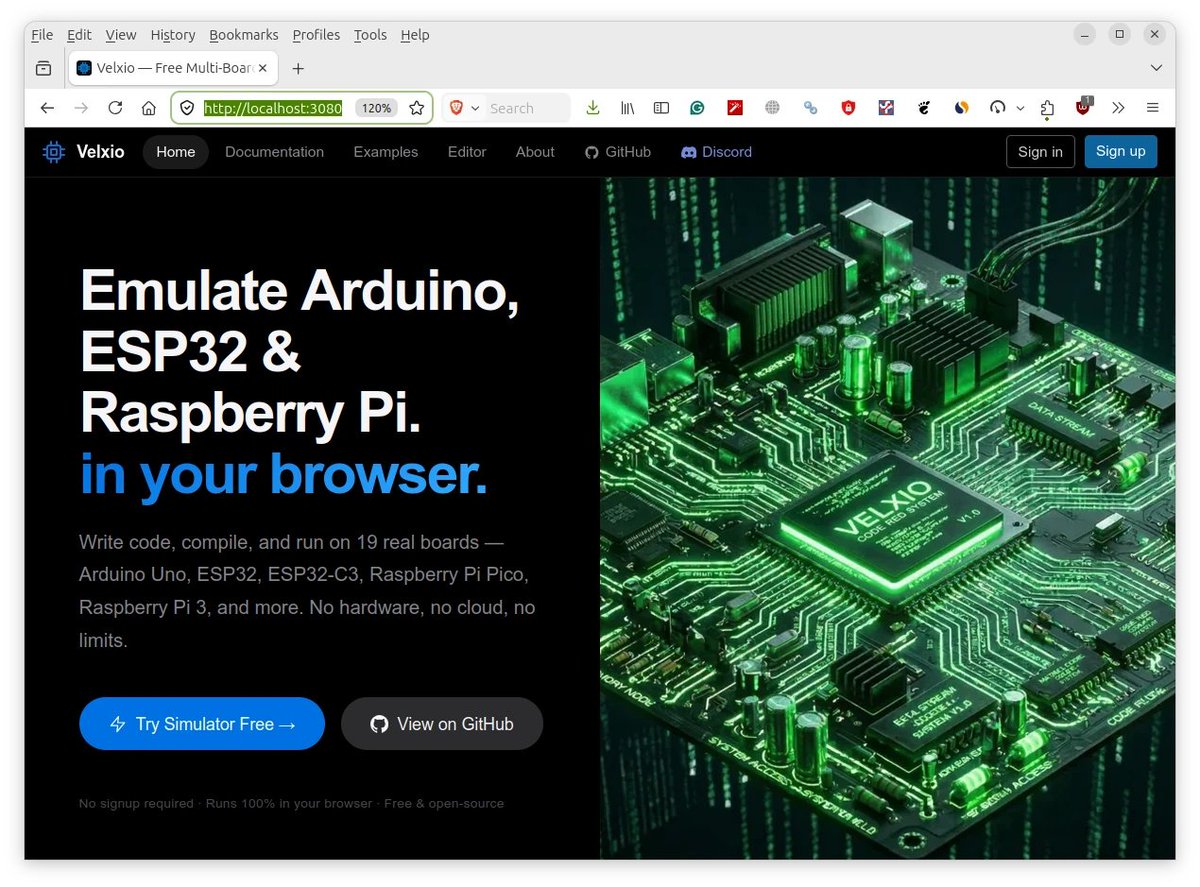
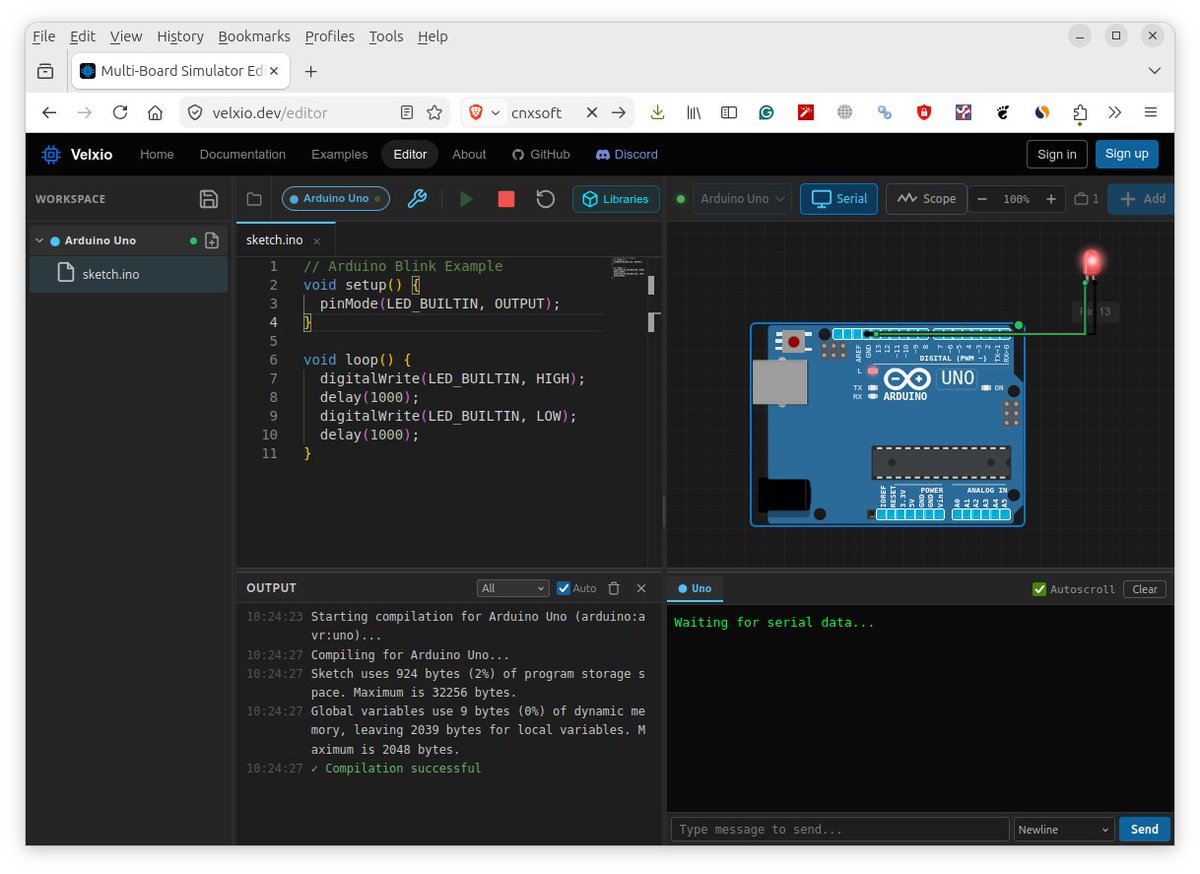
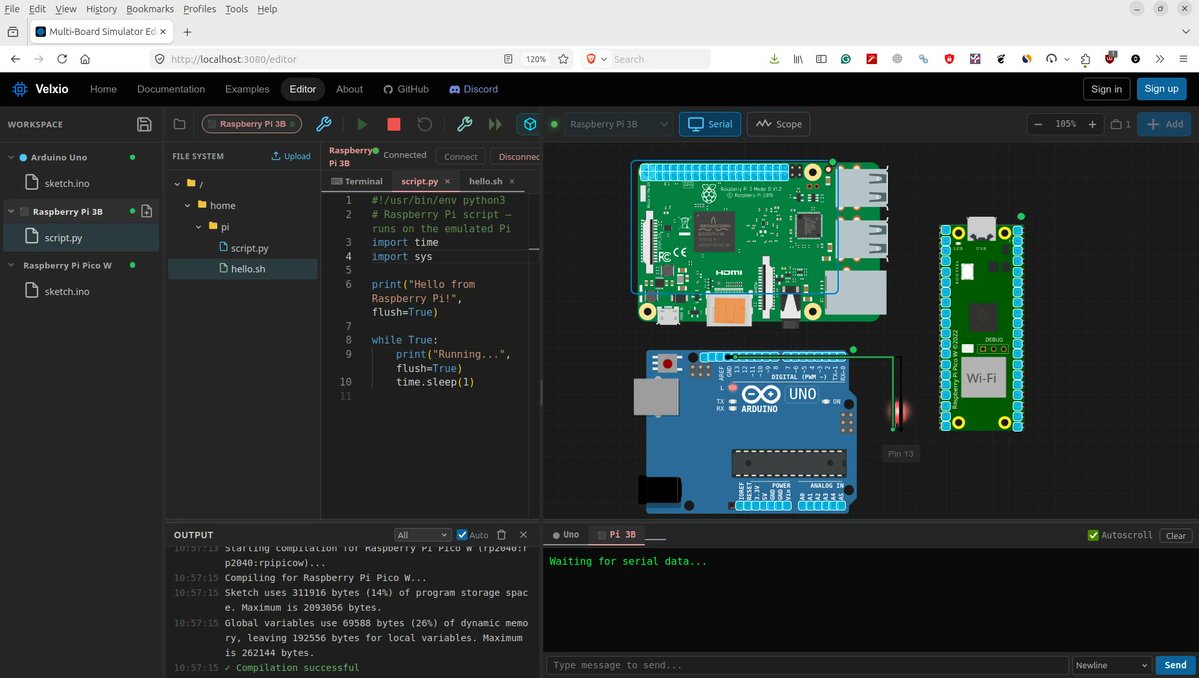
Open-source, self-hosted Arduino, Raspberry Pi, and ESP32 simulator. cnx-software.com/2026/04/04/vel… Like the Wokwi project, Velxio simulates popular development boards right in your web browser. But the difference is that the open-source project can be self-hosted, running on your own machine. The project currently supports 19 boards and 48 components. Other highlights include support for multiple boards (e.g., Arduino connected to ESP32) and full QEMU emulation support for ESP32 and Raspberry Pi 3 (Linux).
CNX Software tweet mediaCNX Software tweet mediaCNX Software tweet media
English

5
228
1.6K
56.8K
kisin retweetledi
Mathieu
Mathieu@miniapeur·
Mathieu tweet media
ZXX
12
783
4.2K
52.6K
kisin retweetledi
Enric Robert
Enric Robert@enricrobert_·
YA ES OFICIAL! 🎉 He lanzado la primera versión de mi SaaS La aplicación se llama Halthia Un software para clínicas y para profesionales de la salud Siendo sincero, no ha sido nada fácil… Currar después del 9-5, noches interminables, fines de semana enteros dándole… Peroooo al final ha salido Decir que ya hay 2 centros usándolo ahora mismo 🤠 Ahora toca lo más difícil para mi... - Distribución (marketing + ventas) Creedme que le daré durísimo y iré documentando todo el proceso Si quieres echarle un ojo a Halthia ves a mi bio y ahí tendrás el enlace Y de verdad, gracias por todo el apoyo que me dais por aquí. Sois enormes 🙏 🛠️ TECNOLOGÍAS Frontend: Angular Backend: Node.js + Express + TypeScript ORM: Prisma DB: PostgreSQL Hosting: Render Email: Resend Storage: Cloudflare R2 Estilos: Tailwind Landing: Next.js (SSR + Vercel) Pagos: Stripe 🤖Herramientas de IA que uso: Claude Code Codex Cursor Si has llegado hasta aquí muchas gracias de verdad Cualquier cosa a mejorar o feedback estaré encantado de leerlo :)
Español
160
111
1.7K
440K
kisin retweetledi
blackorbird
blackorbird@blackorbird·
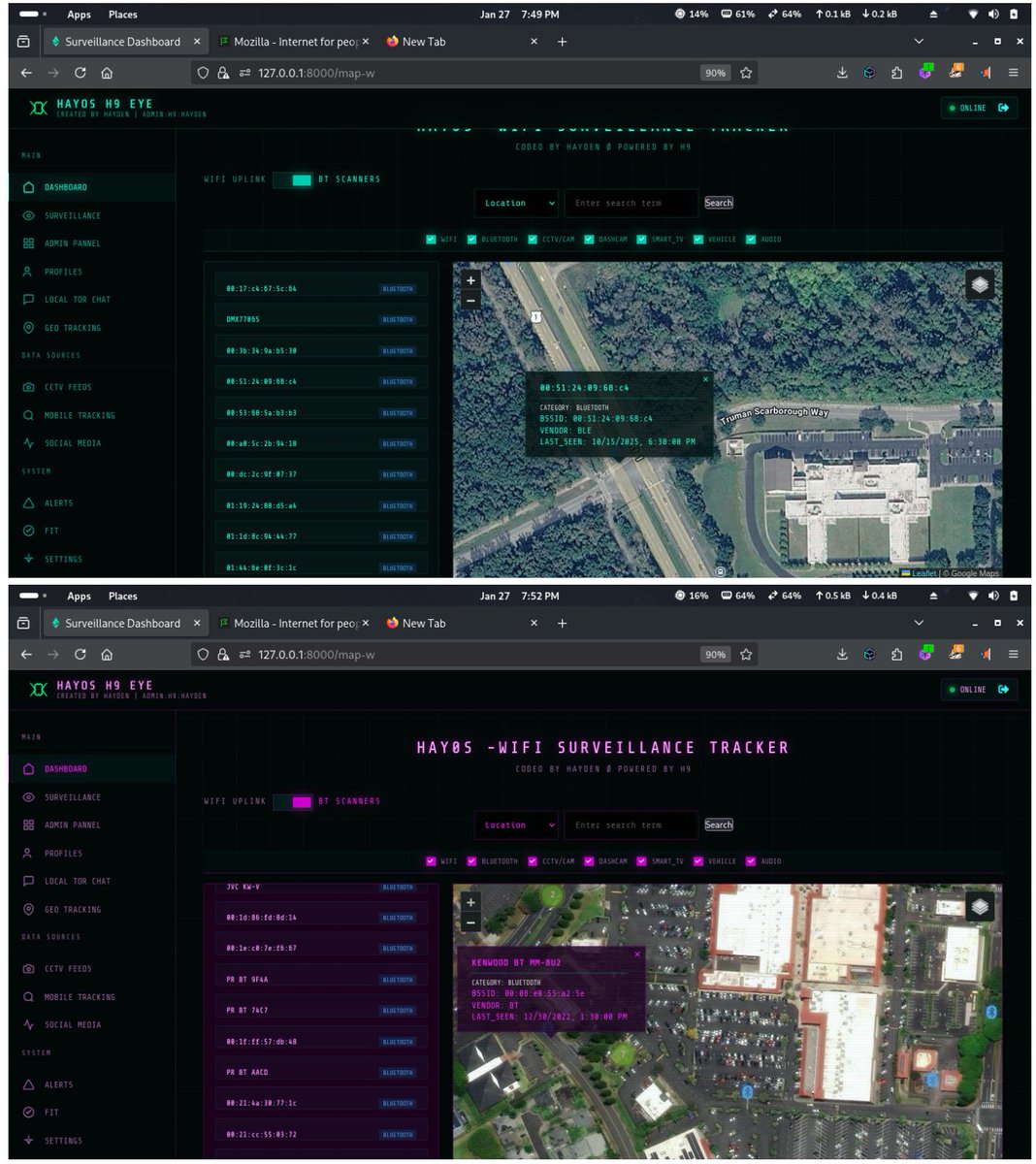
WireTapper is a wireless #OSINT tool that passively detects and maps Wi-Fi, Bluetooth, CCTV cameras, vehicles, headphones, TVs, IoT devices, and cell towers, turning nearby radio signals into clear situational intelligence github.com/h9zdev/WireTap…
blackorbird tweet media
English

6
190
860
33.8K
kisin retweetledi
Mustafa
Mustafa@oprydai·
become a generalist. specialization makes you efficient. generalization makes you dangerous. what it actually means: • learn across domains → math, physics, software, economics, biology. patterns repeat across fields. • connect ideas → innovation happens at the intersection, not inside silos. • adapt fast → when one field shifts, you don’t collapse, you pivot. • see systems → specialists see parts, generalists see the whole • build end-to-end → from idea → design → implementation → delivery the world rewards specialists in stable environments. it rewards generalists when things are changing. right now, everything is changing. don’t just go deep. go wide, then stack depth where it matters.
Mustafa tweet media
English
175
858
4.4K
196.5K
kisin retweetledi
Lμη4
Lμη4@stgbluna·
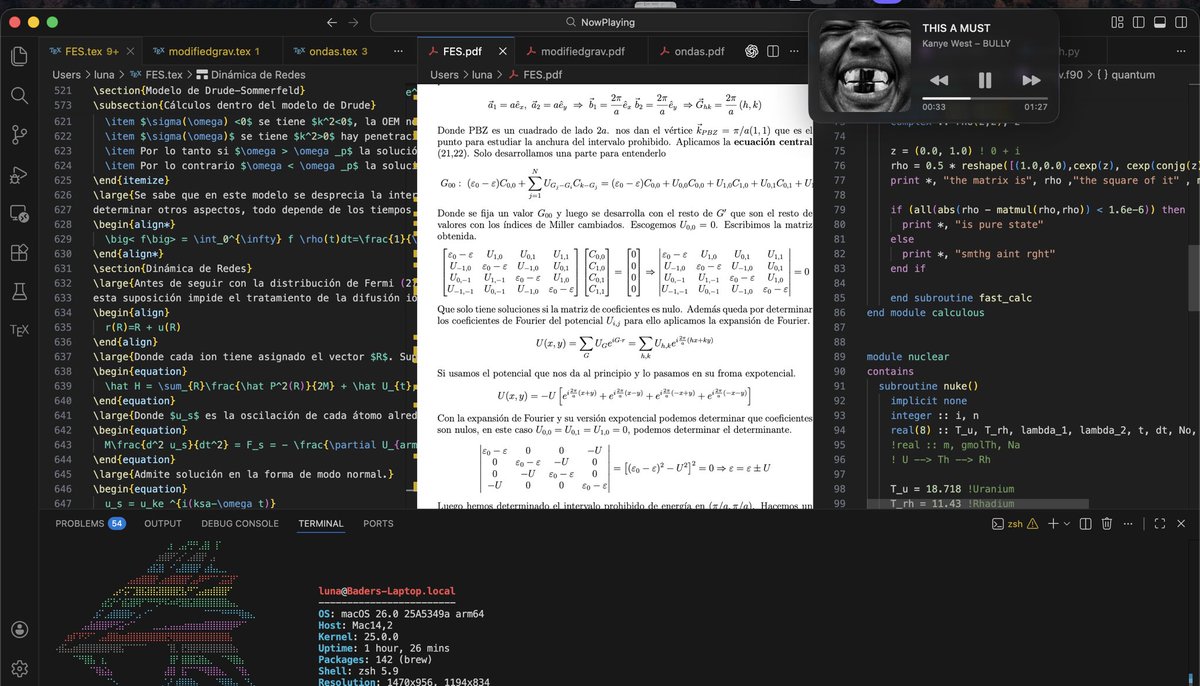
menudo pov
Lμη4 tweet media
Slovenščina
12
24
481
44.6K
kisin retweetledi
Claes Spett (.PrØÐiGy)
Building a web interface option to my rootkit.
Claes Spett (.PrØÐiGy) tweet media
English
7
19
386
12.9K
kisin retweetledi
RossRadio
RossRadio@cqcqcqdx·
How Fiber-Optic Works:
RossRadio tweet media
English
2
58
364
6.6K
kisin retweetledi
divyansh
divyansh@Divyansh91565·
Started today.. Wish me luck
divyansh tweet media
English

59
157
2.7K
77.7K
kisin retweetledi
Brian Roemmele
Brian Roemmele@BrianRoemmele·
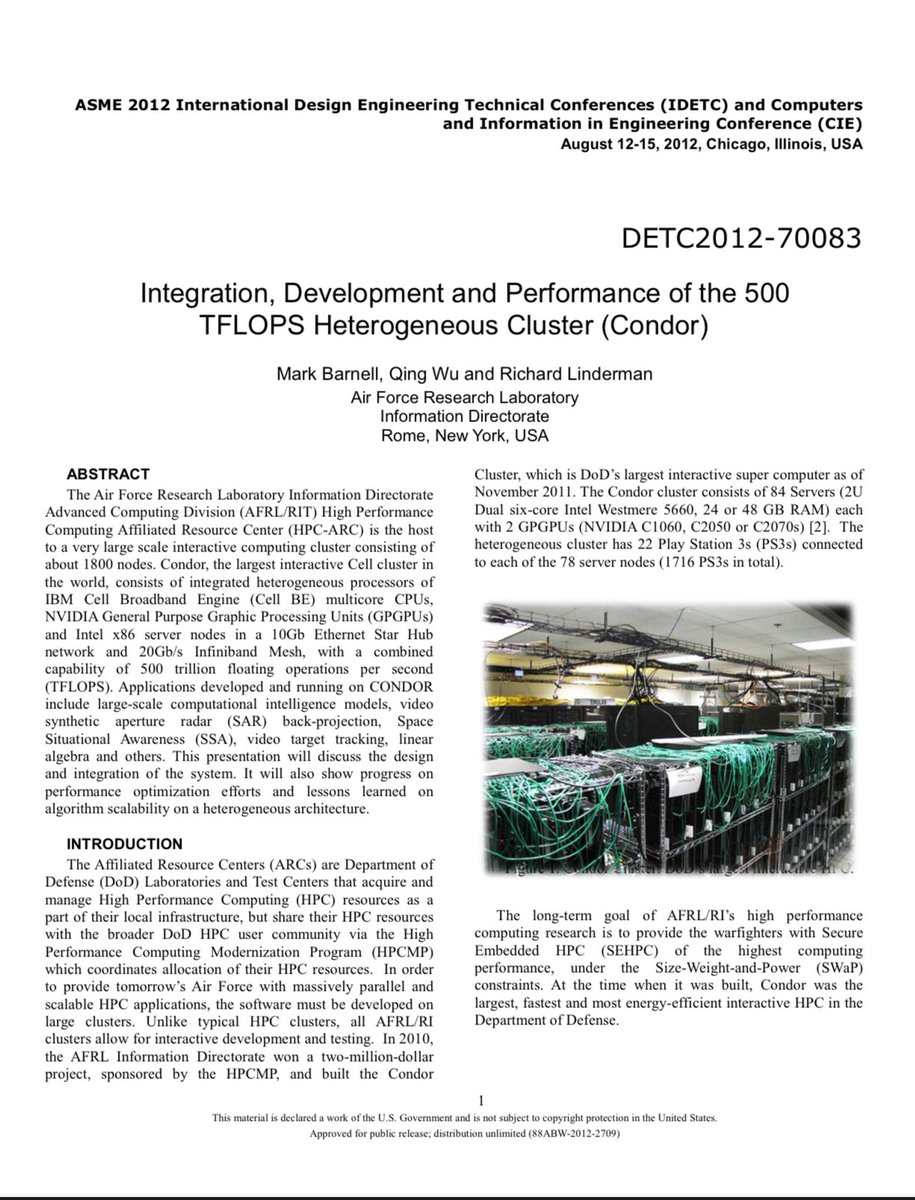
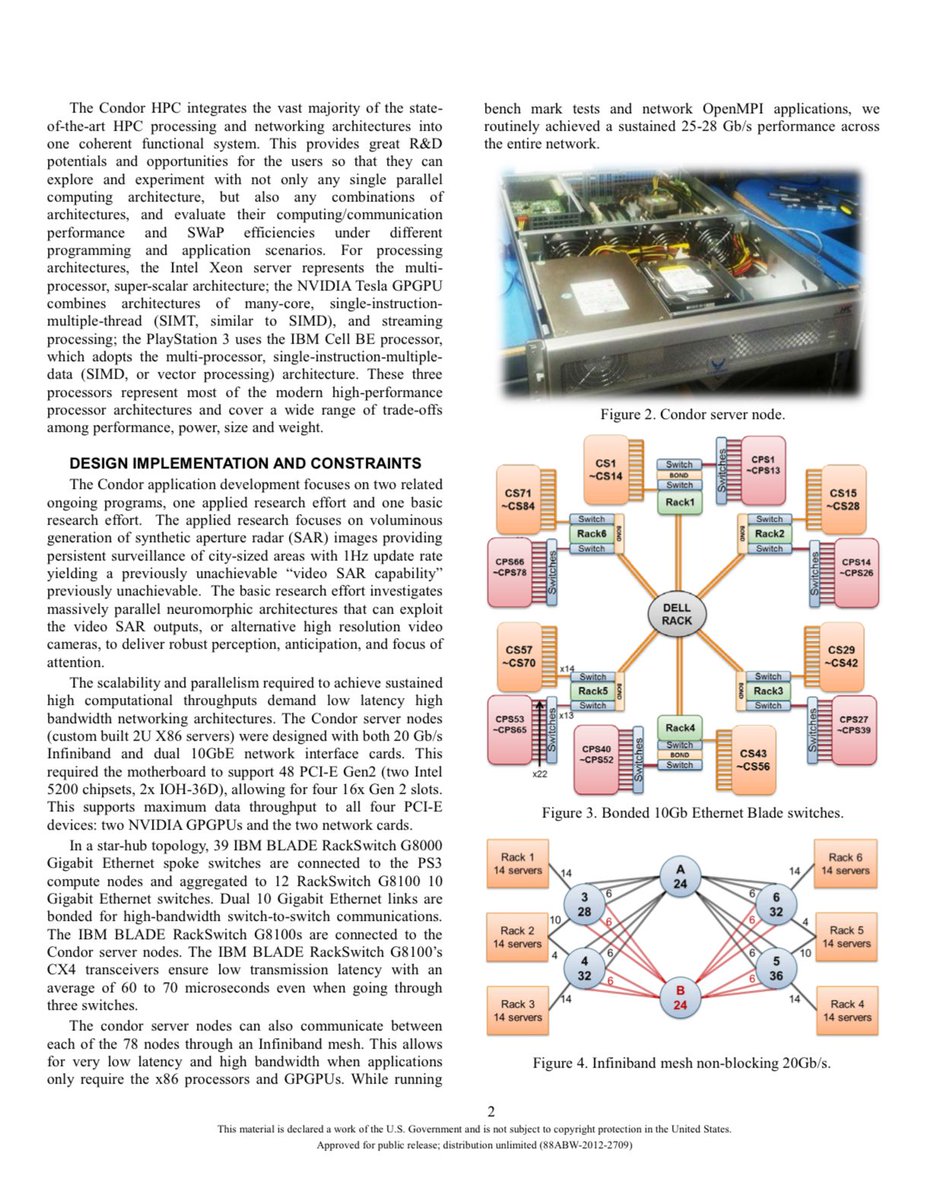
How the U.S. Air Force Turned PlayStations into a Supercomputer In the late 2000s, deep inside the Air Force Research Laboratory (AFRL) in Rome, New York, a small team of engineers stared at a familiar problem: the Department of Defense desperately needed massive computing power for real-world defense work: processing high-definition satellite imagery, enhancing radar signals, spotting patterns in intelligence data, and experimenting with early artificial intelligence. Traditional supercomputers could do the job, but they came with a brutal price tag: tens of millions of dollars, sky-high energy bills, and months of procurement red tape. Budgets were tight. Time was shorter. Then Mark Barnell, director of high-performance computing at AFRL, had a spark of genius that sounded almost like a joke around the water cooler: What if we used Sony PlayStation 3s? The idea wasn’t as crazy as it sounded. The PS3, released in 2006, hid a technological marvel inside its sleek black case: the Cell Broadband Engine processor, co-designed by Sony, Toshiba, and IBM. This wasn’t just a gaming chip; it packed seven high-speed “synergistic processing elements” (SPEs) that excelled at the exact kind of parallel, vectorized calculations needed for scientific workloads. Even better, Sony had built in an “Other OS” feature that let users install Linux. The consoles were cheap (around $400 each on the military’s bulk-buy discount), power-efficient, and already mass-produced by the millions thanks to the gaming market. Comparable specialized hardware would have cost $10,000 per unit. Barnell and his team started small around 2006–2008, buying a handful of PS3s, ripping out the game discs, installing Linux, and clustering them together. The results were astonishing. Early experiments proved the consoles could handle heavy scientific computing far better than anyone outside the lab expected. They published the first glimpse of their breakthrough in a technical paper on algorithm optimizations for PS3 clusters. Emboldened, they scaled up. By November 2010, they had assembled the Condor Cluster: 1,760 PlayStation 3 consoles (some counts cite 1,716 as the exact core), networked with 168 GPUs and 84 coordinating servers running dual quad-core Intel Xeons. The final machine delivered a blistering 500 teraflops (500 trillion floating-point operations per second). It ranked as the 33rd fastest supercomputer on the planet and the fastest *interactive* computer in the entire Department of Defense. Total cost? Roughly $2 million: about one-tenth of what a traditional system would have demanded. Power consumption? A mere fraction of the energy a conventional supercomputer would gulp down. The creativity was off the charts. This wasn’t just thriftiness; it was pure hacker ingenuity applied at the highest levels of national security. Instead of waiting for billion-dollar custom hardware, the team looked at the consumer electronics aisle and saw a supercomputer in disguise. They turned gaming consoles: devices meant for Call of Duty marathons into a classified workhorse for analyzing spy-plane imagery, optimizing synthetic aperture radar, and exploring neuromorphic “computational intelligence.” It was MacGyver meets Manhattan Project: resourceful, playful, and brilliantly subversive. Engineers joked that the PlayStations were “the only supercomputer you could buy at Best Buy.” The Condor Cluster ran for years, delivering mission-critical insights until it was decommissioned around 2015. Sony later patched out the “Other OS” feature in a firmware update, but the Air Force already had its fleet safely locked away. The project proved that sometimes the most powerful weapons aren’t built in secret labs: they’re bought off the shelf and reimagined.
Brian Roemmele tweet mediaBrian Roemmele tweet media
English
14
79
381
14.8K
kisin retweetledi
Aman
Aman@Amank1412·
16 useful websites that will make you a better developer:
Aman tweet media
English
3
188
1.3K
31.2K
kisin retweetledi
Nav Toor
Nav Toor@heynavtoor·
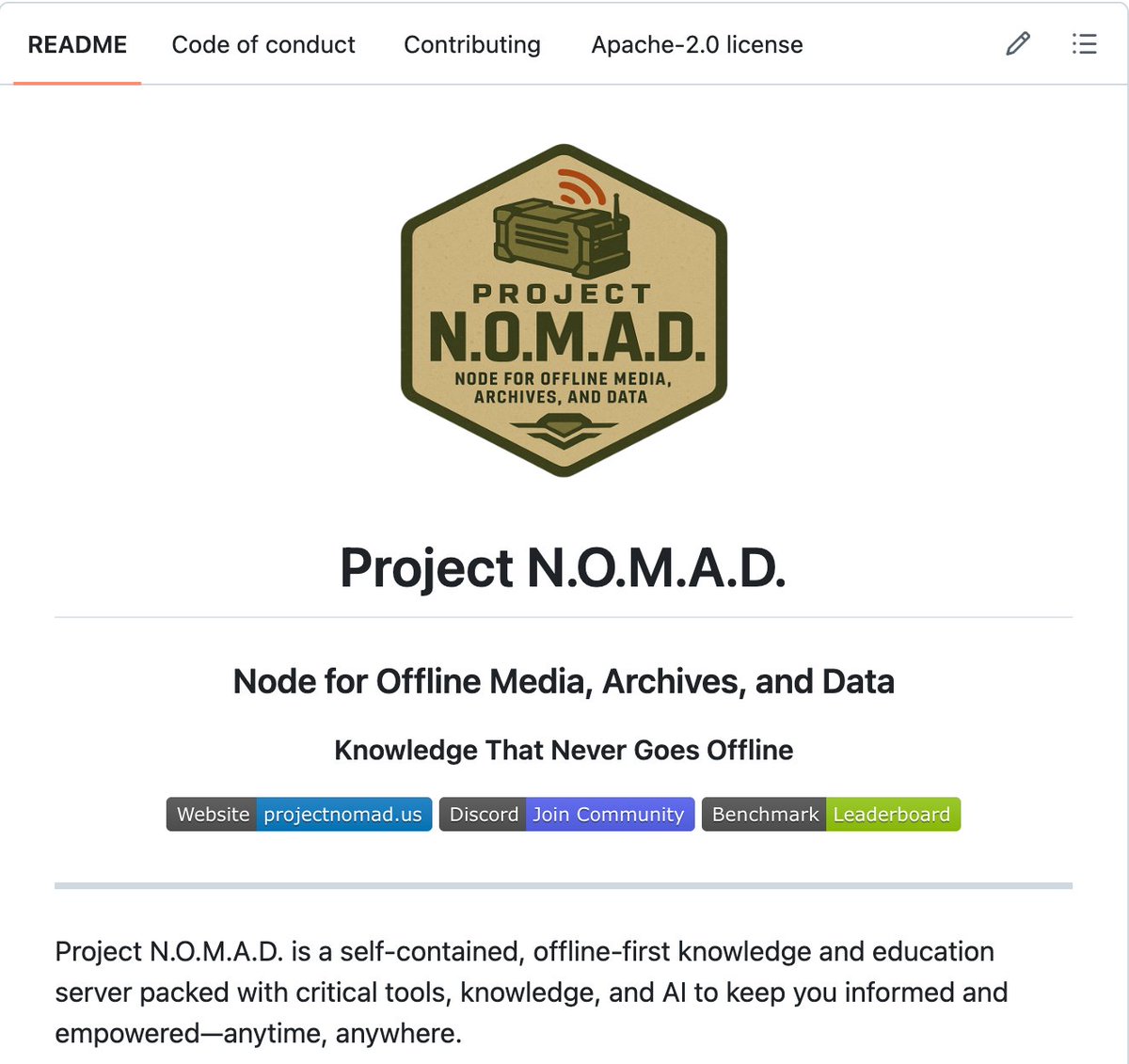
🚨Someone just open sourced a computer that works when the entire internet goes down. It's called Project N.O.M.A.D. A self-contained offline survival server with AI, Wikipedia, maps, medical references, and full education courses. No internet. No cloud. No subscription. It just works. Here's what's packed inside: → A local AI assistant powered by Ollama (works fully offline) → All of Wikipedia, downloadable and searchable → Offline maps of any region you choose → Medical references and survival guides → Full Khan Academy courses with progress tracking → Encryption and data analysis tools via CyberChef → Document upload with semantic search (local RAG) Here's the wildest part: A solar panel, a battery, a mini PC, and a WiFi access point. That's it. That's your entire off-grid knowledge station. 15 to 65 watts of power. Works from a cabin, an RV, a sailboat, or a bunker. Companies sell "prepper drives" with static PDFs for $185. This gives you a full AI brain, an entire encyclopedia, and real courses for free. One command to install. 100% Open Source. Apache 2.0 License.
Nav Toor tweet media
English
598
4K
24.1K
1.2M
kisin retweetledi
Nalin
Nalin@nalinrajput23·
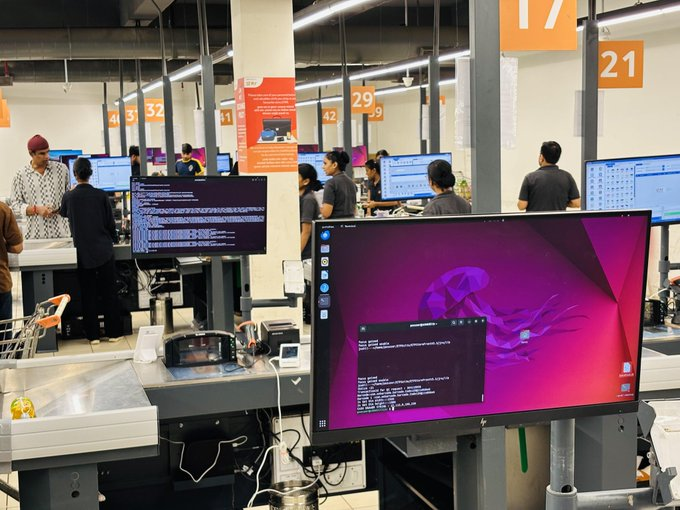
Supermarkets run on Linux… and you’re still thinking about it?
Nalin tweet media
English
48
129
2.4K
72.3K
kisin retweetledi
RossRadio
RossRadio@cqcqcqdx·
RossRadio tweet media
ZXX
5
236
1.1K
20.5K