Alabama AA Civil Rights Heritage Sites Consortium

1.3K posts

Alabama AA Civil Rights Heritage Sites Consortium banner
Alabama AA Civil Rights Heritage Sites Consortium

Alabama AA Civil Rights Heritage Sites Consortium

@AAACRHSC

20 sites in Montgomery, Birmingham, Selma & Black Belt working to preserve the historic structures that form #TheCradleOfTheMovement

Entrou em Mayıs 2018
225 Seguindo223 Seguidores
Tweet fixado
Alabama AA Civil Rights Heritage Sites Consortium
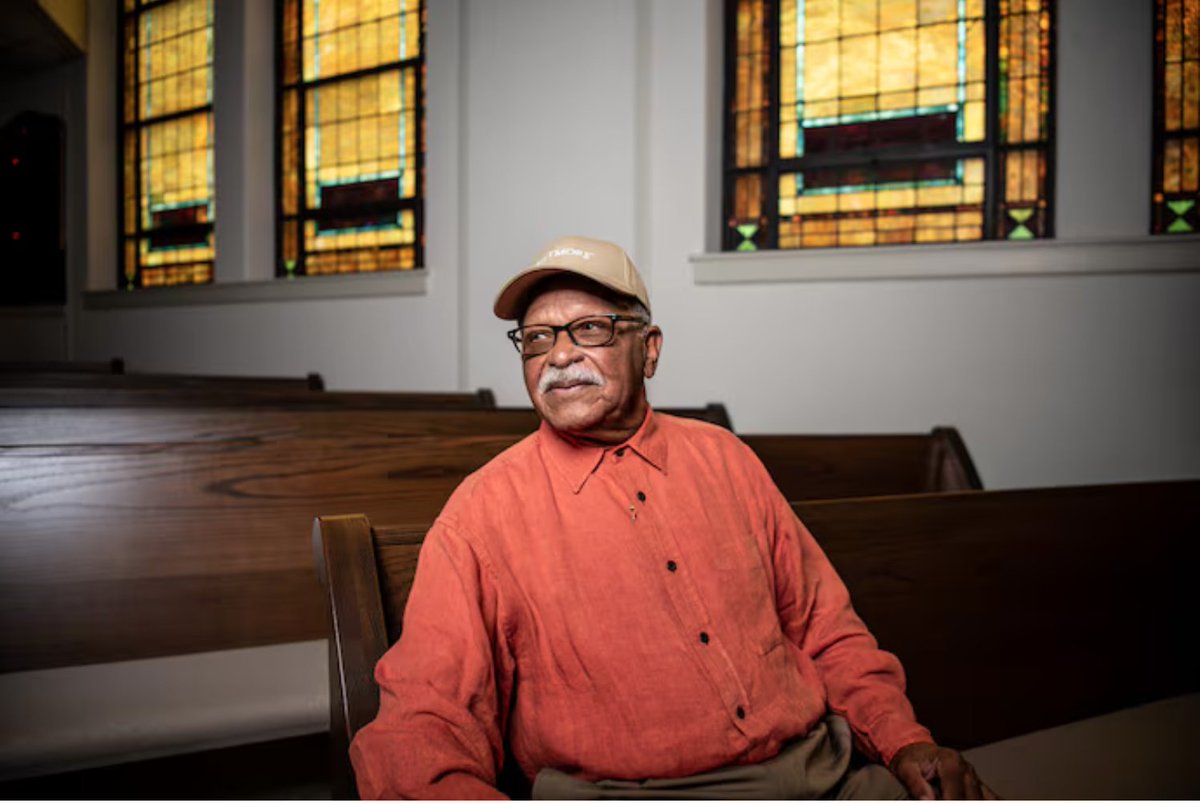
📣 History lives in the voices of those who lived it. In 1958, a young janitor named James Pruitt helped prevent what could have been a deadly bombing at Birmingham’s Temple Beth-El. His story—once untold—is now being preserved thanks to an oral history initiative led by our very own Executive Director, Lukata Mjumbe. This powerful interview, conducted as part of the Alabama African American Civil Rights Heritage Sites Consortium’s Evidence of Things Not Seen project, was recently featured in The Washington Post. But this vital work is now under threat—federal cuts have jeopardized the future of our oral history and youth programs, including the exhibit planned to mark the 60th anniversary of the Voting Rights Act. 🗣️ We are racing against time to preserve the firsthand accounts of elders whose stories may otherwise be lost forever. This is why we do what we do—and why this work must continue. 📖 Read Mr. Pruitt’s story here: washingtonpost.com/nation/2025/06… 🙏🏾 Support our work: aaacrhsc.org/donate #OralHistory #CivilRights #BirminghamHistory #JewishBlackSolidarity #TempleBethEl #HeritageMatters #SaveOurStories #AAACRHSC #EvidenceOfThingsNotSeen
Alabama AA Civil Rights Heritage Sites Consortium tweet media
English
0
2
2
165
Alabama AA Civil Rights Heritage Sites Consortium
On this day in 1981, Michael Donald, a 19-year-old Black man, was murdered in Mobile, Alabama, in an act of racial terror carried out by members of the Ku Klux Klan. His killing was intended to send a message of white supremacy, but it instead exposed the ongoing threat of racist violence long after the Civil Rights Movement is often said to have ended. Michael Donald’s death, and his mother Beulah Donald’s courageous pursuit of justice, led to criminal convictions and a landmark civil lawsuit that helped dismantle one of the nation’s most powerful white supremacist organizations. Remembering Michael Donald reminds us that confronting racial violence, preserving truth, and holding systems accountable remain essential to the work of civil rights today. Learn more about the history and legacy we work to preserve at aaacrhsc.org. Photo courtesy of Wilbur Williams
Alabama AA Civil Rights Heritage Sites Consortium tweet media
English
0
0
1
29
Alabama AA Civil Rights Heritage Sites Consortium
We have lost so many civil rights giants recently. In this moment, we pause to remember and honor the life and legacy of Dr. Bernard LaFayette Jr., who passed away earlier this month. A champion of nonviolence and a key architect of the Selma voting rights campaign, Dr. LaFayette stood on the front lines of the movement as a Freedom Rider, SNCC leader, and lifelong advocate for justice. His work helped lay the foundation for the Voting Rights Act of 1965 and shaped generations of organizers committed to nonviolent social change. From Nashville to Selma and beyond, he dedicated his life to building community, developing local leadership, and advancing a vision of justice rooted in courage and compassion. We honor his legacy by continuing the work. Let us not forget his name, his teachings, and the path he helped create. Photo credit: Auburn University
Alabama AA Civil Rights Heritage Sites Consortium tweet media
English
0
2
4
29
Alabama AA Civil Rights Heritage Sites Consortium
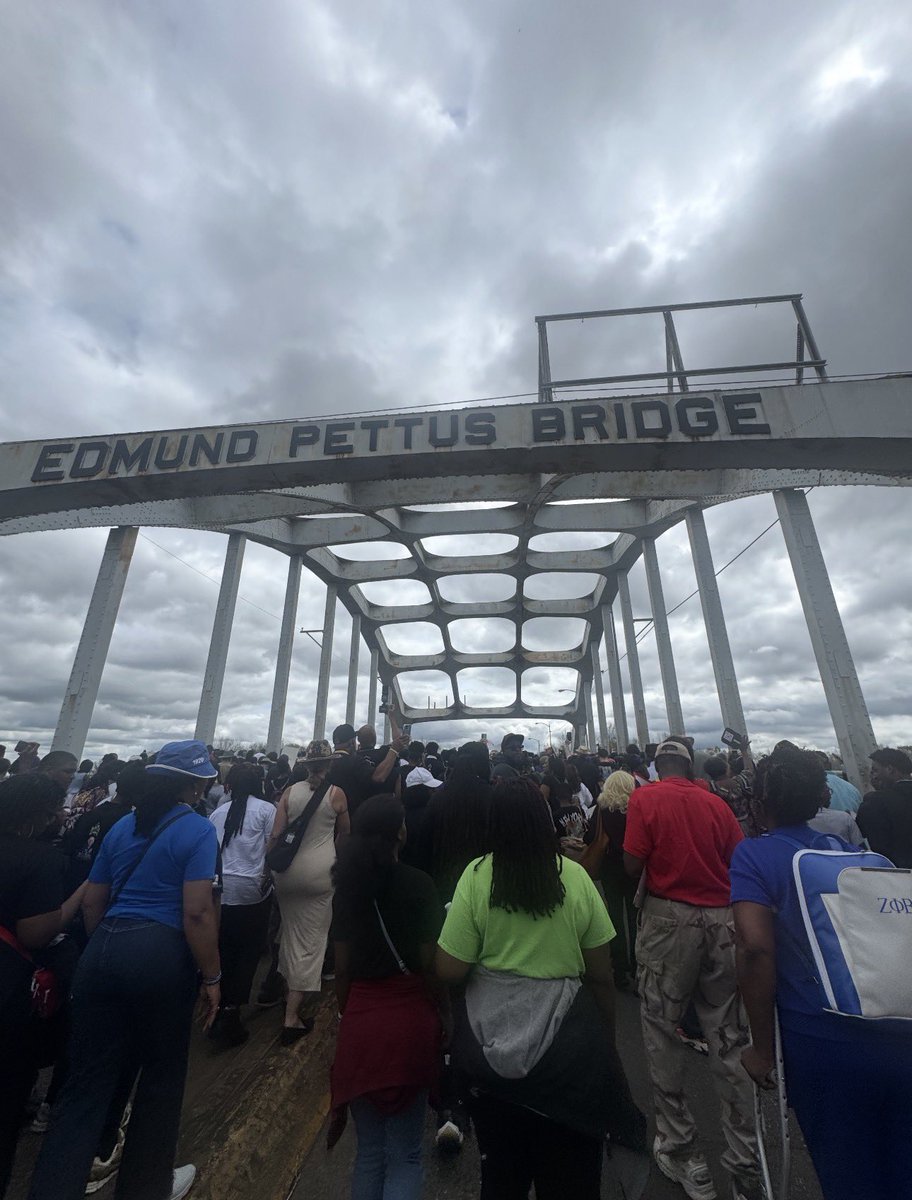
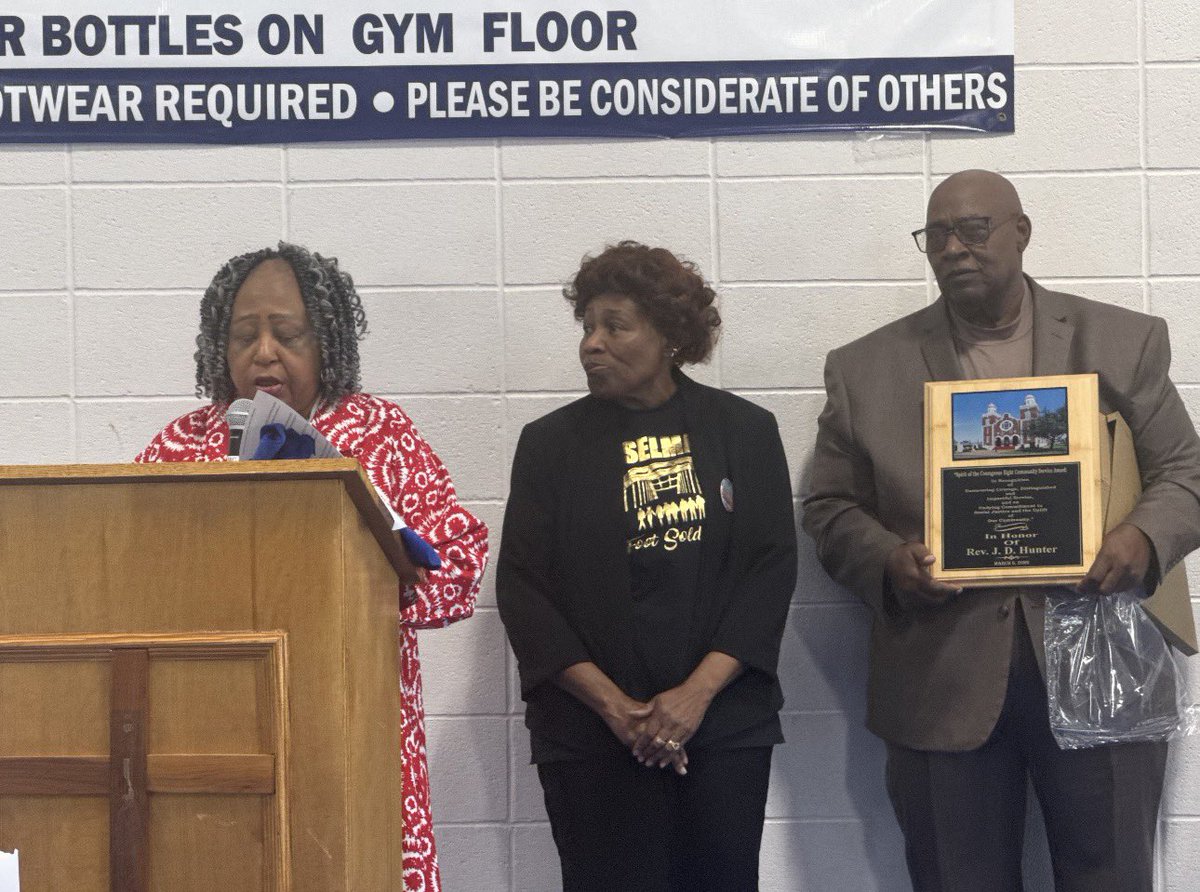
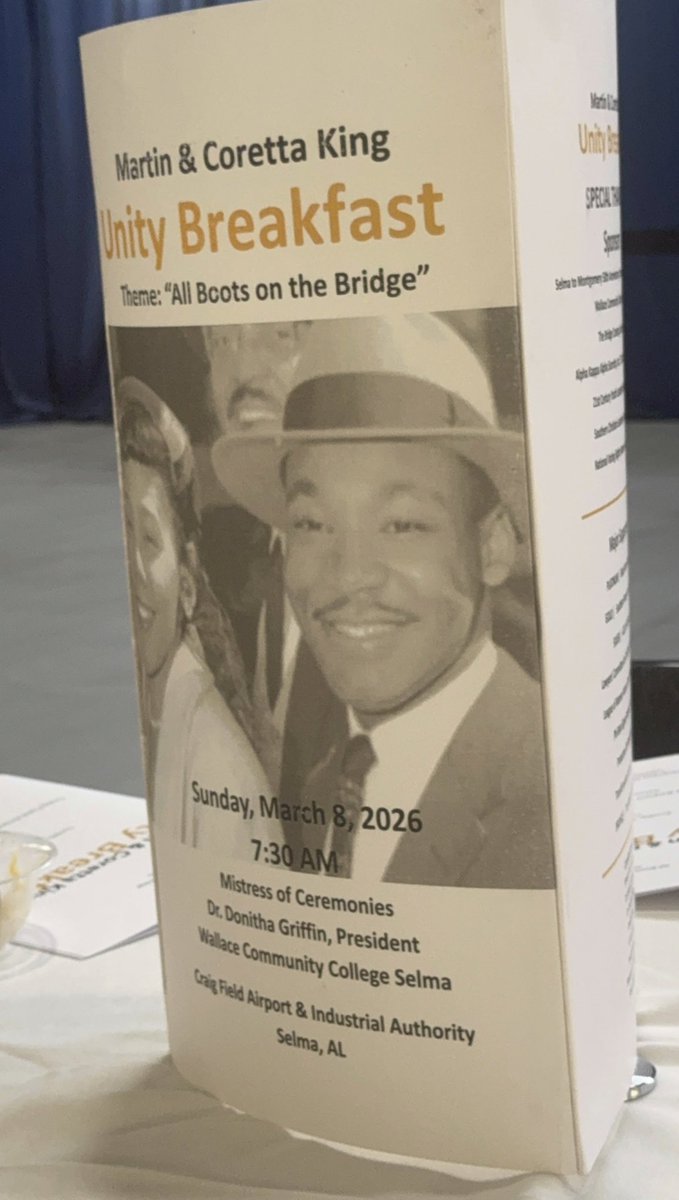
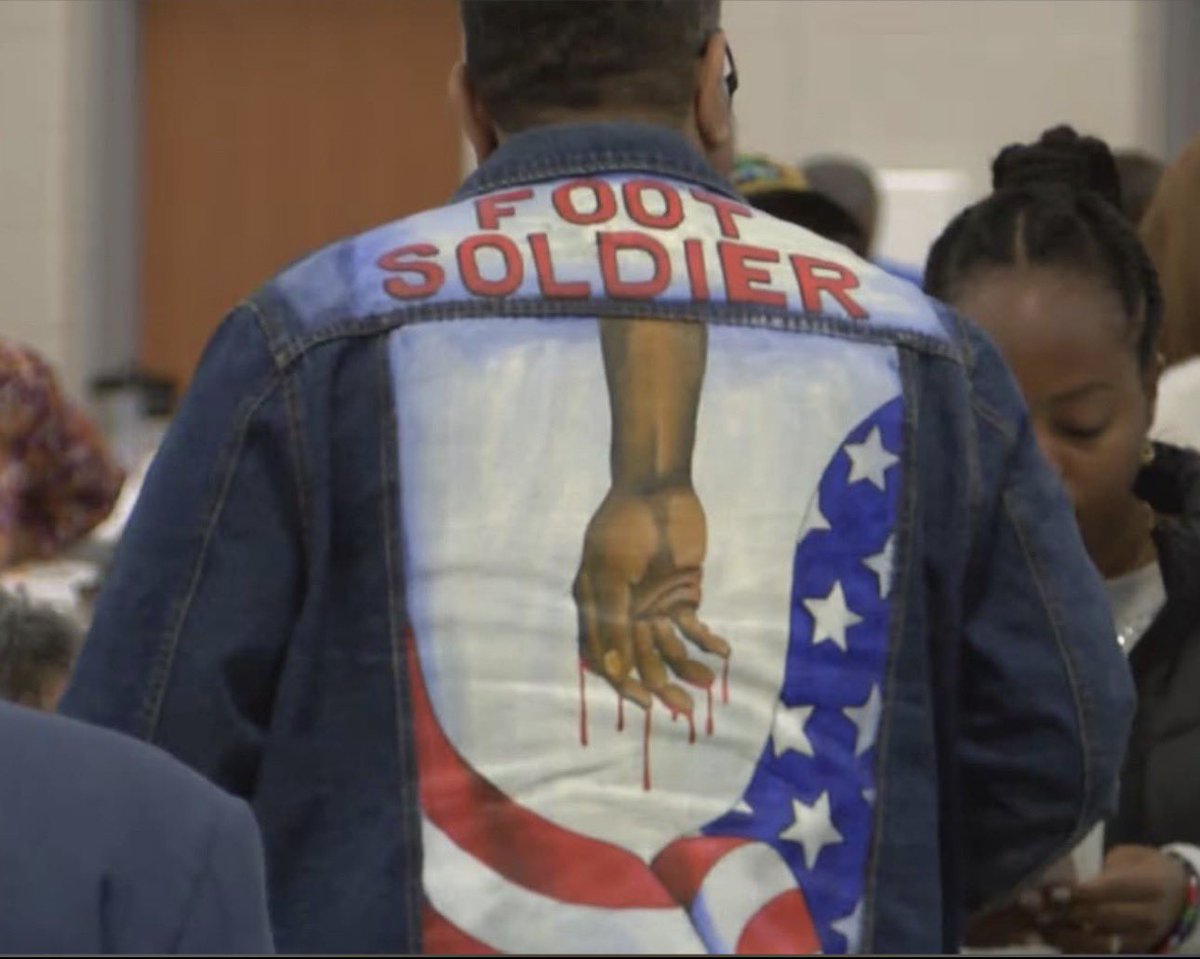
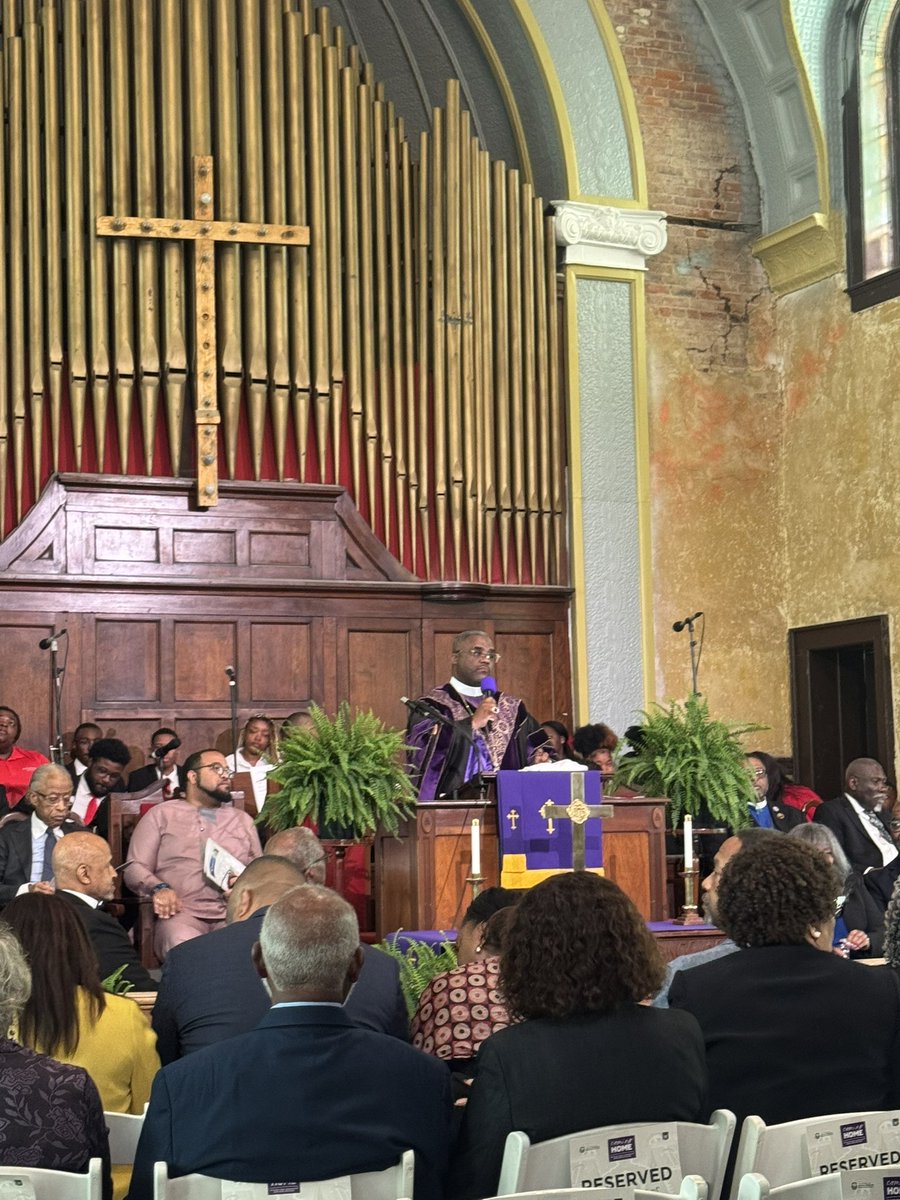
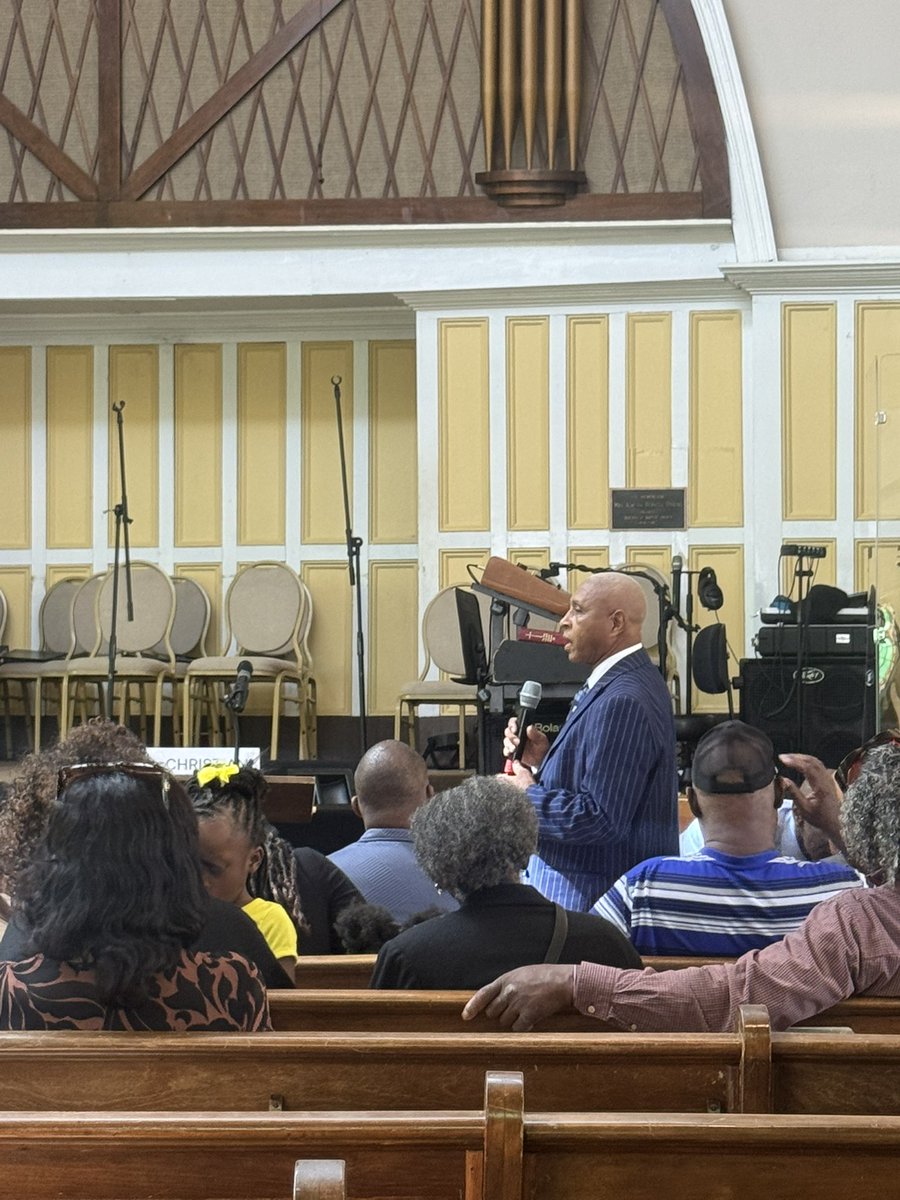
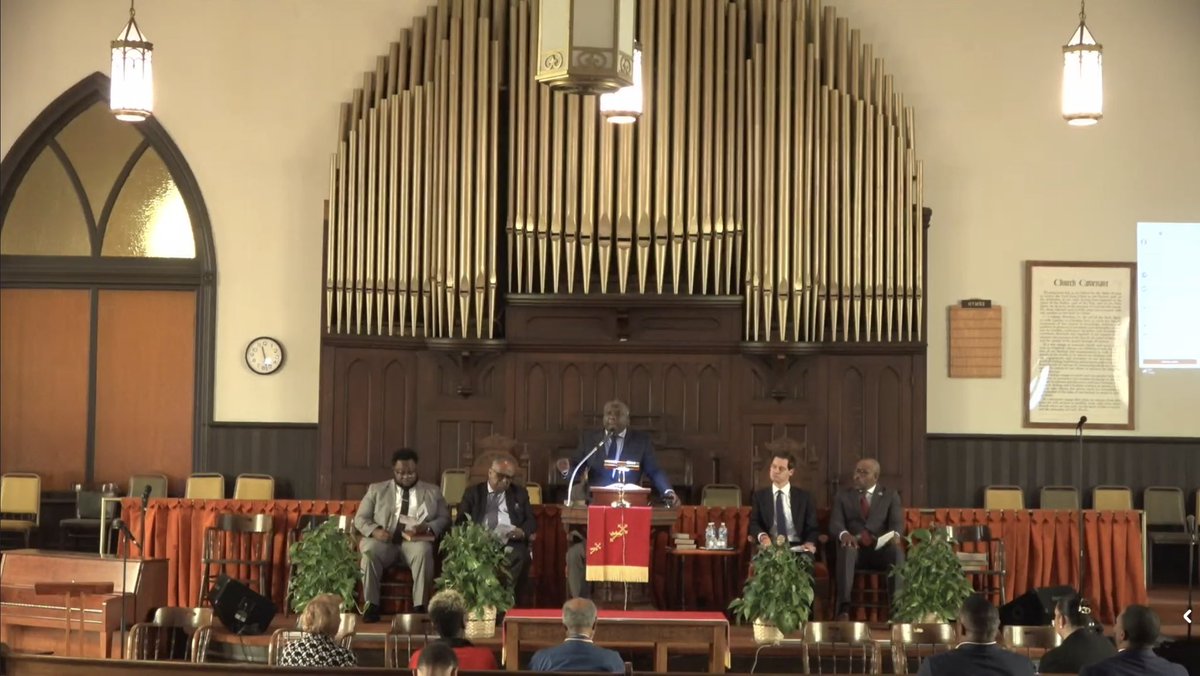
More moments from the 61st Annual Selma Bridge Crossing Jubilee. This past weekend’s Jubilee brought together community members, visitors, leaders, and activists from across the country to honor the legacy of the Selma to Montgomery march and the ongoing fight for voting rights. Congratulations to everyone who helped make this year’s commemoration meaningful, and special recognition to the Alabama African American Civil Rights Heritage Sites Consortium member sites in Selma that participated in the weekend’s events: Brown Chapel AME Church, Tabernacle Baptist Church, and First (Colored) Baptist Church. Thank you to all who continue to preserve these sacred spaces and carry forward the stories of courage, community, and collective action that changed the nation. More photos from the 61st Annual Selma Bridge Crossing Jubilee.
Alabama AA Civil Rights Heritage Sites Consortium tweet mediaAlabama AA Civil Rights Heritage Sites Consortium tweet mediaAlabama AA Civil Rights Heritage Sites Consortium tweet mediaAlabama AA Civil Rights Heritage Sites Consortium tweet media
English
0
0
2
25
Alabama AA Civil Rights Heritage Sites Consortium
On this day in 1965, the Reverend James Reeb died from injuries sustained after being violently attacked in Selma, Alabama, for standing in solidarity with the fight for Black voting rights. He had traveled to Selma in response to a call from Dr. Martin Luther King Jr. urging clergy to bear witness after the brutality at the Edmund Pettus Bridge.   Rev. Reeb’s death underscored the deadly consequences of racial hatred and drew national attention to the violence facing the movement in Selma. Alongside the sacrifices of local Black activists and organizers, his killing helped accelerate federal action, contributing to the momentum that led to the passage of the Voting Rights Act of 1965.  Learn more about Selma’s role in the movement and our Consortium member sites there at aaacrhsc.org.  Photo courtesy of the National Civil Rights Museum.
Alabama AA Civil Rights Heritage Sites Consortium tweet media
English
0
3
6
108
Alabama AA Civil Rights Heritage Sites Consortium
This past weekend, Selma welcomed visitors from across the country for the 61st Annual Selma Bridge Crossing Jubilee, commemorating the historic struggle for voting rights and honoring those who marched for justice in 1965. We extend our congratulations and appreciation to the Alabama African American Civil Rights Heritage Sites Consortium member sites in Selma that helped host and participate in this year’s Jubilee events: Brown Chapel AME Church, Tabernacle Baptist Church Selma, and First African Baptist Church. These sacred spaces served as organizing centers, meeting places, and pillars of the movement during the fight for voting rights, and they continue to carry that legacy forward today. Thank you to everyone who gathered in Selma this weekend to remember, reflect, and recommit to the ongoing work of protecting democracy. For more information about these historic sites and their stories, visit aaacrhsc.org. Photo highlights from the 61st Annual Selma Bridge Crossing Jubilee.
Alabama AA Civil Rights Heritage Sites Consortium tweet mediaAlabama AA Civil Rights Heritage Sites Consortium tweet mediaAlabama AA Civil Rights Heritage Sites Consortium tweet media
English
0
2
2
31
Alabama AA Civil Rights Heritage Sites Consortium
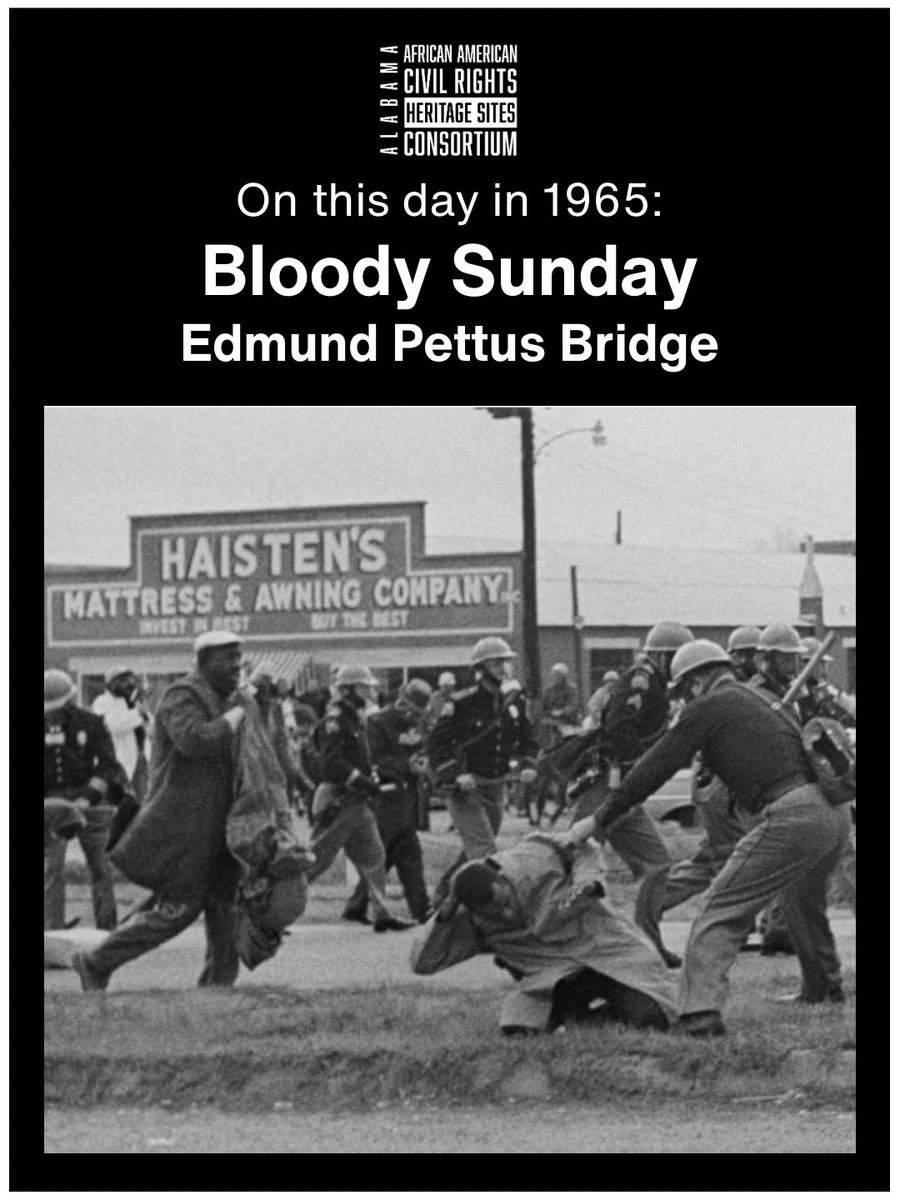
On this day in 1965, peaceful voting rights advocates were met with shocking violence as they attempted to march from Selma to Montgomery. As they crossed the Edmund Pettus Bridge, state and local law enforcement attacked men, women, and children whose only demand was equal access to the ballot. The images that emerged from Selma awakened the conscience of the nation and helped push the struggle for voting rights to the forefront of public life, leading to the passage of the Voting Rights Act later that year. Several Alabama African American Civil Rights Heritage Sites Consortium member sites in Selma were directly involved in this moment, serving as organizing hubs, places of refuge, and enduring symbols of resistance whose stories continue to shape our democracy. Each year, Selma commemorates these events through the Selma Bridge Crossing Jubilee, an annual series of programs, commemorations, and community gatherings honoring the legacy of Bloody Sunday and the ongoing fight for voting rights. Events are taking place throughout this week in Selma as part of the annual Jubilee. To learn more about events and view the full schedule, visit selmajubilee.com. Learn more about these historic sites and their legacy at aaacrhsc.org. Photo courtesy of AP Photos.
Alabama AA Civil Rights Heritage Sites Consortium tweet media
English
1
3
4
78
Alabama AA Civil Rights Heritage Sites Consortium
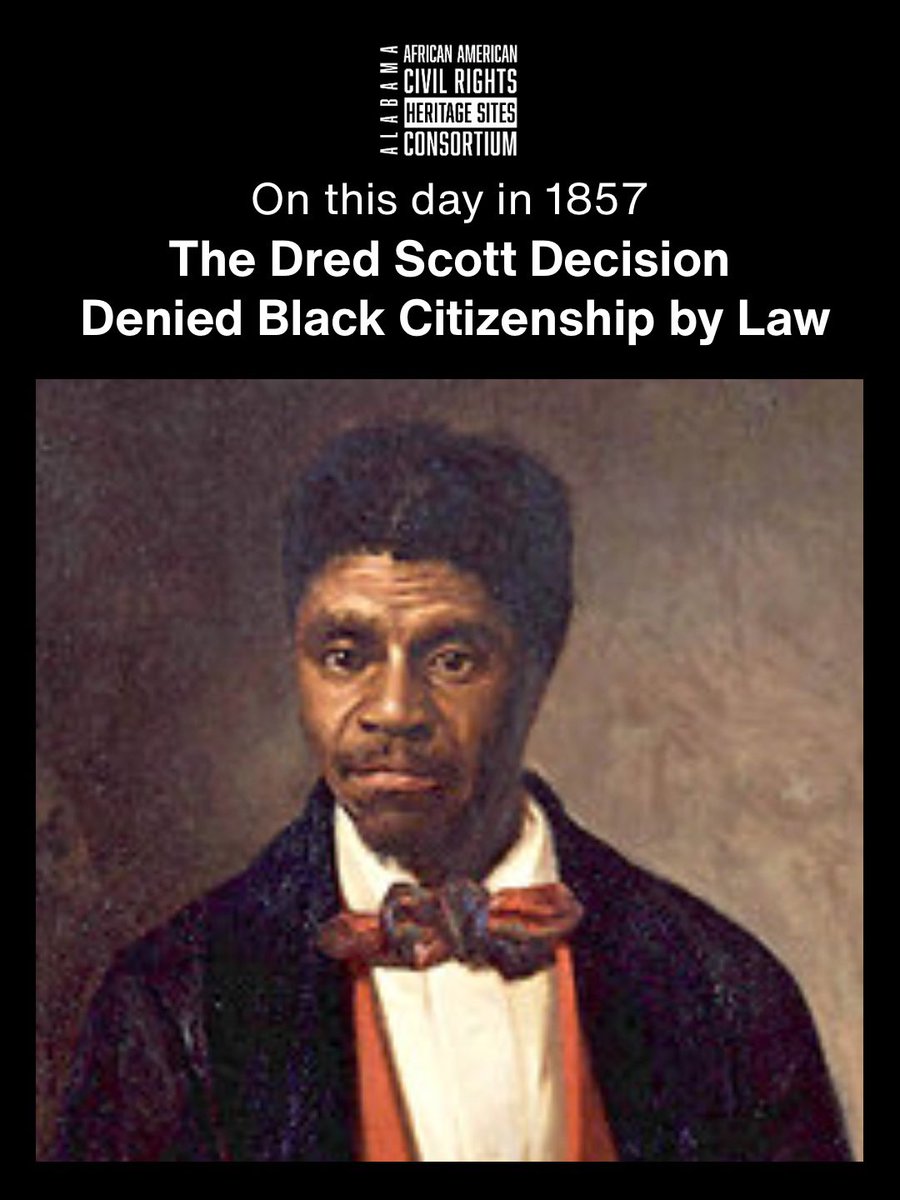
On this day in 1857, Dred Scott and his family were denied freedom by the U.S. Supreme Court in one of the most devastating decisions in American history. The Court ruled that Black people could not be citizens and had no rights the nation was bound to respect, reinforcing slavery and racial hierarchy in law.  Rather than settling the question of slavery, the decision deepened national divisions and exposed how the legal system was used to uphold injustice. Remembering Dred Scott reminds us that the fight for civil rights has long been waged in courts as well as in communities, and that justice has often required persistent resistance to unjust laws.  Learn more about the history and legacy of the Black freedom struggle at aaacrhsc.org.  Photo courtesy of the Missouri Historical Society.
Alabama AA Civil Rights Heritage Sites Consortium tweet media
English
0
0
1
17
Alabama AA Civil Rights Heritage Sites Consortium
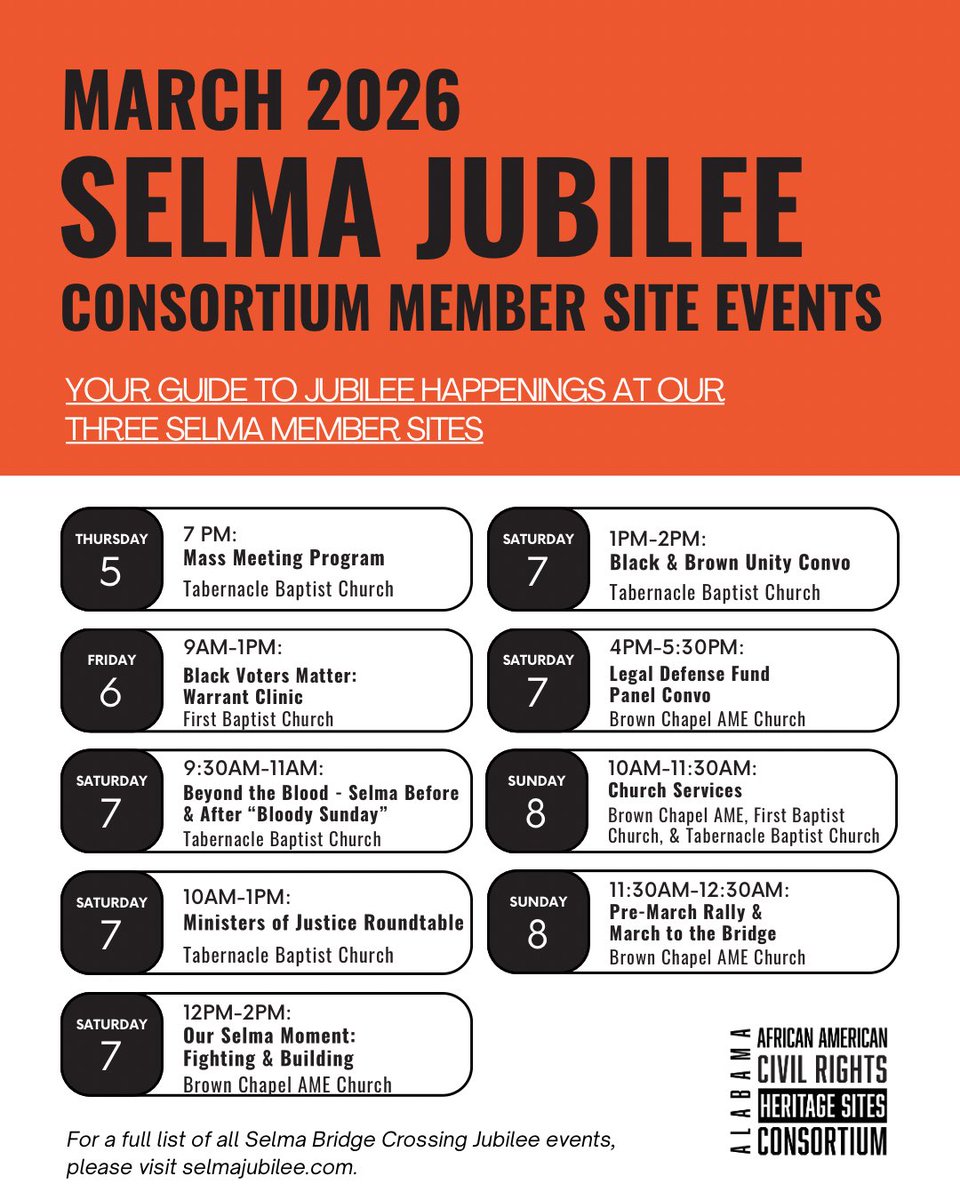
It’s that time of year again. Join us in Selma this week for the 61st Annual Selma Bridge Crossing Jubilee. Below is a snapshot of events taking place at our three Consortium member sites as part of this week’s commemorations. This is just a portion of the many events happening throughout the city. For a full list of Jubilee events, please visit selmajubilee.com.
Alabama AA Civil Rights Heritage Sites Consortium tweet media
English
0
0
1
24
Alabama AA Civil Rights Heritage Sites Consortium
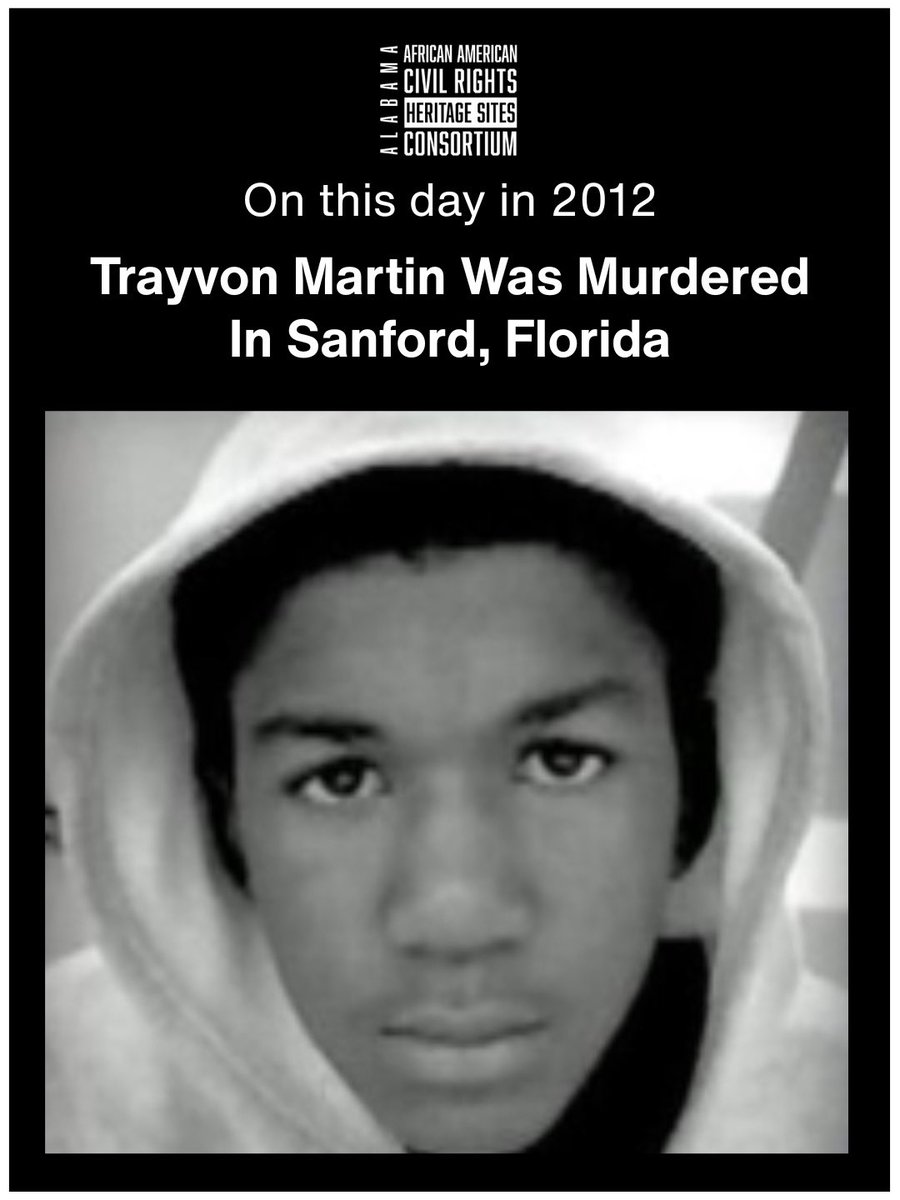
On this day in 2012, Trayvon Martin, a 17-year-old Black teenager, was fatally shot while walking home in Sanford. He was unarmed, carrying only a drink and snacks, yet was perceived as a threat and lost his life as a result of racial profiling and vigilante violence.  Trayvon Martin’s death sparked national outrage and forced a renewed conversation about race, policing, and the unequal application of justice in America. Remembering this moment reminds us that the struggle for civil rights is ongoing, and that the fight for safety, dignity, and accountability remains as urgent today as ever.  Learn more about the history and continuing legacy of the Black freedom struggle at aaacrhsc.org.
Alabama AA Civil Rights Heritage Sites Consortium tweet media
English
0
0
0
44
Alabama AA Civil Rights Heritage Sites Consortium
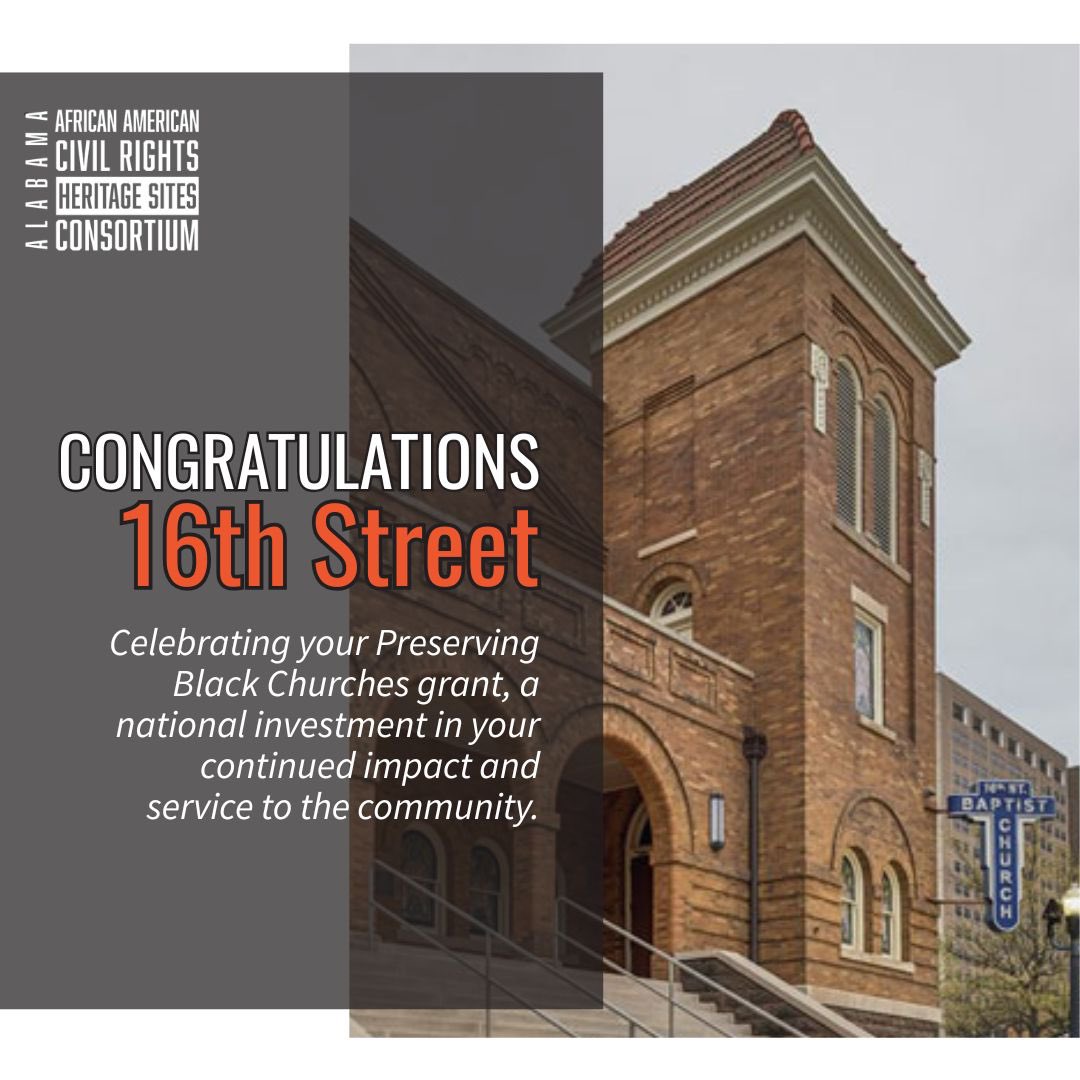
Congratulations to Sixteenth Street Baptist Church on receiving a Preserving Black Churches grant from the National Trust for Historic Preservation’s African American Cultural Heritage Action Fund. This year, the Action Fund has awarded a historic $13.5 million in preservation funding to historically Black churches across the country, and 16th Street is among this year’s grantees under the Organizational Capacity Building category. The grant will support hiring a Director of Development and advancing a preservation endowment and fundraising campaign to strengthen the church’s long-term sustainability. As a valued member of the Alabama African American Civil Rights Heritage Sites Consortium, we celebrate this continued investment in protecting and strengthening one of the most significant historic sites in our state and our nation.
Alabama AA Civil Rights Heritage Sites Consortium tweet media
English
0
0
0
17
Alabama AA Civil Rights Heritage Sites Consortium
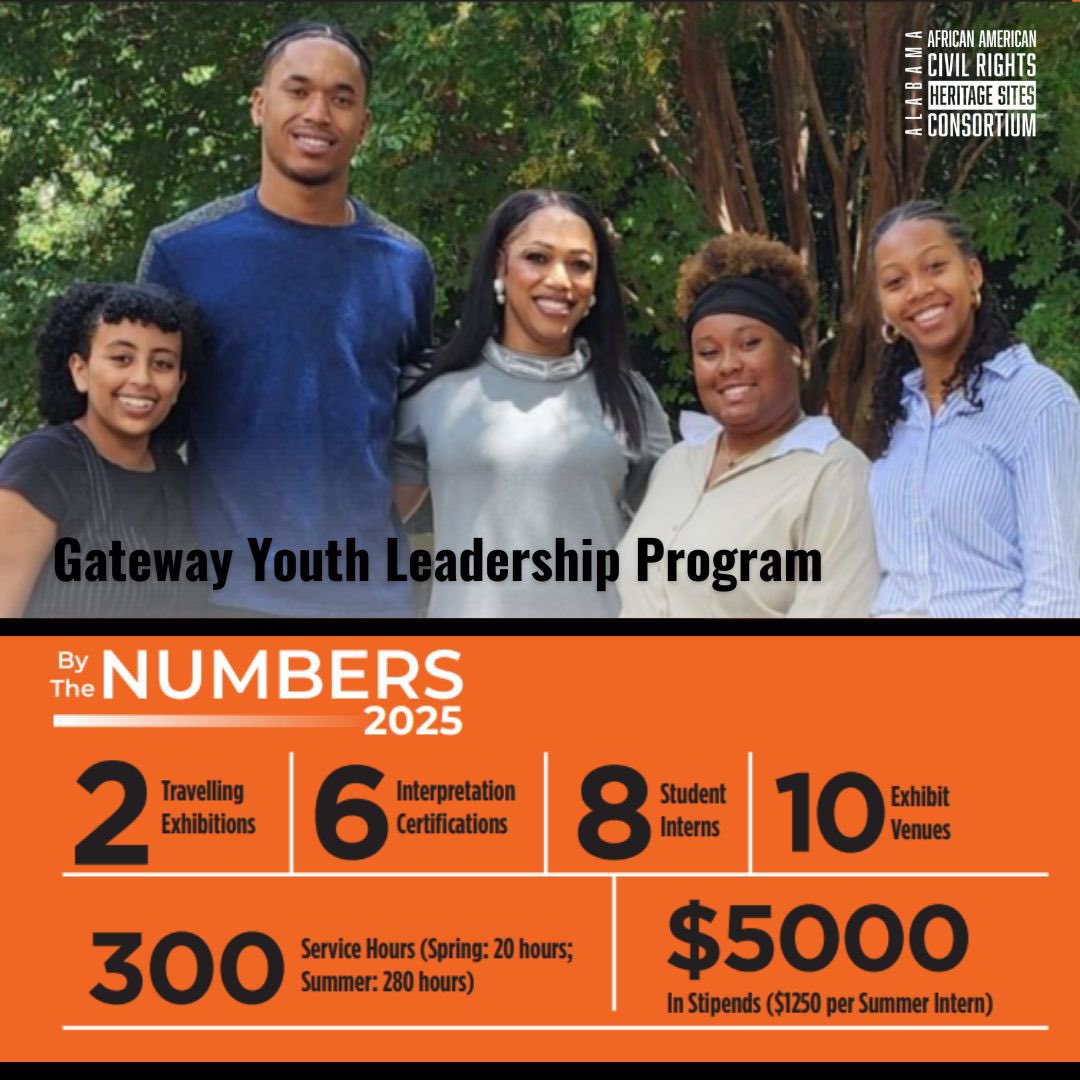
The Gateway Youth Program continues to grow. In 2025, our interns helped lead 2 traveling exhibitions, earned 6 Interpretation Certifications, and served across 10 exhibit venues. Eight student interns contributed a combined 300 service hours, with $5,000 invested in stipends to support their work. From Birmingham to Selma, these young leaders are helping preserve history, strengthen interpretation, and carry forward the legacy of the Civil Rights Movement. Read more in our 2025 Impact Report, now available on our website: aaacrhsc.org/wp-content/upl…
Alabama AA Civil Rights Heritage Sites Consortium tweet media
English
0
0
0
16
Alabama AA Civil Rights Heritage Sites Consortium
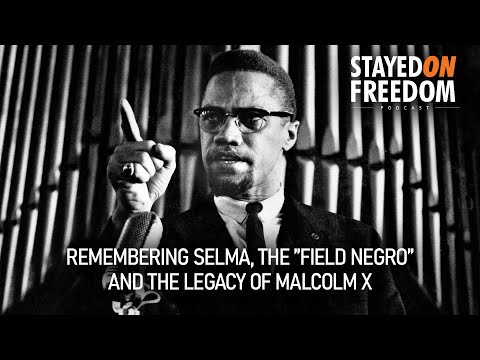
On this day in 1965, Malcolm X was assassinated while speaking at the Audubon Ballroom in Manhattan. His life and work challenged the nation to confront racism, power, and self-determination, leaving a legacy that continues to shape movements for justice today.  To honor that legacy, we invite you to listen to Episode 11 of our Stayed On Freedom podcast, featuring a powerful conversation with his daughter, Dr. Ilyasah Shabazz. “Remembering Selma, the ‘Field Negro,’ and the Legacy of Malcolm X” reflects on his impact and the ongoing struggle for freedom.  Watch on YouTube: youtube.com/watch?v=NqDPOD…  Also available on Apple Podcasts and Spotify.  Learn more about our work and stories we preserve at aaacrhsc.org.
YouTube video
YouTube
Alabama AA Civil Rights Heritage Sites Consortium tweet media
English
0
0
2
23
Alabama AA Civil Rights Heritage Sites Consortium
Yesterday, the world lost an icon. We are deeply saddened to learn of the passing of Joanne Bland, freedom fighter and co founder of the National Voting Rights Museum. At just 11 years old, Joanne marched across the Edmund Pettus Bridge on March 7, 1965, later known as Bloody Sunday. She was among the youngest participants in the movement. Her courage as a child and her lifelong commitment to sharing Selma’s story helped educate generations about the fight for voting rights. We extend our heartfelt condolences to her family and to the Selma community. May her life and legacy continue to inspire us to protect and strengthen the right to vote.
Alabama AA Civil Rights Heritage Sites Consortium tweet media
English
1
6
7
284
Alabama AA Civil Rights Heritage Sites Consortium
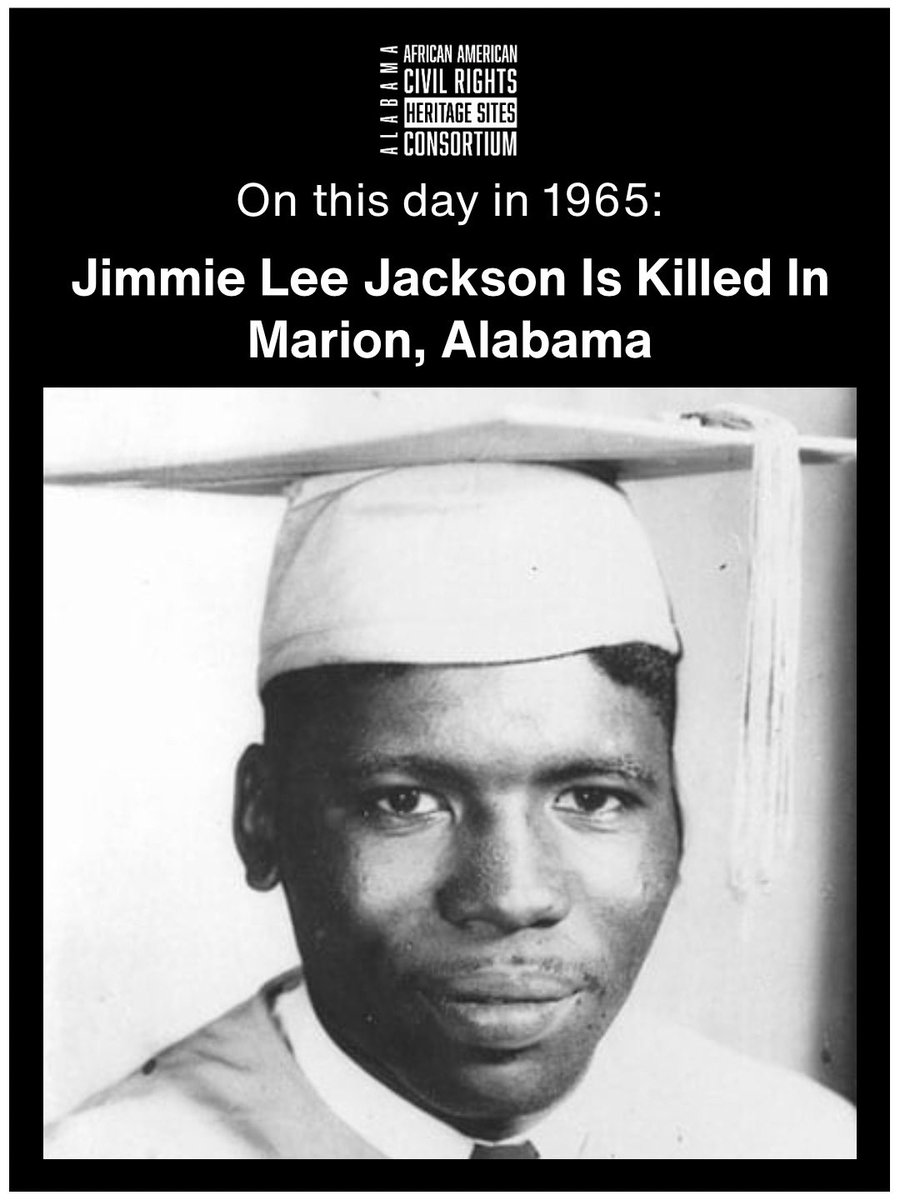
On this day in 1965, civil rights activist Jimmie Lee Jackson was fatally shot by an Alabama State Trooper while trying to protect his mother and grandfather during a peaceful protest in Marion, Alabama. His death laid bare the violence used to suppress Black political participation across the Black Belt.  In the days that followed, grief and outrage fueled renewed organizing in Selma, leading directly to the Selma to Montgomery voting rights marches and the historic crossing of the Edmund Pettus Bridge. Several Alabama African American Civil Rights Heritage Sites Consortium member sites in Selma were central to this movement, serving as organizing spaces, sanctuaries, and symbols of resistance whose stories continue to shape our understanding of the struggle for voting rights.  Learn more about these sites and their enduring legacy at aaacrhsc.org.  Photo courtesy of the Southern Poverty Law Center.
Alabama AA Civil Rights Heritage Sites Consortium tweet media
English
0
0
0
31
Alabama AA Civil Rights Heritage Sites Consortium
Our 2025 Annual Impact Report has officially been released. Last year, the Alabama African American Civil Rights Heritage Sites Consortium continued the work of preserving historic Black sacred spaces, protecting authentic civil rights stories, and promoting the legacy of the movement across our network of sites. In 2025, we: • Released nine podcast episodes amplifying civil rights voices • Invested in youth leadership through the Gateway Youth Leadership Program • Strengthened preservation efforts at member sites • Expanded tours, interpretation, and community engagement across Birmingham and beyond This report reflects the collective work of our site leaders, partners, supporters, interns, and community members. We are grateful for what was accomplished in 2025 — and committed to building on that impact in 2026. Read the full 2025 Annual Impact Report here: aaacrhsc.org/wp-content/upl… Preserving the legacy. Protecting the sites. Promoting the stories.
Alabama AA Civil Rights Heritage Sites Consortium tweet media
English
0
0
0
9
Alabama AA Civil Rights Heritage Sites Consortium
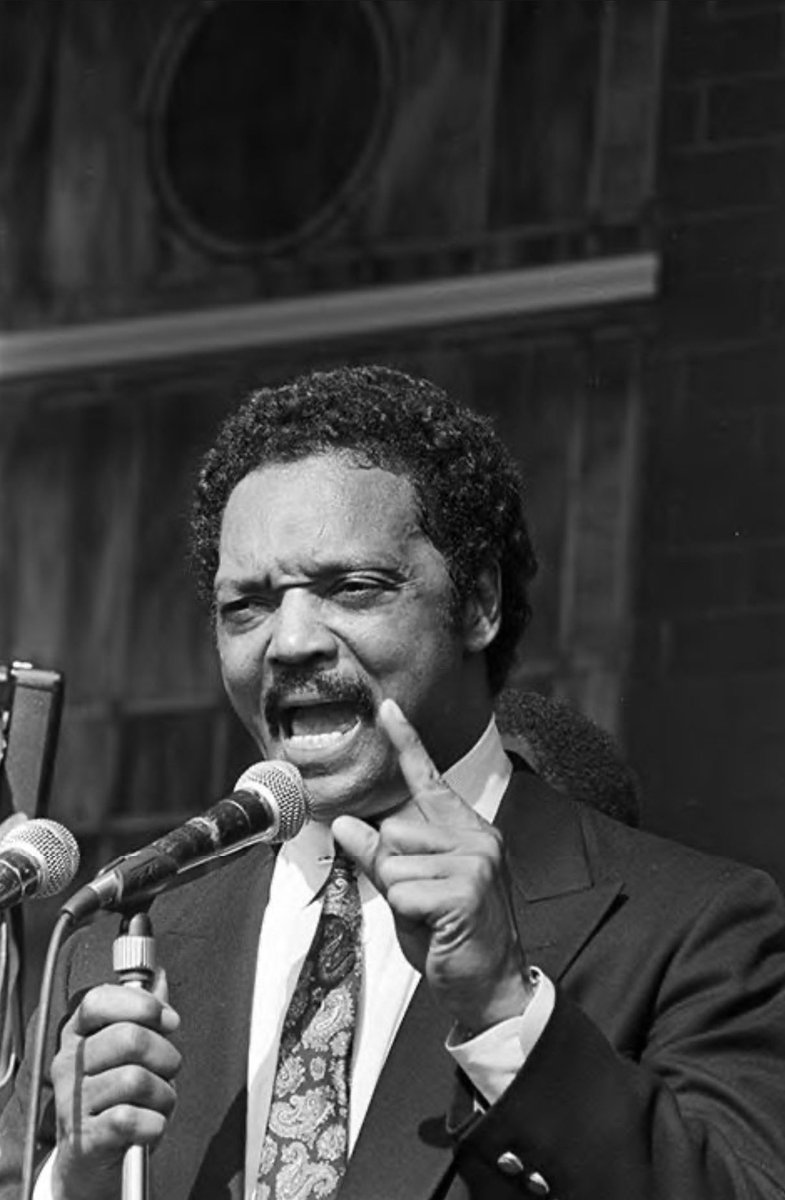
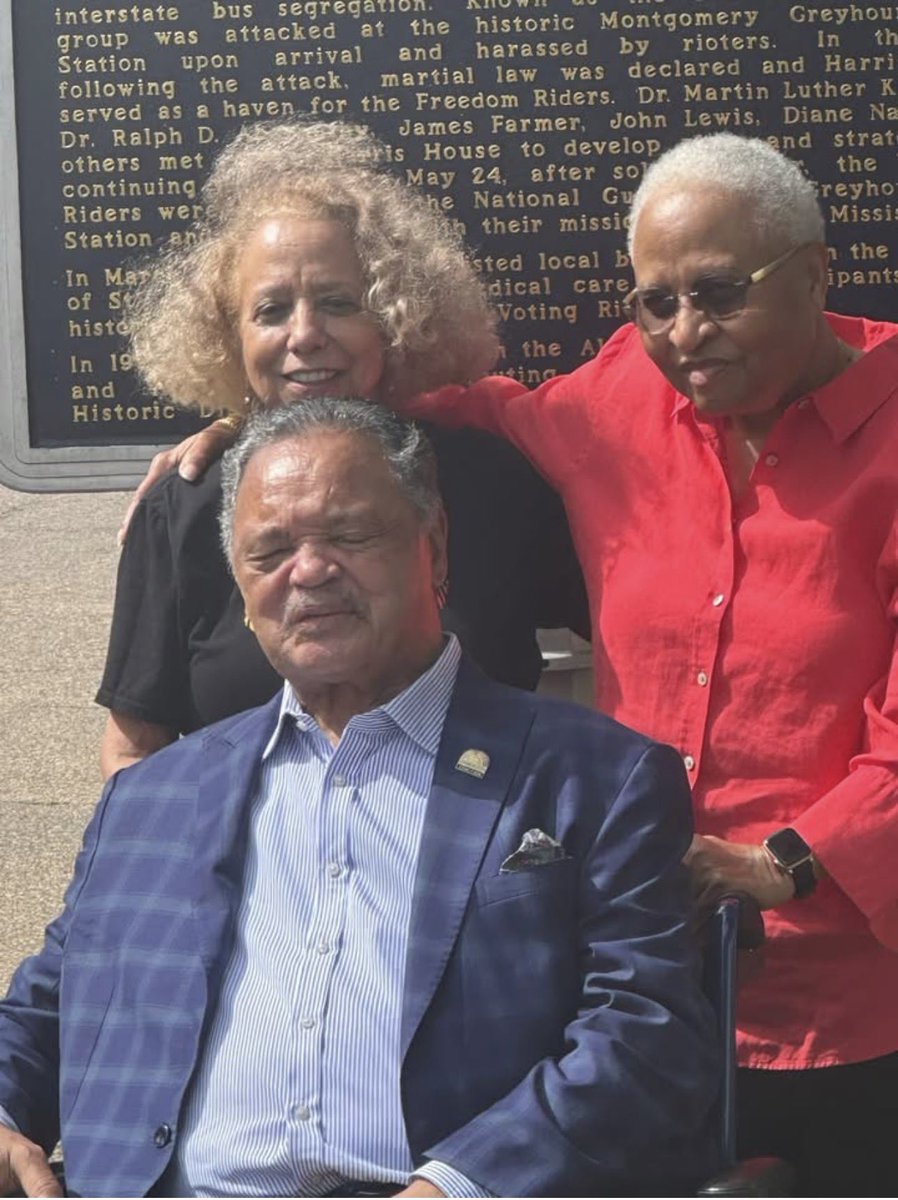
Today we honor the life and legacy of Rev. Jesse Jackson, a longtime leader in the ongoing struggle for voting rights and racial justice. A close associate of Dr. Martin Luther King Jr., he helped carry the movement forward beyond the 1960s, building national coalitions, expanding Black political power, and pushing the country to confront issues of economic inequality, access, and representation. His leadership reminded us that the work of freedom is continuous and demands both faith and action. Pictured here is Rev. Jackson speaking at Brown Chapel AME Church in 1985 during the 20th anniversary of the Selma to Montgomery March, a sacred site of organizing and mass meetings during the movement. Also pictured is his 2024 visit to Centennial Hill in Montgomery. His life connected past to present, and place to purpose. We remember his voice, his presence, and his enduring impact on the movement for justice.
Alabama AA Civil Rights Heritage Sites Consortium tweet mediaAlabama AA Civil Rights Heritage Sites Consortium tweet media
English
0
0
0
23
Alabama AA Civil Rights Heritage Sites Consortium
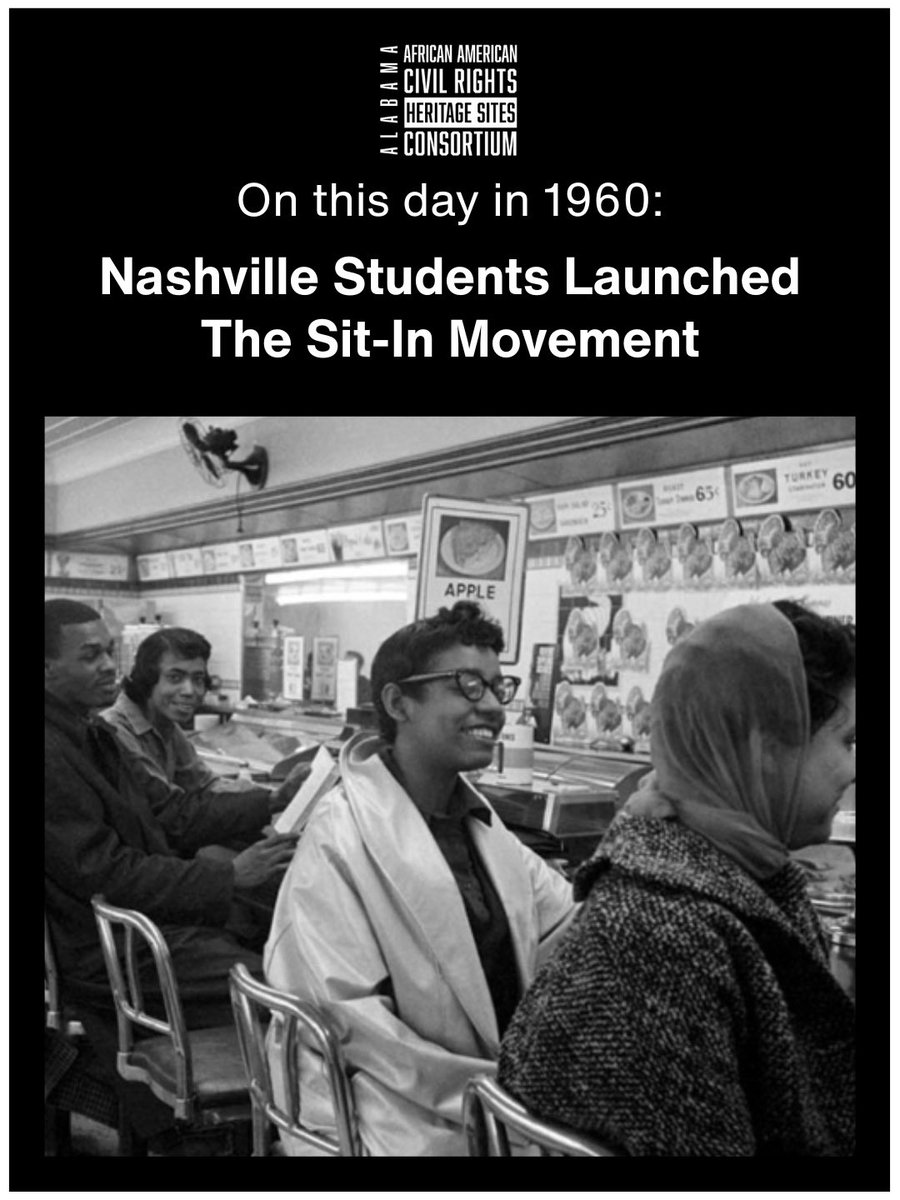
On this day in 1960, Black college students in Nashville launched a bold challenge to segregation, organizing sit-ins at downtown lunch counters after weeks of training in nonviolent protest. Students from Fisk University, Tennessee State, Meharry Medical College, and the American Baptist Theological Seminary faced harassment, violence, and arrest for simply demanding equal service.  Rather than paying fines, many chose jail, a powerful stand articulated by Diane Nash, whose leadership helped force desegregation in Nashville and made the sit-ins a model for communities across the South. Their courage reshaped the movement and affirmed the power of collective action.  Learn more about the history that continues to shape our communities at aaacrhsc.org.  Photo courtesy of the Library of Congress.
Alabama AA Civil Rights Heritage Sites Consortium tweet media
English
0
1
1
34
Alabama AA Civil Rights Heritage Sites Consortium
61 years ago today, Malcolm X stood inside Brown Chapel AME Church in Selma and delivered a message that resonated deeply with the young foot soldiers preparing to challenge voter suppression and racial violence. His visit came just weeks before his assassination and remains one of his final public engagements, linking Selma’s local struggle to a broader global fight for Black liberation. In Episode 11 of our Stayed on Freedom podcast, we reflect on that historic moment with insights from Joyce O’Neal, a longtime member of Brown Chapel who witnessed Selma’s movement firsthand, and Ilyasah Shabazz, daughter of Malcolm X. 🎧 Listen on YouTube, Apple Podcasts, or Spotify 🔗 YouTube link: youtube.com/watch?v=NqDPOD…
YouTube video
YouTube
English
0
0
1
16
Alabama AA Civil Rights Heritage Sites Consortium
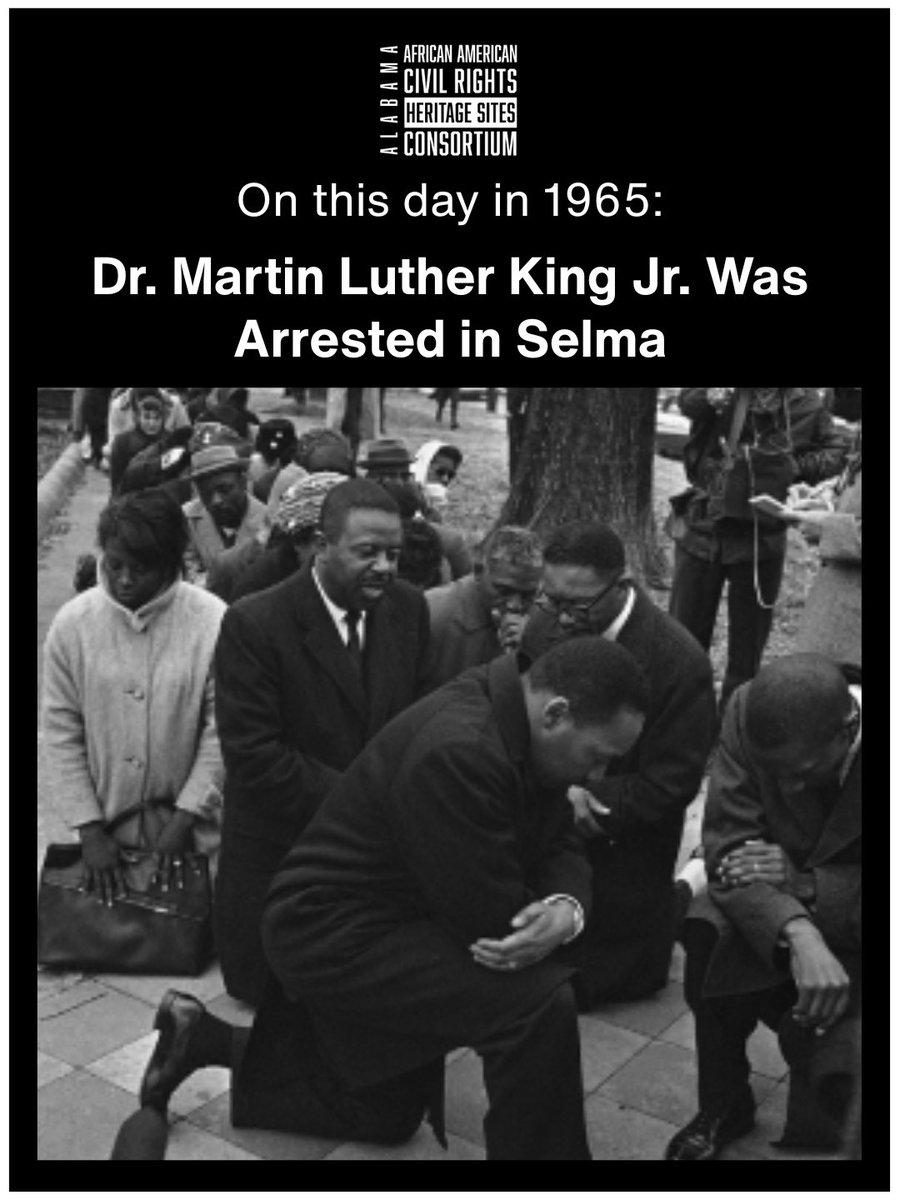
On this day in 1965, Dr. Martin Luther King Jr. joined more than 250 voting rights activists in Selma, Alabama, as they peacefully marched to the Dallas County Courthouse to demand the right to vote. Every participant was arrested for parading without a permit, exposing the deep injustice facing Black citizens in a city where most were denied access to the ballot.  Writing from jail that night, Dr. King drew national attention to the stark reality in Selma, noting that more Black residents were incarcerated for seeking justice than were registered to vote. The arrests intensified local and national protests and helped set the stage for the Selma to Montgomery March and the passage of the Voting Rights Act later that year.   Today, Selma’s historic sites stand as living witnesses to this struggle and are central to the work of the Alabama African American Civil Rights Heritage Sites Consortium. We remain committed to preserving these places and protecting the stories that continue to shape our democracy.  Learn more at aaacrhsc.org.  Photo courtesy of the Equal Justice Initiative
Alabama AA Civil Rights Heritage Sites Consortium tweet media
English
0
0
0
16
Alabama AA Civil Rights Heritage Sites Consortium
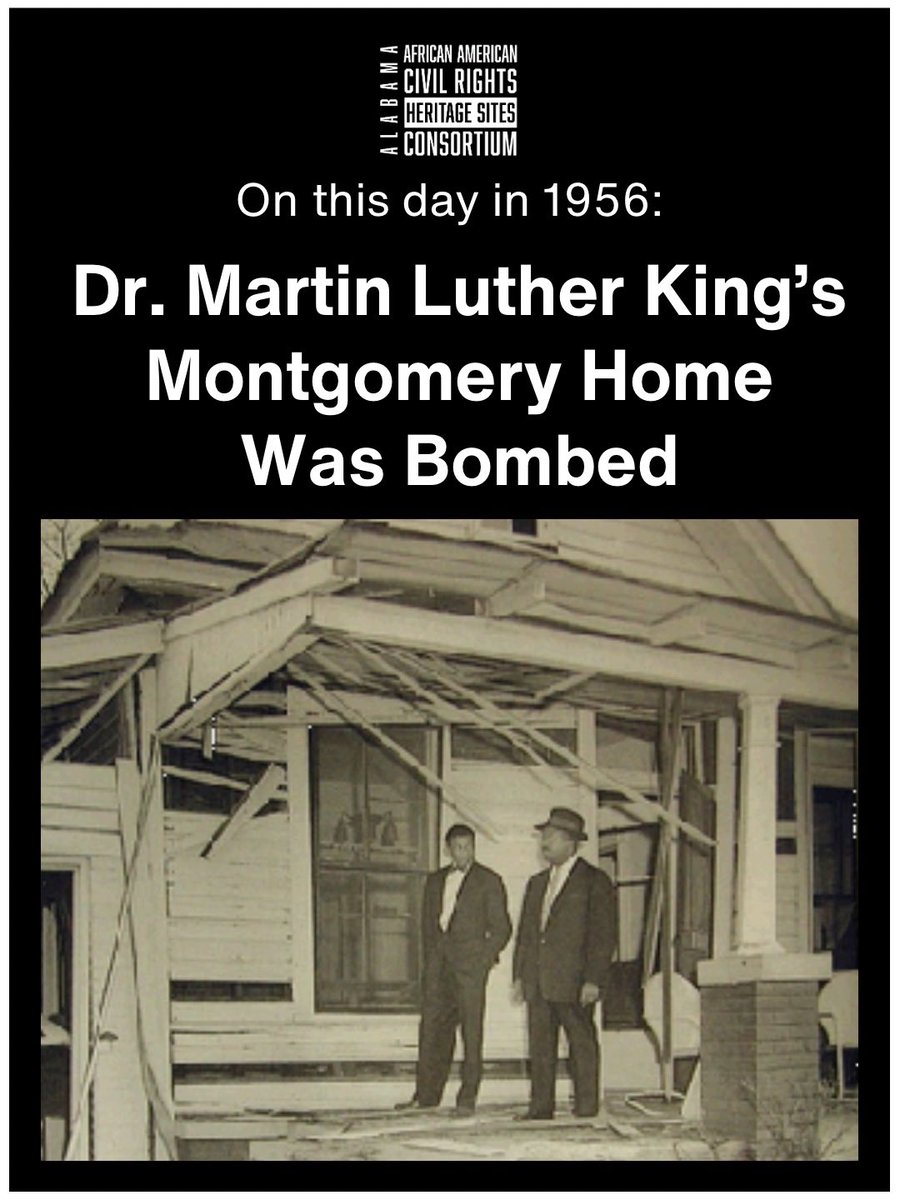
On this day in 1956, the Montgomery home of Dr. Martin Luther King Jr. was bombed while his wife Coretta Scott King and their infant daughter were inside. The attack came just weeks after the start of the Montgomery Bus Boycott and underscored the real danger faced by those challenging segregation.   That night, Dr. King called on the gathered community to reject retaliation and remain committed to nonviolence, reinforcing a principle that would define the movement nationwide.  Sites like the Dexter Parsonage Museum preserve these moments of courage, leadership, and resolve. Through the Consortium’s member sites, we honor the places where the struggle for justice unfolded and where its lessons continue to guide us today.  Learn more at aaacrhsc.org  Photo courtesy of the National Civil Rights Museum.
Alabama AA Civil Rights Heritage Sites Consortium tweet media
English
0
0
0
16