David Jarrett

765 posts

David Jarrett banner
David Jarrett

David Jarrett

@DavidJarrett4

Researcher interested in upland wader conservation, generalist predators, native woodland regeneration, bioacoustics. Account not active.
Scotland Entrou em Eylül 2012
555 Seguindo514 Seguidores
Tweet fixado
David Jarrett
David Jarrett@DavidJarrett4·
Articles and blogposts about upland land management, ground-nesting birds and wider ecology and conservation questions here: davidjarrett.info/writing
English
0
5
11
3.5K
David Jarrett
David Jarrett@DavidJarrett4·
Paper just out in @IBIS_journal - data from acoustic recorders and an AI classifier can be better than transect survey data at predicting relative densities of Curlew and Oystercatcher (but not Golden Plover or Lapwing) across an upland study site.
English
0
8
16
3.1K
David Jarrett retweetou
Patrick Laurie
Patrick Laurie@Gallowaygrouse·
"It’s likely that public opinion is quietly, calmly against the idea of a National Park in Galloway – but it’ll be interesting to watch the debate unfold if the current battleline of “retired people vs furious farmers” is allowed to deepen & heat up" gallowayfarm.blog/2024/07/30/nat…
Patrick Laurie tweet media
English
4
10
26
2.3K
David Jarrett retweetou
Curlew Recovery Partnership
Curlew Recovery Partnership@curlewrecovery·
Reducing predation is crucial for Curlew recovery. Learning how nest survival and predator identity varies between areas is important for getting interventions right. The images show a stoat predating a Curlew nest monitored this season by @_BTO for the CST project
Curlew Recovery Partnership tweet mediaCurlew Recovery Partnership tweet media
English
3
12
59
3K
David Jarrett
David Jarrett@DavidJarrett4·
Flat gravel roofs and proximity to grass sports pitches result in high reproductive success for Oystercatchers - but in this case is the 3G pitch an ecological trap? @ForWaders nature.com/articles/s4159…
English
0
0
1
118
David Jarrett
David Jarrett@DavidJarrett4·
Surely the big question here is whether the adults will be able to find enough food to successfully raise young on an artificial pitch - are there grass pitches nearby? bbc.co.uk/news/articles/….
English
1
0
2
307
David Jarrett retweetou
David Jarrett
David Jarrett@DavidJarrett4·
@ecoacou_ollie The example in the video is a hot mess - he could equally say "Mink Control is not conservation: no Mink has ever benefitted from being killed." Conservation is about preserving habitats, populations, ecosystems etc., not benefitting specific individuals.
English
0
0
6
182
David Jarrett retweetou
Dee Ward
Dee Ward@DeeWardRottal·
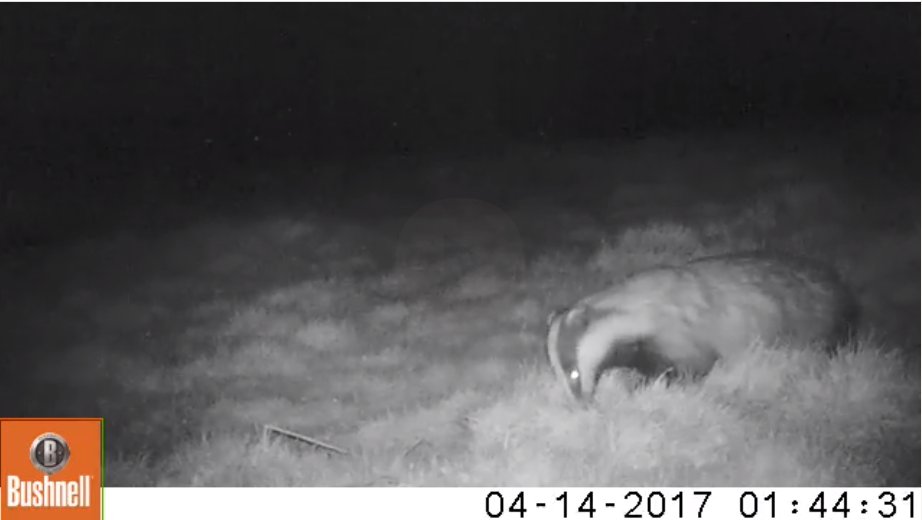
Another good blog on the challenges & nuanced debate required around protecting in particular ground nesting birds. We need to put aside our differences if we are going to solve this dilemma. I would like to see private & NGO working together to agreed priorities in an area.
David Jarrett@DavidJarrett4

At the recent @CurlewAction conference there was much consensus about the importance of communicating openly about predation, so here's a blog post discussing Badgers and ground-nesting birds: davidjarrett.info/post/the-badge…

English
3
5
6
1.9K
David Jarrett
David Jarrett@DavidJarrett4·
@WildlifeBlog @DeeWardRottal Thanks Alan, for me the challenge is to hold on to some fraction of what we've got in the uplands - attempting to manage for waders in the lowlands would likely require more intensive predator m'ment than in the uplands because so much more food in the landscape for generalists.
English
1
0
3
55
Alan Stewart
Alan Stewart@WildlifeBlog·
@DeeWardRottal An interesting persepective from an independent field worker. The dilemma is worth progressing, but also worth progressing is how to get lapwing and curlews back to lowland farms where they used to be. Intensive agriculture seems the problem there rather than predation.
English
2
0
3
131
David Jarrett
David Jarrett@DavidJarrett4·
@IBIS_journal @AksuLehikoinen @SWillis_Durham Factors which influenced study design included vegetation structure (which determines whether broods are countable), re-laying rates, whether the target species exhibits diagnostic behaviour at the nest and chick stages, and the availability of skilled fieldworkers. 5/6
English
1
0
3
393
David Jarrett
David Jarrett@DavidJarrett4·
@IBIS_journal @AksuLehikoinen @SWillis_Durham We categorised studies based on the metric they produced: i) "Hatching Success" - the % of nests that hatch; ii) "Fledging Success" - the % of pairs that fledge any number of young; & iii) Young Fledged per Pair - the total number of young fledging. 4/6
English
1
0
2
415
David Jarrett
David Jarrett@DavidJarrett4·
@IBIS_journal @AksuLehikoinen @SWillis_Durham There is a need for wader productivity monitoring at scale, so to provide a resource to funders, researchers and fieldworkers who may wish to develop schemes we reviewed and summarised methods used in published studies that monitored wader breeding productivity in Europe. 3/6
David Jarrett tweet media
English
1
1
4
316
David Jarrett
David Jarrett@DavidJarrett4·
@IBIS_journal @AksuLehikoinen @SWillis_Durham Across Europe, wader populations are crashing, associated with low breeding productivity caused by predation, and agricultural activities destroying nests or killing chicks. Most national bird monitoring schemes are only able to monitor presence, and not productivity. 2/6
David Jarrett tweet mediaDavid Jarrett tweet media
English
1
1
3
287