Disruption Joe

33.2K posts

Disruption Joe banner
Disruption Joe

Disruption Joe

@DisruptionJoe

Increasing the pace at which we approach the paradigm of collaboration.

Chicago, IL Entrou em Mayıs 2017
5.1K Seguindo6.9K Seguidores
Disruption Joe retweetou
Cameron.near
Cameron.near@Cameron_Dennis_·
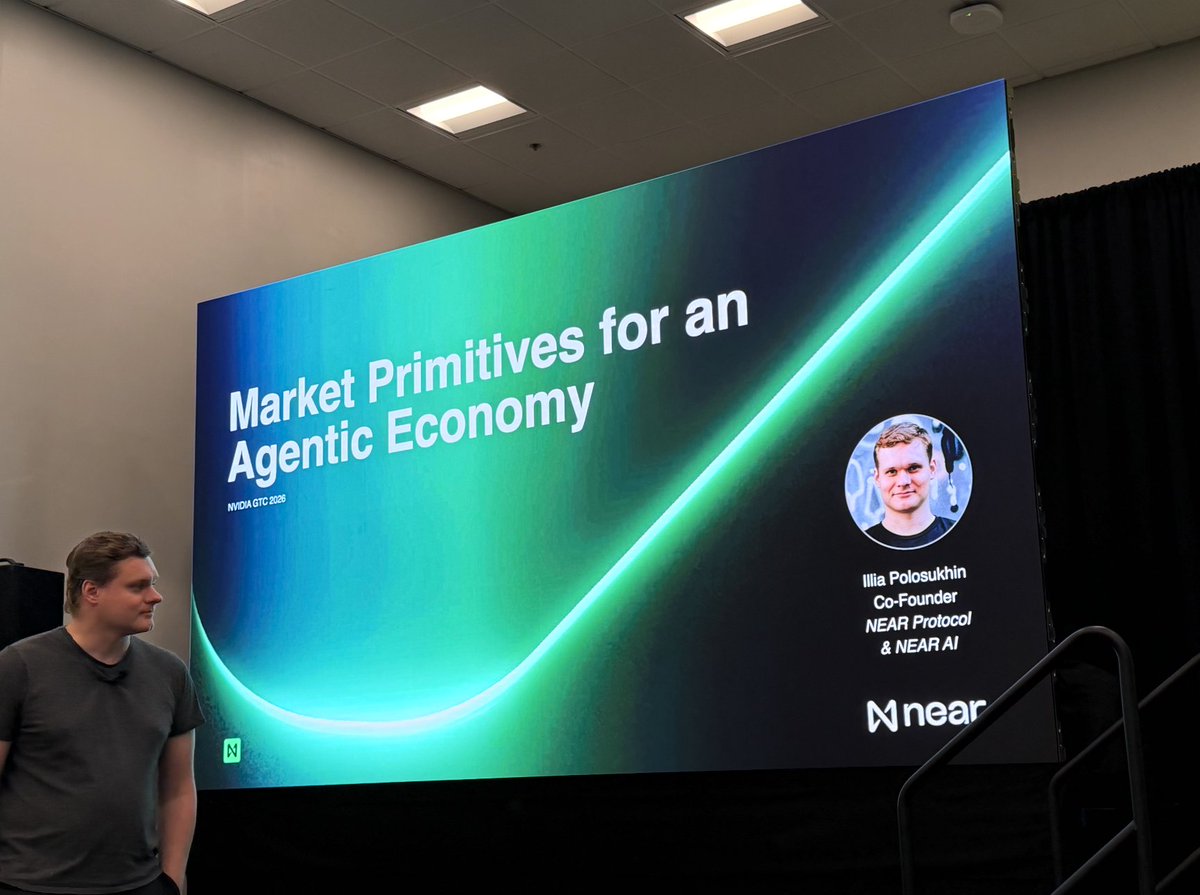
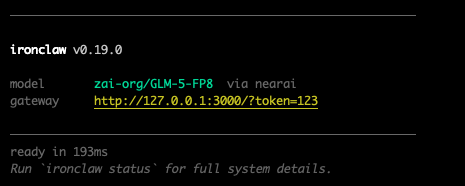
Everyone is hopping on the agentic commerce hype train but we've been building towards this future for years. So much so that Illia was invited to speak at @NVIDIAGTC yesterday about the market primitives of the agentic economy, where he painted the full picture of how @near_ai, @near_intents, and @NEARProtocol come together. In short, we are entering an era where AI agents don't just answer questions, they take actions, negotiate contracts, hire other agents, move money, manage your life, and become their own economic actors. The question is whether that future will be owned by a few companies that prioritize profits over people or if it will be truly user-owned. Today's markets were designed for humans which means they're full of irrational behavior, bias, expensive legal overhead, and rent-seeking middlemen. Agents have none of that so when agents transact, they optimize on outcomes. This changes everything. But for agents to act on your behalf at that scale, they need to be secure and private. IronClaw solves this as a secure + open-source agent runtime to protect users from prompt injection and data leakage. These agents will run inside a Confidential Virtual Machine (CVM), inference happens inside hardware-enforced private enclaves, and every execution comes with cryptographic attestations users can verify. Only you and your agent can see / manage your credentials, data, and digital life. This is an important part for what it means to have "user-owned AI". Once agents can be trusted to act, they need a way to coordinate and act on declarative specifications of a desired outcome under specific constraints. This is what we call an "Intent" and you can think of it as a contract that speaks plain english like "here is what I want, this is my budget, and this is how we resolve it if something goes wrong. Intents can be auctioned, split, and negotiated peer-to-peer between agents. They carry full context so if a dispute is triggered, the dispute agent has access to the entire contract, the worker's submission, and every intermediate piece of information from the start. Just an agent reading the record and issuing a ruling. For agents to actually pay for goods, they need liquidity to fill the user's request. That's why we shipped @near_intents over a year ago. Since then it has processed over $15B in volume across more than 35 chains. Over time, this abstracts all blockchains away from each other and more asset classes will be added to this global liquidity network. For services, the NEAR AI Marketplace will connect your personal agents to jobs so you can continue making money. Illia made this concrete with a side-by-side comparison where he put the same job on Fiverr vs. an agent on the NEAR Agent Marketplace. The Fiverr freelancer took two days to write a sub-par report and tried to charge an extra $150 for the "full report" on top of the $15 trial. Meanwhile, an agent completed a better report in an hour for $3. We expect agent costs to decrease while output quality goes up over time. The marketplace will also support every major interoperability standard including MCP, A2A, x402, ACP, etc. so everyone's personal agents can communicate and pay each other seamlessly. These implications go far beyond commerce. Illia closed with the idea that these same primitives, agents voting to allocate budget, measuring outcomes against milestones, and reallocating automatically when targets are missed, could be applied to public goods funding and government spending. The persistent challenge with public institutions is lack transparency, clear attribution, and ROI. Agents can fix the accountability problem at the infrastructure level. All of this runs on @NEARProtocol which serves as the distributed network that no single party controls. It decentralizes linearly with demand and can already process 1M transactions per second, faster than Visa and Mastercard combined. Every person will eventually have their own private, secure agent managing their life and buying $NEAR is the best hedge for this disruptive AI future.
Cameron.near tweet mediaCameron.near tweet mediaCameron.near tweet media
English
4
10
67
1.7K
Disruption Joe
Disruption Joe@DisruptionJoe·
Oops. I meant voice > forms
English
0
0
0
21
Disruption Joe
Disruption Joe@DisruptionJoe·
Here are some AI workflow updates I’m finding. 1. I prefer voice. voice < forms. Create a skill to structure and draw data from voice answers. 2. Inform your agent you don’t car how it works. Tell it what you want it to do. Tell it when it works a way you don’t like.
English
2
0
1
80
Disruption Joe
Disruption Joe@DisruptionJoe·
@TokenArchitect For 1, I mean forms should allow people to free form speak to them rather than the traditional google form or type form type responses. For coding and using AI with my voice, Wisperflow is noticeably better UX and an accuracy improvement over open AI or Claude dictation.
English
0
0
1
11
Clayton
Clayton@TokenArchitect·
@DisruptionJoe can you share more about number 1? You prefer to code using your own voice, or you mean you want users to speak to your apps? And "structure" means transcription + parsing spoken words wisely? (Claude does AMAZING at this out of the box imo)
English
1
0
0
19
Disruption Joe
Disruption Joe@DisruptionJoe·
An awesome way to use scheduled agent tasks: 1. Create list of active goals 5 year 1 year Quarter Weekly 2. Create a skill to review weekly goals and draft agent plans to research and draft plans to achieve all. 3. Schedule it 4. Enjoy ready to execute plans for everything
English
0
0
1
76
Disruption Joe
Disruption Joe@DisruptionJoe·
started using wisprflow and its worth the hype It reminds me of superhuman back in the day totally unlocks speed and keeps my train of thought moving instead of waiting. my referral in next message
English
1
0
1
70
blockful.eth
blockful.eth@blockful_io·
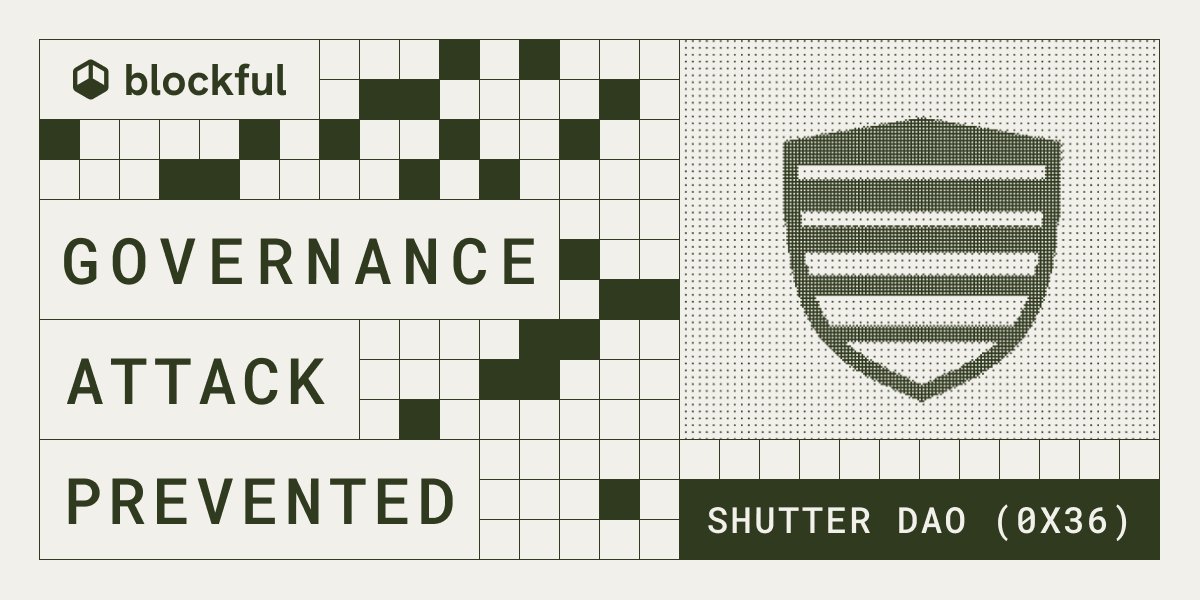
We have prevented a governance attack in Shutter DAO (0x36): ~$100K of SHU tokens could capture a treasury of +$3M We are committed to securing the @ethereum ecosystem, its protocols, team and investors. Here are the details 👇
blockful.eth tweet media
English
26
38
138
18.1K
Dennison
Dennison@DennisonBertram·
What I can't get over is: - Everyone is building with AI - AI is training on what everyone is building - The new AI knows how to build everything anyone built. How exactly do we build an investable business there?
English
57
5
99
9.9K
Capitulation.eth 🦇🔊 🦞
What we saw was that no token holder wants to "actively participate in governance". They just wanted to press a button and have value accrue to their asset, so we built that automation on top of Katana's flywheel. avKAT - no proposals to follow, no voting, just earn on autopilot
Aragon.eth 🦅@AragonProject

Katana TGE is live. We’re proud to deliver the infrastructure powering a DeFi-first chain built for deep liquidity, sustainable yield, and aligned incentives. Stake KAT, vote with vKAT, or put it all on autopilot with avKAT.

English
1
0
8
651
Disruption Joe
Disruption Joe@DisruptionJoe·
@dwr Curious. How does it differ from x402? I’d imagine stripe needs the control to make it viable first, which to me makes sense, but are their key design differences? If I’m building, why would I choose this? Are they complimentary or handle tradeoffs differently?
English
0
0
0
66
Dan Romero
Dan Romero@dwr·
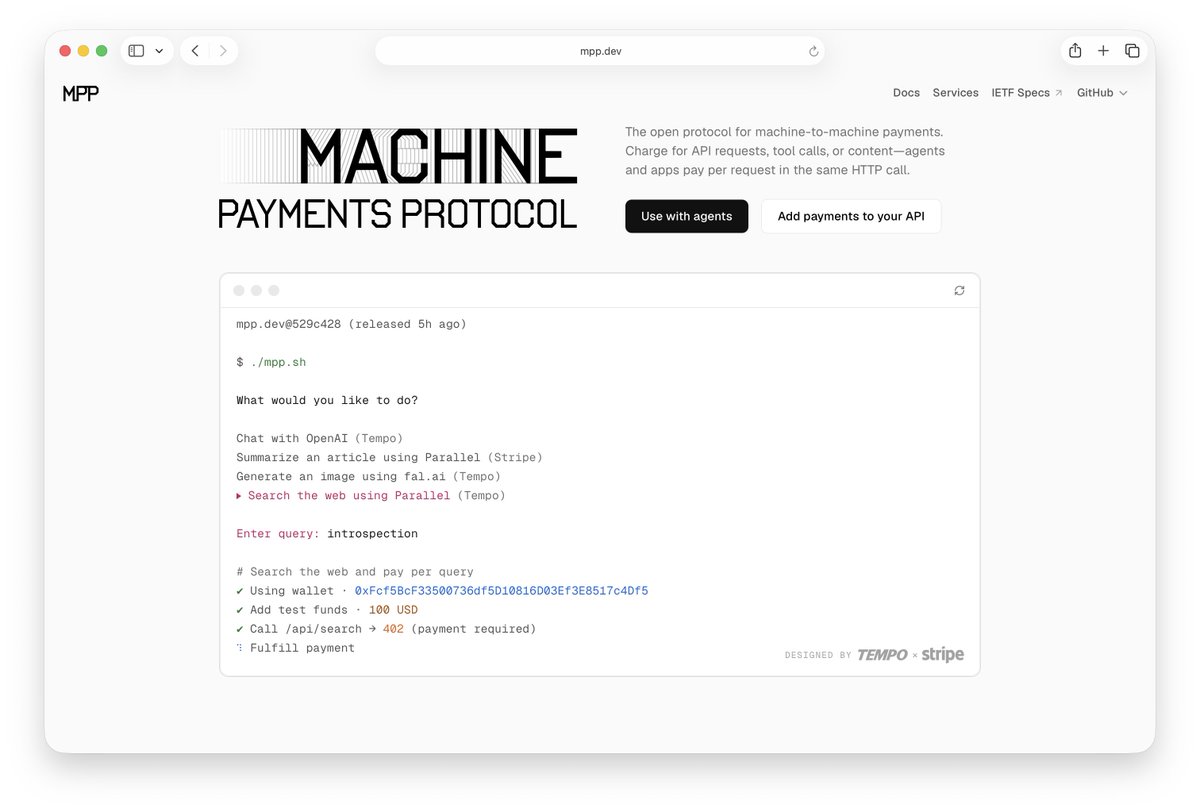
Check out the interactive demo on the MPP docs site mpp dot dev
Dan Romero tweet media
English
12
3
122
9.7K
Disruption Joe
Disruption Joe@DisruptionJoe·
@garrytan Love this. The core differentiator is going to move to the ability to parallelize work and tighter iterative cycles. Pattern recognition will be extremely valuable.
English
0
0
0
67