Tweet fixado
Gods Lions 🇳🇿🙏
20.4K posts

@IAmExempt
It is better to live one day as a LION than 100 years as a SHEEP.

The Trump family raised $550 million from retail crypto buyers through World Liberty Financial, and the structure of that deal is one of the most important stories in modern American political corruption that almost nobody has fully explained in plain language. So let me do that. It started in September 2024 when Donald Trump announced World Liberty Financial, a so-called DeFi platform. His sons Eric and Donald Jr. were listed as "Web3 Ambassadors." Barron Trump was the "DeFi Visionary." Donald himself was "Co-founder Emeritus." The branding was patriotic, the pitch was revolutionary finance, and the timing was perfect. Crypto was booming, Trump was surging in the polls, and his base was hungry for a way to both support him and get rich alongside him. What they were actually buying into was a machine designed to extract maximum value from them while insulating the family from any downside. Here is the structure, because the structure is everything. A Delaware entity called DT Marks DEFI LLC, directly linked to Donald Trump and his family, was entitled to 75% of all net profit from the entire platform. The legal structure was simultaneously set up to completely remove operational responsibility from them. The money flows to the Trumps, but the risks do not. That sentence deserves to be read twice. 75% of the revenue, zero operational liability. This is not a normal business arrangement. This is a toll booth disguised as a revolution. Tokens were sold to the public at between $0.015 and $0.05 between October 2024 and January 2025. Retail buyers, Trump supporters, crypto enthusiasts, ordinary people who wanted to be part of something, poured money in. The first sale raised around $300 million. A subsequent sale in early 2025 generated another $250 million. By March 2025, the total had hit $550 million from the public. Meanwhile, DT Marks DEFI LLC held 22.5 billion WLFI tokens and was entitled to receive 75% of the net revenue from the token sale, including interest earned on the reserve assets backing USD1. The family entity had 22.5 billion tokens that cost them effectively nothing. Retail paid between 1.5 and 5 cents apiece for theirs. That asymmetry alone tells you everything you need to know about who this project was actually designed to benefit. Then came the pump. Tokens soared to an all-time high of $0.33 when they started trading in September 2025, turning modest purchases into small fortunes overnight, at least on paper. "At least on paper" is doing enormous work in that sentence, because what happened next made those four words the entire moral of the story. World Liberty Financial's creators granted themselves the sole power to decide who can sell and when. The project released only 20% of the tokens and promised a vote among holders on when the rest would become available for trading, but months passed and that vote never materialized. Retail watched their paper gains evaporate in real time while being physically unable to exit. "Nearly 80% of WLFI presale tokens are still locked after almost two years. We held through volatility and silence because we believed. But at what point does patience turn into neglect?" wrote one holder on the governance forum. Another said: "They are my investments and I want to have access to them. We have become hostages." Those pleas were ignored. The governance token itself turned out to be largely theatrical. While token holders can create and propose changes, the protocol's co-founders screen proposals before voting and reserve the right to block them at their sole discretion. Additionally, WLFI tokens provide no right to any return, dividend, airdrop, or other distribution from the protocol, and there is no guarantee that tokens beyond the initial 20% will ever be made tradable. So retail bought a token that locks their capital, generates them no income, gives them no real governance power, and may never be fully unlocked. The family entity, meanwhile, collected 75% of all revenue the entire time. Even the project's largest outside backer got burned. Justin Sun, founder of Tron, invested $75 million in WLFI tokens. World Liberty Financial then blacklisted his blockchain address, preventing him from transferring his tokens. A man who invested $75 million got his wallet frozen by the very project he funded. His tokens collapsed in value and remain locked. If this is how they treat a $75 million whale, imagine what happens to the retail holder who put in $500. The conflicts of interest extend far beyond the token mechanics and into the actual machinery of the United States government. Donald Trump is simultaneously shaping crypto policy from the White House and owns a large stake in a DeFi project whose value directly depends on those same decisions. The GENIUS Act, which Trump supported to regulate stablecoins, effectively creates a legal framework for USD1, which is WLFI's own stablecoin. The regulatory initiative FIT21, which redistributes powers between the SEC and CFTC, also reduces the burden on DeFi platforms like WLFI. The softening of the SEC stance under the Trump administration is not considered a coincidence by critics. The president of the United States was writing the regulatory rulebook for an industry while personally profiting from one of its largest projects. That is not a gray area. That is the definition of corruption. The Justin Sun angle makes it even darker. Sun was charged by the SEC with fraud and market manipulation and invested $75 million in WLFI tokens. Later, his case with the SEC was closed. A man under federal investigation for fraud pours $75 million into the president's crypto project, and the federal investigation disappears. The project also became the vehicle for massive foreign capital flows. The Aqua 1 fund from the UAE, which analysts link to structures related to the Chinese state-owned CNPC, transferred $100 million in stablecoins to the project in the summer of 2025, with the origin of the funds and the terms of the deal remaining unclear. A $2 billion deal between Binance and MGX was conducted through the WLFI USD1 stablecoin and was linked to the pardon of Binance founder Changpeng Zhao by Donald Trump. The stablecoin issued by the president's crypto project was being used to settle a deal involving a company whose founder received a presidential pardon. This is not circumstantial. These are documented financial flows. A Reuters investigation found the Trump family earned hundreds of millions from World Liberty Financial and related token sales in the first half of 2025 alone. Roughly $463 million came from WLFI token sales, with total crypto income exceeding $800 million across Trump-linked ventures, eclipsing what Trump makes from his golf courses and real estate licensing deals combined. Eight hundred million dollars extracted from the crypto market while the president controlled the regulatory environment that market operated in. Congress members noted that such a model has never existed before in the relationship between a sitting president and a commercial project. Now, in April 2026, the project is actively melting down. WLFI has plunged 12% in the last 24 hours and hit its lowest price point since its 2025 debut. The treasury's own buybacks are now significantly underwater, with $65 million spent buying tokens at an average price of $0.15, with the token now trading nearly 50% below that average purchase price. The WLF team deposited 5 billion WLFI tokens as collateral to borrow $75 to $150 million in stablecoins, effectively draining Dolomite's lending pool so completely that many depositors were unable to withdraw their own funds. When confronted about the risk of liquidation, the team responded that if markets moved dramatically against them, they would "simply supply more collateral," deploying more of their own volatile governance token to back a loan denominated in that same ecosystem, creating a dangerous circular risk loop. Critics immediately compared this logic to Terraform Labs and FTX, two projects that used exactly this circular collateral model before catastrophically imploding. And now, as retail holders watch their locked tokens crater toward zero, the Trump family has quietly been removed from the team member page on the World Liberty Financial website. A new disclosure at the bottom of the page reads: "None of Donald J. Trump, his family members or any director, officer or employee of Trump Organization or of DT Marks LLC is an officer, director or employee of WLF Holdco LLC or World Liberty Financial LLC." Eric Trump has deleted several WLFI-related posts on X. The branding has been quietly unplugged now that the money has been collected and the token is in freefall. This is the playbook in full. Use the presidential brand and family to sell $550 million worth of tokens to retail at penny prices. Structure the revenue so 75% flows to the family entity while zero operational risk touches them. Use the White House to write favorable crypto regulation that props up the token's value and makes the stablecoin legally viable. Accept tens of millions from foreign nationals and sanctioned-adjacent figures. Watch federal investigations into those figures quietly close. Lock retail out of selling while insiders keep their options open. Collect over $800 million. Then, when the token hits record lows, remove your names from the website and delete your tweets. Congress members called WLFI a key element of the president's personal enrichment scheme, with Congressman Jamie Raskin stating that Trump turned the Oval Office into the most corrupt crypto startup in the world. The numbers suggest that is not hyperbole. It is a description.

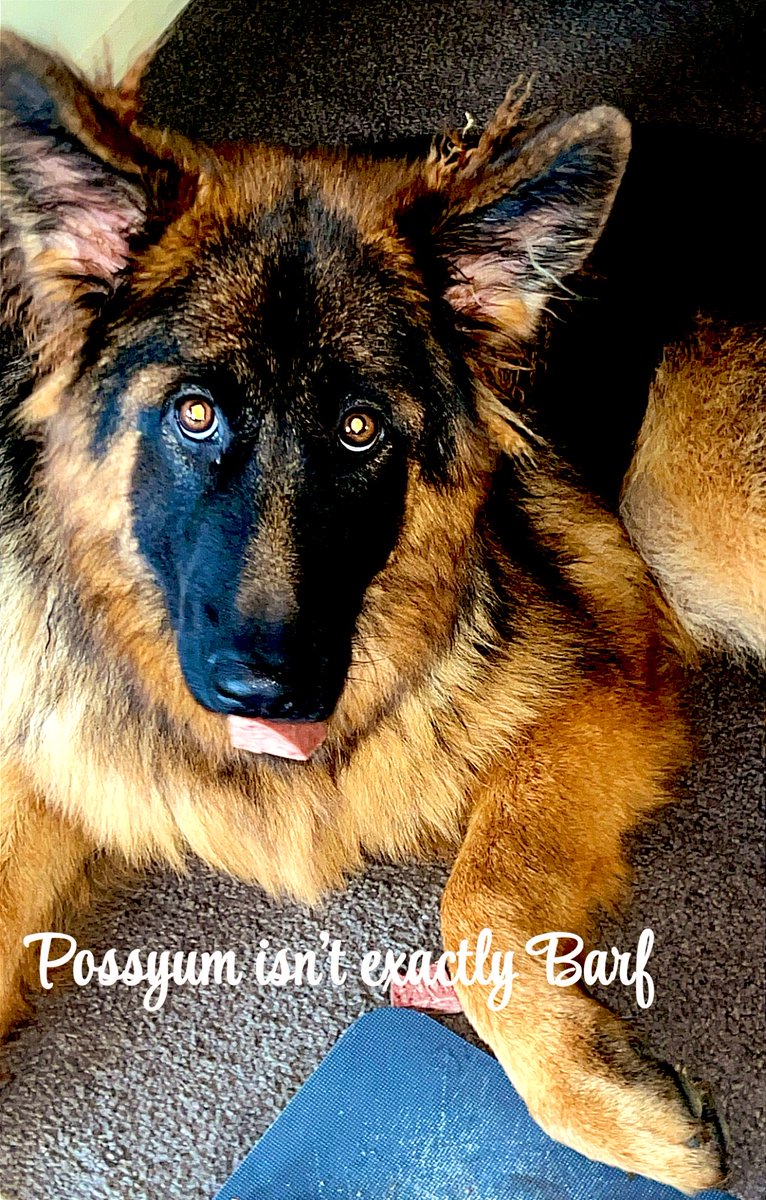
Having major drama with Gabby scratching incessantly ☹️ I’ve tried everything. Oat baths. Coconut oil. Kawakawa soaks. Peppermint oil. ACV. Baking soda—etc I got so concerned I took her to the vet lest it was fleas .. or something serious. THAT was an experience - the vet instantly went to “steroids, antihistamines and a miracle cure kibble” (that they just happen to stock) 🤔 Not even 1 question asked about her diet or habits. Me, I was wondering if it could be something in the river water - cos we’re in it every day for an hour?! Or if there was some food allergy?! And oh my god how do I work THAT out? Cos in any given week she can be eating beef tongues, lamb kidneys, chicken hearts, maringa laced probiotic milk, bone broth, salmon omelette etc 😵💫 Finally I had this idea to put her solely on chicken as she tends to like it the most. She’s SO not food driven. Often won’t eat breakfast. (She is only just heavy enough for her age) But she just sniffs it and eats it around 3pm. I can relate. I don’t like eating first thing either. Anyway my theory was after 3 weeks if she hasn’t improved on JUST chicken I do the same with beef and so on. Went off to buy a ton of chicken yesterday - all sold out 🤦♀️ I grabbed a possyum roll just in case and to my surprise—she absolutely hoovered it down. Including for breakfast today!? So I’m stumped. Do I switch her to that and eliminate ALL the previous foods?! Rather than my original idea of starting with one of our exisiting meats? Anyway else some elimination diets with pets before? 🙄🤦♀️


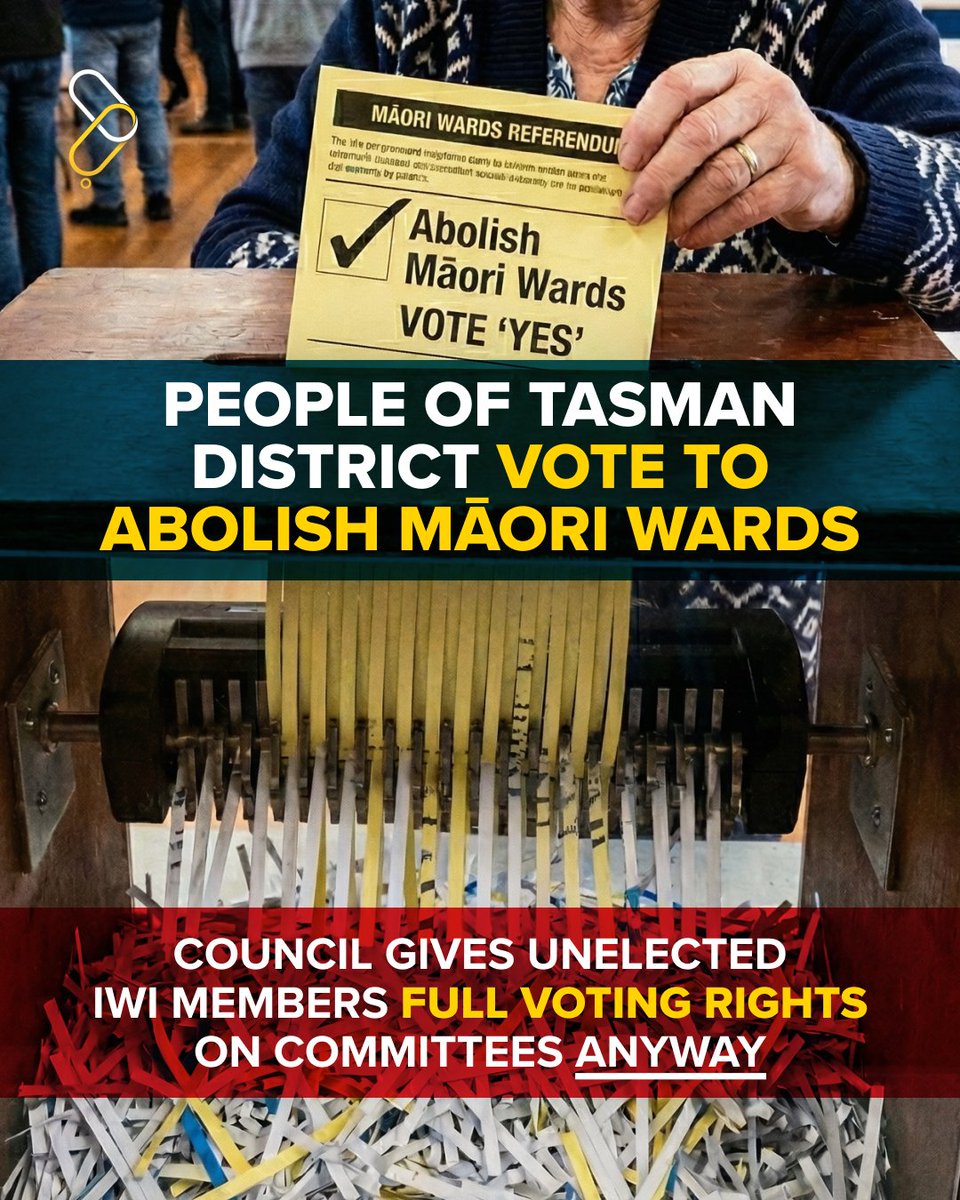



Wow. They didn’t do this for Easter.