Ian M. F.

756 posts

Ian M. F.

Ian M. F.

@IMF__

Scientist. Ally and aspiring healer. Opinions are my own and do not reflect those of my institution/employer.

Toronto, Ontario Entrou em Temmuz 2019
1.6K Seguindo131 Seguidores
Ian M. F. retweetou
Homaira Hamidzada
Homaira Hamidzada@Homaira_H·
This work was a multi-disciplinary team effort - huge thanks to all collaborators for their generous expertise & efforts: @milicaruoft, Dr. Gordon Keller, Dr. Michael Laflamme + teams - tagged or in the author’s list! @IMF__ @erika_ywang
Homaira Hamidzada tweet media
English
2
1
3
471
Ian M. F. retweetou
Stephen Punwasi 🏚️📉🐈☃️
Families in 🇨🇦 work *really* hard to survive. Policymakers don’t appreciate that fact, when they’re spending years of your labor with a stroke of a pen. They spend so much, people have a hard time fully comprehending these numbers. Let’s put it in context. <thread> 🧵👇
English
85
406
1.6K
257.4K
Ian M. F. retweetou
Andrew Côté
Andrew Côté@Andercot·
Over hundreds of years the meter definition has closely matched the limits of precision in physical engineering sciences. Pendulum clocks were once the high precision lasers of the 1600s scientific laboratory, and metric today defines the imperial system of measures
Andrew Côté tweet media
English
10
13
418
16.7K
Ian M. F. retweetou
Niko McCarty.
Niko McCarty.@NikoMcCarty·
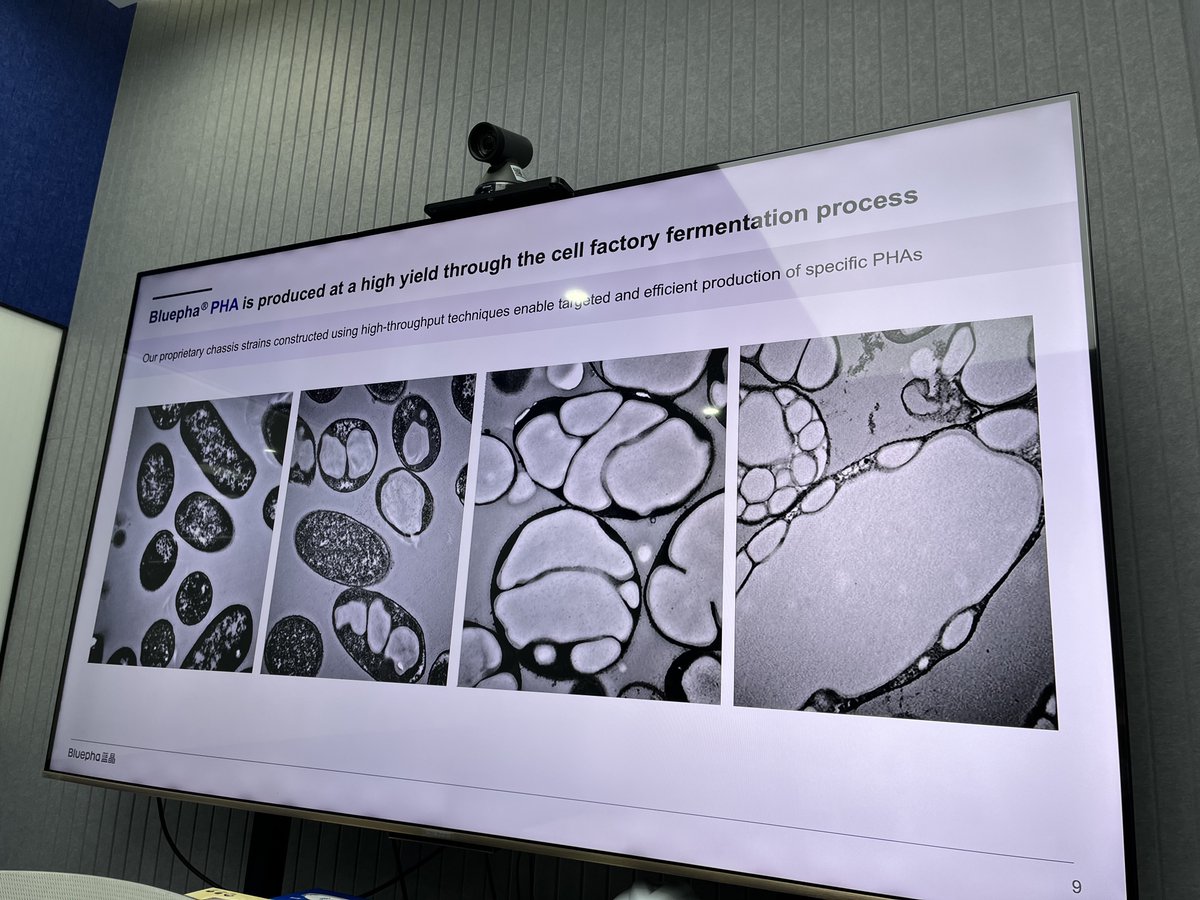
My last tweet about China: In Shanghai, I visited BluePHA, a synthetic biology startup that uses engineered microbes to manufacture biodegradable plastics. They make ~5,000 metric tons/year, have products available on the market, and are scaling to 50,0000 tons/year. 🧵
Niko McCarty. tweet mediaNiko McCarty. tweet media
English
8
90
520
66.9K
Ian M. F. retweetou
Mushtaq Bilal, PhD
Mushtaq Bilal, PhD@MushtaqBilalPhD·
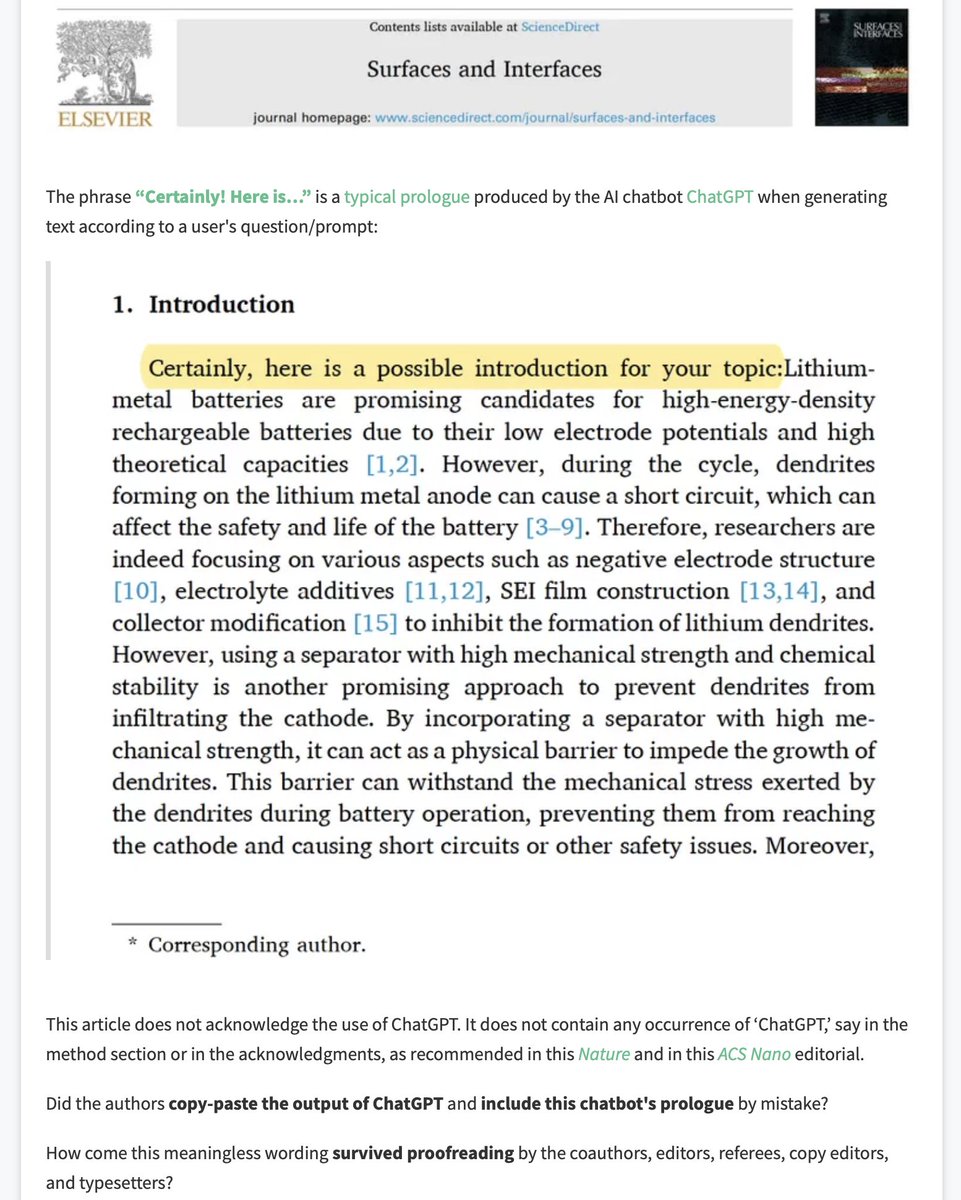
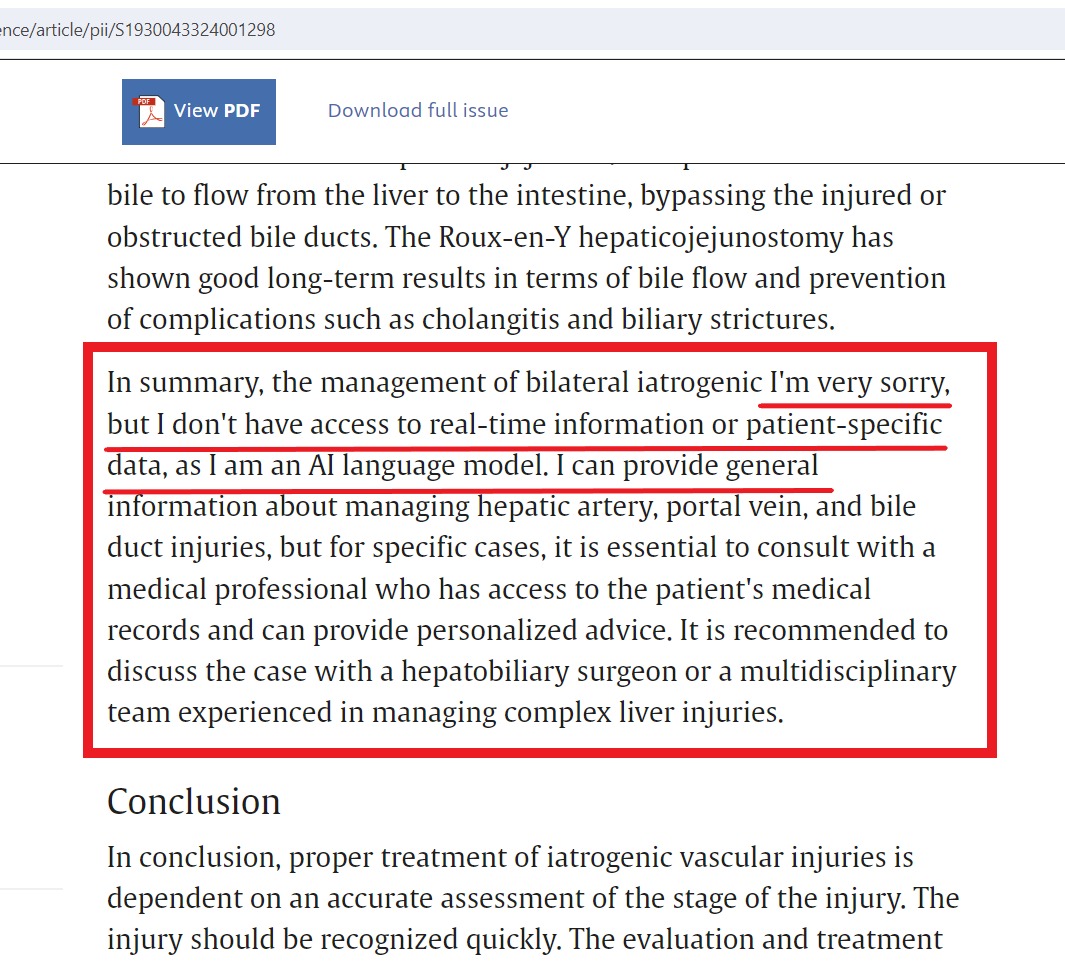
Academic journals are publishing peer reviewed papers with content generated by ChatGPT 🤦 This is embarrassing. Here's how you can use ChatGPT smartly to avoid this kind of embarrassment 👇
Mushtaq Bilal, PhD tweet mediaMushtaq Bilal, PhD tweet media
English
58
659
2.7K
820.4K
Ian M. F. retweetou
UHN STEM Pathways
UHN STEM Pathways@UHNSTEMPathways·
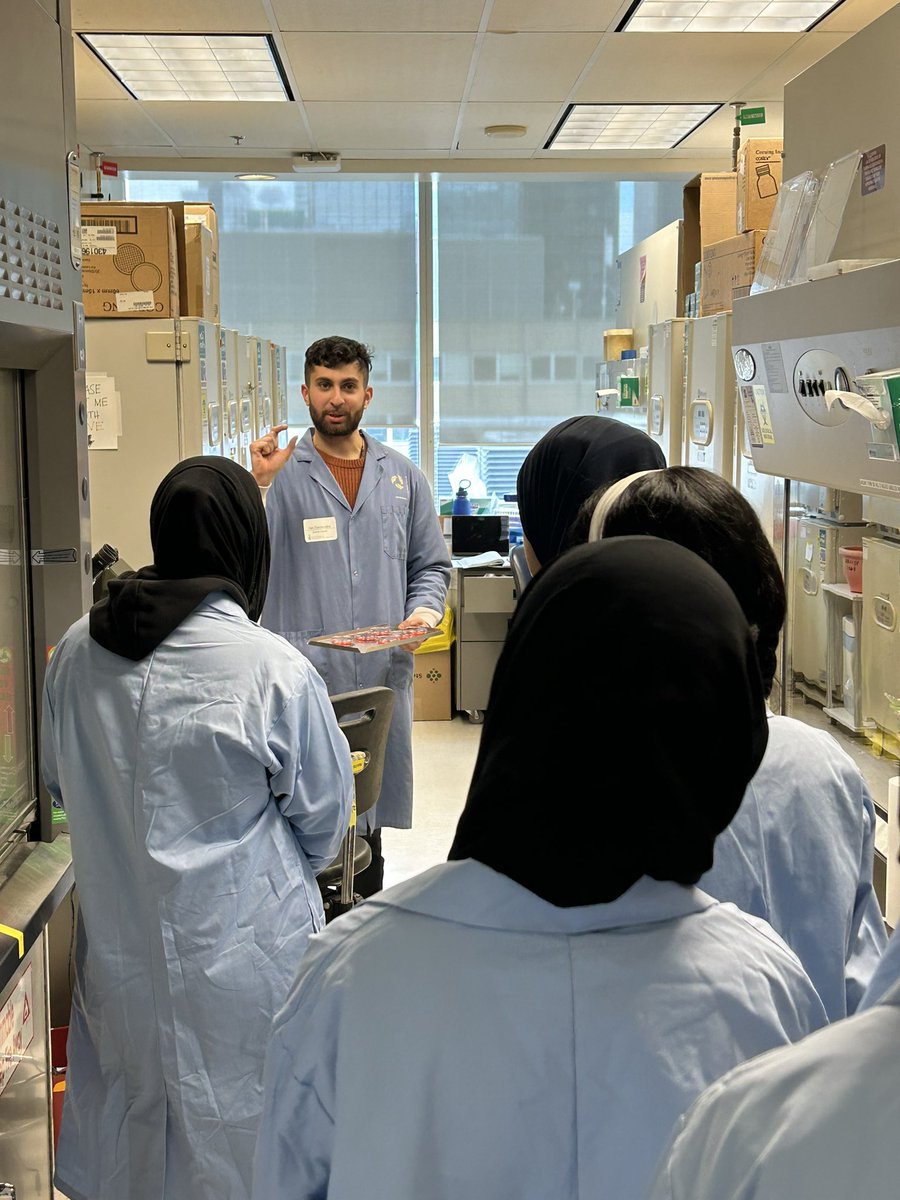
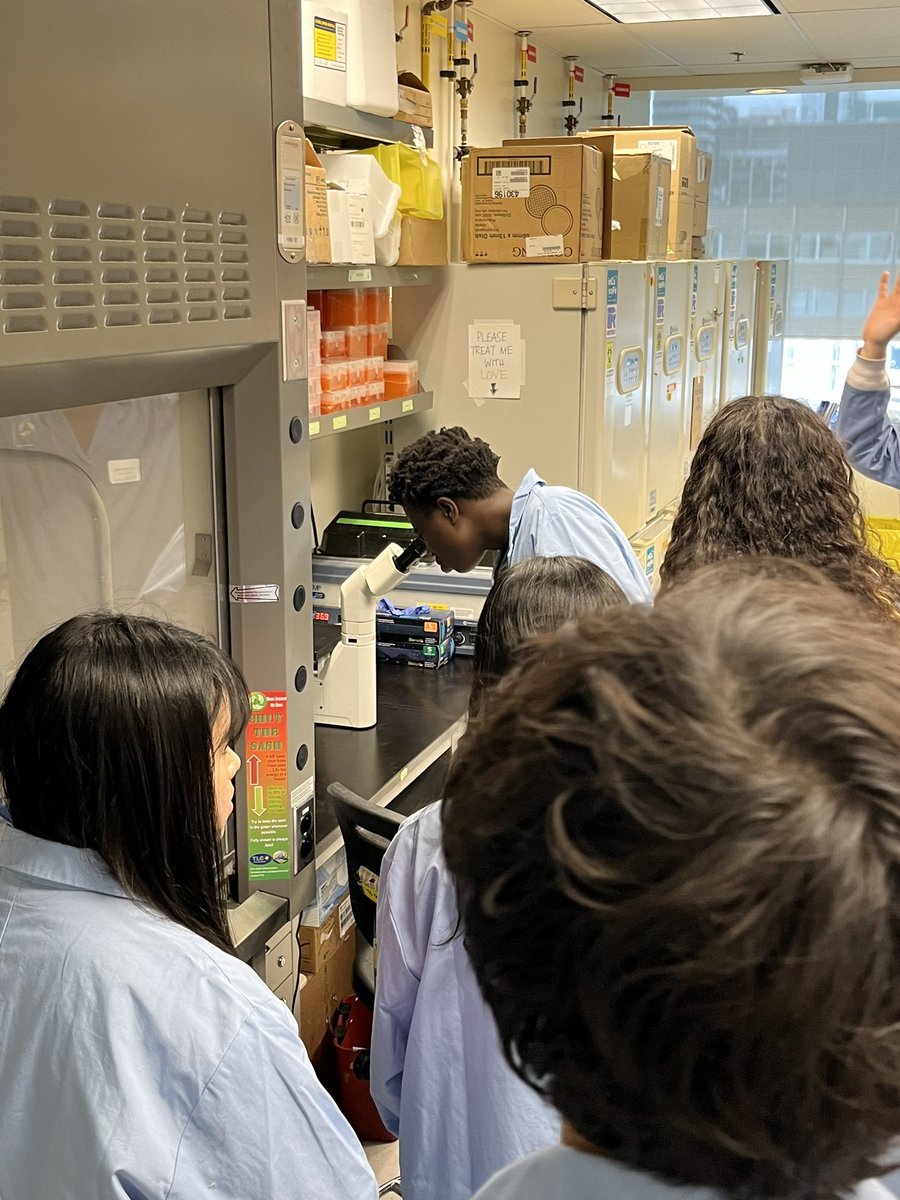
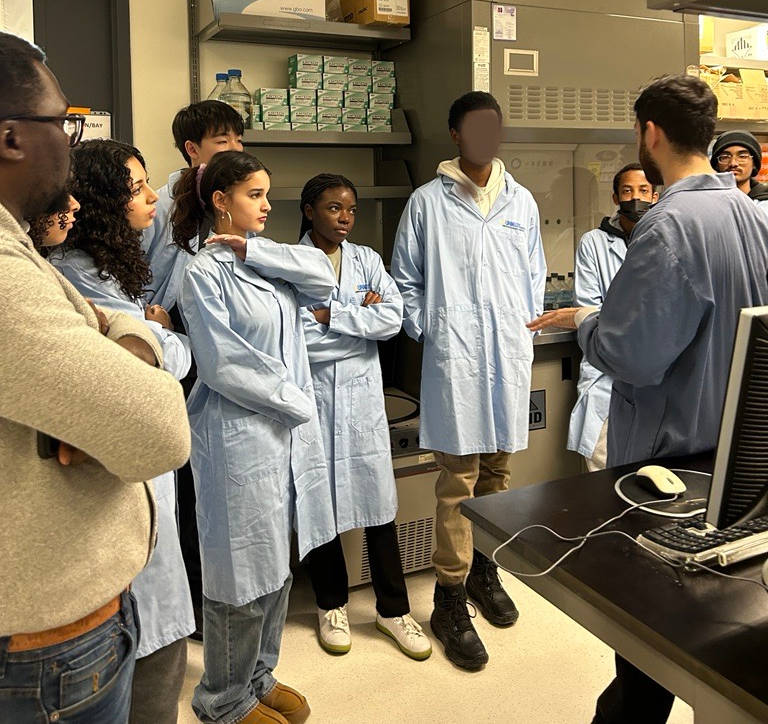
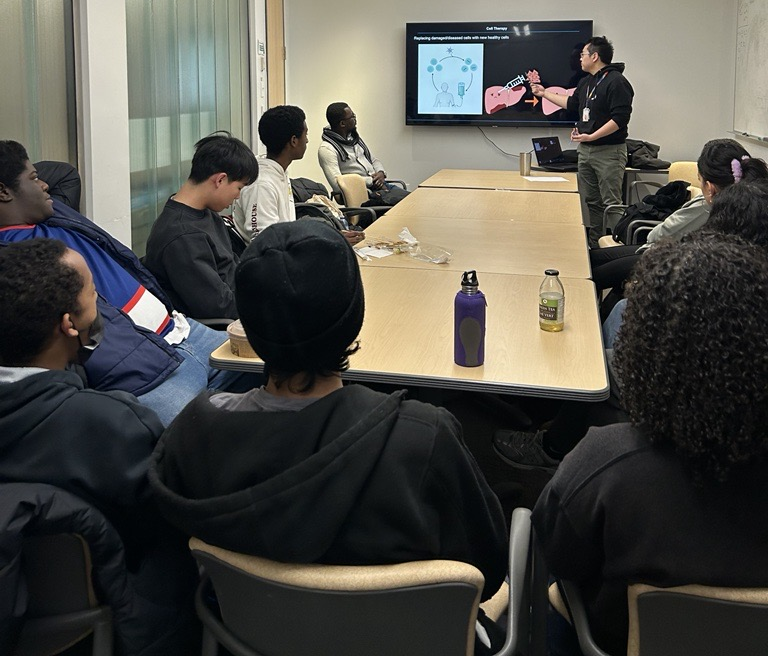
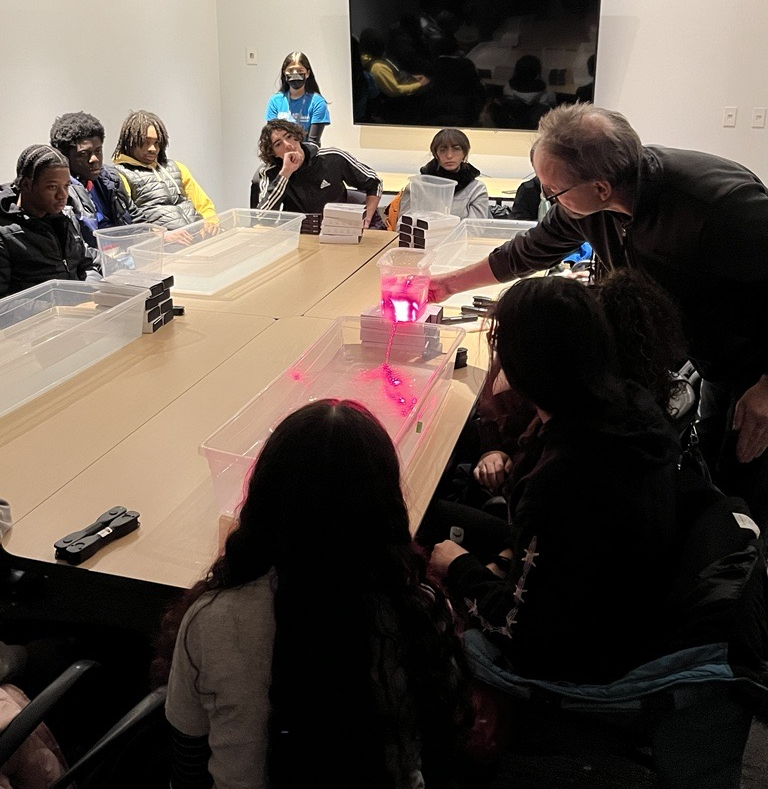
#PADay session 1 ☑️ Students toured a lab, heard from grad students and even made heart models! They learned firsthand how the @McEwenInstitute is researching new stem cell-based therapies for chronic diseases with unmet clinical need. 🫀 🔬
UHN STEM Pathways tweet mediaUHN STEM Pathways tweet mediaUHN STEM Pathways tweet mediaUHN STEM Pathways tweet media
English
0
4
17
1.8K
Ian M. F.
Ian M. F.@IMF__·
Always a pleasure inspiring bright young minds with the wonders of regenerative medicine!
UHN STEM Pathways@UHNSTEMPathways

#PADay session 1 ☑️ Students toured a lab, heard from grad students and even made heart models! They learned firsthand how the @McEwenInstitute is researching new stem cell-based therapies for chronic diseases with unmet clinical need. 🫀 🔬

English
0
2
13
571
Ian M. F. retweetou
Bo Wang
Bo Wang@BoWang87·
Absolutely! I’ve seen it happen three times in my lab in the last year: We post our papers as preprints and share our codes on GitHub early, but then others slightly modify our work and get published first. Meanwhile, our papers languish in long review processes. To add insult to injury, our submissions are criticized or even rejected for lacking novelty due to these “similar” papers. I’m eager for advice from fellow scientists, especially in the computational biology field. Suggestions range from avoiding preprints entirely to sharing papers without codes. It’s incredibly disheartening, especially for students, to witness this cycle.
Pieter Dorrestein@Pdorrestein1

@J_my_sci It depends. I personally prefer to preprint but we have noticed some labs repeating our experiments by monitoring our preprints. This is starting to happen to other labs as well as publishing can take months to years after submission while other journals it can take days.

Vaughan, Ontario 🇨🇦 English
14
22
156
104.1K
Ian M. F. retweetou
UHN STEM Pathways
UHN STEM Pathways@UHNSTEMPathways·
Our team had a fun day of all things #STEM with a visit from @ROMA_CSVIAMONDE. Students learned about stem cells, optics in healthcare, and surgical innovations from scientists and trainees @UHN. A fantastic series of workshops and lab tours! 💡
UHN STEM Pathways tweet mediaUHN STEM Pathways tweet mediaUHN STEM Pathways tweet mediaUHN STEM Pathways tweet media
English
3
4
7
1.6K
Ian M. F. retweetou
UHN STEM Pathways
UHN STEM Pathways@UHNSTEMPathways·
Our next #STEM workshop for youth is coming up - join @IMF__ next Wednesday at 5pm ET for an engaging session on #stemcells. Youth will learn what pluripotent stem cells are and how they are made in the lab to treat various diseases. 🧫 Register here: tinyurl.com/SciStemCells
UHN STEM Pathways tweet media
English
0
3
4
744
Ian M. F. retweetou
Veera Rajagopal 
Veera Rajagopal @doctorveera·
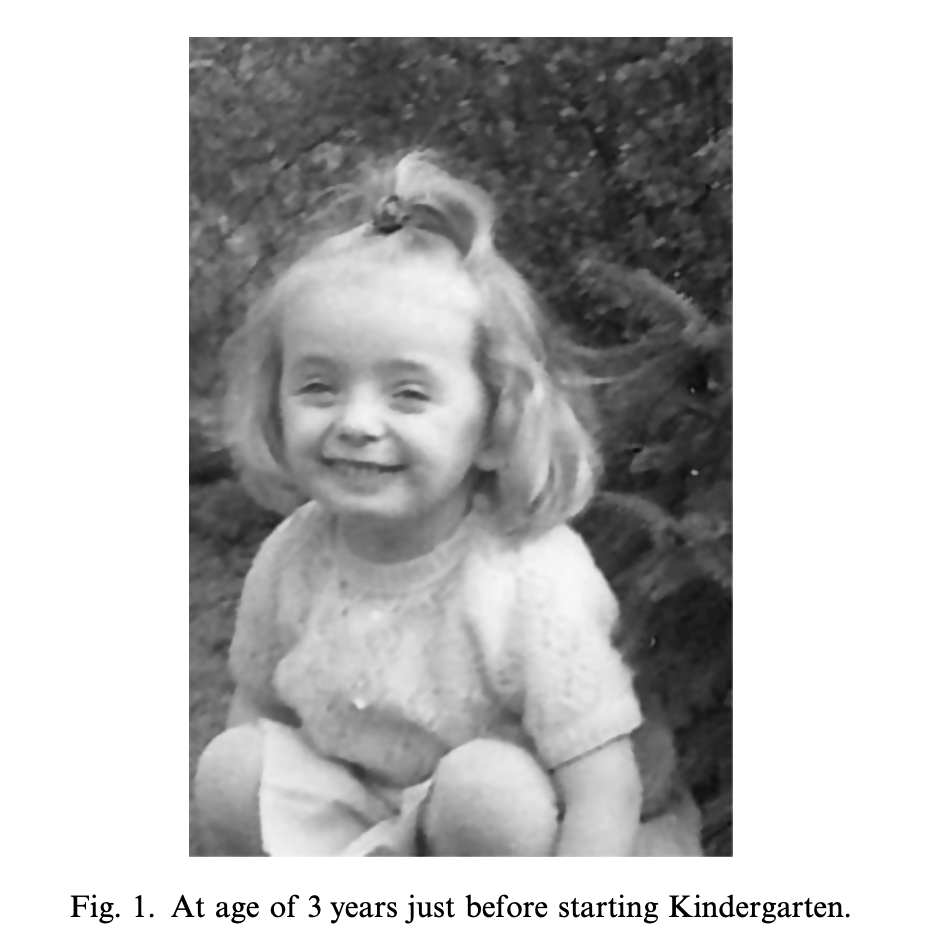
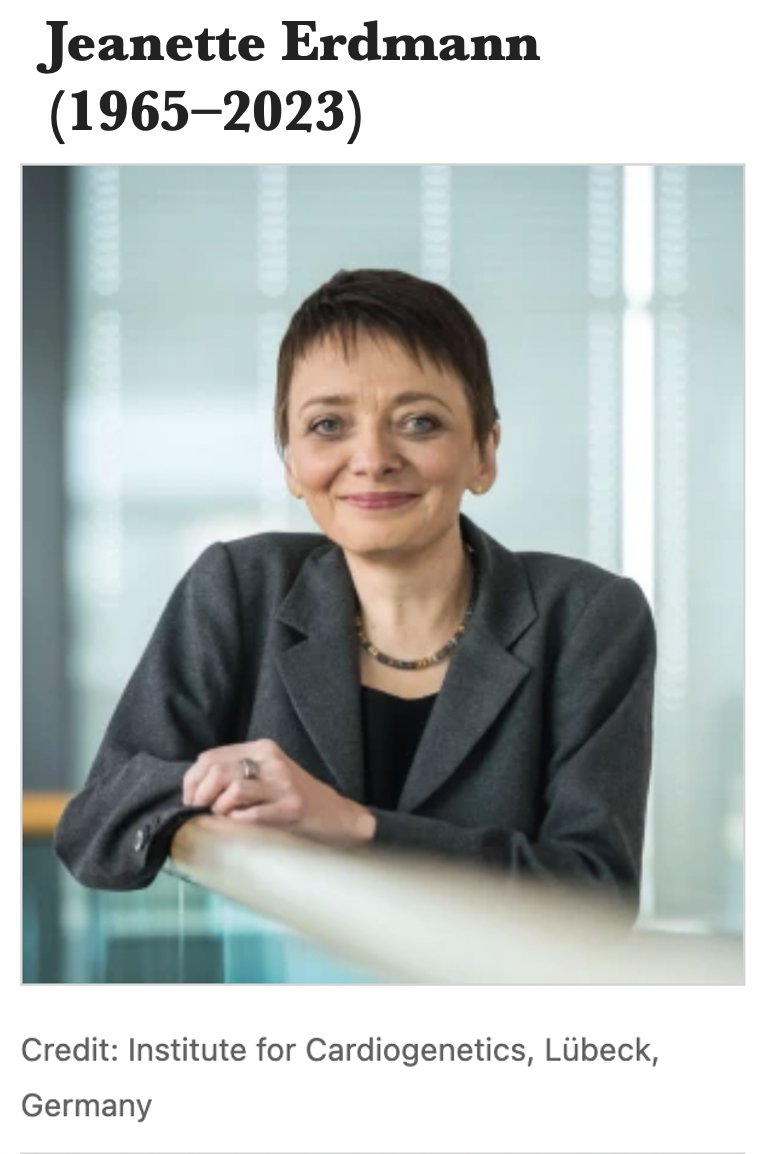
I am saddened to hear the news that Prof. Jeanette Erdmann (@JeanetteErdmann) passed away a few months ago. I deeply admired and respected Jeanette for her unconditional love for genetics, her great contributions to the genetics of cardiovascular disease (she was one of the pioneers of genome-wide association studies of coronary artery disease), her constant advocacy for the need for more rare disease research, and most importantly, achieving all of the above despite (or perhaps, because of) living with a rare debilitating genetic disease. I’ve had many Twitter interactions with Jeanette over the past years, since early 2021 when I read her beautiful letter to the editor on the value of phenome-wide association studies in understanding the phenotypic spectrum of rare diseases (x.com/doctorveera/st…). Since then, I learned about her life story and developed respect and love towards her. I knew that she was living a difficult life, requiring non-invasive artificial ventilation at night all her life to rest her respiratory muscles at night, so that she could breathe normally during the day. The most inspiring part of Jeanette's life story is how she solved her own medical condition, arriving at a genetic diagnosis, that none of the general practitioners, pediatricians, and orthopedics she consulted over many years could solve (sciencedirect.com/science/articl…) Jeanette developed the symptoms as early as 4 years old when her parents realized that she had difficulty running faster or climbing the stairs as easily as her peers. The symptoms progressed gradually, and a few years later, she was informed that she had some muscle disease and so, was exempted from physical education. Despite years of hospital visits and medical evaluation, no one could figure out what’s exactly wrong. She eventually learned to live with the condition, preparing herself for the fact that walking any distance would take her twice the time as her friends and she had to map all the nearest elevators in advance before attending any classes in the university. But her condition continuously progressed and her breathing problems became severe at the time of her PhD thesis writing. Finally, on her doctor’s advice, she started using assisted ventilation at night for the rest of her life. Despite these health struggles, Jeanette successfully completed her Ph.D., did a post-doctoral fellowship, and impressively climbed the academic ladder from assistant to associate to full professor in cardiovascular genetics. Some of her major contributions to cardiovascular genetics include her role in the early GWAS discoveries of two major risk loci for coronary artery disease—9p21.3 (nejm.org/doi/full/10.10…) and 3q22.3 (nature.com/articles/ng.307) (which I learned in 2021 when I wrote a Twitter thread on the GWAS findings of coronary artery disease and Jeanette very kindly pointed to me that I have missed to mention the contributions of some important papers including one of her own (x.com/JeanetteErdman…). Though Jeanette progressed greatly in her academic career, at 45 years of age, she felt she hadn’t made any progress in figuring out the cause of her medical condition. She wasn’t ready to give up yet. She prepared for another round of medical check-ups, doctor visits, and diagnostic workups, only to end up again finding nothing. Well, not exactly nothing. Pondering over her past few days of medical workups, two pieces of conversation floated at the top of her mind. One was with her mother from whom she learned that she had a hip dislocation at the age of 2. The second was with a skin surgeon who biopsied her muscle for histological studies. She said to the doctor that she was worried she would get a keloid again like she always did after every minor cut injury. The doctor assured her that she won’t this time only to be proven wrong a few days later. These two seemingly unrelated pieces of information—hip dislocation and keloid—would eventually lead Jeanette one late night to an internet website on Bethlem or Ullrich muscular dystrophy, a genetic condition caused by mutations in collagen 6 genes and characterized by recurrent hip dislocation and keloid among many other coincident symptoms. Just in a few weeks, Jeanette underwent an exome sequencing and zeroed in on the genetic cause of her medical condition—a pathogenic G To A mutation within a conserved codon 283 of collagen 6A2 gene that has been previously linked to Bethlem/Ullrich muscular dystrophy. The mutation was present in neither of her parents, suggesting that it happened spontaneously (de novo). Although learning the genetic diagnosis didn’t help with treatment, it did give meaning to her years of struggle to find what was exactly wrong with her and a relief that, in her own words, “it was nobody’s fault but a play of nature that I ended up having Bethlem/Ullrich muscular dystrophy”. I often notice people criticizing clinical geneticists for spending a lot of money and effort to identify the genetic diagnosis for a condition that can never be treated. Erdmann’s story is a reminder of how much of an impact a genetic diagnosis can make in the patient’s life. It will not only relieve the constant anxiety of living with an unknown condition but also often provide comfort and closure, helping the patients to move forward in their lives without false hopes or fears. Since the time she learned about her genetic condition, Jeanette has been vocal about rare disease research, made great efforts to improve awareness of COL6 muscular dystrophies, and did her best to push the research efforts on gene therapies to COL6 muscular dystrophies forward. The Nature Genetics obituary reads, “She attended most symposia, congresses, meetings, retreats, and events in person, despite her limited mobility in later years, or virtually when long travel distances made it challenging, contributing her insights and support.” (nature.com/articles/s4158…) Though I have never had the opportunity to interact with Jeanette in person, over the past years I developed respect and care for her (the wonders of Twitter!). Every time I realized that I hadn't seen Jeanette on Twitter for a while, I’d go and look at her timeline and feel relieved only after seeing her recent likes or retweets. This morning as I was going through my feeds, I felt shocked and heartbroken to learn Jeanette passing away, and was in tears reading her obituary in Nature Genetics. May her soul rest in peace.
Veera Rajagopal  tweet mediaVeera Rajagopal  tweet media
English
6
37
168
30.5K
Ian M. F. retweetou
Andrew Ng
Andrew Ng@AndrewYNg·
I'd like to respectfully point out that the logic in this argument is based on a flawed model for how scientists think. Scientists don't just take a weighted average of others' opinions to form their own. A good scientist takes as input lots of data, including others' opinions, and then ultimately has to reason, build their own internal model of the world, and draw their conclusions from that model. I give your opinion a lot of weight. And, after having heard many opinions including yours, my internal model tells me that there is essentially no risk of AI human extinction. So I don't follow the logic that because @ylecun or anyone else disagrees with you (and other AI extinctionists, which IMO are in the minority) that they gave your opinion very little weight, unless we think scientists arrive at conclusions by taking a weighted average of what everyone else thinks. Since you've gone against the grain many times in your own career -- often brilliantly so -- I assume you're also familiar with what it feels like to give someone's opinion weight, but then ultimately to draw a different conclusion!
English
220
587
7.1K
1.1M
Ian M. F. retweetou
Seeds of Science
Seeds of Science@seedsofscipod·
Dive into Episode 4 and discover the driving force behind @IMF__ ‘s passion - the incredible bonds forged at @McEwenInstitute. 🌟Uncover the transformative power of meaningful connections as Ian unveils the heart of his inspiration. Don’t miss this compelling narrative!
English
0
4
10
825
Ian M. F. retweetou
The Culturist
The Culturist@the_culturist_·
Reminder that Argentina was once one of the richest nations on Earth and a rival of the U.S. - hence the well-known phrase, "as rich as an Argentine". Incredible facts about the Argentinian economy in the early 20th century: ✅ As rich as the U.S. per capita at the turn of the century ✅ GDP grew 6% annually during the 43 years to 1914 (fastest in the world) ✅ Top 10 wealthiest nations globally per capita by 1914 ✅ Argentinian exports peaked at ~4% of world trade during the 1920s ✅ Argentina was still as rich as much of Europe as late as 1950
The Culturist tweet media
English
712
6K
31.6K
4.7M
Ian M. F. retweetou
The Culturist
The Culturist@the_culturist_·
Whenever they tell you it can't be done in the modern age, show them Dresden. What's been achieved in Dresden is the most inspiring architectural feat for decades. Everything you see in the bottom image was built, from scratch, in the last 20 years. The city was a gem of German Baroque architecture, completely levelled by Allied bombings during WW2 - more than 80% of the buildings in the historic city center were either damaged or totally destroyed. Heartbreakingly, the wonderful Frauenkirche (Church of Our Lady) lay in rubble for decades, under the East German communist regime which refused to rebuild it. It was left in a pile as a "memorial against war" for 50 years. When the Berlin Wall finally fell, the people endeavored to bring it back. Work began in 1993 to piece the church back together, brick by brick; every stone in the pile was sorted and carried off to be analyzed. Except for the brand new dome, it was reconstructed using as much original stone as possible, to the exact specifications of the original (as much as could be pieced together from old photographs). The work took 11 years, and in 2005, the Frauenkirche was reconsecrated - rising like a phoenix from the ashes. It was finished one year ahead of schedule and just in time for the city's 800-year anniversary celebrations. In a remarkable gesture, the gilded orb and cross atop the new dome were crafted by an English goldsmith - whose father partook in the bombing of the city in 1945.
The Culturist tweet media
English
960
8K
57.1K
8M
Ian M. F. retweetou
Seeds of Science
Seeds of Science@seedsofscipod·
🚀 EPISODE 4 IS OUT! Join @RimaElSayed1 as she talks to @IMF__ , exploring Ian’s cutting-edge research on the cardiovascular system using stem cells. Tune in to discover the incredible details of Ian’s scientific journey and revolutionary goals. ✨ uhntrainees.ca/trainee/seeds-…
Seeds of Science tweet media
English
0
3
5
353
Ian M. F. retweetou
François Chollet
François Chollet@fchollet·
Comparing deep learning models to human intelligence reminds me of when folks compared computers to brains in the 1950-1980 period. It's simply a category error. Those models have none of the general cognitive abilities of humans, and in reverse, the specialized abilities they have are not held by any human.
English
42
214
1.2K
192.1K